Hallers brasserie tout le monde
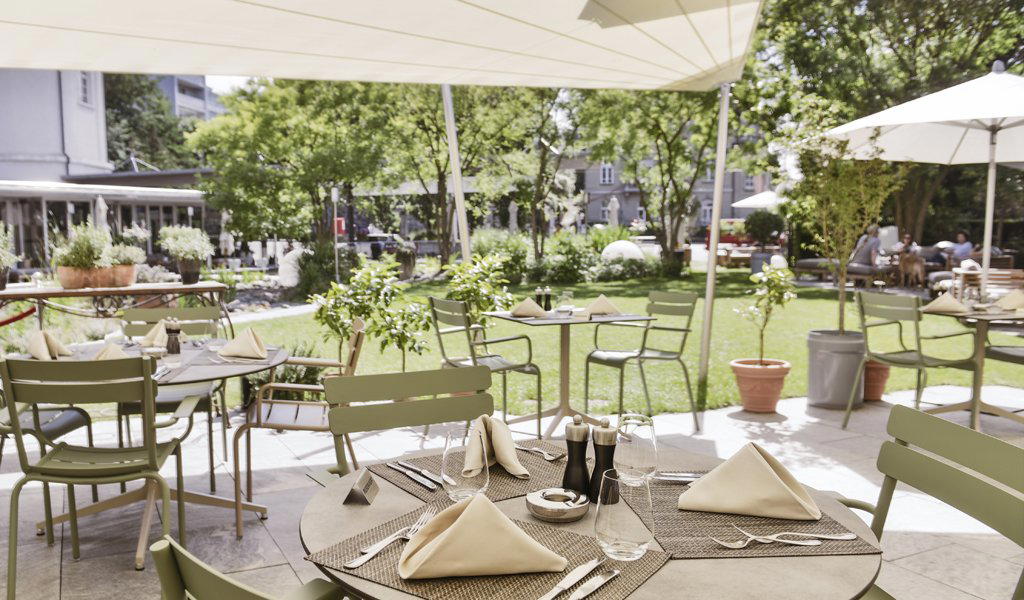
On Hallerstrasse in Bern's university quarter, Hallers brasserie tout le monde occupies the kind of neighbourhood position that suits an all-day brasserie: close enough to the Länggasse's residential streets to draw regulars, far enough from the old town to avoid tourist drift. The format signals a commitment to accessibility over ceremony, placing it in a different tier from Bern's more formal dining rooms.
Pearl is the En Primeur Club membership app — saves, bookings, and concierge access live there. Same editors, same standards.
- Address
- Hallerstrasse 33, 3012 Bern, Switzerland
- Phone
- +41313764488
- Website
- hallersbrasserie.ch
- Directions
- Get directions
 Saves & bookings on Pearl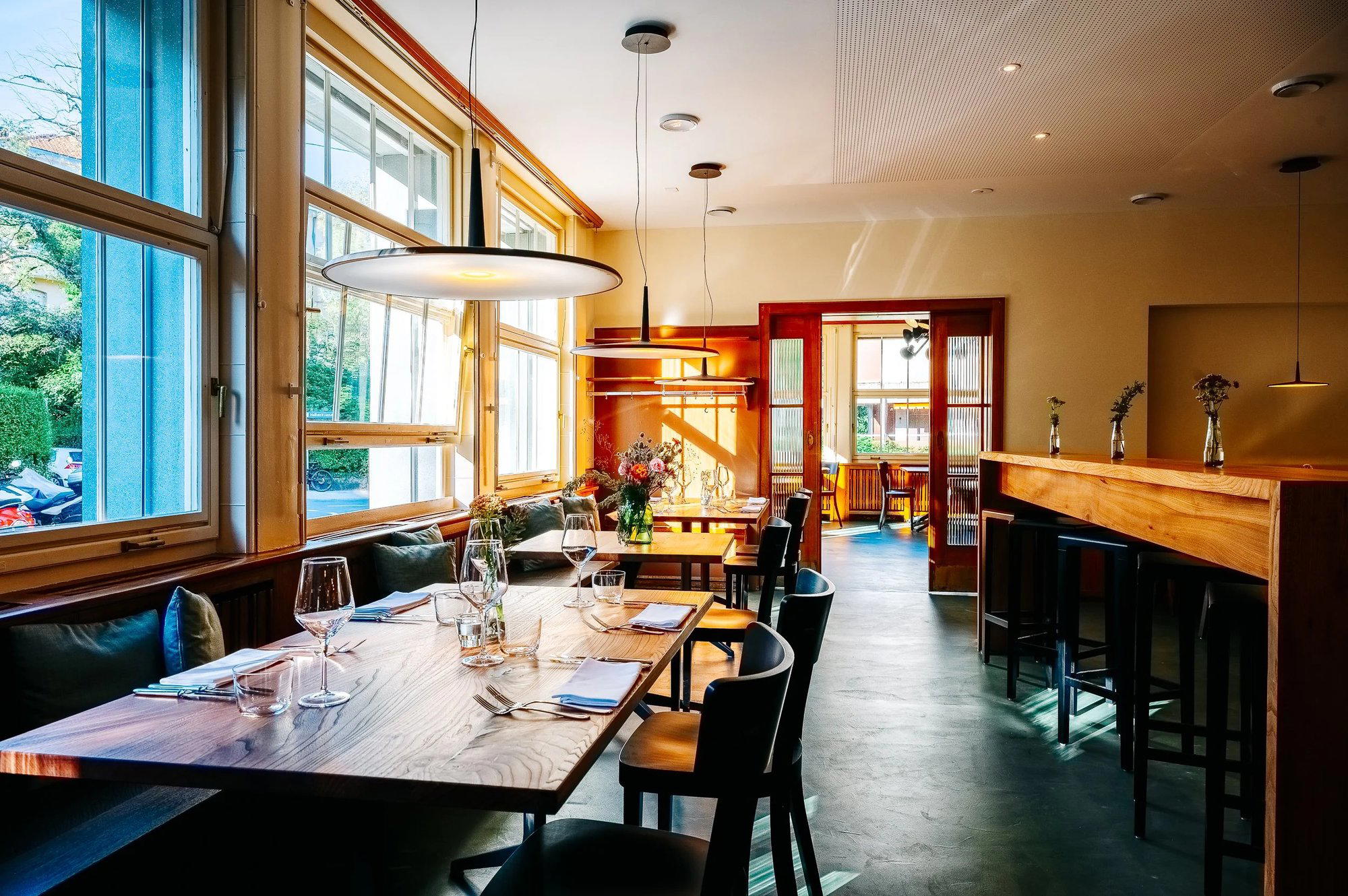
A Street Address That Tells You Something
Hallerstrasse 33 sits in the Länggasse district, the stretch of Bern that runs west from the university toward the allotments and quiet apartment blocks of the city's academic quarter. Brasseries in this part of town tend to reflect the neighbourhood's character: unpretentious in register, consistent in supply, and oriented toward the kind of guest who returns weekly rather than annually. That posture shapes what a place like Hallers brasserie tout le monde is built to do.
The phrase tout le monde is doing deliberate work in the name. It signals an intention toward inclusion rather than exclusivity, a positioning that places this address in a different conversation from the formal dining rooms clustered nearer the Bundeshaus. For context on Bern's wider range, our full Bern restaurants guide maps the city's dining tiers from neighbourhood tables through to high-end contemporary rooms.
Where Ingredients Come Into the Picture
The brasserie format, when it functions well, is fundamentally an ingredient-driven one. Unlike destination tasting menus, where the architecture of a dish can carry a plate even when the sourcing is generic, a brasserie lives or dies on the quality of what arrives at the kitchen door. The Swiss context amplifies this. Switzerland's short supply chains, strong regional agriculture, and seasonal market culture in cities like Bern create conditions where a neighbourhood brasserie has practical access to good-quality produce without requiring the procurement infrastructure of a larger operation.
Bern's markets, particularly the Tuesday and Saturday Bundesplatz market, have long supplied the city's mid-range restaurants with alpine dairy, regional vegetables, and locally raised meat. A brasserie positioned in the Länggasse quarter is geographically and logistically close to those supply networks. That proximity matters in a way it wouldn't in a city where ingredient sourcing requires longer chains. Switzerland's food geography is a genuine advantage for restaurants that choose to use it.
This matters when comparing Hallers against the broader Swiss dining scene. At the high end, venues like Schloss Schauenstein in Fürstenau and Hotel de Ville Crissier in Crissier have built internationally recognised programmes partly on the strength of hyper-local and estate-grown produce. The brasserie format operates at a different scale and price register, but the underlying logic of short-chain sourcing runs across Swiss restaurant culture regardless of formality level.
Bern's Dining Middle Ground
Bern is not a city that generates the volume of international dining commentary that Zurich or Geneva does, which means its mid-range and neighbourhood restaurants operate largely below the radar of the award circuits that track places like Cheval Blanc by Peter Knogl in Basel or Memories in Bad Ragaz. That relative obscurity can work in a diner's favour. Tables are more accessible, the atmosphere is calibrated toward locals rather than international visitors, and pricing tends to reflect the neighbourhood rather than the destination premium.
Within Bern itself, the city's more formally recognised contemporary rooms include Wein & Sein, which sits at the higher end of the city's modern cuisine tier, and Steinhalle, operating in the creative register. Hallers brasserie tout le monde occupies a different position: the neighbourhood brasserie slot that those restaurants are not competing for, and are not designed to fill.
For diners who want something more produce-focused and plant-forward, ZOE operates in the vegetarian tier, while Al Toque and Azzurro – Terra e Mare extend the city's mid-range options in different culinary directions. The range across these addresses reflects a city that supports a diverse mid-market without the concentration of international fine dining you find in Zurich, where venues like IGNIV Zürich by Andreas Caminada anchor the high end.
The Brasserie Format and What It Asks of a Kitchen
The brasserie as a format has a specific discipline. It requires consistency across a wider menu range than a focused tasting counter demands, and it requires that consistency to hold across lunch and dinner services, across seasons, and across the variation in a neighbourhood clientele. The French brasserie tradition that the name references has a built-in logic: classical preparations, recognisable categories, and execution that prioritises reliability over surprise.
In Swiss hands, that framework tends to absorb local inflections. The cheese culture, the proximity to French and German culinary traditions, and the seasonal rhythm of alpine and plateau agriculture all leave marks on what a Swiss brasserie puts on the table. A steak-frites executed with Swiss beef tastes different from the same preparation in Lyon, not because the technique differs, but because the supply chain does.
This is the context in which ingredient sourcing becomes the critical variable at a place like Hallers. When the format is classical and the technique is established, what differentiates one brasserie from another is the quality and provenance of what the kitchen is working with. That calculus applies whether you're discussing a neighbourhood table in Bern or a destination address like focus ATELIER in Vitznau or 7132 Silver in Vals.
Planning a Visit
Hallers brasserie tout le monde is at Hallerstrasse 33, 3012 Bern, in the Länggasse district. Bern's tram and bus network connects the university quarter to the city centre in under ten minutes, and the neighbourhood is walkable from the main station within twenty minutes. For visitors arriving from elsewhere in Switzerland, Bern Hauptbahnhof puts the city's entire dining range within easy reach. Given the neighbourhood positioning and the brasserie format, booking ahead for dinner is prudent, particularly on weekday evenings when the Länggasse's residential clientele tends to fill local tables early. Lunch on weekdays is generally more accessible without advance planning.
For reference on what a more formal Swiss dining experience looks like at the top of the country's range, Einstein Gourmet in Sankt Gallen, Colonnade in Lucerne, and Da Vittorio in St. Moritz map the higher tier. Internationally, Le Bernardin in New York City and Atomix in New York City illustrate what ingredient-sourcing discipline looks like when applied to multi-award programmes at the very best of the global range.
Continue exploring
More in Bern
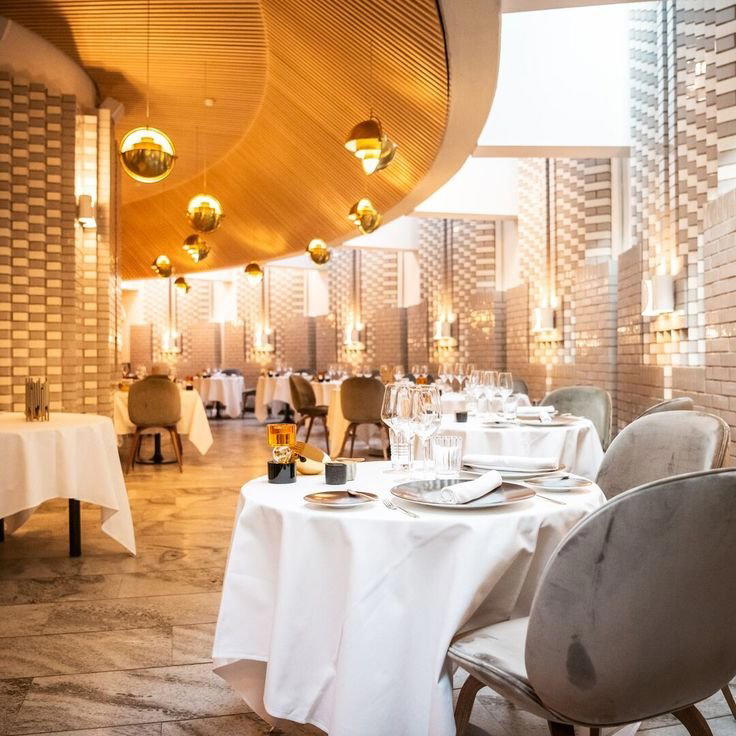
Restaurants in Bern
Browse all →
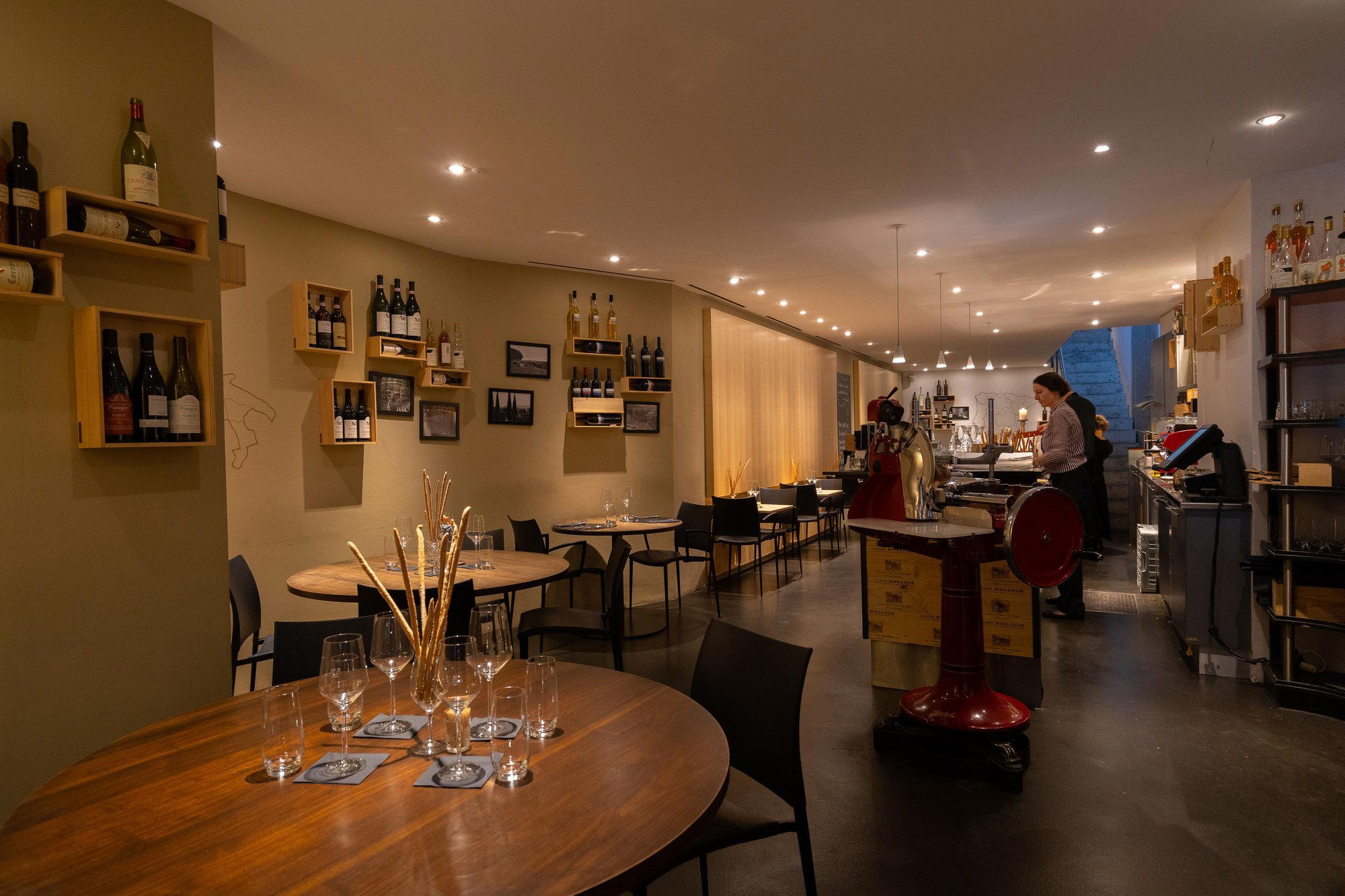
Bars in Bern
Browse all →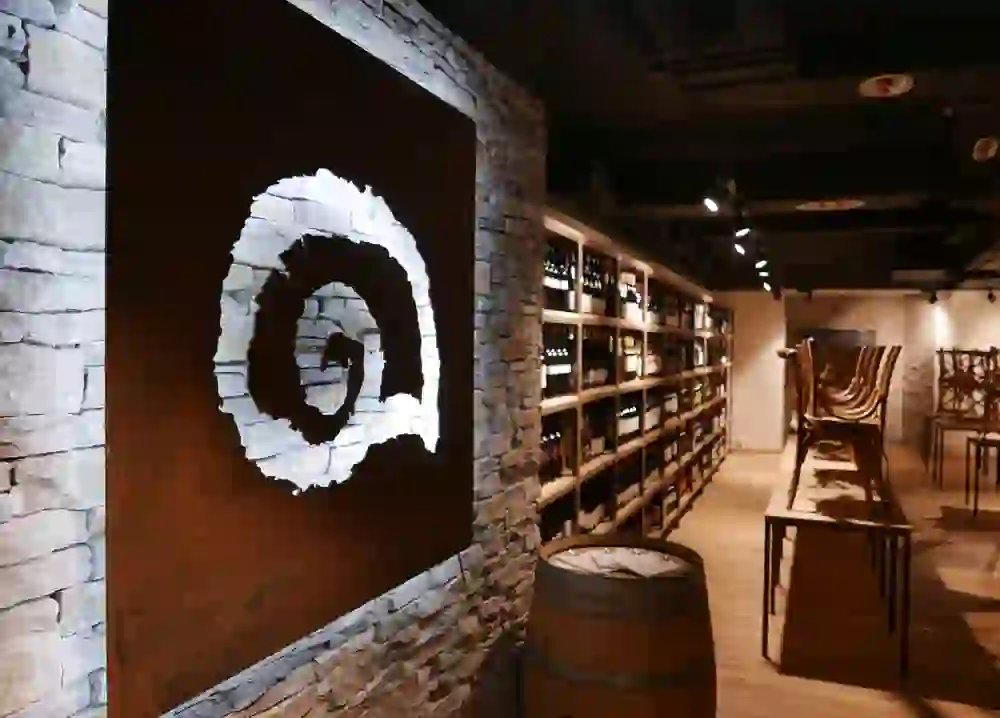
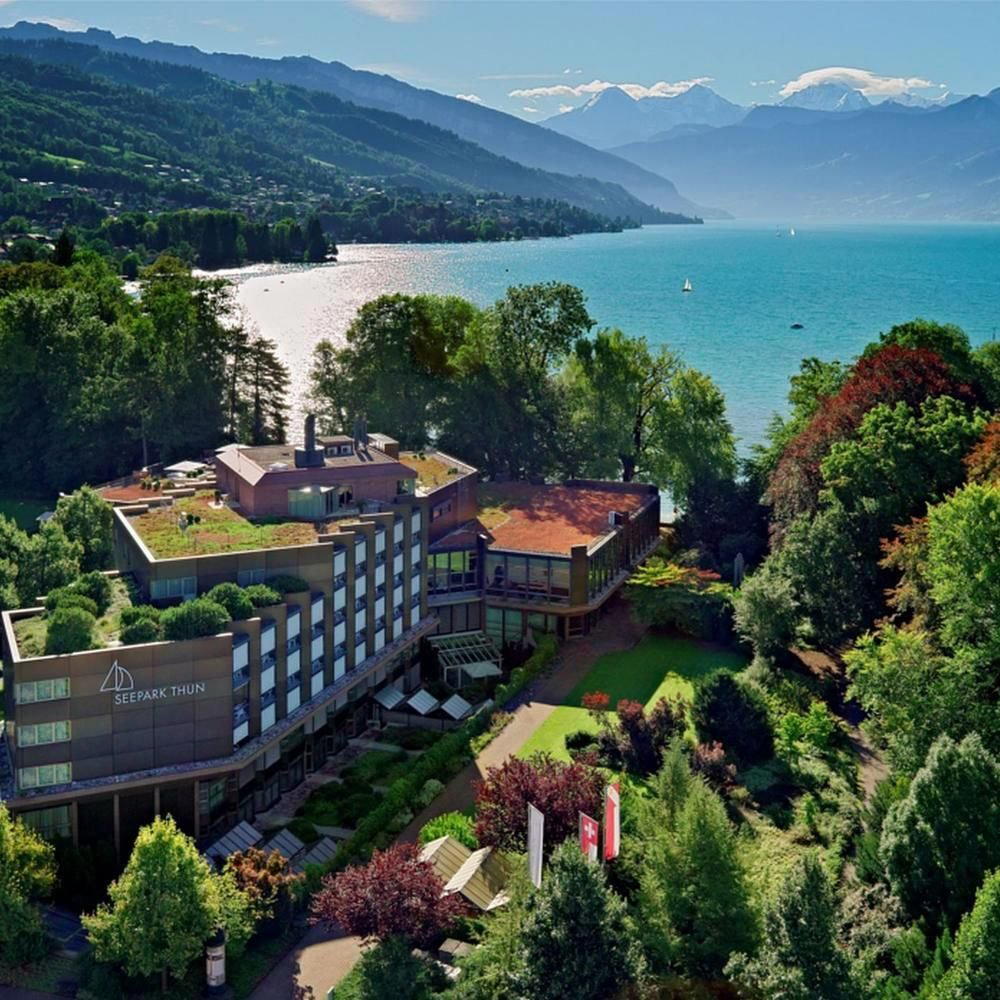
Hotels in Bern
Browse all →

At a Glance
- Cozy
- Elegant
- Classic
- Casual Hangout
- Family
- Group Dining
- Standalone
- Extensive Wine List
- Local Sourcing
Current opening hours
- Monday
- Closed
- Tuesday
- 11:30 AM–2 PM, 5:30–11:30 PM
- Wednesday
- 11:30 AM–2 PM, 5:30–11:30 PM
- Thursday
- 11:30 AM–2 PM, 5:30–11:30 PM
- Friday
- 11:30 AM–2 PM, 5:30–11:30 PM
- Saturday
- 5:30–11:30 PM
- Sunday
- Closed
Hours can change for holidays and private events. Last verified .
Great welcoming vibe in an elegant neighborhood pub atmosphere.
Know Before You Go
- Getting there
- Hallerstrasse 33, 3012 Bern, Switzerland