Google: 4.9 · 295 reviews

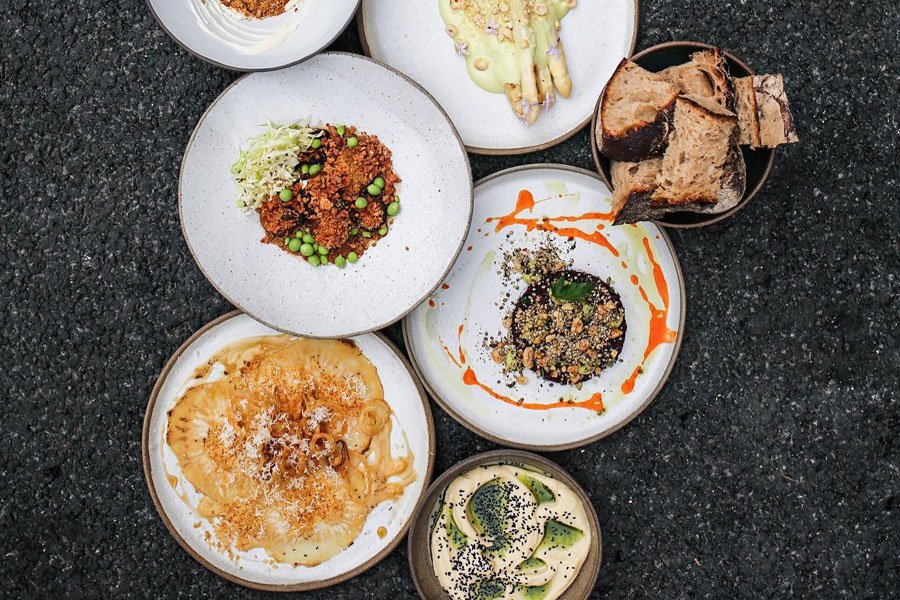
Rüpel at Kötnerholzweg 30 in Hannover's Linden district operates as a fully plant-based restaurant recognised by the We're Smart community for strong price-to-quality value. Chef Lennart Röbbel leads the kitchen with a vegetable-forward focus, while the drinks list runs toward alcohol alternatives and natural wines. It sits in a different register from Hannover's conventional dining scene.
 Discover on Pearl
Pearl is the En Primeur Club membership app — saves, bookings, and concierge access live there. Same editors, same standards.
- Address
- Kötnerholzweg 30, 30451 Hannover, Germany
- Phone
- +49 172 1586752
- Website
- ruepel.bar
Where Hannover's Plant-Based Dining Has Arrived
Germany's fine-dining circuit has spent the past decade largely organised around classical French technique and protein-led tasting menus. The reference points are familiar: Aqua in Wolfsburg with its contemporary cross-cultural precision, Schwarzwaldstube in Baiersbronn anchoring the French tradition in the Black Forest, and Vendôme in Bergisch Gladbach operating in a similarly classical register. Against that backdrop, a small number of kitchens have staked a different position: one where vegetables are not a concession or a sidebar, but the entire architecture of the meal. Rüpel, located at Kötnerholzweg 30 in Hannover's Linden district, belongs firmly to that second group.
The We're Smart community, which tracks and rates vegetable-forward restaurants across Europe, has given Rüpel its pure plant-based designation and rates it as offering strong price-to-quality value. That recognition matters as a calibration point. We're Smart's framework is one of the few structured evaluation systems focused specifically on vegetable-led cooking, and placement within it signals something about culinary seriousness rather than dietary category. The carrot logo used to mark Rüpel's status is a visual shorthand for 100% plant-based cooking, with no meat, fish, or dairy acting as a safety net beneath the menu.
The Vegetable-First Kitchen as a Cultural Position
Plant-based fine dining in Germany carries a different cultural weight than it does in, say, London or Copenhagen. German food culture has deep roots in meat-centred cooking, from the roasted pork traditions of Bavaria to the cured and smoked products of northern regions. A restaurant that removes those entirely is not simply making a dietary choice; it is making a statement about what cooking can do with what the soil produces. Across Germany, only a handful of kitchens have committed to this position at a level where critics and culinary communities take the cooking seriously on its own terms.
In Berlin, CODA Dessert Dining has shown how a format built around unconventional primary ingredients can earn Michelin recognition and a loyal following among technically minded diners. That example is instructive: the category constraint becomes a creative engine rather than a limitation. Rüpel operates on a comparable logic. When a kitchen cannot fall back on a prime cut or a piece of fish as the centrepiece, every element of the plate demands more structural thought. Vegetable cookery at this level requires an understanding of fermentation, texture contrast, seasoning depth, and seasonal timing that rivals the technical demands of any protein-based kitchen.
Chef Lennart Röbbel, identified in We're Smart's recognition as the restaurant's vegetable chef, represents a generation of German cooks who have built their professional identity around this discipline rather than arriving at it from a classical meat-and-fish training. That distinction has implications for how the food reads: this is not a conventional tasting menu with the protein swapped out, but a kitchen that has organised its thinking around vegetables as primary subjects from the beginning.
The Drinks List as an Extension of the Cooking Philosophy
One of the more telling details about a plant-based restaurant is how it handles the drinks program. A kitchen that has thought carefully about vegetables and seasonality will often apply the same logic to what goes in the glass. At Rüpel, the drinks list focuses on alcohol alternatives alongside a selection of natural wines. That dual approach is coherent: natural wines, which minimise intervention in the winemaking process, carry an agricultural philosophy that aligns with a kitchen committed to vegetables grown and prepared with similar attention. The alcohol-alternative component addresses a different but equally considered question, namely what non-drinkers and sober diners actually want to drink at a serious restaurant, rather than deflecting them toward sparkling water.
This drinks approach places Rüpel in a small peer group of European restaurants where the beverage program has been thought through as a companion to the food rather than an afterthought. For diners who track natural wine producers or who are looking for thoughtfully constructed non-alcoholic pairings, the list is worth exploring in its own right.
Linden and Hannover's Dining Geography
Hannover does not have the same density of international dining attention as Hamburg, Munich, or Berlin, but the city supports a genuine restaurant culture with pockets of serious cooking. Restaurant Basil represents one strand of Hannover's dining offer. The Linden district, where Rüpel operates, sits west of the city centre and has a neighbourhood character that tends toward independent operators rather than hotel dining rooms or corporate venues. That context is relevant: Rüpel is a neighbourhood restaurant in the sense that it has a local address and a specific community around it, while operating at a level of culinary ambition that draws diners from across the city.
For visitors building a Hannover itinerary, our full Hannover restaurants guide maps the broader dining picture. The city's offer extends across registers, from formal rooms to casual neighbourhood kitchens. Those interested in where to stay, drink, or explore further can consult our full Hannover hotels guide, our full Hannover bars guide, our full Hannover wineries guide, and our full Hannover experiences guide.
How Rüpel Compares Within Germany's Broader Restaurant Map
Germany's most decorated restaurants, including JAN in Munich, Restaurant Haerlin in Hamburg, Schanz in Piesport, Victor's Fine Dining by christian bau in Perl, Waldhotel Sonnora in Dreis, and ES:SENZ in Grassau, operate in a Michelin-oriented tier where classical technique and long tasting menus are the norm. Rüpel is not competing in that field. Its recognition comes from a different evaluative framework, and its price-to-quality positioning suggests a more accessible entry point than those three-star or two-star rooms. That is not a qualification; it is a different kind of value proposition. A meal at Rüpel does not require the planning horizon or the budget of a destination tasting menu. It requires an interest in what serious vegetable cooking can produce and a willingness to eat in a part of Hannover that does not feel like a stage set for visiting critics.
For international context, the shift toward vegetable-centred fine dining is visible in kitchens from Le Bernardin in New York City at the seafood-focused end of technique-driven cooking, to Emeril's in New Orleans representing the American tradition of ingredient-led cooking. The thread connecting these otherwise very different rooms is a commitment to the primary ingredient as the governing principle of the kitchen. At Rüpel, that principle is the vegetable, in every course, without exception.
Planning Your Visit
Rüpel is located at Kötnerholzweg 30, 30451 Hannover, in the Linden district. Given the restaurant's recognition within the We're Smart community and its positioning as a strong price-to-quality option, booking ahead is advisable rather than assuming walk-in availability. Specific hours, booking method, and current pricing are leading confirmed directly with the restaurant, as those details are not currently verified in EP Club's data. The drinks list, with its focus on alcohol alternatives and natural wines, makes the restaurant viable for mixed groups where not every diner wants wine.
Budget and Context
These are the closest comparables we have in our database for quick context.
| Venue | Price | Awards | Notes |
|---|---|---|---|
| Rüpel | 100% pure plant-based at Rüpel in Hanover, the restaurant of vegetable chef Lenn… | This venue | |
| Aqua | €€€€ | Michelin 3 Star | Contemporary German, Italian/Japanese, Creative, €€€€ |
| Schwarzwaldstube | €€€€ | Michelin 3 Star | French, Classic French, €€€€ |
| CODA Dessert Dining | €€€€ | Michelin 2 Star | Creative, €€€€ |
| Vendôme | €€€€ | Michelin 2 Star | Modern European, Creative, €€€€ |
| Tantris | €€€€ | Michelin 2 Star | Modern French, French Contemporary, €€€€ |
Continue exploring
More in Hannover
Restaurants in Hannover
Browse all →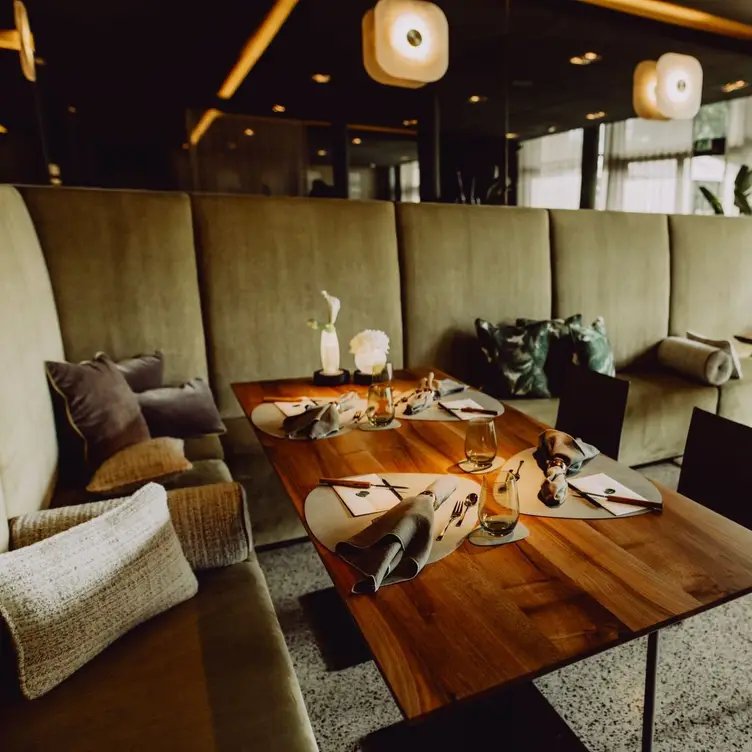
At a Glance
- Elegant
- Cozy
- Intimate
- Sophisticated
- Date Night
- Celebration
- Special Occasion
- Group Dining
- Open Kitchen
- Standalone
- Design Destination
- Extensive Wine List
- Natural Wine
- Sommelier Led
- Zero Proof
- Farm To Table
- Organic
- Natural Wine
- Local Sourcing
- Zero Waste
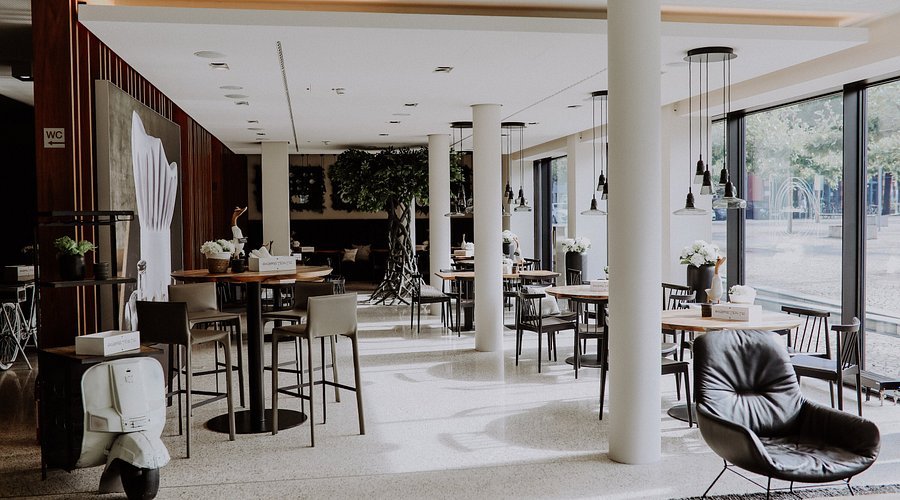
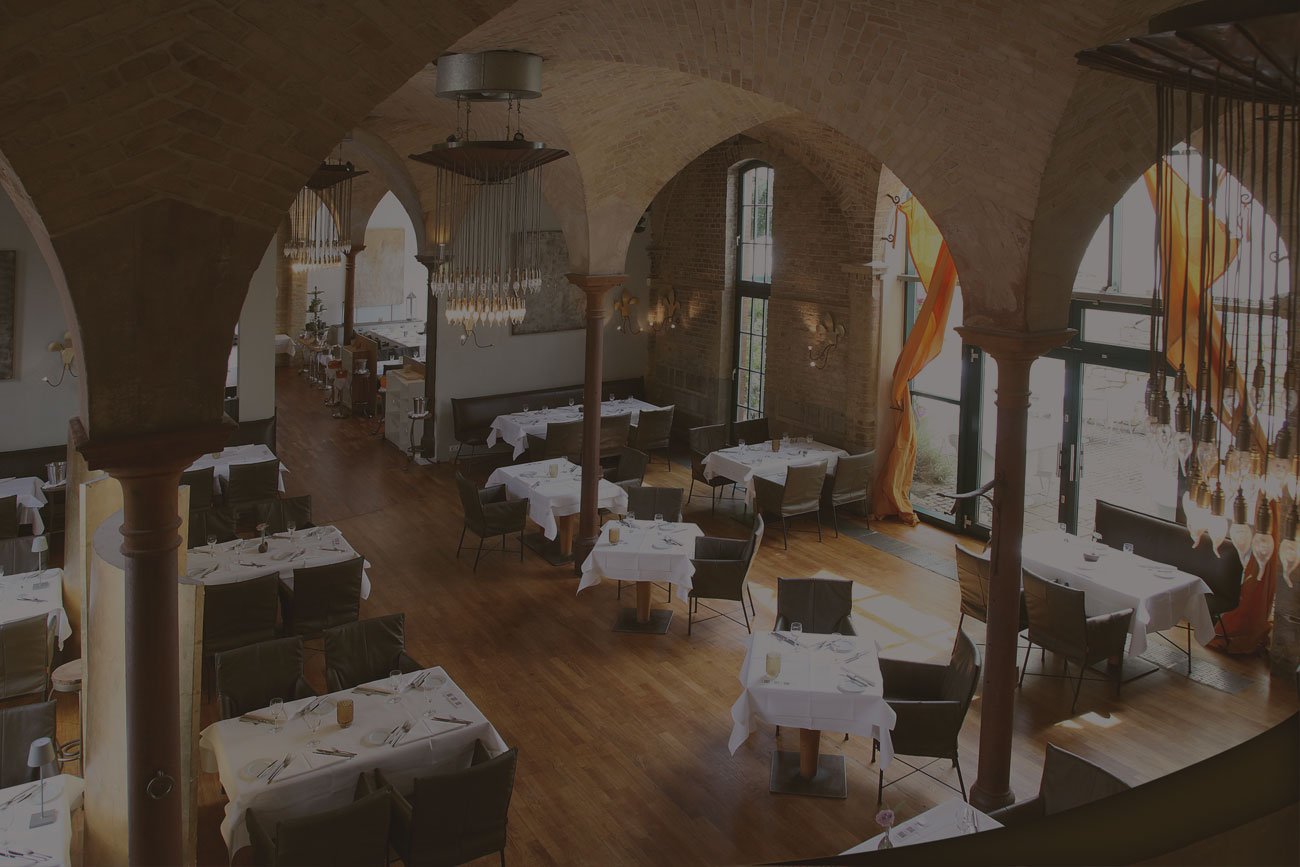
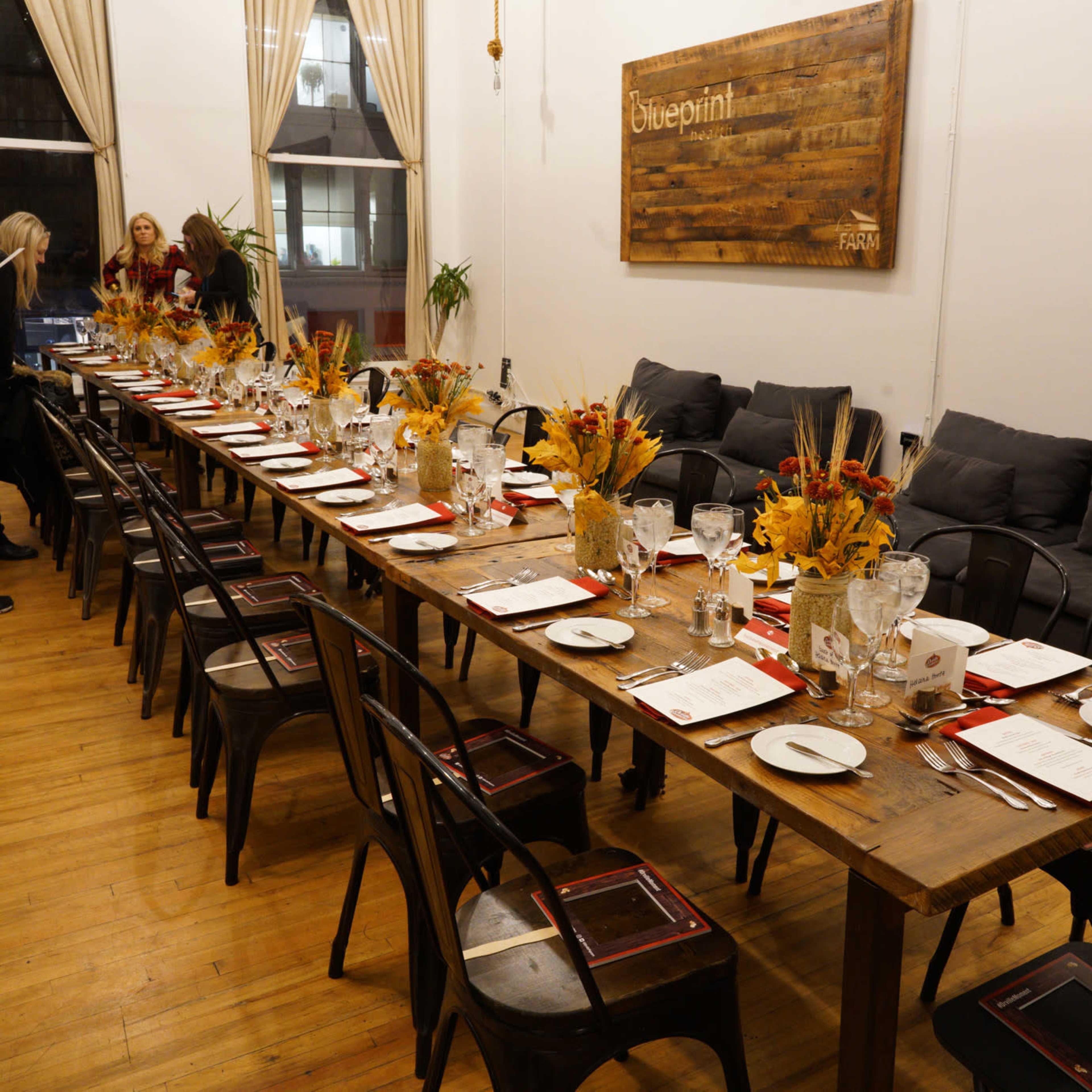
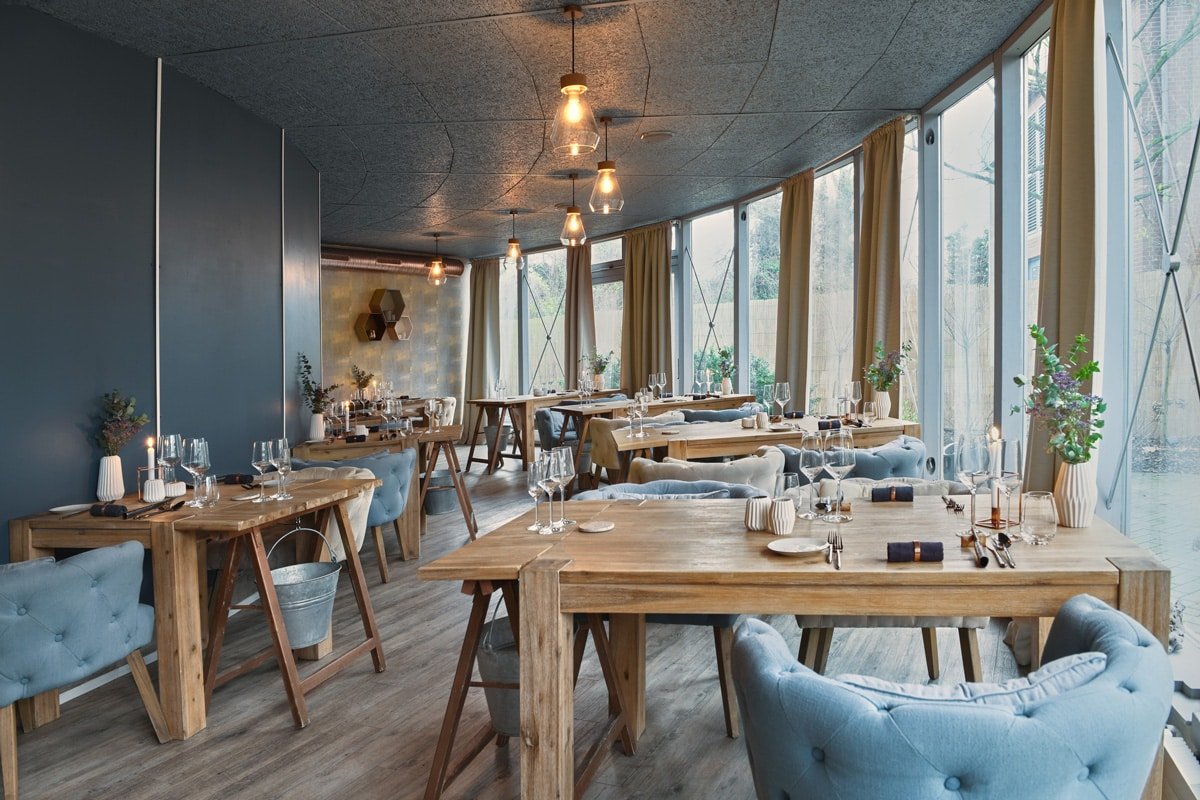
Stylish and cozy with thoughtful interior design; guests describe a warm, welcoming atmosphere with meticulous attention to detail in both presentation and service.