
World's 50 Best #42
Our verdict
A Palladian-fronted country house in the Slieve Bloom foothills of County Laois, Roundwood House holds a place in Irish dining history that few rural properties can claim, it reached number 42 on the World's 50 Best Restaurants list in 2002. The kitchen draws on the surrounding farmland and Irish country tradition, and the house itself functions as both restaurant and accommodation, making it a rare overnight proposition in the Irish midlands.

Pearl is the En Primeur Club membership app, where members save venues, book tables and use the concierge.
The menu
What to order
- Lamb Cheeks with Parsnip and Mint Chimichurri
- Crispy Oyster Mushrooms with Truffle
- Sirloin of Beef with Asparagus and Beetroot
- Irish Artisan Cheese Board
- Chocolate Cup with Craisin and Cognac Ice Cream
A Georgian House at the Edge of the Slieve Blooms
The approach to Roundwood House sets the register before you reach the door. A long tree-lined avenue opens onto a Palladian-fronted Georgian manor, mid-18th century in origin, with the Slieve Bloom Mountains rising behind it. There is no manicured hotel polish here, no lobby desk or valet queue. The house reads as a private home that happens to be receiving guests, which is precisely the category it occupies. For a certain kind of Irish country dining, the kind rooted in household hospitality rather than restaurant formalism, this is the format that shaped the tradition.
Roundwood House sits in Mountrath, Co. Laois, a part of the Irish midlands that the international travel circuit rarely reaches. That geographical remove is not incidental. The properties that pursue this kind of Irish country house model tend to exist at a distance from the coastal dining corridors and urban Michelin clusters, drawing their identity from the land immediately around them rather than from the competitive pressures of a city dining scene. If you want the full context of how this style of hospitality fits into the wider Irish picture, our full Mountrath restaurants guide maps the local options, and our Mountrath hotels guide covers the accommodation side in detail.
What the World's 50 Best Ranking Actually Meant
In 2002, Roundwood House appeared at number 42 on the World's 50 Best Restaurants list. To understand what that meant in context: the list in its early years was more eclectic in its scope than the hyper-technical fine-dining exercise it later became, and it recognised places where the food and the experience formed an indivisible whole. A rural Irish country house appearing in that cohort signalled that the judges understood Irish country cooking, rooted in sourcing, seasonality, and the logic of proximity, as a serious culinary tradition rather than a consolation category. That recognition has not been repeated by the list's later, narrower iterations, but the credential remains the single most verifiable marker of Roundwood's place in Irish dining history.
The Irish country house restaurant category has produced other serious names. Ballynahinch Castle in Recess and Cashel Palace in Cashel operate in the same broad tradition, though each draws on a different regional larder and physical setting. Roundwood's distinction lies partly in its scale, it is smaller and more overtly domestic than those properties, and partly in its Laois location, which ties it to an inland farming county rather than a coastal or heritage-town context.
Sourcing as Structure: The Irish Country Kitchen Approach
In this tradition, the kitchen is organised around what the surrounding land produces rather than around a chef's imported reference points. The Slieve Bloom foothills and the wider Laois farmland offer a larder that is characteristically midland Irish: dairy-heavy, with strong beef and lamb lines, root vegetables from kitchen garden plots, and hedgerow and field foraging that fills in the gaps across the seasons.
This approach differs structurally from the modernist Irish sourcing projects at places like Aniar in Galway, which applies a more systematic terroir framework, or the technically progressive Irish kitchens at Liath in Blackrock and Terre in Castlemartyr. At the country house level, sourcing tends to be relational rather than programmatic: the kitchen knows the farms and the farmers, and the menu reflects what those relationships produce in a given week. The plate is less a statement about terroir philosophy and more a direct expression of what was available and good at the point of cooking.
For comparison, the urban end of serious Irish cooking, Chapter One by Mickael Viljanen in Dublin, or dede in Baltimore, builds tasting menus around sourcing narratives that are fully integrated into the service experience. At a country house like Roundwood, the sourcing story is more implicit: it lives in the texture of the cooking and the informality of how dishes are described, not in a printed ingredient provenance sheet at each place setting. Neither approach is lesser; they address different versions of the same underlying commitment.
The House as the Experience
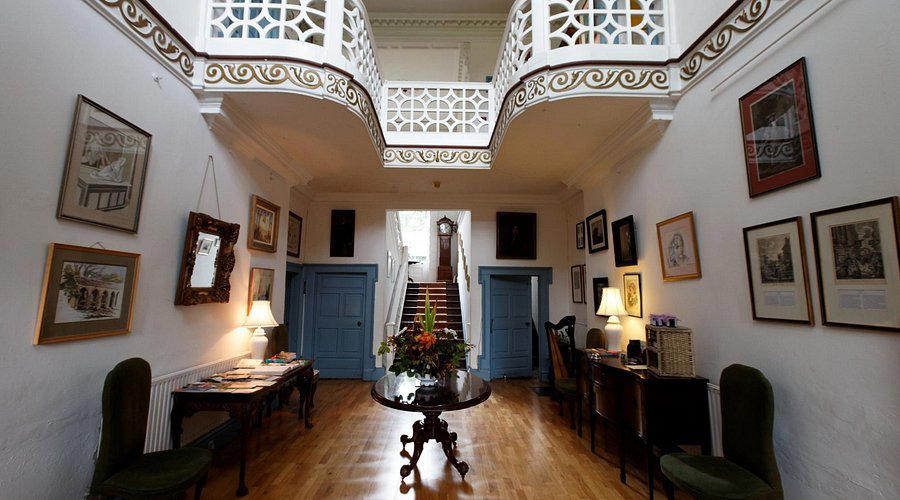
Country house dining in Ireland operates on a logic that urban restaurants cannot replicate, and Roundwood embodies that logic in its physical form. Guests eat in rooms that are also living spaces: fireplaces that function, bookshelves that have been read, furniture with age on it. The formality of a restaurant dining room is replaced by something closer to an extended private dinner, where the rhythm of the evening is set by the house rather than by a floor manager's service chart.
This format asks something of the guest in return. You arrive with a longer time horizon than a city dinner, you engage with the setting as part of the experience, and you accept that the scale of the operation does not produce the mechanical consistency of a larger property. What it does produce is specificity: the evening at Roundwood House is shaped by this place, this county, and this particular domestic tradition in ways that a hotel restaurant in a larger Irish city is structurally unable to replicate.
For guests planning to stay overnight, which, given the Mountrath location, makes considerable logistical sense, the house functions as accommodation as well as restaurant. The decision to eat and sleep here rather than drive from a regional town transforms the visit from a dinner out into something closer to a house-party weekend, which aligns with the spirit the property has historically maintained. Our Mountrath experiences guide covers the surrounding area for daytime options, and our bars guide and wineries guide are useful for extending the visit.
Roundwood in the Broader Irish Country Dining Map
The Irish country house restaurant tradition is small and geographically dispersed. Beyond Roundwood, the properties doing serious work in this format include Lady Helen in Thomastown, operating out of Mount Juliet Estate in Kilkenny, and several coastal properties where the larder shifts toward seafood. The town-based end of serious provincial Irish cooking, Campagne in Kilkenny, Bastion in Kinsale, Chestnut in Ballydehob, and Homestead Cottage in Doolin, occupies a different register, closer to a restaurant proper and less dependent on the physical setting as a structural element of the experience. House in Ardmore sits somewhere between the two, a coastal property where the building and the food carry roughly equal weight.
At this scale of operation, that consistency is its own credential.
Planning Your Visit
Roundwood House is on the R422 outside Mountrath in Co. Laois, roughly equidistant between Dublin and Limerick on the M7/N7 corridor, making it accessible by car from both cities in under two hours. Given the rural location, a car is the practical requirement for getting there. Booking is advisable well in advance for weekend stays, as the limited accommodation puts the house in a different supply situation from a larger hotel: there are only so many rooms, and the dining experience is closely tied to staying over. Guests who are serious about the full experience should prioritise overnight bookings, contact the house directly for current availability and pricing, and build the visit around a full evening rather than a quick dinner-and-drive arrangement.
Frequently asked questions
What's Roundwood House's location?
Roundwood House is located at Roundwood House, Roundwood, Mountrath, Co. Laois, R32 TK79, Ireland, Mountrath.
Comparison Snapshot
| Venue | Cuisine | Price | Awards | Notes |
|---|---|---|---|---|
| Roundwood HouseThis venue (the venue you are viewing) | Modern Irish Farm-to-Table | $50–100 | World's 50 Best #42 | Not listed |
| Patrick Guilbaud | Modern French Fine Dining | $150–200 | 2 Michelin Stars · La Liste Top Restaurants | Irish - French, Modern French |
| Aniar | Modern Irish Terroir Tasting Menu | $150–200 | 1 Michelin Star · La Liste Top Restaurants | Modern Irish, Modern Cuisine |
| Bastion | Progressive American, Modern Cuisine | Not listed | Michelin 1 Star | Not listed |
| LIGИUM | Modern Wood-Fired Fine Dining | $100–150 | 1 Michelin Star · The Best Chef One Knife | Creative |
| Host | Nordic, Modern Cuisine | Not listed | Not listed | Not listed |
Recognition history
Dated appearances from independent guides and award organizations, with the underlying list record or original source where available.
World's 50 Best Restaurants #42
World's 50 Best
Continue exploring
More in Mountrath
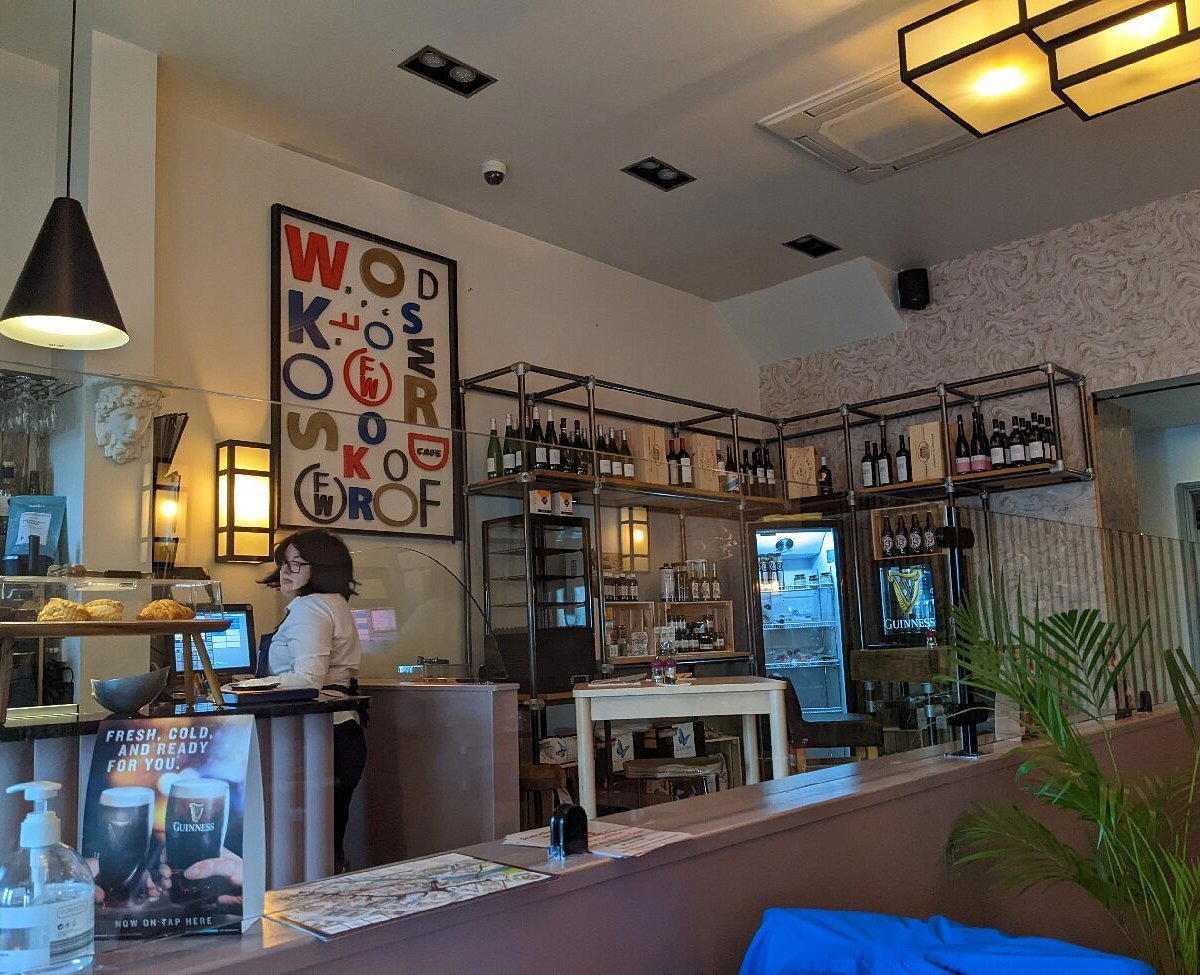
Restaurants in Mountrath
All restaurants in Mountrath →
Hotels in Mountrath
Browse all →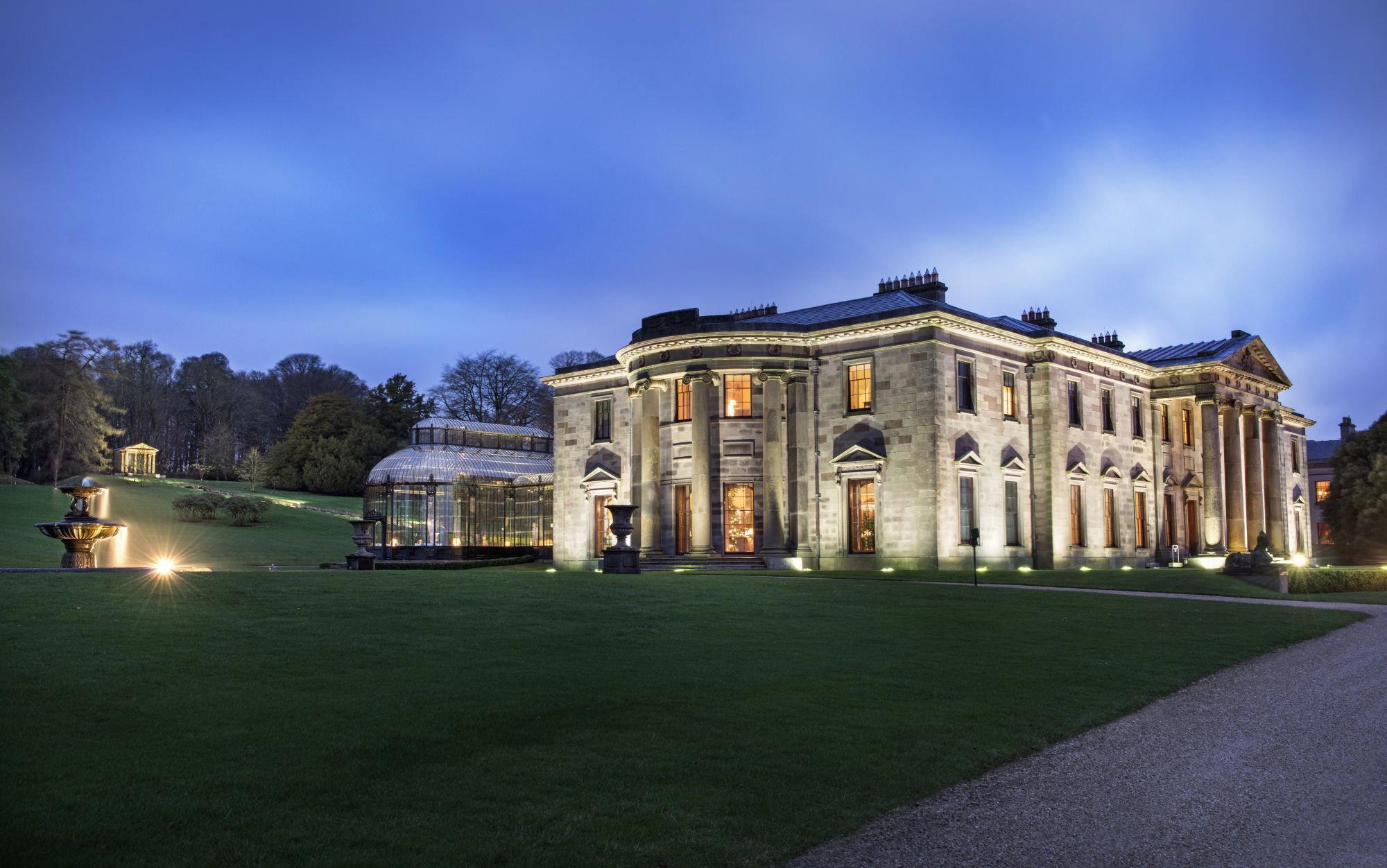
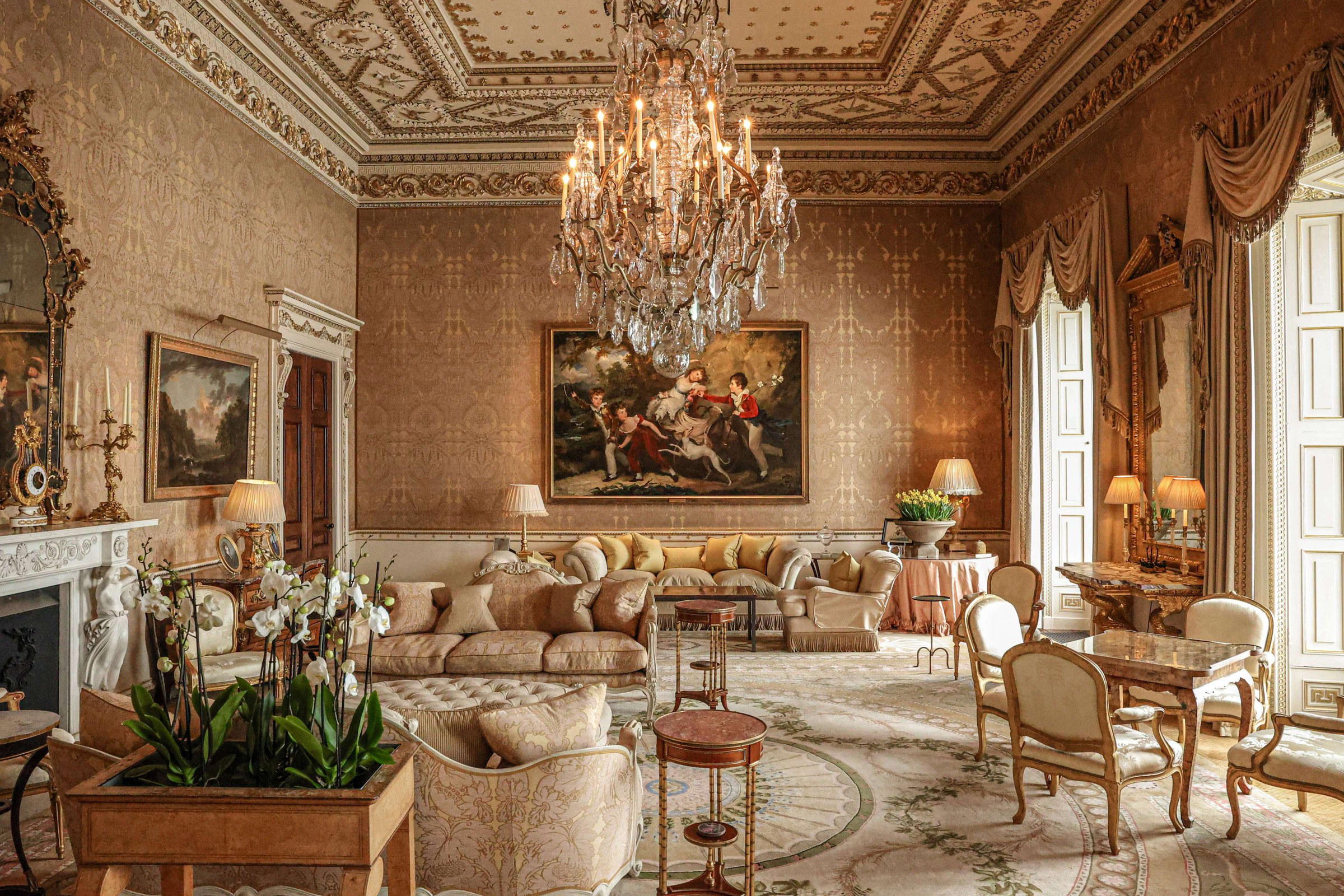
Wineries in Mountrath
Browse all →
Details
- Romantic
- Quiet
- Cozy
- Elegant
- Rustic
- Date Night
- Celebration
- Group Dining
- Special Occasion
- Private Event
- Private Dining
- Garden
- Historic Building
- Open Kitchen
- Live Music
- Sommelier Led
- Farm To Table
- Local Sourcing
- Organic
- Garden
- Set Menu
- Family Style
- Wine
- Craft Cocktails
- Vegetarian Friendly
- Allergy Accommodating
- Organic Focus
Current opening hours
- Monday
- Open 24 hours
- Tuesday
- Open 24 hours
- Wednesday
- Open 24 hours
- Thursday
- Open 24 hours
- Friday
- Open 24 hours
- Saturday
- Open 24 hours
- Sunday
- Open 24 hours
Hours can change for holidays and private events. Hours as of .
Warm and inviting with roaring open fires throughout, candlelit dining rooms with red walls, mahogany furnishings, and a library filled with books rather than modern amenities; intimate and homely rather than formal.