

Set on 700 acres of Connemara wilderness along the Owenmore River, Ballynahinch Castle is one of the west of Ireland's most compelling dining addresses. Chef Danni Barry's cooking draws directly from the estate and its surrounds, with a vegetable-forward sensibility that fits the elemental landscape without straining for effect. Breakfast alone justifies an overnight stay.
Pearl is the En Primeur Club membership app — saves, bookings, and concierge access live there. Same editors, same standards.
- Address
- Ballynahinch, Recess, Co. Galway, H91 F4A7, Ireland
- Phone
- +353 95 31006
- Website
- ballynahinch-castle.com
- Directions
- Get directions
 Saves & bookings on Pearl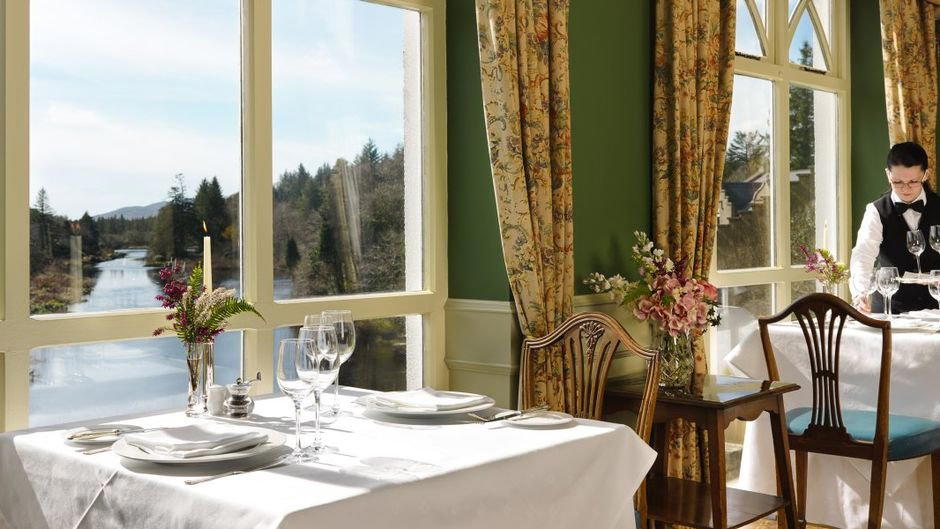
Where the Estate Becomes the Menu
The road into Ballynahinch arrives before any formal announcement of what lies ahead. The Connemara bog stretches on either side, grey and amber depending on the season, and the Owenmore River appears through the tree line before the castle does. By the time you reach the entrance, the grounds have already done considerable editorial work. The 700-acre estate is not a backdrop to the dining experience here — it is the logic behind it. That distinction matters, because Irish country house cooking tends to fall into one of two modes: either the estate aesthetic outpaces the food, or the kitchen operates in isolation from its surroundings. Ballynahinch avoids both traps.
The castle itself is a Relais & Châteaux property, a designation that places it within a global network of independently owned houses committed to a particular standard of hospitality and culinary seriousness. That affiliation is a meaningful trust signal in the Irish context, where the country house hotel format is common but the cooking quality is uneven. Within that Relais & Châteaux peer group across Ireland, Ballynahinch holds a position of genuine culinary weight, not merely scenic charm.
Danni Barry and the Logic of Restraint
Kitchen at Ballynahinch is led by Danni Barry, whose cooking operates from an understanding of ingredients that is less about transformation than about timing. The approach that defines her plates — and by extension the dining room's identity, is one of reading produce at its specific moment of readiness and building a dish around that rather than imposing a fixed template. In this, she connects to a current in Irish cooking that runs through places like Aniar in Galway and Liath in Blackrock, where the ingredient's provenance and condition carry more argumentative weight than technical flourish for its own sake.
Dishes that emerge from this philosophy carry a characteristic subtlety that can read as understatement on first encounter. Pickled turnip with scallop and a bacon and cabbage dashi; quail from the barbecue with cep and buckwheat; Hereford beef with smoked bone marrow and béarnaise. These are not compositions that announce themselves loudly. The dashi carries a structural echo of the Irish culinary canon, bacon, cabbage, smoke, translated into a technique borrowed from Japanese broth-making. The buckwheat alongside quail places a grain with deep European roots inside a frame that suits the heathered, elemental character of Connemara itself. These are dishes that reward attention rather than demanding it.
Vegetable cookery anchors the menu in a way that distinguishes Ballynahinch from country house kitchens that treat vegetables as supporting cast. The estate's scale and the kitchen's access to quality local produce mean that a standalone vegetarian menu operates not as an accommodation but as a parallel argument about what the land offers. This positions Ballynahinch alongside a strand of Irish dining, visible also at Chestnut in Ballydehob and Terre in Castlemartyr, that has moved beyond the token vegetarian option into something more philosophically coherent.
Desserts from Niamh Barry complete the picture with a confidence that matches the savoury courses, rounding out a meal where no section of the menu acts as filler between the parts that matter.
The Country House Format in Irish Fine Dining
The Irish country house dining tradition has a longer history than the current wave of destination restaurants, but the two are now in dialogue. Properties like Ballynahinch operate in a different register from urban fine dining addresses, Chapter One by Mickael Viljanen in Dublin or Bastion in Kinsale, where the surrounding context is the city and the evening has a defined beginning and end. At a country house, the meal is part of a longer arc: arrival, grounds, dinner, breakfast, departure. The kitchen must justify that full rhythm, not just the two hours at the table.
Ballynahinch justifies it. Breakfast in particular carries a reputation across Connacht that extends beyond the guest list of the hotel itself. In a region where morning meals at destination properties can feel perfunctory, the Ballynahinch breakfast is treated as a serious proposition, a further expression of the same sourcing logic that drives the dinner menu. For those staying on the estate, it is a reasonable argument for arriving the night before rather than driving in for dinner alone.
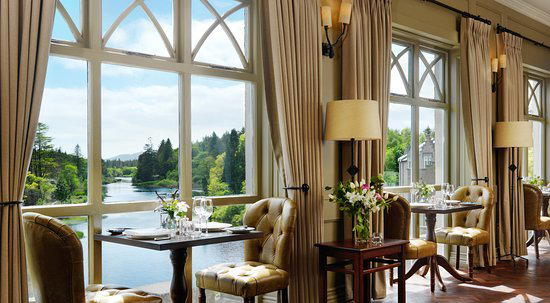
The country house format also creates a different hospitality contract than the stand-alone restaurant. The pacing of service, the relationship between indoor and outdoor space, and the role of the grounds in shaping the guest's state of mind before a meal are all factors that don't appear in a Michelin inspector's formal criteria but that substantially affect the experience. Ballynahinch's 700 acres along the Owenmore River are not incidental to its dining identity, they are the context that makes the cooking's elemental register feel earned rather than affected.
Other Irish country dining properties worth comparing in terms of format and ambition include Lady Helen in Thomastown, Roundwood House in Mountrath, and Cashel Palace in Cashel, each working within the same broad country house idiom but in different regional contexts and with different culinary identities.
Getting There and Planning Your Visit
Ballynahinch Castle sits outside the village of Recess in County Galway, in the heart of Connemara. The address, Ballynahinch, Recess, Co. Galway, H91 F4A7, places it well west of Galway city, and the drive through Connemara is itself part of the proposition: this is not a restaurant you pass on the way to somewhere else. For those combining dining with wider exploration of the west, Aniar in Galway operates within the same regional food culture and offers a useful comparison point for how Connemara-influenced cooking translates into an urban context.
The castle can be reached via the Relais & Châteaux contact details: telephone +353 (0)95 31006, or email ballynahinch@relaischateaux.com. The property website at ballynahinch-castle.com carries current booking and accommodation information. Dinner reservations for non-residents are worth confirming in advance, particularly across the summer months when the region draws significant visitor traffic. Overnight stays unlock the full rhythm of the property, including the breakfast that has established its own reputation independent of the dinner service.
For a broader sense of what Recess and Connemara offer beyond the castle itself, see our full Recess restaurants guide, our full Recess hotels guide, our full Recess bars guide, our full Recess wineries guide, and our full Recess experiences guide. Elsewhere across Ireland's west and south, dede in Baltimore, Homestead Cottage in Doolin, and House in Ardmore represent the wider field of serious regional Irish cooking operating away from the capital. Campagne in Kilkenny rounds out the picture of how destination dining functions outside Dublin and Cork.
At-a-Glance Comparison
| Venue | Cuisine | Price | Awards |
|---|---|---|---|
| Ballynahinch CastleThis venue — the venue you are viewing | Irish Country | HIGHLIGHTS: • THE CONNEMARA WILDS • COUNTRY ESTATE • ART & LITERARY TREASURES • IRISH HOSPITALITY DIRECTIONS & ACCESS: Website and contact information E-mail: ballynahinch@relaischateaux.com Tel.: +353 (0)95 31006; Ballynahinch is the enchanted castle, and Danni Barry’s cooking is a large part of the enchantment. You would need to have a heart of stone to be able to resist the charms of the big house and its 700 acres, winding around the Owenmore River. Barry’s cooking fits into this naturalistic, elemental aesthetic, hand in glove. She has an intuitive relationship with her superb ingredients, an understanding that allows her to read them, understand them and deliver them at their best iteration. The result is subtle yet undeniably powerful, anchored by superb vegetable cookery: pickled turnip with scallop and a bacon and cabbage dashi, quail from the barbecue with cep and buckwheat, Hereford beef with smoked bone marrow and béarnaise. Excellent vegetarian menu, and Niamh Barry’s sweet creations are the bomb. If you are staying, then breakfast is one of the best in the west. | This venue |
| Patrick Guilbaud | Irish - French, Modern French | €€€€ | Michelin 2 Star |
| Aniar | Modern Irish, Modern Cuisine | €€€€ | Michelin 1 Star |
| Bastion | Progressive American, Modern Cuisine | €€€€ | Michelin 1 Star |
| LIGИUM | Creative | €€€€ | Michelin 1 Star |
| Host | Nordic, Modern Cuisine | €€ | Nordic, Modern Cuisine, €€ |
Recognition history
Dated appearances from independent guides and award organizations, with the underlying list record or original source where available.
Relais Chateaux Award
Relais Chateaux
The Sunday Times Ireland’s 100 Best Restaurants
The Sunday Times
At a Glance
- Romantic
- Elegant
- Scenic
- Classic
- Cozy
- Date Night
- Special Occasion
- Celebration
- Historic Building
- Hotel Restaurant
- Waterfront
- Terrace
- Extensive Wine List
- Local Sourcing
- Waterfront
- Garden
- Mountain
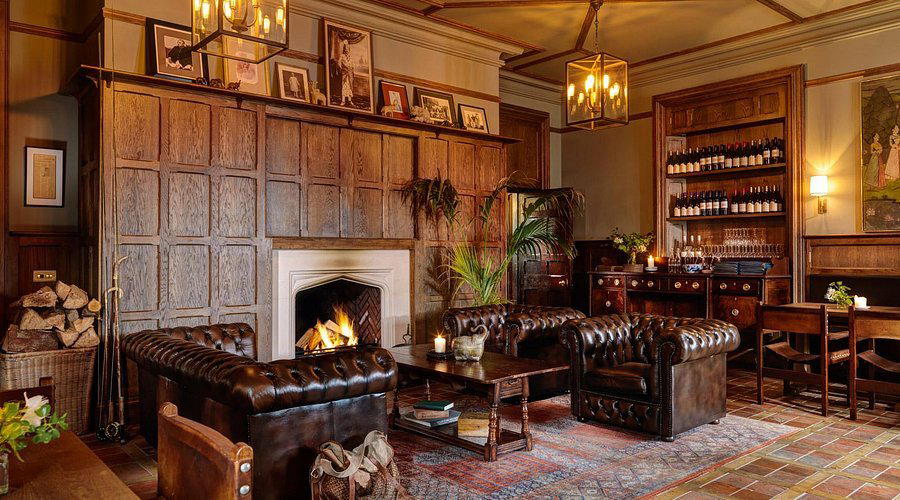
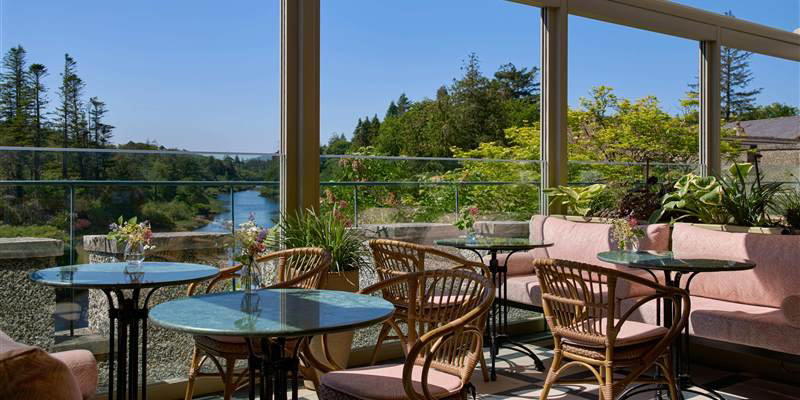
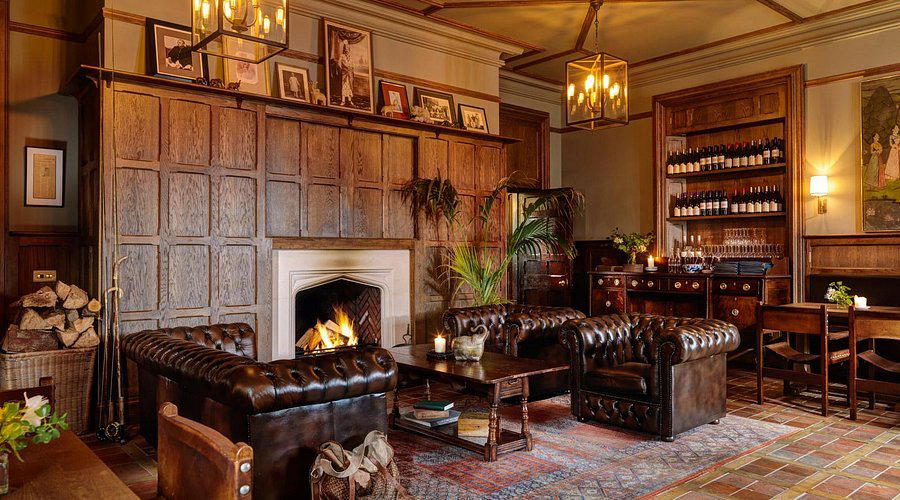
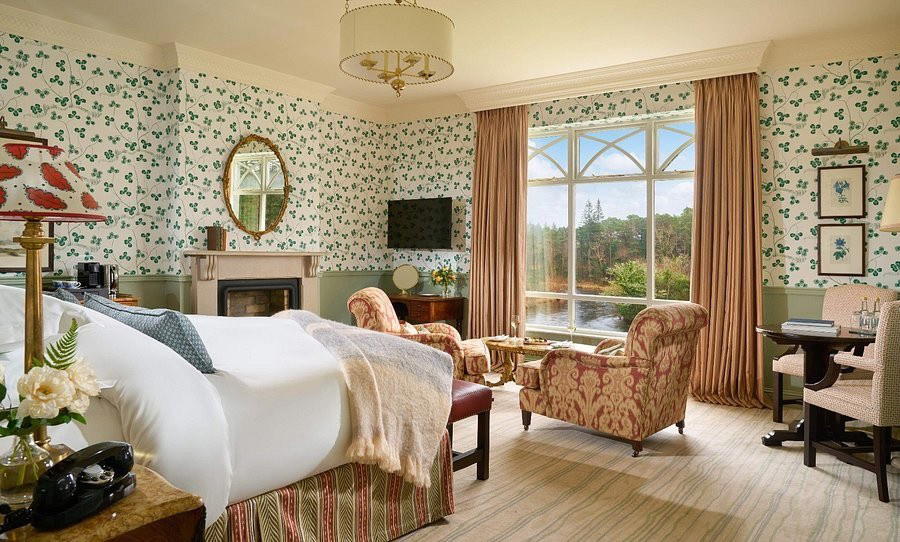
Elegant castle atmosphere with fires lit, serene river and garden views, and warm attentive service.
Know Before You Go
- Getting there
- Ballynahinch, Recess, Co. Galway, H91 F4A7, Ireland