
On Barrack Street in Kilkenny, Arán Artisan Bakery and Bistro represents a pattern becoming recognisable across Irish towns: fine-dining discipline applied to an accessible, everyday format. Run by Bart Pawlukojc and Nicole Server-Pawlukojc, the café draws on serious professional training to produce sourdough, brunch, and a signature Magic Sauce that has earned a following well beyond the city. The result is a mid-market room that punches well above its category.
Pearl is the En Primeur Club membership app — saves, bookings, and concierge access live there. Same editors, same standards.
- Address
- 8 Barrack St, Pennefatherslot, Kilkenny, R95 YF30, Ireland
- Phone
- +353 56 775 6297
- Website
- arankilkenny.ie
- Directions
- Get directions
 Saves & bookings on Pearl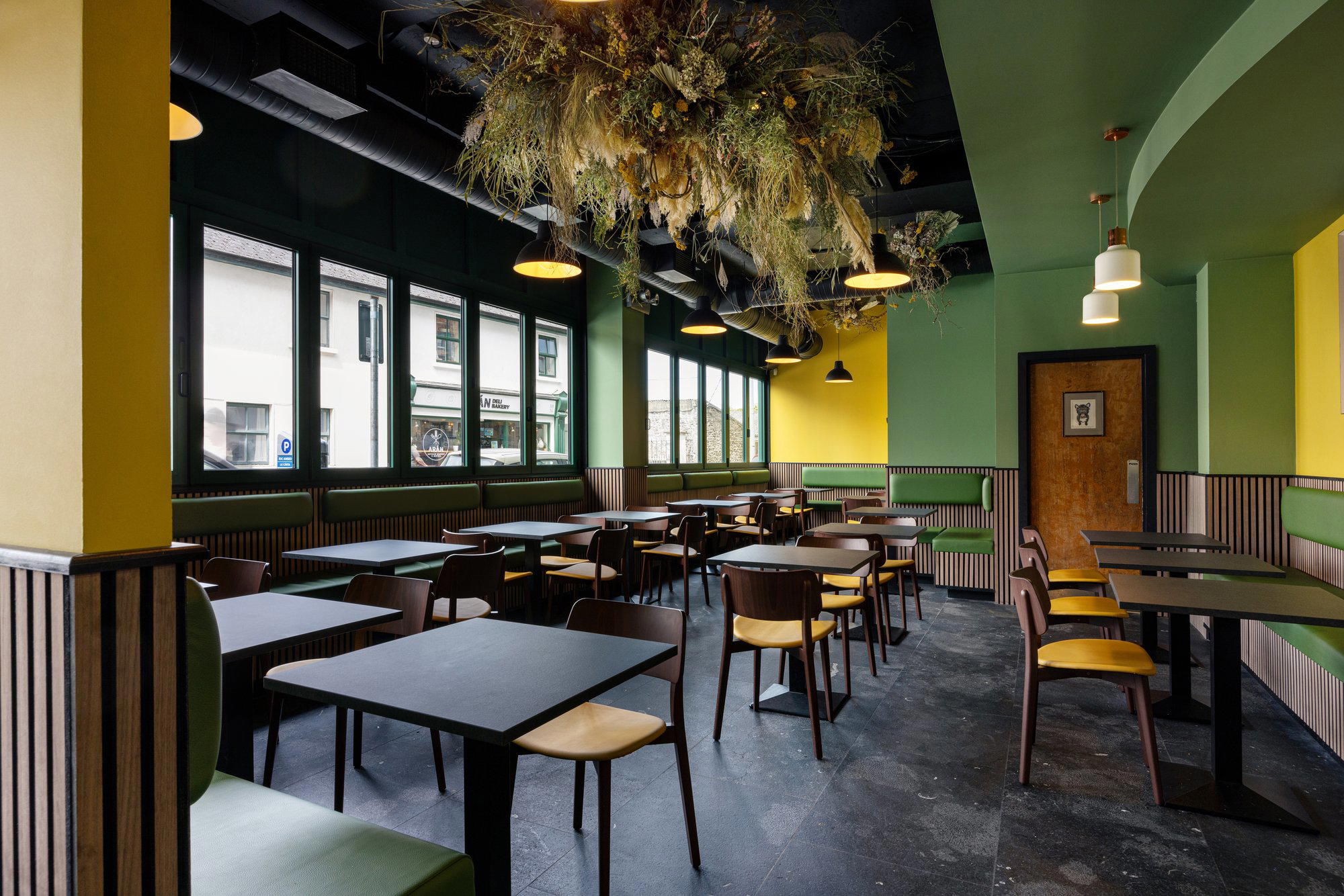
Where Fine-Dining Standards Meet the All-Day Café
Barrack Street sits slightly away from Kilkenny's medieval core, past the castle tourists and the weekend crowds on High Street. It is the kind of address where a serious café can build a local following without the footfall pressure of a prime tourist pitch, and that relative quiet has suited Arán Artisan Bakery and Bistro. The room operates in the register of a neighbourhood café done with professional intent: clean, unpretentious, and organised around the act of eating well rather than performing it.
That distinction matters because Arán Artisan Bakery and Bistro belongs to a broader movement in Irish food culture, one in which cooks trained at serious European tables have chosen to apply that discipline not to tasting menus and white tablecloths but to sourdough loaves, brunch plates, and the kind of coffee that is consistently worth ordering. The migration of that technical standard into the busy mid-market segment has quietly raised the floor of everyday eating in Irish towns, and Kilkenny, which already has a strong independent food identity, has benefited from this kind of arrival.
The Sourcing Logic Behind the Bread and the Sauce
At the core of what Arán Artisan Bakery and Bistro does is a commitment to ingredient quality applied with the rigour of fine-dining training. Sourdough bread at this level requires flour with character, a live culture managed with consistency, and the patience to let fermentation work on its own schedule. These are not decisions a casual operator makes. They reflect a kitchen that understands the relationship between source material and outcome, the same relationship that drives procurement decisions at destination restaurants like Aniar in Galway or Liath in Blackrock, though the restaurant applies those standards in a format where the price point is far more accessible.
The Magic Sauce, which has become a signature reference point for the café, works as a distillation of this philosophy. A house condiment or preparation achieving word-of-mouth status in a small Irish city signals something specific: that the kitchen is making things from scratch with enough precision that the result is noticeably different from what the same category of dish produces elsewhere. Ireland's food culture has increasingly rewarded this kind of detail work, particularly as awareness of artisan producers and provenance has grown among the eating public. Chestnut in Ballydehob and Homestead Cottage in Doolin operate in different formats and price tiers but share this underlying orientation toward careful sourcing as a non-negotiable starting point.
The Pattern: Skills Migration from the Starry Heights
Bart Pawlukojc and Nicole Server-Pawlukojc's trajectory reflects a path that has become increasingly visible in Irish and British food over the past decade. The route runs through high-end kitchens, accumulates technical depth and an understanding of what precision actually requires, and then redirects that knowledge toward formats that can sustain a real business without the overhead or attrition of formal fine dining. At the formal end of the Irish spectrum, restaurants like Campagne in Kilkenny, Chapter One by Mickael Viljanen in Dublin, or Terre in Castlemartyr carry Michelin recognition and operate with the cost structure that entails. Internationally, the same culinary vocabulary appears at places like Le Bernardin in New York City, where classical rigour defines every plate.
What makes the restaurant model interesting is precisely that it declines that framework. The standards travel, but the ceremony does not. Brunch service, when done with the same attention to technique that a starred kitchen applies to a tasting menu course, produces a measurably different result than brunch treated as a low-stakes morning trade. Ireland has enough examples of this shift now to call it a pattern rather than an anomaly. Bastion in Kinsale, dede in Baltimore, and House in Ardmore each represent different expressions of serious culinary intent applied outside the conventional fine-dining box. The restaurant sits within that cohort, distinguished by its café format and by a public character that prioritises energy and enjoyment over reverence.
What Kilkenny Provides as a Setting
Kilkenny's food culture has historically punched above a city of its size, partly because the proximity to strong agricultural land in the South East gives operators access to quality ingredients, and partly because a steady stream of visitors with high expectations has pushed the hospitality offer upward over time. The city sits close to some of Ireland's more interesting artisan food producers, which creates practical sourcing advantages for any kitchen that chooses to use them. Lady Helen in nearby Thomastown operates at the formal hotel-restaurant end and draws on similar regional provenance. Campagne anchors the city's fine-dining end. The restaurant occupies a different position in that structure, serving as the kind of daily-use venue that a city needs alongside its destination restaurants.
Planning a Visit
The restaurant operates on Barrack Street at number 8, a short walk from the city centre. Given its reputation for brunch and the relatively compact size typical of a Kilkenny café with serious ambitions, arriving early or outside peak weekend hours is sensible. The format is accessible in price and informal in tone, which means it works as a stop within a wider day in the city rather than requiring advance planning of the kind that a formal tasting-menu restaurant demands. Think of it as the kind of place you build a morning around, especially if the sourdough and the Magic Sauce are on your radar. The café operates in the same spirit as Atomix in New York City occupies its own tier there: an address that develops a following because the daily execution is genuinely consistent, not because the concept requires explanation.
A Quick Peer Check
Comparable venues nearby, for context on price, style, and recognition.
| Venue | Cuisine | Price | Awards | Notes |
|---|---|---|---|---|
| Arán Artisan Bakery and BistroThis venue — the venue you are viewing | Modern Artisan Bistro with Local Irish Focus | $$ | Not listed | Not listed |
| Nóinín | Dining | Not listed | Not listed | Kilkenny |
| foodworks | Irish Farm-to-Table Gastropub | $$ | Not listed | Kilkenny City Centre |
| Zuni Restaurant | Modern European | $$$ | Not listed | City Centre |
| Campagne | Classical French Fine Dining | $$$ | Michelin 1 Star | Kilkenny City |
| Panda Restaurant Sushi and Burger | Japanese-American Fusion with Sushi and Burgers | $$ | Not listed | Ushers C |
Recognition history
Dated appearances from independent guides and award organizations, with the underlying list record or original source where available.
The Sunday Times Ireland’s 100 Best Restaurants
The Sunday Times
At a Glance
- Cozy
- Modern
- Casual
- Brunch
- Casual Hangout
- Date Night
- Family
- Group Dining
- Solo
- Standalone
- Open Kitchen
- Beer Program
- Farm To Table
- Local Sourcing
- Organic
Current opening hours
- Monday
- 9:30 AM–3:30 PM
- Tuesday
- Closed
- Wednesday
- 9:30 AM–3:30 PM
- Thursday
- 9:30 AM–3:30 PM
- Friday
- 9 AM–3:30 PM
- Saturday
- 9 AM–3:30 PM
- Sunday
- 9 AM–3:30 PM
Hours can change for holidays and private events. Last verified .
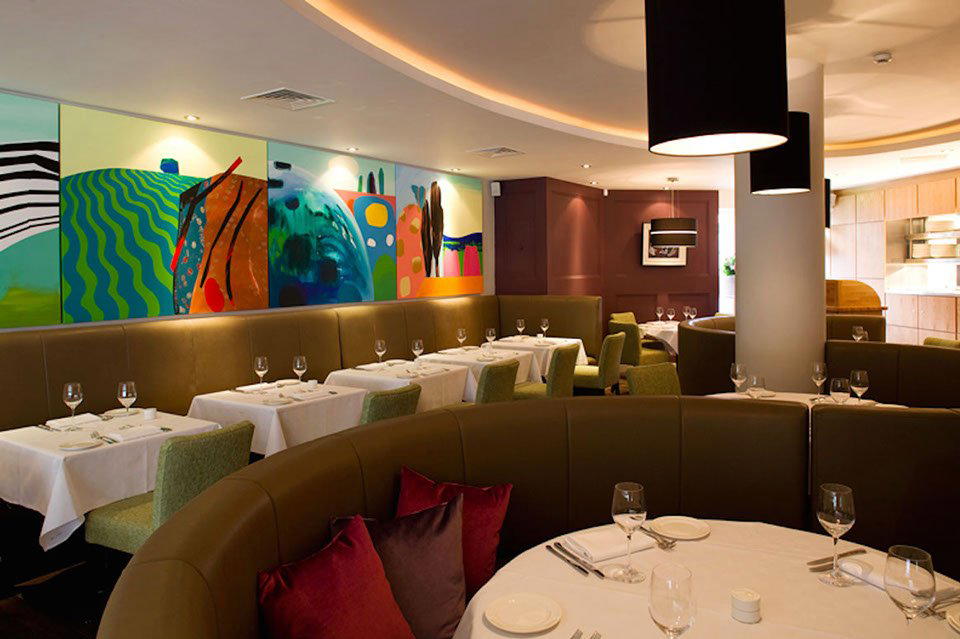
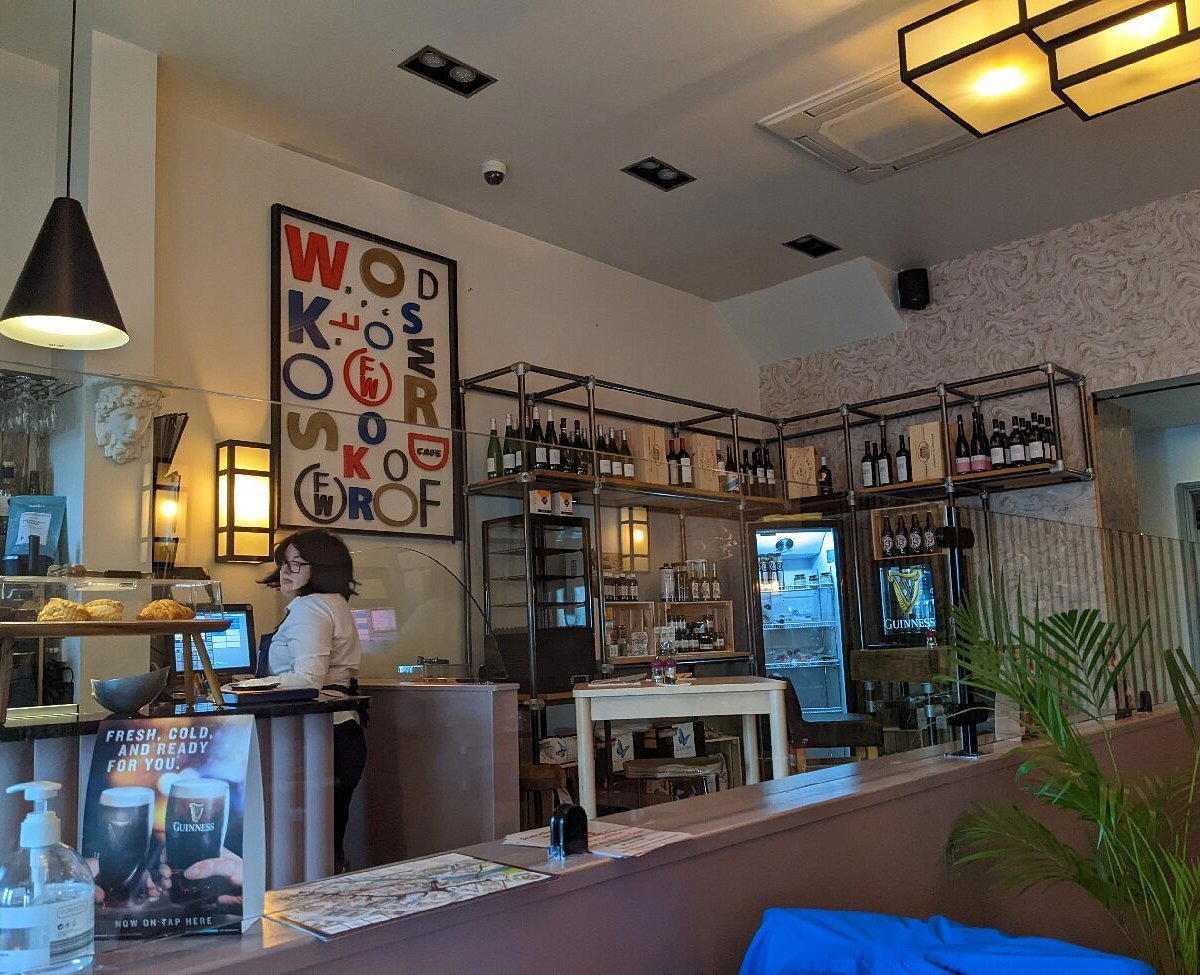
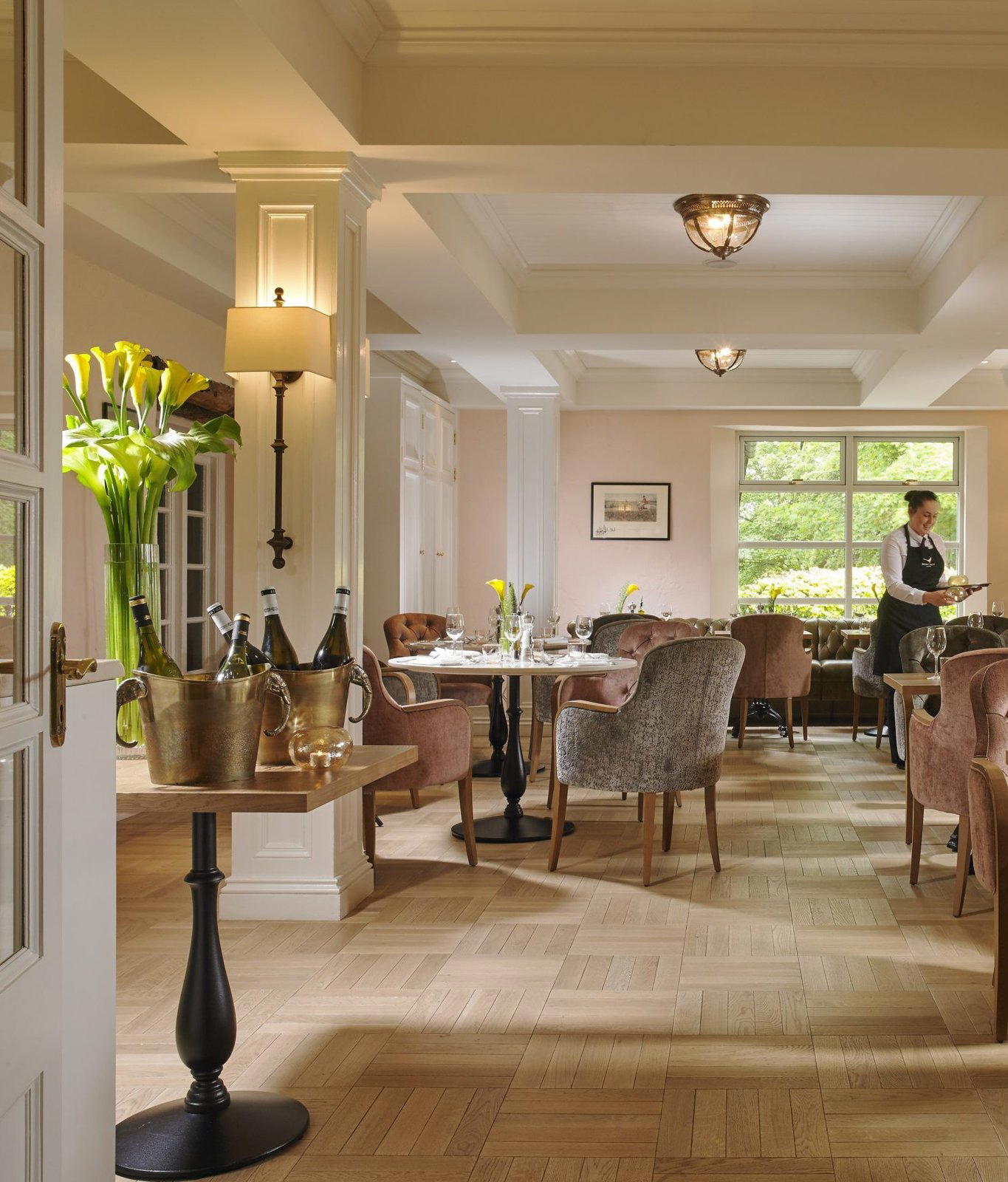
Warm, welcoming atmosphere with stylish casual setting; bright and inviting with a focus on quality presentation and locally-sourced aesthetic.