Rough Rider
Our verdict
Rough Rider sits at 1001 N Central Ave in the heart of Phoenix, placing it within the city's evolving downtown dining corridor. The name carries weight in Arizona's cultural history, and the address alone positions it as part of a broader renewal of Central Avenue as a serious dining destination. Details on format, cuisine, and booking are covered below.

Pearl is the En Primeur Club membership app — saves, bookings, and concierge access live there. Same editors, same standards.
- Address
- 1001 N Central Ave, Phoenix, AZ 85004
- Phone
- (602) 675-0439
- Hours
- Mon 3–10 PMTue–Thu 3–11 PMFri–Sat 3 PM–12 AMSun 3–10 PM
- Website
- roughrideraz.com
- Directions
- Get directions
- Booking
- Book on the venue's website
The menu
What to order
- Fried Cauliflower
- Bone-In Pork Chop
- Market Fish
- Braised Pork Ragu Pasta
Central Avenue and the Shape of Downtown Phoenix Dining
Phoenix's downtown dining corridor has undergone a sustained shift over the past decade. Central Avenue, once a stretch defined by office towers and drive-through convenience, now anchors a more deliberate food culture, one where independently operated rooms sit alongside hotel dining and fast-casual chains without obvious hierarchy. Rough Rider, at 1001 N Central Ave, occupies a address that places it squarely in this transitional zone, where the ambition of the venue matters more than the neighborhood's historical dining reputation.
That context matters because Phoenix, unlike older American food cities, does not have a single district that functions as the gravitational center of serious dining. The serious rooms are distributed: Vincent Guerithault on Camelback anchors the French-Southwestern tradition several miles north; Bacanora draws from Sonoran culinary roots in a different part of the city entirely. Central Avenue's emergence as a dining address is relatively recent, which means venues opening here are, in effect, making an argument for the neighborhood as much as for themselves.
The Cultural Weight Behind the Name
The name Rough Rider carries specific American historical freight. It references the volunteer cavalry regiment formed during the Spanish-American War of 1898, a unit with strong Southwestern character, Arizona and New Mexico cowboys among its most noted members, and Theodore Roosevelt as its most famous officer. That cultural anchor is not incidental. In a city like Phoenix, where the question of regional identity is perpetually contested between Sunbelt generic and something more specifically Southwestern, a name that reaches back to the late nineteenth century signals an intention to locate the venue within a particular American story.
The Southwest's relationship with its own history is complicated. Sonoran food culture, represented in Phoenix by places like Bacanora, draws from Indigenous and Mexican lineages that predate American statehood entirely. Anglo-American historical references like the Rough Riders sit in a different register. How a venue navigates that distinction, whether through menu, décor, or programmatic choices, tells you a great deal about which version of the Southwest it is actually speaking to.
Phoenix in the National Dining Conversation
Phoenix does not frequently appear in the same sentence as the rooms that define American fine dining at the highest register. Venues like Alinea in Chicago, Le Bernardin in New York City, The French Laundry in Napa, Lazy Bear in San Francisco, and Providence in Los Angeles operate in a different tier of national recognition, with Michelin stars, sustained critical attention, and reservation wait times measured in months. Phoenix's strongest dining rooms, including farm-to-table-influenced formats and regionally grounded tasting menus, have historically operated below that visibility threshold.
That gap is narrowing. The city's population growth and increasing median income have attracted more serious culinary investment over the past several years. Nationally recognized formats have taken note: the kind of precision-agricultural sourcing that defines places like Blue Hill at Stone Barns in Tarrytown or Single Thread Farm in Healdsburg has found smaller-scale expressions in the Phoenix market. The question for any serious room opening on Central Avenue is whether it is contributing to that upward trajectory or operating at a more casual pitch.
What the Address Tells You
The 1001 N Central Ave location places Rough Rider at the northern edge of Phoenix's downtown core, close to the light rail corridor that connects downtown to midtown and beyond. That accessibility matters in a city designed primarily around car traffic. Venues along the light rail route benefit from foot traffic patterns that most Phoenix addresses cannot replicate, which shifts the likely guest profile toward a more urban, transit-using demographic than the Scottsdale or Biltmore corridors attract.
Comparable addresses on this stretch tend to produce rooms with a particular character: approachable enough to draw walk-in traffic, considered enough to compete with the more established destinations elsewhere in the metro. Pane Bianco and 5 & Diner represent different points on the Phoenix accessibility spectrum, each serving a distinct function in the city's dining ecosystem. A venue at 1001 N Central sits between those poles, in a zone where format and price positioning carry significant strategic weight.
The Broader Southwest Dining Frame
Any Phoenix venue invoking Southwestern identity enters a conversation that extends well beyond the city. Sonoran Desert ingredients, mesquite-fired cooking traditions, chili-forward spicing, and the borderland food culture that flows across the US-Mexico boundary have all become more visible nationally over the past decade. Bacanora and the Thai precision of Lom Wong demonstrate that Phoenix's most interesting rooms are not necessarily working from Anglo-American culinary frameworks at all.
Rooms at other ends of the American fine dining spectrum, from Addison in San Diego to Atomix in New York City to The Inn at Little Washington, tend to succeed when their regional identity is specific enough to be irreplaceable. The same principle applies at the market level in Phoenix. Venues that locate themselves in a specific culinary tradition, rather than defaulting to a generic American bistro format, tend to build more durable reputations. For Rough Rider, the name implies a specific Southwestern-American cultural position. Whether the kitchen and room execute against that implied promise is the central question for any guest considering the address.
For broader context on where this venue fits within the city's dining options, see our full Phoenix restaurants guide. Readers comparing ambition levels across American markets may also find value in surveying how rooms like Emeril's in New Orleans or 8½ Otto e Mezzo Bombana in Hong Kong have built sustained reputations through consistent identity rather than reinvention.
Know Before You Go
Address: 1001 N Central Ave, Phoenix, AZ 85004
Phone: Not available
Website: Not available
Price Range: Not available — confirm directly before visiting
Hours: Not available — verify before visiting
Dress Code: Not confirmed
Frequently asked questions
Is Rough Rider good for families?
The 1001 N Central Ave address puts Rough Rider along Phoenix's light rail corridor, which makes it accessible for groups arriving from across the metro.
Is Rough Rider formal or casual?
No dress code is documented in available venue records for Rough Rider. Given its downtown Phoenix location on Central Avenue, a standard city-going wardrobe is a reasonable baseline, though calling ahead to confirm the room's tone is advisable before a first visit.
How does Rough Rider connect to its Phoenix location and the broader Southwest dining conversation?
Rough Rider sits at 1001 N Central Ave, at the northern edge of downtown Phoenix's dining core, a stretch increasingly referenced in Southwest regional food coverage. The name itself invokes a chapter of American frontier history that resonates in Arizona specifically, giving the venue a geographic and cultural anchor that most downtown Phoenix openings lack. Phoenix is building a credible regional dining identity around Sonoran Desert ingredients and mesquite-driven cooking traditions, and a venue with this kind of named historical framing enters that conversation with a defined point of view.
What do people recommend at Rough Rider?
Phoenix's Central Avenue dining corridor tends to reward venues that commit to a defined point of view, and the name's Southwestern historical framing suggests that identity runs through the menu. Checking recent diner reports closer to your visit will give the most current picture.
Where is Rough Rider located?
Rough Rider is located at î1001 N Central Ave, Phoenix, AZ 85004, Phoenix.
Do they take walk-ins at Rough Rider?
Reservation and walk-in policy for Rough Rider at 1001 N Central Ave, Phoenix has not been confirmed in available venue data. Downtown Phoenix restaurants in this corridor vary considerably on this point, so reaching out directly before showing up without a booking is the practical move.
What's Rough Rider best at?
The venue's positioning on Central Avenue places it within Phoenix's most active dining stretch, and its name draws on a specific strand of American Southwestern history that distinguishes it from the generic New American rooms in the same corridor.
Credentials Lens
Comparable venues nearby, for context on price, style, and recognition.
| Venue | Cuisine | Price | Awards | Notes |
|---|---|---|---|---|
| Rough RiderThis venue — the venue you are viewing | Modern American with Victorian-Era Cocktails | $50–100 | Not listed | Not listed |
| Carcara | Native American and Sonoran-Inspired Southwestern | $30–50 | Not listed | Copper Square |
| Tia Carmen | Contemporary Southwestern Wood-Fired | $30–50 | Not listed | Paradise Valley |
| Hearsay | American Casual Dining | $30–50 | Not listed | Biltmore Villas |
| Quiessence | New American Farm-to-Table | $100–150 | Wine Spectator Award of Excellence | Cimarron |
| Miel De Agave Phoenix | Modern Mexican Fusion | $30–50 | Not listed | Roosevelt Row |
Rough Rider
The wine
- Wine program
- Curated wine list
- Extensive wine list
- Craft cocktails
Details
- Elegant
- Classic
- Intimate
- Sophisticated
- Date Night
- Business Dinner
- Group Dining
- Celebration
- Special Occasion
- Historic Building
- Private Dining
- Design Destination
- Standalone
- Craft Cocktails
- Extensive Wine List
- Local Sourcing
- Sustainable Seafood
- A La Carte
- Small Plates
- Craft Cocktails
- Whiskey
- Tequila
Current opening hours
- Monday
- 3–10 PM
- Tuesday
- 3–11 PM
- Wednesday
- 3–11 PM
- Thursday
- 3–11 PM
- Friday
- 3 PM–12 AM
- Saturday
- 3 PM–12 AM
- Sunday
- 3–10 PM
Hours can change for holidays and private events. Last verified .
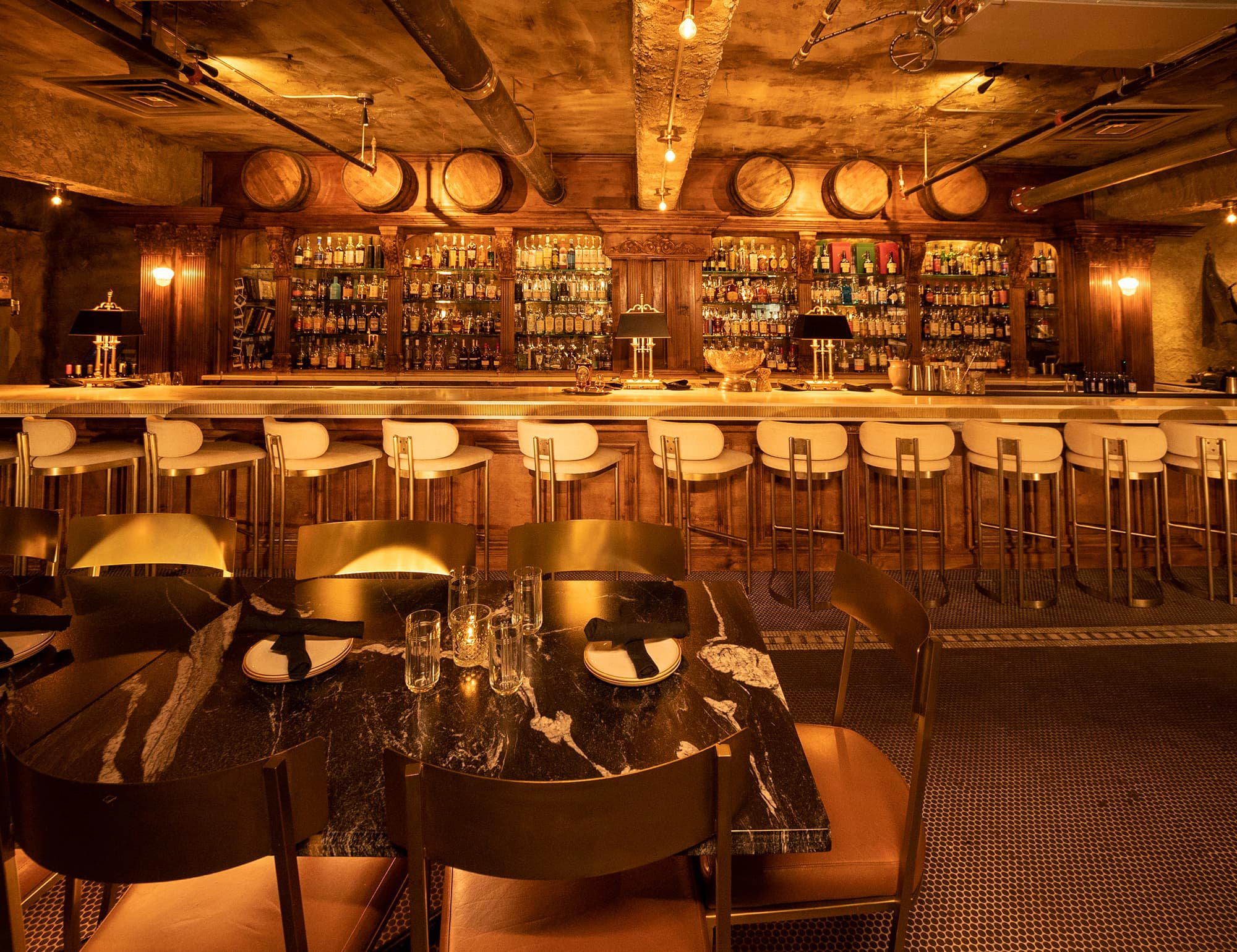
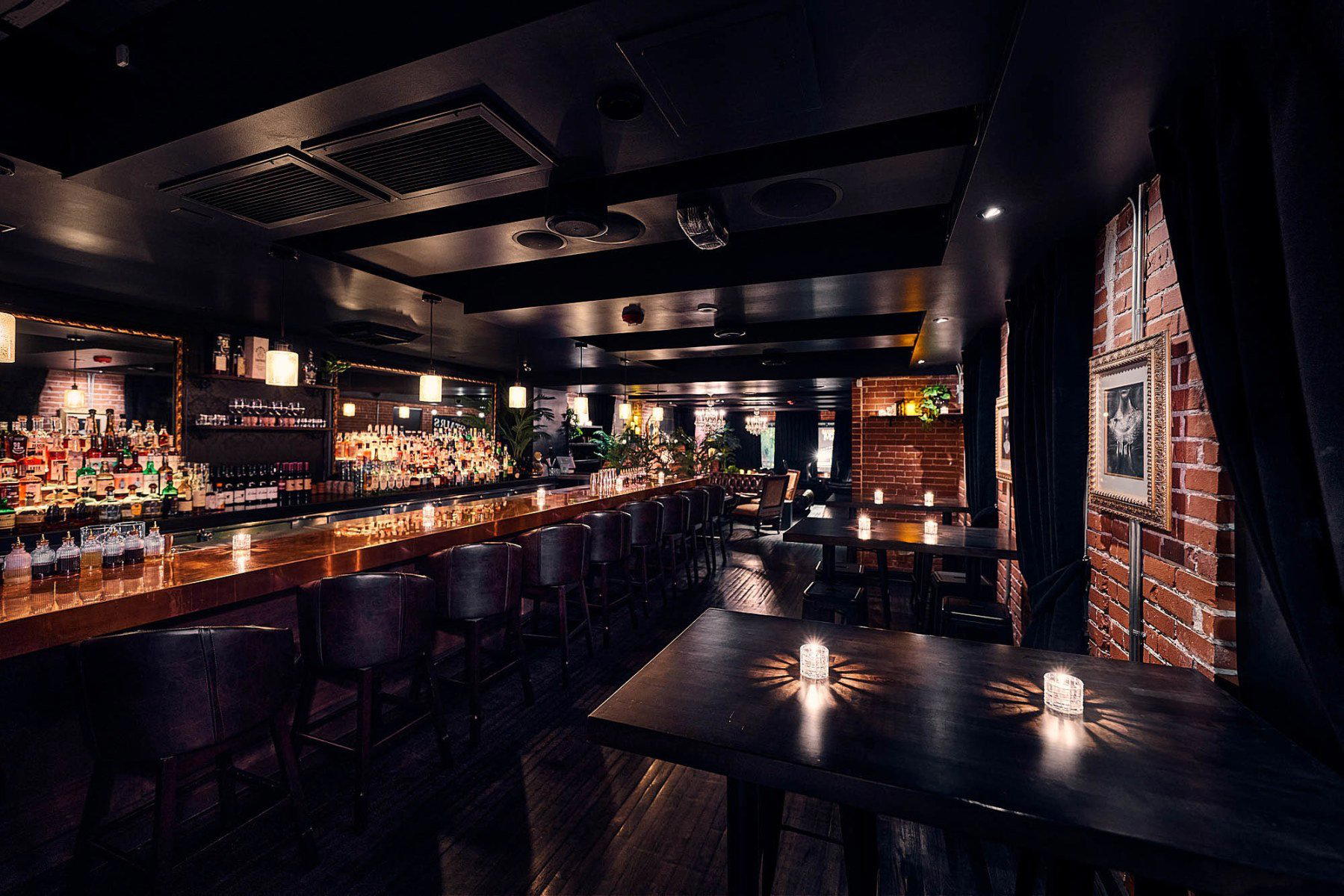
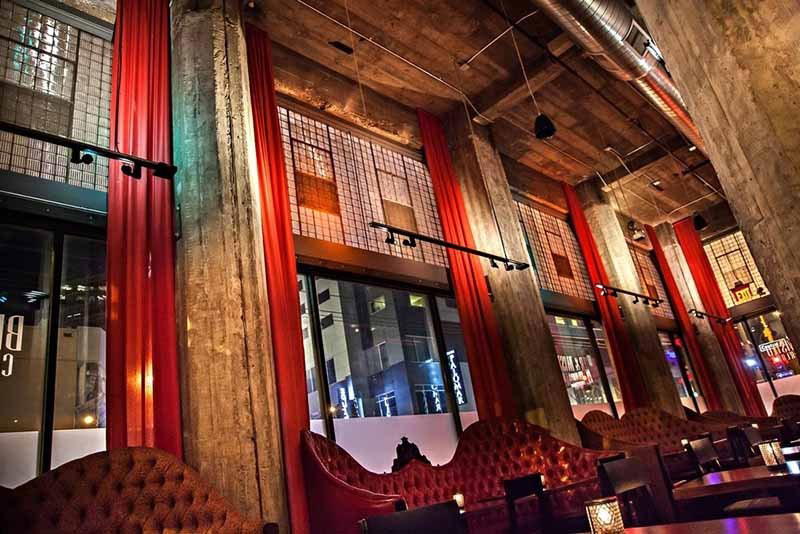
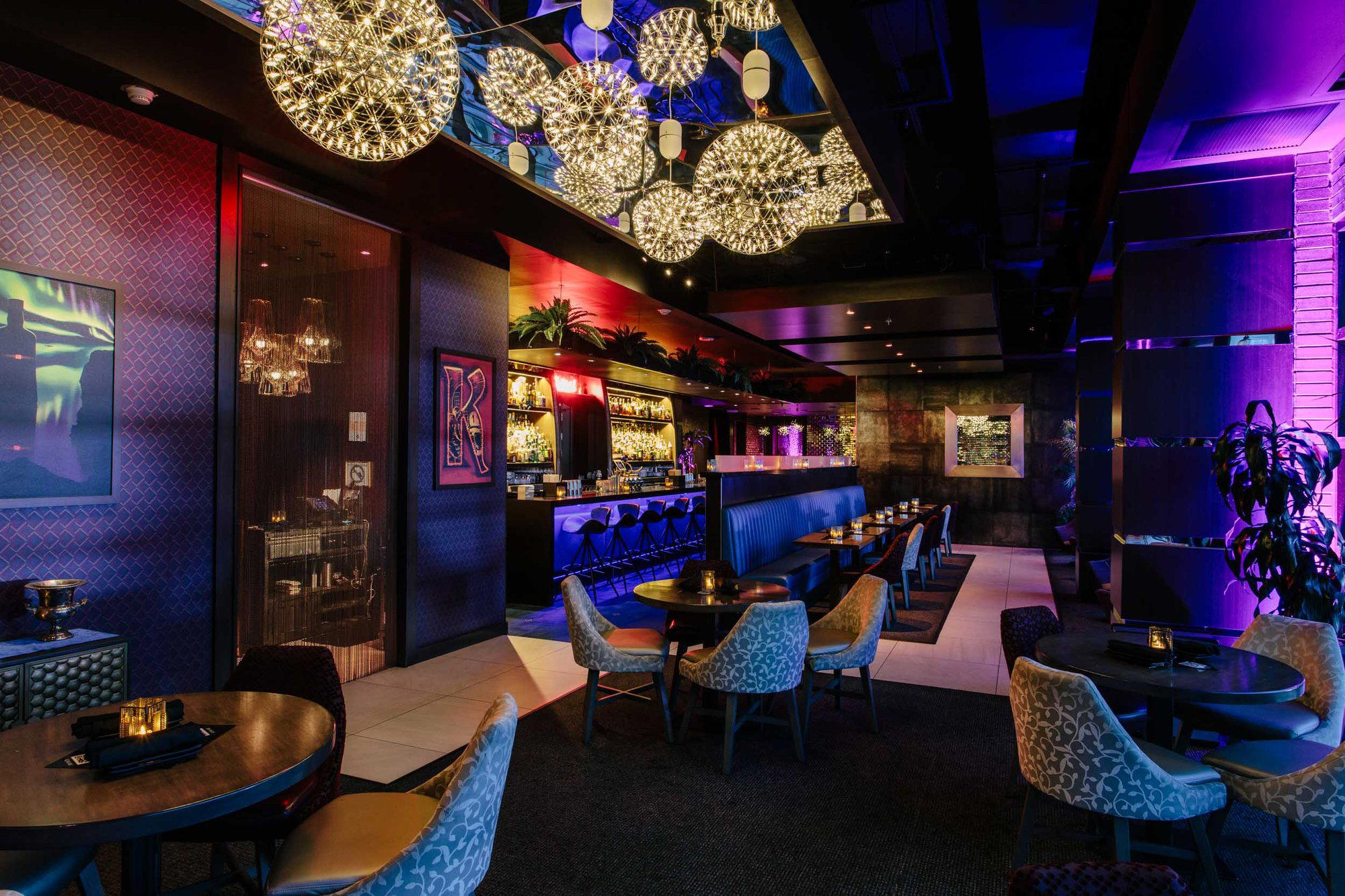
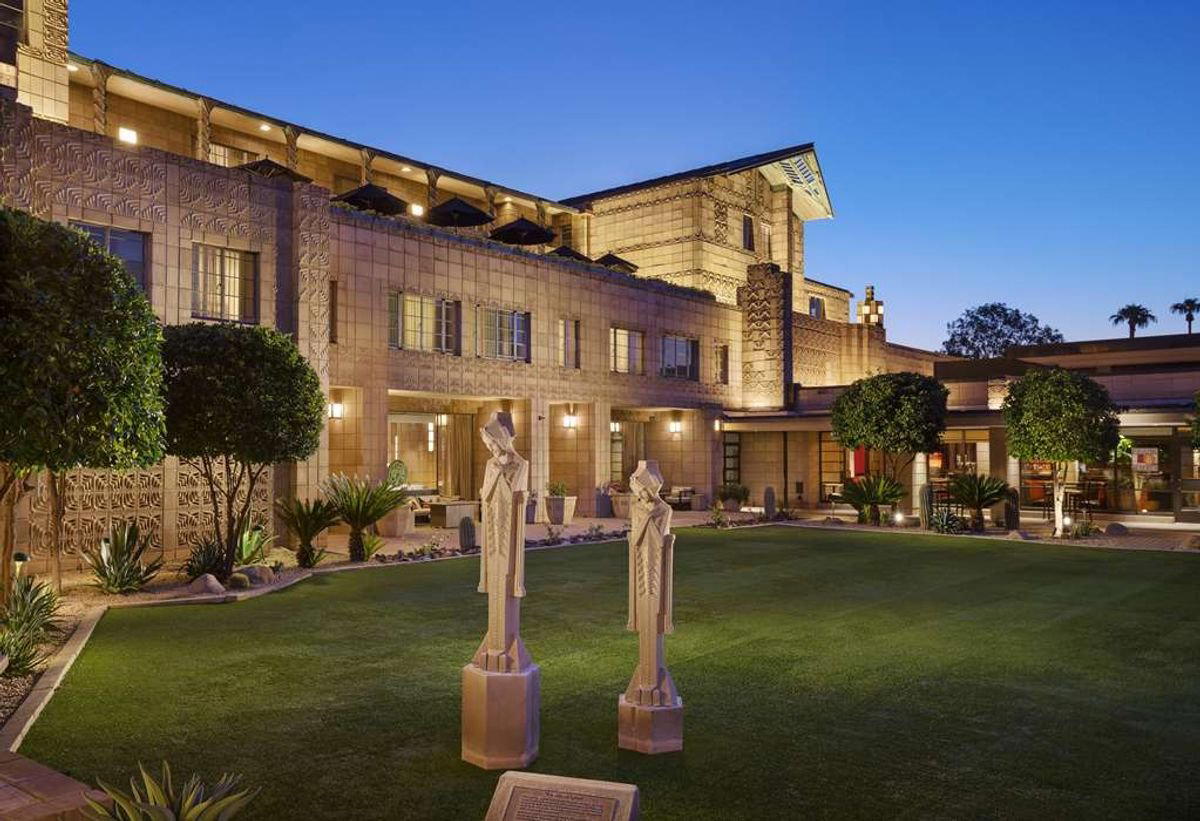
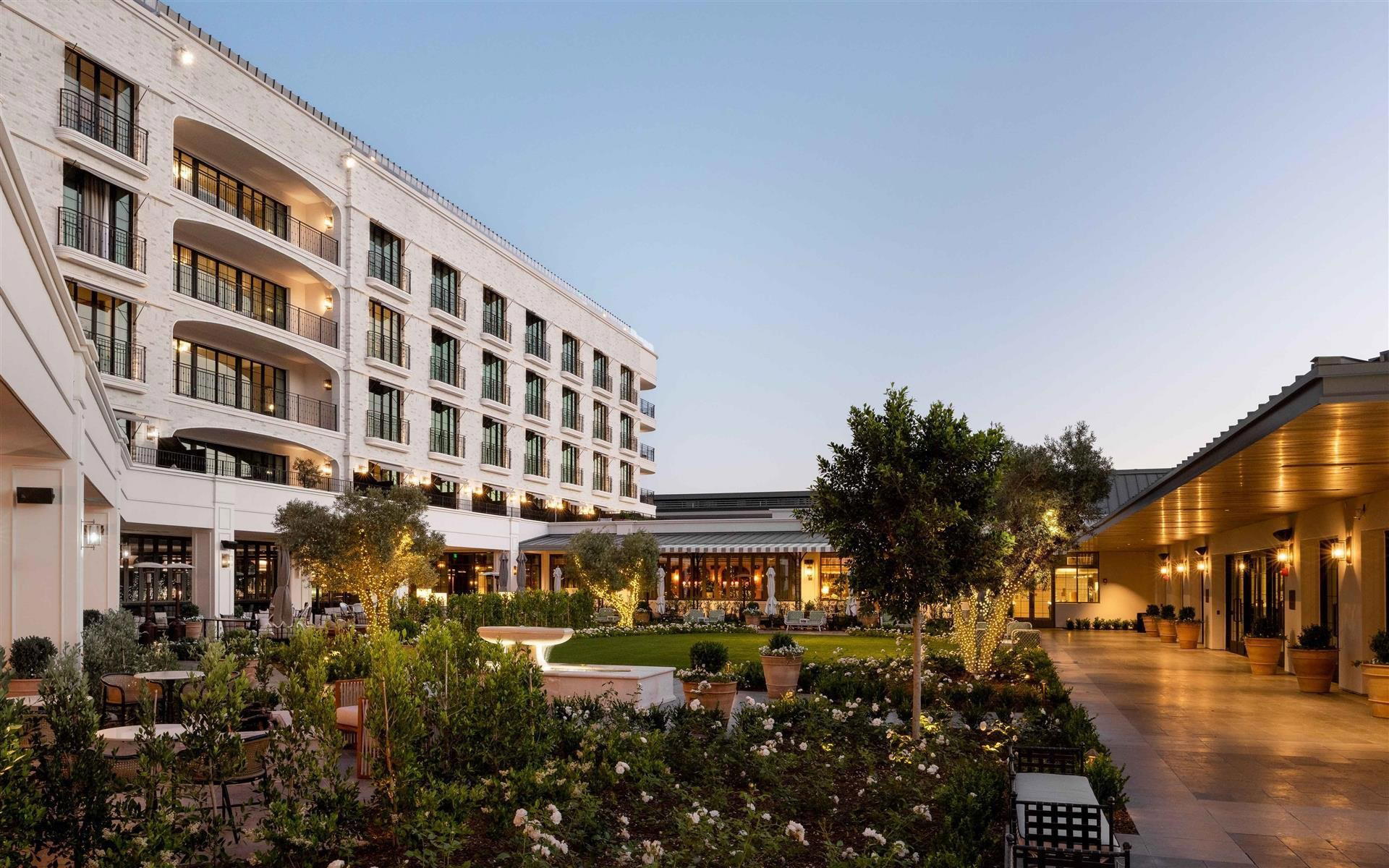
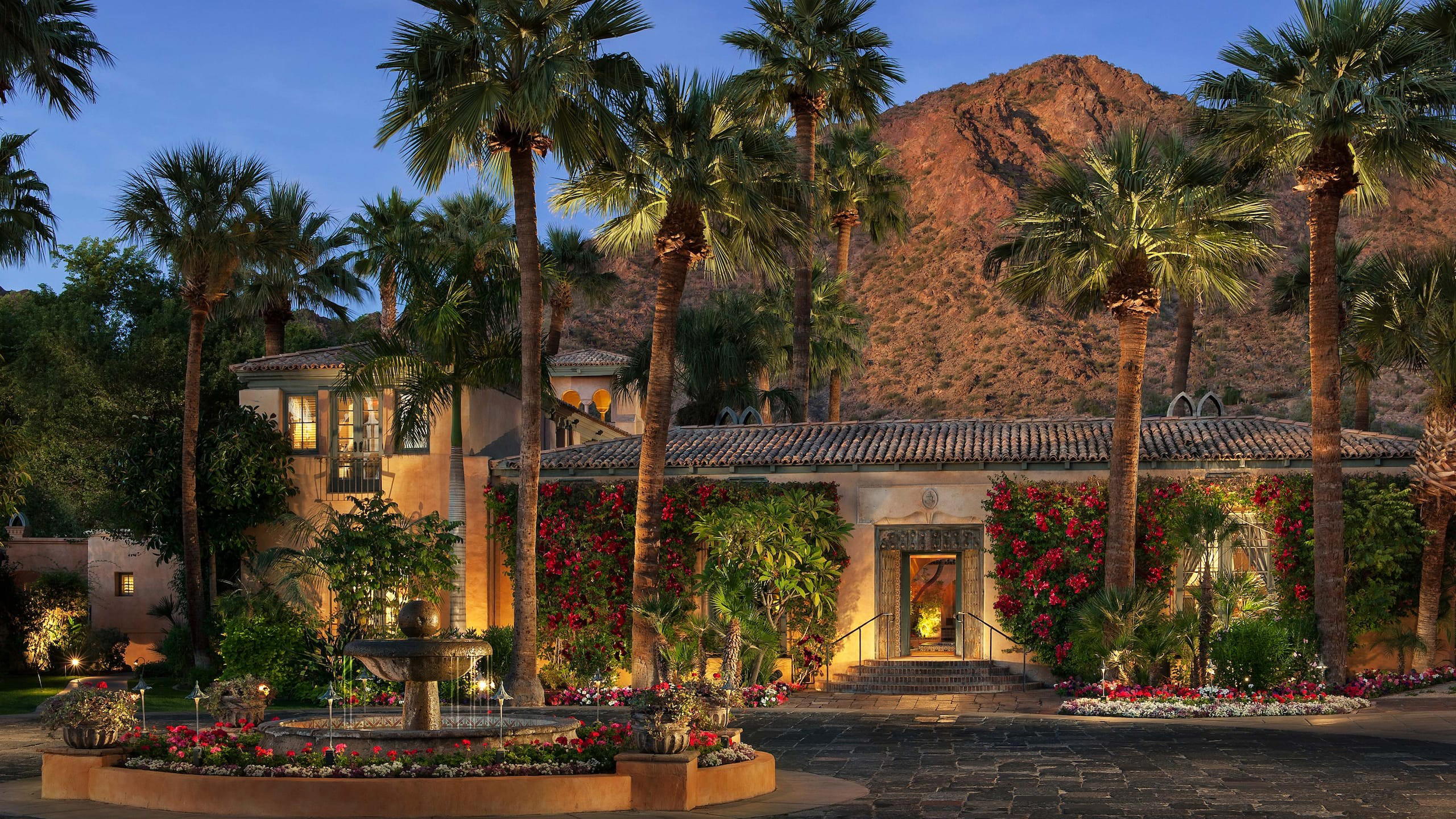
Dim lighting with late 19th-century Victorian styling, framed portraits of Teddy Roosevelt, brooding but elegant atmosphere that transports guests back in time without being overly theatrical.