Our verdict
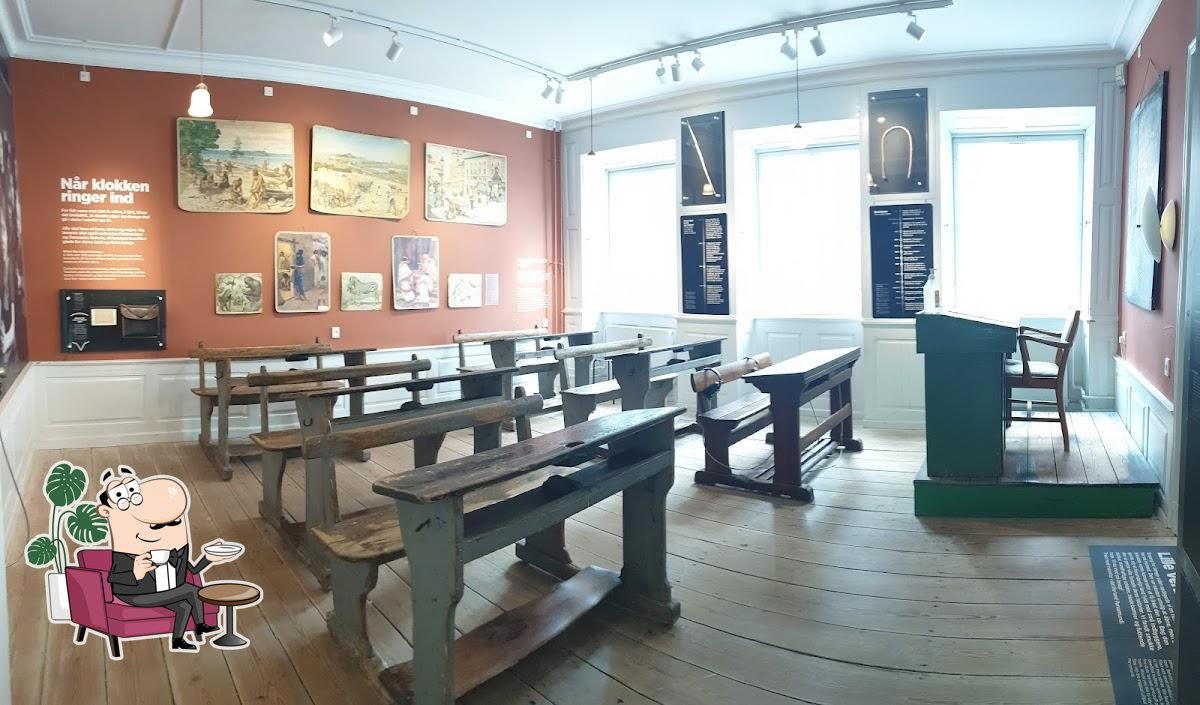
Roskilde museumscafé Jampa occupies a quietly considered address at Sankt Ols Stræde 3, positioned within the cultural orbit of one of Denmark's most historically significant cities. As a museum café, it operates at the intersection of everyday hospitality and civic heritage, serving a visitor base that arrives curious rather than merely hungry. The venue's name and setting place it firmly in Roskilde's cultural district, a short distance from the city's cathedral and Viking Ship Museum.

Pearl is the En Primeur Club membership app — saves, bookings, and concierge access live there. Same editors, same standards.
- Address
- Sankt Ols Stræde 3, 4000 Roskilde, Denmark
- Phone
- +4553541132
- Hours
- Mon 11 AM–4 PMTue 10 AM–2 PMWed–Sun 10 AM–4 PM
- Website
- phetsut.dk
- Directions
- Get directions
- Booking
- Book on the venue's website
The menu
What to order
- Smoothie bowl
- Croissant
- Waffles
- Salmon
- Bacon
- Eggs
Where Museum Culture Meets the Danish Table
Sankt Ols Stræde is a narrow street by the standards of modern Roskilde, but it carries a weight that broader avenues often lack. The address at number 3 sits within a part of the city that has long organised itself around heritage rather than commerce: the Roskilde Cathedral, a UNESCO World Heritage Site, is within walking distance, and the Viking Ship Museum draws a steady stream of visitors who arrive with cultural appetite before they develop a culinary one. Museum cafés in Denmark occupy a particular position in the country's hospitality spectrum. They are neither the destination-driven fine dining of Geranium in Copenhagen nor the stripped-back simplicity of a neighbourhood lunch counter. They serve a dual function: as practical rest stops for visitors mid-itinerary, and as something more considered when they are doing their job properly, as introductions to local produce and regional cooking logic.
Jampa sits inside that second category, or aspires to. The name itself is an outlier in a city where café naming conventions tend toward the descriptive. That distinctiveness signals intention, even if the full scope of that intention requires a visit to verify.
Roskilde's Ingredient Geography
The ingredient sourcing question matters more in Roskilde than in many Danish cities, because the surrounding region is genuinely productive. Zealand, the island on which Roskilde sits, has a long agricultural identity: grain, root vegetables, dairy, and cold-water fish from the Isefjord and the wider Øresund strait all fall within plausible local supply distance. Danish museum cafés that take sourcing seriously tend to use the proximity of that agriculture as a structural argument for their menus, building daily-changing plates around what is seasonally available rather than around a fixed international repertoire.
This is the model that has earned Denmark's restaurant culture its international standing. The sourcing philosophy associated with the Nordic food movement, which placed Danish producers at the centre of restaurant thinking rather than treating them as a secondary option, filtered down from destination restaurants into more accessible formats over the course of the 2010s. Today, cafés at cultural institutions across Zealand reflect that shift to varying degrees. Some have absorbed the logic comprehensively; others have adopted the vocabulary without the operational discipline. Where Jampa falls on that spectrum is a question the menu answers directly.
For context on how that sourcing philosophy plays out at the highest tier of Danish cooking, properties like Jordnær in Gentofte and Henne Kirkeby Kro in Henne have built their reputations on direct producer relationships and tight seasonal calendars. The café format operates with less rigidity, but the underlying logic, that Danish geography produces ingredients worth treating with attention, applies equally.
The Museum Café as a Distinct Format
It is worth understanding what a museum café is and is not, because the category carries assumptions that can mislead. In Denmark, institutional cafés have historically ranged from perfunctory vending-machine alternatives to genuinely accomplished operations that would hold their own outside a museum context. The latter have become more common as Danish cultural institutions have recognised that the café is part of the visitor experience, not an afterthought to it.
Roskilde's visitor profile is specific. The city draws a mix of domestic travellers on day trips from Copenhagen (approximately 30 minutes by train from Copenhagen Central Station), international visitors on heritage itineraries, and local residents who treat the cultural district as a neighbourhood resource. Each group brings different expectations. International visitors often arrive with the Denmark-as-food-destination assumption baked in, shaped by the global coverage the Nordic food scene has received. Domestic visitors may be more calibrated to what a museum café can and cannot deliver. Local regulars are often the most demanding, because they are comparing Jampa not to the Viking Ship Museum's cafeteria but to the rest of what Roskilde offers at lunch.
That local comparison set includes a range of formats. Bash Burger & Grill represents the casual end, Basilico and Bella Capri the Italian-leaning middle, and Aji Sushi and An No the Asian-influenced options. Jampa, as a museum café, occupies a different niche from all of them: it is tied to a specific location and a specific visitor flow, which gives it a captive audience but also a more varied one than most standalone restaurants encounter.
Danish Fine Dining as the Reference Point
Understanding where a venue like Jampa sits requires knowing what the broader Danish dining conversation looks like. At the reference tier, properties such as Frederikshøj in Aarhus, Alimentum in Aalborg, ARO in Odense, and LYST in Vejle have established that serious cooking is not exclusively a Copenhagen phenomenon. Further afield, Domæne in Herning, Dragsholm Slot Gourmet in Hørve, and Frederiksminde in Præstø demonstrate that Zealand and Jutland both support ingredient-led cooking at high levels. That context matters because it sets a floor for what Danish visitors expect from any operation presenting itself as food-forward, even at the café level.
Internationally, the café format sits in a different competitive space. Visitors arriving from cities where museum restaurants have become destination experiences in their own right, New York's institutional dining having been transformed by operators like those behind Le Bernardin or technically precise formats like Atomix, may arrive with expectations calibrated to that refined standard. A Roskilde museum café is not competing in that tier, nor should it try to. What it can offer is something those venues cannot: a specific sense of place, a connection to the city's own history, and the unpretentious accessibility that has always been the museum café's strongest argument.
Planning a Visit
Roskilde is accessible from Copenhagen in under 35 minutes by regional train, making it a practical day-trip destination rather than an overnight commitment for most international visitors. The cultural district around Sankt Ols Stræde is walkable from the station, which takes roughly 10 to 15 minutes on foot through the city centre. For those combining a visit to the Viking Ship Museum with lunch at Jampa, the itinerary maps naturally: the museum occupies the waterfront, and the café address on Sankt Ols Stræde is a short walk uphill through the historic core.
As with most museum cafés in Denmark, peak hours track visitor flow: midday through early afternoon tends to be the busiest window, particularly on weekends and during the summer season when international visitor numbers are highest. Arriving slightly before noon or after 2pm generally means a more relaxed experience. For a broader picture of what Roskilde offers across formats and price points, the full Roskilde restaurants guide maps the city's dining options with editorial depth.
Frequently asked questions
Is Roskilde museumscafé Jampa child-friendly?
Is Roskilde museumscafé Jampa better for a quiet night or a lively one?
at Roskilde museumscafé Jampa?
Can I walk in to Roskilde museumscafé Jampa?
What has Roskilde museumscafé Jampa built its reputation on?
Is Roskilde museumscafé Jampa connected to a specific museum, and does that affect the menu?
Recognition Snapshot
Comparable venues nearby, for context on price, style, and recognition.
| Venue | Cuisine | Price | Notes |
|---|---|---|---|
| Roskilde museumscafé JampaThis venue — the venue you are viewing | Thai-Scandinavian Café | $20–30 | Not listed |
| Det Mexicanske Bøfhus | Mexican-Inspired Steakhouse | Not listed | Central Roskilde |
| Nua Mama's Secret | Authentic Thai | $20–30 | Roskilde |
| Izakaya | Japanese Izakaya & Sushi | Not listed | Stationscenteret |
| Halifax | Danish-Style Burgers | $20–30 | center |
| Rib House | Steakhouse & BBQ | $20–30 | center |
Continue exploring
More in Roskilde
Restaurants in Roskilde
Browse all →
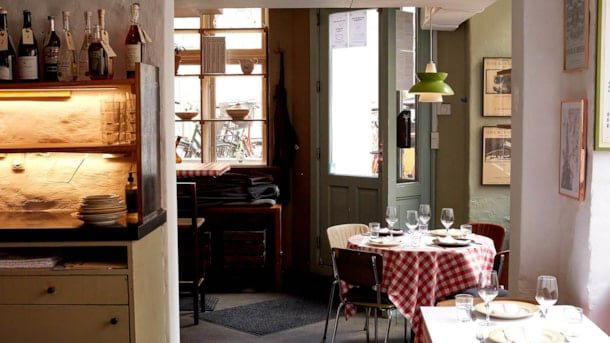
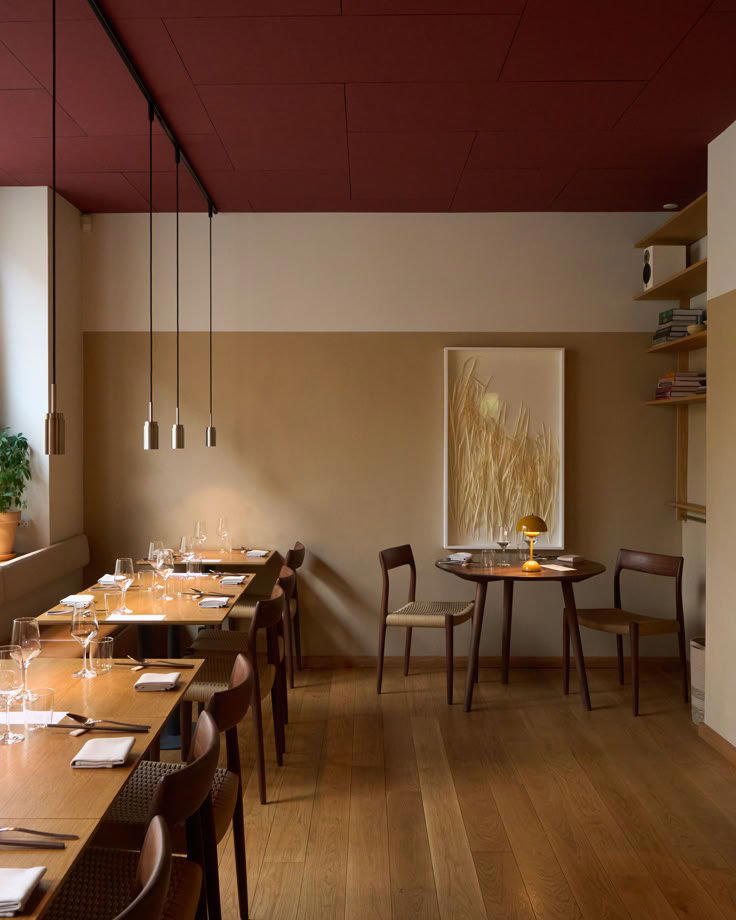
Bars in Roskilde
Browse all →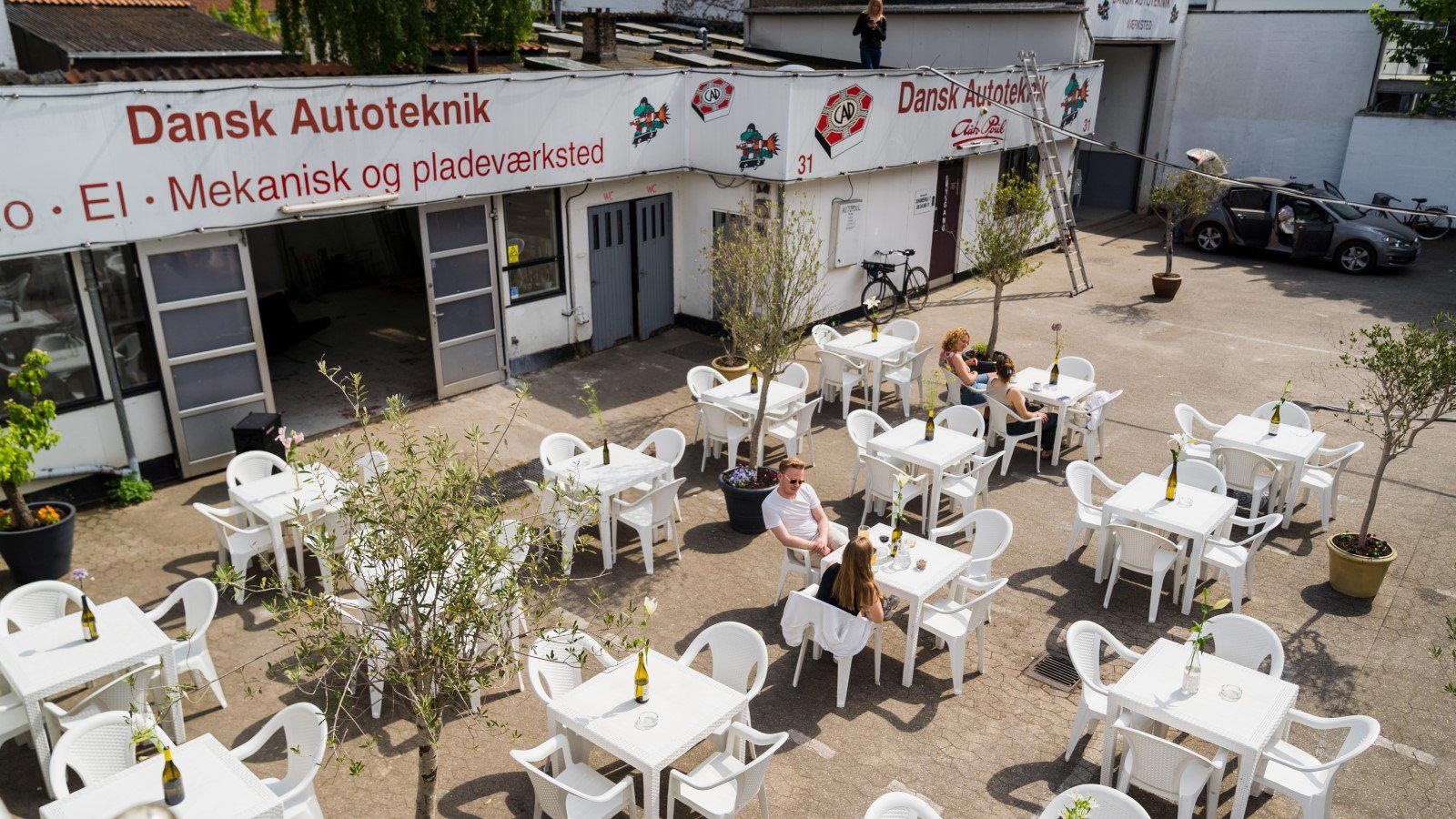
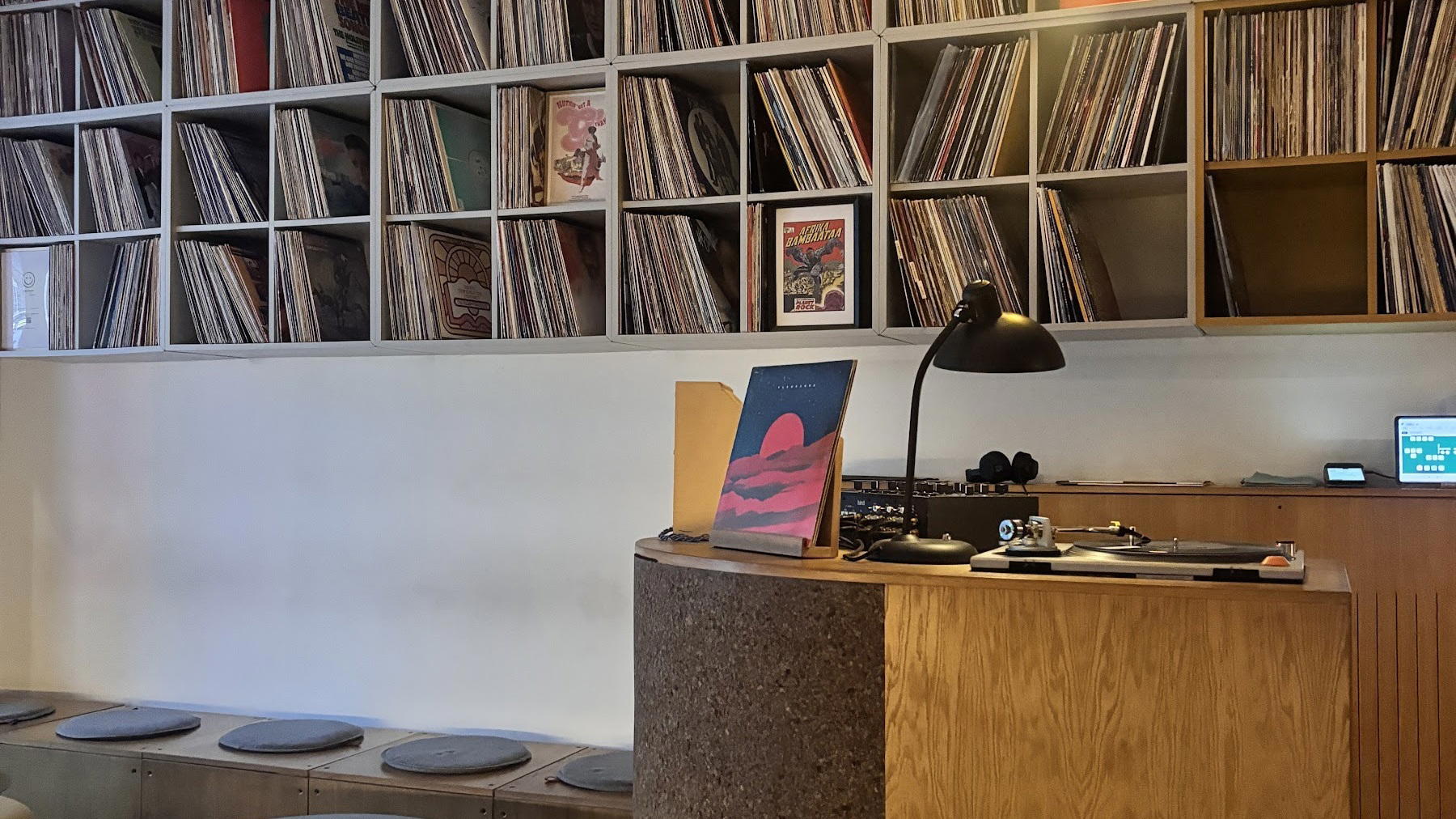
Hotels in Roskilde
Browse all →
Wineries in Roskilde
Browse all →
Details
- Cozy
- Classic
- Intimate
- Brunch
- Casual Hangout
- Family
- Historic Building
- Standalone
- A La Carte
- Small Plates
- Coffee
- Vegetarian Friendly
Current opening hours
- Monday
- 11 AM–4 PM
- Tuesday
- 10 AM–2 PM
- Wednesday
- 10 AM–4 PM
- Thursday
- 10 AM–4 PM
- Friday
- 10 AM–4 PM
- Saturday
- 10 AM–4 PM
- Sunday
- 10 AM–4 PM
Hours can change for holidays and private events. Last verified .
Inviting and welcoming atmosphere within a historic building, with friendly staff creating an engaging environment for visitors of all ages.