Roskilde's sushi dining sits at a different register from Copenhagen's omakase counters, and Aji Sushi at Algade 26 occupies the city's accessible Japanese tier. For a provincial Danish city better known for its Viking Ship Museum and summer festival, the presence of a dedicated sushi address reflects how broadly Japanese cuisine has taken root across Scandinavia's secondary cities.
Pearl is the En Primeur Club membership app — saves, bookings, and concierge access live there. Same editors, same standards.
- Address
- Algade 26, 4000 Roskilde, Denmark
- Phone
- +4573708800
- Website
- ajisushi4000.dk
- Directions
- Get directions
 Saves & bookings on Pearl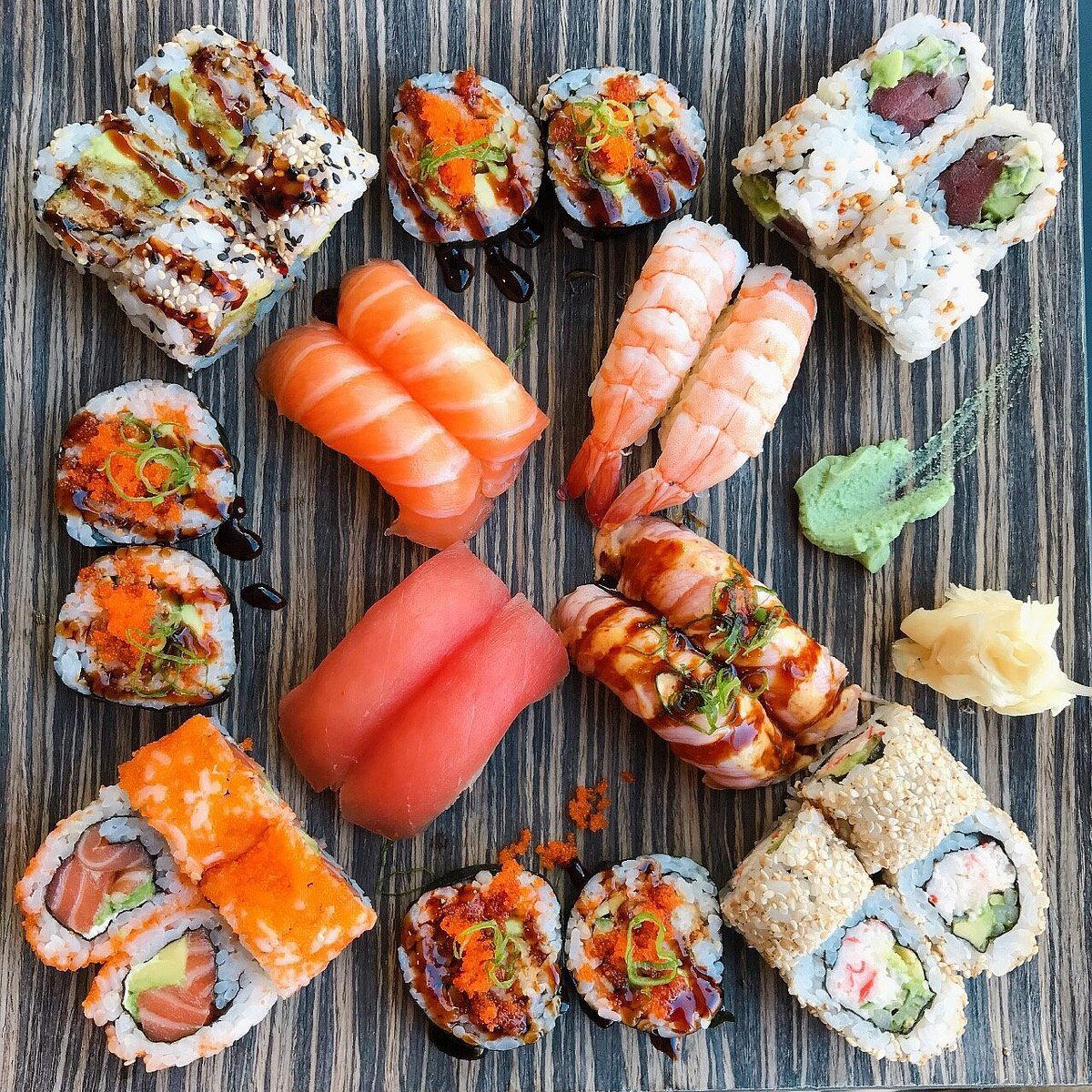
Japanese Cuisine Beyond the Capital
Across Denmark, Japanese cooking has spread well past Copenhagen's Vesterbro and Nørreport corridors. Provincial cities from Aarhus to Odense now carry sushi addresses that range from conveyor-belt casual to small counter formats with genuine technique. Roskilde sits in that pattern: a city of cathedral spires and Viking heritage that has nonetheless developed a restaurant scene capable of sustaining dedicated Japanese dining. Aji Sushi, at Algade 26 on the city's pedestrian main street, is the address that fills that role here.
The setting itself tells you something about how sushi has been absorbed into Danish everyday dining. Algade is Roskilde's commercial spine, lined with the kind of retail and food businesses that serve a city of around 50,000 people going about ordinary life. A sushi restaurant on this street is not a statement of destination dining ambition; it is evidence that Japanese food has passed from novelty into the regular rotation of a mid-sized Danish city. That normalisation is, in its own way, a marker of how thoroughly Scandinavian food culture has shifted since the early 2000s.
What Ingredient Sourcing Means in a Danish Context
The sourcing question for sushi in provincial Denmark is worth examining directly, because it shapes what any restaurant at this address can realistically deliver. Japan-sourced fish, tuna from the Tsukiji or Toyosu supply chains, sea urchin from Hokkaido, live scallop from specific Japanese fisheries, reaches Copenhagen's premium counters through specialist importers, but the economics of that supply chain thin out quickly as you move beyond the capital. Regional Danish cities are more likely to draw on North Sea and Baltic sources: salmon from Norwegian aquaculture, local flatfish, Danish langoustine, and whatever the North Atlantic delivers seasonally.
This is not a limitation to be apologised for. Scandinavian waters produce particularly ingredient-rich cold-water seafood available anywhere in Europe. The cold, clean currents of the Kattegat and Skagerrak yield prawns, plaice, and herring that, in the right hands, translate into something considerably more interesting than imported product of uncertain transit. Danish sushi restaurants that lean into local sourcing rather than mimicking the import-dependent Tokyo model often produce the more coherent result.
For context on what high-end Scandinavian seafood sourcing looks like at its most developed, Jordnær in Gentofte and Geranium in Copenhagen represent the two-Michelin and three-Michelin tiers where provenance is documented dish by dish. Frederikshøj in Aarhus and Henne Kirkeby Kro in Henne show that ingredient rigour extends into regional Denmark. Aji Sushi operates in a different price tier and format, but the broader Danish commitment to supply-chain transparency in food sets a baseline expectation that carries across categories.
Roskilde's Dining Scene: What Surrounds It
Roskilde is not a city that tourists typically visit for its restaurants. The Viking Ship Museum draws visitors, the Roskilde Festival pulls a large summer crowd each July, and the medieval cathedral is a UNESCO-listed landmark. Dining here mostly serves residents and day-trippers rather than destination-seeking food travellers. That context explains the shape of the restaurant scene: practical, varied, priced for everyday use rather than occasion spending.
On and around Algade, the comparison set for Aji Sushi includes Bash Burger • Grill for American-format casual dining, Basilico and Bella Capri for Italian, and Bone's Roskilde for steakhouse-style eating. An No adds further Asian-category presence. This is the competitive frame in which the restaurant operates: a city-centre mix of accessible international formats, none of them chasing Michelin recognition, all of them serving a local population that wants reliable food without a drive to Copenhagen. Our full Roskilde restaurants guide maps the broader scene.
For the visitor arriving from Copenhagen by train, the journey takes roughly 25 minutes from København H, making Roskilde plausible as a day trip with lunch. Algade is a short walk from the station. The practical case for eating at the restaurant would typically be a meal before or after the Viking Ship Museum rather than a special journey for the food itself.
Danish Regional Dining and the Provincial Opportunity
One of the more interesting patterns in Danish dining over the past decade is how the New Nordic wave that centred on Copenhagen has gradually influenced what is expected at the regional level, even in cuisines far removed from fermented local produce and coastal forage. Diners who grew up eating at restaurants shaped by that movement carry different baseline expectations about sourcing, seasonality, and execution than a previous generation did. Even a sushi restaurant in a provincial city now operates in a country where food literacy is relatively high by European standards.
That context matters for how to read any Japanese address outside Copenhagen. The comparison points in Denmark's higher tiers, Frederiksminde in Præstø, Ti Trin Ned in Fredericia, Dragsholm Slot Gourmet in Hørve, LYST in Vejle, Tri in Agger, and Pearl by Paul Proffitt in Kruså, show that strong cooking outside the capital is entirely possible and in some cases preferable. Those are Western fine dining formats, but they demonstrate that provincial Denmark has appetite and infrastructure for serious food. A sushi restaurant in that environment has access to an unusually attentive customer base.
Internationally, the model for how serious Japanese cooking can be delivered in unexpected settings exists: Le Bernardin in New York City and Lazy Bear in San Francisco both demonstrate that format rigour and sourcing discipline can flourish outside the cities most associated with their respective traditions. The scale and context are entirely different from a sushi restaurant in Roskilde, but the underlying argument, that geography is not destiny for a kitchen that treats its ingredients seriously, applies at every level.
Planning a Visit
The restaurant is located at Algade 26 in central Roskilde, within walking distance of the train station and the main tourist sites. It is a casual Japanese sushi restaurant with walk-in-friendly service and an average price of about $20 per person.
Quick Comparison
Comparable venues nearby, for context on price, style, and recognition.
| Venue | Cuisine | Price | Notes |
|---|---|---|---|
| Aji SushiThis venue — the venue you are viewing | Japanese Sushi | $$ | Not listed |
| Izakaya | Japanese Izakaya & Sushi | $$ | Stationscenteret |
| Zhiki Sushi | Japanese Sushi | $$ | Ro's Torv |
| Ja Dimsum Sushi | Chinese Dim Sum & Japanese Sushi | $$ | Roskilde Municipality |
| Roskilde museumscafé Jampa | Thai-Scandinavian Café | $$ | Roskilde |
| Det Mexicanske Bøfhus | Mexican-Inspired Steakhouse | $$ | Central Roskilde |
Continue exploring
More in Roskilde
Restaurants in Roskilde
Browse all →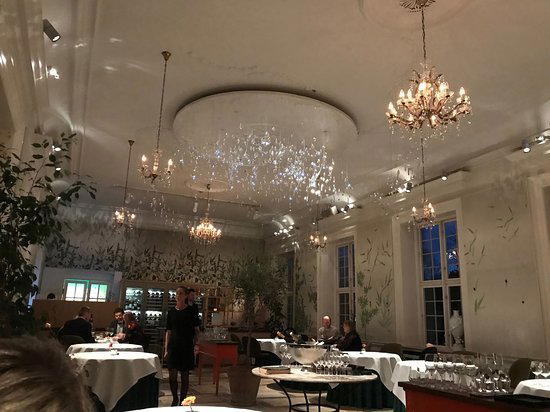
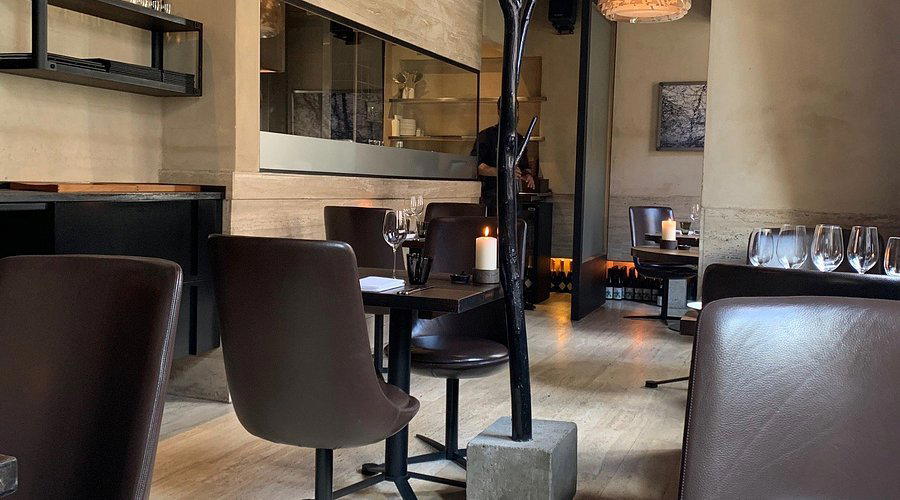
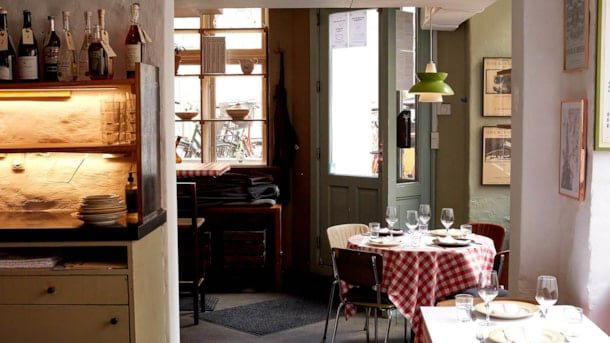
Bars in Roskilde
Browse all →
Hotels in Roskilde
Browse all →
Wineries in Roskilde
Browse all →
At a Glance
- Casual Hangout
- Open Kitchen
Current opening hours
- Monday
- 11 AM–9 PM
- Tuesday
- 11 AM–9 PM
- Wednesday
- 11 AM–9 PM
- Thursday
- 11 AM–9 PM
- Friday
- 11 AM–9:30 PM
- Saturday
- 11 AM–9:30 PM
- Sunday
- 1–8 PM
Hours can change for holidays and private events. Last verified .
Casual sushi spot with open kitchen allowing guests to observe preparation.