Rosewood Mayakoba
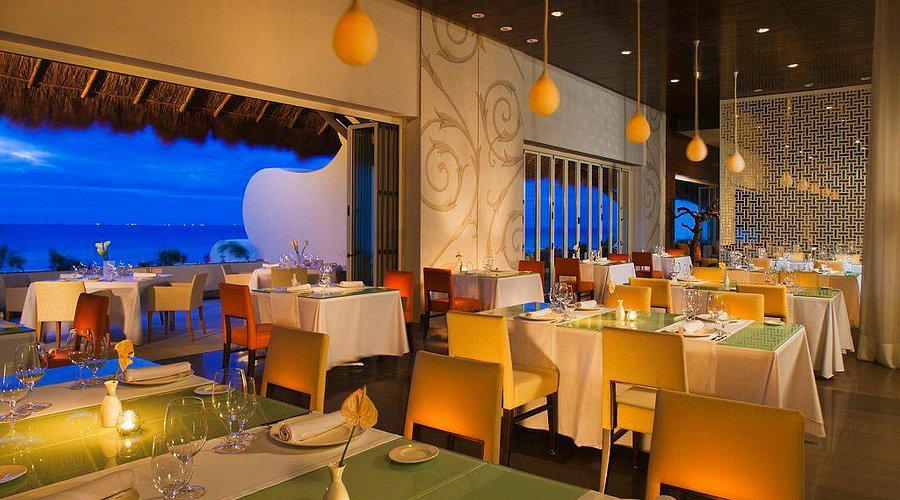
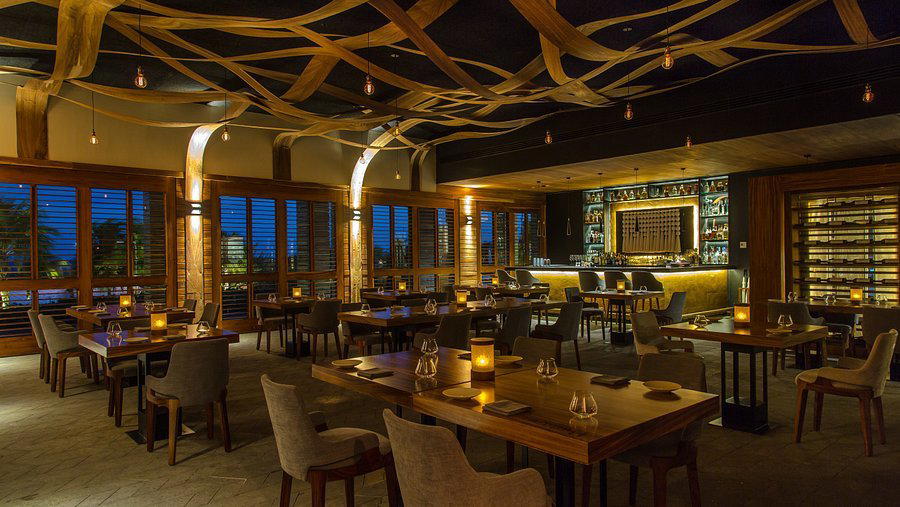
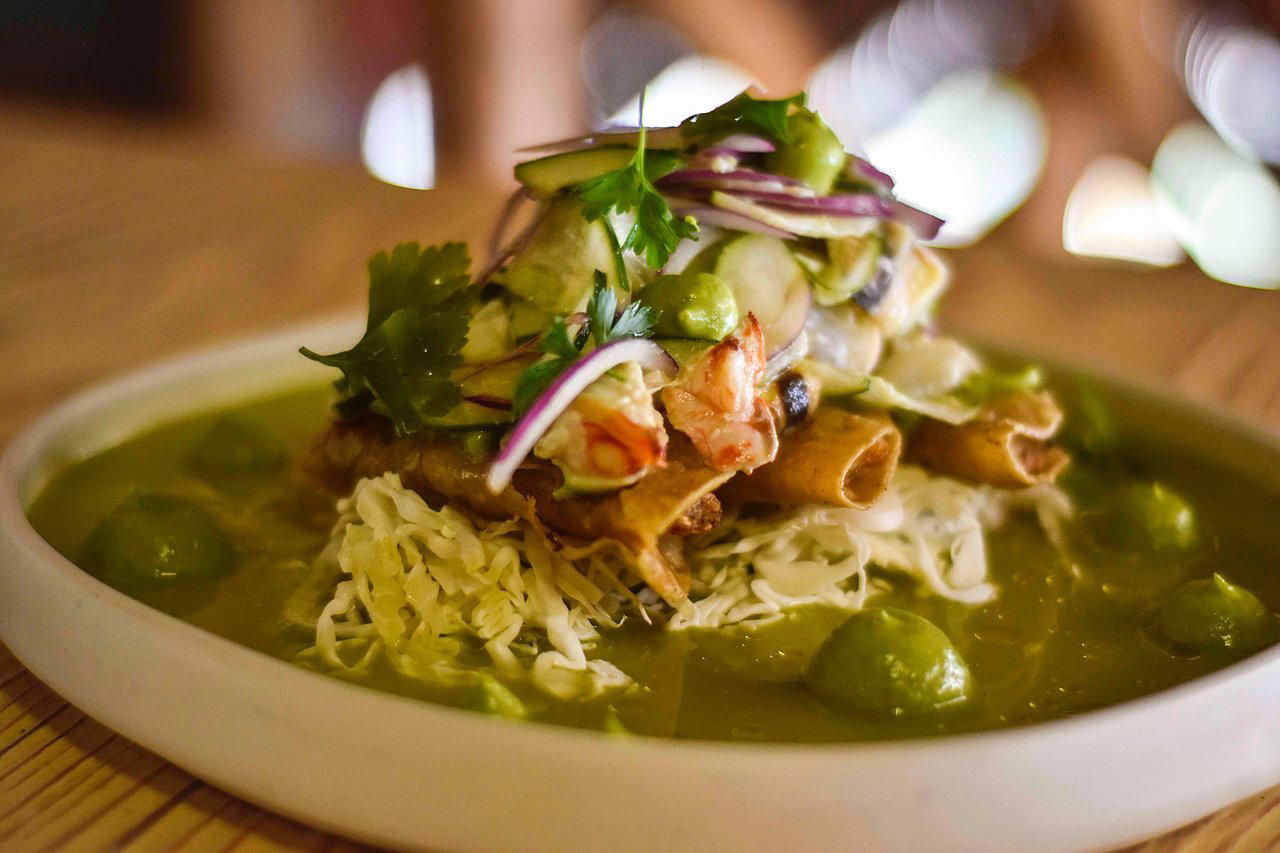
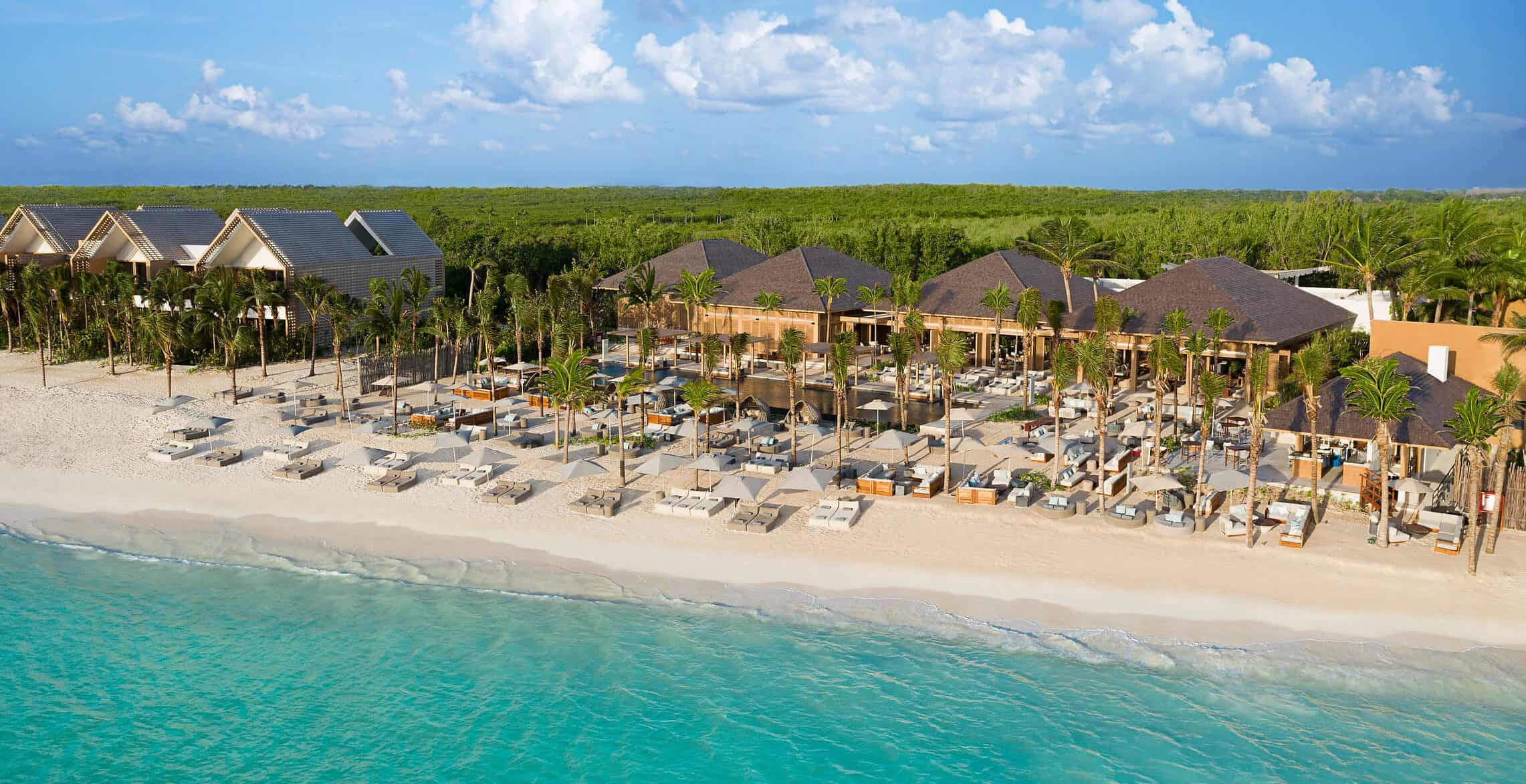
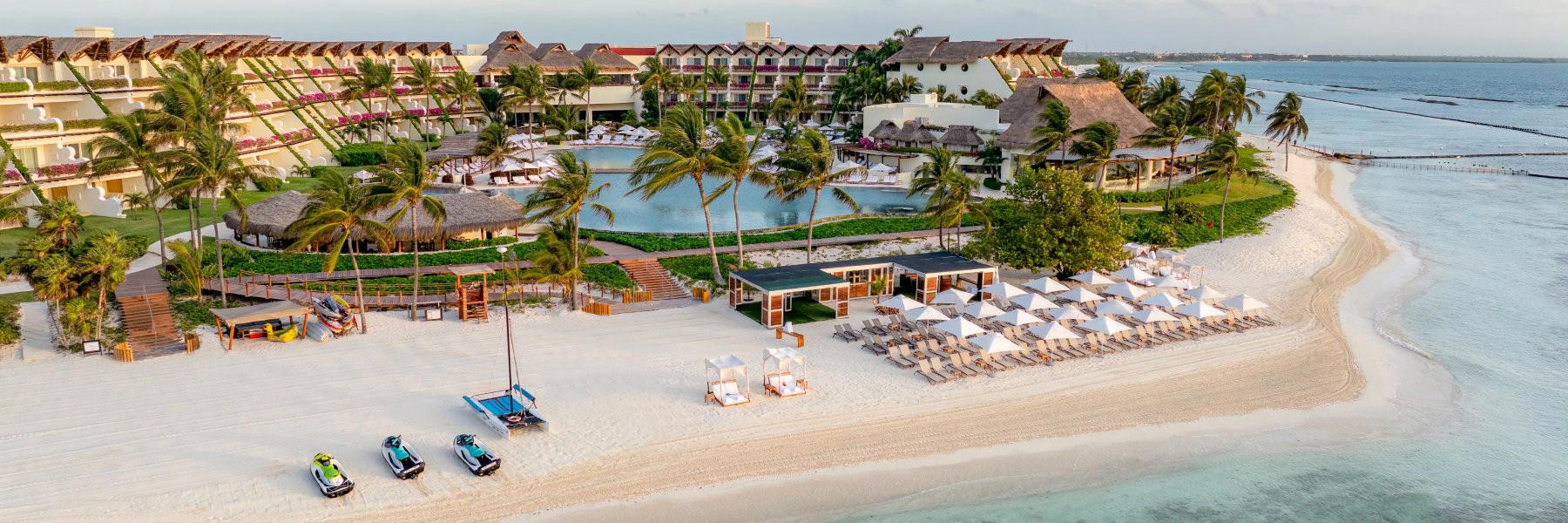
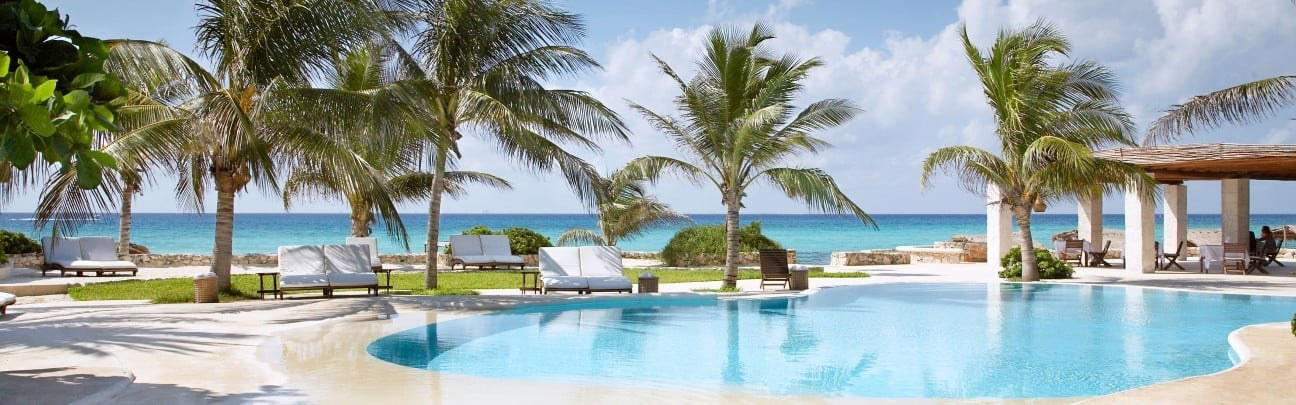
Rosewood Mayakoba serves modern Mexican seafood in a waterfront, garden setting with terrace seating, craft cocktails, and a leisurely, conversational pace for lunch or dinner.
Pearl is the En Primeur Club membership app — saves, bookings, and concierge access live there. Same editors, same standards.
- Address
- Ctra. Federal Cancún-Playa del Carmen Km 298, 77710 Playa del Carmen, Q.R., Mexico
- Phone
- +528445299053
- Website
- rosewoodhotels.com
- Directions
- Get directions
 Saves & bookings on Pearl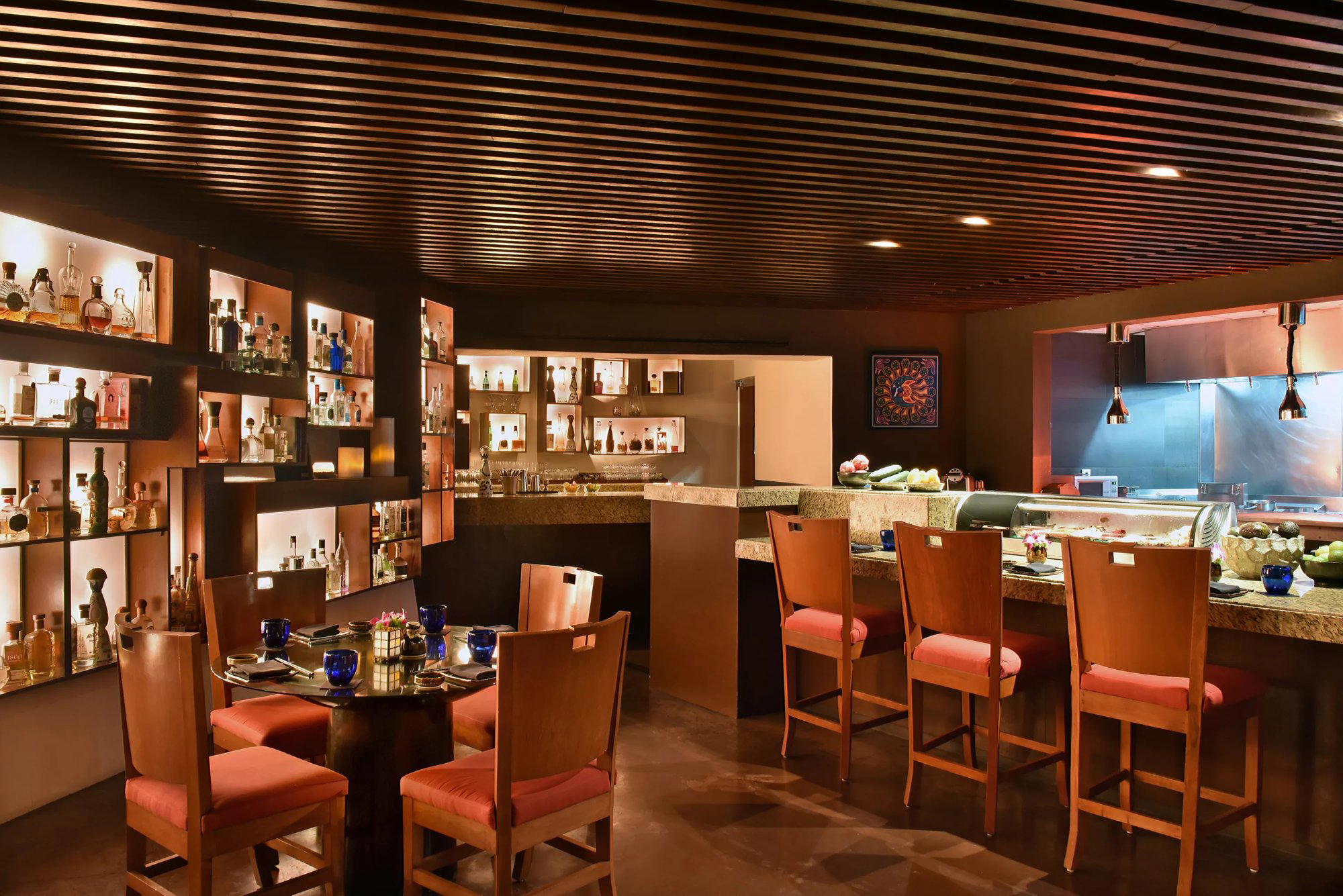
Where the Riviera Maya's Jungle Meets the Caribbean
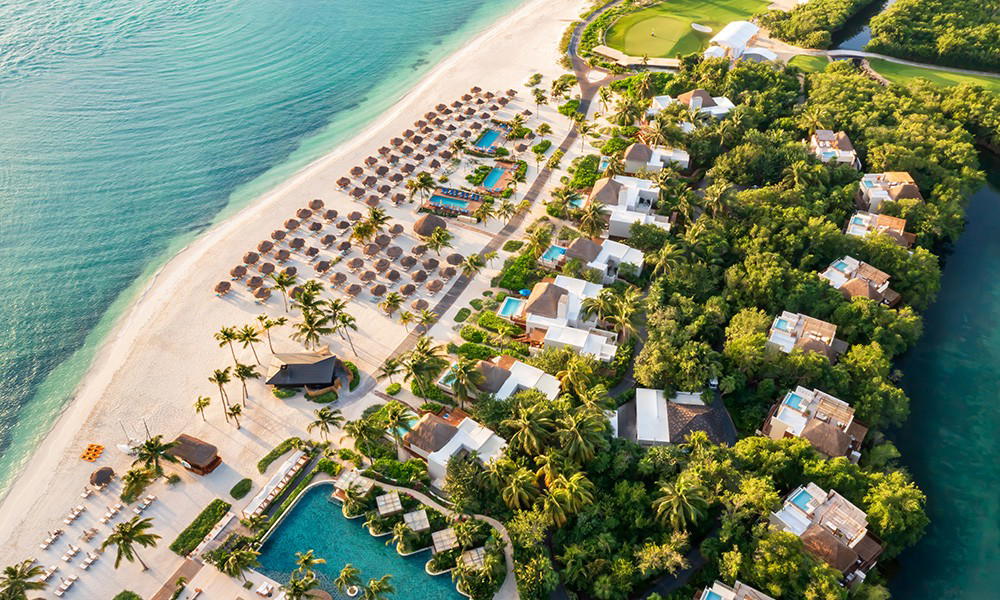
Rosewood Mayakoba is a restaurant in Playa del Carmen, Mexico, at a price point of about $80 per person. The Riviera Maya corridor between Cancún and Playa del Carmen has developed into one of Mexico's most layered hospitality zones, with properties ranging from all-inclusive megacomplexes to design-forward boutique hotels carved from coastal jungle. Rosewood Mayakoba sits within the Mayakoba resort estate at roughly Km 298 on Federal Highway 307, a privately managed ecosystem of mangrove lagoons, cenotes, and white-sand beach that operates as a kind of controlled counterpoint to the density of Playa del Carmen proper. Arriving by boat along a jungle canal, as guests do at check-in, signals immediately that this property operates at a different register from its corridor neighbors. The approach alone communicates the logic of the place: seclusion is the product, and the physical environment delivers it before a single service interaction begins.
A Resort Category Defined by Ecosystem, Not Just Architecture
Luxury resort development across the Yucatán Peninsula has split along recognizable lines. One tier competes on scale and entertainment programming, with expansive buffets, waterparks, and nightly shows. A smaller, quieter tier competes on environmental design and low guest-to-space ratios. Rosewood Mayakoba belongs to that second category, sharing the Mayakoba estate with sister properties but operating its own distinct inventory of rooms and suites spread across the lagoon system. Guests move between villas, beach, and restaurant by boat or golf cart, a logistical arrangement that functions as both amenity and editorial statement about how the property thinks about time.
Mexican Fine Dining in Its National Context
To understand what dining at a property like Rosewood Mayakoba represents, it helps to map it against the broader arc of Mexican gastronomy. The past fifteen years have seen Mexican cuisine move decisively from being understood internationally as a category of street food and casual eating to holding serious fine-dining credentials. Pujol in Mexico City became the international reference point for that shift, and a generation of Mexican chefs trained in both European technique and indigenous ingredient knowledge has since spread across the country. KOLI Cocina de Origen in Monterrey, Alcalde in Guadalajara, and Levadura de Olla Restaurante in Oaxaca each represent a distinct regional expression of that movement. In the Yucatán context, the culinary tradition draws from Maya ingredients and techniques, including recados (spiced pastes), achiote, cochinita pibil preparation, and the native chiles of the peninsula, none of which are interchangeable with the broader Mexican canon and all of which carry genuine anthropological depth. Resort dining at the upper end of the Riviera Maya corridor has increasingly drawn on this tradition rather than defaulting to international hotel menus, a shift that reflects both guest expectations and a broader professional pride among Mexican culinary talent.
HA' in Playa del Carmen and Le Chique in Puerto Morelos represent the more avant-garde end of Yucatán-influenced fine dining in this stretch of coastline, with tasting menus built around technical transformation of regional ingredients. For travelers who want to read the full range of the area's food culture, the estate's dining sits at one end of a spectrum that extends to more casual and ideologically charged options: Charly's Vegan Tacos "CVT" and Chino Poblano both operate in Solidaridad and represent the kind of locally rooted, lower-price-point eating that gives regional context to any resort-based trip.
The Mayakoba Estate and What It Implies About Peer Comparisons
Animalón in Valle de Guadalupe takes a comparable approach in Baja California, where the food is inseparable from the agricultural and landscape context. Lunario in El Porvenir and Olivea Farm to Table in Ensenada follow similar logic in wine country. What these places share is a commitment to place-specificity: the dining is calibrated to where you are, not designed to be replicable in another city. The restaurant operates within that ethos at an estate where the ecological setting is managed as carefully as the interiors. Internationally, the closest conceptual comparisons are properties like Le Bernardin in New York City or Atomix in New York City in terms of the seriousness brought to a highly considered dining format, even if the category and price structure differ significantly.
Solidaridad's Dining Range Beyond the Estate
Solidaridad, the municipality that technically encompasses this stretch of coast, has a dining scene that extends well beyond resort properties. Agave Azul represents the strong regional Mexican tradition present in the area, while Che Che reflects the international diversification of Playa del Carmen's restaurant base. The contrast between estate dining and the municipality's independent restaurant scene is itself instructive about how the Riviera Maya has developed: two parallel economies operating in close proximity, each coherent on its own terms.
Planning a Stay
The restaurant is located at Ctra. Federal Cancún-Playa del Carmen Km 298, 77710 Playa del Carmen, within the Mayakoba estate. The property is accessed from Federal Highway 307, with Cancún International Airport roughly an hour north by road, making it one of the more logistically accessible luxury properties in the region despite its sense of remove. Reservations are recommended. Pangea in San Pedro Garza García is worth noting as a northern Mexico reference point for those routing through Monterrey.
Price and Positioning
Comparable venues nearby, for context on price, style, and recognition.
| Venue | Cuisine | Price | Notes |
|---|---|---|---|
| Rosewood MayakobaThis venue — the venue you are viewing | Mayakoba, Modern Mexican Seafood | $$$$ | Not listed |
| Restaurante Xaak | Not listed | $$$$ | Playa del Carmen, Contemporary Mexican Tasting Menu |
| Kitchen at EDITION | Kanai, Modern Mexican Regional | $$$$ | Not listed |
| Cirque du Soleil JOYA | Riviera Maya, Modern Mexican Fine Dining | $$$$ | Not listed |
| Toro by Chef Richard Sandoval | Kanai, Contemporary Latin | $$$$ | Not listed |
| Che Che | Not listed | $$$ | Punta Maroma, Japanese-Mexican Nikkei Fusion |
Continue exploring
More in Solidaridad
Restaurants in Solidaridad
Browse all →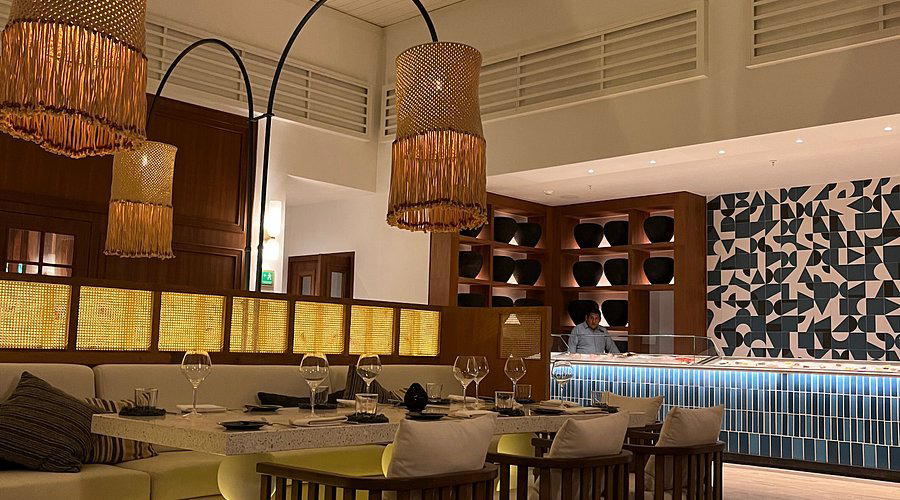
Bars in Solidaridad
Browse all →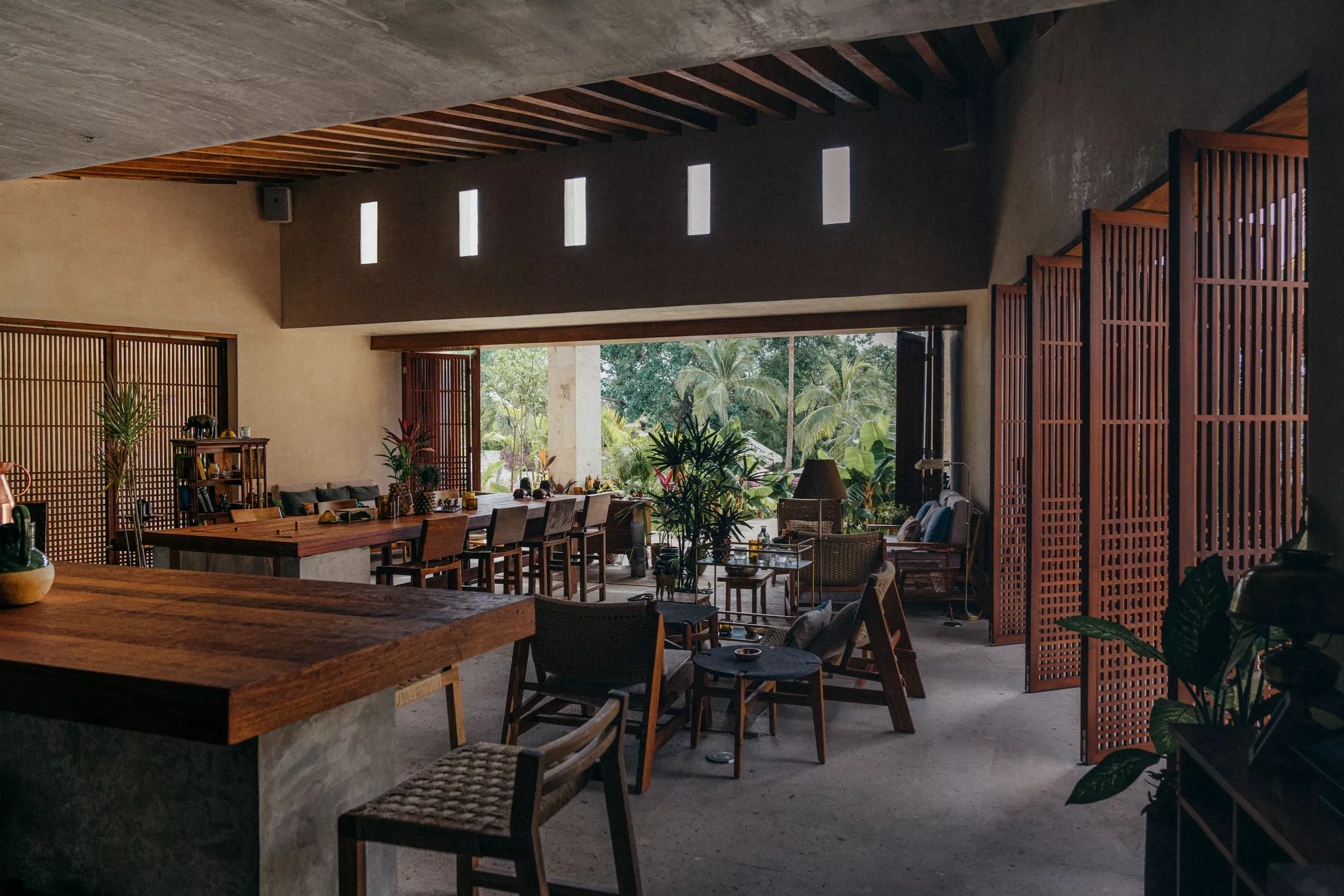
At a Glance
- Elegant
- Scenic
- Sophisticated
- Romantic
- Date Night
- Special Occasion
- Celebration
- Waterfront
- Garden
- Hotel Restaurant
- Terrace
- Craft Cocktails
- Local Sourcing
- Waterfront
- Garden
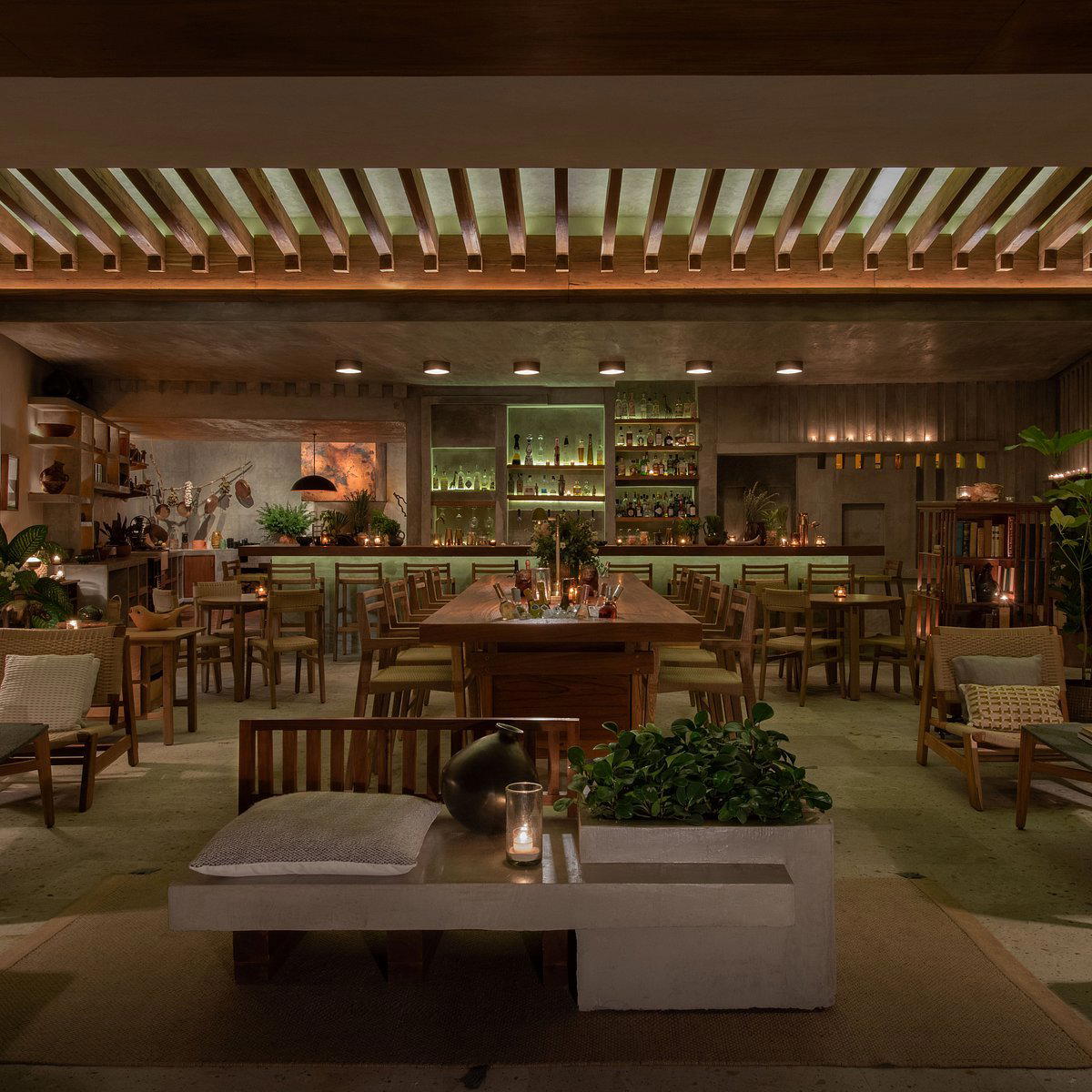
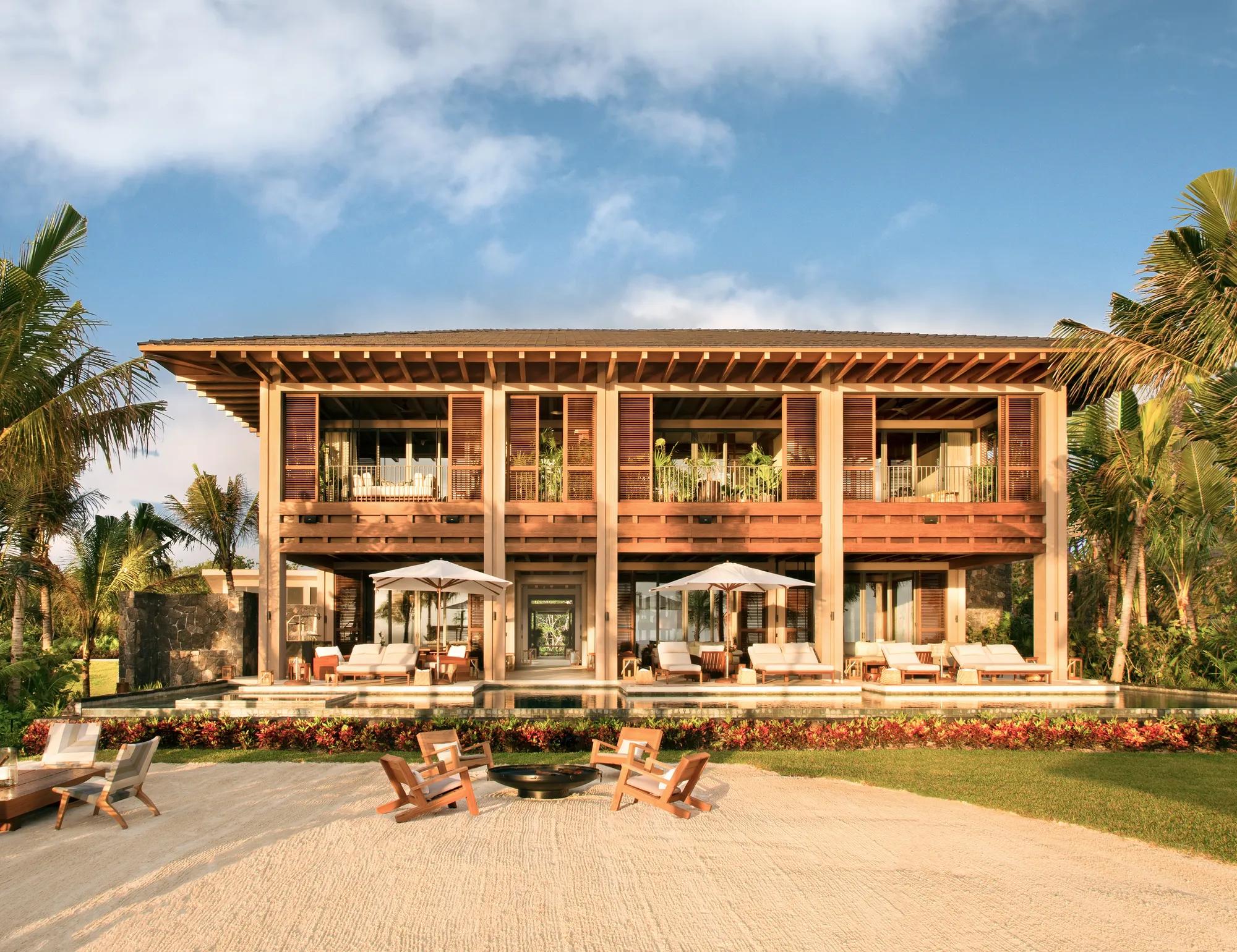
Elegant al fresco settings with pool, garden, and ocean views, creating an enchanted and sophisticated atmosphere.