Che Che
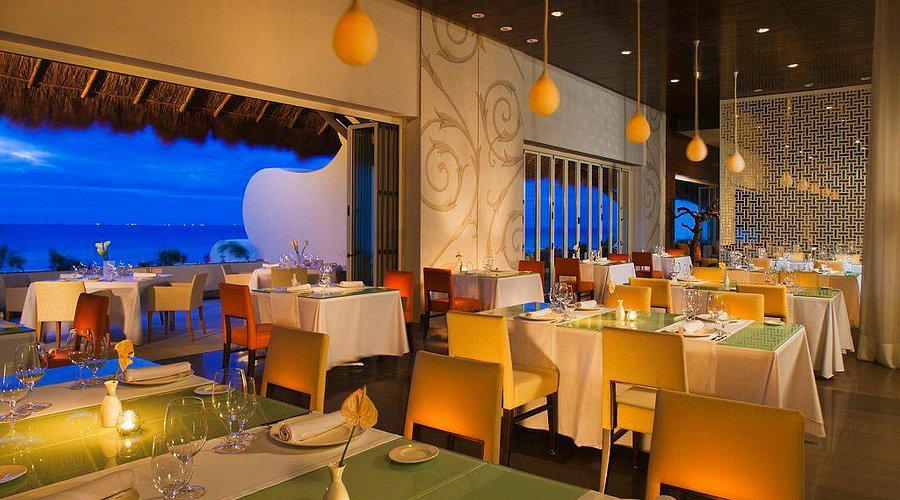
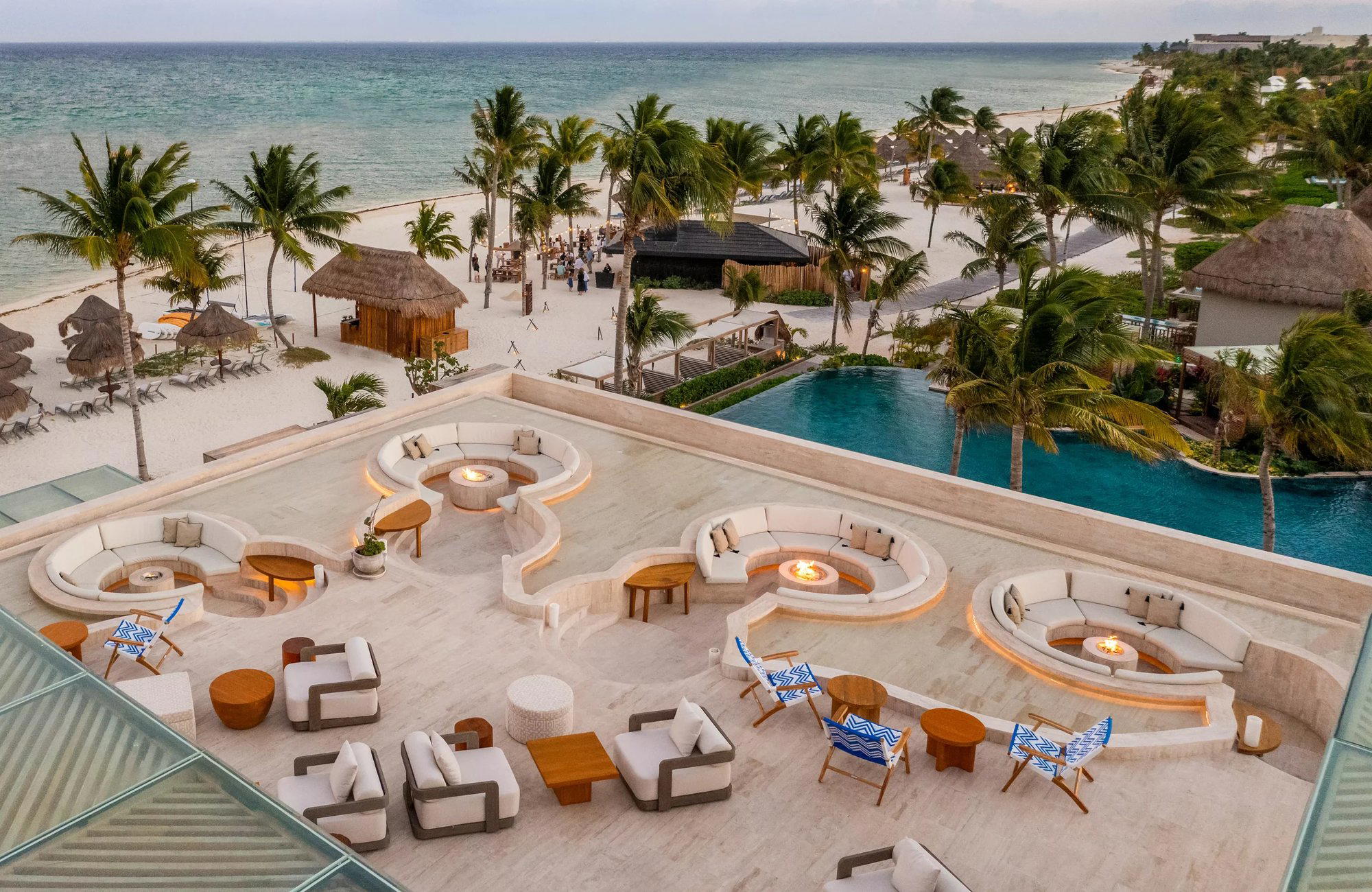
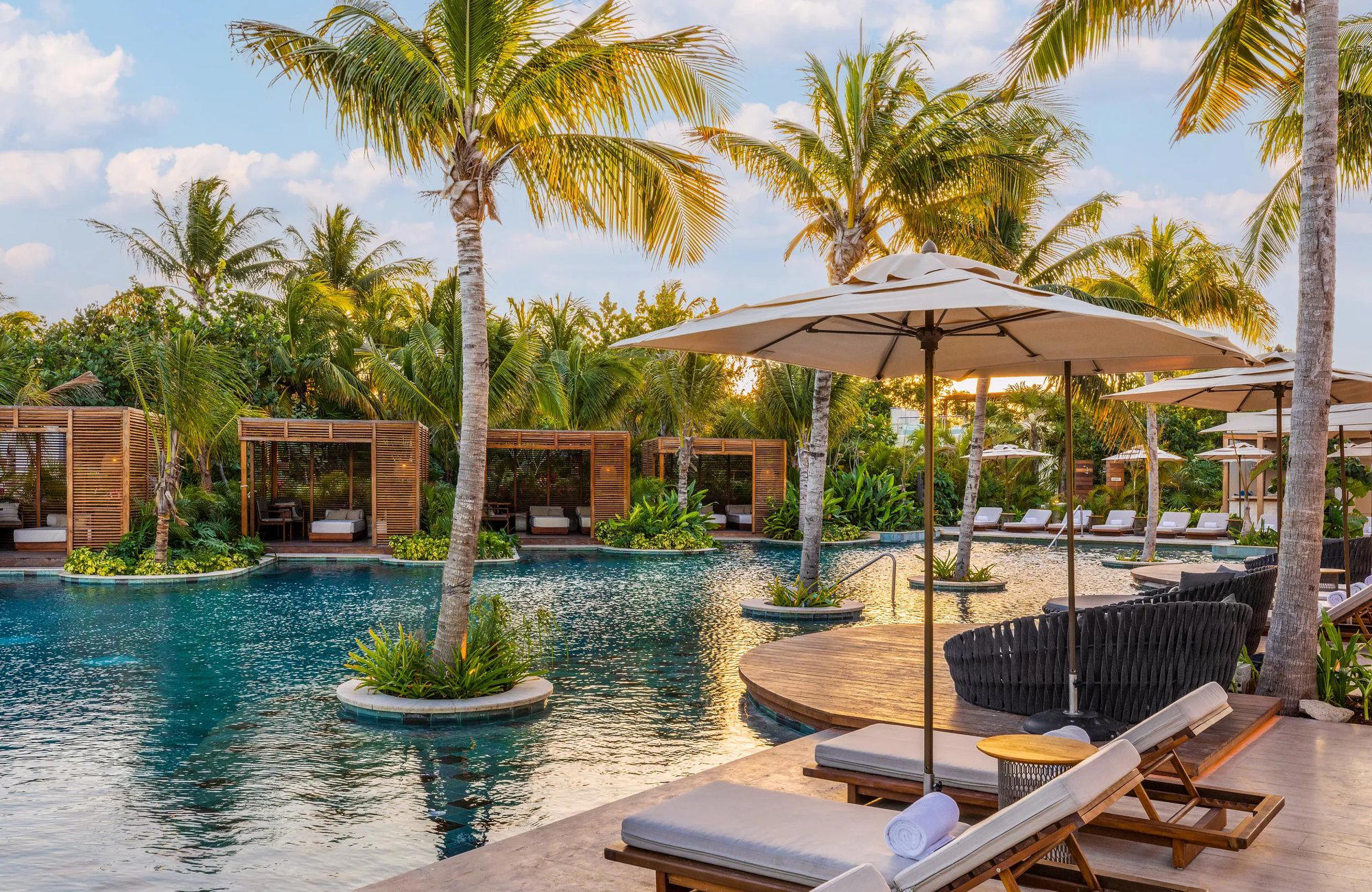
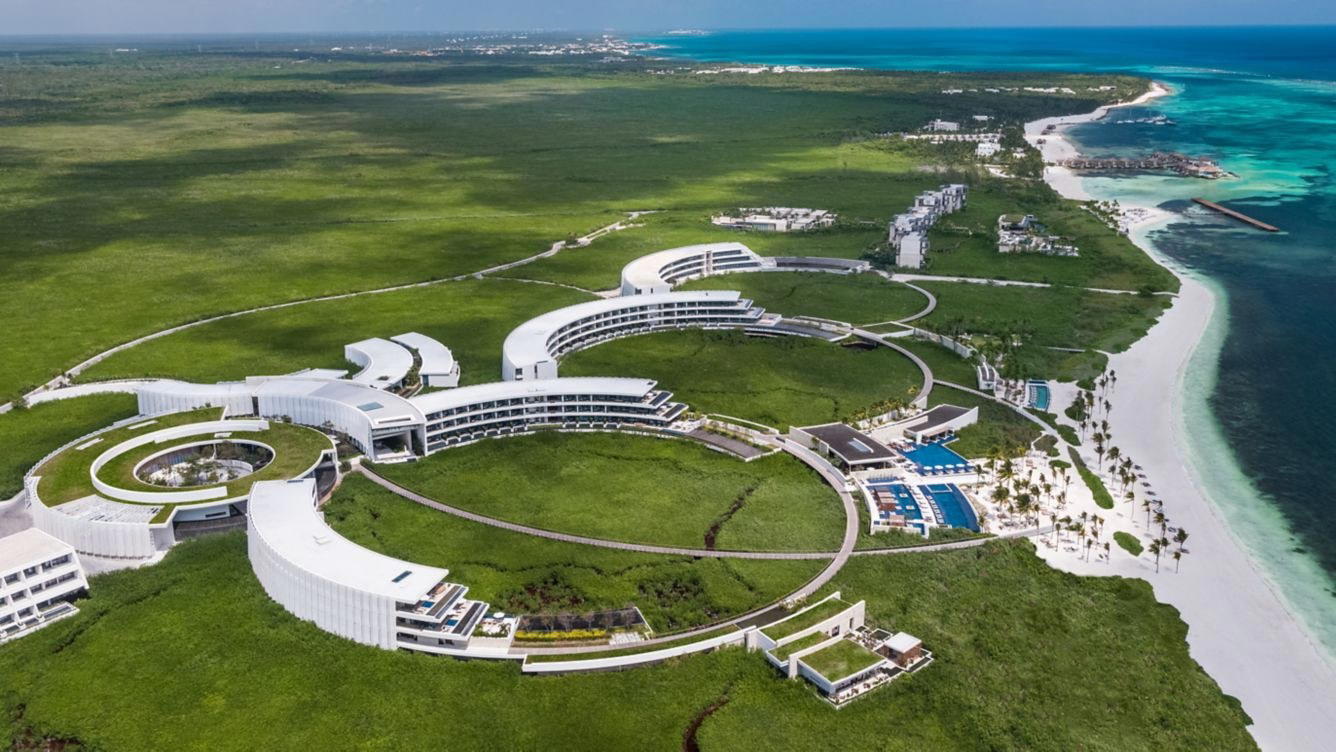
At Punta Maroma on the Riviera Maya, Che Che operates where ingredient provenance shapes the menu more than any single culinary tradition. Positioned along a coastline where resort dining often defaults to safe internationalism, it takes a different approach — anchoring its cooking in regional sourcing and the produce and seafood that the Yucatán Peninsula makes available at close range.
Pearl is the En Primeur Club membership app — saves, bookings, and concierge access live there. Same editors, same standards.
- Address
- Paseo Kanai 16, 77730 Punta Maroma, Q.R., Mexico
- Phone
- +529841224033
- Website
- auberge.com
- Directions
- Get directions
 Saves & bookings on Pearl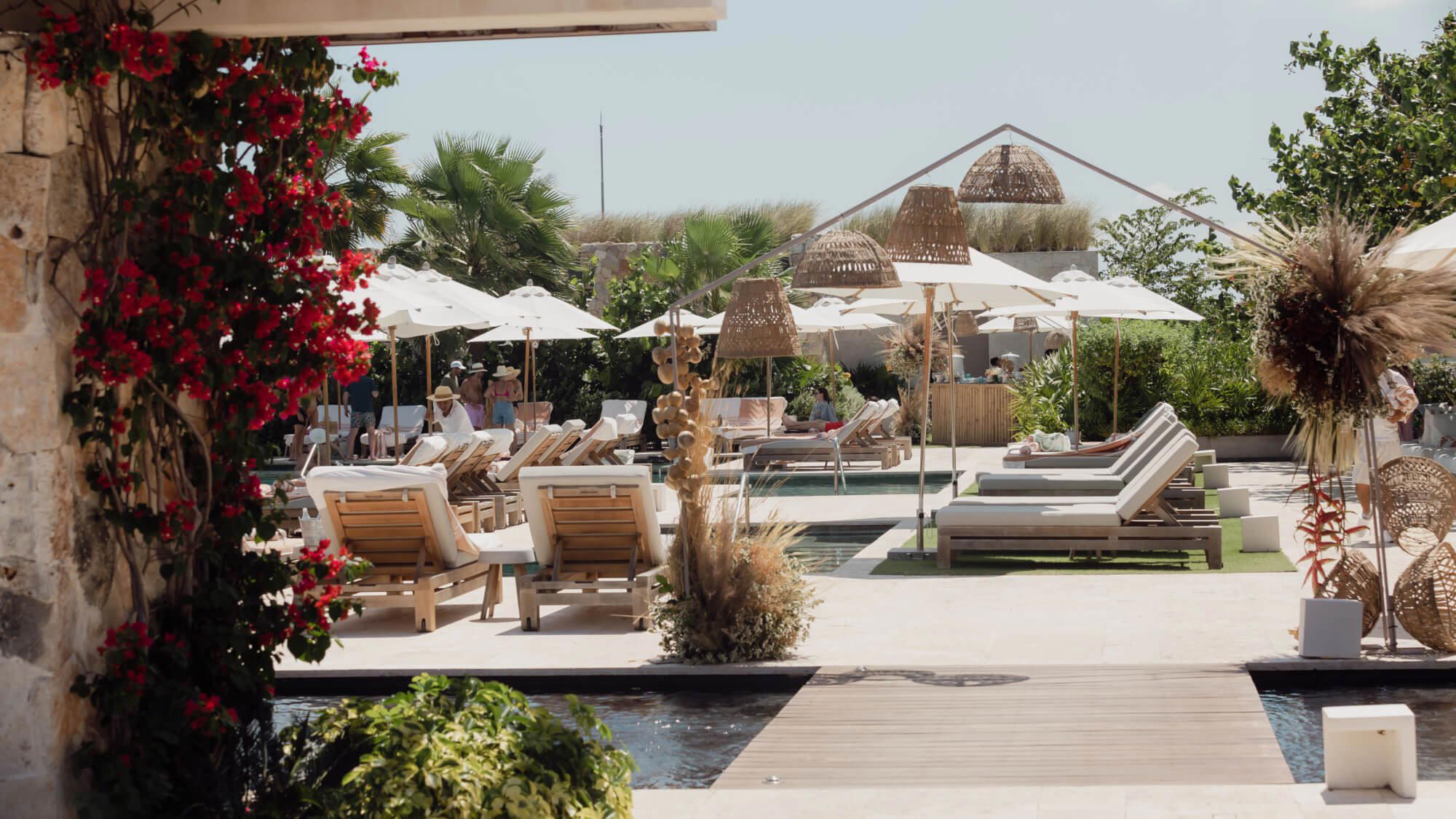
Where the Riviera Maya's Sourcing Ambitions Take a Specific Form
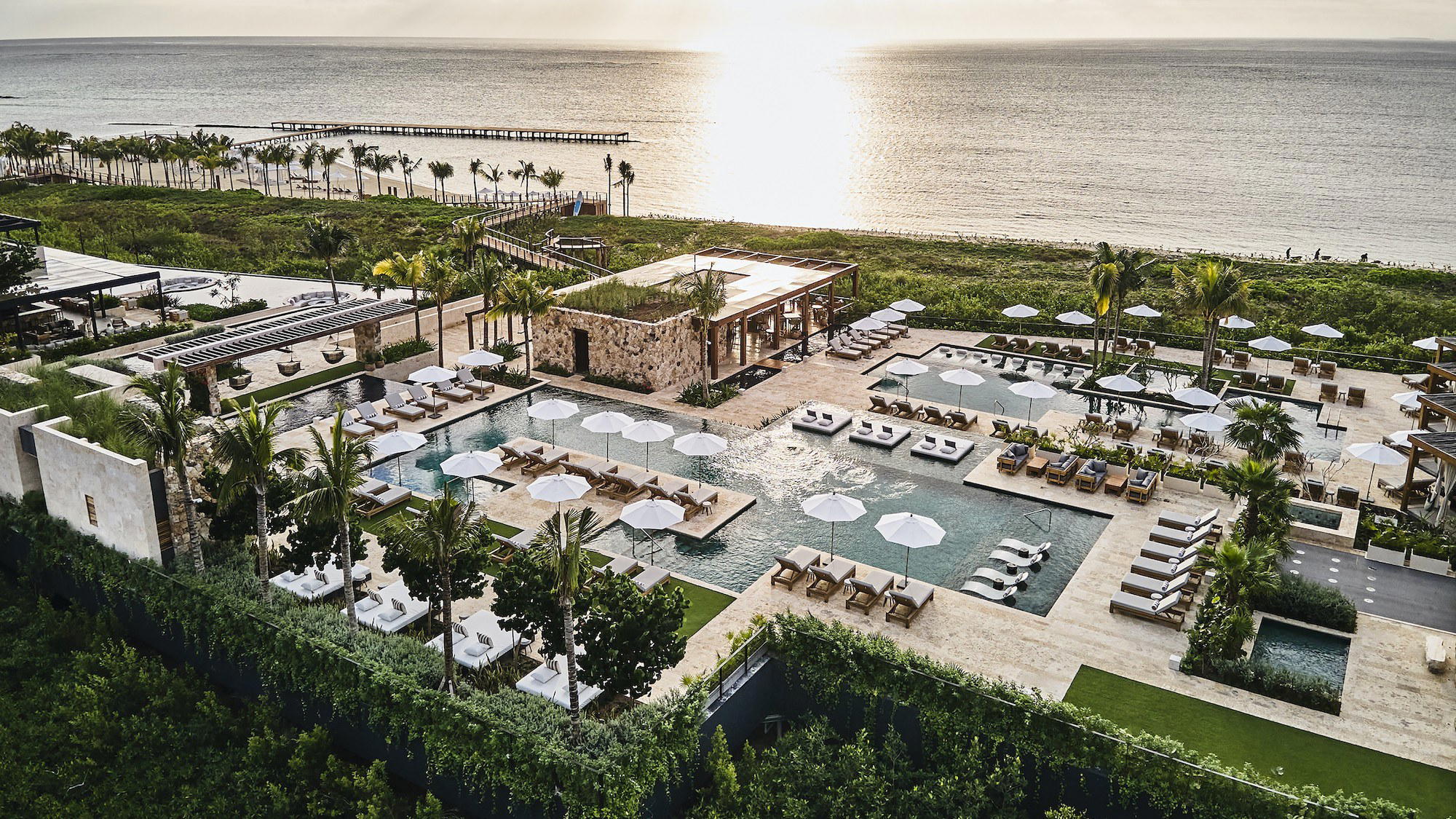
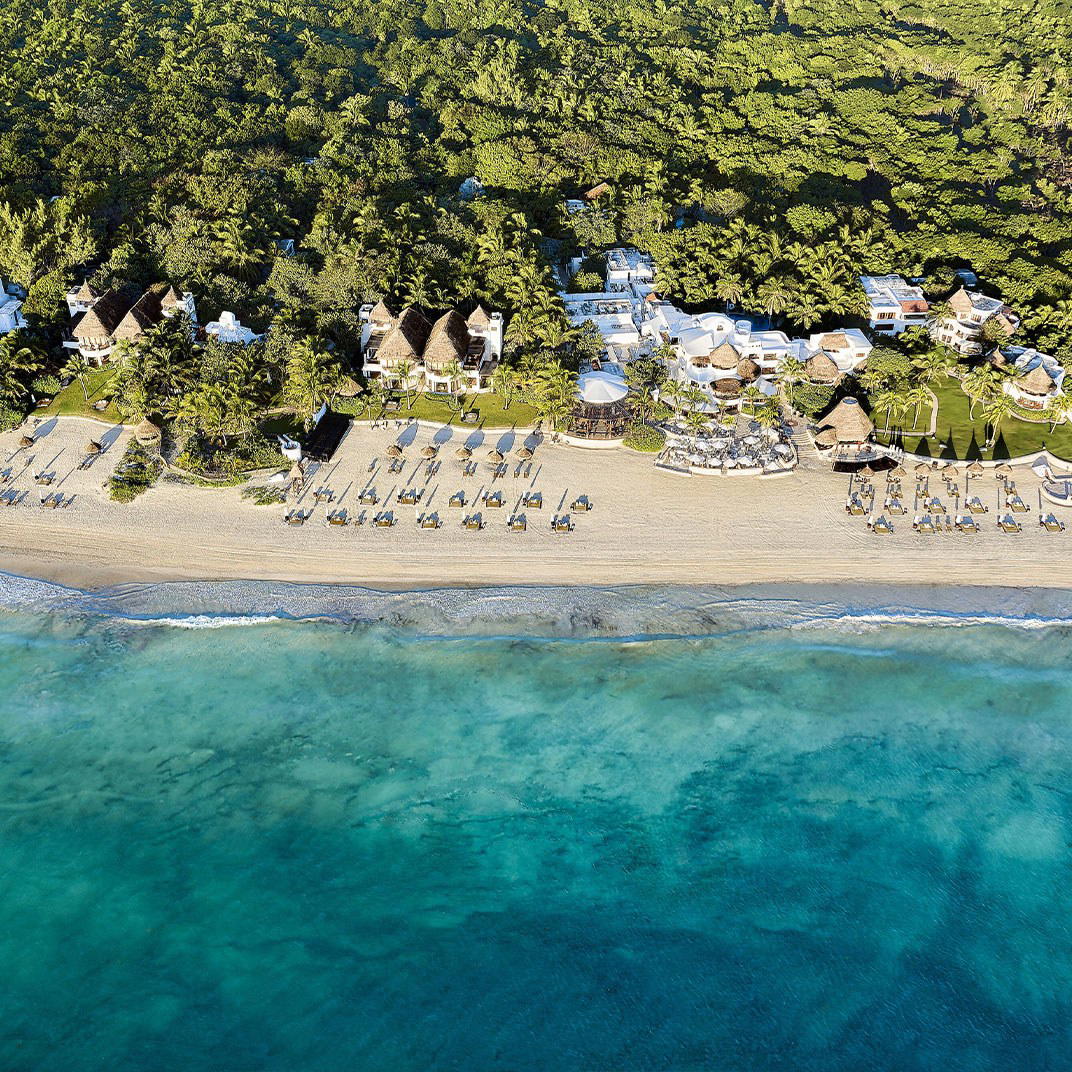
The stretch of coastline between Puerto Morelos and Akumal has long attracted resort development that prioritises spectacle over substance in the kitchen. Punta Maroma sits within that corridor, at an address — Paseo Kanai 16 — that places Che Che in proximity to the Caribbean rather than in the noise of Playa del Carmen's hotel zone. The physical approach matters here: the Riviera Maya's premium dining tier has been migrating away from the resort buffet model toward something more considered, and the setting at Che Che reflects that broader repositioning. You arrive, functionally, at the edge of where the jungle meets managed development, which is precisely the kind of threshold that defines serious ingredient-led cooking in this part of Mexico.
That shift is not unique to one address. Across the Quintana Roo coast, a cohort of restaurants has spent the last decade arguing that the Yucatán's ingredients, cenote-cooled seafood, regional chiles, tropical fruits that don't survive the cold chain to international markets, deserve the same sourcing rigour applied in Mexico City's fine-dining rooms. HA' in Playa del Carmen has made cenote water a defining element of its drink program. Further south, the conversation has become more insistent. Che Che enters this moment at Punta Maroma, where the address already suggests a certain remove from mass tourism.
The Sourcing Frame: What the Yucatán Provides
Ingredient-led cooking in the Riviera Maya operates under different conditions than, say, the Baja California model built around Valle de Guadalupe's wine country proximity. Animalón in Valle de Guadalupe can cite vineyards and olive groves within sight of the kitchen. The Yucatán's sourcing case is built on different pillars: the Caribbean's fish stocks, the peninsula's distinctive agricultural output, habanero and xcatic chiles, achiote, chaya, mamey sapote, and a fishing tradition that runs through small coastal communities rather than industrial supply chains.
This is the terrain that the stronger end of Riviera Maya dining now actively maps. Where earlier waves of resort cuisine flattened these ingredients into generic tropical signifiers, the current approach treats provenance as the point of differentiation. That logic runs through Chablé Maroma, which operates just along this same stretch of coast, and it frames the expectations a visitor brings to Che Che. Mexico's most-discussed ingredient-driven restaurants, Pujol in Mexico City, Levadura de Olla in Oaxaca, KOLI Cocina de Origen in Monterrey, have built their reputations by insisting on hyper-specific regional sourcing. The Riviera Maya's version of that argument is still being written, and the restaurants at Punta Maroma are among those doing the writing.
How Che Che Sits in the Local Competitive Set
The Solidaridad municipality's dining options span an unusually wide range. At one end: Charly's Vegan Tacos and the plant-forward street-level offer that serves the local workforce and eco-conscious travellers. At the other: theatrical formats like Cirque du Soleil JOYA, where the dining experience is subsumed into entertainment spectacle. Between those poles sit restaurants like Che Che and Agave Azul, places where the kitchen is the primary argument and regional identity, rather than resort programming, is the organising logic.
That positioning carries weight in a market where the default setting for hotel-adjacent dining is still an international menu calibrated to minimise offence and maximise throughput. Chino Poblano has staked out its own lane by foregrounding the historical exchange between Chinese immigration and Pueblan cooking. Che Che, at Punta Maroma, works from the Yucatán's own larder. The comparison that makes most sense outside this immediate area is with programmes like Olivea Farm to Table in Ensenada or Lunario in El Porvenir, kitchens that have made geographic specificity the foundation of their offer rather than a selling-point addendum.
The contrast with high-precision fine dining in global cities is also worth noting. At counters like Le Bernardin in New York City or Atomix, the sourcing story is filtered through extreme technical refinement. The Riviera Maya version tends toward something more openly connected to place, the Caribbean light, the proximity to the water, the heat that shapes what you want to eat at midday versus after dark. That environmental specificity is an asset when the kitchen uses it, rather than overriding it with technique borrowed from elsewhere.
Planning a Visit: What to Know Before You Go
Che Che is located at Paseo Kanai 16, 77730 Punta Maroma, a Riviera Maya address that sits outside the main Playa del Carmen hotel zone, which means planning transport in advance matters. The coastline here is served by private transfers from Cancún International Airport, roughly an hour's drive north, and by car from the 307 federal highway, which runs the length of the coast. Arriving from Playa del Carmen takes approximately 30 to 40 minutes depending on traffic on the 307.
For context on Solidaridad's wider dining options, the full Solidaridad restaurants guide maps the range from beach-casual to experiential formats. For visitors whose Mexico itinerary extends beyond the coast, the technically-driven tasting menus at Alcalde in Guadalajara and Pangea in San Pedro Garza García represent the inland counterpart to the kind of regional-ingredients argument Che Che is making from the Caribbean shore. The closer neighbour, and perhaps the most direct peer, is Le Chique in Puerto Morelos, which has built a multi-course format around Yucatecan ingredients and is the most-cited reference point for what serious sourcing looks like at this latitude.
Continue exploring
More in Solidaridad
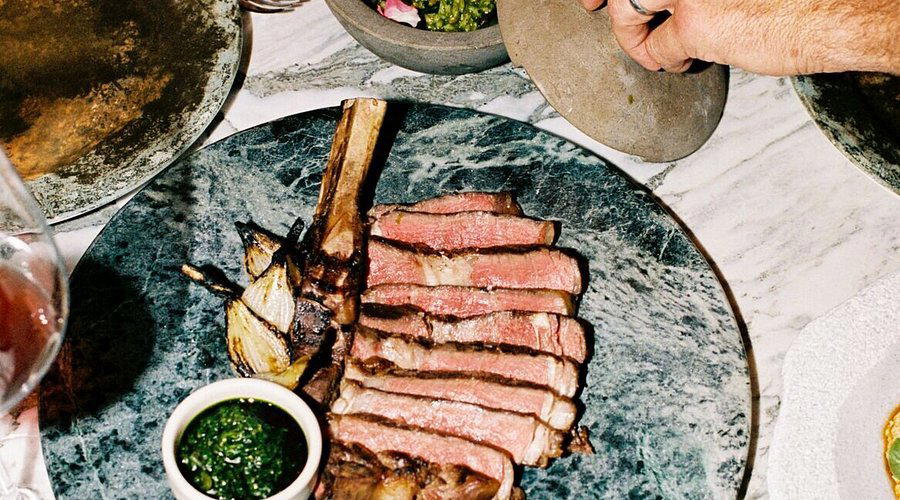
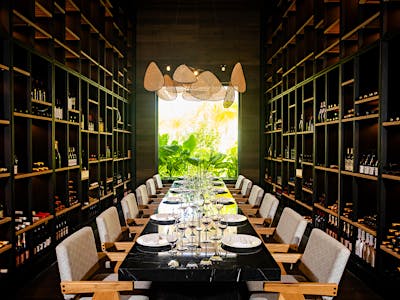
Restaurants in Solidaridad
Browse all →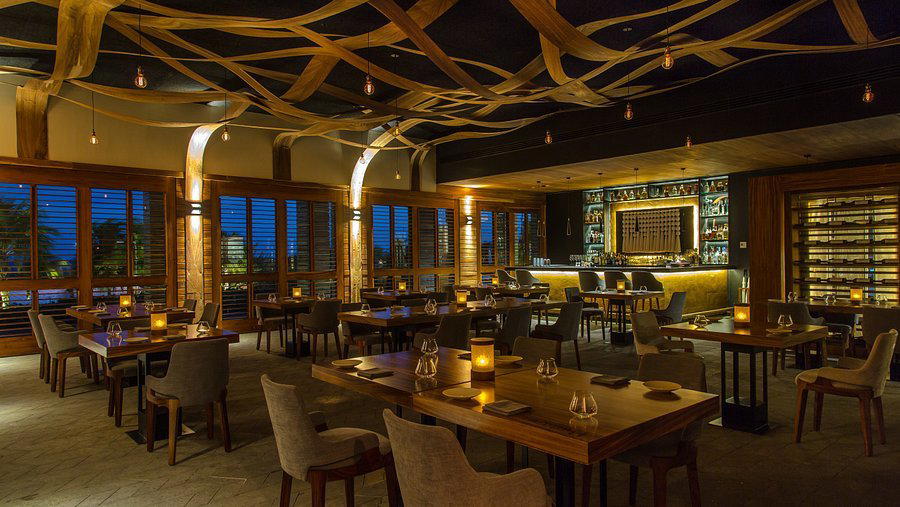
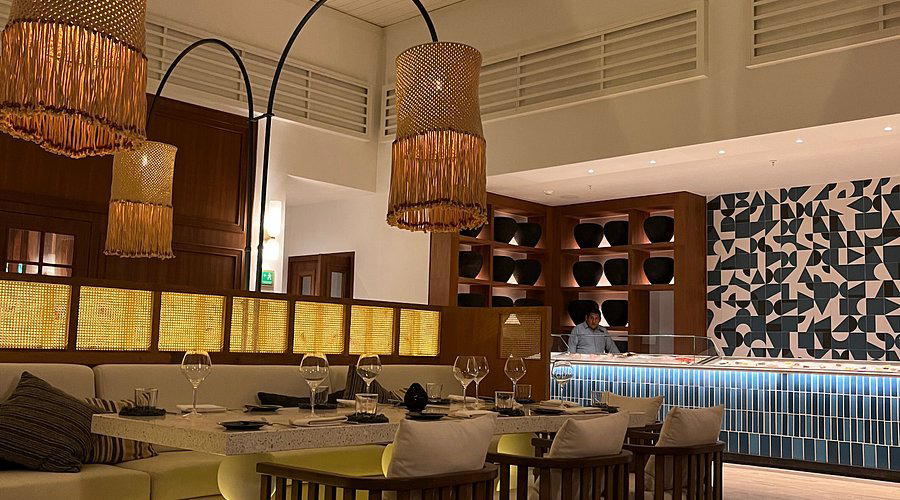
Bars in Solidaridad
Browse all →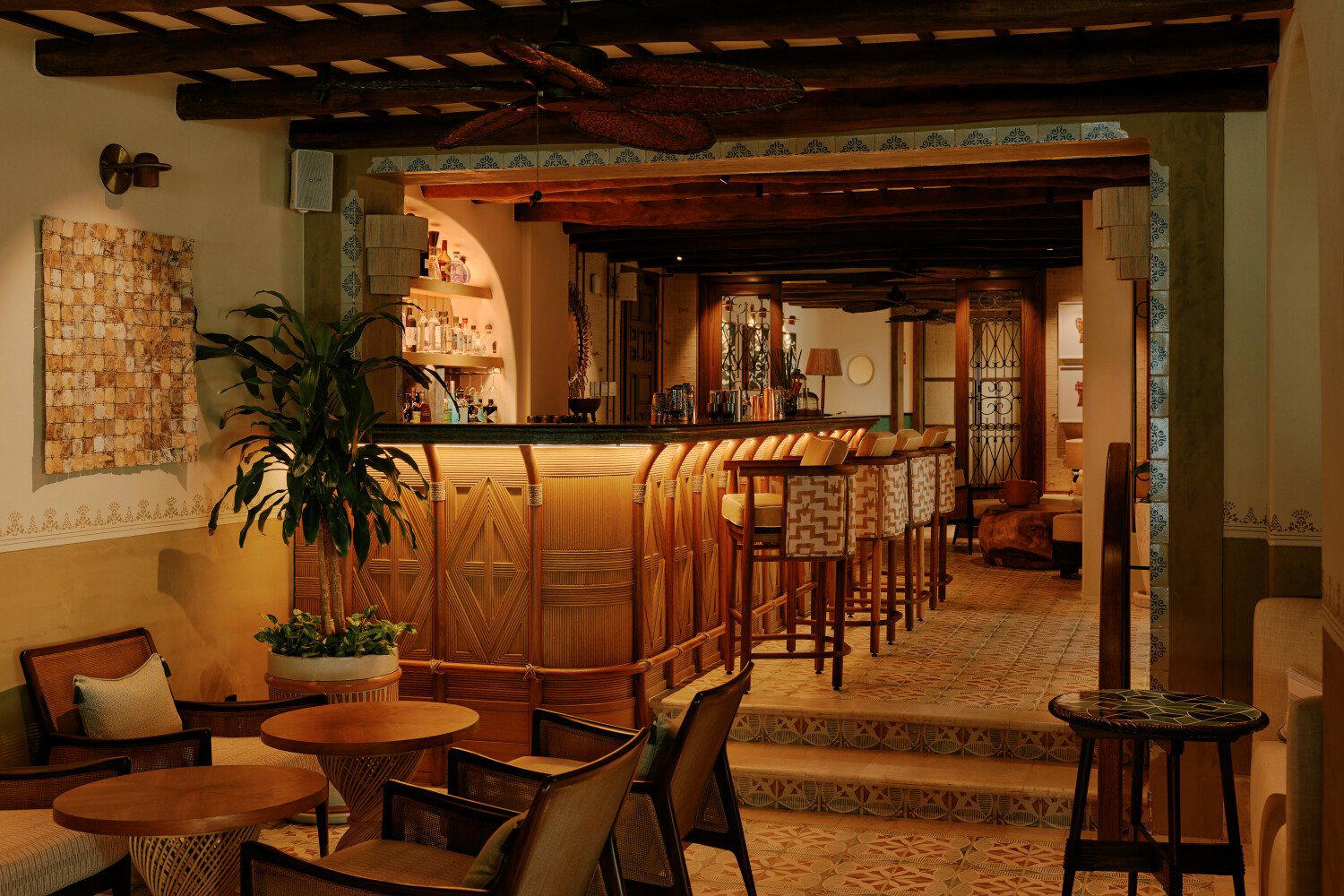
At a Glance
- Trendy
- Modern
- Lively
- Sophisticated
- Date Night
- Special Occasion
- Group Dining
- Open Kitchen
- Terrace
- Waterfront
- Panoramic View
- Local Sourcing
- Waterfront
Current opening hours
- Monday
- 11:30 AM–5:30 PM, 6:30–10:30 PM
- Tuesday
- 11:30 AM–5:30 PM, 6:30–10:30 PM
- Wednesday
- 11:30 AM–5:30 PM, 6:30–10:30 PM
- Thursday
- 11:30 AM–5:30 PM, 6:30–10:30 PM
- Friday
- 11:30 AM–5:30 PM, 6:30–10:30 PM
- Saturday
- 11:30 AM–5:30 PM, 6:30–10:30 PM
- Sunday
- 11:30 AM–5:30 PM, 6:30–10:30 PM
Hours can change for holidays and private events. Last verified .
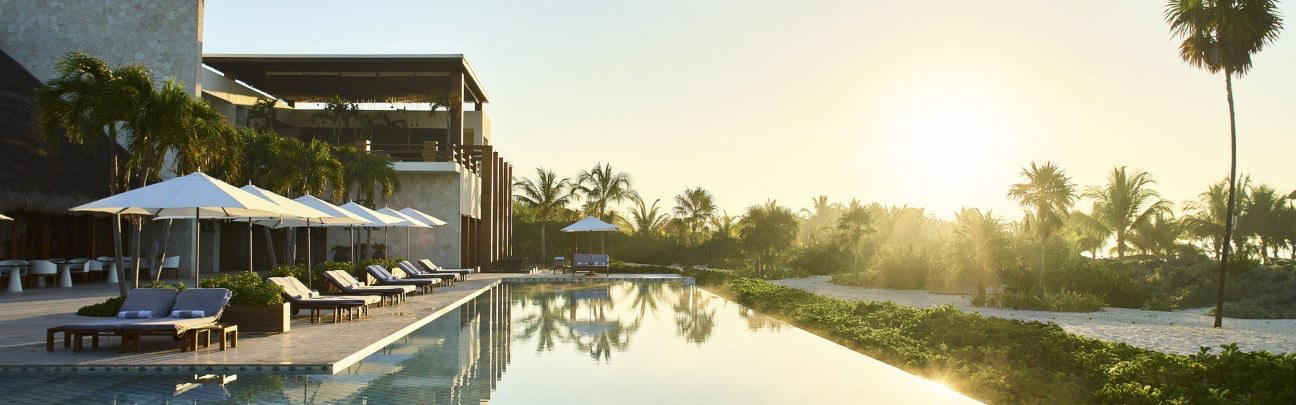
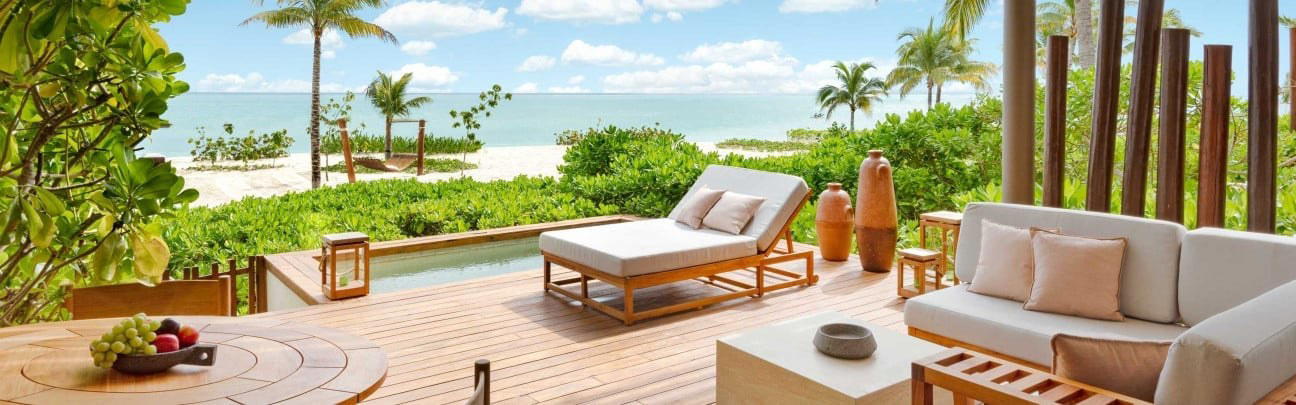
Effortlessly cool open-air space with panoramic ocean views, lively and sophisticated atmosphere.
Know Before You Go
- Getting there
- Paseo Kanai 16, 77730 Punta Maroma, Q.R., Mexico