Agave Azul
Positioned along the federal highway corridor between Playa del Carmen and Tulum, Agave Azul anchors itself in the agave-forward dining tradition that has shaped Mexico's culinary identity for centuries. The restaurant sits within a stretch of Quintana Roo's Riviera Maya that has become one of the more contested dining corridors in the country, where coastal tourism and serious Mexican cooking increasingly share the same address.
Pearl is the En Primeur Club membership app — saves, bookings, and concierge access live there. Same editors, same standards.
- Address
- Ctra. Fed. Cancun, Carr. Tulum - Cancún km 298, 77710 Playa del Carmen, Q.R., Mexico
- Phone
- +529848758000
- Website
- rosewoodhotels.com
- Directions
- Get directions
 Saves & bookings on Pearl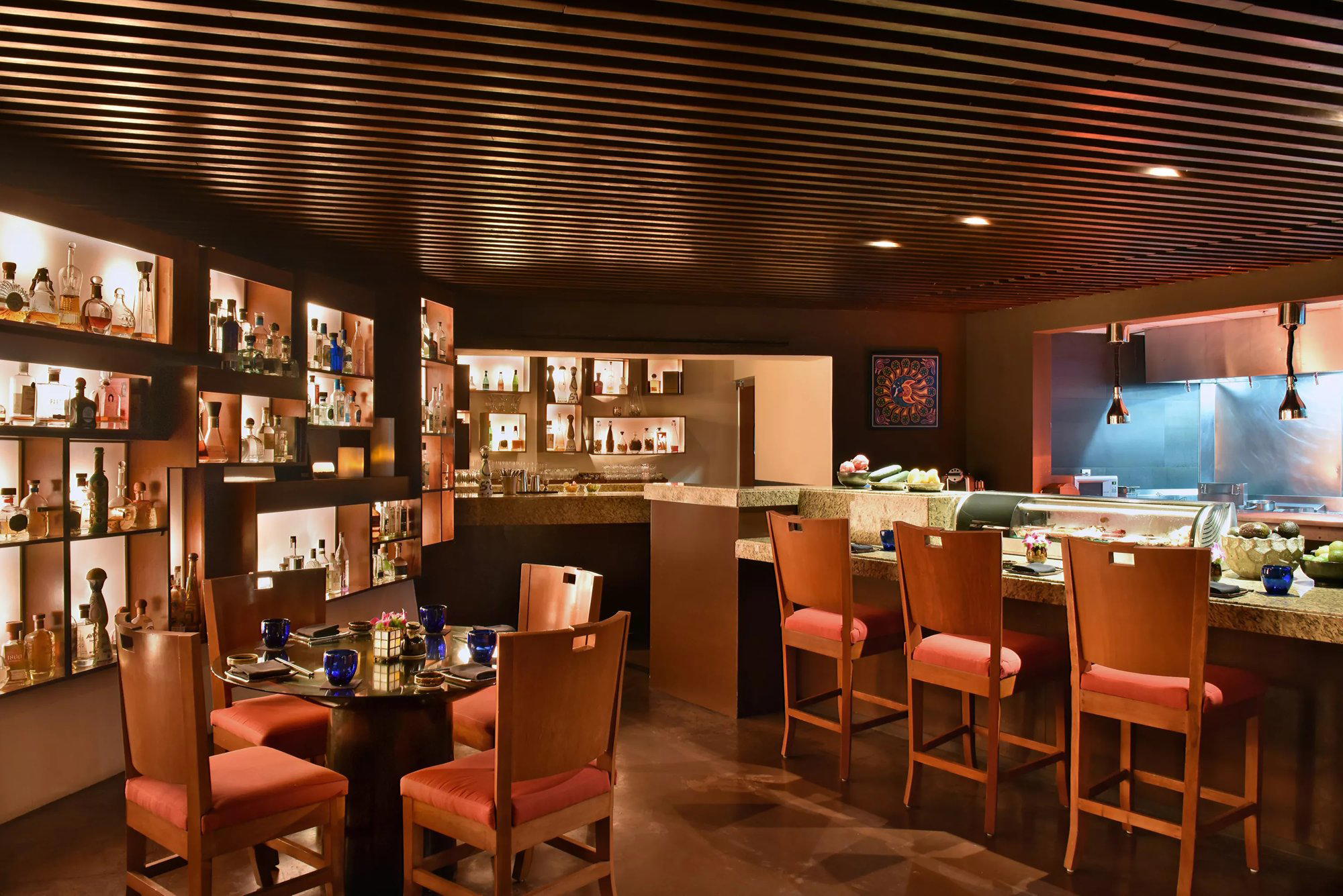
Where the Highway Meets the Blue Agave
The Riviera Maya corridor running between Playa del Carmen and Tulum has undergone a decade of culinary consolidation. What was once a strip defined almost entirely by beach clubs and resort buffets now holds a more layered proposition: regional Mexican cooking, internationally trained kitchens, and venues that use the tourist-facing location as a platform rather than a crutch. Agave Azul, located at km 298 on the federal highway in the Solidaridad municipality, occupies a position along this corridor where the agave tradition — one of Mexico's oldest and most culturally weighted food and drink lineages — is the organising principle.
Agave, in the Mexican culinary context, is not simply an ingredient. It is a civilisational marker. The plant's role spans fermented ritual drinks predating Spanish colonisation, the distillate traditions that produced mezcal and tequila, and the culinary uses, roasted piñas, fermented sap as pulque, and cooked hearts as food, that sustained Mesoamerican communities across centuries. A restaurant organised around that heritage is working with material that carries genuine cultural weight, not a trend borrowed from somewhere else. Along the Quintana Roo coast, where international menus frequently dominate the higher-end tiers, venues that foreground specifically Mexican culinary traditions occupy a distinct and smaller niche.
The Solidaridad Dining Context
Solidaridad as a municipality contains some of the most heavily trafficked dining real estate in the Mexican Caribbean. Playa del Carmen's Quinta Avenida corridor alone generates significant restaurant density, and the surrounding federal highway adds another layer of options ranging from roadside taquerias to destination-format venues. Within this environment, the more credible Mexican-focused restaurants tend to cluster into two operational modes: high-volume formats that absorb tourist traffic efficiently, and slower-paced venues that use regional ingredients and preparation traditions as the main differentiator.
Nearby, Chablé Maroma represents the luxury-hotel dining tier, where setting and service are as load-bearing as the food. Charly's Vegan Tacos "CVT" and Che Che work a more casual, street-adjacent register. Chino Poblano and Cirque du Soleil JOYA each occupy a hybrid entertainment-dining format. Agave Azul's positioning, anchored to a named cultural tradition rather than a performance or a price tier, places it in a different category within this spread.
Agave Cuisine in Mexico's Broader Dining Conversation
Across Mexico's more discussed restaurant cities, the agave-forward approach has moved well beyond the cantina format. At Pujol in Mexico City, the relationship between fermentation, ancient technique, and contemporary plating has been refined over more than two decades into a precise editorial statement about what Mexican high cooking can mean. Levadura de Olla Restaurante in Oaxaca takes a different approach, grounding its proposition in the specific regional biodiversity of the valley and the fermentation cultures that define Oaxacan food. KOLI Cocina de Origen in Monterrey and Alcalde in Guadalajara represent the northern and western iterations of this same broader project: using Mexico's ingredient heritage as the foundation for cooking that can hold its own against any international benchmark.
On the Riviera Maya, Le Chique in Puerto Morelos has established a sustained reputation for technical Mexican cuisine within a coastal resort context. HA' in Playa del Carmen works a similar territory. The presence of these venues demonstrates that the demand for serious Mexican cooking exists among the corridor's clientele, even within a market that defaults heavily to international formats. Agave Azul operates in the same demand environment, drawing from visitors who specifically want a connection to Mexican culinary tradition rather than a generic beach-resort menu.
For comparison across Mexico's wine-forward dining tier, Animalón in Valle de Guadalupe, Olivea Farm to Table in Ensenada, and Lunario in El Porvenir show how regional specificity can anchor a dining proposition even in areas that are fundamentally tourist-facing. Pangea in San Pedro Garza García demonstrates the northern Mexican version of fine-dining credibility built over years of sustained quality. These are the kinds of venues that EP Club readers navigating Mexico's dining geography use as calibration points. Internationally, the technical rigor found at Le Bernardin in New York City or the communal-format ambition of Lazy Bear in San Francisco set a standard for what committed kitchen programs look like, a standard increasingly applicable to the Mexican corridor as well.
The Cultural Weight of the Agave Name
Naming a restaurant after the agave plant is a decision with implications. The plant takes eight to thirty years to mature depending on species, and a single agave produces its flower spike once before dying. The economics and the ecology of agave cultivation are inseparable from the cultural economies of the communities, Zapotec, Mixtec, Nahua, and others, that have managed those plants across generations. A restaurant invoking that heritage is, at minimum, making a claim about where it situates itself in the Mexican culinary conversation. Whether the kitchen delivers on that claim is the operative question for any visitor approaching from the km 298 highway marker.
For readers building a broader itinerary across the Solidaridad area, our full Solidaridad restaurants guide maps the municipality's dining options across format, price tier, and culinary tradition.
Planning Your Visit
Agave Azul is located on the federal highway at km 298, between Playa del Carmen and Tulum, making it accessible by car from either direction along the Riviera Maya. The highway position means it draws from both the Playa del Carmen hotel zone to the north and the Tulum corridor to the south. Given the corridor's general dining patterns, weekday visits outside peak seasonal windows tend to offer more relaxed service rhythms than weekend high-season periods.
Cost Snapshot
| Venue | Price |
|---|---|
| Agave AzulThis venue — the venue you are viewing | This venue |
Continue exploring
More in Solidaridad
Restaurants in Solidaridad
Browse all →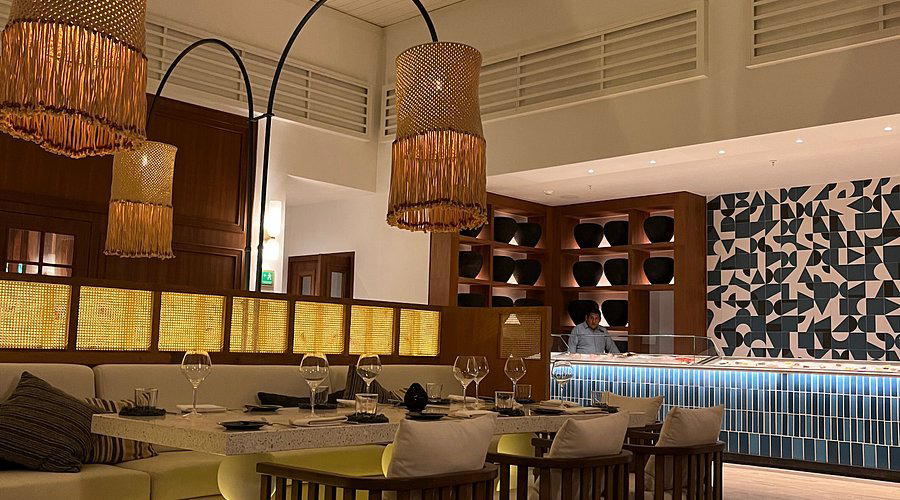
Bars in Solidaridad
Browse all →
At a Glance
- Elegant
- Scenic
- Sophisticated
- Date Night
- Special Occasion
- Waterfront
- Terrace
- Craft Cocktails
- Waterfront
Current opening hours
- Monday
- 5–11 PM
- Tuesday
- 5–11 PM
- Wednesday
- 5–11 PM
- Thursday
- 5–11 PM
- Friday
- 5–11 PM
- Saturday
- 5–11 PM
- Sunday
- 5–11 PM
Hours can change for holidays and private events. Last verified .
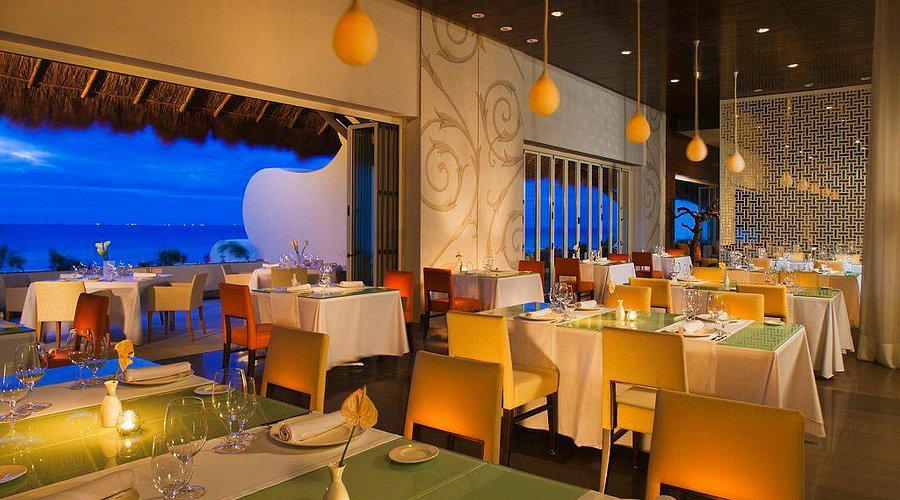
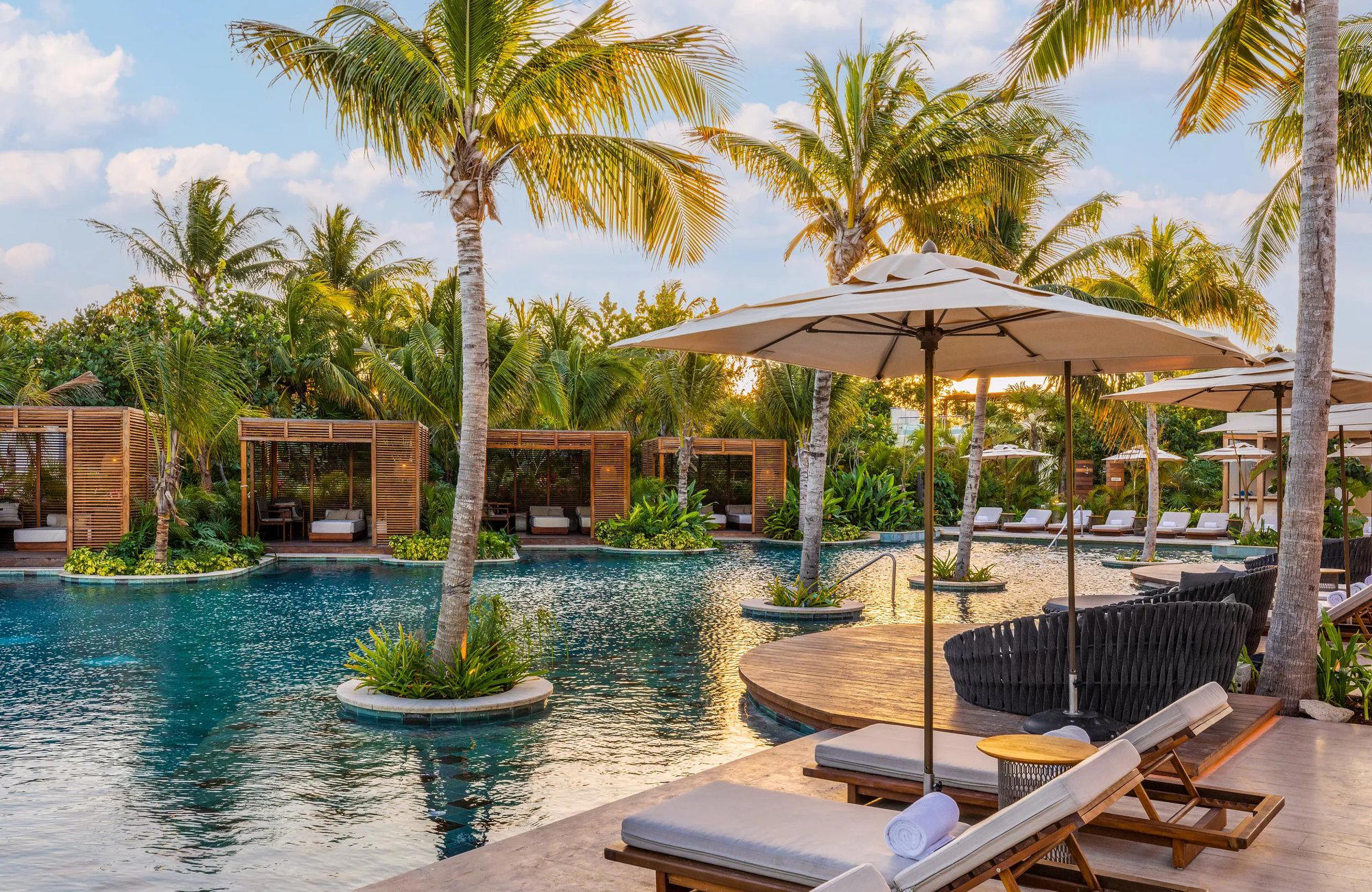
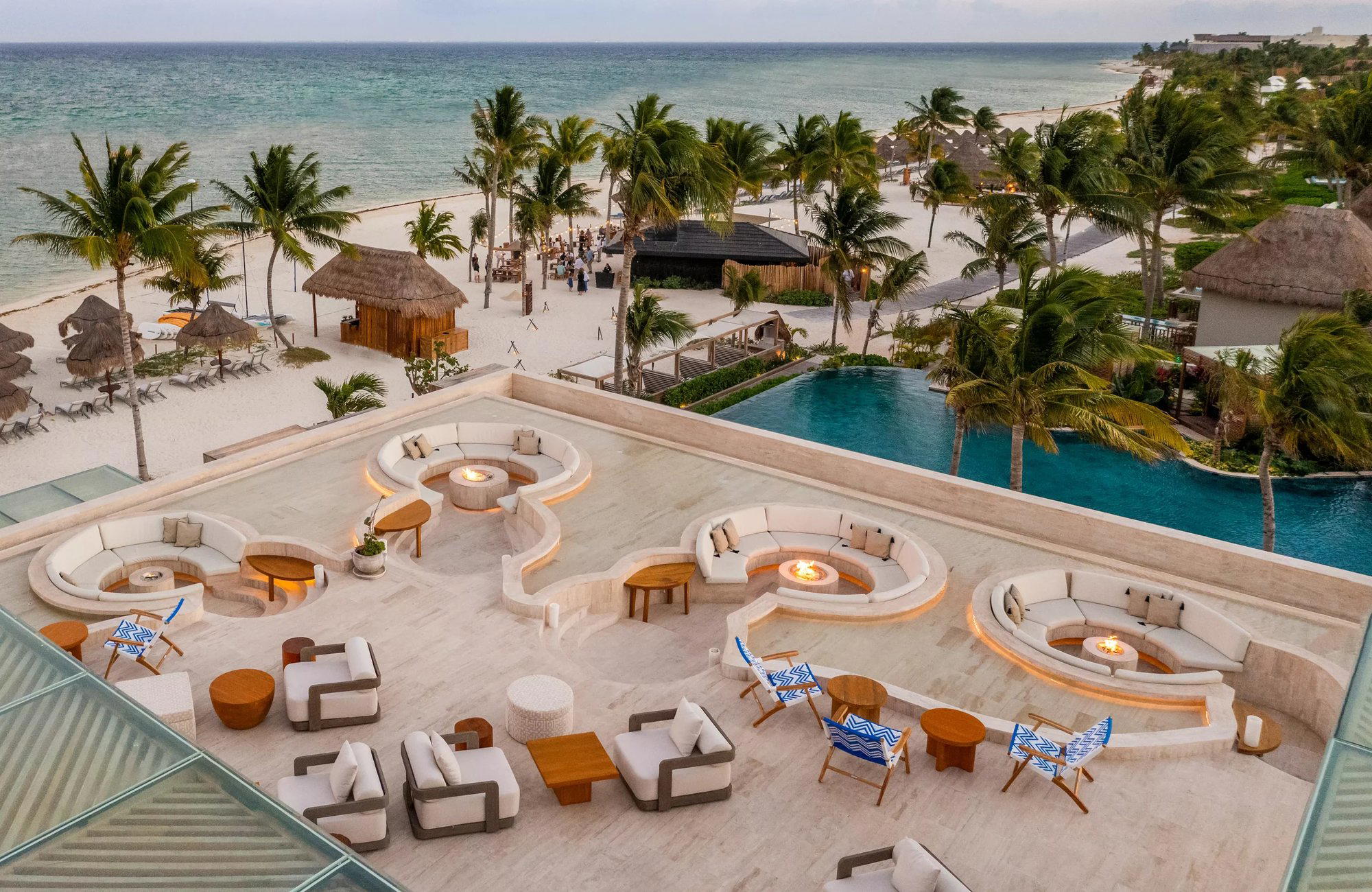
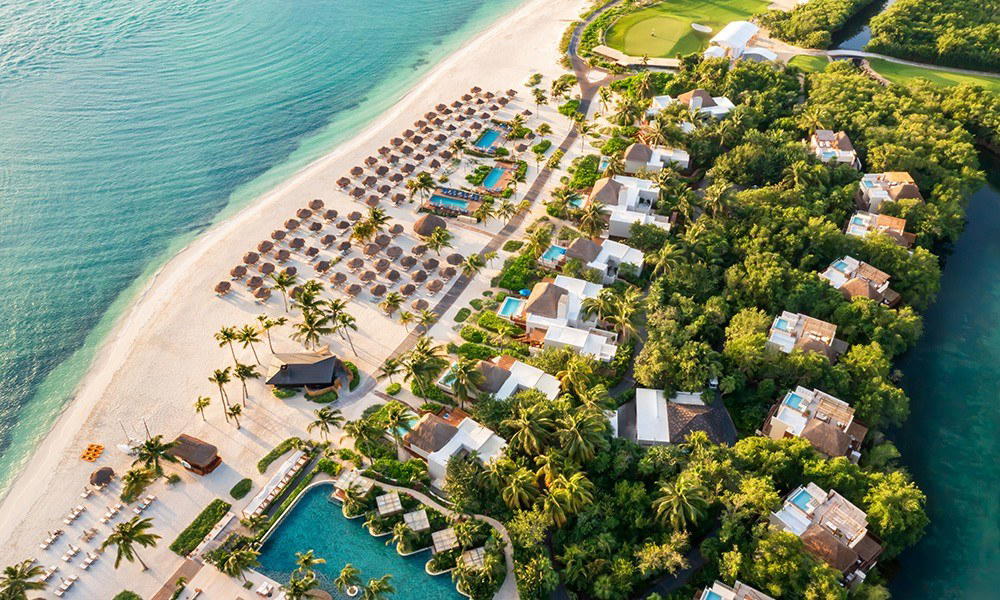
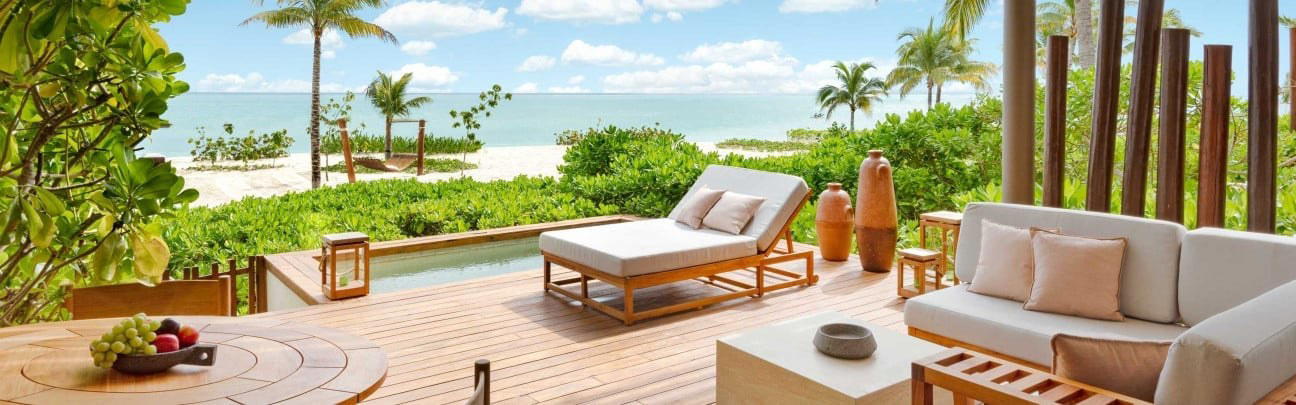
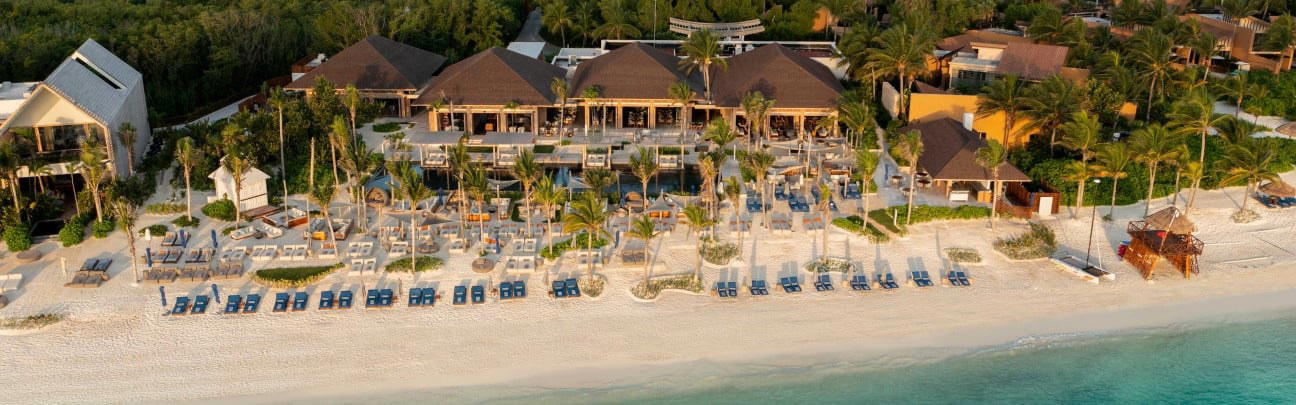
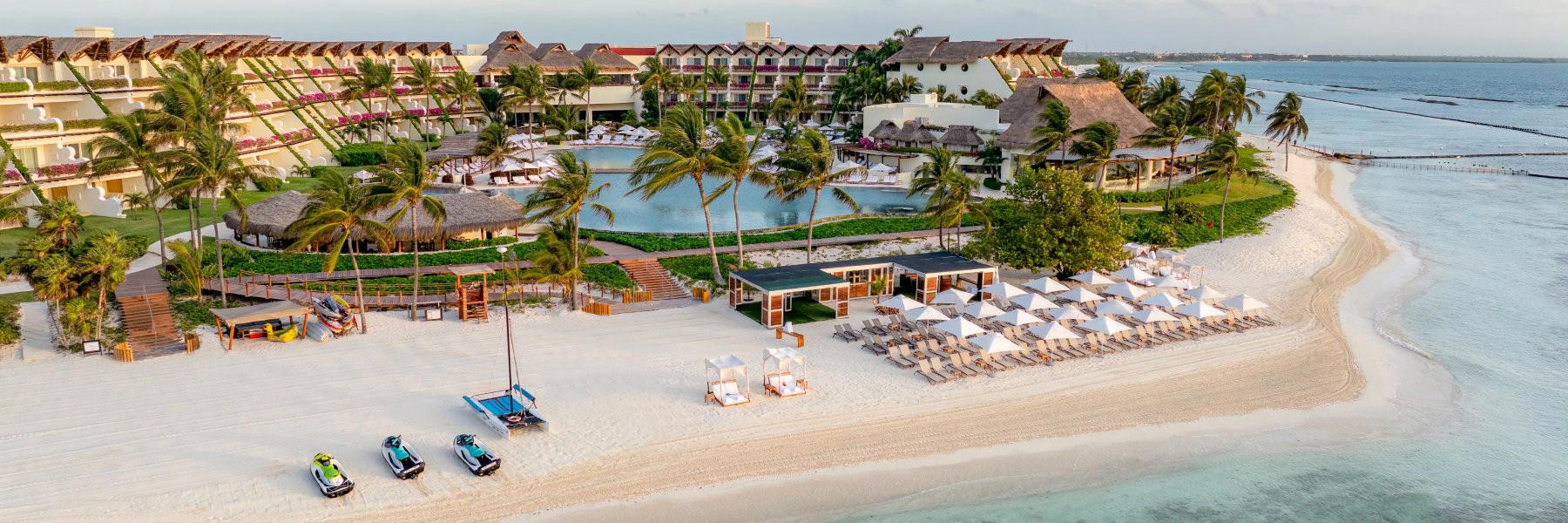
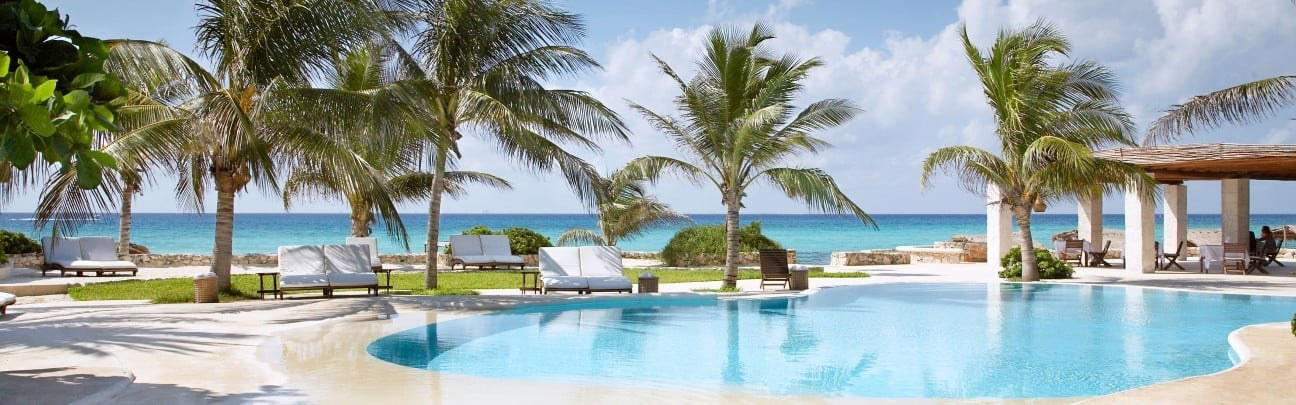
Scenic mangrove and lagoon views with a sophisticated resort atmosphere and patio dining.
Know Before You Go
- Getting there
- Ctra. Fed. Cancun, Carr. Tulum - Cancún km 298, 77710 Playa del Carmen, Q.R., Mexico