Roses
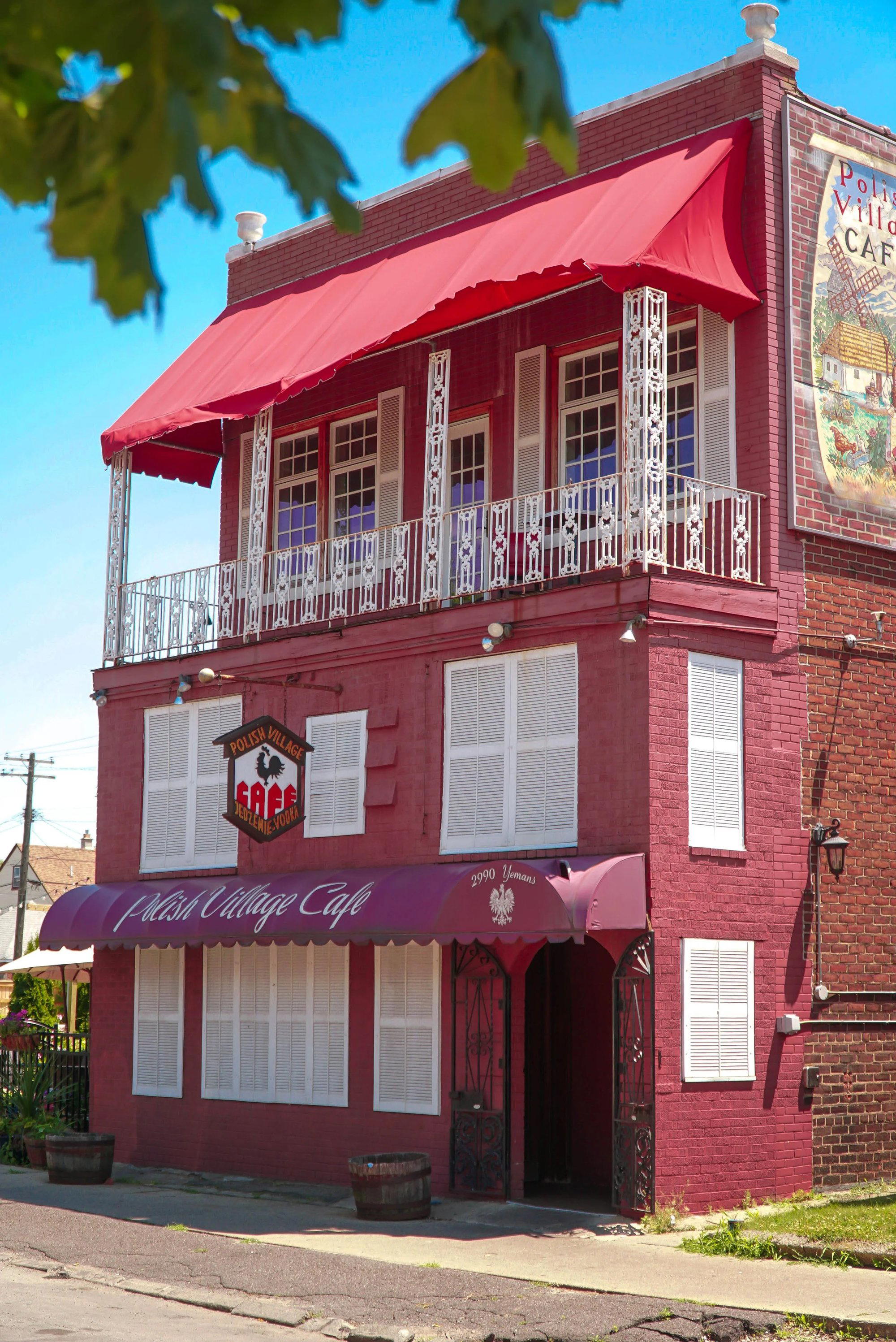
Rose's Fine Food and Wine occupies a particular corner of Detroit's dining conversation: Polish-inflected, seasonally driven, and pitched against the grain of the city's more publicized restaurant boom. The kitchen draws on Central European tradition without treating it as a novelty, while the wine program signals that this is a room that takes the glass as seriously as the plate.
Pearl is the En Primeur Club membership app — saves, bookings, and concierge access live there. Same editors, same standards.
- Address
- Detroit, United States
- Directions
- Get directions
 Saves & bookings on Pearl
Where Polish Tradition Meets Detroit's Seasonal Table
Detroit's dining scene has never moved in a single direction. While one strand of the city's restaurant culture runs toward New American tasting menus and ambitious small-plates formats, another, quieter strand holds to something more specific: regional European traditions filtered through Midwestern seasonal rhythms. Rose's Fine Food and Wine, known in shorthand as Roses, sits firmly in that second current. The room doesn't announce itself the way louder openings do. The draw is cumulative — the kind of place where the food and the wine list together make an argument that Polish-inflected cooking deserves the same serious consideration the city extends to its more fashionable newcomers.
Polish cuisine occupies an underrepresented tier in American fine dining. Where Korean cooking has found its critical champions — places like Atomix in New York City have repositioned an entire tradition, and where French technique still commands the authority of rooms like Le Bernardin in New York City or Alain Ducasse's Louis XV in Monte Carlo, Central European cooking has rarely been given a format that matches its depth. Roses is part of a small cohort of American restaurants trying to correct that. Detroit, with its deep Polish-American history concentrated in neighborhoods like Hamtramck, is a logical city for it to happen.
The Sensory Logic of the Room
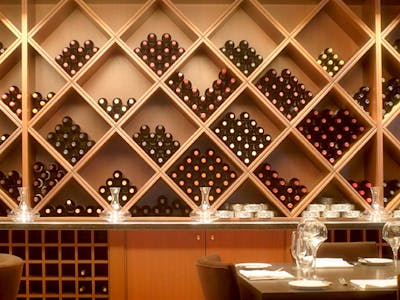
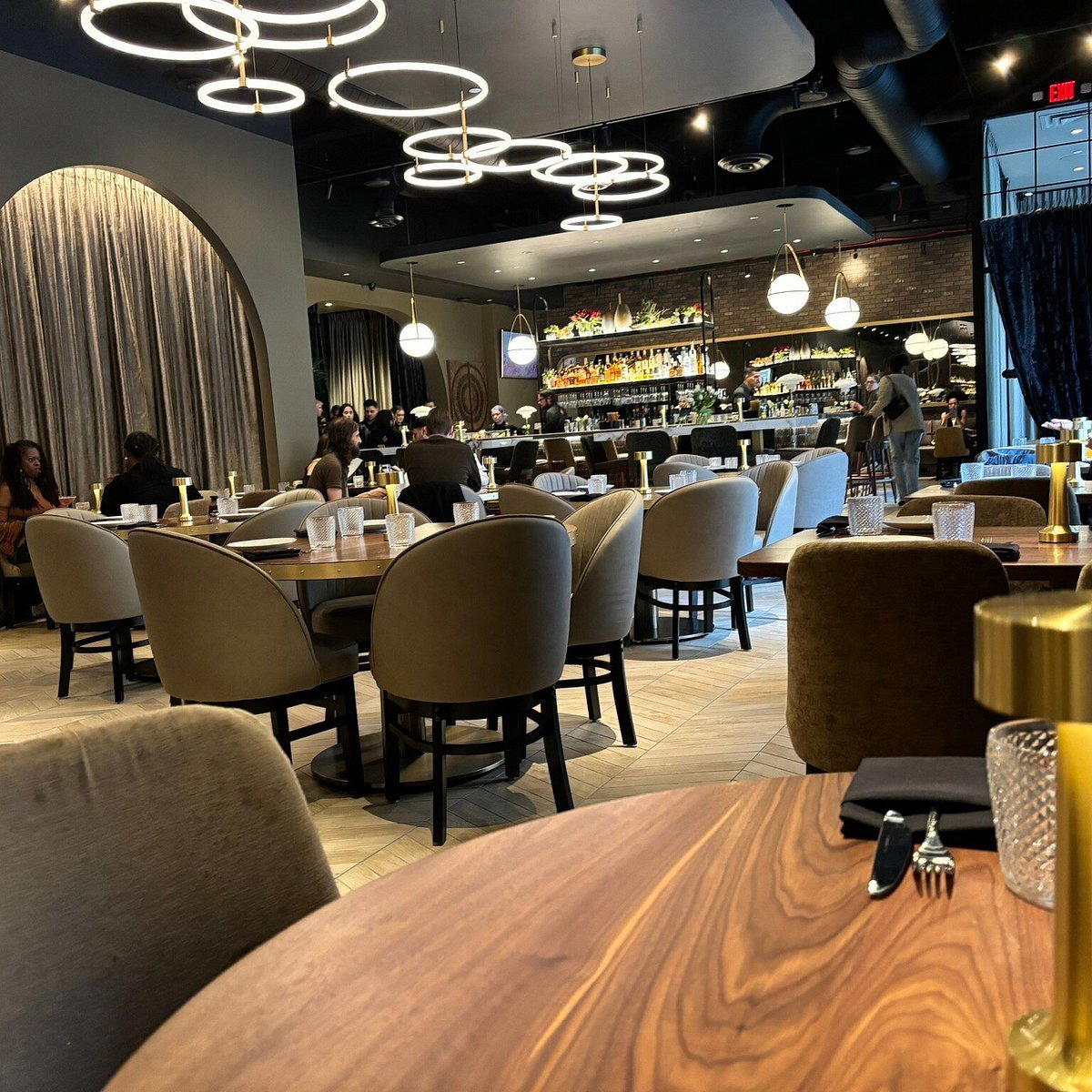
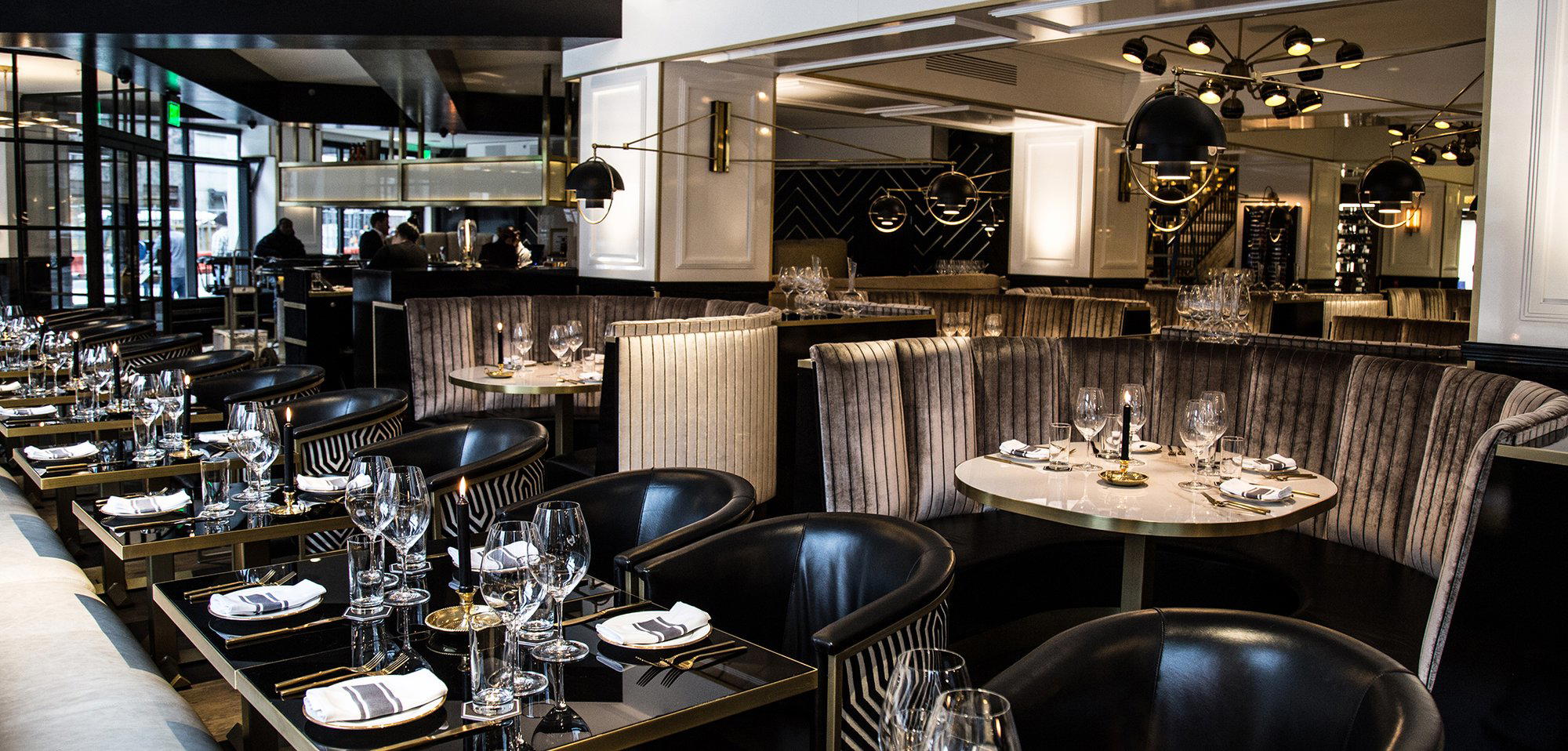
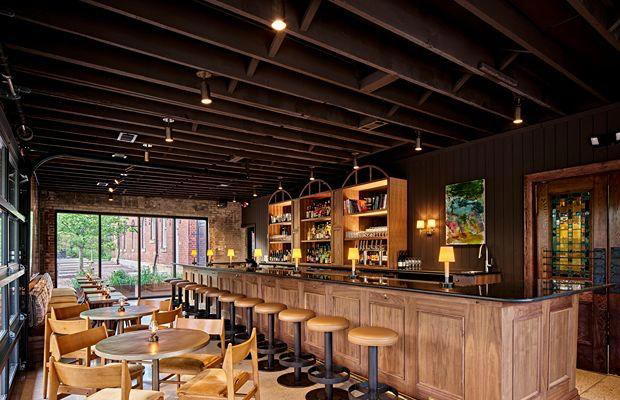
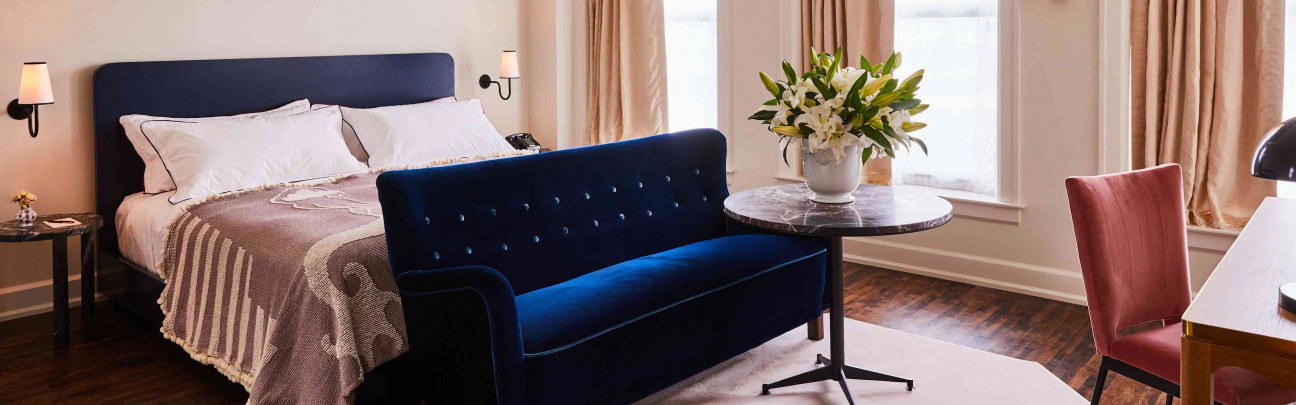
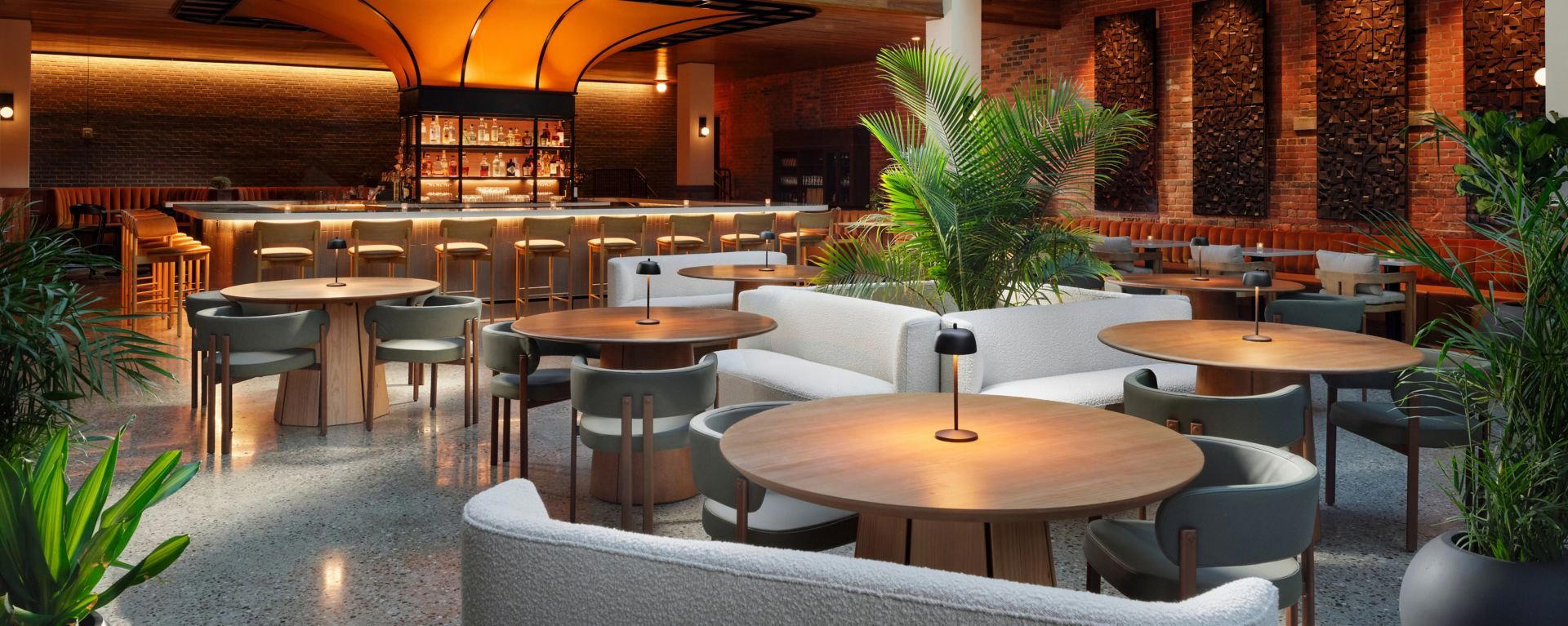
The atmosphere at Roses is shaped by restraint. Polish cooking at its strongest is a cuisine of ferment, fat, and cold-weather preservation, flavors that accumulate rather than perform. A room that matched that sensibility would be warm rather than theatrical, with materials and light that ask you to settle in rather than look around. That is the register Roses operates in: a space where the sensory experience is calibrated to the food rather than competing with it.
Seasonality here isn't a marketing posture. Polish culinary tradition is deeply seasonal by necessity, root vegetables, preserved meats, pickled and fermented components that mark the calendar as clearly as any farm-to-table statement does. In winter, expect the kitchen to lean into the tradition's strengths: dense, fat-rich preparations where acidity cuts through and texture does the work that spice does elsewhere. Spring brings a different set of possibilities, when the pantry opens toward fresh herbs and lighter alliums. The wine program, suggested by the venue's full name, appears to be taken seriously enough to anchor the experience alongside the food rather than play a supporting role. That combination places Roses in a tier closer to Cuisine in terms of ambition, even if the stylistic register is entirely different.
Detroit's Broader Restaurant Conversation
Understanding Roses requires understanding the specific weight that food carries in Detroit's civic identity. This is a city that has rebuilt significant parts of its cultural life through its restaurant scene, not just as an economic recovery story but as a genuine assertion of local character. Baobab Fare, which brought East African cooking into the conversation, and Carajillo on the Mexican side, represent the same impulse: specific traditions treated with full seriousness, not filtered through generic American dining conventions.
Roses fits that pattern. It is neither a novelty act nor a nostalgia project. Polish-seasonal cooking is the frame, but the execution appears aimed at placing it in the same critical bracket as the more widely covered American tasting-menu format. For a broader map of what's happening across Detroit's dining tiers, the full Detroit restaurants guide covers the range from places like Bev's Bagels and 313 Cinnamon Rolls at the accessible end to the more formal rooms at the other.
Compared to the format discipline of destinations like Lazy Bear in San Francisco or Single Thread Farm in Healdsburg, Roses appears to operate in a less choreographed mode, the wine-and-food pairing is foregrounded but the experience reads as a restaurant rather than a performance. That is not a weakness. It places the room closer to where Emeril's in New Orleans once sat in terms of cultural ambition: serious cooking in a format that doesn't require the diner to submit to a ritual.
Planning Your Visit
Specific booking details, hours, and pricing for Roses are not publicly confirmed in available records, which itself suggests a room that relies on word-of-mouth rather than aggressive digital presence. Visitors planning around Detroit's calendar should note that the seasonal-Polish framework rewards a winter or early spring visit, when the kitchen's instincts for preserved and fermented flavors align with the weather. Those traveling for the full Detroit food weekend might pair a dinner at Roses with stops tracked through the Detroit bars guide, the Detroit hotels guide, or the Detroit experiences guide. For those building a trip around wine specifically, the Detroit wineries guide maps the regional producers worth knowing before you sit down to a list like Roses'. The room's implied ambition places it at a higher engagement level than walk-in casual dining, contacting the venue directly before visiting is advisable.
Peers in This Market
Comparable venues nearby, for context on price, style, and recognition.
| Venue | Cuisine | Price | Notes |
|---|---|---|---|
| RosesThis venue — the venue you are viewing | Classic American Diner | $$ | Not listed |
| Folk Detroit | Aussie-Style Cafe Brunch | $$ | Corktown |
| The Brooklyn Street Local LLC | American Breakfast & Brunch Café | $$ | Corktown |
| HAUS OF BRUNCH | Halal Southern & Middle Eastern Brunch | $$ | Downtown |
| BESA | Contemporary American with Seafood | $$ | Downtown |
| Greedy Greg's Soul Food | Detroit Soul Food BBQ | $$ | East Side |





At a Glance
- Cozy
- Rustic
- Trendy
- Brunch
- Casual Hangout
- Natural Wine
- Local Sourcing
- Organic
Cozy, eclectic throwback diner atmosphere with Formica counters, mismatched plates, lively communal seating, and a delightful patio.