Cuisine
Our verdict
Cuisine occupies a corner of Detroit's New Center neighborhood on Lothrop Street, where the city's dining scene has been quietly deepening beyond its downtown core. With the cultural weight of Detroit's food traditions behind it, this address represents the kind of neighborhood-level restaurant that serious eaters track across American cities — a place where the question of what to order carries real stakes.

Pearl is the En Primeur Club membership app — saves, bookings, and concierge access live there. Same editors, same standards.
- Address
- 670 Lothrop St, Detroit, MI 48202
- Phone
- (313) 872-5110
- Hours
- Mon ClosedTue–Thu 4–9 PMFri–Sat 4–10 PMSun 3:30–8 PM
- Website
- cuisinerestaurant.com
- Directions
- Get directions
- Booking
- Book on Tock
The menu
What to order
- Dover Sole for 2
- Roasted Quail with Sweetbreads and Foie Gras
- Lobster Bisque with Crab and Milk Froth
- Grand Marnier Soufflé
- Wagyu Beef with Foie Gras and Mushrooms
New Center, and the Geography of Detroit's Culinary Ambition
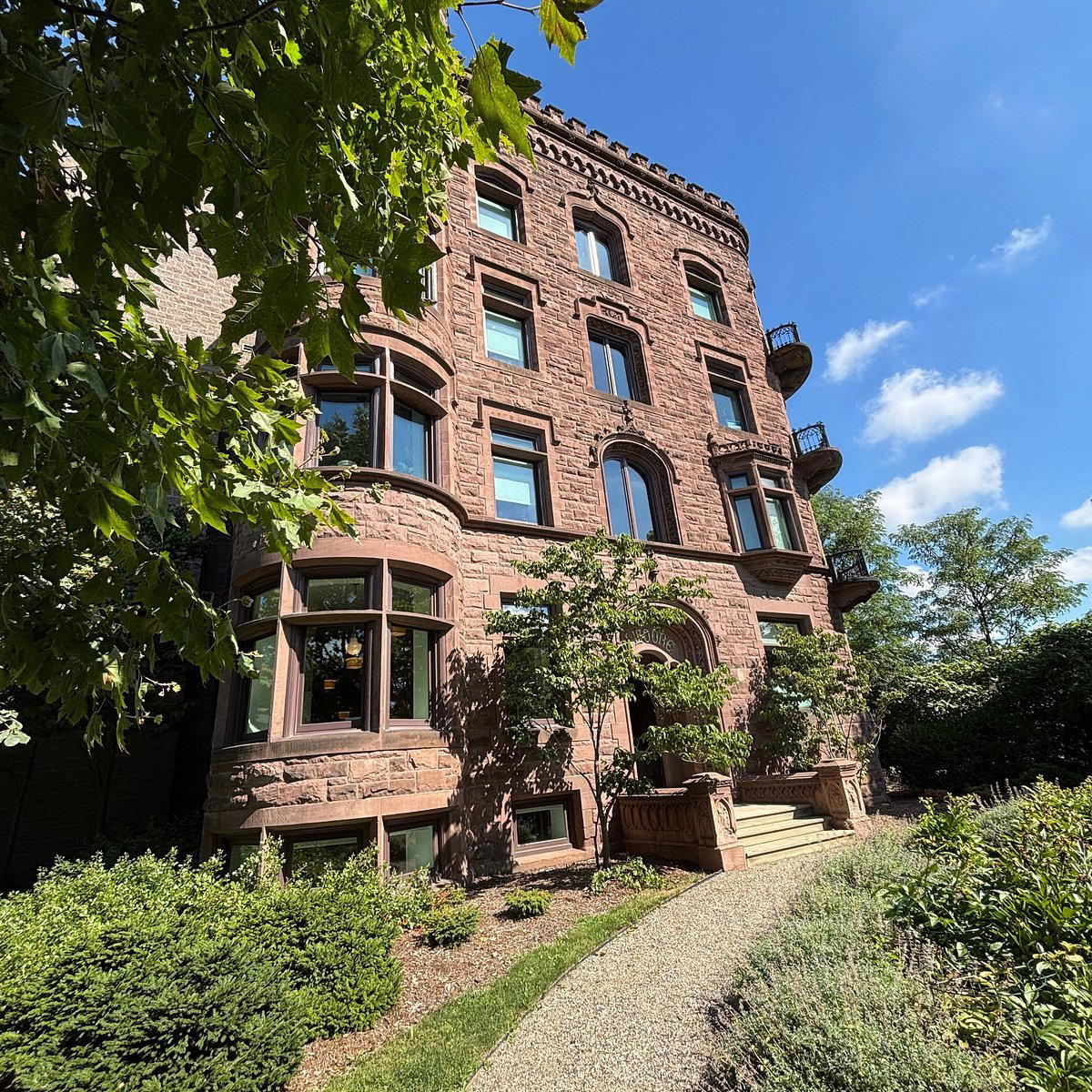
Detroit's restaurant momentum has not been confined to the riverfront or the well-documented corridors of Midtown. The New Center neighborhood, where Cuisine sits at 670 Lothrop Street, represents a quieter vector of the city's dining evolution — one that tends to attract residents and regulars over destination tourists. Approached from the wide, tree-lined stretch of Lothrop, the address carries the low-key register that characterizes serious neighborhood restaurants across American cities: the kind of place that earns its standing through consistency rather than press cycles.
Detroit's broader dining scene has diversified substantially over the past decade. The city now sustains a range of registers, from the East African cooking at Baobab Fare to the serious steakhouse program at Prime + Proper, the ingredient-driven New American work at Selden Standard, and the wood-smoke focus of Slow Bars Bar-BQ. Cuisine sits within that expanding ecosystem, serving a neighborhood that has historically been underrepresented in Detroit's dining coverage despite its density of cultural institutions and long-established residential character.
What Detroit's Neighborhood Restaurant Tradition Means for This Address
American cities with strong neighborhood restaurant cultures — New Orleans, Chicago, San Francisco, tend to produce a tier of dining that operates somewhat independently from the awards circuit. These restaurants accumulate local loyalty over years, earn word-of-mouth that crosses demographic lines, and often outlast the more publicized openings that cluster downtown. Detroit has its own version of this dynamic, shaped by the city's specific history of neighborhood resilience and the cultural plurality that defines areas like New Center.
The name Cuisine, stripped of a qualifying descriptor, invites a particular kind of attention. It makes no immediate claim about national origin or technique, which positions the restaurant either as genuinely crossover in its approach or as a local institution confident enough in its reputation to dispense with category labels. In either reading, the address on Lothrop functions as the primary signal: this is a place rooted in its block, in its neighborhood, in a part of Detroit that has its own story to tell separate from the city's more photographed reconstruction narrative.
For context on how Detroit fits into the broader American dining picture, the city now occupies a different position than it did fifteen years ago. Where the conversation once defaulted to cities like New York (see Le Bernardin or Atomix), Chicago (Alinea), or San Francisco (Lazy Bear) as the reference points for ambitious American restaurants, mid-size cities have begun to generate their own credible dining scenes with distinct local identities. Detroit belongs to that shift.
Cultural Roots and the Question of What Gets Cooked Here
The editorial angle that matters most for any restaurant in New Center is cultural context. This neighborhood has deep roots in Detroit's African American professional community, in its automotive-era institutional architecture, and in the layered demographic transitions that have defined the area across generations. Restaurants that endure in such neighborhoods typically do so because they cook something that means something to the people who live there, not because they are pursuing a trend imported from elsewhere.
What the address does confirm is the geographic and community context: a restaurant called Cuisine at 670 Lothrop Street is operating in a specific Detroit neighborhood with its own culinary expectations, and that context shapes what success looks like for any kitchen in this location. The strongest neighborhood restaurants in comparable American cities, think the Modern Mexican register of Vecino within Detroit itself, or the farm-integrated ambition of Single Thread Farm in Healdsburg, anchor themselves to a place and a point of view simultaneously.
The broader American fine dining circuit has increasingly recognized that regional specificity is itself a form of culinary authority. Places like Emeril's in New Orleans or The French Laundry in Napa built their reputations in part by being irreducibly of their place. Detroit's restaurant scene is producing its own version of that dynamic, and New Center is one of the neighborhoods where it plays out at the community rather than destination level.
Planning a Visit: What to Know Before You Go
Cuisine is located at 670 Lothrop Street in Detroit's New Center neighborhood, a short distance from the Detroit Institute of Arts and the New Center commercial corridor. For those planning a broader Detroit itinerary, the full Detroit restaurants guide maps the city's dining across neighborhoods and registers. Visitors combining dining with accommodation should consult the Detroit hotels guide, while those looking to extend evenings into the bar scene will find useful context in the Detroit bars guide. For a complete picture of what the city offers beyond restaurants, the Detroit experiences guide and Detroit wineries guide round out the planning picture.
Detroit restaurants in neighborhood settings can have irregular hours or reservation policies that differ from downtown operations, and confirmation in advance avoids a wasted journey to an address that may have limited walk-in capacity at peak times.
Frequently asked questions
How do I find Cuisine?
Cuisine is located at 670 Lothrop St, Detroit, MI 48202, Detroit.
Is Cuisine in Detroit's New Center connected to the neighborhood's cultural history?
The 670 Lothrop Street address sits in New Center, one of Detroit's historically significant African American commercial and residential corridors. Restaurants operating in this neighborhood carry the weight of that context, and the cooking traditions associated with it run deep in Detroit's food identity. No specific chef biography or programmatic statement is documented for Cuisine, but the address itself is a meaningful signal about the cultural frame the restaurant occupies.
What should I order at Cuisine?
New Center's culinary tradition draws heavily from Detroit's African American food culture, so dishes rooted in that lineage are worth asking about when you visit. Check in directly with the restaurant for current offerings.
Do they take walk-ins at Cuisine?
No booking policy is documented for Cuisine at 670 Lothrop St, Detroit. Given its New Center neighborhood setting, calling ahead or arriving early is the practical approach.
What's the signature at Cuisine?
What is clear is the address — 670 Lothrop Street, Detroit MI 48202 — places it in New Center, a neighborhood whose dining culture tends toward community-anchored, culturally expressive cooking rather than trend-chasing menus.
Is Cuisine allergy-friendly?
For a restaurant at a neighborhood address like 670 Lothrop Street, the most reliable path is a direct call before visiting, particularly for severe dietary requirements. No allergen policy has been publicly documented.
Is Cuisine overpriced or worth every penny?
New Center neighborhood restaurants in Detroit generally occupy the accessible-to-mid-range tier, but that can change for this address without current menu pricing. Contacting Cuisine directly before your visit will give you a clear picture. Check the venue's official channels for the latest details.
Budget and Context
Comparable venues nearby, for context on price, style, and recognition.
| Venue | Cuisine | Price | Notes |
|---|---|---|---|
| CuisineThis venue — the venue you are viewing | Contemporary French-American Fine Dining | $50–100 | Not listed |
| Oak & Reel | Contemporary Italian Seafood | $50–100 | North End, Contemporary Italian Seafood |
| Freya | Modern American Fine Dining | $50–100 | North End, Modern American Fine Dining |
| Leña | Wood-Fired Spanish Tapas | $50–100 | Medical Center, Wood-Fired Spanish Tapas |
| Chartreuse Kitchen & Cocktails | Farm-to-Table New American | $50–100 | Wayne State, Farm-to-Table New American |
| Cork & Gabel | Irish-Italian-German Fusion | Not listed | North Corktown, Irish-Italian-German Fusion |

Details
- Romantic
- Elegant
- Sophisticated
- Classic
- Date Night
- Special Occasion
- Business Dinner
- Private Dining
- Historic Building
- Standalone
- Extensive Wine List
- Sommelier Led
- A La Carte
- Prix Fixe
- Tasting Menu
- Wine
- Cocktails
- Spirits
- Gluten Free Options
- Vegetarian Friendly
Current opening hours
- Monday
- Closed
- Tuesday
- 4–9 PM
- Wednesday
- 4–9 PM
- Thursday
- 4–9 PM
- Friday
- 4–10 PM
- Saturday
- 4–10 PM
- Sunday
- 3:30–8 PM
Hours can change for holidays and private events. Last verified .
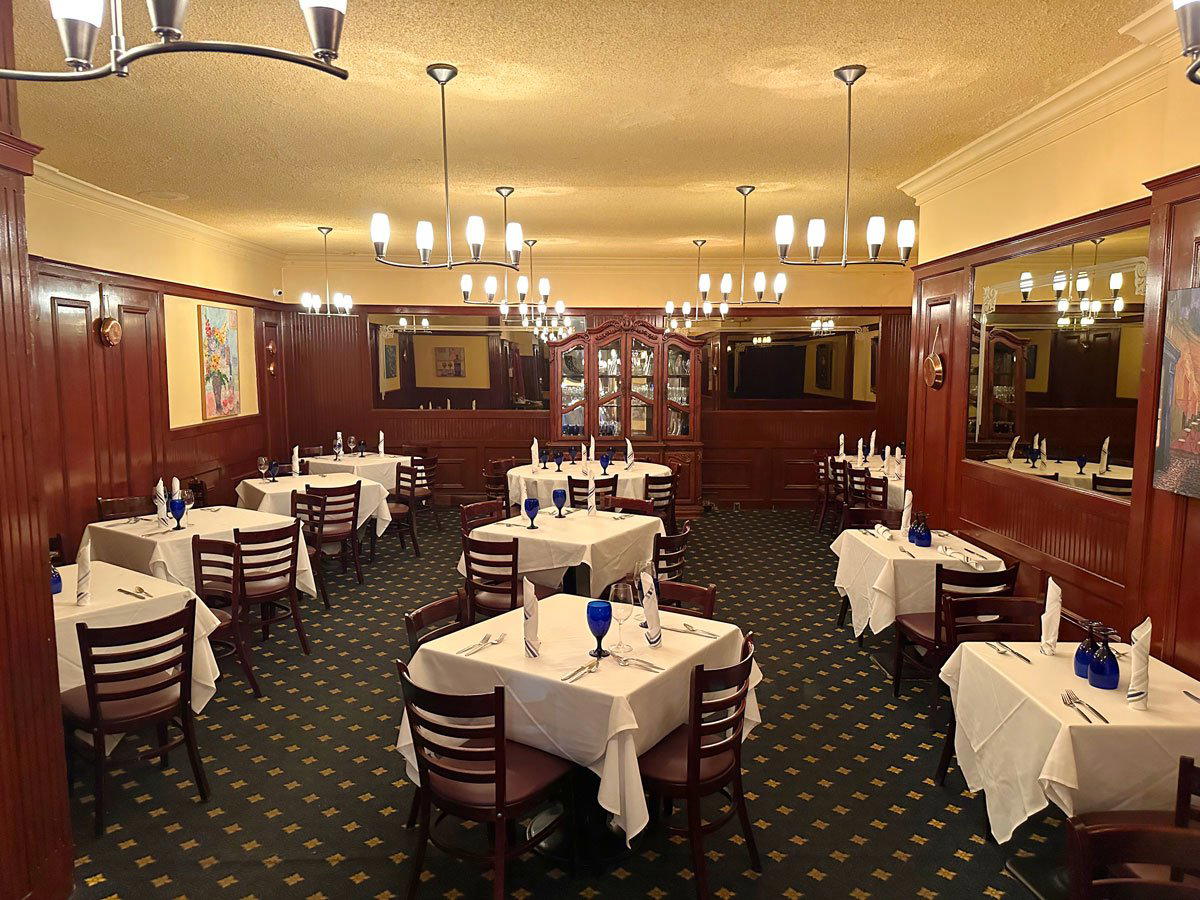
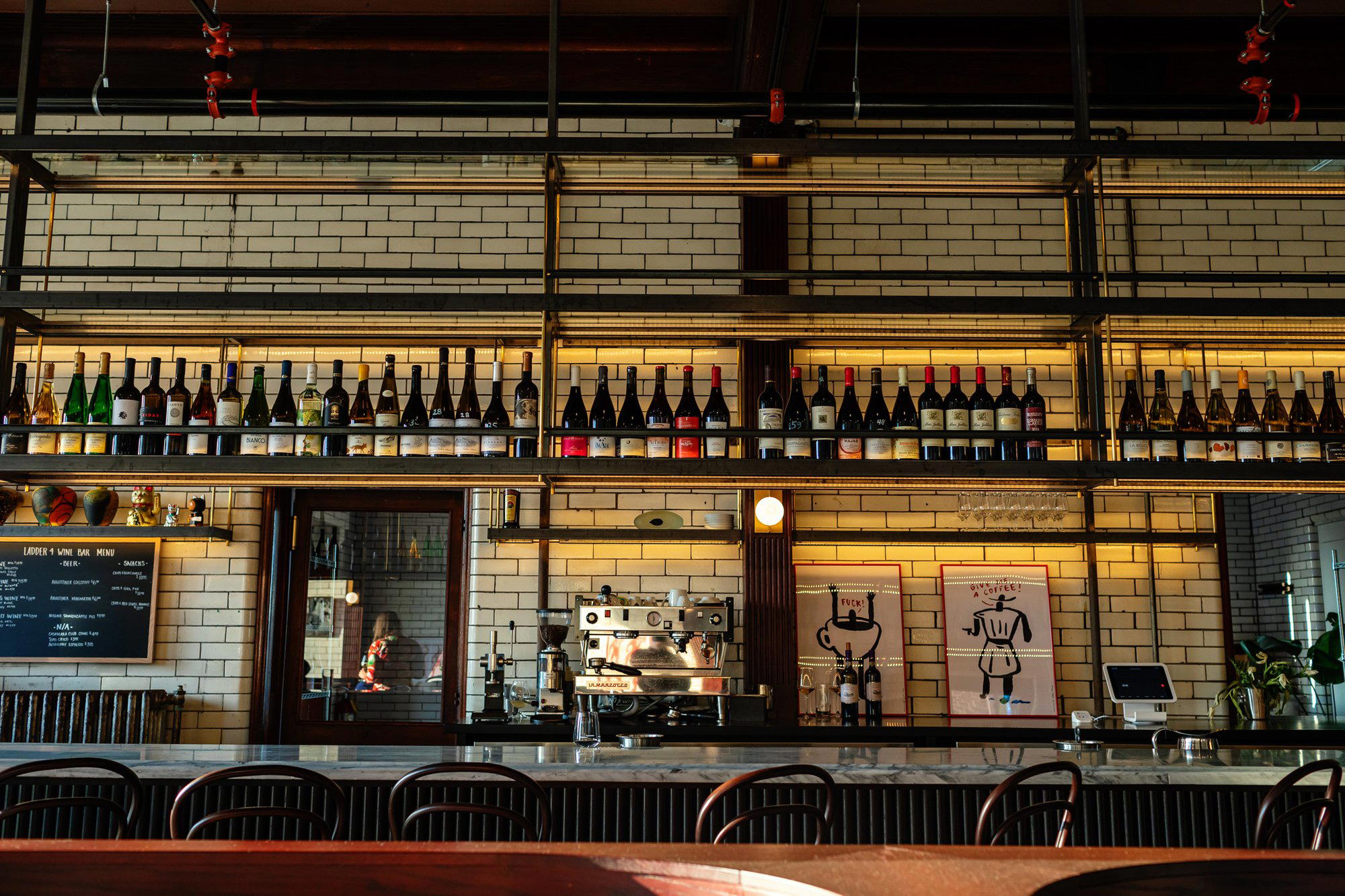
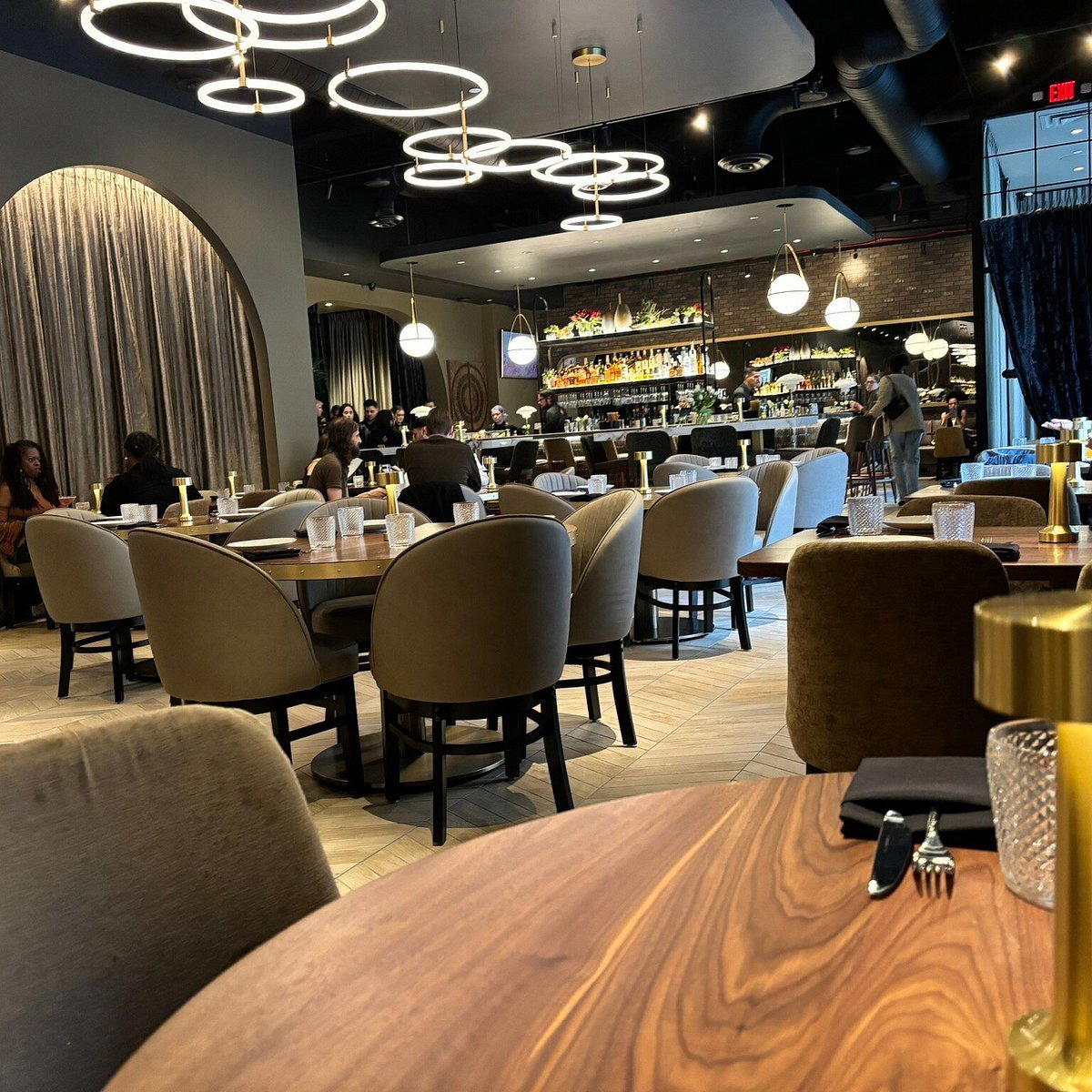
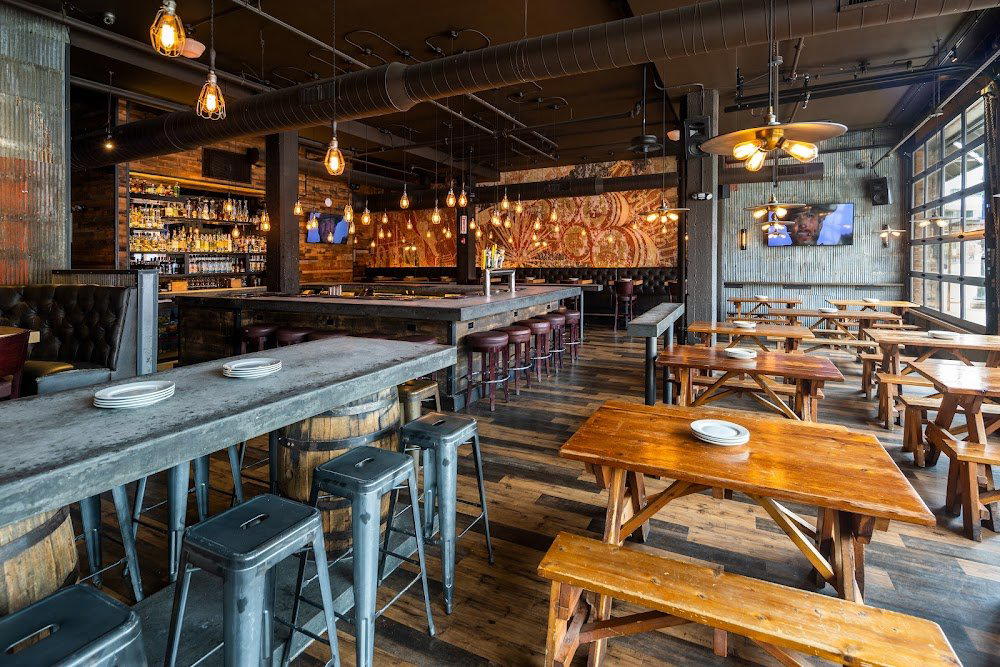
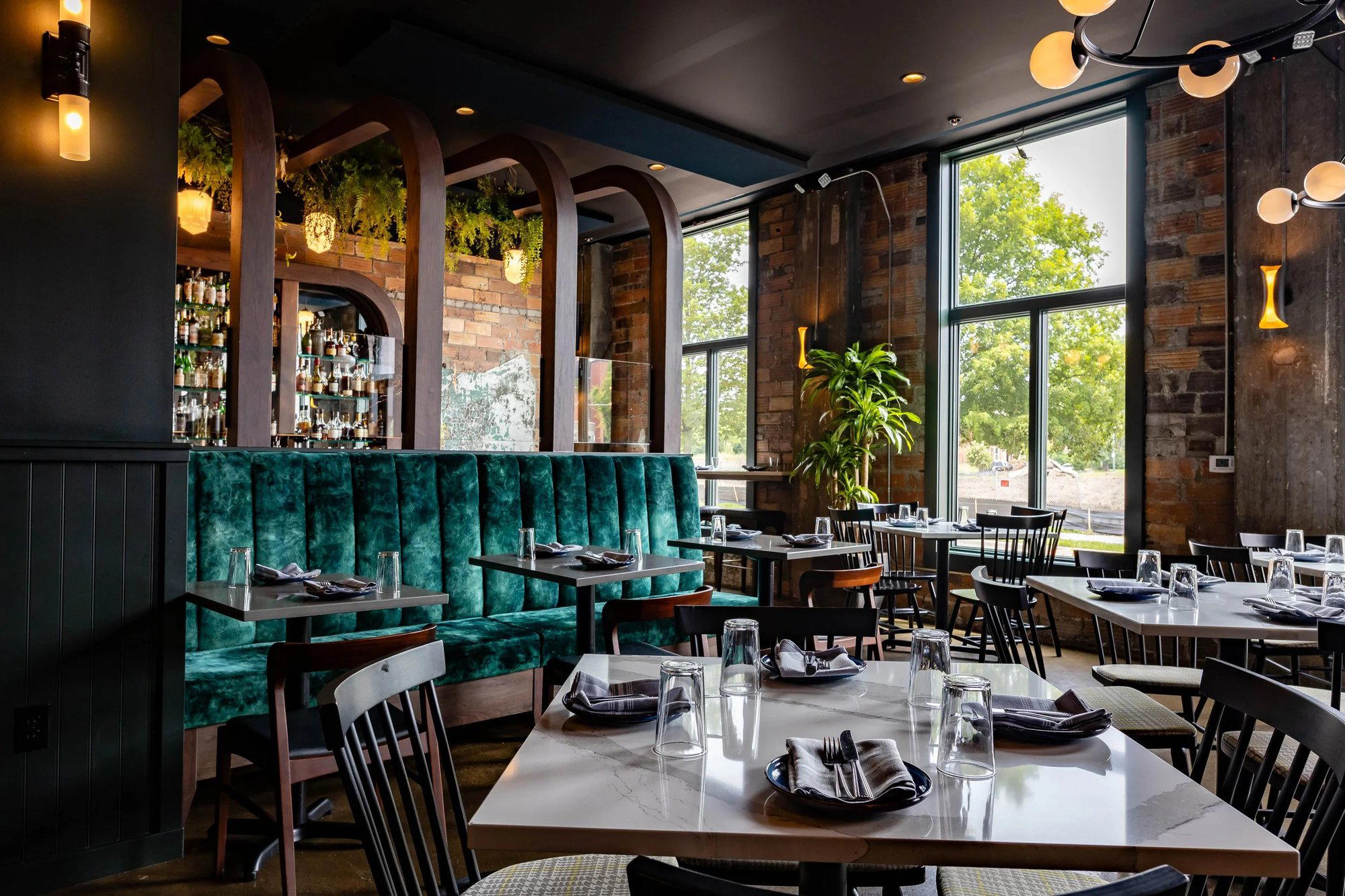
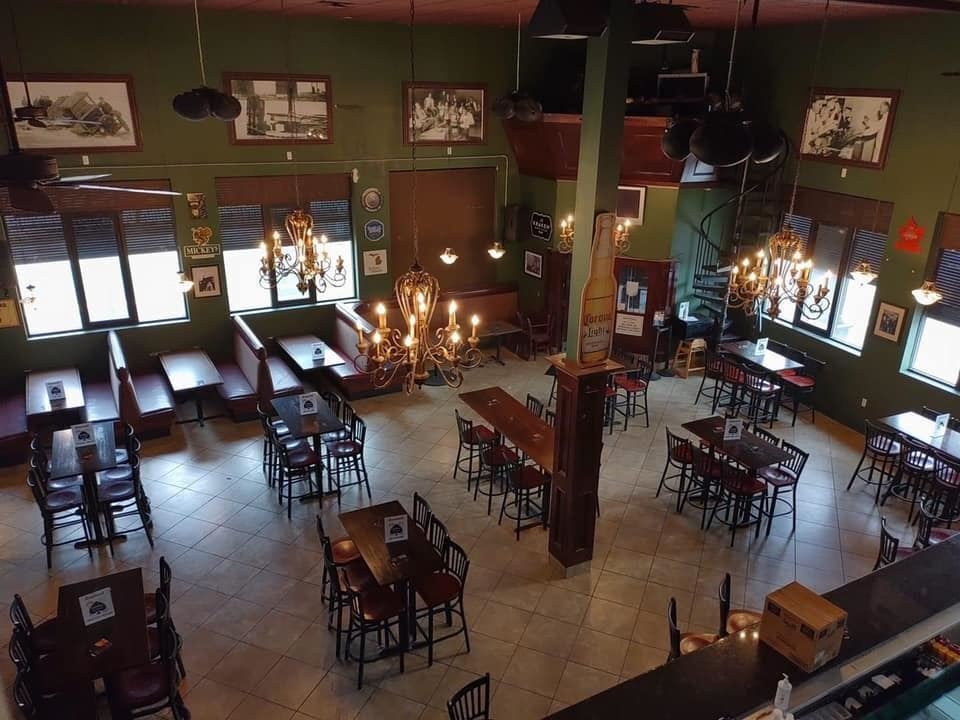
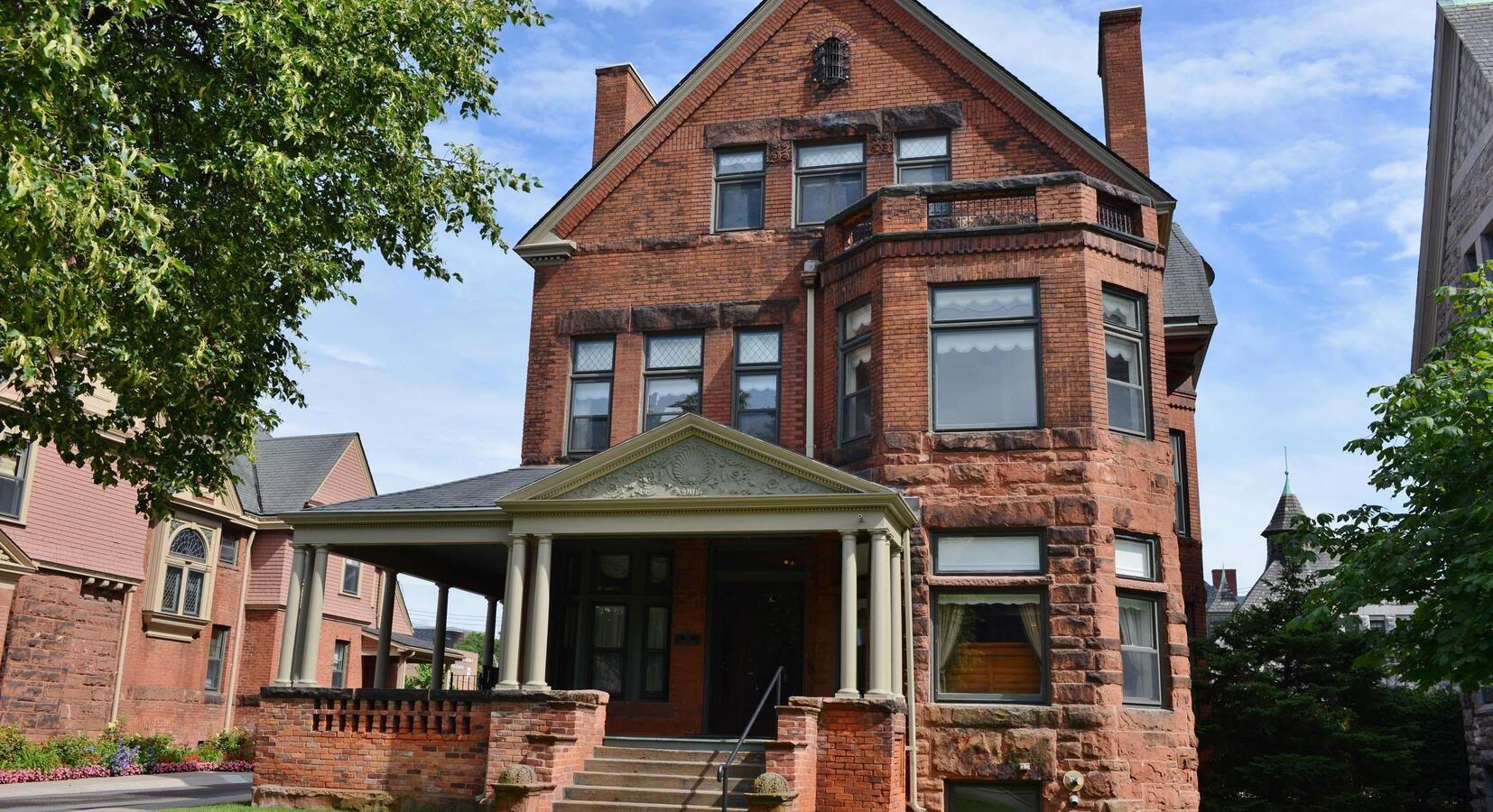
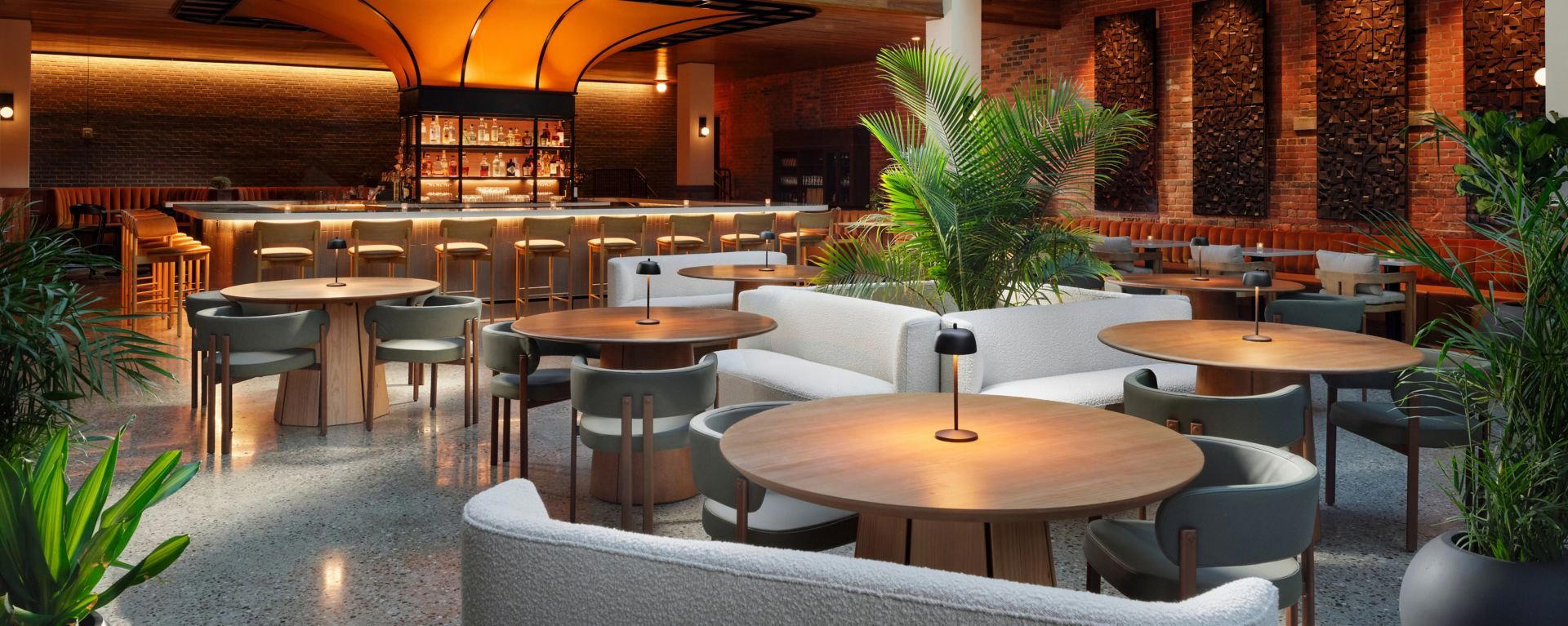
Upbeat and refined with sunny yellow and bright blue color scheme, polished wood, expanses of mirror, and warm lighting in an intimate historic house setting.