The Brooklyn Street Local LLC
The Brooklyn Street Local LLC is an American Breakfast & Brunch Café at 1266 Michigan Ave, with craft cocktails, a beer program, and a casual, conversational fit for breakfast, brunch, or lunch.
Pearl is the En Primeur Club membership app — saves, bookings, and concierge access live there. Same editors, same standards.
- Address
- 1266 Michigan Ave, Detroit, MI 48226
- Phone
- +1 313 262 6547
- Website
- brooklynstreetlocal.com
- Directions
- Get directions
 Saves & bookings on Pearl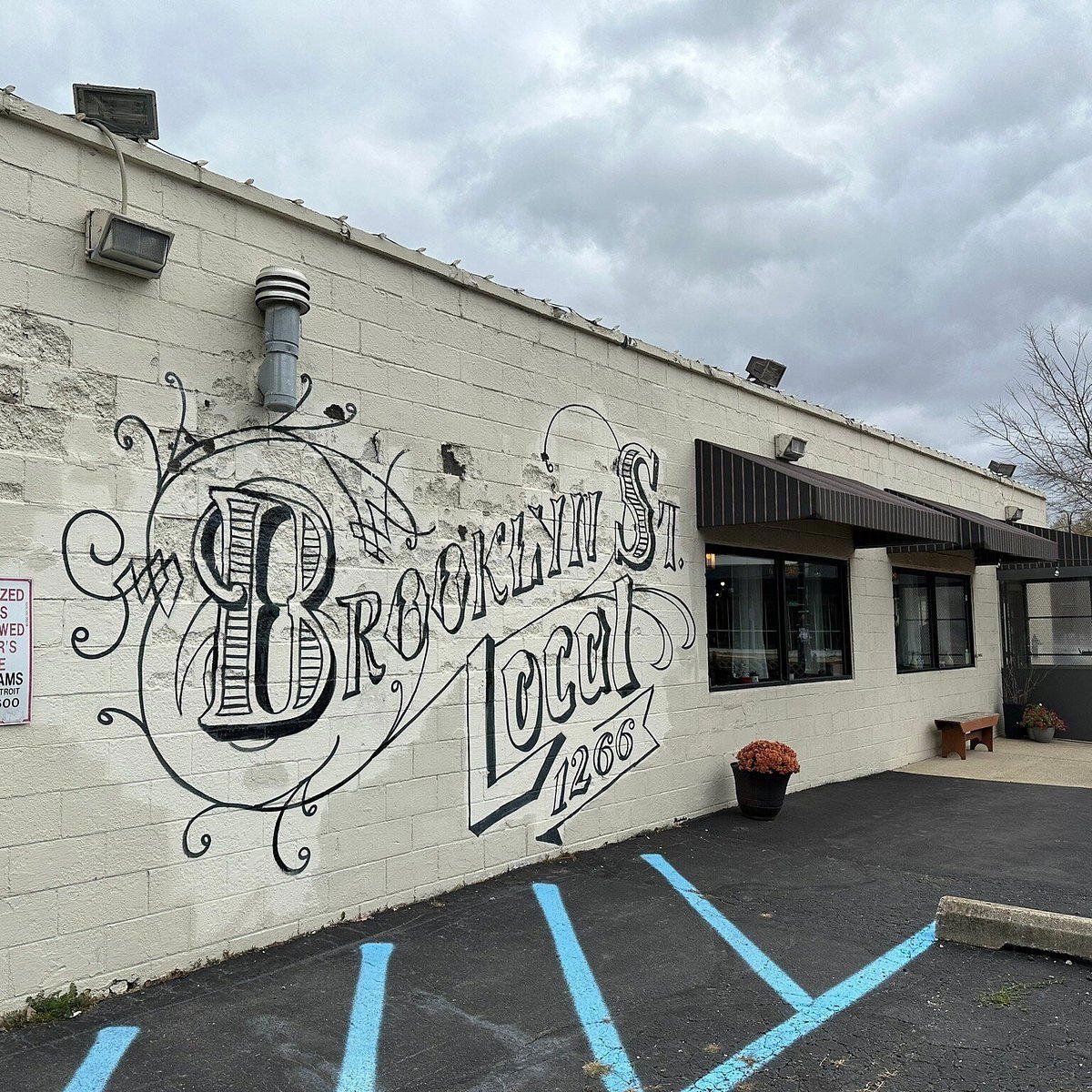
Michigan Avenue and the Question of Neighborhood Dining in Detroit
The stretch of Michigan Avenue running through Corktown and into the lower west side of Detroit has become one of the more closely watched corridors in the city's dining recovery. Where industrial vacancy once defined the blocks, a generation of operators has moved in with formats that reflect Detroit's broader appetite for locally grounded, community-facing hospitality. The Brooklyn Street Local, at 1266 Michigan Ave, sits inside that pattern: a neighborhood spot that reads as part of a wider shift in how Detroit's residents want to eat, not just what they want to eat.
That shift matters because it mirrors a national trend. Across American cities, a tier of independent operators has emerged between the fine-dining destination and the fast-casual transactional meal. These places tend to anchor their identity in sourcing relationships, waste-conscious kitchen practices, and a menu logic that responds to what's seasonal and available rather than what's consistent year-round. Detroit's version of this tier has grown steadily, with places like ADELINA and Alpino representing the more polished end of that register, and Baobab Fare's approach to East African cooking demonstrating how deep sourcing commitments can drive an entire menu's identity.
Sustainability as Operating Logic, Not Marketing Language
The sustainability conversation in American dining has matured past the point where a chalkboard listing local farm names counts as a differentiator. The operations that carry credibility now are the ones where environmental consciousness is embedded in kitchen structure: how trim is used, how portions are sized to reduce plate waste, whether the supply chain is short enough to respond to real-time availability. Nationally, a handful of restaurants have made this the organizing principle of their entire format. Blue Hill at Stone Barns in Tarrytown is the benchmark American example, where the farm and the kitchen operate as a single system. Single Thread Farm in Healdsburg applies a similar farm-to-table integration at a higher price tier. Smyth in Chicago has built a tasting menu format around hyper-seasonal sourcing with a fermentation and preservation program that extends ingredient life across the calendar year.
The Brooklyn Street Local operates in a different economic register than any of those references, which is precisely the point. Neighborhood-scale operators carry the sustainability mandate into price points and formats that are accessible to a broader cross-section of the city. In Detroit, that accessibility argument carries particular weight given the city's ongoing relationship with food access disparities across its neighborhoods. A Michigan Avenue address puts the venue within the city's most active corridor for new dining, close to a transit spine and within walking distance of Corktown's residential density.
Detroit's Ethical Sourcing Moment
Michigan's agricultural profile gives Detroit-area operators a credible local sourcing argument that some major metros cannot match. The state produces a significant diversity of crops, from stone fruits in the west to field vegetables and grains across the central lower peninsula, and a functioning network of small-scale producers has developed relationships with Detroit kitchens over the past decade. That infrastructure shows up in places like Selden Standard, which has consistently built its New American menu around Michigan seasonality, and it creates the conditions for newer operators to enter with sourcing relationships already partially established.
What distinguishes the operators taking sustainability seriously from those using it as shorthand is kitchen discipline: the willingness to change what's on the menu when a sourcing relationship changes, to build dishes around secondary cuts or less commercially popular produce, and to communicate honestly with guests about why certain things appear or disappear. That discipline is harder to maintain at neighborhood price points where margin pressure is constant, which is why the venues that do it well tend to earn disproportionate loyalty from their regular guests.
Placing Brooklyn Street Local in Detroit's Current Scene
Detroit's dining scene in 2024 spans a wider range of formats and ambitions than it did a decade ago. At the destination end, the city now supports operators competing for national attention. The neighborhood tier, where Brooklyn Street Local operates, is arguably more important to the city's long-term dining health because it determines whether residents across different income levels have access to food that reflects genuine craft and sourcing care, not just those who can budget for occasion dining.
Within the Michigan Avenue corridor, the competitive set includes spots with distinct identities: American Coney Island on the institutional legacy end, Amore da Roma for Italian-focused casual dining, and 313 Cinnamon Rolls representing the bakery-forward, vegan-conscious end of the neighborhood food offer. That range reflects how Corktown and the surrounding blocks have developed: not as a monoculture of one dining type, but as a corridor where different formats coexist. A full picture of what's available across the city is in our Detroit restaurants guide.
For contrast against the fine-dining sustainability operators nationally, the gap is instructive rather than invidious. Addison in San Diego, Providence in Los Angeles, and Le Bernardin in New York City all embed sourcing ethics into high-ticket tasting formats. Atelier Moessmer Norbert Niederkofler in Brunico has built an international reputation on Alpine terroir and zero-waste kitchen principles at the fine-dining tier. Atomix in New York City applies a similar rigor to Korean fine dining. The neighborhood format inverts that equation: lower price point, less ceremony, but the same underlying commitment to where food comes from and what happens to the parts that don't reach the plate.
Planning Your Visit
The Brooklyn Street Local is at 1266 Michigan Ave in Detroit's lower west side, accessible by car with street parking available along the corridor, and within reach of the Michigan Avenue bus route. Given the venue's current data availability, prospective guests are leading served by checking for updates directly through local Detroit dining resources or visiting in person to confirm current hours and any reservation requirements, as neighborhood spots at this scale often operate with flexible booking rather than formal reservation systems.

At a Glance
- Cozy
- Casual
- Trendy
- Brunch
- Casual Hangout
- Family
- Standalone
- Craft Cocktails
- Beer Program
- Farm To Table
- Local Sourcing
- Organic
Current opening hours
- Monday
- Closed
- Tuesday
- 8 AM–3 PM
- Wednesday
- 8 AM–3 PM
- Thursday
- 8 AM–3 PM
- Friday
- 8 AM–3 PM
- Saturday
- 10 AM–3 PM
- Sunday
- 10 AM–3 PM
Hours can change for holidays and private events. Last verified .
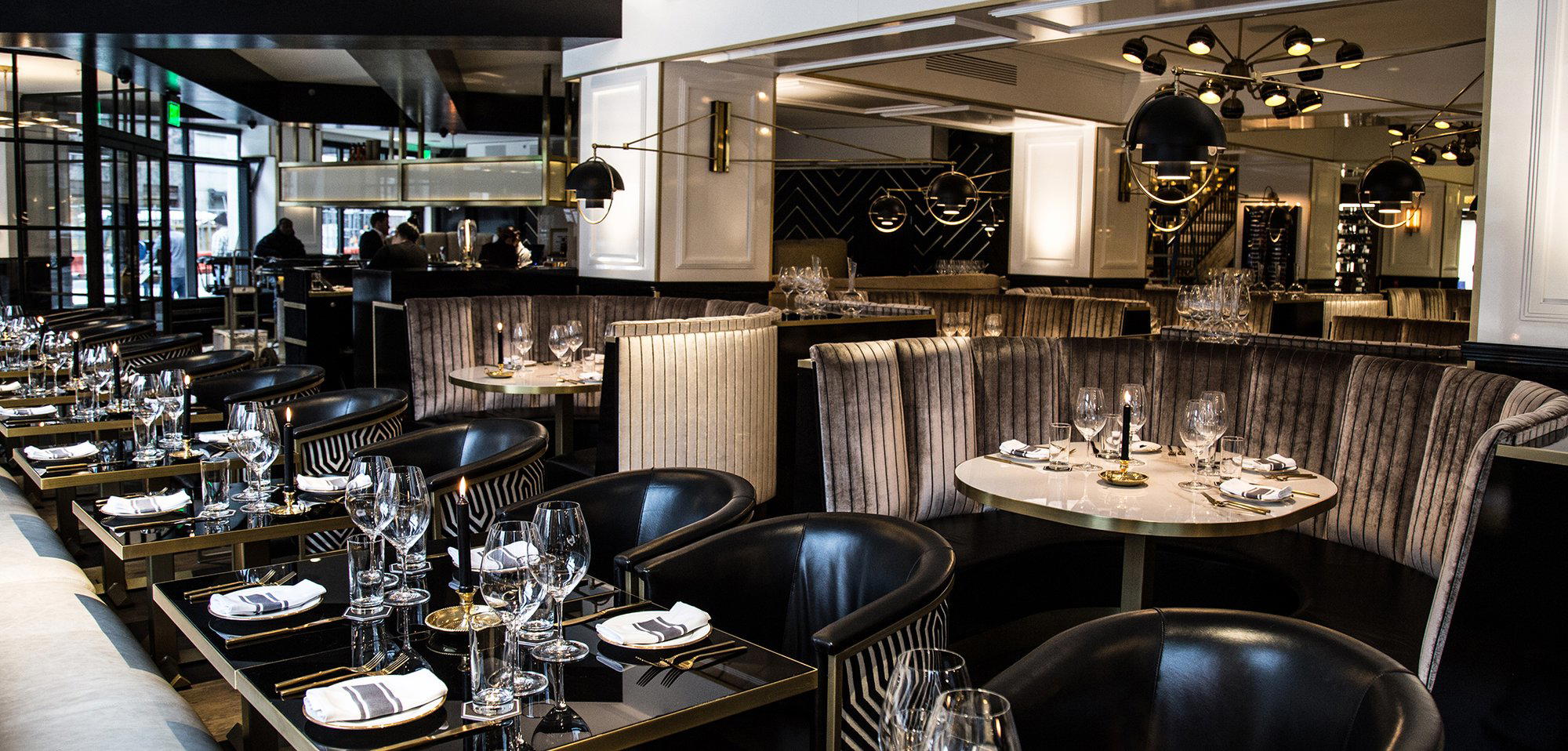
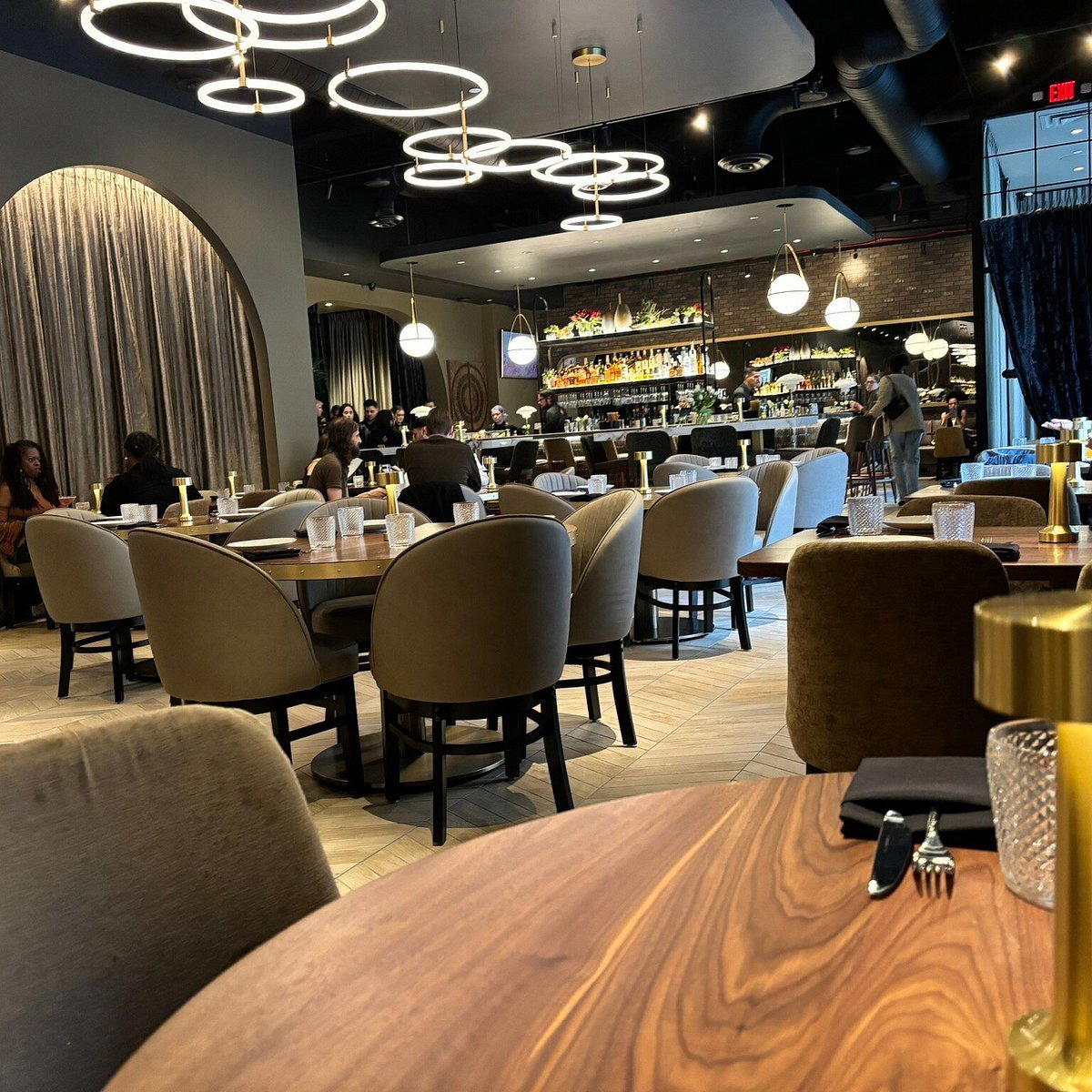
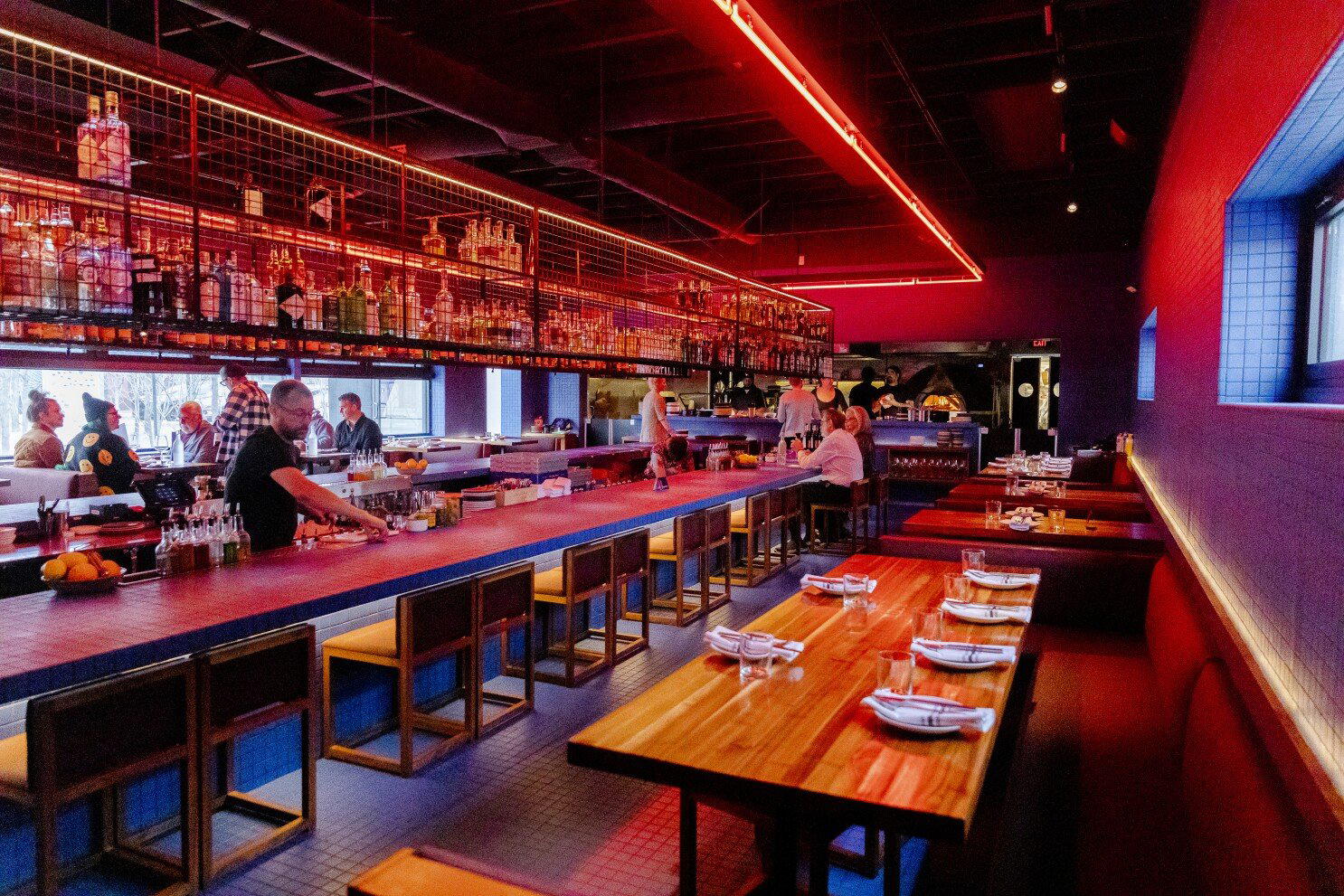
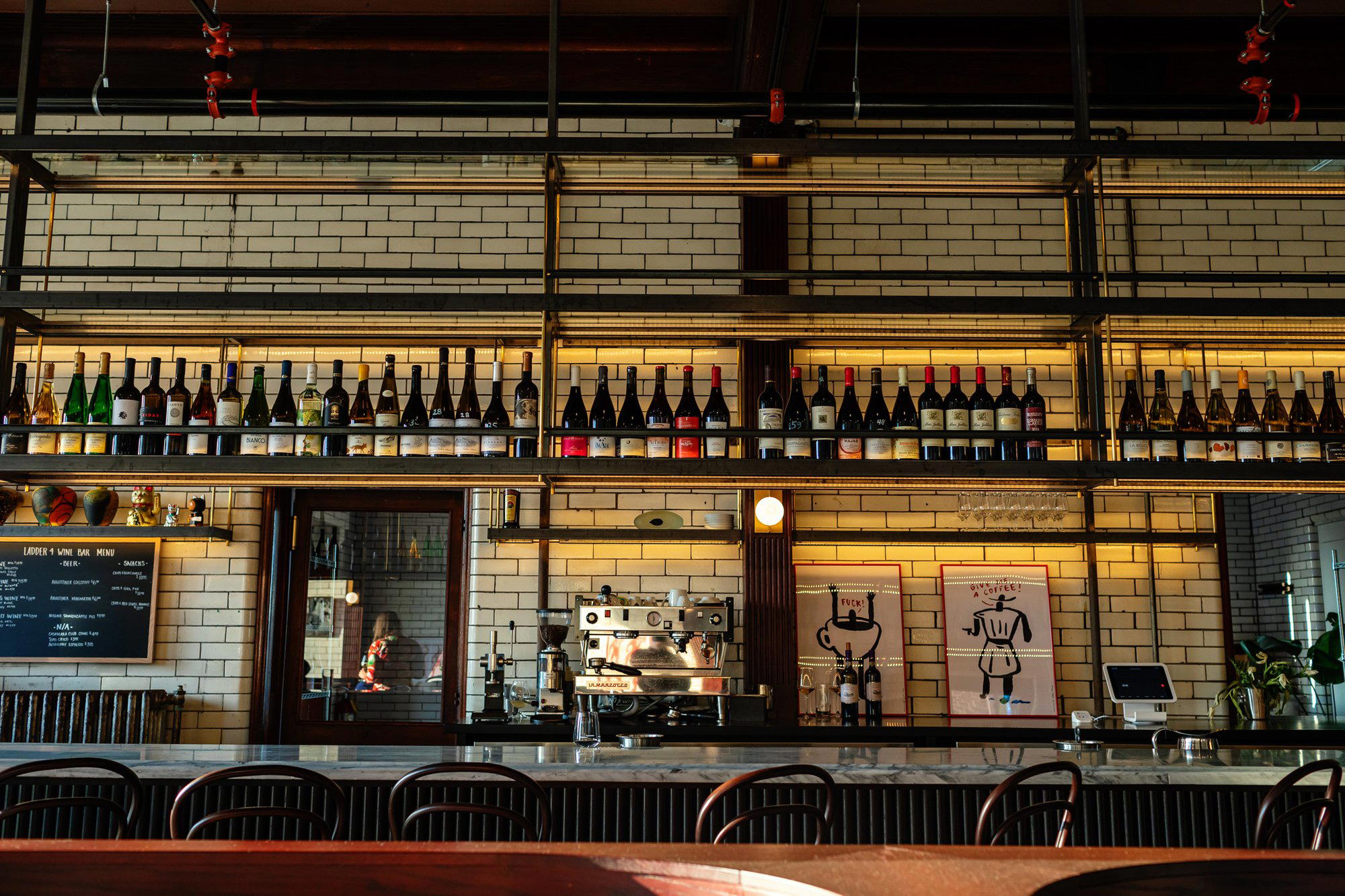
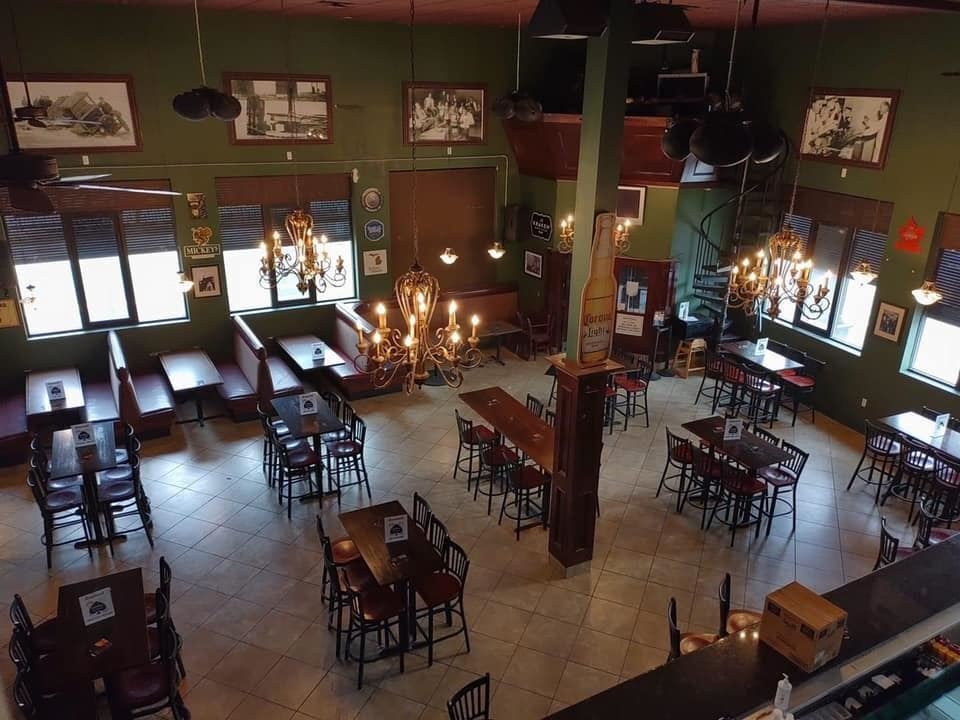
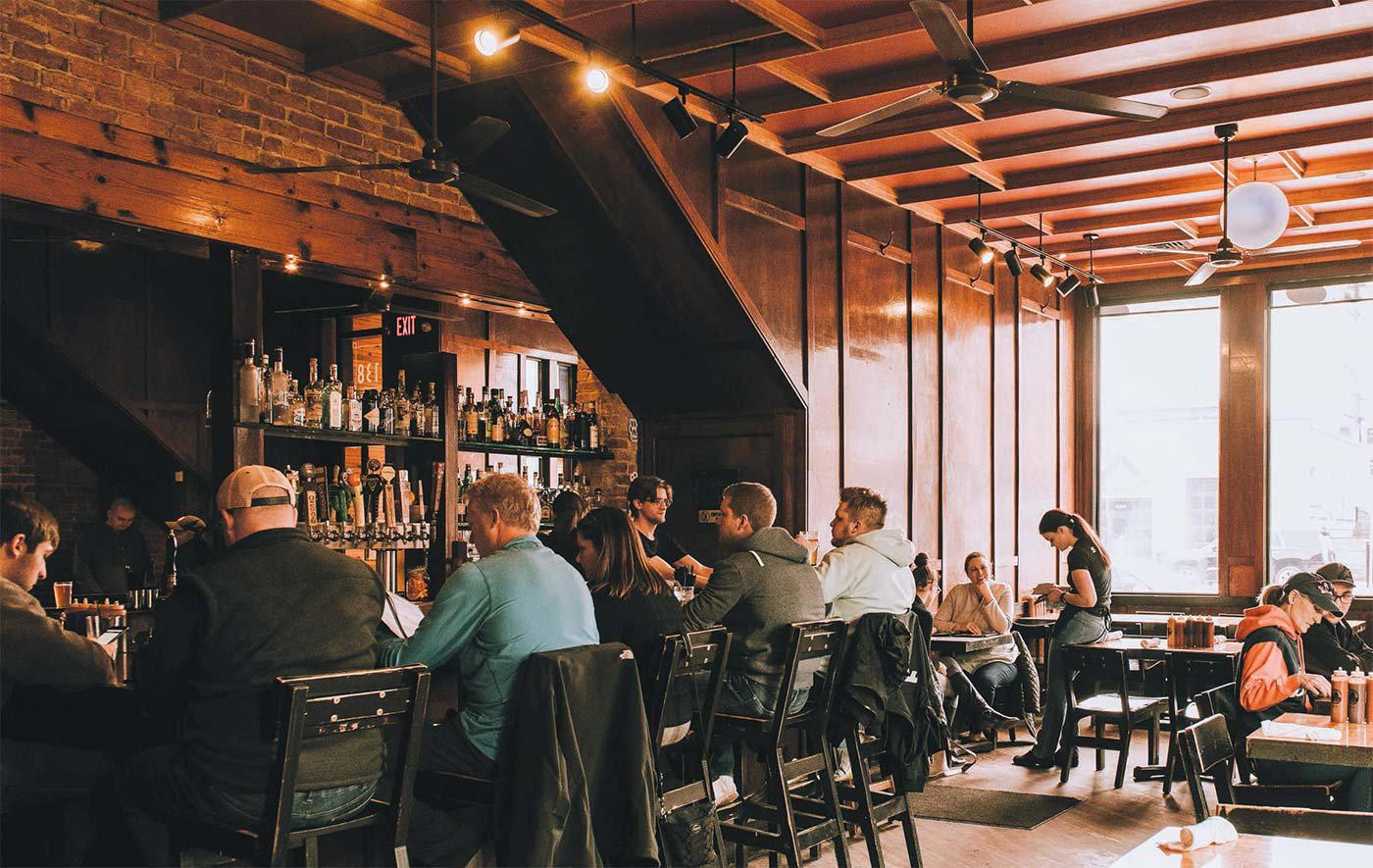
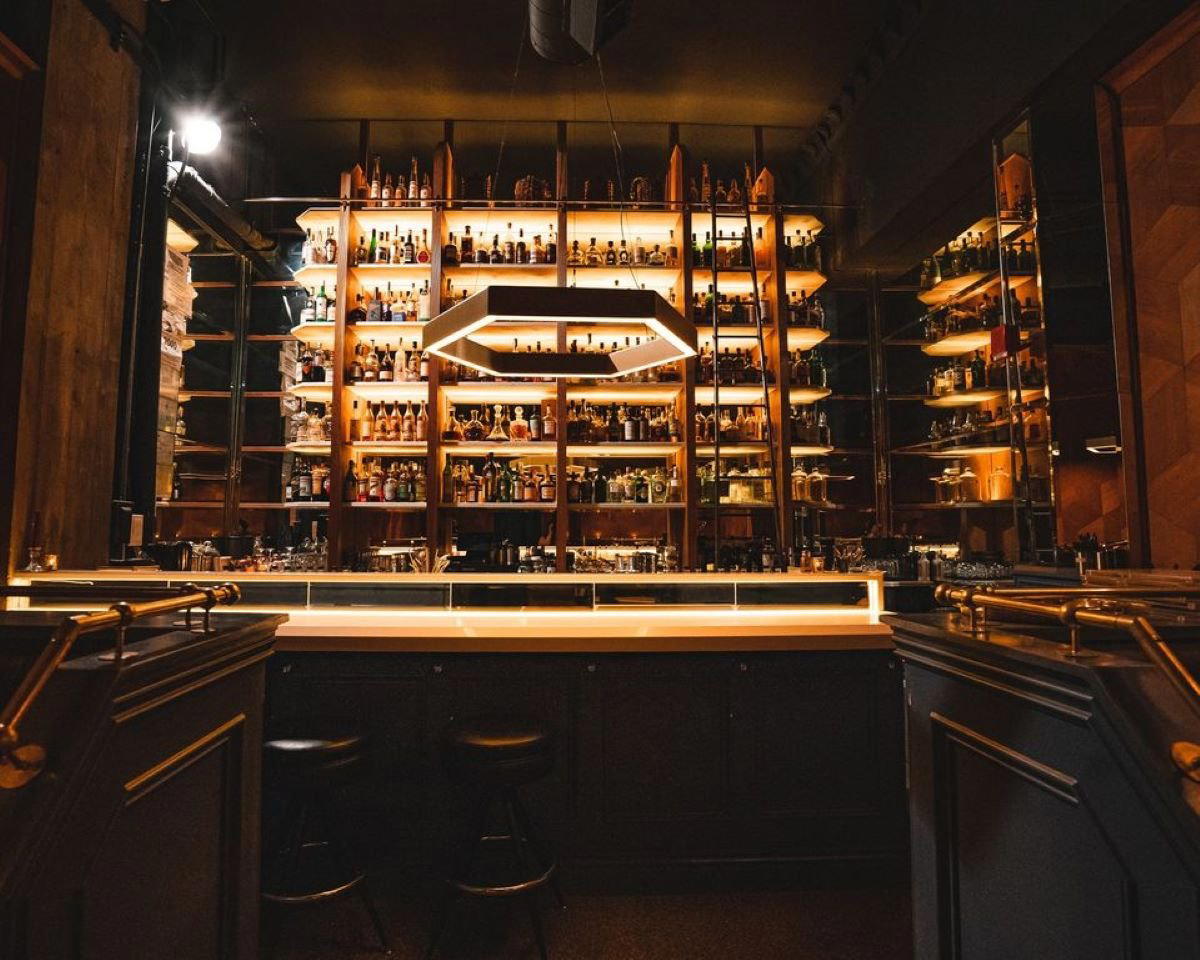
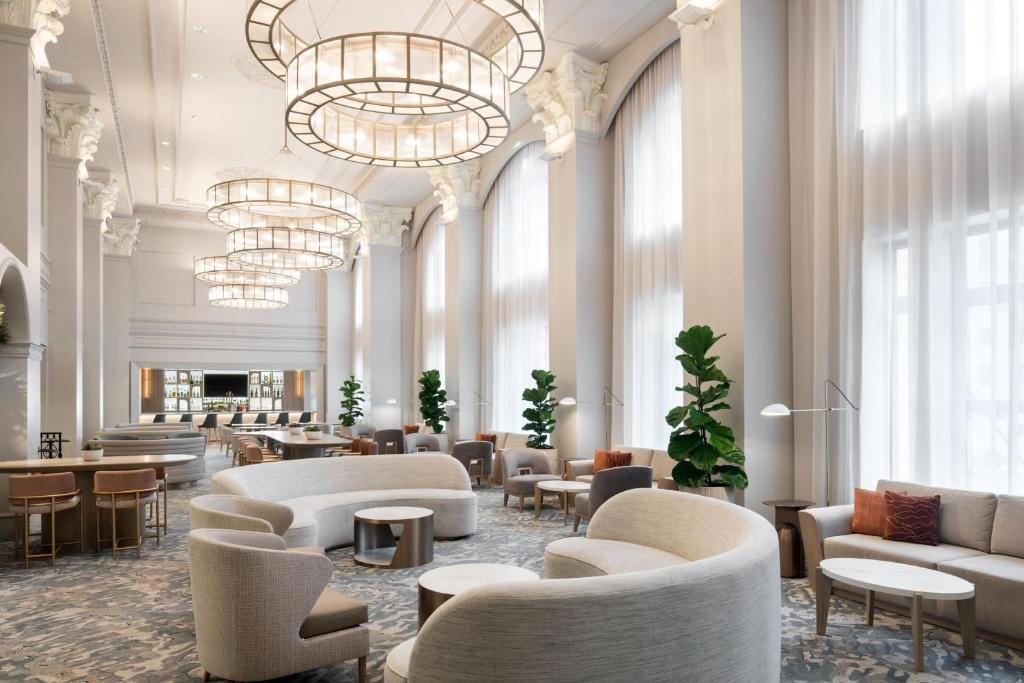
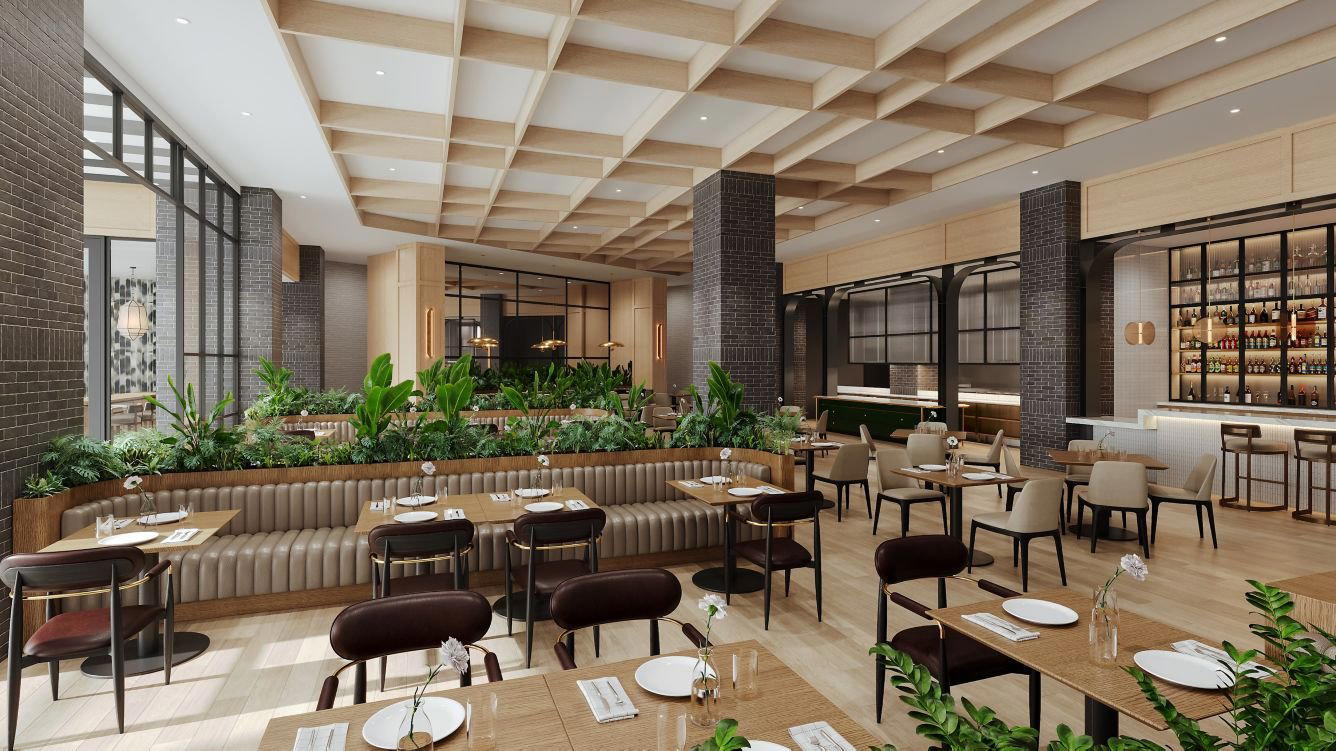
Charming, cozy, and welcoming atmosphere in a converted former diner with a hip downtown vibe that feels warm and inviting.
Know Before You Go
- Getting there
- 1266 Michigan Ave, Detroit, MI 48226