Folk Detroit
Folk Detroit occupies a converted space at 1701 Trumbull in Detroit's Corktown neighbourhood, placing it within a dining corridor that has reshaped how the city presents itself to serious eaters. The restaurant draws on American folk traditions and seasonal cooking in a format that reads as part of Detroit's broader shift toward ingredient-driven, locally rooted dining.
Pearl is the En Primeur Club membership app — saves, bookings, and concierge access live there. Same editors, same standards.
- Address
- 1701 Trumbull, Detroit, MI 48216
- Phone
- +1 313 742 2672
- Website
- folkdetroit.com
- Directions
- Get directions
 Saves & bookings on Pearl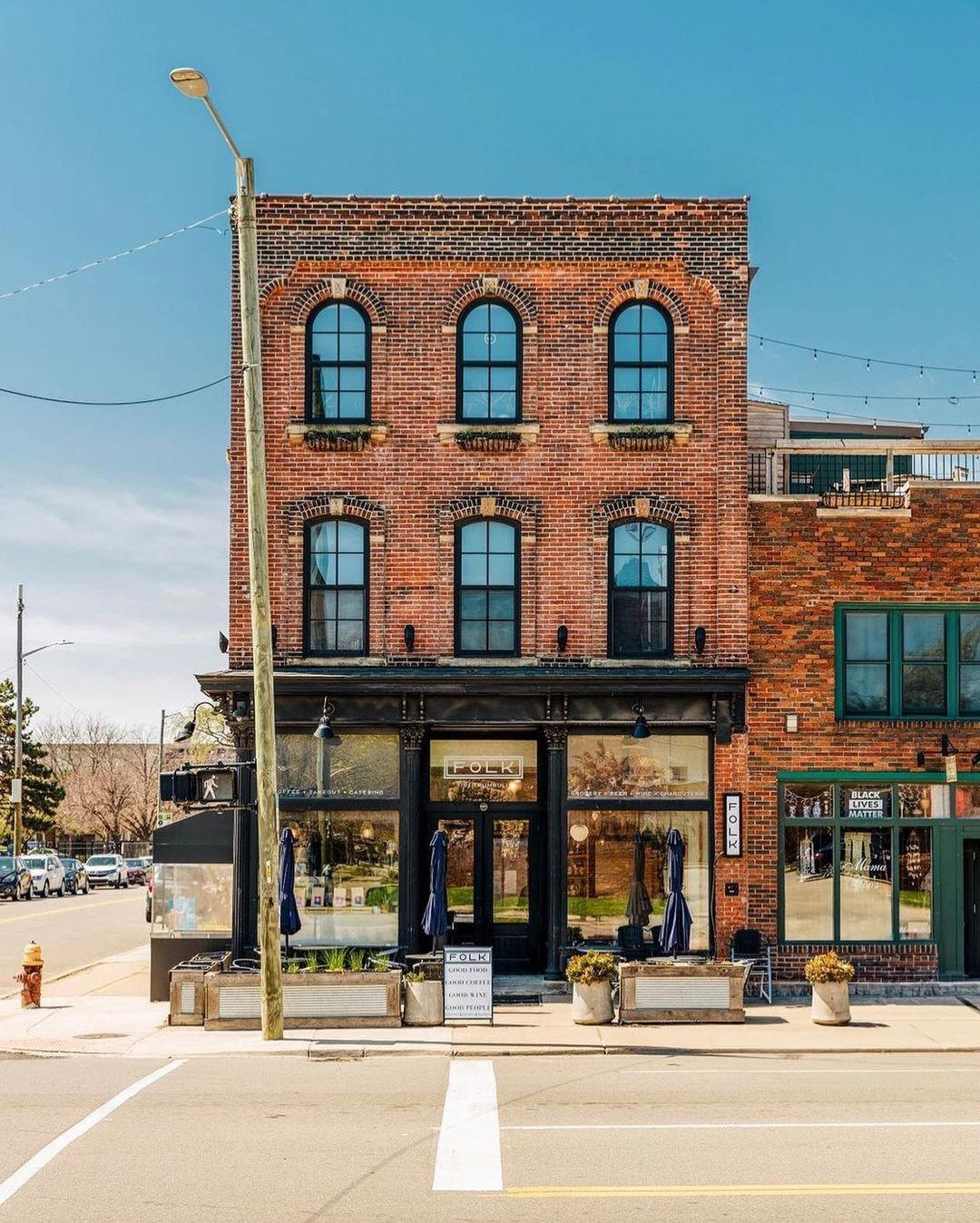
Corktown's Table: Where Detroit's Neighbourhood Dining Found Its Footing
There is a particular quality of light and texture that defines Detroit's older commercial corridors in the early evening. On Trumbull Avenue, the low brick facades and wide sidewalks create an unhurried approach that suits the restaurant's casual, daytime rhythm. Folk Detroit, at 1701 Trumbull, sits inside that atmosphere rather than apart from it. The address places it squarely in Corktown, a neighbourhood that has spent the last decade rebuilding its identity around small-format, operator-driven restaurants that reflect Detroit's working-class food culture as much as its aspirations toward national dining recognition.
Corktown's dining character differs meaningfully from the Midtown corridor or the New Center area. Where those zones have drawn institutional investment and larger footprints, Corktown has accumulated a tighter cluster of independent rooms. Folk Detroit belongs to that cluster, alongside neighbours like Alpino and ADELINA, both of which operate within the same neighbourhood logic: smaller capacity, focused menus, a sense that the room has been chosen deliberately rather than assigned by lease availability.
American Folk Cooking and What It Actually Means in 2025
The term "folk" carries real weight in American culinary history, and using it as a restaurant name stakes a specific position. Folk traditions in American cooking are rooted in preservation, fermentation, wood fire, and the intelligence of working-class pantries. These are techniques that predate the professionalisation of American restaurants and existed for reasons of necessity as much as taste. When contemporary American restaurants invoke this tradition, the more credible ones do so through sourcing relationships, fermentation programs, and a willingness to serve produce and proteins that don't resolve into the safe, the decorative, or the familiar.
Detroit is a reasonable city in which to pursue this approach. The surrounding region has a serious agricultural base, and the city's proximity to Michigan's fruit belt and its own history of resourceful home cooking give folk-inflected cooking local anchoring. Venues that operate in this register in the Midwest, from Smyth in Chicago to Blue Hill at Stone Barns in Tarrytown, have demonstrated that the format can sustain serious critical attention when the sourcing and technique are coherent. Detroit's own Selden Standard has occupied adjacent territory for years with a New American format that draws on similar seasonal and vegetable-forward instincts.
Folk Detroit positions itself within that tradition. The name signals intent: an alignment with pre-industrial American food culture rather than with the European fine-dining inheritance that still shapes much of the country's higher-end restaurant vocabulary. At farm-to-table venues with a folk orientation, the dish sequence tends to follow what is arriving from suppliers rather than what a fixed menu has committed to in advance. That operational flexibility is both a practical advantage and a statement of values.
Detroit's Broader Dining Shift and Where Folk Fits
Detroit's restaurant scene has moved considerably since the early 2010s, when the city's national dining identity was still largely defined by legacy institutions and a handful of white-tablecloth holdovers. The current Corktown cohort represents a different argument: that Detroit can sustain ingredient-driven, chef-led rooms without the formal dining infrastructure that cities like New York or San Francisco have built over decades. Comparisons to Le Bernardin in New York City or The French Laundry in Napa are instructive precisely because they show how different the Detroit model is: lower price points, tighter rooms, less ceremony, and a direct relationship between the kitchen and a neighbourhood that is still actively being rebuilt.
That context matters when assessing what Folk Detroit is doing. It is not operating in a market with forty years of fine-dining infrastructure behind it. It is operating in a city where American Coney Island still anchors one end of the dining conversation and where venues like Baobab Fare have proven that authentic, culturally specific cooking draws serious attention from both local and visiting diners. The folk-cooking register fits naturally into this plurality.
For a fuller picture of how the restaurant sits within the city's current dining options, the EP Club Detroit restaurants guide maps the scene across neighbourhoods and formats, including venues like Amore da Roma, 313 Cinnamon Rolls, and Vecino.
How to Approach a Meal Here
Folk-format restaurants in this tier tend to reward diners who engage with the menu's logic rather than arriving with fixed expectations. The seasonal orientation means that what was served three months ago may no longer be on offer, and dishes built around preservation or fermentation can arrive with flavour profiles that surprise guests accustomed to more conventional preparations. Coming with curiosity about the sourcing and the technique will return more than arriving with a checklist.
Weekend tables at well-regarded Corktown rooms tend to move faster than weekday slots, particularly in the late autumn and early spring when the city's dining activity concentrates.
The 1701 Trumbull address is in Corktown, with street parking available on surrounding blocks. The neighbourhood character means the approach is more residential than commercial, which reinforces the kind of informal hospitality that folk-inflected restaurants tend to project. The dress code is casual.
In Comparison with the Wider American Folk-Seasonal Field
Nationally, the farm-to-table and folk-cooking format has produced some of the decade's most discussed rooms. Single Thread Farm in Healdsburg operates at the extreme high-resource end of the same impulse, with its own farm and a tasting-menu format that reflects that investment in price and ceremony. Lazy Bear in San Francisco applies a communal, camp-fire aesthetic to the same seasonal sourcing logic. Addison in San Diego and Providence in Los Angeles represent the more formally structured end of California's ingredient-led tradition.
The restaurant operates outside that high-ceremony register. Its comparable set is closer to neighbourhood operators in cities like Chicago and New Orleans, where Emeril's established a precedent for chef-driven rooms that engage with local food culture without requiring the full apparatus of fine dining. Atomix in New York City and Atelier Moessmer Norbert Niederkofler in Brunico represent an international tier of sourcing-led tasting menus that share philosophical DNA with the folk cooking tradition, even when they present it under different levels of formality and price. The Inn at Little Washington offers yet another data point: a rurally rooted American room that has sustained decades of critical recognition by staying committed to its regional identity.
The restaurant's Corktown address, its name, and its position within Detroit's current dining moment all suggest a room that has thought carefully about which tradition it is entering and which comparable set it is competing within. That kind of self-awareness, in a city still actively building its dining infrastructure, is worth attention.
Planning Your Visit
The restaurant is located at 1701 Trumbull, Detroit, MI 48216, in the Corktown neighbourhood. The restaurant is open daily from 9 AM to 3 PM, and reservations are recommended. The dress code is casual. For context on parking and neighbourhood access, Corktown is one of Detroit's more walkable commercial districts, with the Michigan Avenue corridor a short walk away.
Budget and Context
Comparable venues nearby, for context on price, style, and recognition.
| Venue | Cuisine | Price | Notes |
|---|---|---|---|
| Folk DetroitThis venue — the venue you are viewing | Corktown, Aussie-Style Cafe Brunch | $$ | Not listed |
| Downtown Louie's Grill | Not listed | $$ | East Necklace, Modern American with European influence |
| Slow Bars Bar-BQ | North Corktown, Detroit-Style Barbecue | $$ | Not listed |
| Lumen Detroit | Not listed | $$$ | Theater District, Modern American Brasserie & Beer Garden |
| Mudgie's Deli and Wine Shop | Not listed | $$ | Corktown, Scratch-Made Deli Sandwiches & Wine |
| Greedy Greg's Soul Food | East Side, Detroit Soul Food BBQ | $$ | Not listed |
At a Glance
- Cozy
- Modern
- Trendy
- Intimate
- Brunch
- Open Kitchen
- Natural Wine
- Local Sourcing
- Farm To Table
Current opening hours
- Monday
- 9 AM–3 PM
- Tuesday
- 9 AM–3 PM
- Wednesday
- 9 AM–3 PM
- Thursday
- 9 AM–3 PM
- Friday
- 9 AM–3 PM
- Saturday
- 9 AM–3 PM
- Sunday
- 9 AM–3 PM
Hours can change for holidays and private events. Last verified .
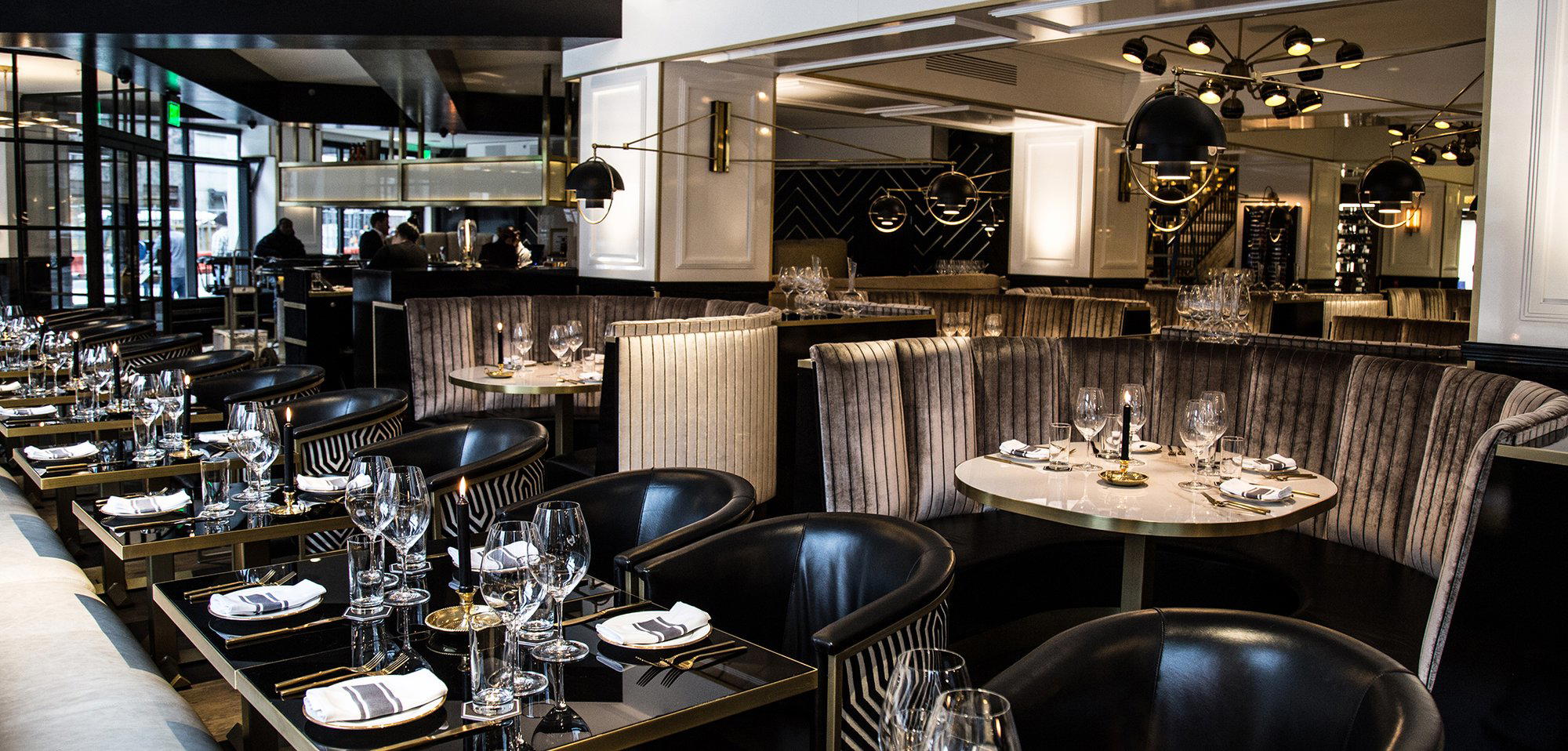
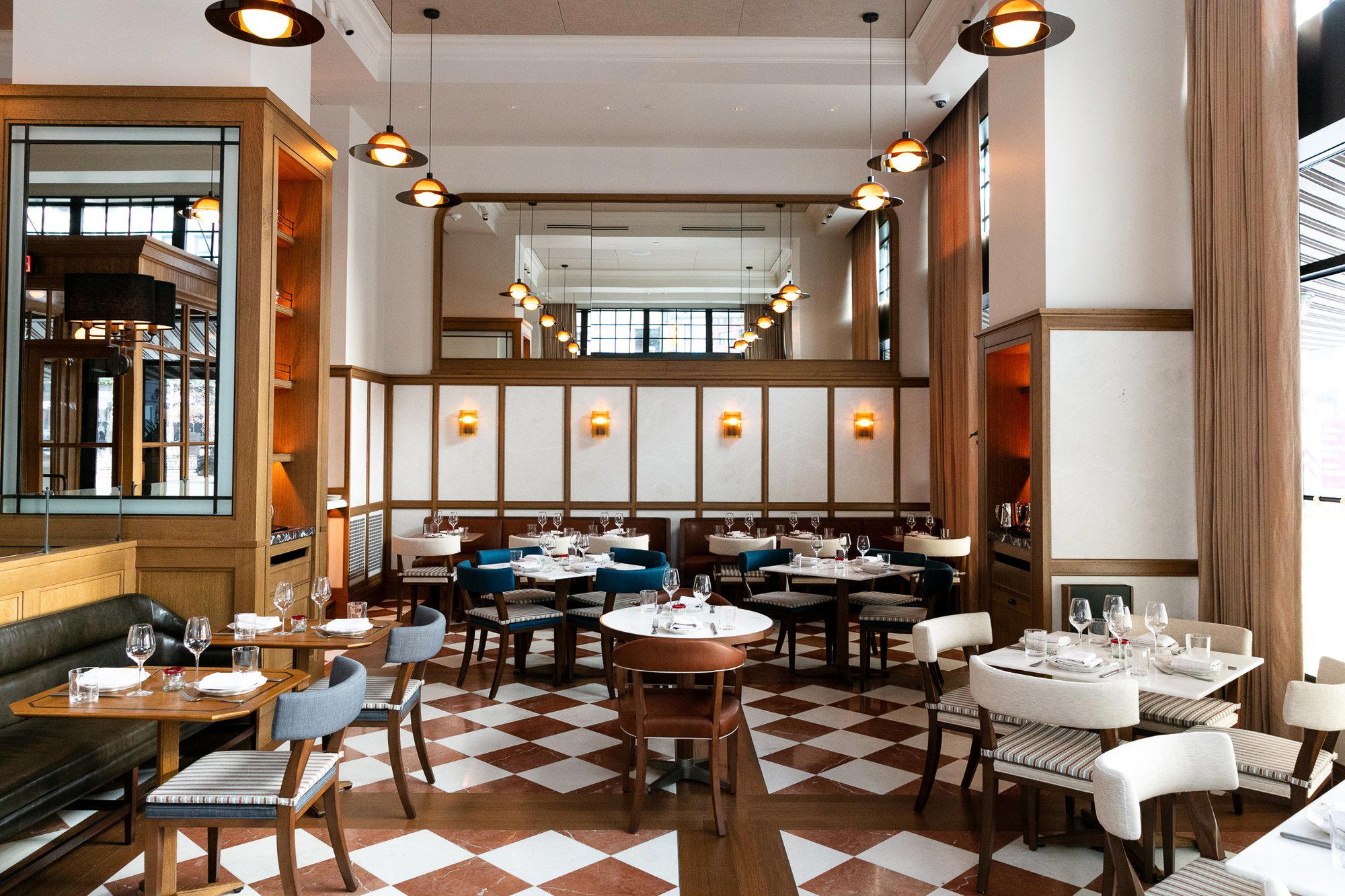
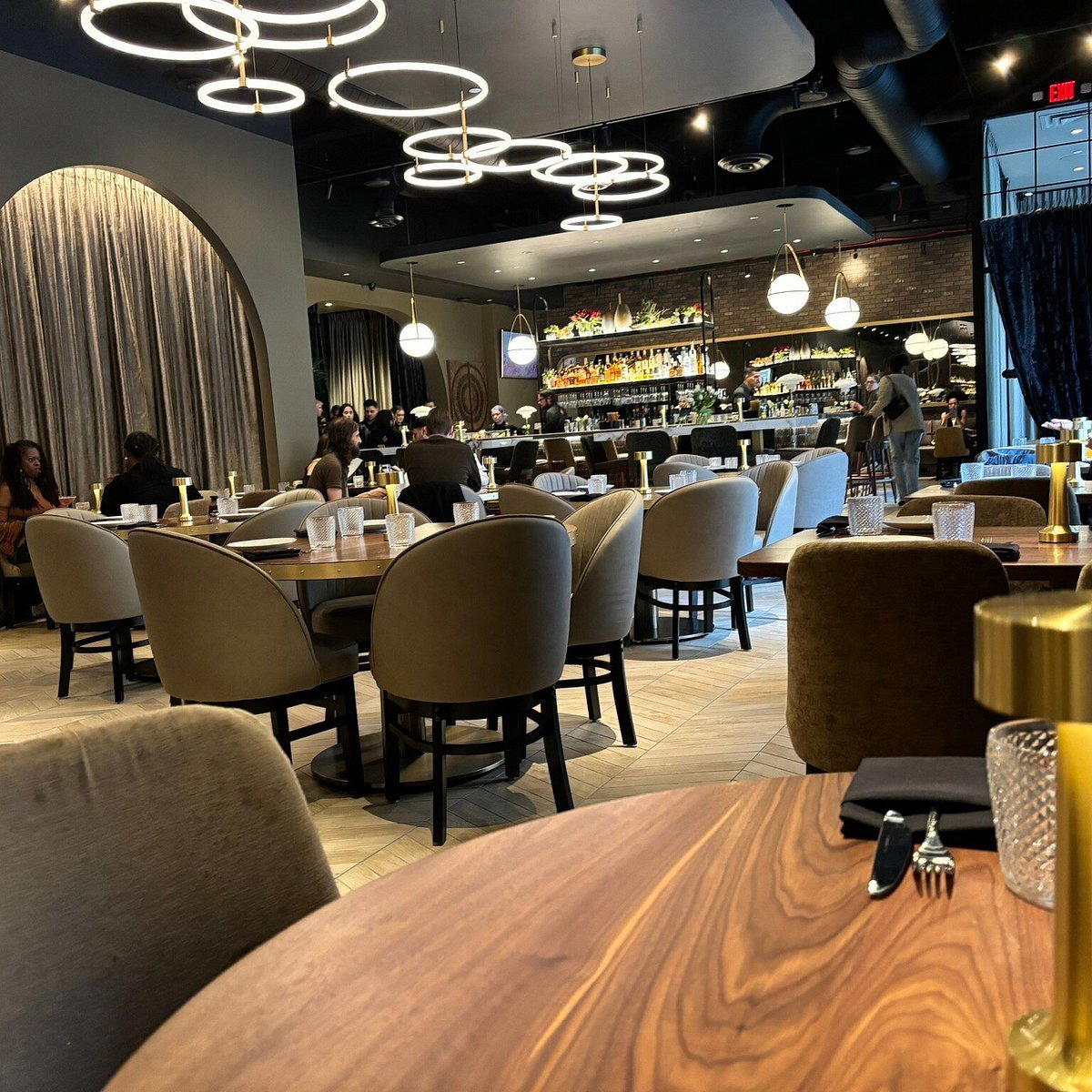
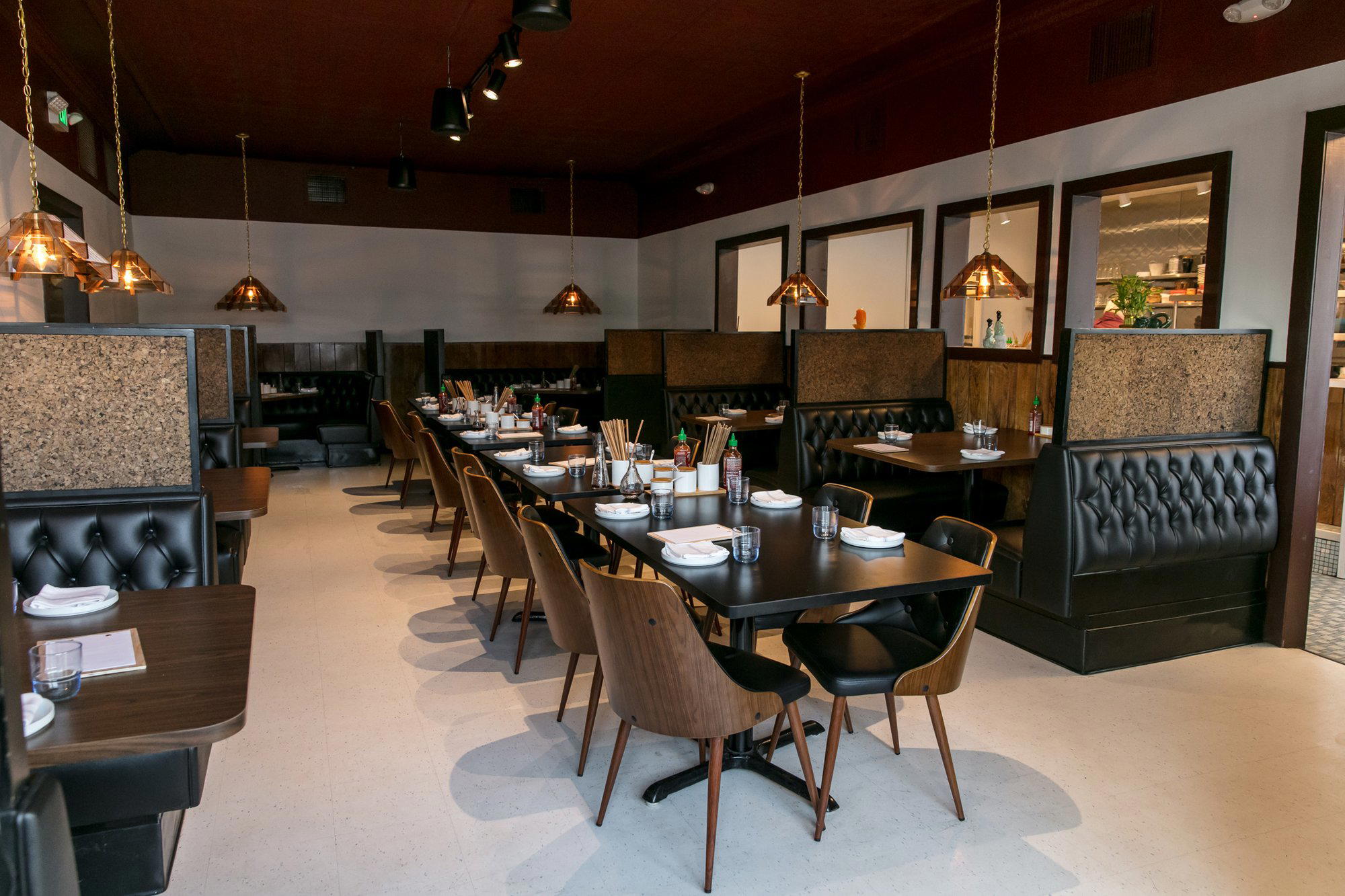
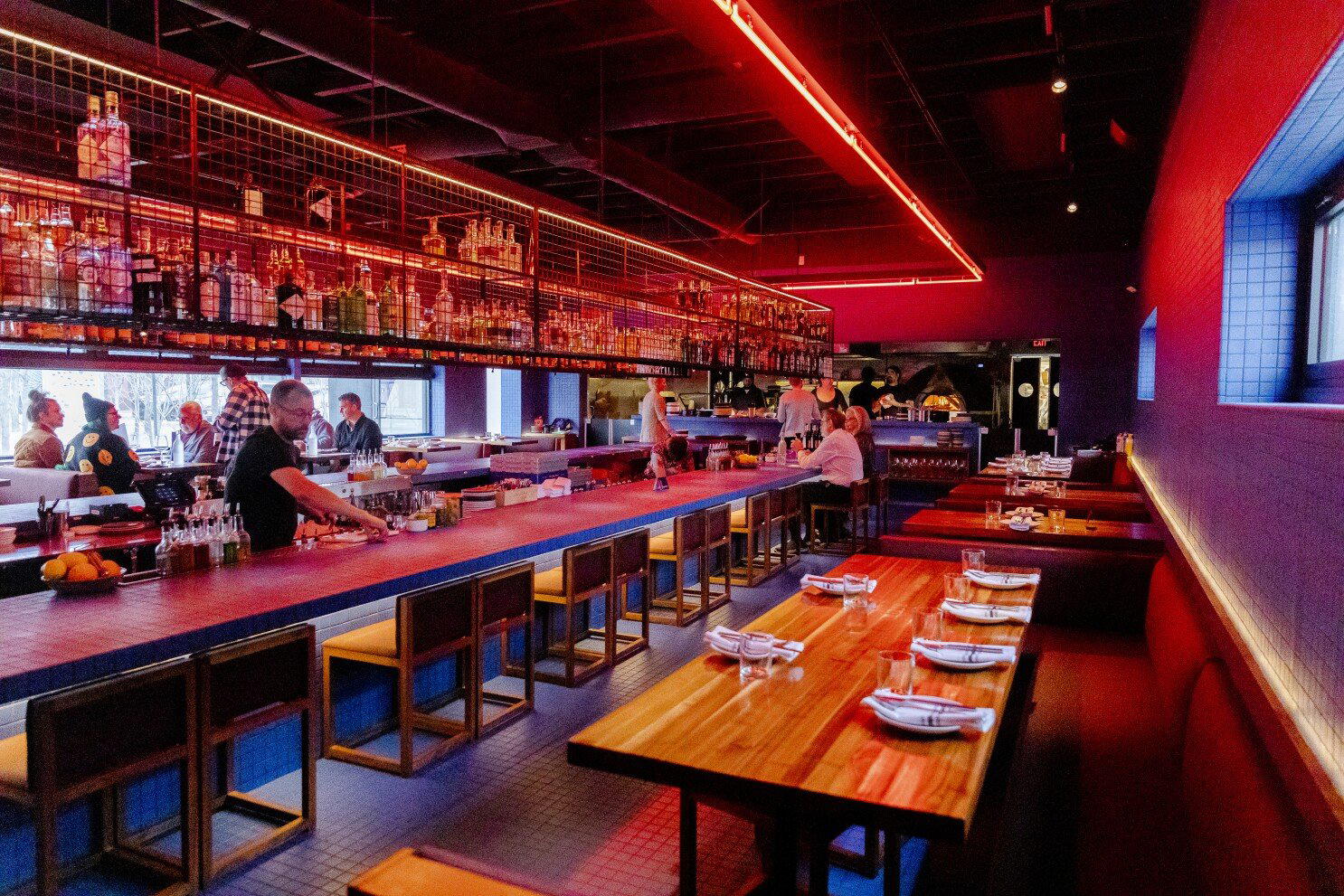
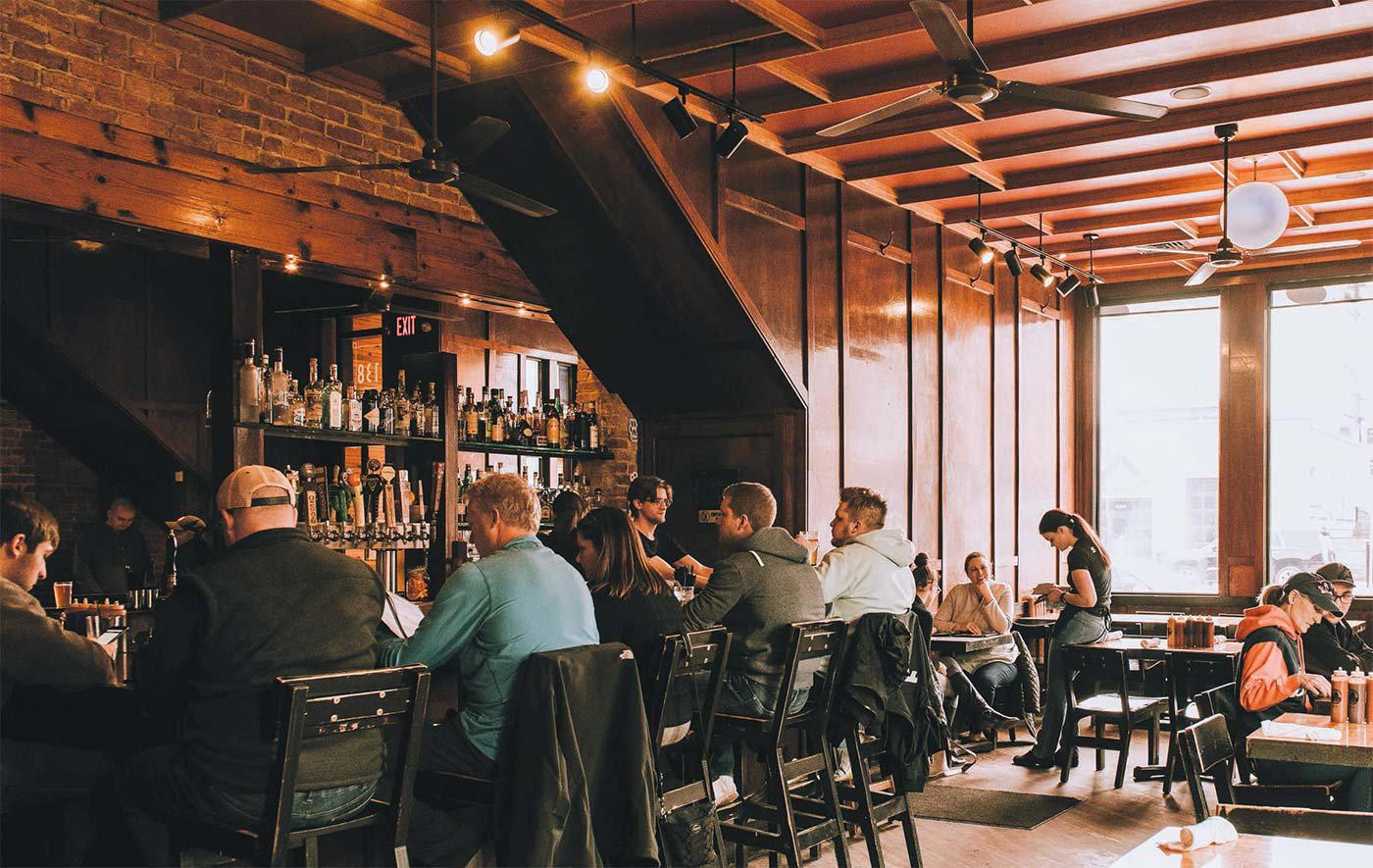
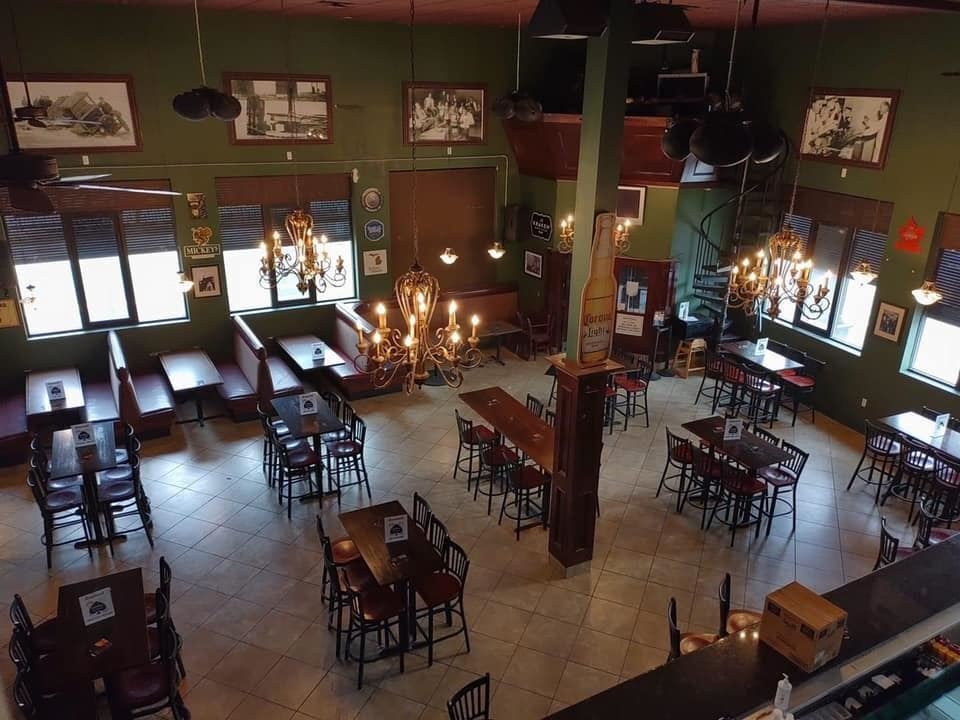
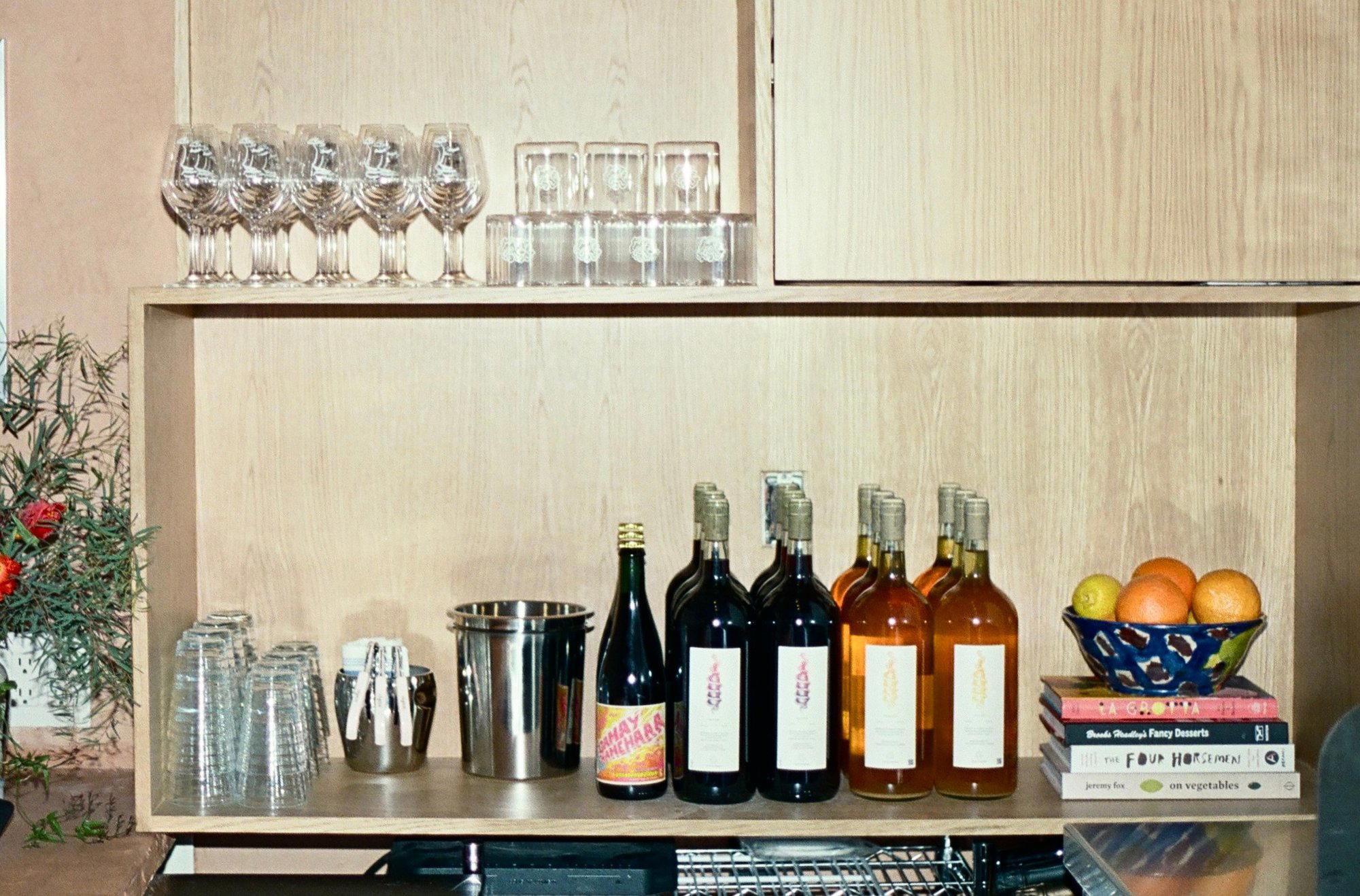
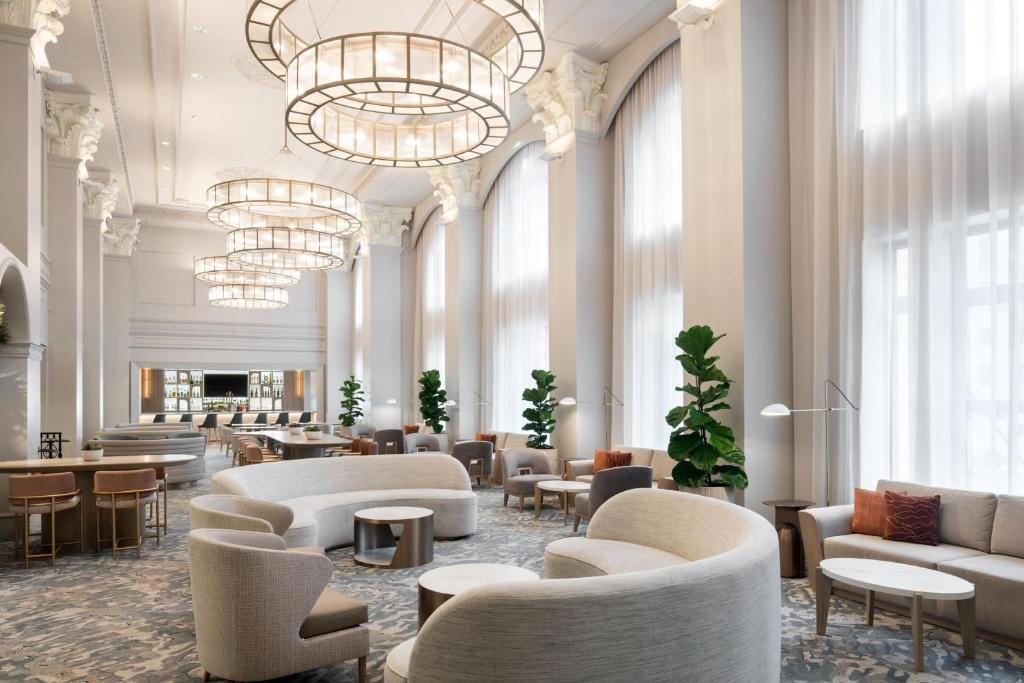
Bright, airy, and cozy atmosphere with a community-centered vibe.