Rootstalk

Michelin Plate
Our verdict
On Breckenridge's Main Street at 207 N Main St, Rootstalk occupies a specific niche in Colorado's mountain dining conversation: a kitchen that frames its identity through sourcing rather than spectacle. In a ski town more often associated with après-ski convenience than ingredient-led cooking, that positioning carries real editorial weight. The address alone signals a certain accessibility, but what Rootstalk does with it merits closer attention.

Pearl is the En Primeur Club membership app — saves, bookings, and concierge access live there. Same editors, same standards.
- Address
- 207 N Main St, Breckenridge, CO 80424
- Phone
- (970) 453-9124
- Hours
- Mon–Thu 4–8:30 PMFri–Sat 4–9 PMSun 4–8:30 PM
- Website
- rootstalkbreck.com
- Directions
- Get directions
- Booking
- Book on Tock
The menu
What to order
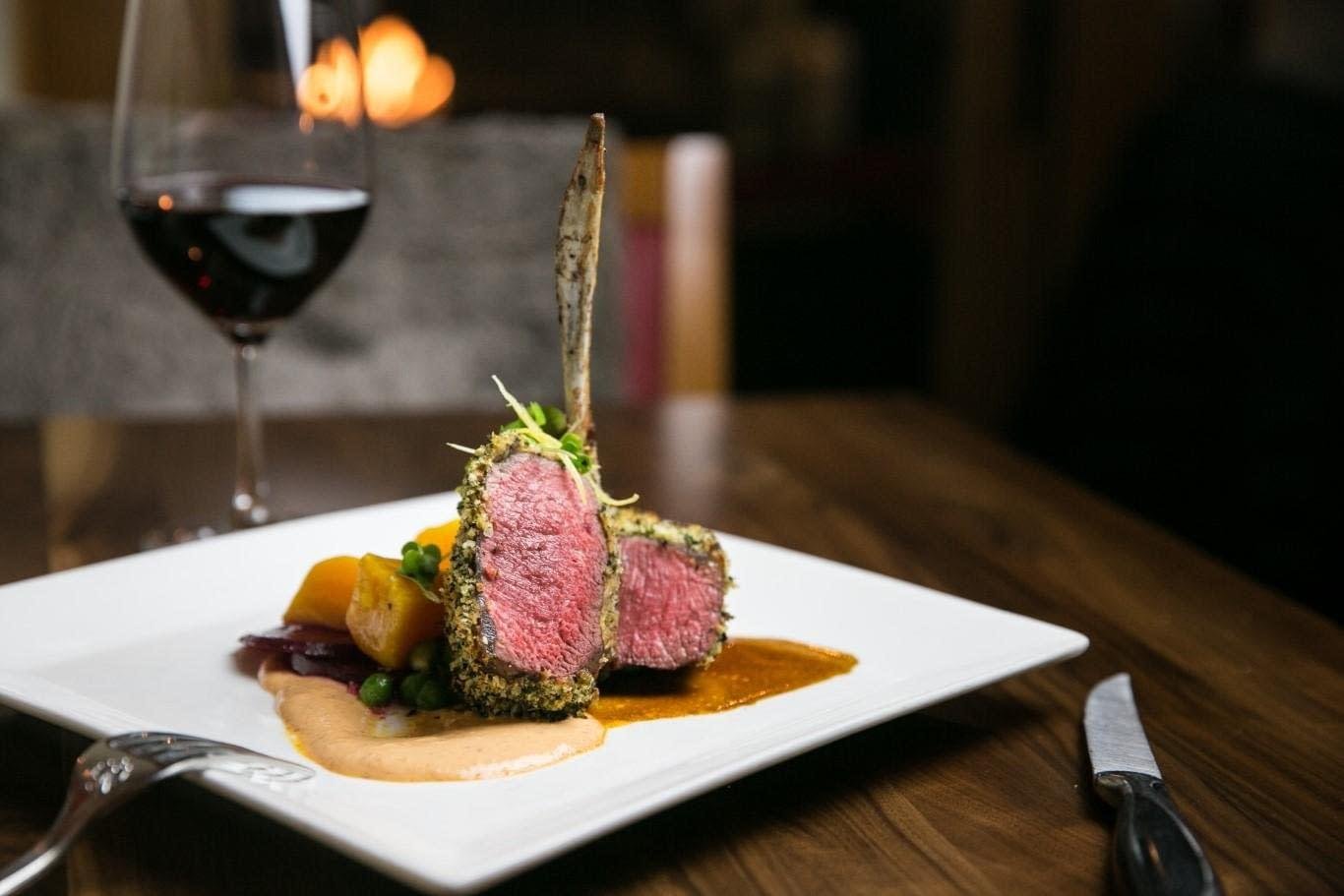
- Day Boat Tuna Crudo
- Prime Beef Tartare
- Seremoni Black Cod
- Alba White Truffle Tagliatelle
- Magret Duck Breast à l'Orange
- Dry Aged N.Y. Strip
Ingredient-Led Cooking in the High Rockies
Mountain resort towns occupy an awkward position in any serious dining conversation. The economics favour volume: high turnover, seasonal visitors, menus engineered for the widest possible appeal. Against that backdrop, the restaurants that choose a harder route — sourcing with intent, cooking with a defined point of view — tend to announce themselves clearly, even when they resist the promotional language that makes them easy to categorise. Rootstalk, at 207 N Main St in Breckenridge, sits in that more deliberate category. The address places it on the commercial spine of a ski town that sits above 9,600 feet in Summit County, Colorado, a location that makes supply chains genuinely complicated and sourcing discipline genuinely difficult. When a restaurant in this environment chooses to organise itself around where its ingredients come from, that choice has practical weight in a way it wouldn't in, say, Denver or Boulder.
Colorado's mountain dining scene has historically lagged its urban counterparts. The Front Range cities built their farm-to-table infrastructure over two decades; Breckenridge, like most ski resort towns, moved more slowly, constrained by altitude logistics, shorter operating seasons, and a customer base that often prioritises convenience over complexity. That gap has been narrowing. A handful of mountain kitchens have begun importing the sourcing rigour more associated with urban fine-dining programs, the kind of relationship-driven ingredient work you see at Single Thread Farm in Healdsburg or Blue Hill at Stone Barns in Tarrytown, and applying it at altitude, with all the logistical friction that entails.
The Sourcing Argument at Altitude
The broader American fine-dining conversation around sourcing has matured significantly. Ingredient provenance is no longer a marketing differentiator at the top of the market, it is a baseline expectation. At restaurants like Le Bernardin in New York City or Providence in Los Angeles, sourcing specificity is built into the kitchen's operating logic at a structural level. The question for mountain-town restaurants is whether that same discipline is achievable when you are operating in a compressed season, at altitude, with a supply network that doesn't have the depth of a major metropolitan market.
Colorado does offer real agricultural resources: ranches on the Western Slope, producers in the San Luis Valley, mushroom foragers working the high-country forests in summer and early autumn. A kitchen in Breckenridge that builds relationships with those producers rather than defaulting to broadline distribution is making a specific choice about what kind of restaurant it wants to be. That choice shapes everything downstream: the menu's range, the kitchen's flexibility, the degree to which the cooking actually reflects the season and the geography. It is, in the Colorado context, the difference between a restaurant that happens to be in the mountains and one that is genuinely of the mountains.
Nationally, the restaurants that have most successfully built their identity around sourcing relationships, The French Laundry in Napa, Bacchanalia in Atlanta, Addison in San Diego, have done so by making the supply relationship visible in the dining experience, not just the marketing copy. The ingredient's origin becomes a point of conversation, its seasonality a structuring principle for the menu. That level of integration takes years to build and is considerably harder to execute at a high-mountain address than at sea level.
Where Rootstalk Sits in the Regional Picture
Colorado's most talked-about ingredient-driven kitchens are concentrated on the Front Range. Brutø in Denver and Frasca Food & Wine in Boulder represent the upper bracket of that conversation, with sourcing programs and supplier relationships built over many years. Breckenridge operates at a different scale and serves a different primary audience, resort visitors and second-home owners rather than a dense local dining public, but that doesn't make the sourcing question less interesting. If anything, it makes a committed kitchen more conspicuous.
The comparison set for a restaurant like Rootstalk isn't Alinea in Chicago or Atomix in New York City, where the peer group is defined by tasting-menu formalism and award-cycle recognition. It is closer to the cohort of regional American restaurants, Lazy Bear in San Francisco, Emeril's in New Orleans, The Inn at Little Washington in Washington, that have built durable reputations by rooting their cooking in a specific place and its specific agricultural character. The ambition is locational rather than formal. The question is whether the kitchen consistently delivers on that premise.
For visitors arriving in Breckenridge from resort-focused alternatives, Rootstalk's Main Street address on the 200 block makes it direct to reach on foot from the central ski area base. The practical logistics of a ski-town visit, early lifts, variable weather, equipment, mean that planning a dinner reservation in advance makes sense, particularly during peak winter season (late November through March) and the summer festival calendar (July and August), when Breckenridge's visitor numbers compress the available reservation inventory across all its serious dining options. The town's altitude also affects how visitors feel in their first 24 to 48 hours, which is worth considering when timing a longer dinner.
Visitors who have worked through the sourcing-led dining rooms at Causa in Washington, D.C., ITAMAE in Miami, or 8½ Otto e Mezzo Bombana in Hong Kong will recognise the editorial logic Rootstalk is operating within, even if the mountain-resort context gives it a different texture. The core proposition, that a kitchen should reflect the geography and agricultural season of its location, is consistent across those references. What changes is the degree of difficulty. Executing that proposition in Breckenridge requires navigating supply constraints, altitude logistics, and a visitor-heavy customer base that many of those other kitchens don't face. That difficulty, when a kitchen works through it successfully, is precisely what makes the result worth seeking out. For a fuller map of where Rootstalk fits within the Breckenridge dining picture, see our full Breckenridge restaurants guide.
Planning Your Visit
Rootstalk is located at 207 N Main St, Breckenridge, CO 80424. Given the compressed reservation availability during ski season and summer peak periods, booking in advance is the practical approach. Breckenridge sits in Summit County, roughly 80 miles southwest of Denver via I-70, and the town's walkable Main Street district means the restaurant is accessible from most central accommodation without a vehicle.
Frequently asked questions
Is Rootstalk okay with children?
Ingredient-led restaurant formats in mountain towns vary considerably on family accommodation, ranging from fully welcoming to formats that assume adult-only dinner pacing. Contacting the restaurant before booking with children is the straightforward step, particularly during peak ski season when the room may be operating at full capacity.
What's the overall feel of Rootstalk?
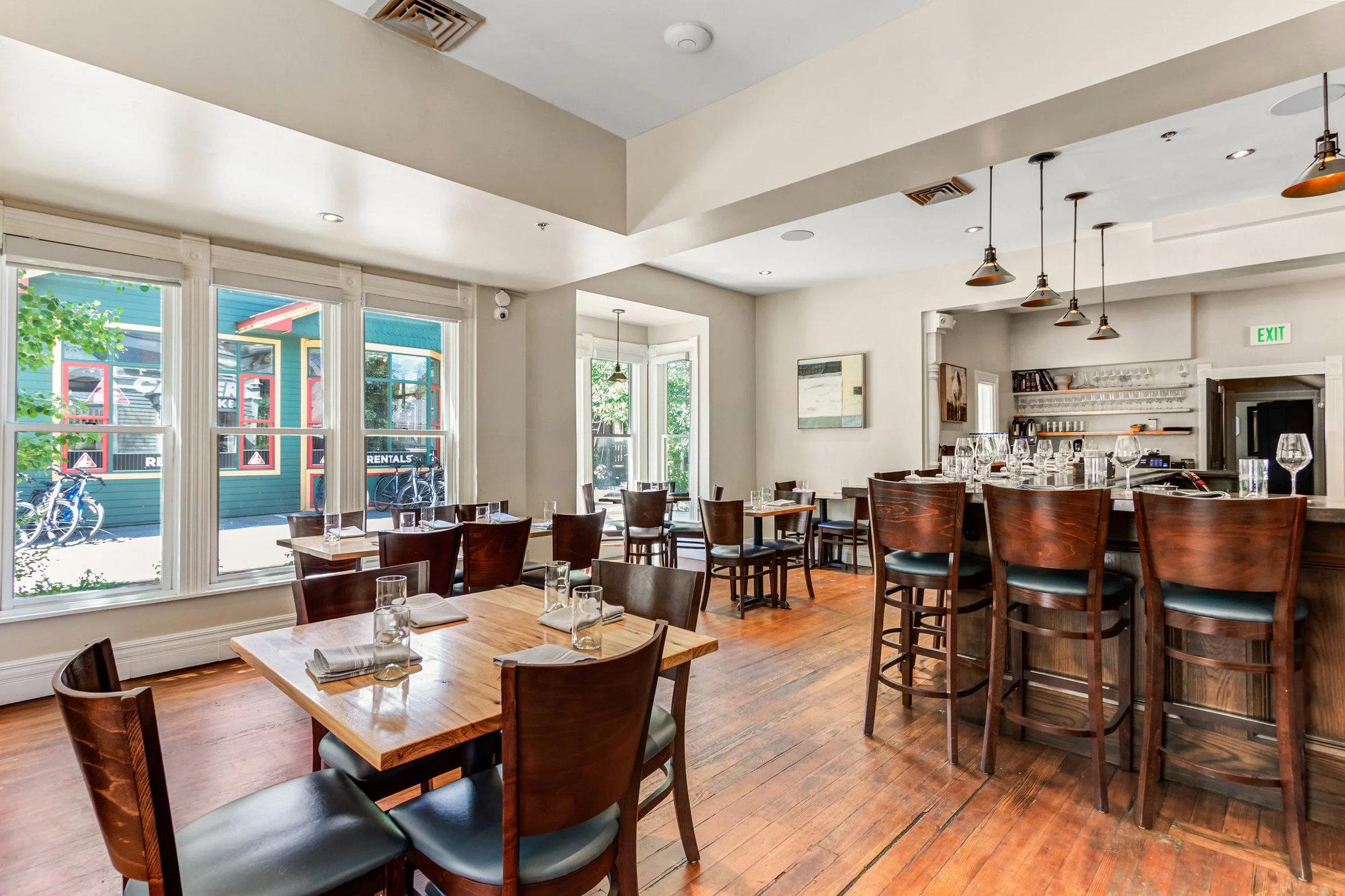
Breckenridge's Main Street dining rooms span a wide range: high-volume après-ski operations at one end, slower-paced, more deliberate sit-down formats at the other. Rootstalk's sourcing-led identity places it in the latter category, suggesting a room where the food is the primary event rather than the backdrop to a lively resort evening. That said, specific details on décor, service style, or noise level require a confirmed visit rather than inference from kitchen philosophy.
How does Rootstalk compare to other ingredient-driven restaurants in Colorado for visitors travelling from Denver or Boulder?
Colorado's most discussed sourcing-focused kitchens are concentrated on the Front Range, with Denver and Boulder operating in a denser, more competitive dining environment than any Summit County address. Rootstalk's position in Breckenridge, CO means it functions as a point of comparison within a resort context rather than a direct competitor to those urban kitchens. For Front Range diners already eating at farm-to-table formats regularly, the interest at Rootstalk is in seeing that sourcing argument applied at altitude, where supply logistics are genuinely more demanding.
What should I order at Rootstalk?
Specific dish recommendations require confirmed menu data, which changes with the seasons at a kitchen oriented around ingredient availability. Given Rootstalk's location in Breckenridge, CO, the most coherent approach is to ask your server what is driving the menu on the night you visit, particularly produce or proteins that reflect the current Colorado growing or foraging season. That question will tell you more about the kitchen's actual priorities than any fixed list.
Where do I go for Rootstalk?
Rootstalk is located at 207 N Main St, Breckenridge, CO 80424, Breckenridge.
Do I need a reservation for Rootstalk?
During Breckenridge's two peak windows — ski season running roughly late November through March, and the summer festival calendar from June onward — reservation availability at deliberate dining rooms on North Main Street compresses quickly. Booking ahead rather than walking in is the practical approach for either period. Shoulder seasons in May and October typically offer more flexibility, but contacting the restaurant directly before arrival remains advisable.
What is Rootstalk known for?
Rootstalk, at 207 N Main St in Breckenridge, is associated with an ingredient-sourcing approach that is relatively unusual for a mountain resort address. In a town where many kitchens default to volume-driven menus built for seasonal visitor turnover, a sourcing-led kitchen occupies a different position in the local dining conversation. That positioning places it alongside a broader national shift in American fine dining, where provenance and seasonal availability shape the menu rather than supplement it.
In Context: Similar Options
Comparable venues nearby, for context on price, style, and recognition.
| Venue | Cuisine | Price | Awards | Notes |
|---|---|---|---|---|
| RootstalkThis venue — the venue you are viewing | Contemporary American Farm-to-Table | $100–150 | Michelin Plate | Not listed |
| C Lazy U Ranch | Gourmet Ranch-Style Fine Dining | Not listed | Not listed | Granby |
| 7908 Aspen | Contemporary American Supper Club | Not listed | Not listed | Aspen Flyover 1/4 Section Grid |
| The Fort | Historic Western Steakhouse | $100–150 | Not listed | foothills |
| The Pullman | Creative New American | $30–50 | Not listed | Downtown Glenwood Springs |
| Colt & Gray | New American Gastropub | Not listed | Not listed | Highland |
Recognition history
Dated appearances from independent guides and award organizations, with the underlying list record or original source where available.
Michelin Plate
Michelin
Continue exploring
More in Breckenridge
Restaurants in Breckenridge
Browse all →
Bars in Breckenridge
Browse all →
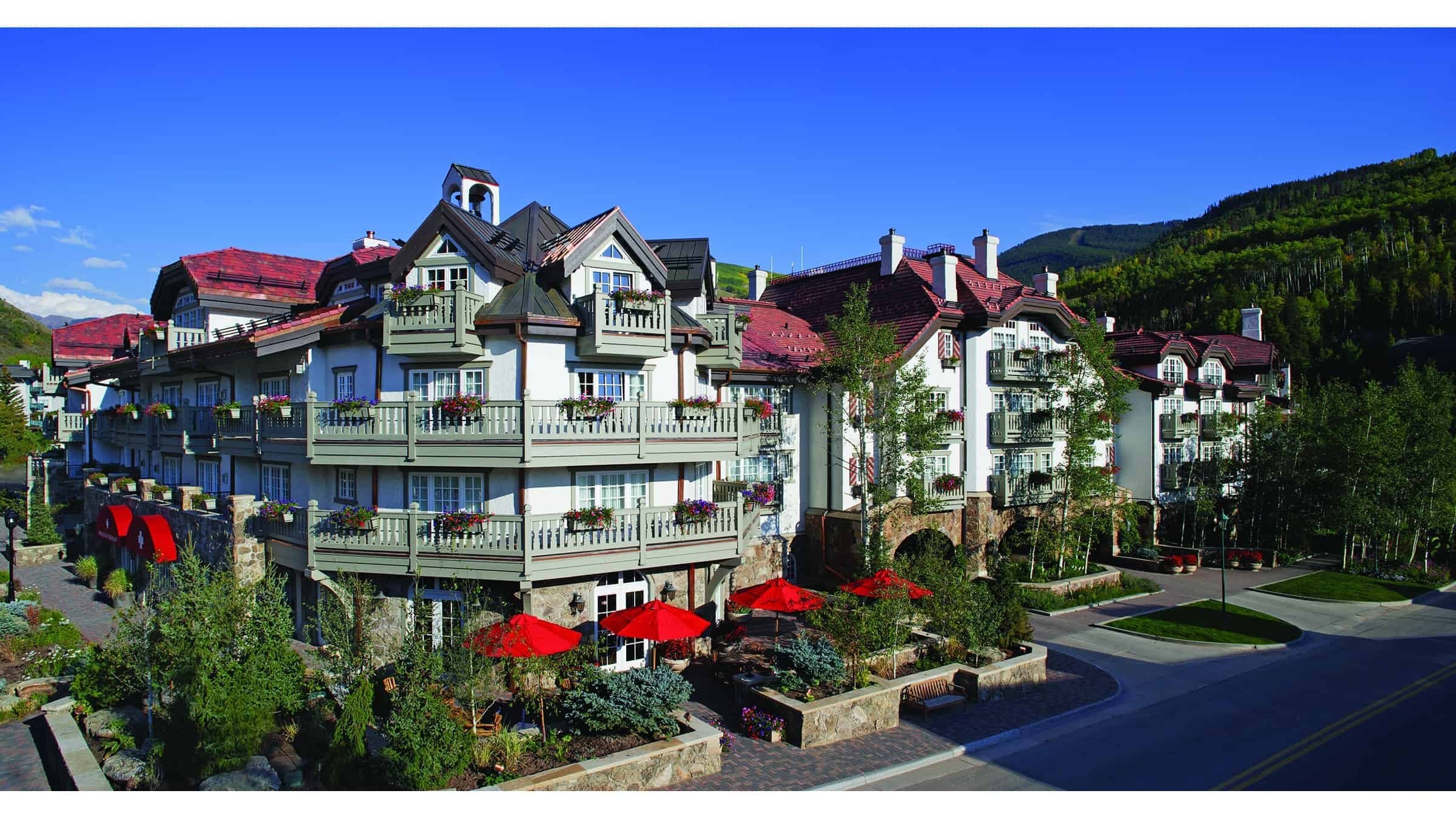
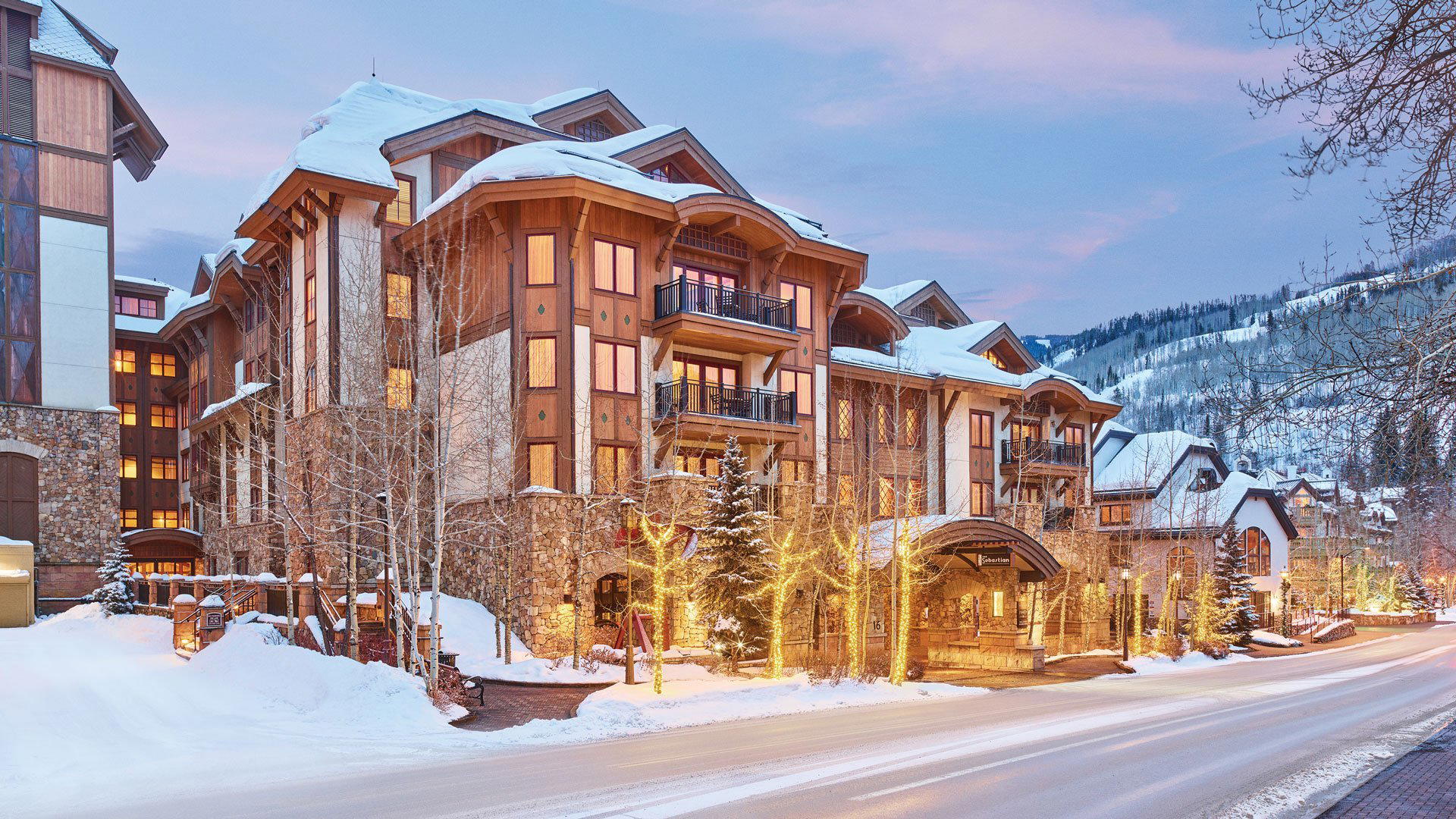
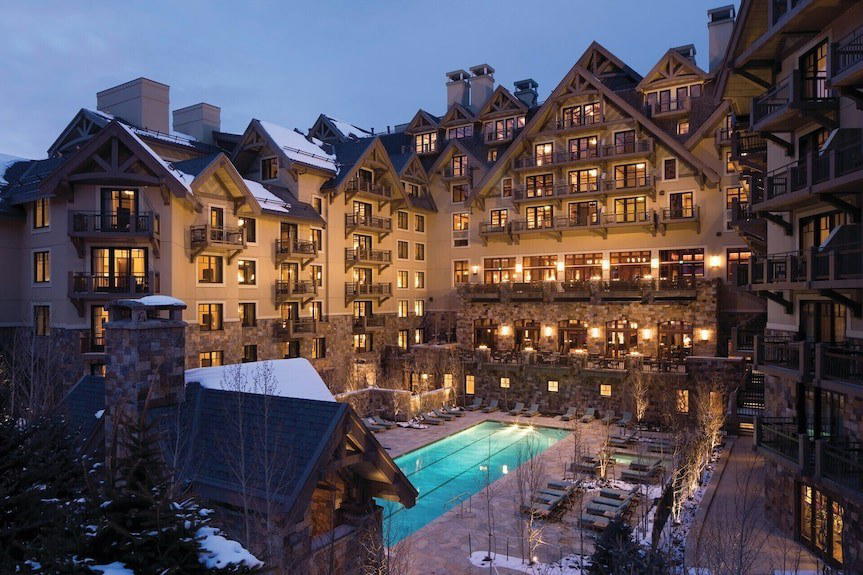
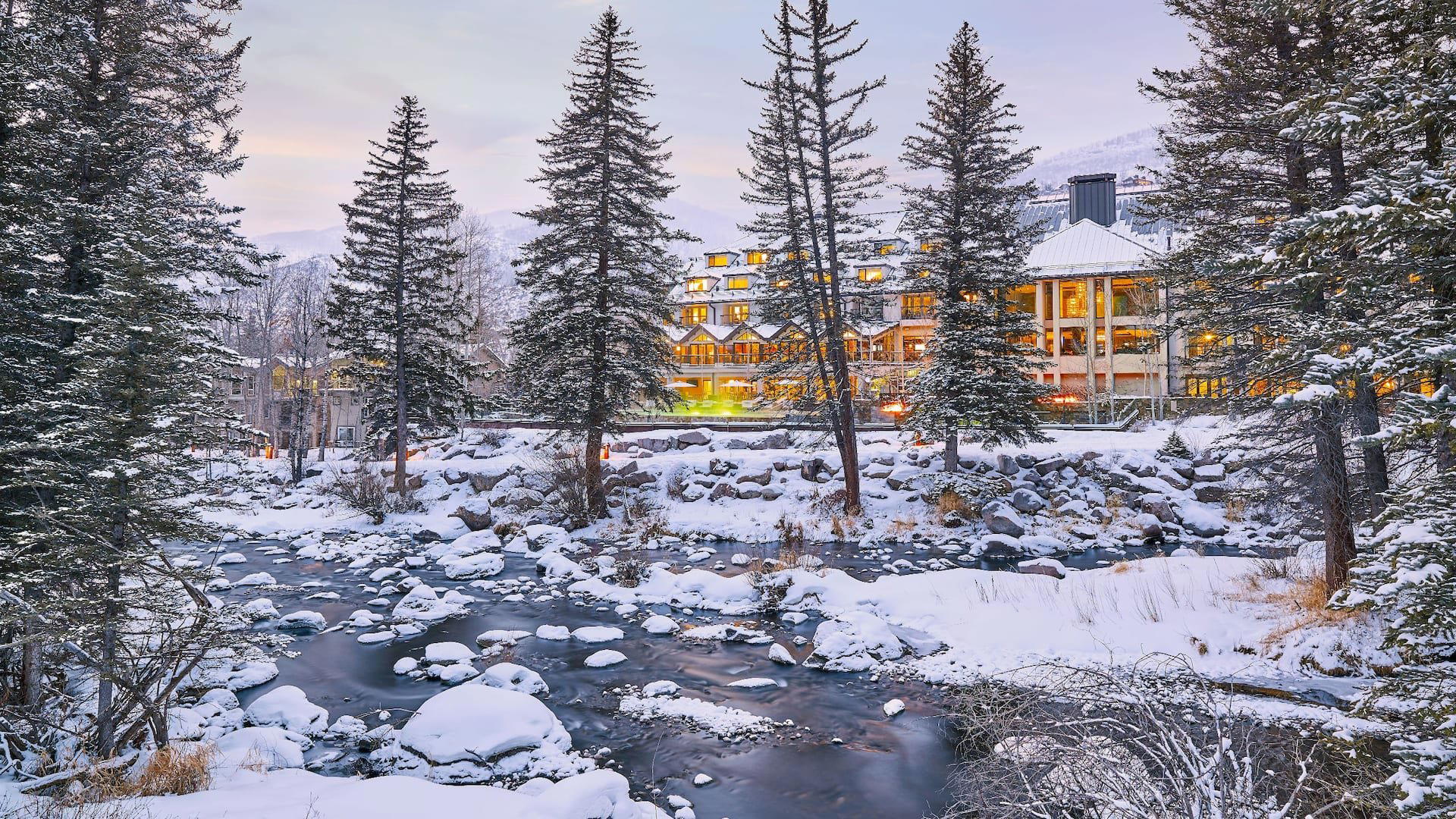
Rootstalk
The wine
- Wine program
- Curated wine list
- Sommelier-led
- Craft cocktails
Details
- Elegant
- Intimate
- Sophisticated
- Modern
- Date Night
- Celebration
- Special Occasion
- Group Dining
- Chefs Counter
- Open Kitchen
- Historic Building
- Craft Cocktails
- Sommelier Led
- Farm To Table
- Local Sourcing
- Mountain
- Street Scene
- Tasting Menu
- A La Carte
- Counter Dining
- Craft Cocktails
- Wine
- Vegetarian Friendly
- Vegan Options
- Allergy Accommodating
Current opening hours
- Monday
- 4–8:30 PM
- Tuesday
- 4–8:30 PM
- Wednesday
- 4–8:30 PM
- Thursday
- 4–8:30 PM
- Friday
- 4–9 PM
- Saturday
- 4–9 PM
- Sunday
- 4–8:30 PM
Hours can change for holidays and private events. Last verified .
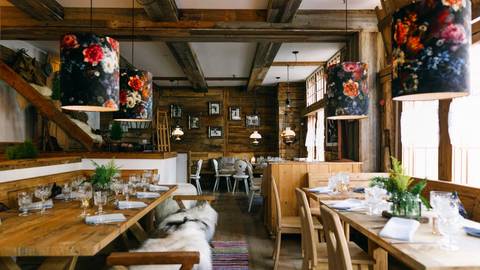
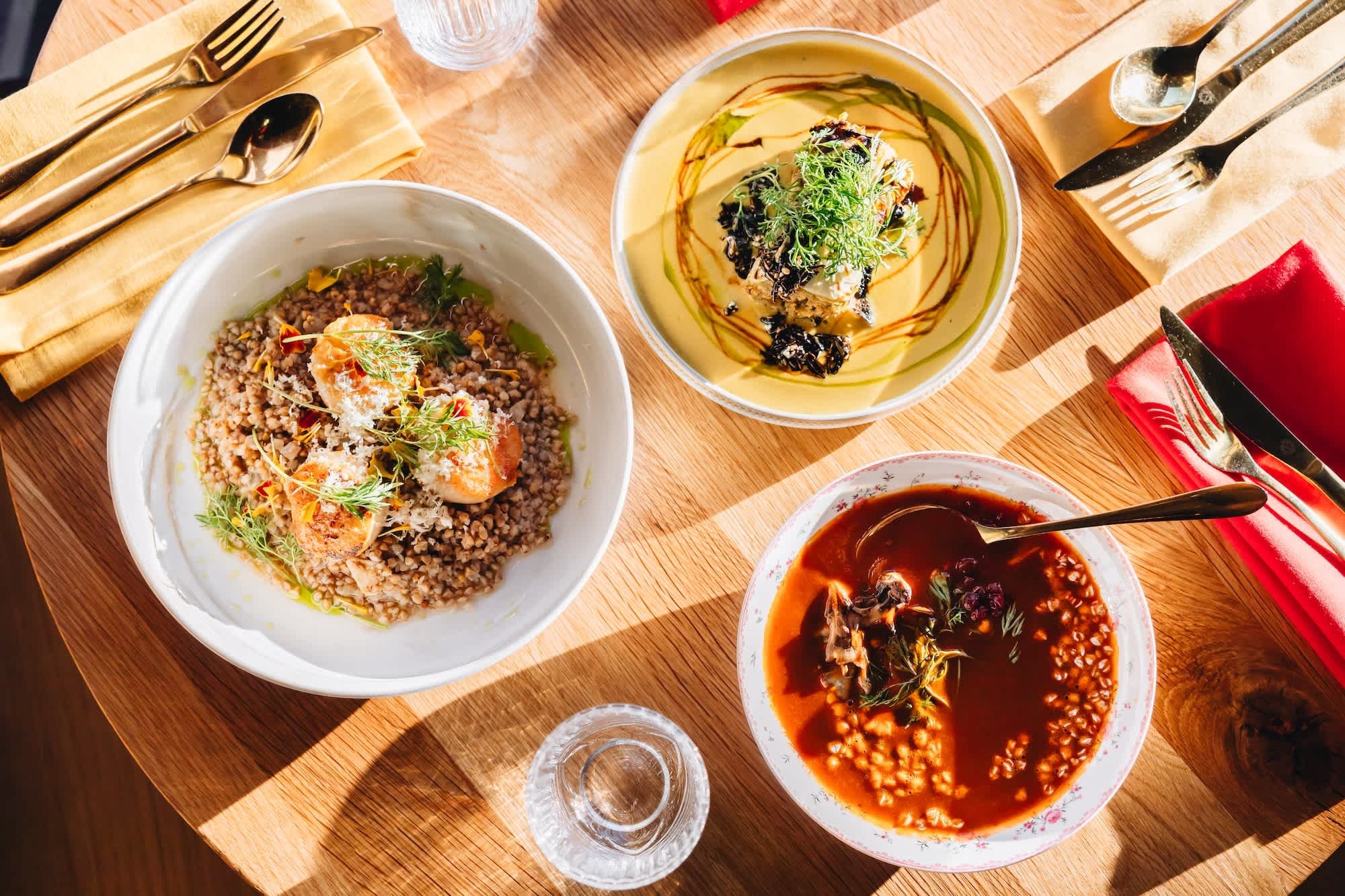
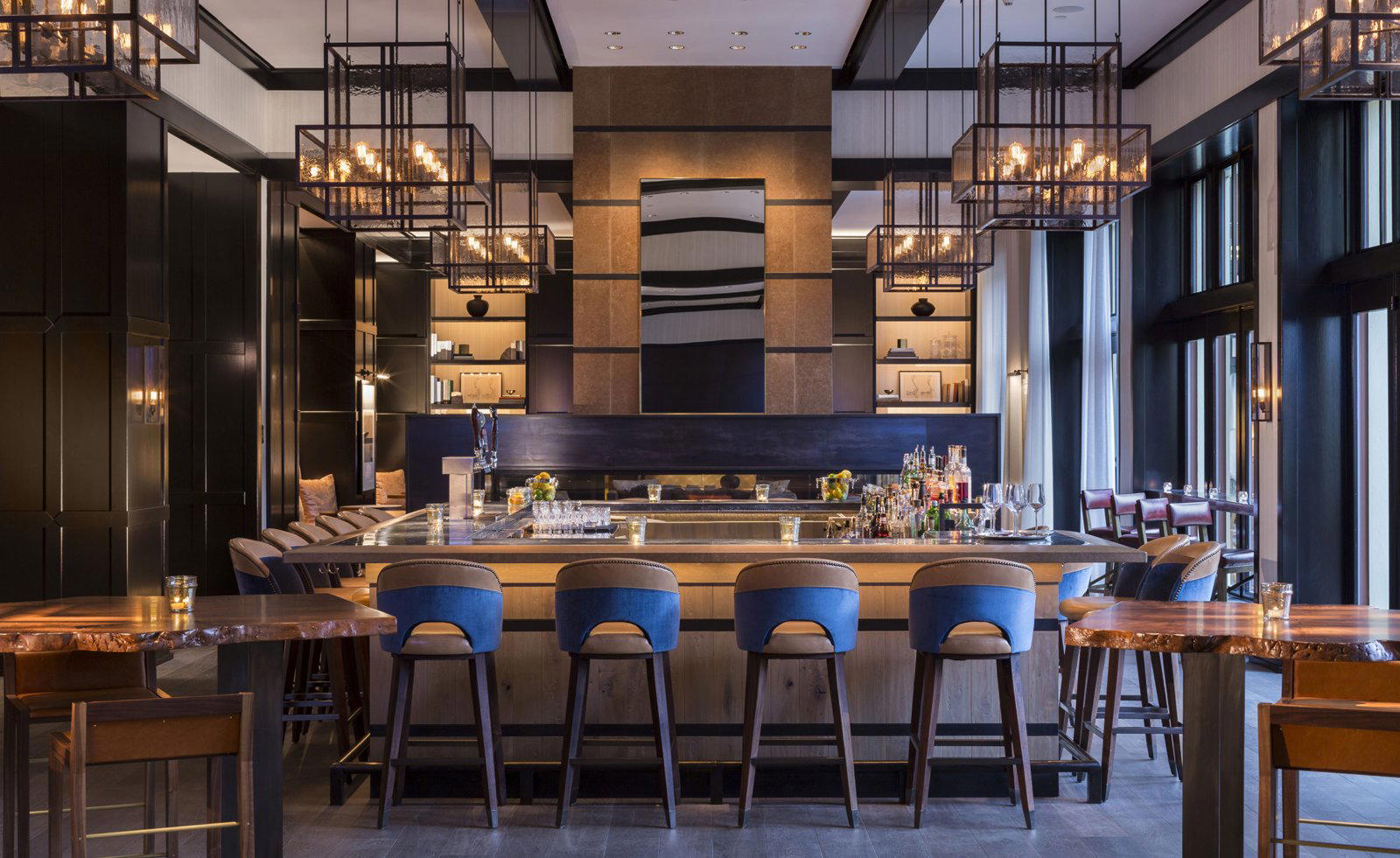
Upscale but casual setting with bright, open, and airy spaces; described as unassuming elegance with beautiful edible presentations; can be somewhat noisy in the dining room.