The Pullman
The Pullman at 330 7th Street occupies a considered position in Glenwood Springs' dining scene, where mountain-town informality meets a more serious kitchen sensibility. The restaurant draws from the cultural tradition of American regional cooking, placing it alongside a small cohort of Colorado destinations that take ingredient sourcing and culinary craft seriously outside the major metro corridors. Check the venue directly for current hours and reservations.
Pearl is the En Primeur Club membership app — saves, bookings, and concierge access live there. Same editors, same standards.
- Address
- 330 7th St, Glenwood Springs, CO 81601
- Phone
- +19702309234
- Website
- thepullmangws.com
- Directions
- Get directions
 Saves & bookings on Pearl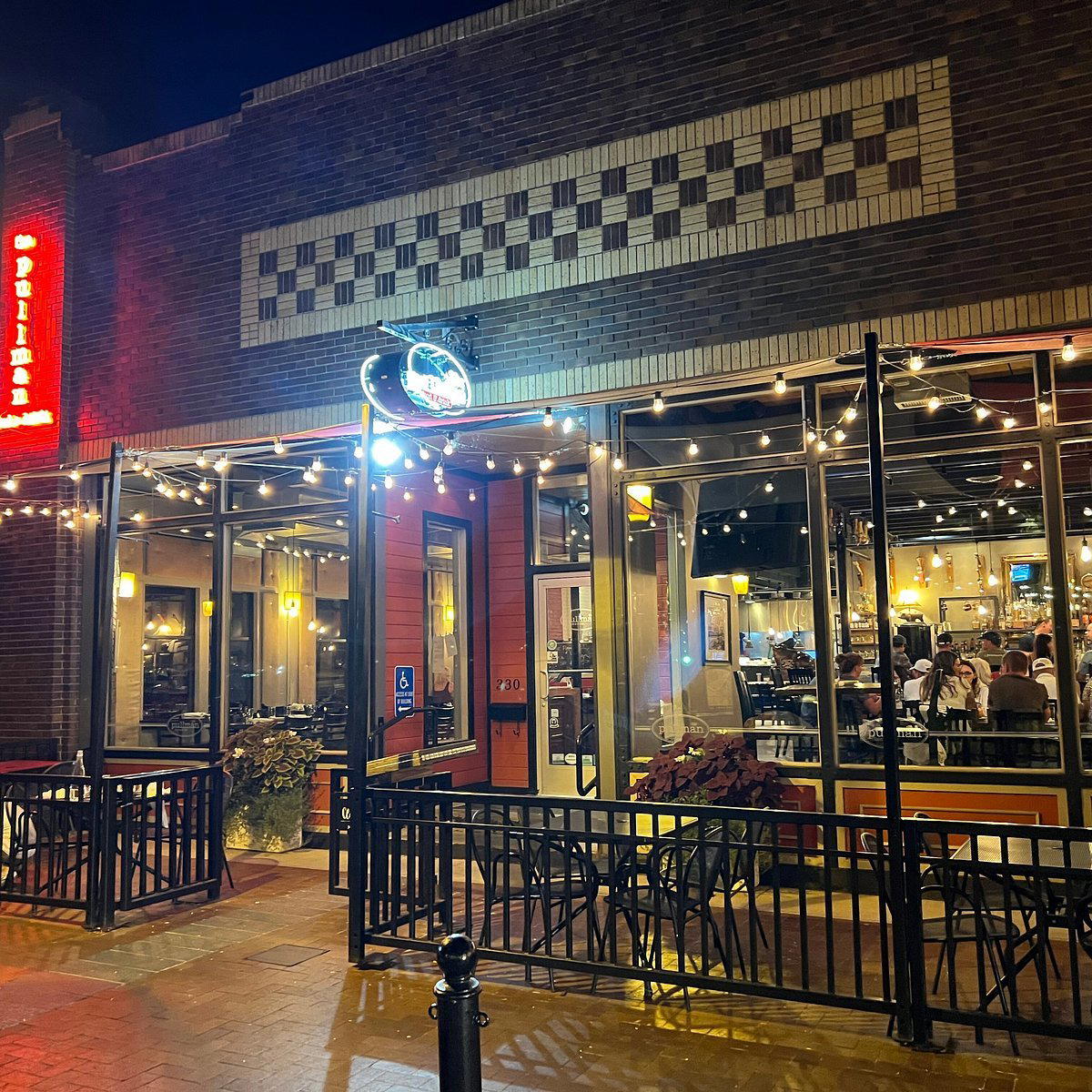
Where Mountain-Town Dining Meets a Serious Kitchen
Glenwood Springs sits at the confluence of the Colorado and Roaring Fork rivers, a railroad-era town that has spent the better part of a century calibrating itself between resort overflow from Aspen and the quieter rhythms of the Roaring Fork Valley. Dining here has long reflected that split identity: plenty of adequate mountain-casual options, and a smaller, more deliberate tier of restaurants that hold their own against the more celebrated kitchens upstream. The Pullman, at 330 7th Street in the older commercial core of town, is a restaurant serving Creative New American cooking in Glenwood Springs, Colorado. It belongs to that second category.
The address itself is part of the context. Glenwood Springs' 7th Street corridor carries the architectural memory of the town's railroad boom, when the Hot Springs Lodge drew wealthy Victorians westward and the town briefly competed with Aspen for social cachet. Dining rooms in that district have always operated with an awareness of that heritage, and The Pullman's placement within it signals an intention to be read as something more than a convenience stop for travelers moving between Denver and the ski resorts.
American Regional Cooking and What It Means in the Mountain West
The cultural tradition that frames a restaurant like The Pullman is American regional cooking in the post-farm-to-table era, a mode that has evolved considerably since it first gained critical traction in the 1990s. At its leading, regional American cooking refuses the false choice between rustic and refined, drawing on local producers and seasonal rhythms without fetishizing either. Colorado's agricultural geography makes this particularly interesting: the Western Slope produces stone fruit, lamb, and heritage grains that give a kitchen real material to work with, and the altitude imposes its own discipline on both technique and sourcing logistics.
That tradition has produced some of the country's more serious non-urban dining rooms. In Colorado alone, Frasca Food & Wine in Boulder has built a James Beard-recognized program around Northern Italian rigor, and Brutø in Denver has pushed the state's fine-dining conversation in a more contemporary direction. The restaurant operates in a smaller market than either, which means it occupies a different kind of role: the restaurant that proves a secondary city can sustain kitchen ambition without the critical mass of a major urban dining scene behind it.
Nationally, the restaurants most often cited as benchmarks for this kind of regional seriousness outside major metros include Blue Hill at Stone Barns in Tarrytown, Single Thread Farm in Healdsburg, and The Inn at Little Washington in Washington. These are different in scale and resources, but they share an underlying argument: that serious cooking is a function of intention and sourcing discipline, not zip code. The restaurant makes a version of that same argument within Glenwood Springs' more modest parameters.
Reading The Pullman Within Glenwood Springs' Dining Scene
The restaurant's position within the local market is worth understanding before you visit. Glenwood Springs is not Aspen, which has the pricing infrastructure and critical audience to support destination tasting-menu formats like those at Lazy Bear in San Francisco or Alinea in Chicago. It is a working mountain town with a genuinely mixed dining public, and a restaurant that survives and earns reputation here has done so by being accessible without being generic.
That means the restaurant competes on a different axis than the multi-course progressive American formats that define the country's most recognized dining rooms, whether Le Bernardin in New York City at the seafood-focused end of French formalism, or Atomix in New York City pushing Korean fine dining into its own formal register. The relevant peer comparison is closer to restaurants like Bacchanalia in Atlanta or Emeril's in New Orleans: places that built serious regional reputations by being the leading version of what their city needed, not by replicating what was happening in New York or San Francisco.
For visitors to the Roaring Fork Valley who want to understand where the restaurant sits relative to the full local picture, Smoke Modern BBQ covers the more casual end of Glenwood's dining options, and the broader Glenwood Springs restaurants guide maps the full range. The restaurant occupies the more deliberate, sit-down tier of that local hierarchy.
For those moving through the wider Colorado dining corridor, the comparison set also includes Addison in San Diego, Providence in Los Angeles, and Causa in Washington, D.C., restaurants that have each built distinctive regional identities through consistent sourcing and kitchen discipline over time. 8½ Otto e Mezzo Bombana in Hong Kong represents how that same sourcing-forward philosophy travels across entirely different culinary traditions.
Planning Your Visit
The restaurant is located at 330 7th Street in downtown Glenwood Springs, walkable from the main commercial strip and accessible from both the I-70 corridor and the Amtrak California Zephyr stop, which makes it a natural pause point for travelers moving through the Rockies by rail. Current hours, reservation availability, and menu details are best confirmed directly with the restaurant, as mountain-town dining rooms adjust their schedules seasonally. Walk-in availability varies, and given the restaurant's local reputation, weekends during ski season and summer shoulder periods tend to run busier than weekday service. Arriving with a plan rather than assuming availability is the practical approach.
Budget and Context
Comparable venues nearby, for context on price, style, and recognition.
| Venue | Cuisine | Price | Notes |
|---|---|---|---|
| The PullmanThis venue — the venue you are viewing | Not listed | $$$ | Not listed |
| Smoke Modern BBQ | downtown, Modern BBQ | $$ | Not listed |
| Gwyn's High Alpine | Not listed | $$$ | Snowmass Village, American On-Mountain Dining |
| West End Social | Not listed | $$$ | Aspen Flyover 1/4 Section Grid, Farm-to-Table Contemporary American |
| Mountain Standard | Not listed | $$$ | Vail Village, Wood-Fired American Steakhouse |
| Belly Up Aspen | Not listed | $$ | Aspen Flyover 1/4 Section Grid, American Bar Food |
Continue exploring
More in Glenwood Springs
Restaurants in Glenwood Springs
Browse all →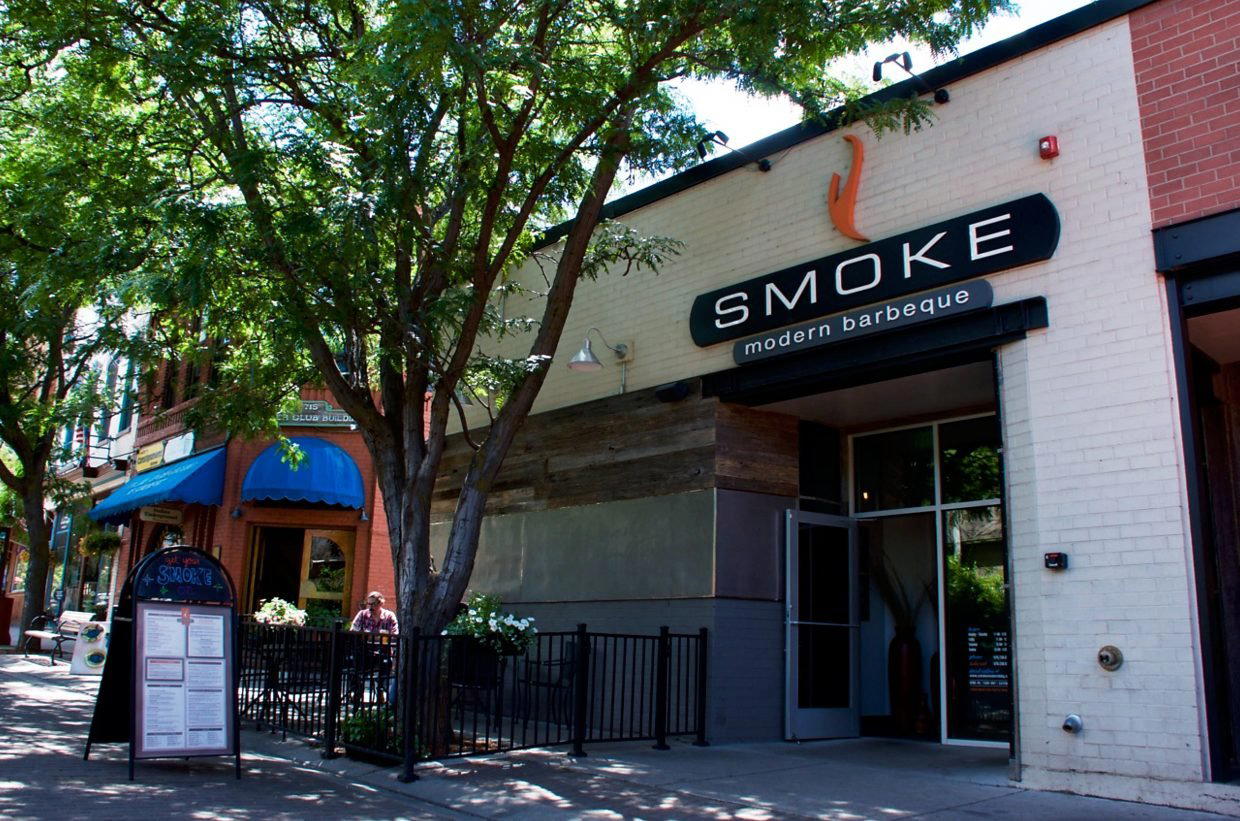
Bars in Glenwood Springs
Browse all →
Hotels in Glenwood Springs
Browse all →
At a Glance
- Trendy
- Industrial
- Sophisticated
- Rustic
- Modern
- Casual Hangout
- Group Dining
- After Work
- Historic Building
- Standalone
- Open Kitchen
- Craft Cocktails
- Local Sourcing
- Farm To Table
Current opening hours
- Monday
- Closed
- Tuesday
- 4:30–9 PM
- Wednesday
- 4:30–9 PM
- Thursday
- Closed
- Friday
- 4:30–9:30 PM
- Saturday
- 4:30–9:30 PM
- Sunday
- 4:30–9 PM
Hours can change for holidays and private events. Last verified .
Industrial yet sophisticated contemporary feel with old brick walls, heavy wood tables, steel beams, bare bulb lighting, and fun artwork with subliminal messaging.