Boochmania
Boochmania occupies a SoMa address at 685 Harrison Street where fermentation culture has moved from fringe health trend to serious craft category. Positioned in a San Francisco neighbourhood that has steadily traded warehouse anonymity for food-focused identity, it operates in a space where the city's appetite for producer-led, process-driven concepts is most concentrated. For context on the wider scene, see our full San Francisco restaurants guide.
Pearl is the En Primeur Club membership app — saves, bookings, and concierge access live there. Same editors, same standards.
- Address
- 685 Harrison St, San Francisco, CA 94107
- Phone
- +14158007527
- Website
- boochmania.com
- Directions
- Get directions
 Saves & bookings on Pearl
SoMa's Fermentation Corner
San Francisco's SoMa district has spent the better part of two decades shedding its industrial skin. The warehouses along Harrison Street that once held printing presses and freight now accommodate a different kind of production: small-batch, process-obsessed food and drink businesses that treat fermentation, curing, and culturing as crafts worthy of dedicated space. Boochmania at 685 Harrison St sits inside that transition in San Francisco's SoMa district.
The broader fermentation movement in American cities did not arrive fully formed. It passed through several distinct phases: the mid-2000s kombucha boom driven by health positioning, a retreat as regulatory and quality questions mounted, and then a slower, more considered re-emergence in which producers began treating fermented beverages the way the natural wine world treats low-intervention bottles. San Francisco, with its sourdough history and its proximity to Northern California's ingredient culture, was always going to be fertile ground for that third phase.
How the Category Has Changed
The evolution of kombucha and fermented-drink culture in cities like San Francisco mirrors, in compressed form, the arc that craft beer followed over roughly thirty years. An initial wave of enthusiasm produced a crowded, inconsistent market. Consolidation and quality pressure followed. What remained, in the specialist tier, were producers with genuine process discipline: controlled fermentation environments, sourced tea and botanical inputs worth talking about, and a retail or tasting format that could support a more considered transaction than a grab-and-go cooler.
Boochmania represents that third-generation positioning as a Levantine Mediterranean with Fermentation restaurant in San Francisco. Where earlier kombucha producers leaned heavily on health claims to justify premium pricing, the current cohort in cities from Portland to Brooklyn to the Bay Area has shifted the conversation toward flavour complexity, production transparency, and the kind of approachable expertise that the coffee third-wave perfected. The SoMa address is not incidental. The neighbourhood's density of food-adjacent businesses, design studios, and tech-adjacent foot traffic creates an audience comfortable paying for process and provenance.
For comparison, the fine-dining tier in San Francisco has long operated on a similar logic: venues like Lazy Bear and Saison built their reputations by making the production process legible to the guest, whether through open kitchens, printed sourcing notes, or chef-to-table narration. The fermentation category is applying the same transparency at a lower price point and higher accessibility.
Where Boochmania Sits in the San Francisco Fermentation Scene
San Francisco supports a small but coherent set of fermentation-focused producers and retail concepts. The city's kombucha culture overlaps with the natural wine community, with the regenerative agriculture supply chain, and with the broader Bay Area interest in gut health that predates the current wellness industry by several decades. Boochmania at the Harrison Street location enters a category that has consolidated rather than expanded in recent years: the operators that remain are generally more serious about their inputs and process than the first wave that flooded health food aisles in the early 2010s.
That consolidation matters for how to read any specialist fermentation business. The market has self-selected toward producers who can sustain a conversation about their culture strains, their brewing timelines, and their flavour intentions. The casual operator who relied on health positioning has largely exited. What remains requires a different kind of visitor: curious, willing to engage, and not solely motivated by functional benefit claims.
This positions Boochmania alongside a set of San Francisco food businesses that share a commitment to process legibility over marketing volume. The comparison is less to the fine-dining tier represented by Atelier Crenn, Benu, or Quince, and more to the producer-retail hybrid model that has taken hold in cities with strong food culture.
The Reinvention Pattern in American Food Cities
The evolution Boochmania embodies is not distinctive to San Francisco. Across American food cities, specialist fermentation and functional beverage businesses have undergone the same pivot: away from wellness-aisle positioning and toward craft-beverage identity. In New York, the natural wine bar and the kombucha taproom have begun to occupy adjacent cultural space. In Chicago, concepts like Smyth have demonstrated that fermentation and preservation can anchor a serious restaurant program. In Healdsburg, Single Thread Farm has shown how fermented and cultured elements can serve as structural pillars of a tasting menu rather than garnishes.
The pattern in each case is similar: a first-generation concept built on novelty or health claims gives way to a more technically grounded second generation, which is then followed by a third wave that integrates into the broader food culture of its city. Boochmania occupies that third position in SoMa, in a neighbourhood where the transition from industrial to culinary is still visible in the architecture and the foot traffic patterns.
National fine-dining circuit has provided indirect context for why this matters. Destinations like The French Laundry in Napa, Blue Hill at Stone Barns in Tarrytown, and Providence in Los Angeles have long treated fermentation as a serious culinary tool. When techniques move from fine-dining laboratories to neighbourhood-scale producers, the category matures. That maturation is what gives a Harrison Street address cultural credibility it would not have had ten years ago.
Planning Your Visit
685 Harrison Street places Boochmania within walking distance of the Bay Bridge approach and the SoMa core.
Quick Comparison: SoMa Food Concepts by Category
A Minimal comparable set
Comparable venues nearby, for context on price, style, and recognition.
| Venue | Cuisine | Price | Notes |
|---|---|---|---|
| BoochmaniaThis venue — the venue you are viewing | Not listed | $$ | Not listed |
| The Pearl | Potrero Hill, Cal-Mediterranean | $$$ | Not listed |
| Hummus Mediterranean Kitchen | Not listed | $$ | Russian Hill, Mediterranean (Greek & Turkish) |
| Gada | Castro, Tunisian raclette sandwich shop | $$ | Not listed |
| Hamburguesa Bar | Not listed | $$ | Financial District/South Beach, Smashburgers |
| 750 Restaurant & Bar | Not listed | $$ | Chinatown, American with California influences |
Continue exploring
More in San Francisco
Restaurants in San Francisco
Browse all →
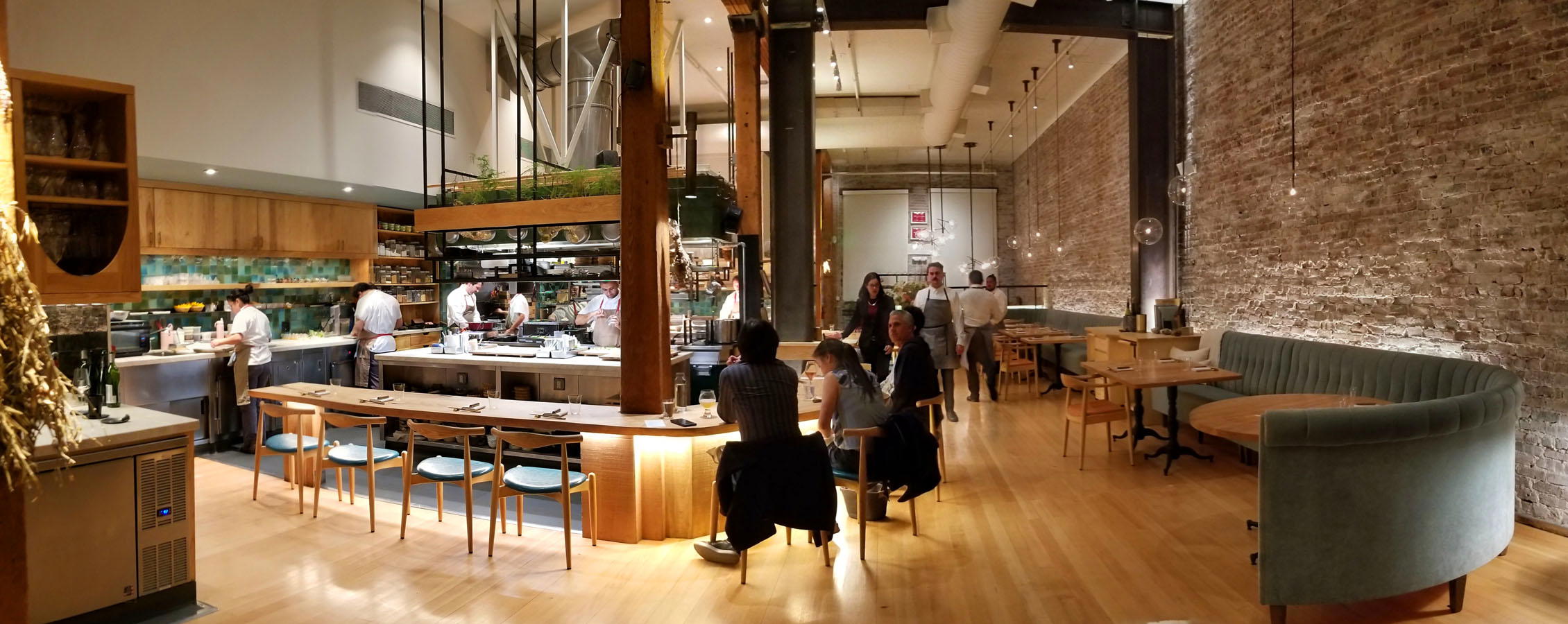
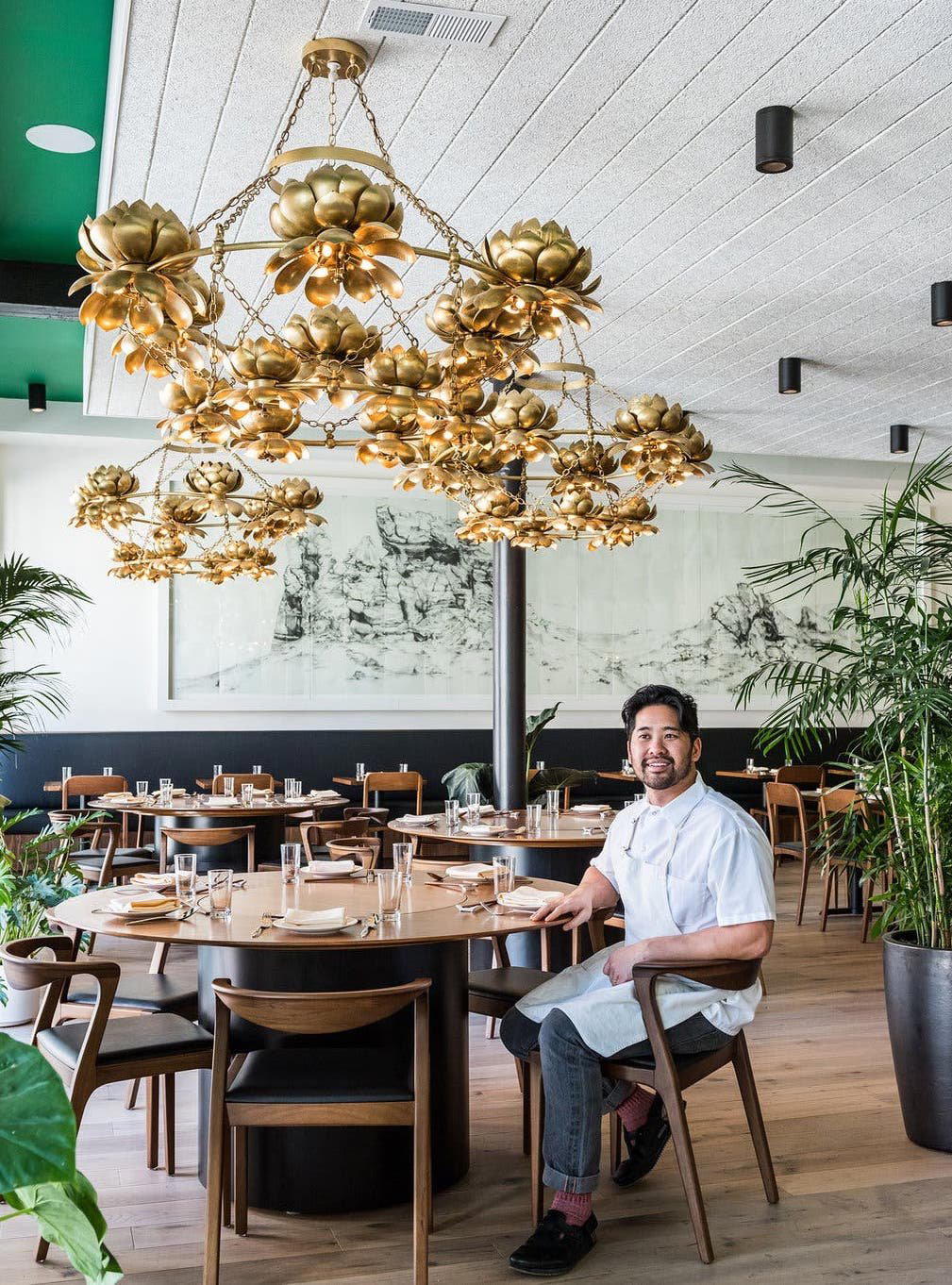
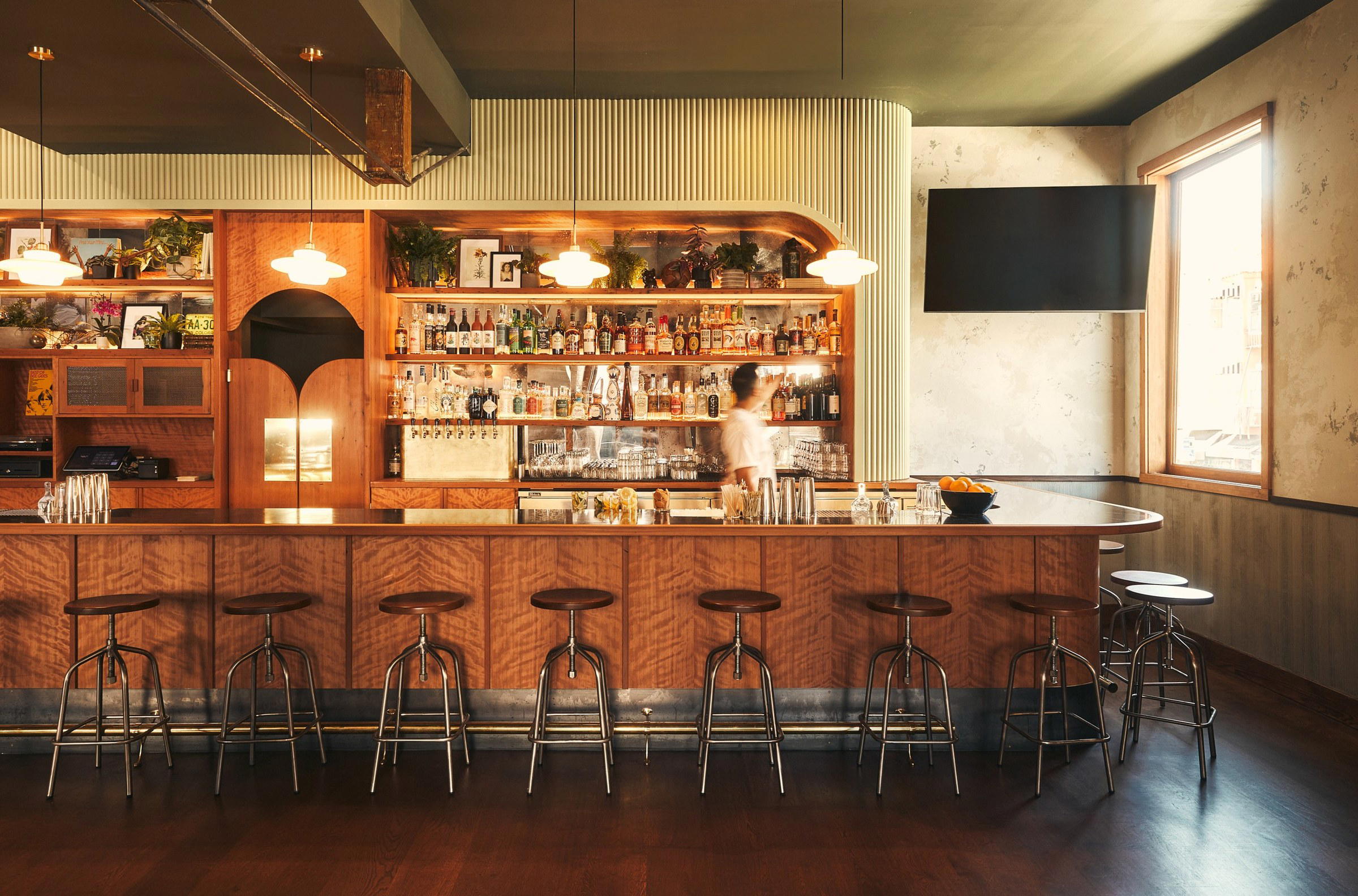
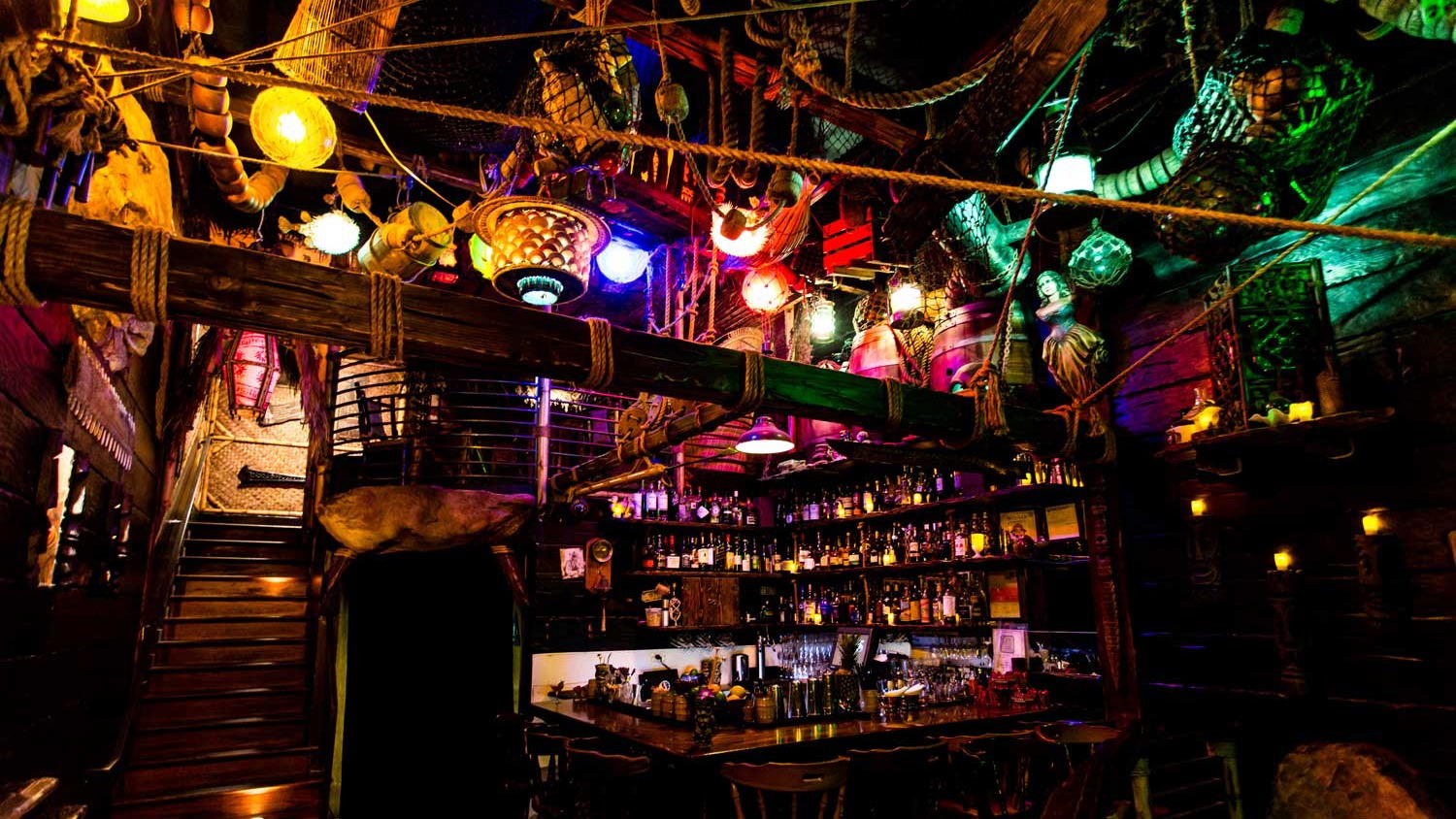
Bars in San Francisco
Browse all →
Hotels in San Francisco
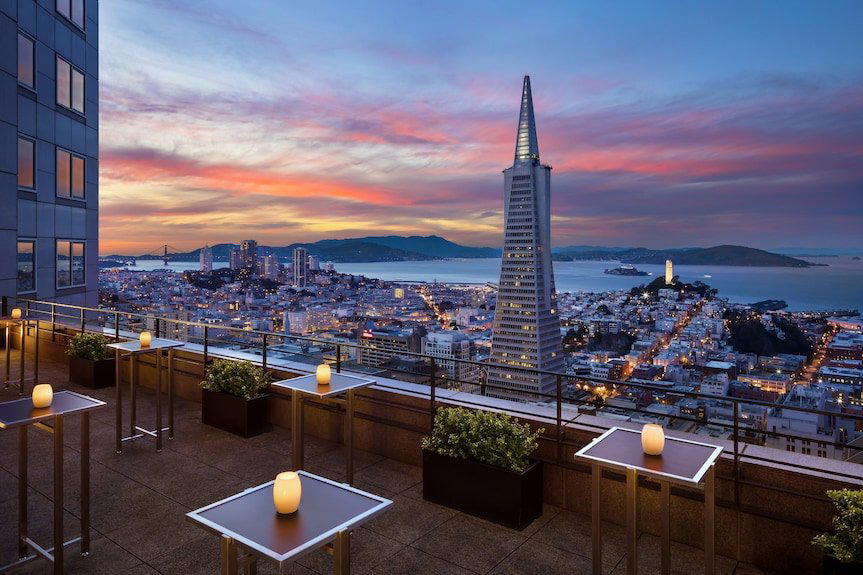
Browse all →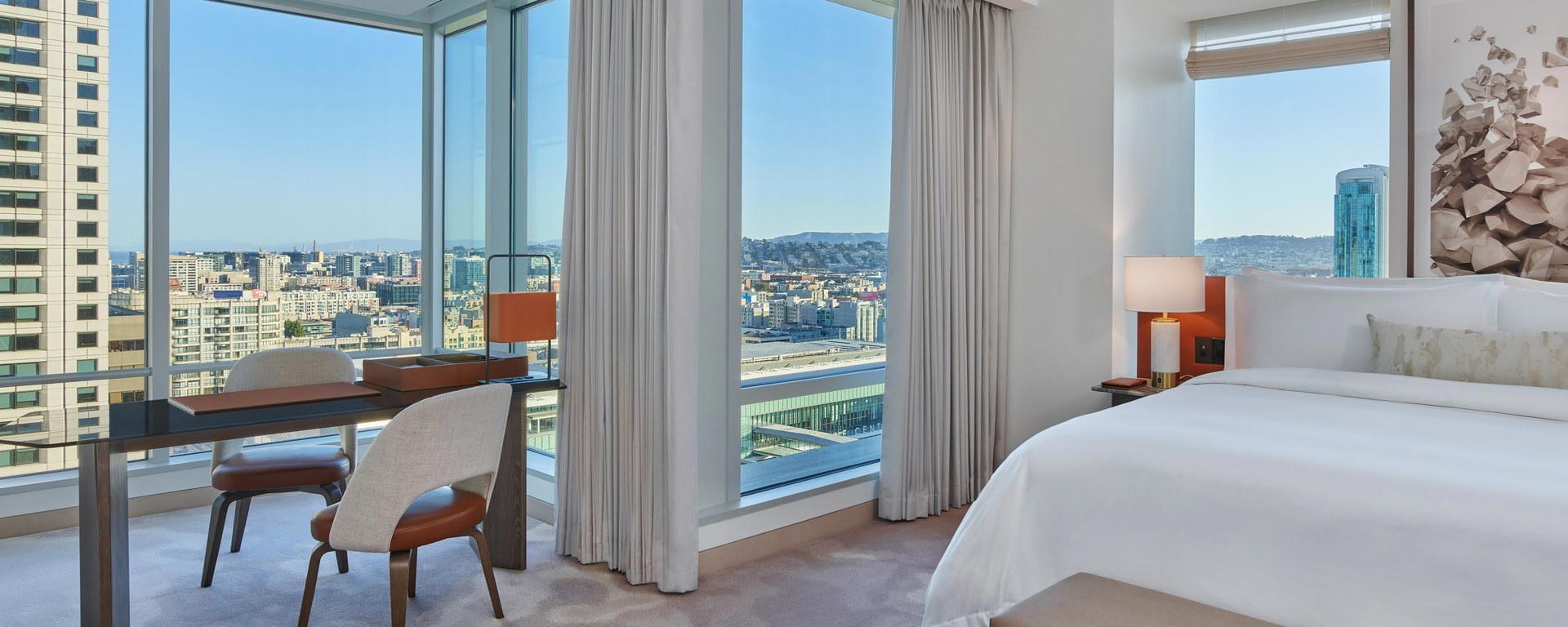
At a Glance
- Cozy
- Trendy
- Modern
- Brunch
- Casual Hangout
- Open Kitchen
- Zero Proof
- Organic
Current opening hours
- Monday
- Closed
- Tuesday
- 9 AM–3 PM
- Wednesday
- 9 AM–3 PM
- Thursday
- 9 AM–3 PM
- Friday
- 9 AM–3 PM
- Saturday
- 10 AM–5 PM
- Sunday
- Closed
Hours can change for holidays and private events. Last verified .
Casual and cozy atmosphere focused on healthy, fermented foods and fresh kombucha.