
Tabelog 100 #18
Our verdict
Romi-Unie Confiture places Kamakura’s sweet-shop culture in a French-leaning register: preserves, Western-style sweets, and a take-out format near Kamakura Station. Recognition on Tabelog Sweets EAST “Tabelog 100” 2023 gives it a clear quality signal, while the JPY 1,000–1,999 range keeps it in the city’s casual daytime rhythm rather than the special-occasion dining tier.

Pearl is the En Primeur Club membership app, where members save venues, book tables and use the concierge.
The menu
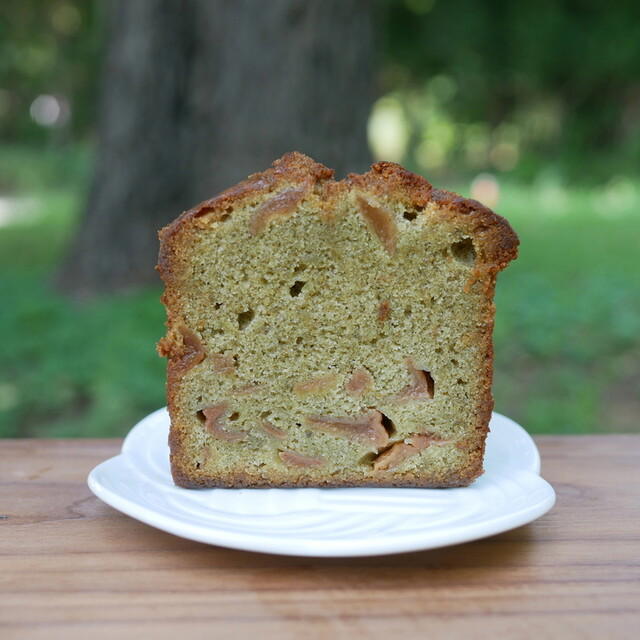
What to order
- House-made seasonal jams
- Kamakura sable cookies
- Scones with jam
- Marmalades such as Amitie (lemon and orange)
Kamakura has a different tempo from its temple routes. The city pulls day-trippers toward snacks, gifts, coffee, and sweets before opening into quieter lanes. In that context, Romi-Unie Confiture belongs to a specific Kamakura tradition: the edible souvenir as a serious craft object. The city has long rewarded compact sweet shops that can translate place into something portable, and the strongest counters here do not need a grand dining room to matter.
The format suits Kamakura’s short-stop rhythm better than a drawn-out dessert ceremony. Visitors often build the day around brief pauses between shrines, beach walks, and train connections; a Western-style sweets shop fits that pattern with less commitment than a restaurant reservation. Tabelog Hyakumeiten recognition in 2023 gives Romi-Unie Confiture a useful external marker in a category where polish is often judged by consistency, giftability, and repeat custom rather than spectacle.
Western-style sweets in a Kamakura day-trip economy
Japan’s appetite for Western-style sweets has never been simple imitation. Sweets culture, galette, and crêpe references were absorbed into a domestic gift economy that prizes packaging, seasonality, and small-format precision. Kamakura adds another layer: the city’s food scene is split between sit-down meals for planned itineraries and quick purchases for visitors moving through the city. Romi-Unie Confiture sits in that sweet-shop context, and its award recognition places it above the ordinary souvenir shelf.
That matters because Kamakura’s sweet options cover a wide price spread. Toshimaya Karyo Hatokoji and Kamakura Naniwaya occupy an everyday sweet-stop role, while Gelateria Il Brigante also belongs to the city’s specialist dessert conversation. Romi-Unie Confiture’s listed JPY 1,000–1,999 price range aligns with a casual premium tier: not a dinner decision, not a luxury tasting format, but expensive enough that craft has to be legible. Compared with Kikuta or Oryori Tomiyama, where the spend belongs to a fuller meal, this is a shorter, more flexible expression of the city’s dining culture.
The category listing also explains the shop’s position. “Sweets (Western style), Crepe, Galette” points to a Western-style vocabulary rather than wagashi orthodoxy. In Kamakura, that distinction is useful. Traditional tea sweets remain central to the city’s visitor economy, but Western-style confectionery has become a parallel language for gifting, especially for travelers who want something more durable than a café memory and less formal than a boxed ceremonial sweet.
Why the award signal matters more than the room
For a sweets counter, the usual restaurant questions become less useful. Seat count, pacing, and service choreography matter less than whether the shop can hold attention in a crowded category. Tabelog Hyakumeiten recognition in 2023 is the clearest trust signal here, particularly because the sweets field is dense with specialist patisseries, bakeries, gelato counters, and confectionery shops competing for repeat customers rather than destination-dinner status.
That recognition also helps separate craft-led shops from the many tourist-facing counters found across the city. Kamakura has plenty of edible souvenirs, but the stronger addresses tend to show restraint: a tighter category focus, clear identity, and an audience that can include locals as well as visitors. Romi-Unie Confiture’s public listing as Western-style sweets, crêpe, and galette keeps its role legible as a casual stop rather than a hushed salon.
The practical rhythm is simple in editorial terms: this is a Kamakura sweets stop to attach to a wider city route, not necessarily a venue around which to build an entire day. Pair it with other unnamed Kamakura dining, coffee, bread, pastry, or savory stops according to the day’s route. The better Kamakura food day is cumulative: one careful purchase, one café, one meal, and enough walking to keep the city from feeling like a checklist.
How to place it within a Kamakura itinerary
The shop’s value is strongest for travelers who understand Kamakura as a grazing city. A full restaurant meal can anchor lunch or dinner, but sweets work between cultural stops and train timing. The location in Kamakura makes it easy to fold into a city circuit before continuing with temples, coastal walking, or the return journey.
Travelers mapping a broader dining day should treat Romi-Unie Confiture as part of the city’s specialist retail layer. For more sit-down planning, see Our full Kamakura restaurants guide; for overnight context, Our full Kamakura hotels guide helps decide whether the city deserves more than a day trip. Drinking and after-hours options sit separately in Our full Kamakura bars guide, while Our full Kamakura experiences guide is the better frame for temple, craft, and coastal pacing. Our full Kamakura wineries guide covers the wine side where relevant.
For readers comparing Japanese food culture beyond Kamakura, the contrast is instructive. A sweets counter here has little in common with the urban restaurant density of larger Japanese cities or the regional dining pull of other destinations. It is closer to Japan’s micro-specialist tradition: narrow category, clear use case, and enough recognition to justify making room in the day.
That same lens also helps with international comparisons. Different Japanese venues express specialization through different cuisines, formats, and degrees of formality, while overseas Japanese food counters show how categories can travel and narrow abroad. Romi-Unie Confiture is the inverse: Western-style sweet technique absorbed into a Japanese travel city and made practical for the short stop.
The verdict is restrained but clear. This is not the address for a long meal or a grand room; it is a compact Kamakura sweets stop with credible 2023 Tabelog recognition, approachable JPY 1,000–1,999 pricing, and a format that matches the city’s movement. Use it when the day calls for a considered sweet purchase rather than another sit-down reservation.
Frequently asked questions
Is Romi-Unie Confiture suitable for children?
The provided public listing for Romi-Unie Confiture does not specify a children policy. Check the venue's official channels for the latest details.
Is Romi-Unie Confiture formal or casual?
Casual. It is listed in Kamakura for sweets, crêpe, and galette, with pricing at JPY 1,000–JPY 1,999, so the setting reads closer to a simple sweet stop than a formal dining room.
What price level is Romi-Unie Confiture?
Pricing at Romi-Unie Confiture is listed as JPY 1,000 - JPY 1,999 View spending breakdown.
What part of town is Romi-Unie Confiture in?
Kamakura.
Price Lens
Nearby venues at a similar price tier for orientation.
| Venue | Cuisine | Price | Awards | Notes |
|---|---|---|---|---|
| Romi-Unie ConfitureThis venue (the venue you are viewing) | Artisanal Jam & Baked Sweets Shop | $10–20 | Tabelog 100 #18 | Not listed |
| Come va? SHOP Dankazura ten | Bakery and bagels takeaway shop | $1–10 | Tabelog 100 #89 | Kamakura, Bakery and bagels takeaway shop |
| Cafe Vivement Dimanche | Kamakura, Specialty coffee & café sweets | $10–20 | Tabelog 100 #4 | Not listed |
| La for e t et la table | Bakery Cafe | $10–20 | Tabelog 100 #11 | Kamakura, Bakery Cafe |
| arbre noir YAKUMI | Japanese sweets and condiments | $1–10 | Tabelog 100 #89 | Kamakura, Japanese sweets and condiments |
| Toshimaya Karyo Hatokoji | Traditional Japanese sweets cafe (wagashi) | $10–20 | Tabelog 100 #44 | Kamakura, Traditional Japanese sweets cafe (wagashi) |
Recognition history
Dated appearances from independent guides and award organizations, with the underlying list record or original source where available.
Tabelog 100 #18 · No. 18
Tabelog · Tabelog 100 - Sweets - EAST - 2023
Continue exploring
More in Kamakura
Restaurants in Kamakura
All restaurants in Kamakura →

Bars in Kamakura
Browse all →



Details
- Cozy
- Whimsical
- Classic
- Solo
- Casual Hangout
- Family
- After Work
- Standalone
- Design Destination
- Historic Building
- Local Sourcing
- Street Scene
- A La Carte
- Counter Dining
- Small Plates
Warm and cozy sweets shop with a cute, cottage-like exterior and shelves lined with colorful jars of jam and neatly packaged cookies, creating a friendly, homey atmosphere rather than a sit-down restaurant feel.