
Honjo’s udon culture rewards patience, portion, and texture over ceremony. Rokusuke Udon sits in that everyday but serious lane, with Tabelog 100 Udon EAST selections in 2020, 2022, and 2024, a house-restaurant setting, curry udon and katsu-don alongside wheat noodles, and a cash-led, no-reservation format that suits diners who plan around lunch rather than spectacle.
Pearl is the En Primeur Club membership app — saves, bookings, and concierge access live there. Same editors, same standards.
- Address
- 埼玉県本庄市傍示堂575
- Phone
- +81495218986
- Website
- tabelog.com
 Saves & bookings on Pearl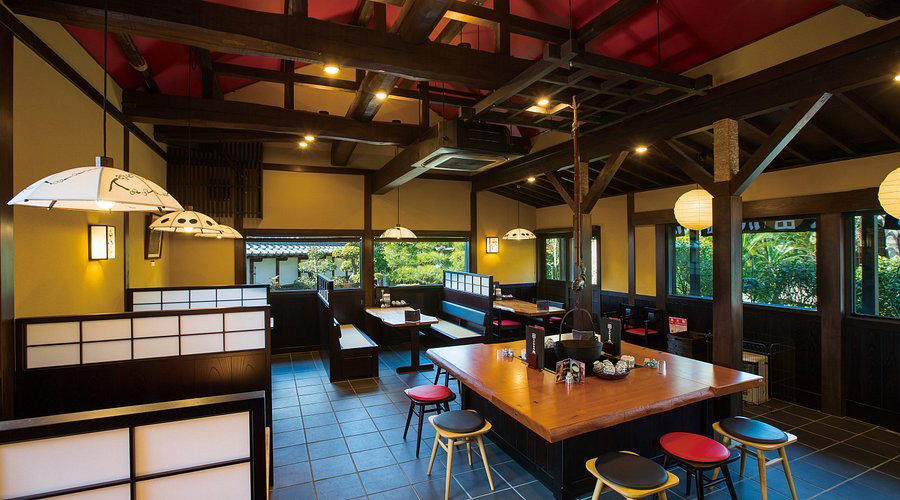
Approach in Honjo and the dining register changes quickly: fewer polished city counters, more roadside buildings, family groups, and noodle houses whose reputation rests on repeat local use rather than theatrical service. This is the terrain where udon makes sense as a destination food. Wheat noodles in eastern Japan are often judged less by ornament than by chew, broth discipline, and whether the kitchen can keep a simple format consistent across lunch and dinner. Rokusuke Udon belongs to that older, practical model: a house restaurant with tatami seating, no private-room gloss, and a menu orbiting udon, curry udon, and katsu-don.
The sourcing angle here is not about named farms or luxury provenance. It is about a regional noodle culture built on staple ingredients treated with seriousness. Udon depends on flour, water, salt, time, and hands; curry udon and katsu-don add the comfort-food logic that keeps a place useful beyond specialist noodle pilgrims. In Saitama, where suburban and small-city dining often folds families, workers, and destination eaters into the same room, that breadth matters. The food has to read as local routine and as something worth crossing town for.
Honjo udon, measured by chew rather than ceremony
Japan’s high-recognition dining often gets filtered through sushi counters, kaiseki rooms, and French-influenced tasting menus. Udon sits on a different axis. The category is democratic in price and direct in execution, yet its serious addresses are judged with the same severity as more formal restaurants: texture, temperature, broth balance, service rhythm, and the kitchen’s ability to manage demand without turning the meal into a performance.
Rokusuke Udon’s inclusion in Tabelog 100 Udon EAST in 2020, 2022, and 2024 is the key trust signal. Tabelog’s Hyakumeiten lists are useful for this kind of restaurant because they reward category depth rather than luxury cues. A noodle shop in Honjo is not competing with a Ginza counter on glassware or pacing; it is being measured against other udon specialists across eastern Japan. That distinction matters for readers building an itinerary around substance rather than status.
The menu categories also place the restaurant in a practical Japanese grammar. Udon covers the core craft; curry udon tests how noodles hold up against a heavier, spiced broth; katsu-don brings rice-bowl comfort into the same meal bracket. None of those formats needs explanation once the food arrives, which is precisely the point. The kitchen’s credibility comes from executing familiar dishes well enough to earn repeat recognition in a category where diners know the difference between adequate and serious.
A house-restaurant rhythm in a city where logistics shape the meal
The room format tells part of the story. Tatami seating and a house-restaurant setting create a slower, more domestic register than counter-only urban noodle shops. Children are welcome, and the occasion profile skews toward families and friends rather than formal dining. That does not make the meal casual in the careless sense; it means the restaurant operates inside the social habits of Honjo, where a noodle lunch can be both everyday and destination-worthy.
Practicality is part of the editorial assessment. Reservations are unavailable, payment is handled after the meal, and cards, electronic money, and QR payments are not accepted. Parking is available, a useful detail in a city where the restaurant sits outside the immediate station-front pattern. The nearest station is Honjo, with the listing placing the restaurant about 1,920 meters from it, so the strongest plan is to treat the visit as a local stop with transport arranged rather than as a quick platform-to-counter detour.
Hours also affect strategy. Service runs around lunch and selected dinner periods, with Tuesday closure listed, and the kitchen may close early if udon or broth runs out. That single detail says more about the format than a long description would: production is finite, and the meal is tied to daily preparation rather than unlimited throughput. For a traveler, earlier arrival carries more value than late-day optimism.
Where it fits in a Japan food itinerary
Honjo will not behave like Tokyo, Osaka, or Kyoto for dining density, and that is an advantage for readers willing to build a route around regional food rather than only famous neighborhoods. Rokusuke Udon gives the city a clear culinary anchor: inexpensive, category-specific, repeatedly recognized, and rooted in a format that locals can use without occasion dressing. Compared with out-of-metro peers in the broader discovery pool, such as Salaam Curry in the same modest spending bracket or higher-priced entries like Tsukasa and Tomiko, the appeal here is not escalation. It is precision inside a narrow lane.
That makes it a useful counterpoint to broader Japan restaurant planning. A route that includes -Grilled beef Sukiyaki- KAMAKURA TANUKIAN 鎌倉 たぬき庵 in Kamakura, . 鮪と炭火焼き うお炭 秋葉原店 in Tokyo, .cafe in Osaka, .know in Kumamoto, (Shoku) Vietnam in Kawasaki, [Curry Senmon Ten] Maruyama Kyoju. in Sapporo, [ki:] in Kyoto, #肉といえば松田 奈良本店 in Kashihara, 1/3 HAMBURGER FACTORY in Kanazawa, 1000 in Yokohama, or 1000mヒュッテ 1000m Hut in Kutchan can easily become a catalogue of categories. Honjo’s noodle stop works differently: it slows the itinerary down and asks whether a regional staple, handled with enough consistency to earn repeat category recognition, can carry a meal without luxury architecture around it.
For planning beyond the table, EP Club’s local pages give useful context across the city: Our full Honjo restaurants guide, Our full Honjo hotels guide, Our full Honjo bars guide, Our full Honjo wineries guide, and Our full Honjo experiences guide. For readers comparing Japanese comfort-food formats abroad, Jōdo Saké Bar in Los Angeles and Onigiri Time in Pasadena show how portable Japanese categories change once removed from their local infrastructure.
The editorial case is clear: this is a noodle-house decision, not a ceremony decision. Go for a concise lesson in Honjo’s udon culture, where affordability, family usability, finite daily production, and repeated Tabelog category recognition line up in the same address.
- Udon (wheat noodles)
- Curry udon
- Katsu-don (pork cutlet bowl)
- Musashino udon
- Tonkatsu set
- Tsukemen-style udon
Comparison Snapshot
Comparable venues by cuisine and price in the same metro.
| Venue | Cuisine | Price | Notes |
|---|---|---|---|
| Rokusuke UdonThis venue — the venue you are viewing | Udon and curry udon shop | $ | Not listed |
| Koja Sobaya (古謝そば屋) | Traditional Miyako Soba | $ | Hirara, Miyakojima City |
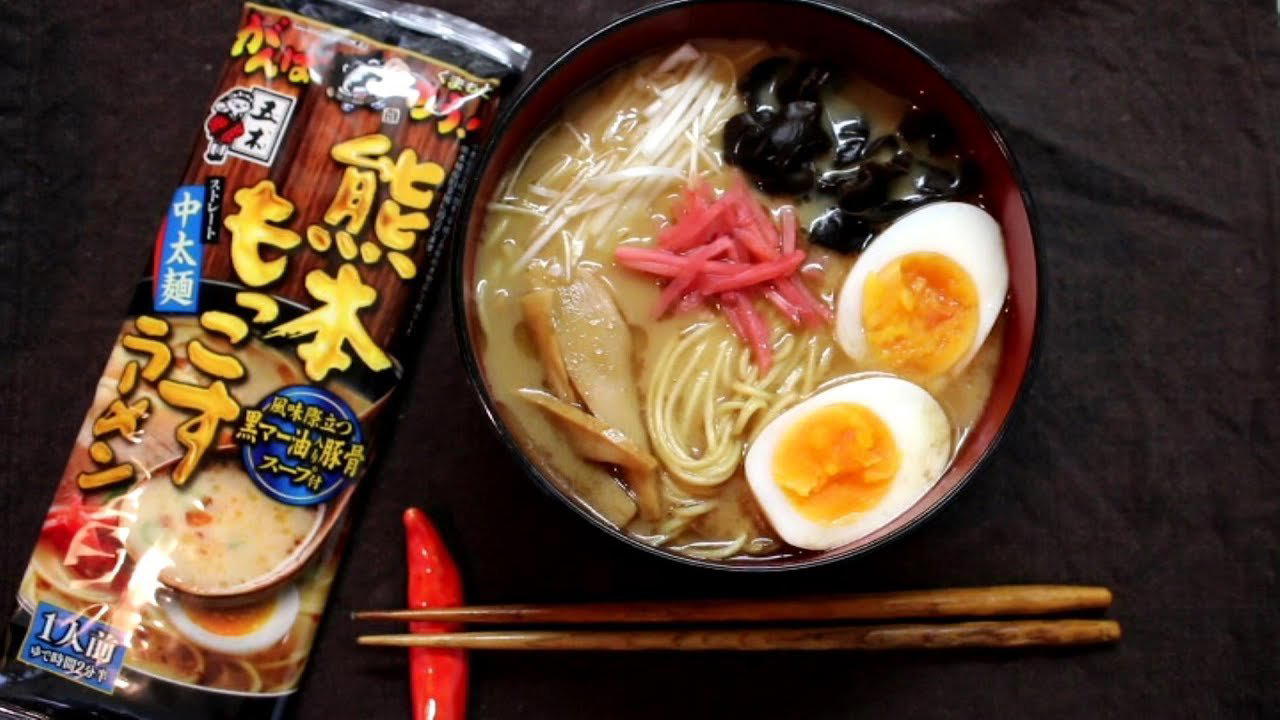
| Tonjinchi Ramen | Toyama Himi Niboshi Ramen | $ | Himi |
| Urashima Ramen | Wakayama Ramen | $ | Uchita |
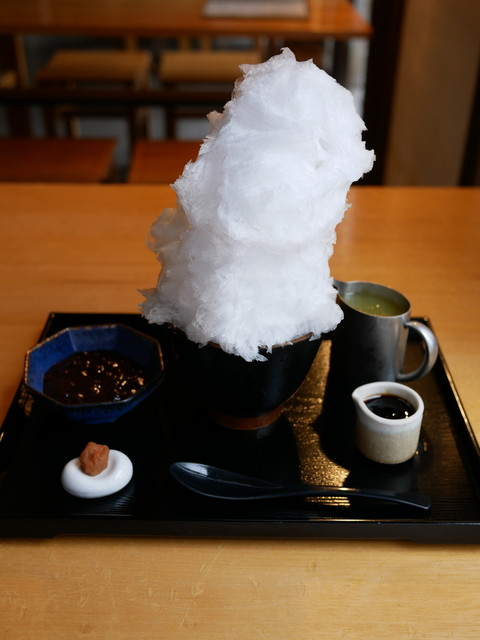
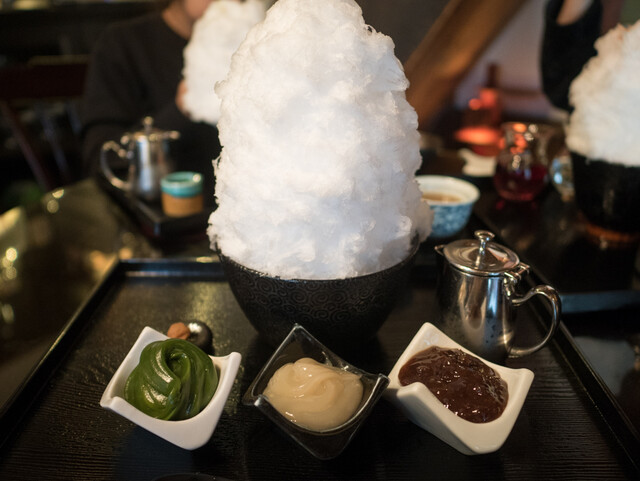
| Asami Reizo Houdosandou ten | Kakigori and Japanese traditional sweets café | $ | Nagatoro |
| Masashi (正嗣 駒生店) | Utsunomiya Gyoza Specialist | $ | Komanu |
Recognition history
Dated appearances from independent guides and award organizations, with the underlying list record or original source where available.
Tabelog 100 #22 · No. 22
Tabelog · Tabelog 100 - Udon - EAST - 2024
At a Glance
- Cozy
- Lively
- Rustic
- Family
- Casual Hangout
- Solo
- After Work
- Standalone
- Sake Program
- Beer Program
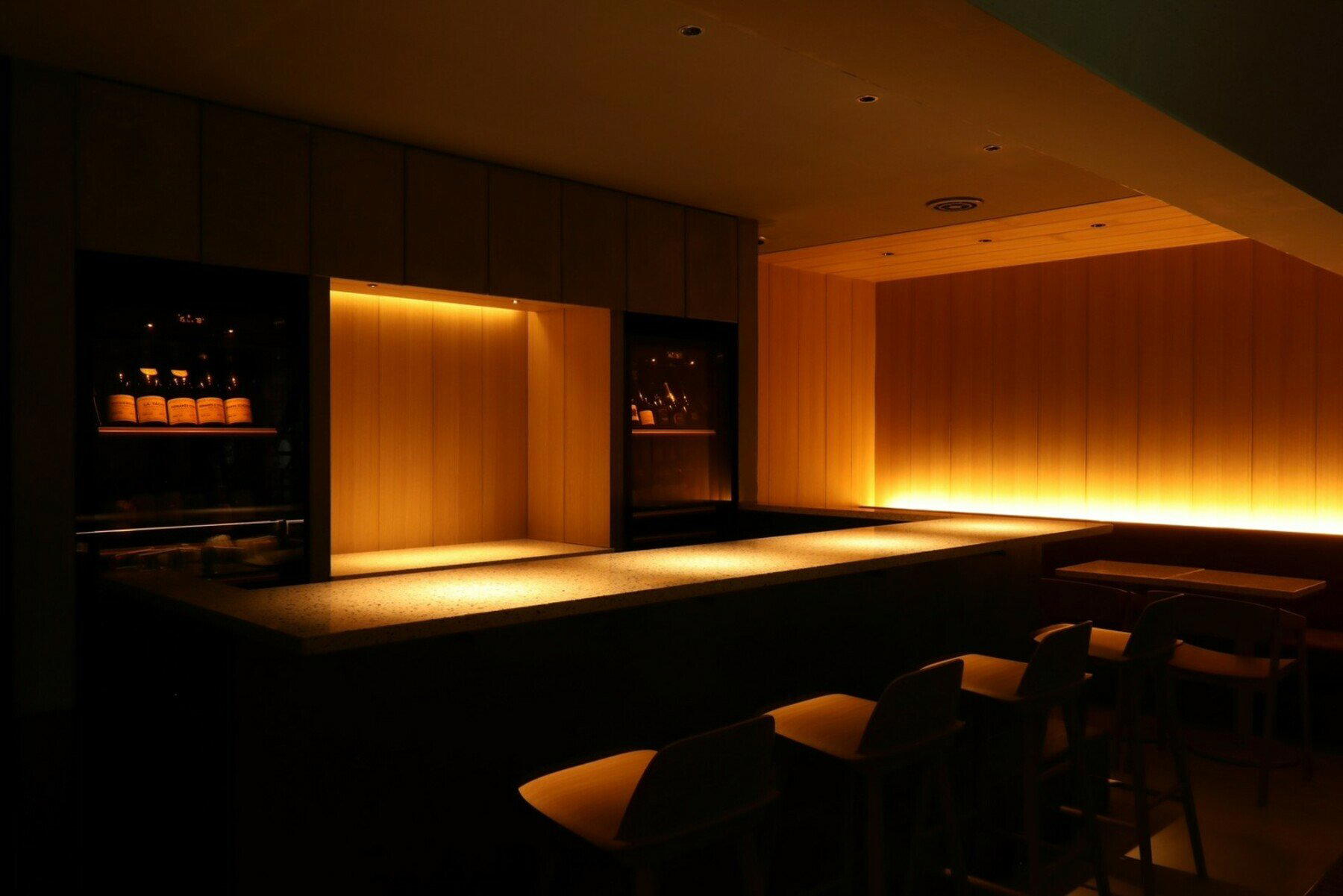
Simple house‑style interior with tatami seating and a warm, bustling, family‑friendly atmosphere typical of a popular neighborhood udon shop.