Rokerij
Rokerij occupies a residential stretch of North 16th Street in Phoenix, operating within a city that has developed one of the American Southwest's more serious independent dining cultures. The address places it in a mid-city corridor where neighbourhood restaurants have quietly accumulated a reputation for specificity over spectacle. Details on cuisine format, pricing, and booking are best confirmed directly with the venue.
Pearl is the En Primeur Club membership app — saves, bookings, and concierge access live there. Same editors, same standards.
- Address
- 6335 N 16th St, Phoenix, AZ 85016
- Phone
- +16022878900
- Website
- richardsonsnm.com
- Directions
- Get directions
 Saves & bookings on Pearl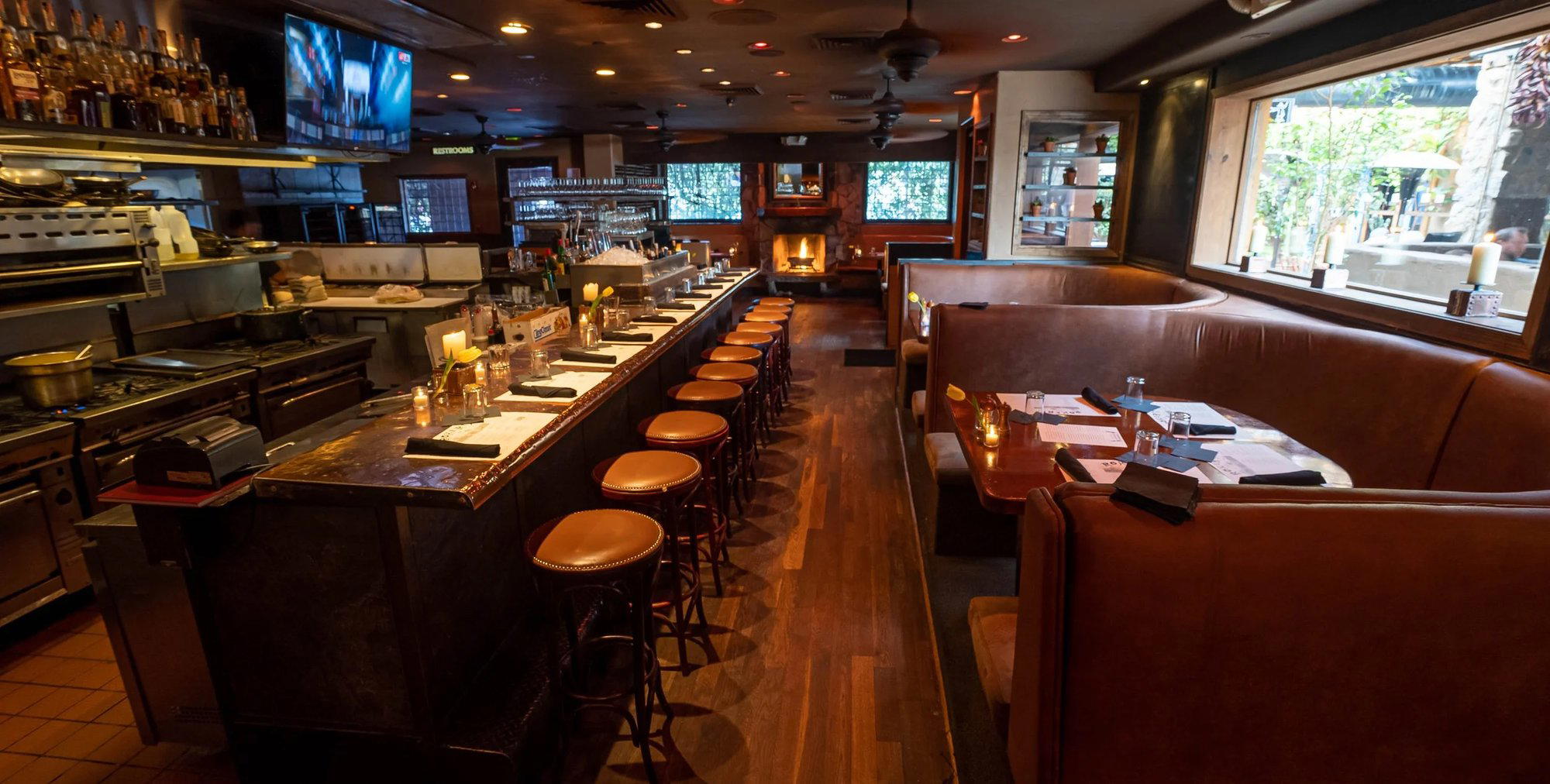
Fire, Smoke, and the Ethics of the Open Flame in Phoenix
Phoenix's independent restaurant scene has developed in a direction that rewards specificity. The city's best-regarded addresses tend to commit hard to a single idea — a fire source, a regional larder, a cooking tradition — rather than hedging toward crowd-pleasing breadth. Rokerij, at 6335 N 16th Street in the mid-city corridor north of Camelback Road, sits inside that pattern. The name itself signals the frame: rokerij is Dutch for smokehouse, a word that carries the weight of a centuries-old Northern European preservation tradition. In a North American context, that etymology is rarely deployed casually. It tends to mark a deliberate positioning, one that invites comparison not just with local barbecue but with the global lineage of smoke as a cooking method, from Scandinavian cold-smoke fish houses to the wood-fire Argentine asado tradition that has influenced kitchens from Buenos Aires to Brooklyn.
What makes smoke a genuinely interesting editorial subject in 2024 is that it sits at the intersection of two of dining's most persistent arguments: tradition versus innovation, and environmental consciousness versus sensory pleasure. Smoke is a preservation technology older than refrigeration. Its original purpose was sustainability in the most literal sense, extending the useful life of protein before spoilage. Modern kitchens that return to smoke-forward cooking are, at least partly, making an argument about waste reduction and whole-animal or whole-fish utilization. The fact that smoked preparations also happen to be among the most flavour-dense techniques available makes the ethical and the hedonistic unusually easy to reconcile.
North 16th Street and the Mid-City Independent Tier
The stretch of North 16th Street where Rokerij is located is characteristic of Phoenix's mid-city independent dining belt, addresses that are not in the heavily trafficked Biltmore or Old Town Scottsdale corridors but are known to residents who track the city's actual restaurant culture rather than its tourist circuit. This part of Phoenix tends to attract operators who are building for a local audience and making decisions accordingly: smaller rooms, more focused menus, sourcing relationships with Arizona producers rather than broadline distribution.
That neighbourhood character matters for understanding where Rokerij fits in the Phoenix competitive set. Across the city, smoke-forward concepts occupy a range of price points and formats. At the accessible end, Bacanora applies wood-fire technique to Sonoran cooking traditions, producing results that are as much about the regional larder as about the flame. At a different register entirely, Vincent Guerithault on Camelback has spent decades applying French technique to Southwestern ingredients, a model that proves Phoenix can sustain serious cooking with a clear regional identity. Rokerij's Dutch-derived name positions it differently from both: as a concept with a specific Old World referent rather than a regional American one.
For a broader read on where Phoenix's independent dining culture sits right now, our full Phoenix restaurants guide maps the city's active dining corridors and the operators building within them. Alongside Rokerij, addresses like Lom Wong and Pane Bianco represent the kind of committed single-subject cooking that has given Phoenix a more interesting independent tier than the city's national reputation might suggest. 5 & Diner anchors a different end of that spectrum, representing the city's long-standing comfort-food tradition.
Smoke as an Ethical Framework
The sustainability argument for smoke-centric cooking is worth taking seriously rather than treating as marketing language. Traditional smoking disciplines, whether Dutch, Scandinavian, or American Southern, were built around using all available parts of an animal or fish, because the cost of waste was real and immediate. Cold-smoke curing of fish, for instance, developed as a method to process the entirety of a catch, including portions that would not survive fresh transport. Hot-smoking of pork shoulders, briskets, and ribs was a technique for making use of cuts that were too tough or too fat-rich for faster cooking methods.
When contemporary kitchens apply these methods, they inherit that logic whether they intend to or not. A wood-fire or smoke-based kitchen that sources whole animals from regional producers and processes them across multiple preparations is, structurally, a lower-waste operation than a kitchen built around pre-portioned prime cuts. Some of the most sustainability-focused fine-dining programs in the United States have arrived at this conclusion independently. Blue Hill at Stone Barns in Tarrytown and Single Thread Farm in Healdsburg both operate with sourcing-first frameworks that involve close producer relationships and whole-product utilization. At the fine-dining end of the national spectrum, restaurants like Lazy Bear in San Francisco and Providence in Los Angeles have each built sustainability programs around similar principles. Further afield, Le Bernardin in New York and Addison in San Diego demonstrate that ethical sourcing and technical ambition are not competing priorities. That same logic, applied at a neighbourhood scale in Phoenix, is precisely the kind of move that builds a restaurant's long-term credibility with a local audience.
Other reference points in this broader national conversation include The French Laundry in Napa, Alinea in Chicago, Emeril's in New Orleans, Atomix in New York City, The Inn at Little Washington in Virginia, and internationally, 8½ Otto e Mezzo Bombana in Hong Kong, each representing a different answer to the question of how serious cooking justifies its footprint.
Planning Your Visit
Rokerij sits at 6335 N 16th Street in Phoenix, in a mid-city corridor that is most efficiently reached by car or rideshare, public transit coverage in this part of Phoenix is limited, and street parking is the standard approach for the neighbourhood. Independent restaurants in Phoenix's mid-city tier sometimes operate on abbreviated weekly schedules or shift their service model seasonally, so direct confirmation is a more reliable planning approach than assuming year-round consistency from secondary sources.
At a Glance
- Romantic
- Intimate
- Elegant
- Cozy
- Date Night
- Business Dinner
- Special Occasion
- Open Kitchen
- Extensive Wine List
- Craft Cocktails
Current opening hours
- Monday
- 3 PM–12 AM
- Tuesday
- 3 PM–12 AM
- Wednesday
- 3 PM–12 AM
- Thursday
- 3 PM–12 AM
- Friday
- 3 PM–12 AM
- Saturday
- 9 AM–12 AM
- Sunday
- 9 AM–12 AM
Hours can change for holidays and private events. Last verified .
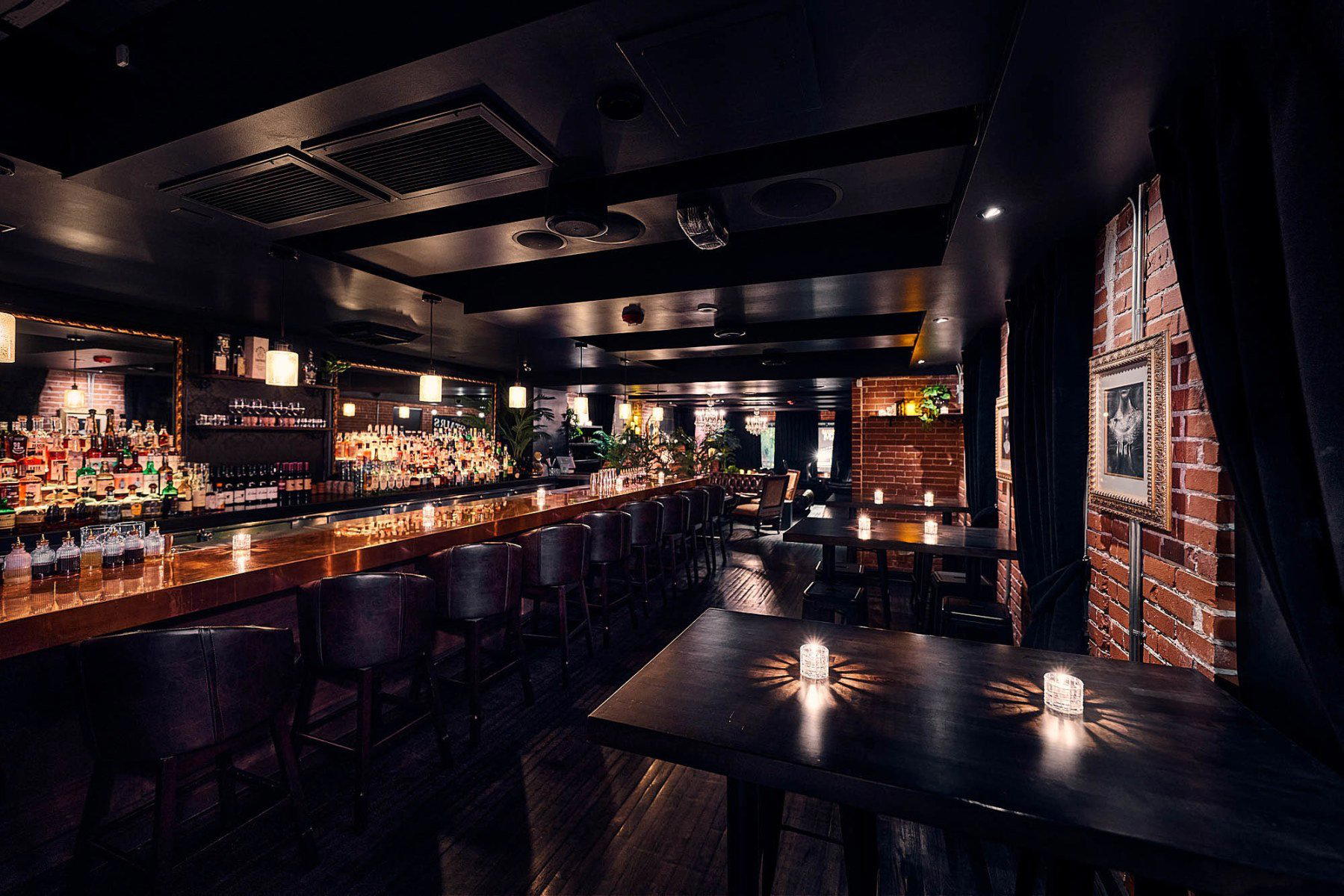
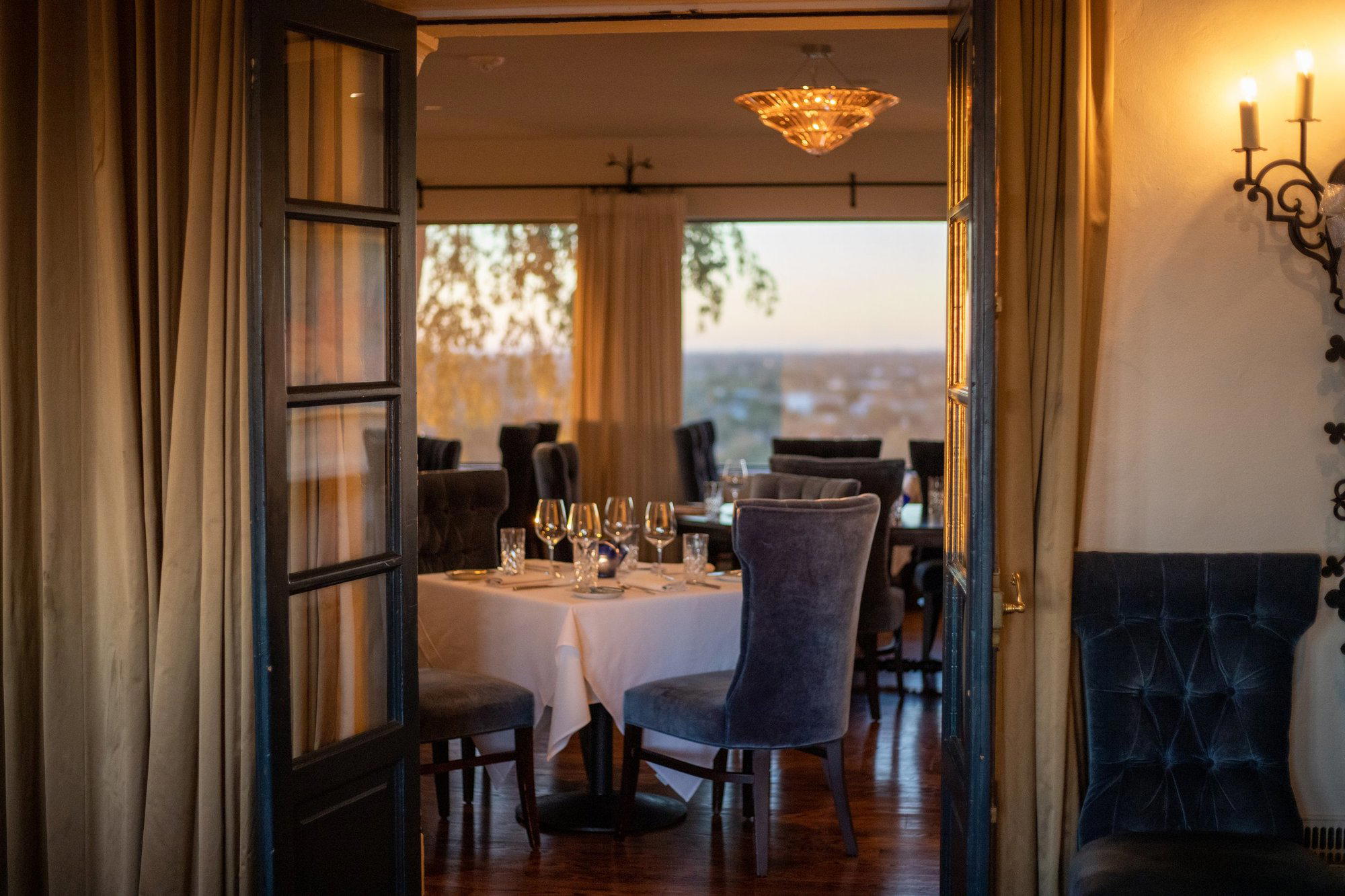
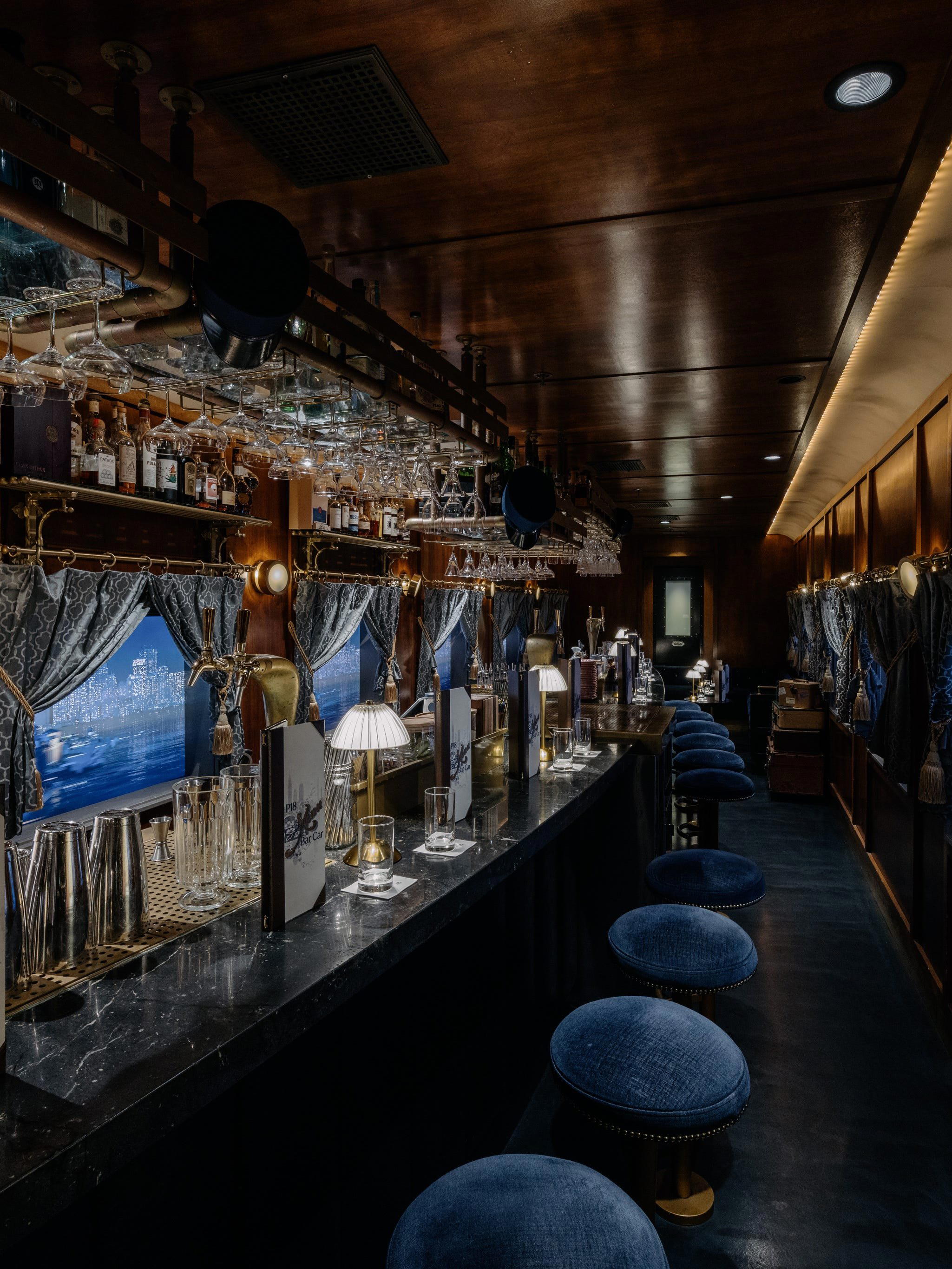
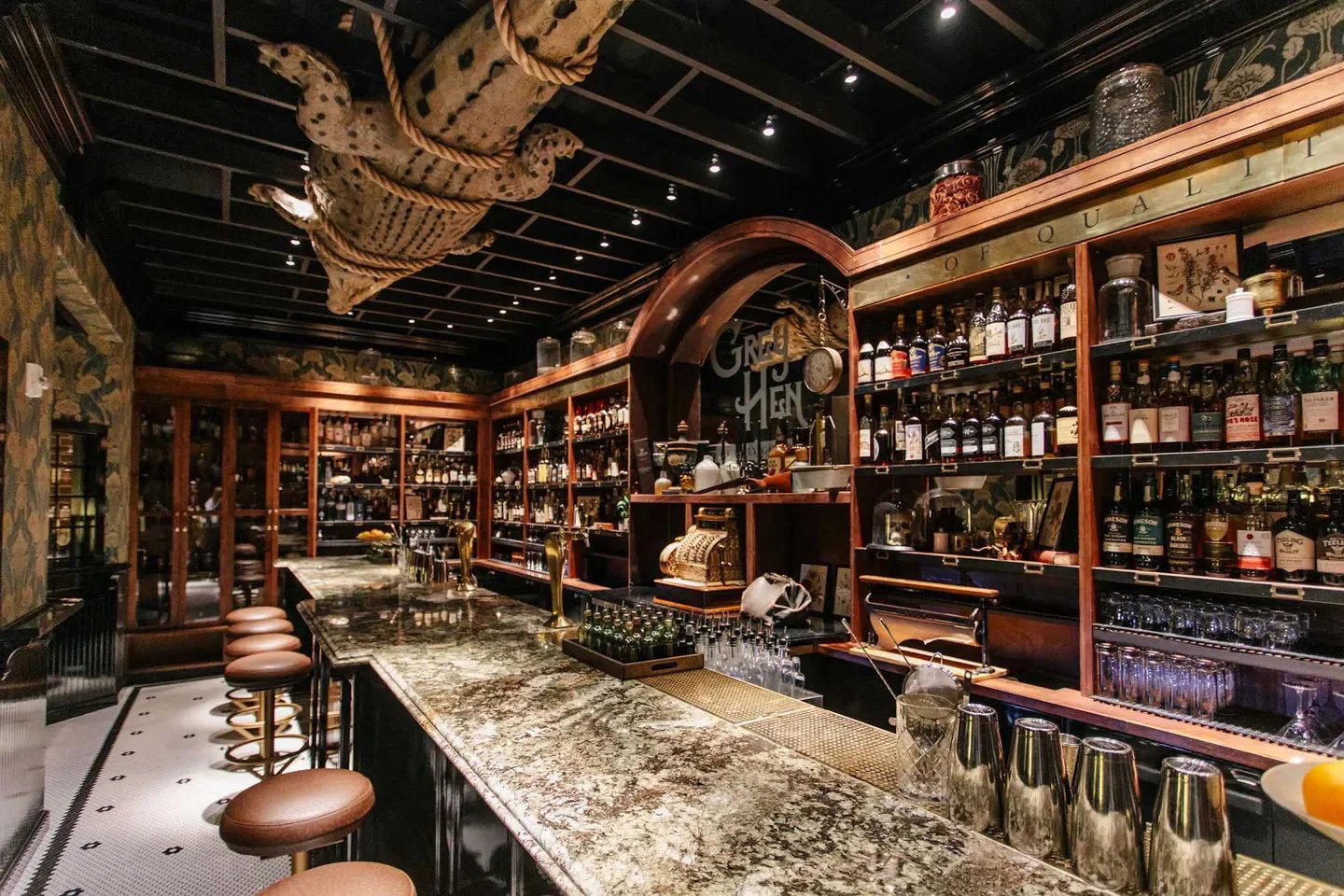
Dimly lit with eclectic music, oversized booths, and a downstairs cellar bar creating an intimate, sensory feast.
Know Before You Go
- Getting there
- 6335 N 16th St, Phoenix, AZ 85016