

Michelin Plate · Gault & Millau Türkiye 2 Toques
Our verdict
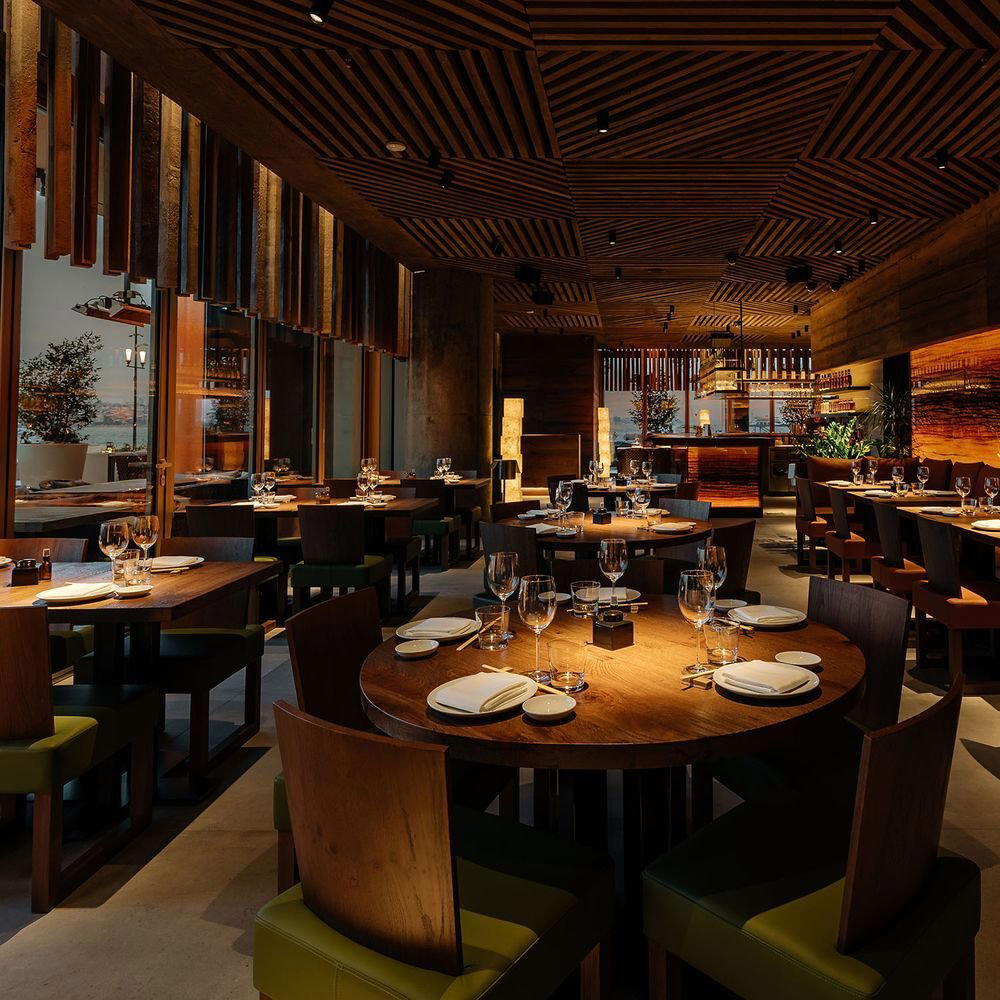
Positioned on the Galataport promenade with direct Bosphorus views, ROKA brings its Japanese contemporary format to Istanbul with a robatayaki-centred menu, an extensive sushi selection, and a sharing-plate approach that suits the city's social dining culture. Holding a Michelin Plate in both 2024 and 2025, it occupies a mid-range price tier that sits well below Istanbul's ₺₺₺₺ fine-dining bracket while delivering a credentialed kitchen.

Pearl is the En Primeur Club membership app, where members save venues, book tables and use the concierge.
The menu
What to order
- Black cod yuzu miso
- Yellowtail sashimi
- Korean spiced lamb cutlets
- Prawn tempura
Where the Bosphorus Meets the Robata Grill
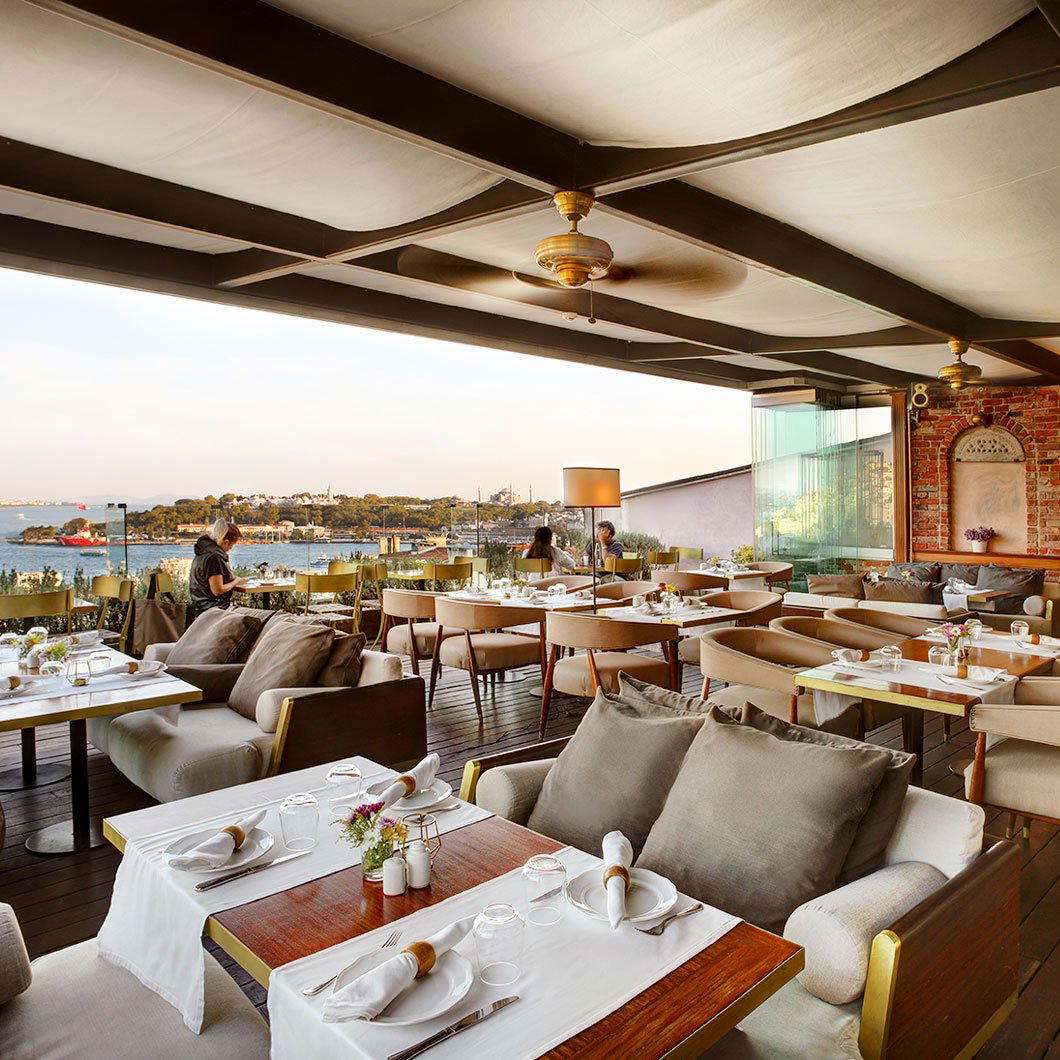
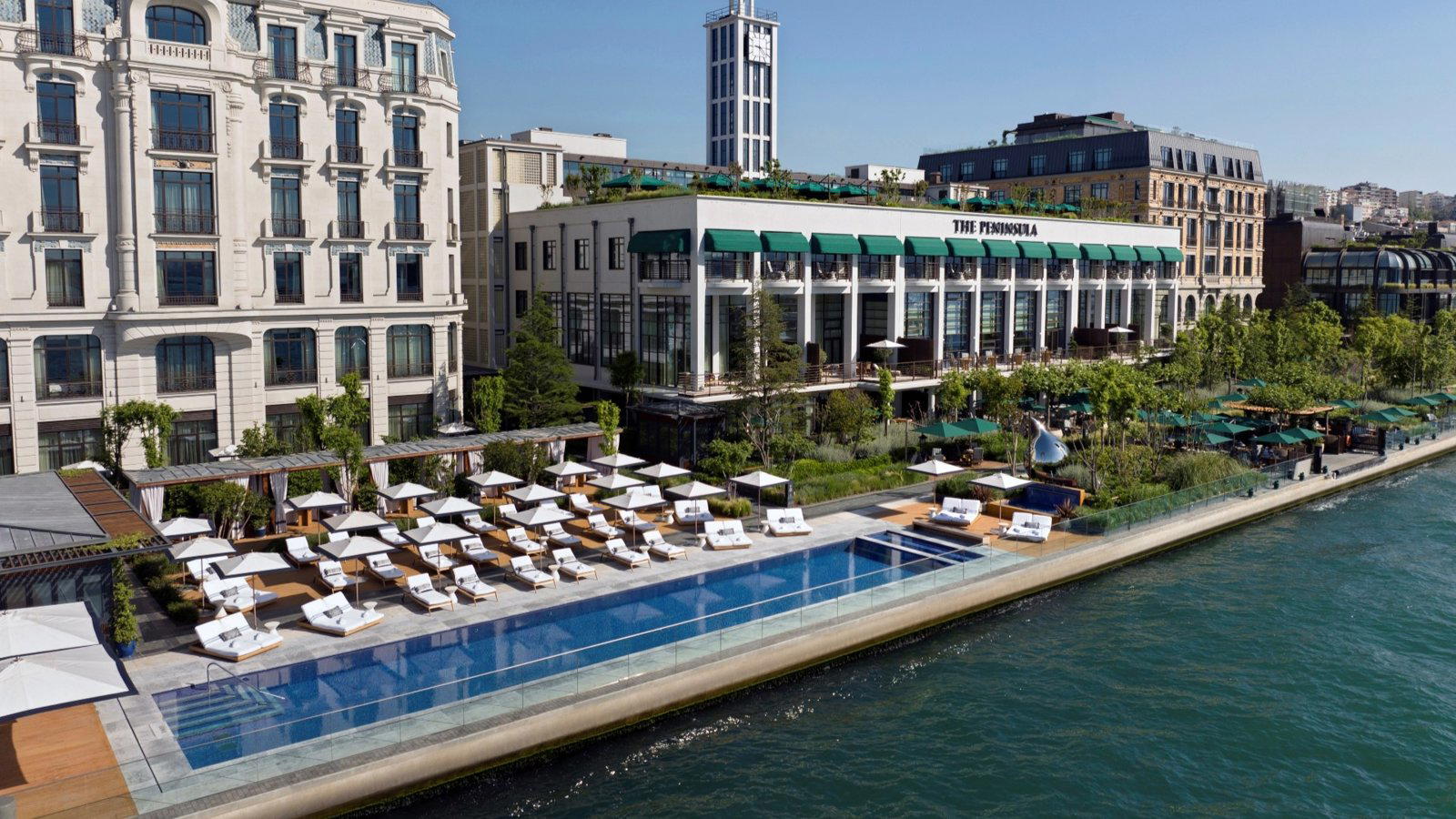
There is a particular quality to dining on the Galataport promenade at dusk. The waterfront redevelopment that opened this stretch of Beyoğlu to pedestrians also handed a small number of restaurants something no interior design budget can replicate: an unobstructed sightline across the Bosphorus, with ferries crossing and the Asian shore sharpening as the light drops. ROKA occupies that position, and the view does real contextual work here, framing a Japanese contemporary menu in a city whose dining identity has historically been defined by its own, fiercely particular culinary traditions.
The tension between Istanbul's sense of culinary place and the global drift toward Japanese-influenced formats is worth sitting with. At the ₺₺₺₺ end of the market, venues like Turk Fatih Tutak, Mikla, and Neolokal are committed to reworking Turkish ingredients and memory into something contemporary. ROKA operates from a different premise entirely, bringing a format built around the robatayaki grill and a pan-Asian sharing structure into a city that has, until recently, offered little of this at a credentialed level. It prices at ₺₺, well below that fine-dining tier, and the Michelin Plate recognition in both 2024 and 2025 suggests the kitchen is performing to a consistent standard without chasing the kind of elaboration that comes with starred ambitions.
The Robatayaki Tradition and What It Means on a Menu
Robatayaki as a cooking tradition originates in the communal hearth cooking of northern Japan, where food was grilled slowly over charcoal and passed to diners on long wooden paddles. In its contemporary restaurant form, the robata grill functions as the kitchen's centrepiece, producing food defined by char, smoke, and the particular sweetness that slow, dry heat draws from proteins and vegetables. The technique rewards restraint. Marinades tend to be minimal, or built around ingredients like miso and citrus that amplify rather than obscure the base product.
ROKA's menu is structured around this logic. The yuzu miso-marinated cod from the robata grill follows a preparation that has become something of a signature format for Japanese contemporary restaurants globally, the acidity of yuzu cutting through the richness of miso, the grill adding a caramelised edge that neither ingredient could produce alone. Comparisons to similarly formatted menus at Atomix in New York are useful here only as a category reference: what distinguishes the robata-led approach at this price tier is that it makes sophisticated technique accessible without requiring the tasting-menu commitment that defines higher-stakes Japanese dining. The king crab dumplings gesture toward the pan-Asian range of the menu, while the sushi selection extends the offering into raw preparation territory, giving the kitchen a broad surface area across which different technical skills can be demonstrated.
Kaiseki Principles in a Sharing-Plate Format
The kaiseki tradition in Japan is often described through its multi-course structure, but the deeper principle is one of deliberate composition: each element chosen for its relationship to season, technique, and the progression of the meal as a whole. ROKA's format does not replicate kaiseki directly. The sharing-plate approach and the Bosphorus-view setting are far removed from the restrained, sequential logic of a Kyoto kaiseki progression. What carries over, however, is the underlying commitment to technique as the primary language of the kitchen. Where kaiseki uses the seasons to discipline the menu, the robata grill here functions as the discipline: every dish that passes through it is shaped by the same set of heat relationships, and the menu's coherence comes partly from that shared grammar.
Chef Hamish Brown brings the ROKA brand's established approach to this Istanbul outpost, and the consistency of Michelin Plate recognition across two consecutive years indicates that the translation to a new city has not diluted the kitchen's standard. For context on how the broader Istanbul dining scene has handled the relationship between international formats and local identity, the work being done at Arkestra and Casa Lavanda offers a useful counterpoint, both approaching the fusion question from different angles and with different results.
The Galataport Setting and How to Use It
Galataport itself is a significant piece of context for understanding what ROKA is doing in Istanbul. The port redevelopment transformed a historically restricted waterfront stretch into a public promenade, and the restaurants that took positions along it inherited both the foot traffic and the competitive pressure of a high-visibility location. The setting rewards timing. Lunch service runs until 3:30 pm on weekdays, which is early enough to catch the midday light on the water before the afternoon haze settles. Friday and Saturday evening service extends to 11 pm, making a late booking viable if the goal is to experience the waterfront after dark, when the lit-up Asian shore creates a backdrop that carries its own atmospheric weight.
Sunday runs as a continuous service from noon to 10:30 pm, which makes it the most flexible day for visitors building a broader Istanbul itinerary. Those planning a fuller exploration of the city's restaurant scene can orient through our full Istanbul restaurants guide, and for context on where to stay, drink, and explore beyond the plate, the Istanbul hotels guide, bars guide, wineries guide, and experiences guide cover the full picture.
ROKA in the Wider Turkish Dining Context
Istanbul dominates Turkish restaurant coverage, but the country's broader dining geography deserves more attention than it typically receives. Coastal Turkey in particular has produced a set of credentialed kitchens that operate against some of the same water-and-grill dynamics present at ROKA: Kitchen by Osman Sezener in Bodrum, Narımor in Izmir, and Ahãma in Göcek each engage with coastal produce in ways that parallel, from a different cultural angle, the emphasis on marine ingredients central to much Japanese contemporary cooking. Inland, Aravan Evi in Ürgüp and Agora Pansiyon in Milas demonstrate how Turkey's culinary depth extends well beyond the coastal corridor. For those whose travel takes them south, 7 Mehmet in Antalya represents one of the country's more established regional dining references.
What ROKA adds to this picture is a credentialed international format at a price point that makes it genuinely accessible within Istanbul's range. Alongside the more technique-intensive work at venues like Le Bernardin in New York, which represents the upper register of what serious seafood cooking can achieve, ROKA's position is clear: it is not attempting to compete at that level, nor should it. It is doing something more specific and in some ways more interesting, making a disciplined Japanese contemporary format work in a city with one of the world's most confident culinary identities of its own, on a waterfront that provides a setting few of its global peers can match.
Planning Your Visit
ROKA is located at Kılıçali Paşa Mahallesi, Meclis-i Mebusan Sok. O2 Blok No:14/2E, Galataport, Beyoğlu, placing it directly on the waterfront promenade and within easy reach of the Karaköy and Tophane areas. Weekday lunch runs from noon to 3:30 pm and dinner from 5 pm, with Friday and Saturday evening service extending to 11 pm. Sunday operates as a single service from noon to 10:30 pm. The ₺₺ price range positions ROKA notably below Istanbul's Michelin-starred and fine-dining tier, making it a practical choice for visitors who want a credentialed kitchen without the commitment of a full tasting-menu format.
What Should I Order at ROKA?
The robatayaki grill is the kitchen's structural centre, and the yuzu miso-marinated cod represents the clearest expression of what the format does well: miso's depth, yuzu's acidity, and the grill's caramelising heat working in alignment rather than competition. The king crab dumplings extend the menu into pan-Asian territory and are worth including for the contrast they offer with the grill-led dishes. The sushi selection allows the kitchen to demonstrate a different register of technique, and building a table around a mix of grill, dumpling, and raw preparations reflects the sharing-plate logic the menu is designed around. The 2025 Michelin Plate recognition confirms the kitchen is executing at a consistent standard across that range.
Comparable Spots, Quickly
A small set of peers for context, based on recorded venue fields.
| Venue | Cuisine | Price | Awards | Notes |
|---|---|---|---|---|
| ROKAThis venue (the venue you are viewing) | Modern Japanese Robatayaki | $100–150 | Michelin Plate · Gault & Millau Türkiye 2 Toques | Not listed |
| Turk Fatih Tutak | Modern Turkish Fine Dining | $200–300 | 2 Michelin Stars · World's 50 Best #66 | Modern Turkish, ₺₺₺₺ |
| Mikla | New Anatolian Kitchen | $100–150 | 1 Michelin Star · World's 50 Best #44 | Modern Turkish, Mediterranean Cuisine, ₺₺₺₺ |
| Neolokal | Modern Turkish Fine Dining | $200–300 | 1 Michelin Star · World's 50 Best #100 | Modern Turkish, Turkish, ₺₺₺₺ |
| Arkestra | Modern European with Global Influences | $100–150 | 1 Michelin Star · Gault & Millau Türkiye 3 Toques | Fusion, ₺₺₺₺ |
| Nicole | Contemporary Turkish Fine Dining | $150–200 | 1 Michelin Star · Gault & Millau Türkiye 3 Toques | Modern Turkish, Modern Cuisine, ₺₺₺₺ |
Recognition history
Dated appearances from independent guides and award organizations, with the underlying list record or original source where available.
Michelin Plate
Michelin
Gault & Millau Türkiye 2 Toques
Gault & Millau · Gault & Millau Türkiye 2026 - 2 Toques
Full recognition history (4 entries)
Michelin Plate
Michelin
Michelin Plate
Michelin
Continue exploring
More in Istanbul
Restaurants in Istanbul
All restaurants in Istanbul →
Bars in Istanbul
All bars in Istanbul →
Details
- Trendy
- Elegant
- Lively
- Sophisticated
- Date Night
- Special Occasion
- Group Dining
- Waterfront
- Open Kitchen
- Craft Cocktails
- Sake Program
- Waterfront
- Skyline
- A La Carte
- Tasting Menu
- Small Plates
- Halal
Current opening hours
- Monday
- 12:30–11 PM
- Tuesday
- 12:30–11 PM
- Wednesday
- 12:30–11 PM
- Thursday
- 12:30–11 PM
- Friday
- 12:30–11:30 PM
- Saturday
- 12:30–11:30 PM
- Sunday
- 12:30–11 PM
Hours can change for holidays and private events. Hours as of .
Trendy and lively atmosphere with waterfront setting, lively music, and modern design.