

1 Michelin Star · Gault & Millau Türkiye 2 Toques
Our verdict
Kitchen by Osman Sezener holds a Michelin star at The Bodrum Edition in Yalıkavak, placing it among the small tier of fine-dining addresses on the Bodrum peninsula that combine local Aegean produce with technically precise cooking. The kitchen bridges Turkish culinary tradition and international technique through a focused à la carte format, with views over the marina bay framing every service.

Pearl is the En Primeur Club membership app, where members save venues, book tables and use the concierge.
The menu
What to order
- Bodrum sea bream tartare with Adana black caviar
- Perfectly fried sea bass
- Mandarin sorbet
Where Yalıkavak's fine-dining tier meets the Aegean shore
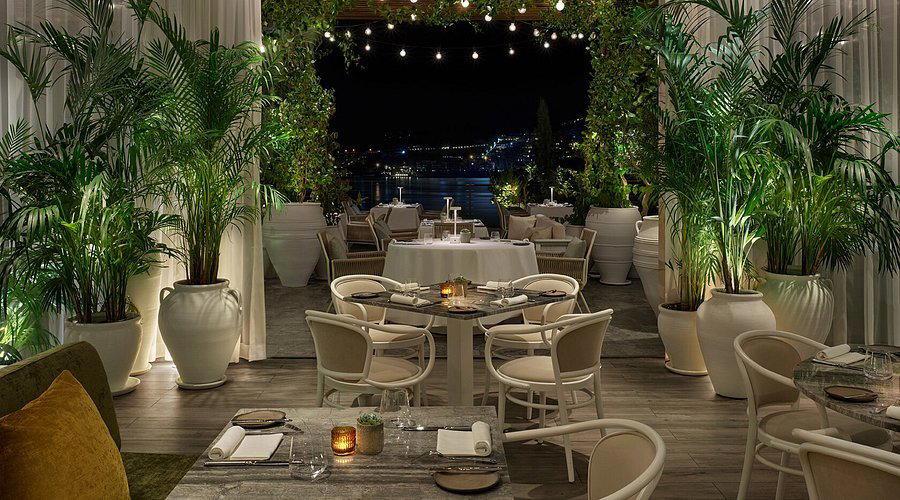
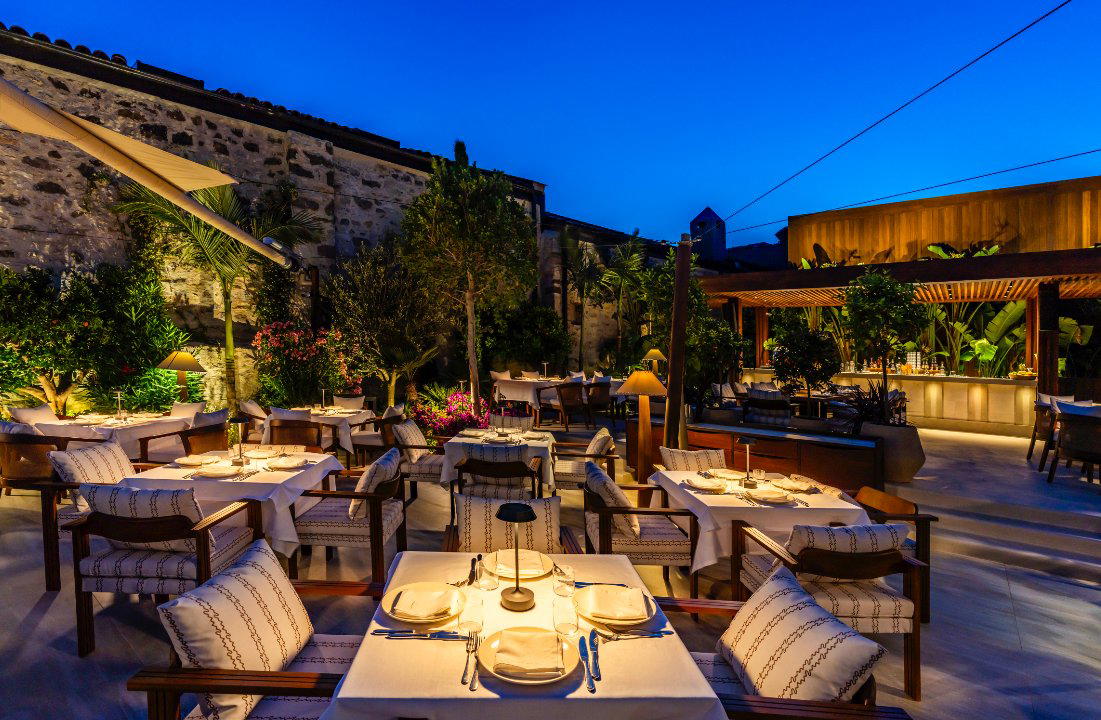
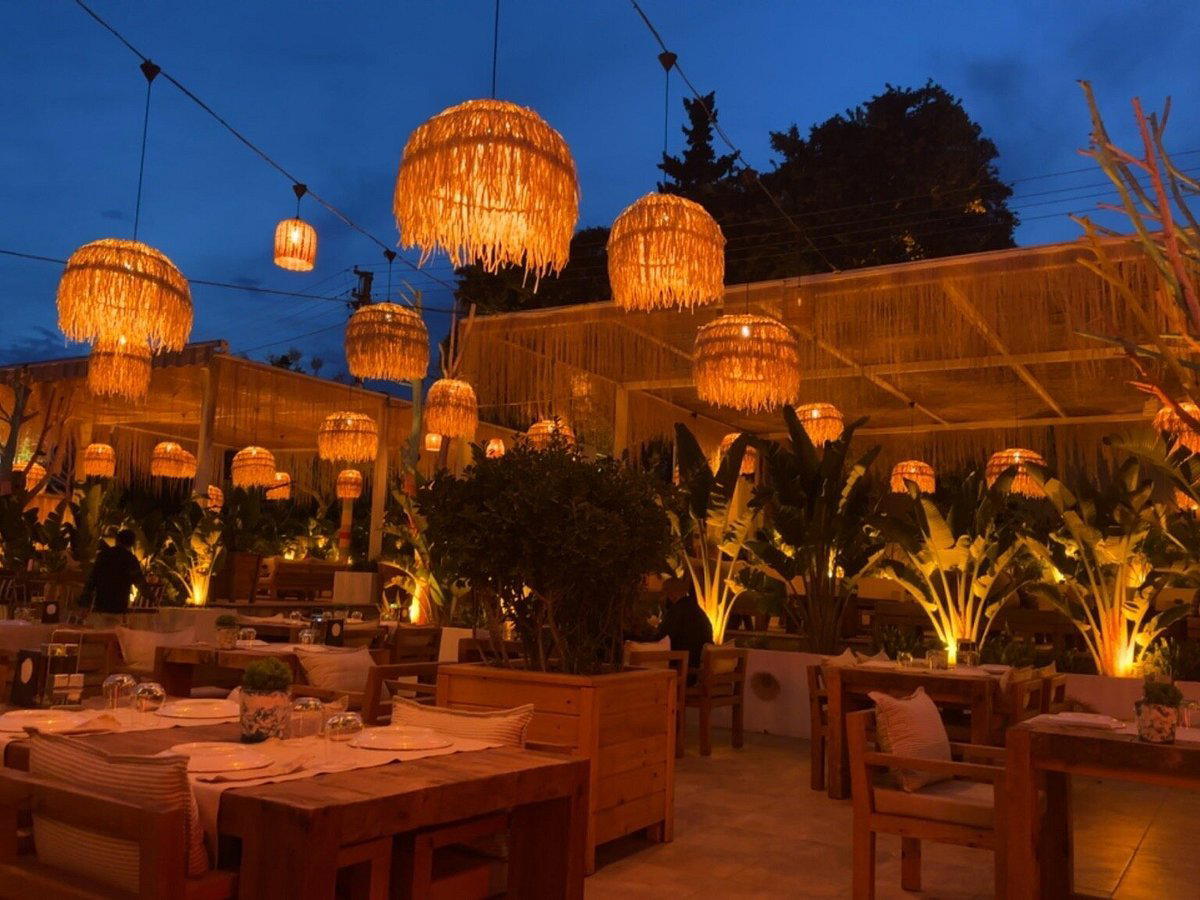
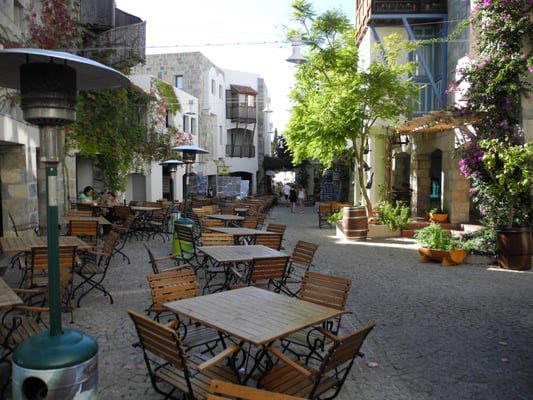
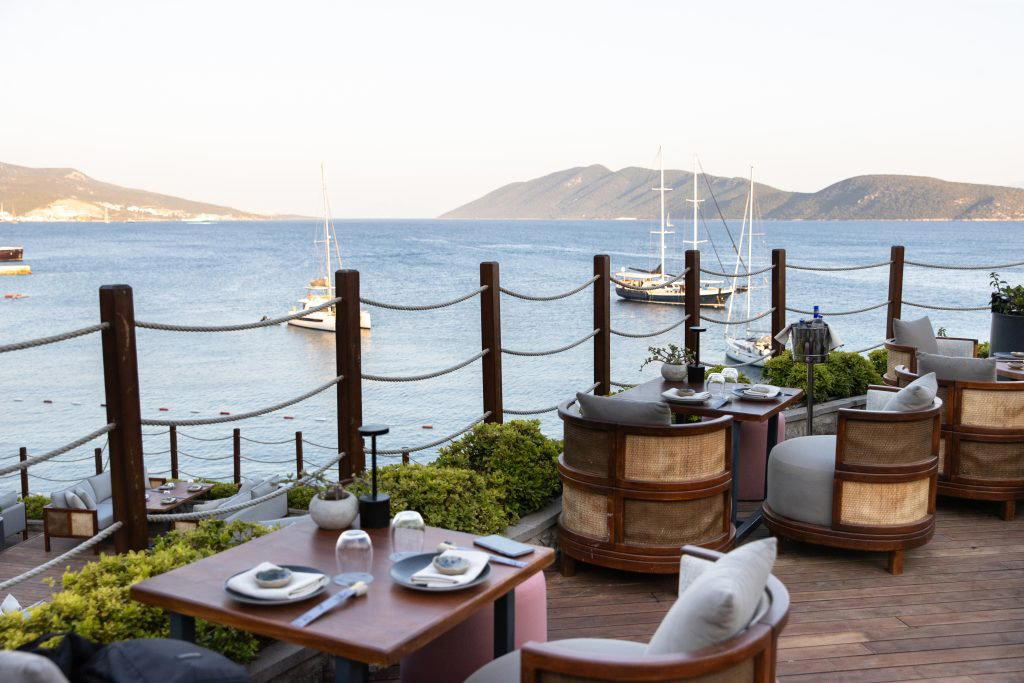
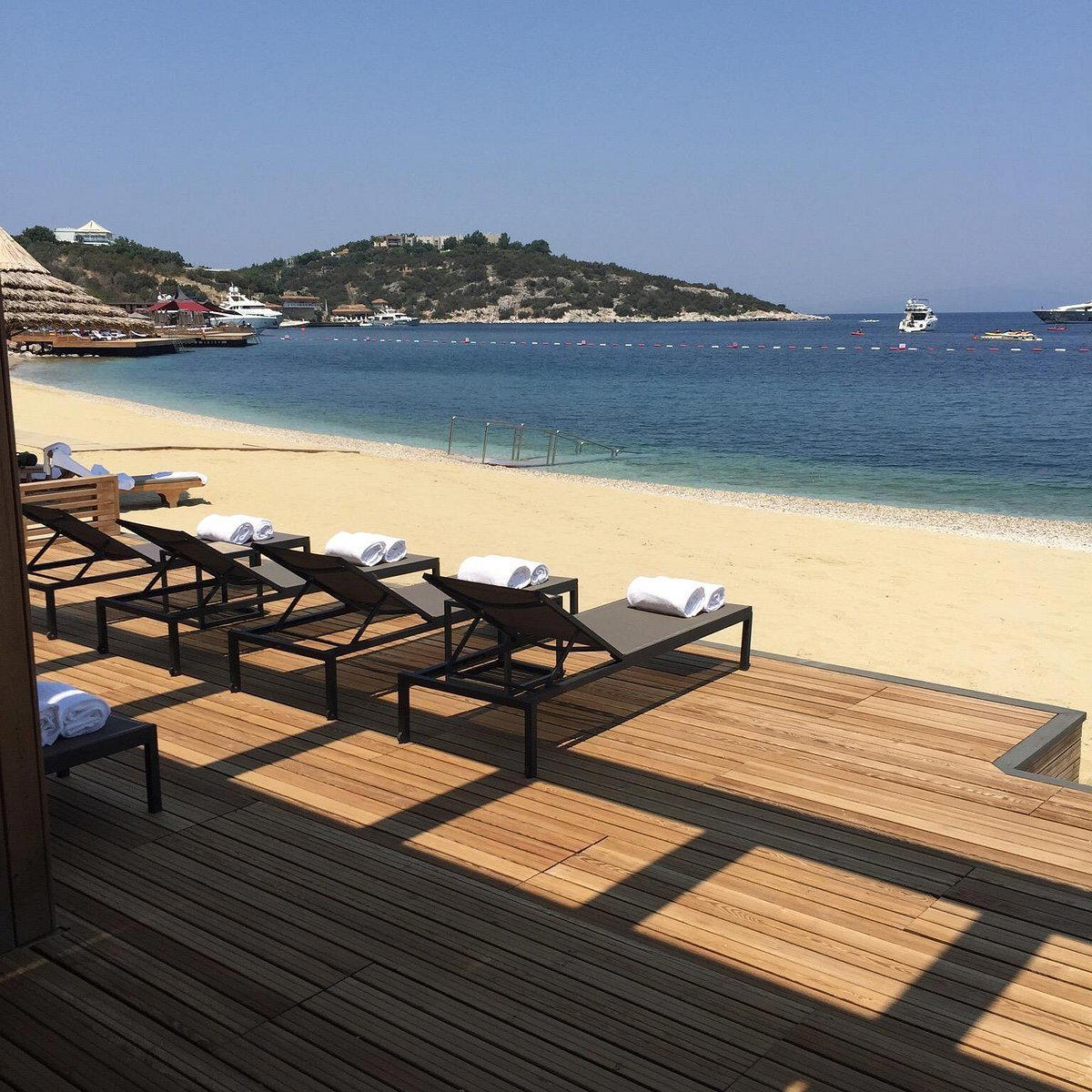
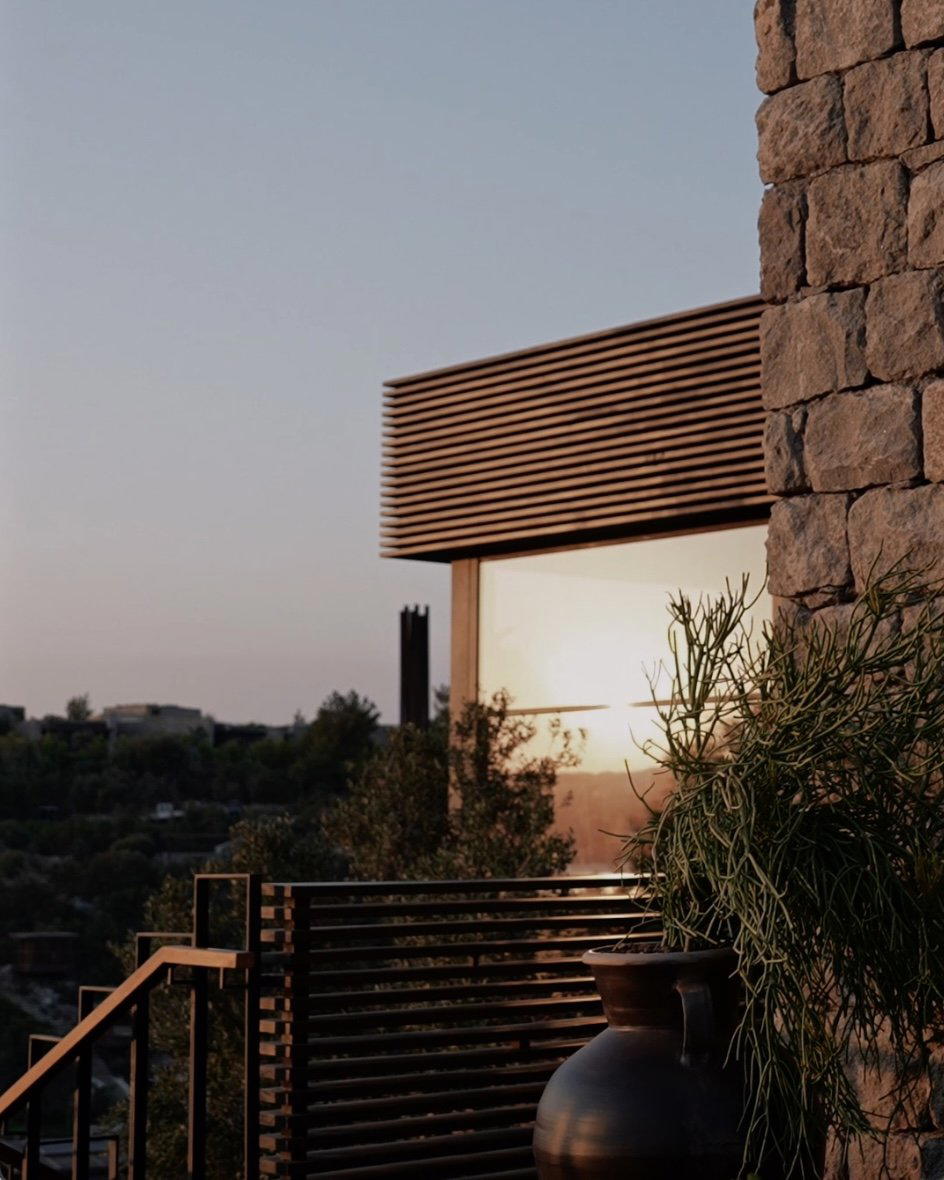
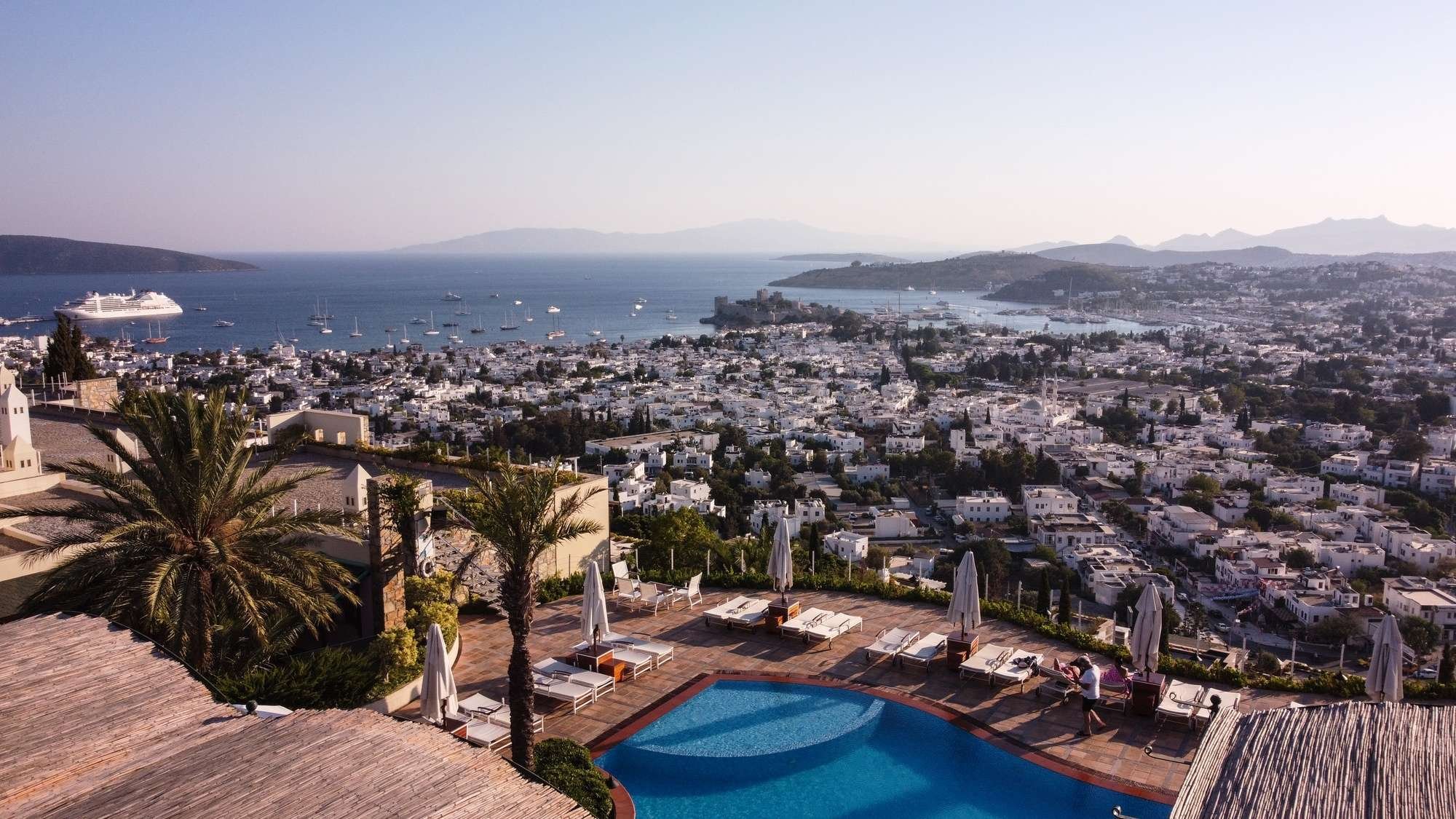
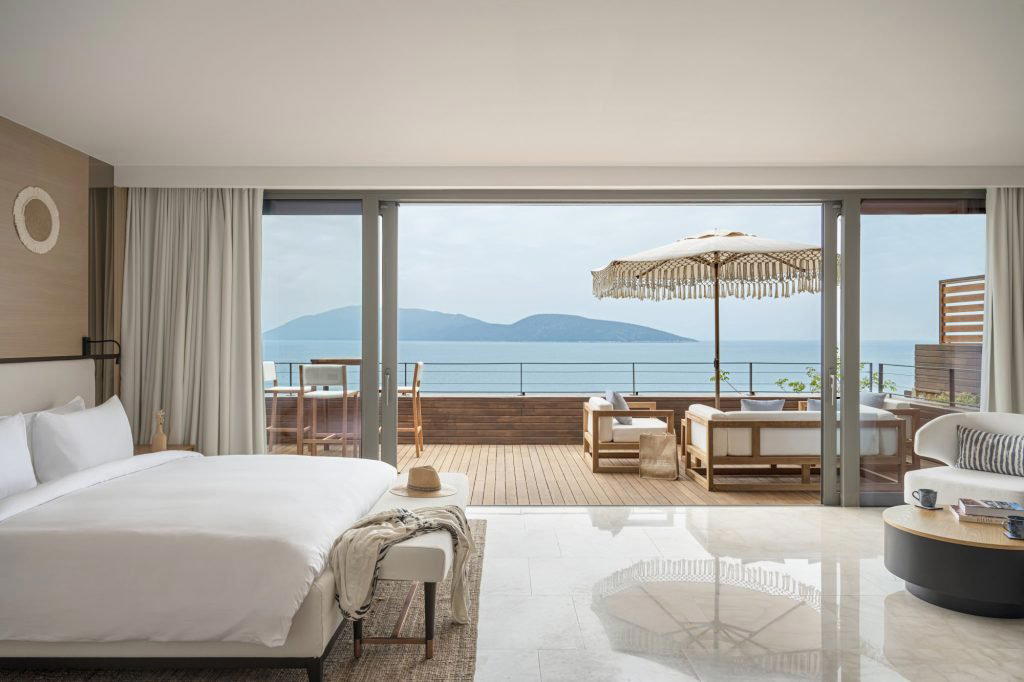
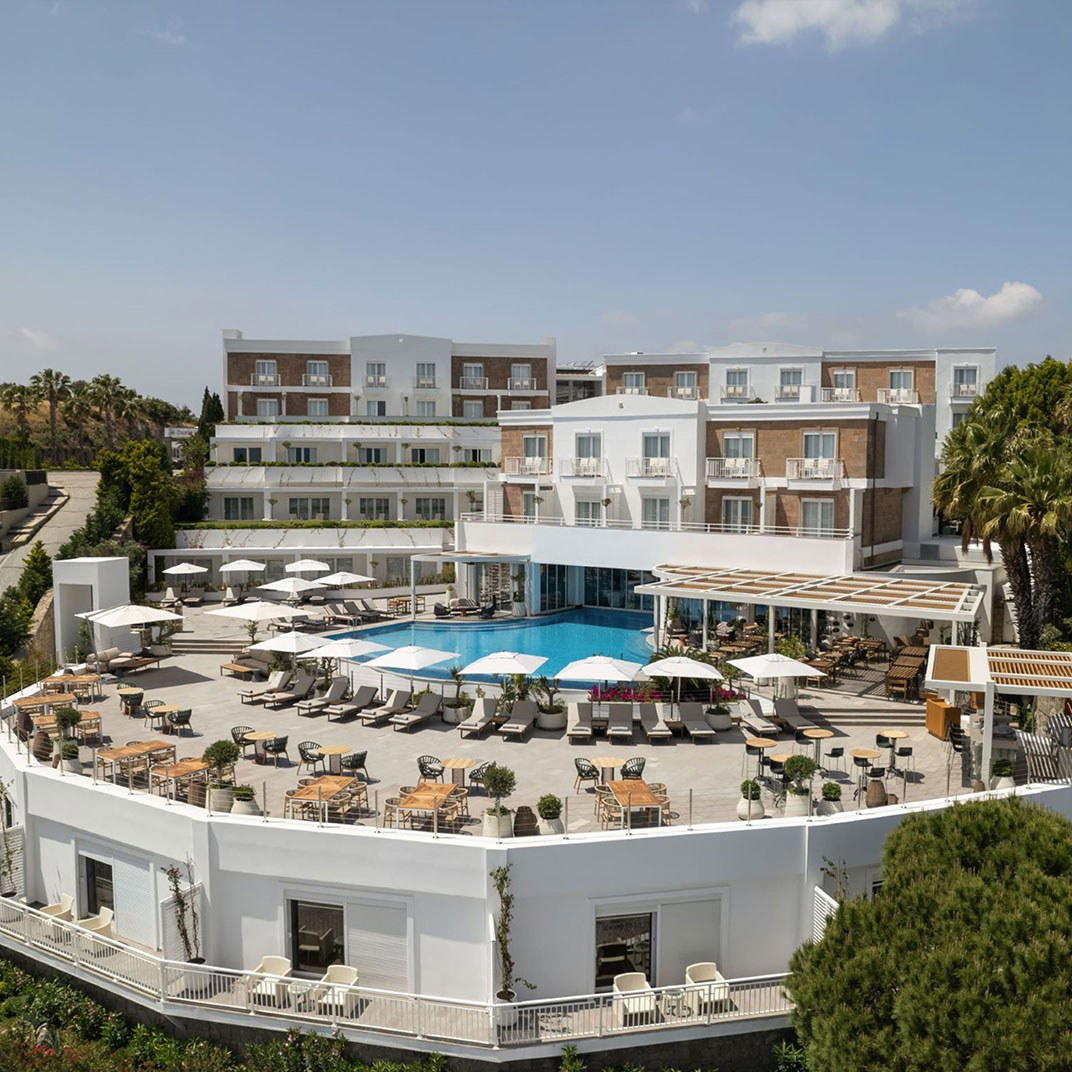
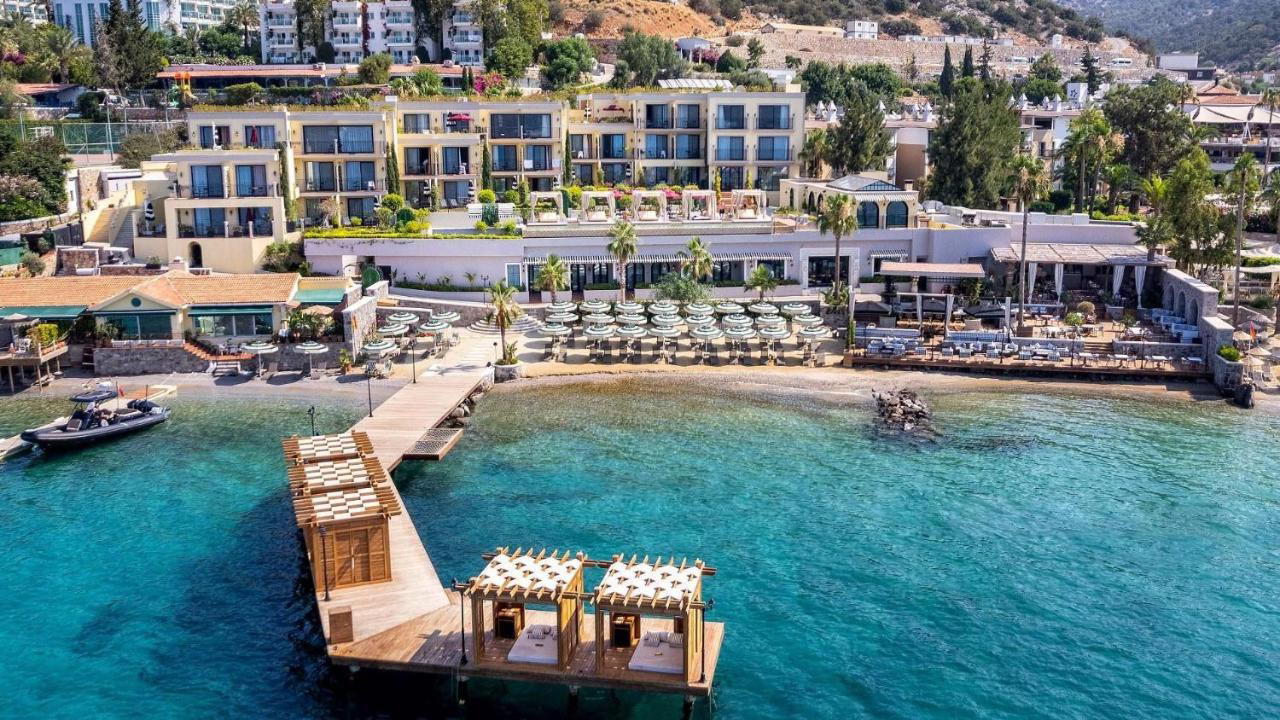
The approach to Yalıkavak's marina district at dusk sets an expectation that the food either confirms or fails to meet. Dirmil Mahallesi, the neighbourhood that anchors Kitchen by Osman Sezener at Balyek Caddesi No:5A, sits within the reach of the marina's superyacht moorings, and the restaurant itself occupies a position inside The Bodrum Edition that gives the dining room an unobstructed line over the resort and the bay beyond. The setting is not incidental. A wide bay view at this latitude, with the light dropping behind the Karaada hills, functions as a structural part of the evening rather than a background detail. The room itself reads as contemporary and warm rather than formal: the kind of space where the team can move between tables without the stiffness of white-tablecloth ceremony, which is precisely the register the kitchen's cooking asks for.
A Michelin star on the Bodrum peninsula, what that means in context
Turkey's Michelin coverage remains concentrated in Istanbul, where addresses like Turk Fatih Tutak have established the benchmark for starred modern Turkish cooking. Outside the capital, starred restaurants are far less common. On the Bodrum peninsula specifically, the 2024 Michelin star awarded to Kitchen by Osman Sezener and the existing recognition held by Maçakızı represent the entirety of the starred tier. That places this kitchen in a very small competitive set locally, even as it sits at a mid-range price point (₺₺) rather than the premium bracket occupied by Maçakızı (₺₺₺₺). The pricing difference matters because it signals a different intent: the cooking here is technically ambitious but not priced as a luxury destination event in itself. It is a starred kitchen with an accessible entry point by the standards of the peninsula's upper dining tier.
For reference across the wider Turkish Aegean and Mediterranean coast, modern-cuisine ambition of this kind appears at Narımor in Izmir and at Ahãma in Göcek, while traditional approaches persist at places like 7 Mehmet in Antalya, Agora Pansiyon in Milas, and Aravan Evi in Ürgüp. The distinction between those approaches and what Sezener's kitchen attempts is meaningful: modern cuisine here is not a rejection of Turkish culinary identity but a deliberate reframing of it through European technique and hyper-local produce sourcing.
The kitchen's approach: produce-led, technique-light where it counts
The Michelin assessors' own description of the kitchen offers a useful editorial frame. The cooking is characterised as applying international technique to regional Turkish produce without overcomplicating the result. That restraint is a choice with real consequences. A kitchen that leans on produce quality rather than process complexity is one that lives and dies by its sourcing relationships and its reading of what the Aegean season is offering. Herbs drawn from gardens surrounding the restaurant feed directly into the cooking, which reduces the supply chain between field and plate to a matter of steps rather than days. That kind of proximity produces a different flavour register than even the best-sourced metropolitan equivalent can achieve.
The à la carte format, which runs across all seven service evenings from 7 PM to midnight, gives the team flexibility that a fixed tasting menu would not. It also places a different kind of demand on the floor: when every guest is ordering differently, the front-of-house has to hold more information and make faster decisions about pacing, pairing suggestions, and table rhythm. That operational complexity, handled well, is what makes service at a restaurant like this feel fluid rather than mechanical. The team dynamic between kitchen output and floor management becomes the defining variable in whether the experience holds together across an entire evening.
How the team dynamic shapes the experience
Editorial angle of Bodrum's upper-tier dining increasingly runs through the relationship between kitchen ambition and floor intelligence. At a resort hotel setting like The Bodrum Edition, the front-of-house team faces a particular challenge: an international guest mix with varying levels of familiarity with Turkish cuisine, and an à la carte menu built around local produce that may require explanation. The kitchen can send out a sea bass with a beurre blanc enriched with oyster sauce and herb-infused oil, but whether the table understands what they are eating, and whether they are given bread specifically because that sauce invites mopping, depends on the floor team reading the situation and acting on it before being asked.
That alignment between kitchen intent and floor communication is where Michelin assessors place significant weight, and it is where a small, focused team in a hotel-restaurant context often has an advantage over larger city operations. The relative intimacy of the format at Yalıkavak, the constrained opening hours (evenings only, no lunch service), and the à la carte structure all point to a kitchen and floor working at a pace they can sustain without diluting the cooking. The Michelin commendation of generosity alongside finesse reflects that balance: it is not a tasting menu operation counting drops of sauce, but it is not a casual taverna either.
For those coming from the wider Bodrum dining circuit, the contrast with addresses like Loft Elia, Malva, Sia Eli, and The Red Balloon Yalıkavak is instructive. Those restaurants occupy different price and format positions. Kitchen by Osman Sezener's Michelin star puts it in a separate editorial tier, one where the standard of proof is higher and the expectations for consistency across the season are more demanding.
International reference points for the modern cuisine format
The modern cuisine category, which frames Kitchen by Osman Sezener alongside global peers rather than only Turkish comparisons, places it in conversation with restaurants like Frantzén in Stockholm and FZN by Björn Frantzén in Dubai at the top of the format, though the Bodrum operation works at a very different scale and price point. The relevant comparison is less about peer-level ambition and more about genre: modern cuisine as a category signals that the kitchen is not bound by a single national tradition, and that European technique is applied in service of local ingredients rather than imported flavour profiles. On that axis, the Aegean setting gives this kitchen a distinct advantage. The Bodrum peninsula's produce, fish, and herbs are different from what any urban modern cuisine restaurant can access, and the cooking that Michelin describes reflects an understanding of that asset.
Planning your visit
Kitchen by Osman Sezener is open every evening of the week from 7 PM to midnight, including Sundays, which gives the kitchen an unusually broad coverage for a starred restaurant in a seasonal resort market. The address is inside The Bodrum Edition in Yalıkavak, which means the venue is anchored to the hotel's infrastructure and accessible both to hotel guests and to outside diners. The price range at ₺₺ positions it as accessible relative to other fine-dining options on the peninsula. For those building a broader Bodrum itinerary, our full Bodrum restaurants guide maps the peninsula's dining options by cuisine and neighbourhood, and our full Bodrum hotels guide covers the accommodation tier in which The Bodrum Edition operates. Complementary planning resources include our full Bodrum bars guide, our full Bodrum wineries guide, and our full Bodrum experiences guide for rounding out a multi-day visit to the peninsula.
What people recommend at Kitchen by Osman Sezener
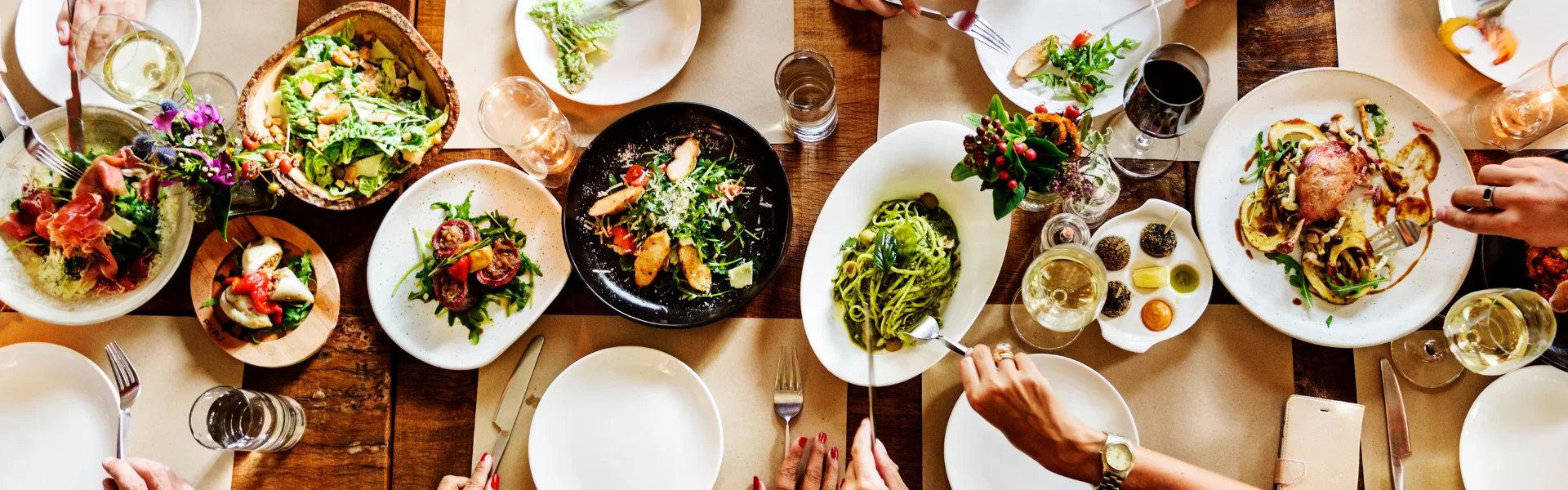
According to Michelin's own assessment, two dishes draw particular attention. The fried sea bass, prepared with a beurre blanc-style sauce enriched with oyster sauce and herb-infused oil, is described as arriving at the standard of fish pulled directly from the water. The sourdough bread served alongside is specifically noted as the tool for finishing that sauce, which says something about how intentional the pairing is. Separately, the octopus cooked in the charcoal oven is finished with a salsa verde of fresh herbs sourced from the gardens around the restaurant. Those two dishes, one fish with a French-rooted sauce interpretation, one grilled seafood with a garden-herb finish, reflect the kitchen's structural approach: classical European technique applied to Aegean produce with minimal interference. The à la carte selection is described as broad enough to create genuine difficulty in choosing, which at a starred kitchen with fresh seasonal sourcing is a considered compliment rather than a complaint.
Frequently asked questions
What do people recommend at Kitchen By Osman Sezener?
Michelin's assessors single out two dishes: the fried sea bass served with a beurre blanc-style sauce enriched with oyster sauce and herb-infused oil, and the charcoal-oven octopus finished with a salsa verde of fresh herbs grown on-site. The bread, a sourdough baked in-house, is specifically noted as worth ordering to absorb the sea bass sauce. Given the à la carte format, those two preparations are the clearest entry points into what the kitchen does well within its 2024 one-star recognition.
What should I budget for a meal at Kitchen By Osman Sezener?
Pricing at Kitchen By Osman Sezener is listed as ₺₺.
A Lean Comparison
| Venue | Cuisine | Price | Awards | Notes |
|---|---|---|---|---|
| Kitchen By Osman SezenerThis venue (the venue you are viewing) | Contemporary Turkish Coastal Cuisine | $150–200 | 1 Michelin Star · Gault & Millau Türkiye 2 Toques | Not listed |
| Maçakızı | Modern Aegean | $150–200 | 1 Michelin Star · World's 50 Best #96 | Modern Cuisine, ₺₺₺₺ |
| Arka Ristorante Pizzeria | Neapolitan Pizza Trattoria | $10–20 | Michelin Bib Gourmand | Italian, ₺ |
| Beynel | Traditional Turkish Meze & Kebab | $20–30 | Michelin Bib Gourmand | Turkish, ₺₺ |
| İki Sandal | Traditional Turkish Meyhane | $20–30 | Michelin Bib Gourmand | Traditional Cuisine, ₺₺ |
| Barbarossa | Greek Aegean Seafood | $100–150 | Michelin Plate · Gault & Millau Türkiye 1 Toque | Mediterranean Cuisine, ₺₺₺₺ |
Recognition history
Dated appearances from independent guides and award organizations, with the underlying list record or original source where available.
Michelin 1 Star
Michelin
Gault & Millau Türkiye 2 Toques
Gault & Millau · Gault & Millau Türkiye 2026 - 2 Toques
Full recognition history (3 entries)
Michelin 1 Star
Michelin
Continue exploring
More in Bodrum
Kitchen By Osman Sezener
The wine
- Extensive wine list
- Sommelier-led
- Craft cocktails
Details
- Elegant
- Scenic
- Sophisticated
- Romantic
- Date Night
- Celebration
- Special Occasion
- Business Dinner
- Waterfront
- Terrace
- Open Kitchen
- Hotel Restaurant
- Panoramic View
- Craft Cocktails
- Sommelier Led
- Extensive Wine List
- Farm To Table
- Local Sourcing
- Organic
- Waterfront
- Tasting Menu
- Prix Fixe
- A La Carte
- Craft Cocktails
- Wine Pairings
- Local Flavors
- Gluten Free Options
- Allergy Accommodating
- Pescatarian Friendly
Refined and sophisticated with warm, welcoming service; al fresco dining at sunset overlooking the Aegean Sea with soft lighting and a blend of music creating a polished yet approachable fine dining atmosphere.