1 Michelin Star · SCMP 100 Top Tables Restaurants
Our verdict
Simon Rogan's Roganic relocated to Lee Garden One in Causeway Bay in 2025, replacing its former tasting-menu format with a sharing-style set menu built around sustainable sourcing and a zero-waste philosophy. Ranked #37 in Asia by Opinionated About Dining (2024) and holding a Michelin star, it occupies a distinct position among Hong Kong's modern European rooms. Four libation-pairing options extend the format to non-drinkers as well as wine-focused guests.

Pearl is the En Primeur Club membership app, where members save venues, book tables and use the concierge.
The menu
What to order
- Dry-aged Guangdong duck
- Aged grouper
- Cured mackerel
- Raw bluefin tuna
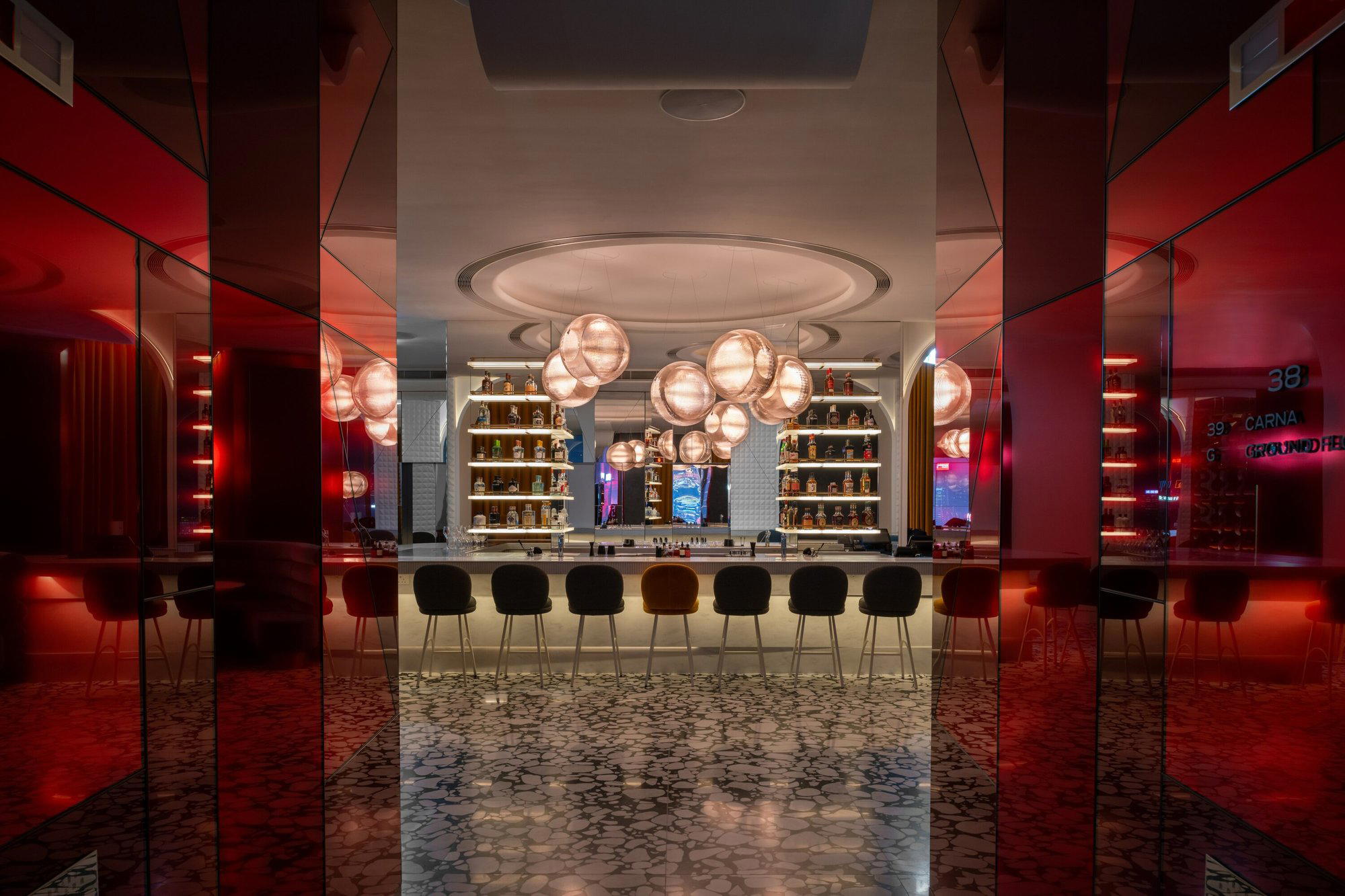
Fourth Floor, Causeway Bay: The Room and What It Signals
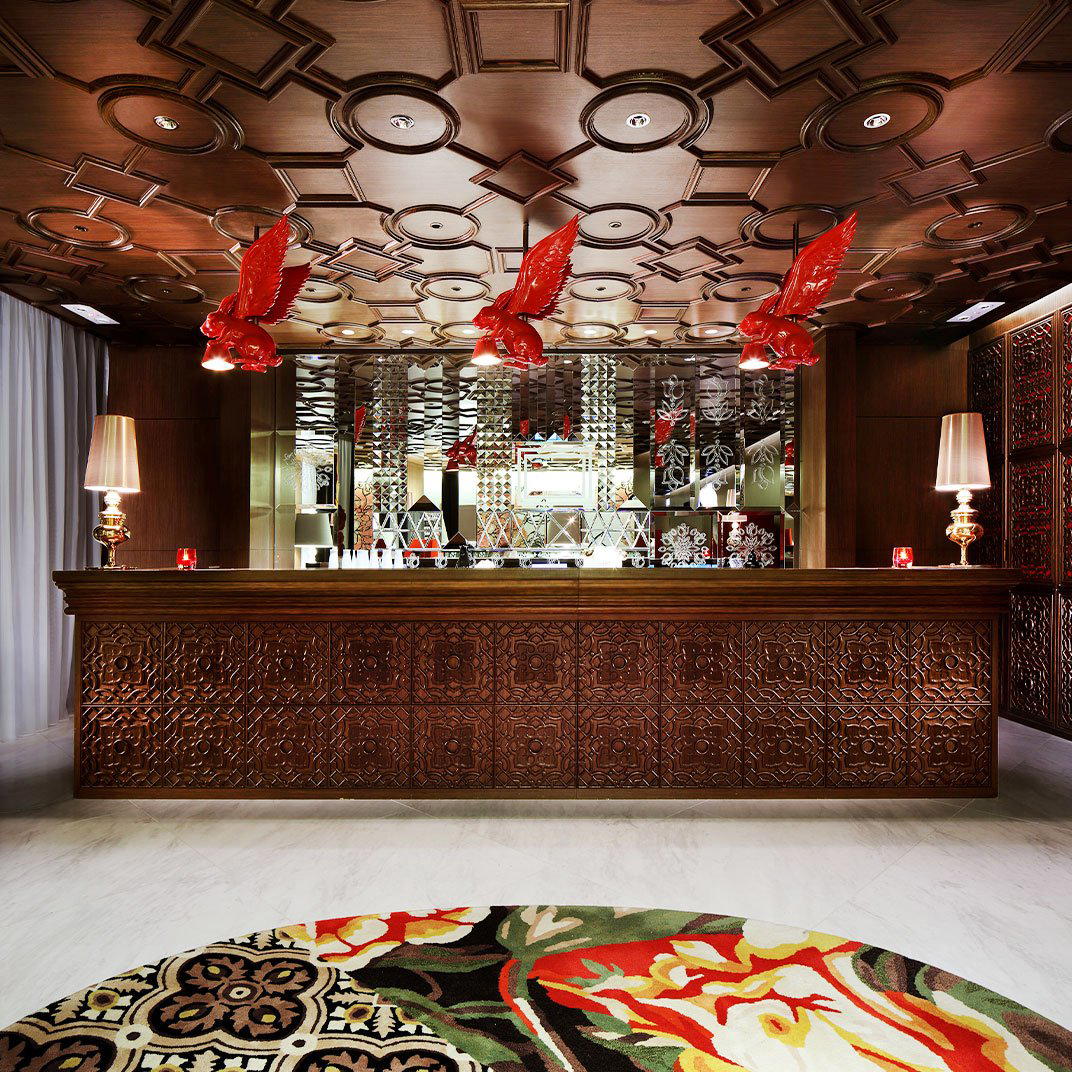
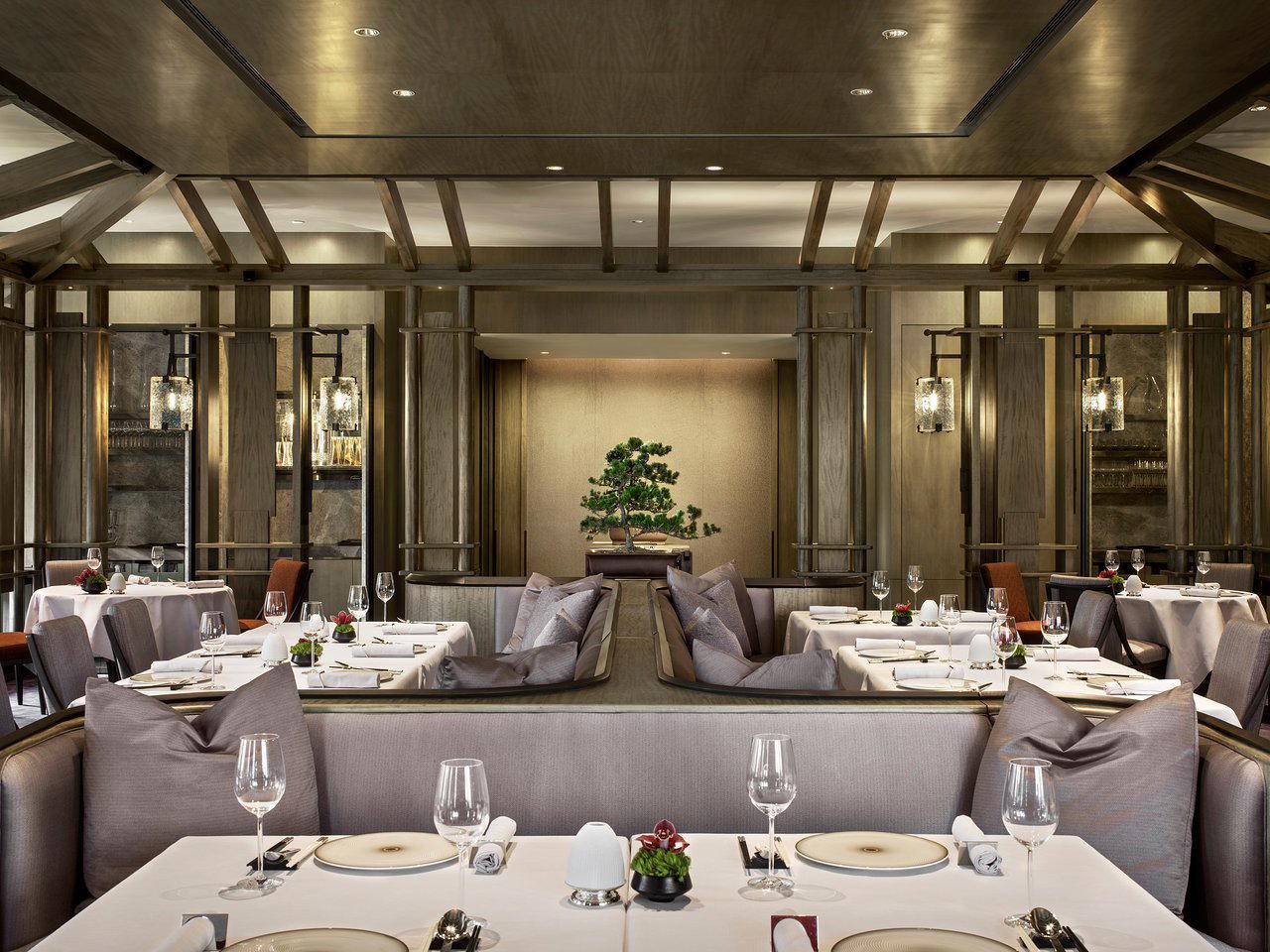
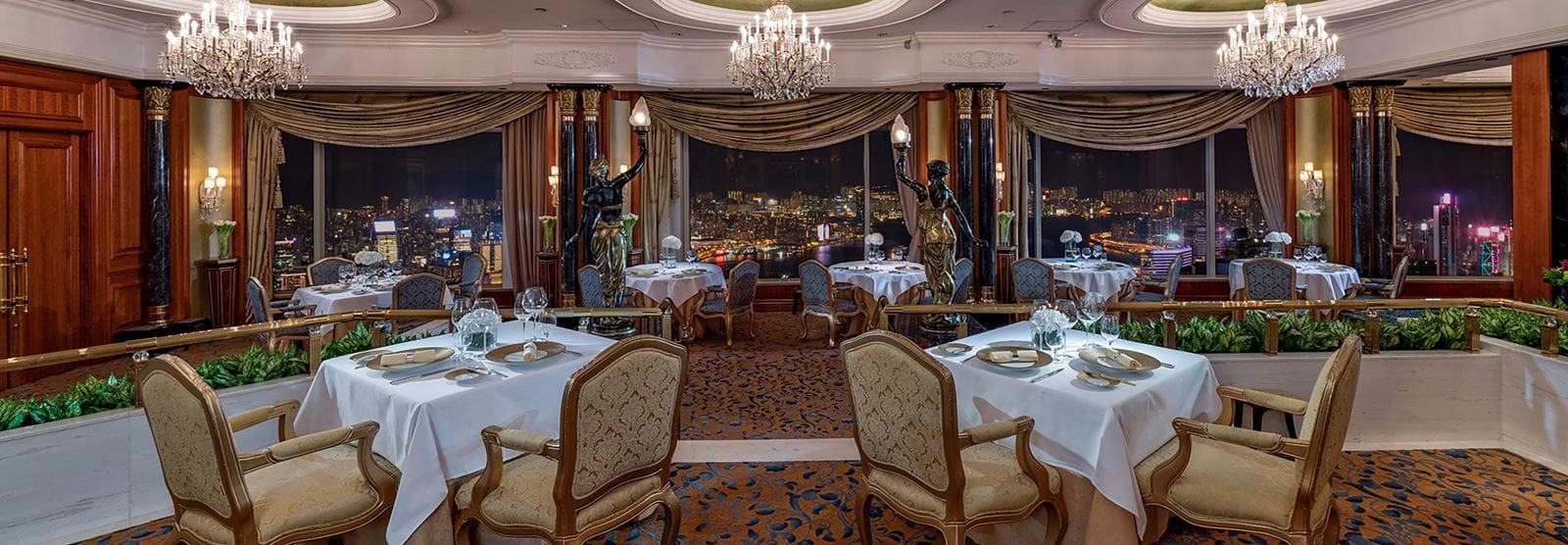
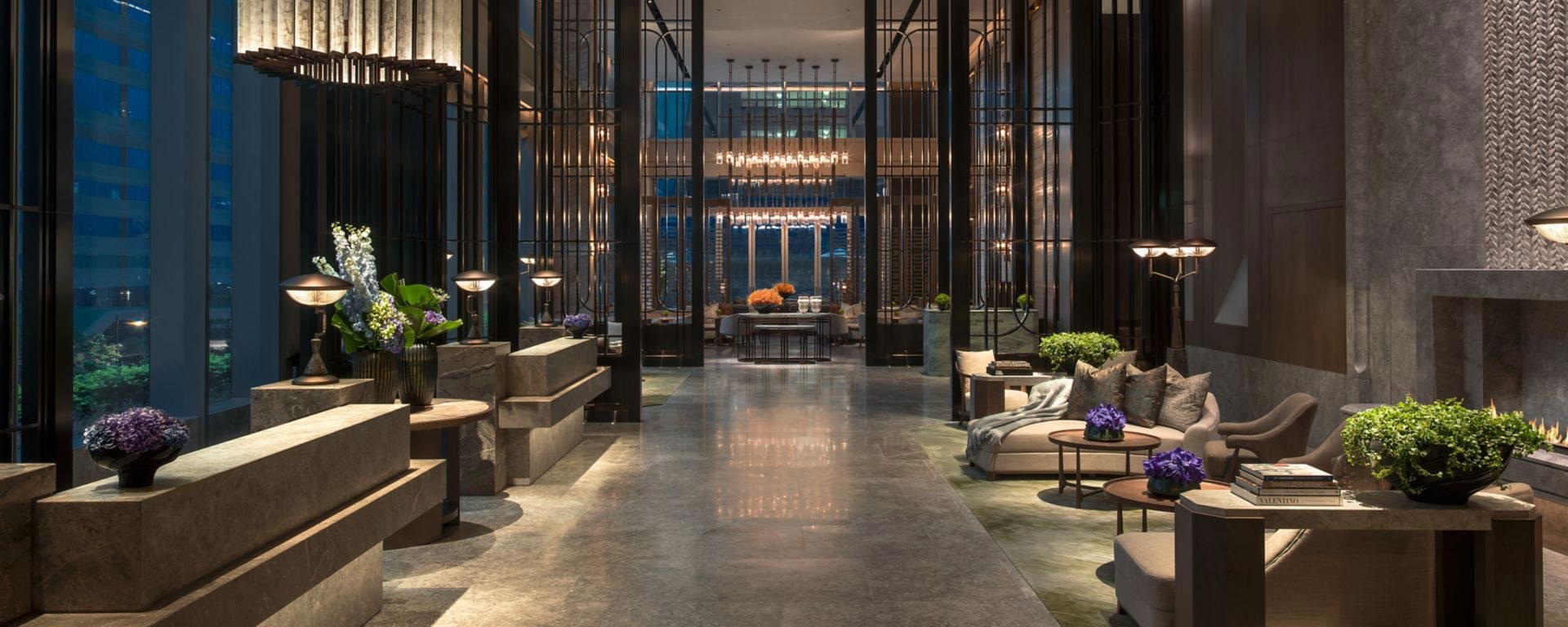
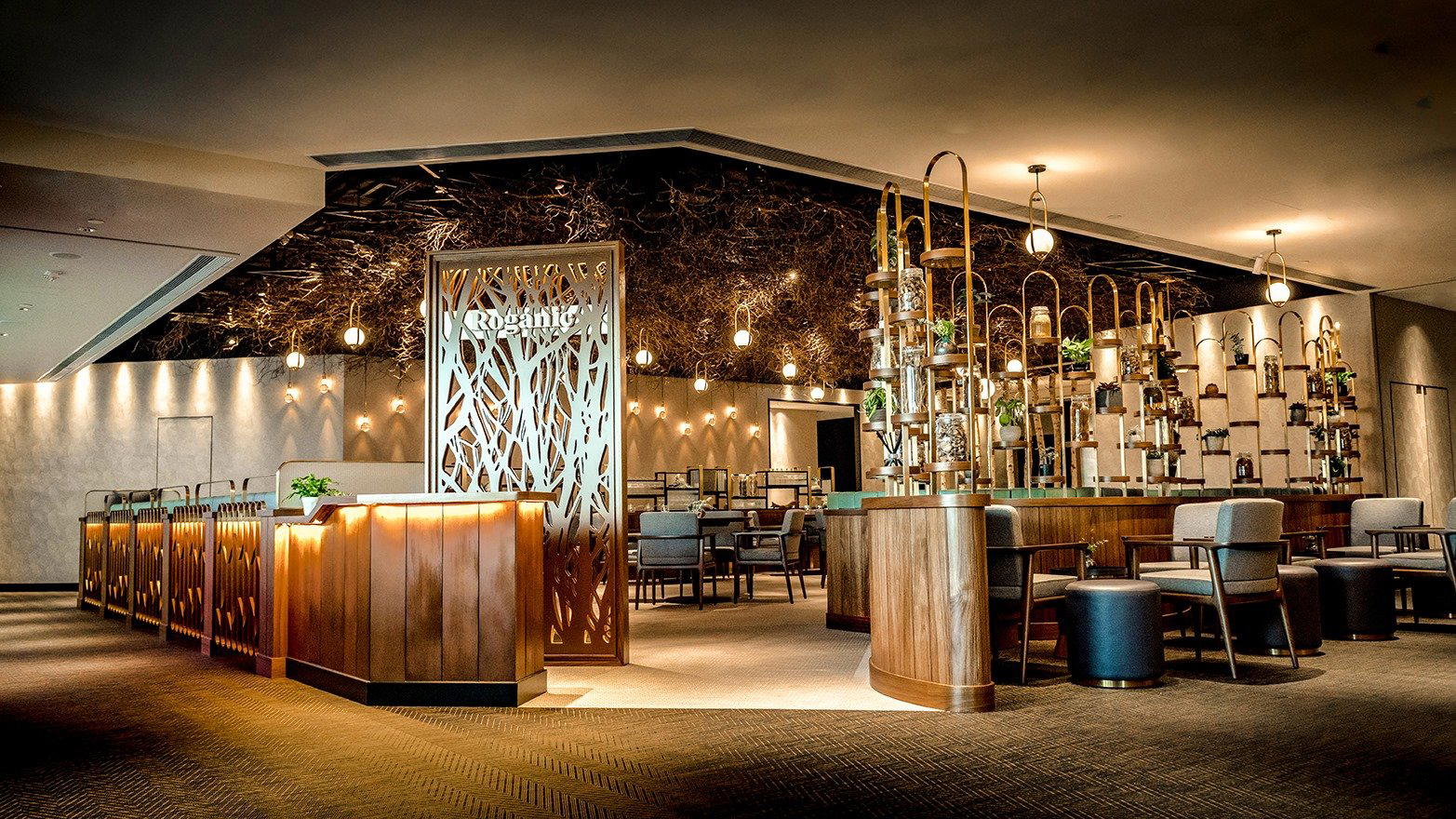
Lee Garden One is a Hysan Place-adjacent mall that sits at the quieter, more considered end of Causeway Bay's retail corridor. By the time you reach the fourth floor and find Roganic occupying shops 402 and 403, the street noise has receded entirely. The setting is deliberate: a European contemporary room inside a Hong Kong commercial building, insulated from the district's density in a way that focuses attention inward, toward the table and what arrives on it. That framing matters, because the food here asks for it.
Hong Kong's modern European fine-dining tier has long been dominated by French idiom: Caprice at the Four Seasons, Amber at the Mandarin Oriental's Landmark, and Ta Vie working a Japanese-French synthesis. Roganic occupies a genuinely different coordinate in that map: resolutely British in culinary DNA, farm-led in sourcing logic, and now, after its 2025 format shift, more accessible in structure without retreating from ambition.
The British Cheese Tradition in a Hong Kong Context
To understand what Roganic is doing in Hong Kong, it helps to understand what British artisan food culture has become in the past twenty years. The farm-to-table and zero-waste frameworks that define Simon Rogan's restaurants are not isolated restaurant philosophies, they emerged from a broader recovery of British agricultural identity, the same movement that rehabilitated raw-milk Cheddar, revived Stilton dairies operating under Protected Designation of Origin rules, and brought smaller regional producers from Wensleydale to Montgomery's in Somerset back into the fine-dining conversation.
British artisan cheese is a useful lens here because it illustrates the sourcing discipline the kitchen applies across categories. A cheese course drawn from named British dairies, the kind of provenance-led selection you find at the London mothership, represents exactly the zero-waste, celebrate-the-producer ethos that defines the Rogan operation. In Hong Kong, where the cheese culture is dominated by French and Swiss imports, presenting a Colston Bassett Stilton or a Keen's Cheddar alongside locally sourced produce is a statement about identity and supply-chain commitment. That choice has culinary consequences across the menu, not only at the cheese stage.
The 2025 Format Shift: From Tasting Menu to Sharing Set
When Roganic moved to its current Lee Garden One address in 2025, the kitchen jettisoned the sequential tasting-menu format that had earned it a Michelin star and an Opinionated About Dining ranking of #37 in Asia in 2024 (rising from #50 in 2023). The replacement is a sharing-style set menu, a format that Hong Kong diners know intimately from Cantonese tradition but that British-European kitchens have been slower to adopt.
The logic of the shift is sound. Sharing formats allow a table to encounter more of the kitchen's range in a single sitting, and they suit the ingredient-led approach better than the strict sequential parade. When a kitchen is working with sustainable local produce and British artisan sourcing, putting multiple preparations on the table simultaneously lets the provenance story accumulate rather than arriving one course at a time. The format also reduces the barrier to entry: a sharing set menu at the $$$ price point is a more flexible proposition than a fixed sequence, particularly for guests exploring rather than committing.
For context, comparable moves have happened across Asia's modern European rooms: shifting from rigid tasting menus toward more convivial formats without conceding on ingredient quality or technique. The difference at Roganic is that the British modern idiom, with its emphasis on fermentation, aged dairy, foraged elements, and whole-animal thinking, translates the sharing format differently than French or Japanese-French kitchens do. The texture of the meal is different.
Where Roganic Sits in the Competitive Set
At the $$$ tier, Roganic occupies an interesting position. Its immediate Hong Kong peers in the modern European sharing or set-menu format include Feuille (French Contemporary, $$$) and Neighborhood (International/European Contemporary, $$).
At the tier above, 8 1/2 Otto e Mezzo Bombana ($$$$ Italian) and Ta Vie ($$$$ Japanese-French) represent a different price commitment for a different cuisine register. Roganic is not positioning against those rooms; it is offering a distinct European-contemporary argument at a price point that allows repeat visits. That repeatability is important: the sharing format and seasonal sourcing logic mean the menu shifts with produce availability, and returning diners encounter a different table each time.
Internationally, the farm-to-table British modern tradition Roganic represents has analogues at some distance: Lazy Bear in San Francisco works a similar produce-first communal-format logic, though through a distinctly American lens. The commitment to zero-waste technique and named-supplier sourcing connects Roganic philosophically, if not geographically, to rooms like Aponiente in El Puerto de Santa María, where the sourcing philosophy structures everything else.
Libation Pairings: Four Options, Including Non-Alcoholic
The four-tier libation pairing structure is one of the more thoughtful operational decisions in the current format. Most fine-dining rooms in Hong Kong offer a wine pairing and, if you ask, a juice pairing as an afterthought. Roganic formalizes the non-alcoholic option as a first-class offering alongside wine-focused pairings, which acknowledges that a significant portion of Hong Kong's dining public either doesn't drink or is selective about alcohol. This is not a minor logistical detail, it affects who books the restaurant and how they experience the meal. A table where half the guests have an equally considered beverage sequence, rather than sparkling water poured on request, functions differently as a social experience.
The breadth of pairing options also aligns with the British artisan ethos: just as the food program treats fermentation and preservation as serious techniques, the beverage program presumably treats fermented non-alcoholic drinks, kombuchas, vinegars, shrubs, as legitimate accompaniments rather than concessions.
Cantonese Context: Sustainable Sourcing in a City with Its Own Produce Logic
Hong Kong has its own deeply considered relationship with ingredient sourcing, visible in the precision of wet-market purchasing at rooms like Forum and in the obsessive seafood provenance tracking of Cantonese kitchens. The farm-to-table framing Roganic employs is not new to this city; what is distinct is the British frame through which that sourcing is communicated and the producers it connects to. The combination of Hong Kong local sustainable produce with British artisan references, including the cheese culture discussed above, creates a menu that is neither purely British export nor local adaptation, but a working synthesis that the 2025 relocation has clarified.
Planning Your Visit
Roganic is located at Shop 402-403, 4/F, Lee Garden One, 33 Hysan Avenue, Causeway Bay. The Causeway Bay MTR station is the practical arrival point. The $$$ price tier positions the restaurant below Hong Kong's top-tier French rooms and above the neighborhood bistro range.
| Venue | Cuisine | Price | Format | Key Recognition |
|---|---|---|---|---|
| Roganic | Modern British / European Contemporary | $$$ | Sharing set menu | Michelin 1 Star; OAD Asia #37 (2024) |
| Feuille | French Contemporary | $$$ | Set menu | European contemporary peer at same tier |
| Neighborhood | International / European Contemporary | $$ | À la carte | Lower price point, broader European scope |
| Caprice | French Contemporary | $$$$ | Set / à la carte | Michelin-starred French room, higher tier |
| Ta Vie | Japanese-French | $$$$ | Tasting menu | OAD-ranked, Japanese-French synthesis |
The 2025 move and format change make this a different restaurant from the one that accumulated its earlier rankings.
For broader planning across the city, see our full Hong Kong restaurants guide, Hong Kong hotels guide, Hong Kong bars guide, Hong Kong wineries guide, and Hong Kong experiences guide. If you're building a broader itinerary of recognized European kitchens, Amber and 8 1/2 Otto e Mezzo Bombana represent the French and Italian ends of that spectrum respectively. For reference points outside Asia, Le Bernardin in New York and Alain Ducasse at Louis XV in Monte Carlo illustrate the tier of European fine dining Roganic sits adjacent to, if below in price. Rooms working in the innovation-led European tradition, like Alléno Paris and Arzak, provide further context for how the modern British contribution fits into the wider European picture. For those curious about Atomix in New York or Emeril's in New Orleans, the comparison highlights how different regional culinary identities assert themselves within the broader fine-dining framework that Roganic also inhabits.
What Should I Order at Roganic?
Roganic now operates a sharing-style set menu rather than an à la carte or fully sequential tasting format, so individual dish selection in the traditional sense is not the operative question. The menu is built around sustainable local produce and British artisan sourcing, with the zero-waste philosophy shaping preparation across all stages, from the opening snacks through to the cheese course. Four libation pairing options, including non-alcoholic, are available and worth selecting in advance rather than deciding at the table. Given the kitchen's British provenance and the emphasis on aged dairy and regional British producers, any cheese or dairy element that appears in the menu is likely to be the clearest expression of what distinguishes this room from its French-inflected Hong Kong peers. The 2025 format shift also means seasonal availability drives what the kitchen is working with; the most accurate current guidance on menu composition comes from the restaurant directly at booking.
Frequently asked questions
When can I go to Roganic?
Hours at Roganic: Location.
Who is the chef at Roganic?
The chef associated with Roganic is Simon Rogan.
What should I order at Roganic?
Since the 2025 move to Lee Garden One, Roganic no longer offers à la carte or a fully sequential tasting menu. The kitchen runs a sharing-style set menu across the table, so the full menu is the order. The more consequential decision is which of the four libation pairings to select: options span wine-focused through to non-alcoholic, a structure that sets Roganic apart from most of its $$$ peers in the Causeway Bay fine-dining tier. The menu's orientation around local sustainable produce and zero-waste sourcing means the selection shifts with availability rather than following a fixed printed list.
What should I expect cuisine-wise at Roganic?
Peers in This Market
A quick peer list to put this venue’s basics in context.
| Venue | Cuisine | Price | Awards | Notes |
|---|---|---|---|---|
| RoganicThis venue (the venue you are viewing) | Modern British Farm-to-Table | $200–300 | 1 Michelin Star · SCMP 100 Top Tables Restaurants | Not listed |
| 8 1/2 Otto e Mezzo Bombana (Hong Kong) | 3 Michelin-Star Italian Fine Dining | $200–300 | 3 Michelin Stars · World's 50 Best #94 | Italian |
| Ta Vie | Modern French-Japanese Fine Dining | $300–500 | 3 Michelin Stars · World's 50 Best #68 | Japanese - French, Innovative |
| Caprice | Contemporary French Fine Dining | $200–300 | 3 Michelin Stars · World's 50 Best #35 | French, French Contemporary |
| Feuille | Modern Vegetable-Forward French | $200–300 | 1 Michelin Star · World's 50 Best #93 | French Contemporary |
| Neighborhood | Modern French with Asian Influences | $50–100 | 1 Michelin Star · World's 50 Best #24 | International, European Contemporary |
Recognition history
Dated appearances from independent guides and award organizations, with the underlying list record or original source where available.
Michelin 1 Star
Michelin
Opinionated About Dining Top Restaurants in Asia Ranked #79
Opinionated About Dining
SCMP 100 Top Tables Restaurants
SCMP 100 Top Tables
Full recognition history (7 entries)
Opinionated About Dining Top Restaurants in Asia Ranked #80
Opinionated About Dining
Michelin 1 Star
Michelin
Opinionated About Dining Top Restaurants in Asia Ranked #37
Opinionated About Dining
Opinionated About Dining Top Restaurants in Asia Ranked #50
Opinionated About Dining