Le Talon Caché serves authentic Puglian Italian trattoria cooking with an open kitchen, terrace, and street-scene view for lunch or dinner.
Pearl is the En Primeur Club membership app — saves, bookings, and concierge access live there. Same editors, same standards.
- Address
- 4 Rue Gounod, 75017 Paris, France
- Phone
- +33145753604
- Website
- facebook.com
- Directions
- Get directions
 Saves & bookings on Pearl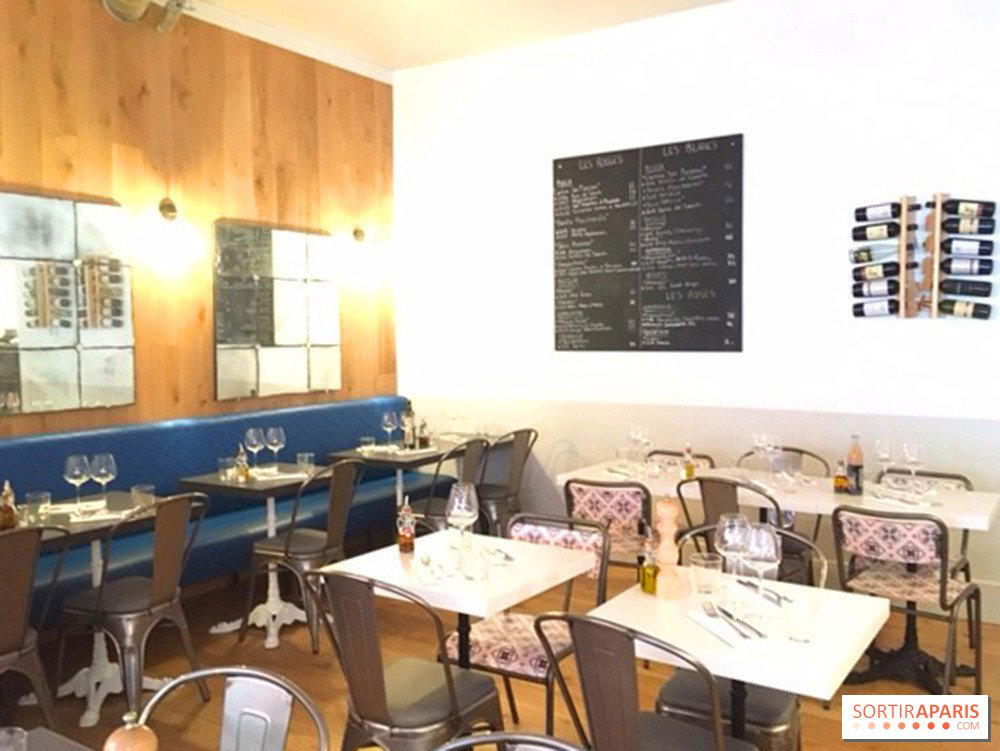
A Street in the 17th That Asks to Be Taken Seriously
Rue Gounod sits in the quieter residential fold of the 17th arrondissement, a few blocks north of the Batignolles quarter and well clear of the tourist circuits that concentrate Paris dining attention around the 1st, 6th, and 8th. The address, 4 Rue Gounod, belongs to a neighbourhood where Parisians actually live: boulangeries without queues, pharmacies, the occasional wine bar with handwritten menus. For a restaurant to occupy this block and draw a deliberate dining audience rather than a passing one, it has to do something worth the detour. Le Talon Caché operates in exactly that context, a room you arrive at by intention rather than accident.
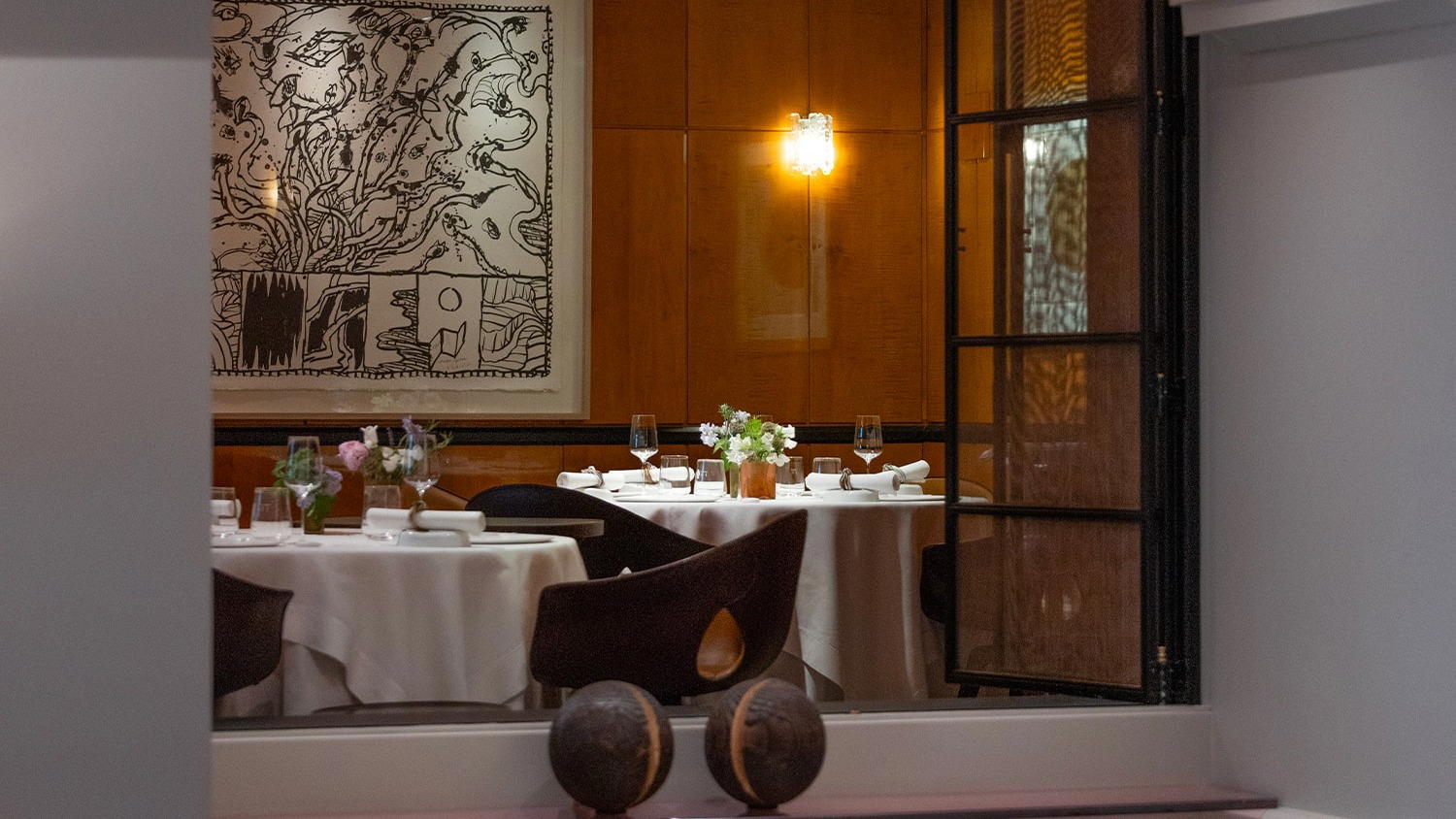
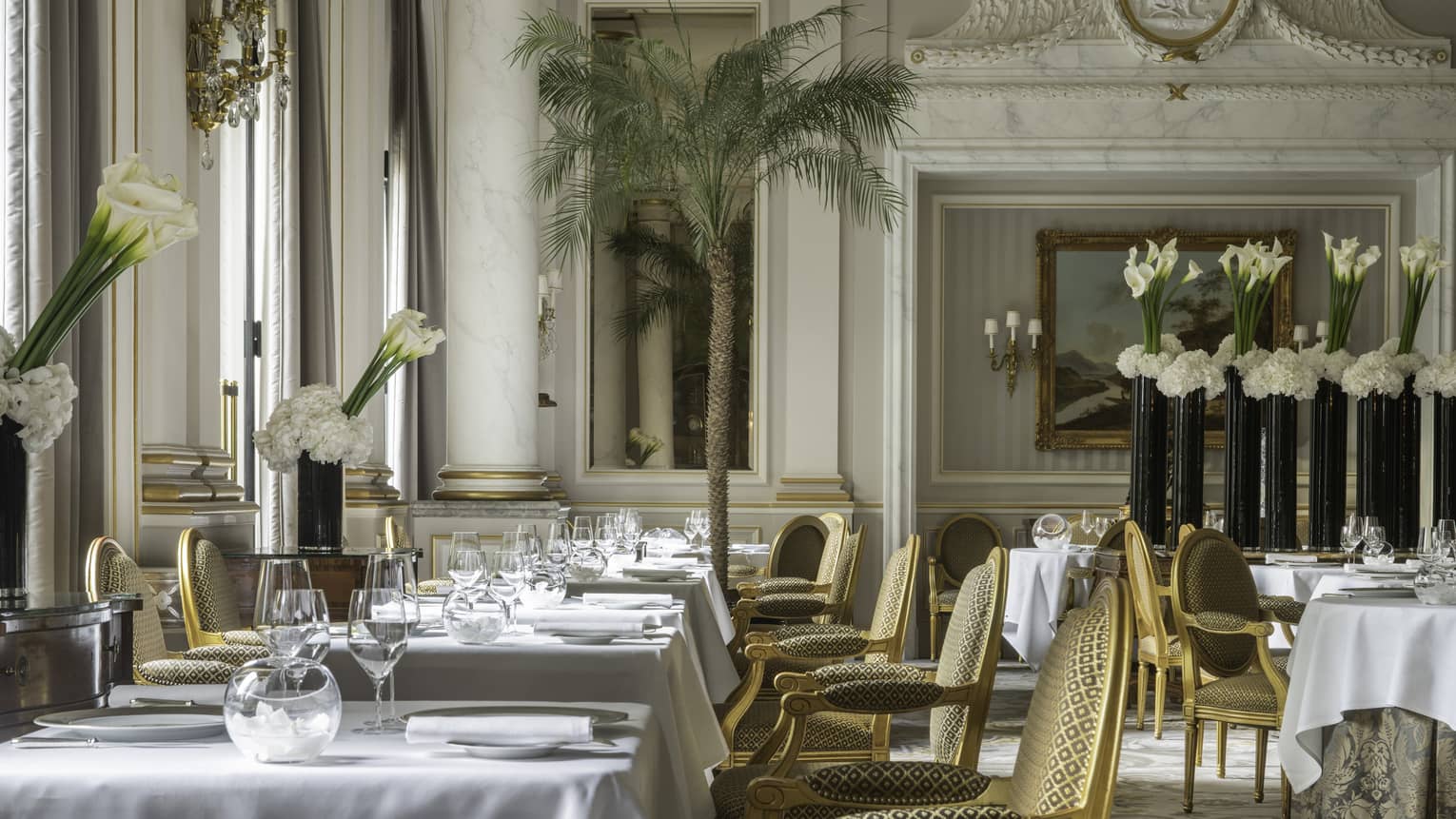
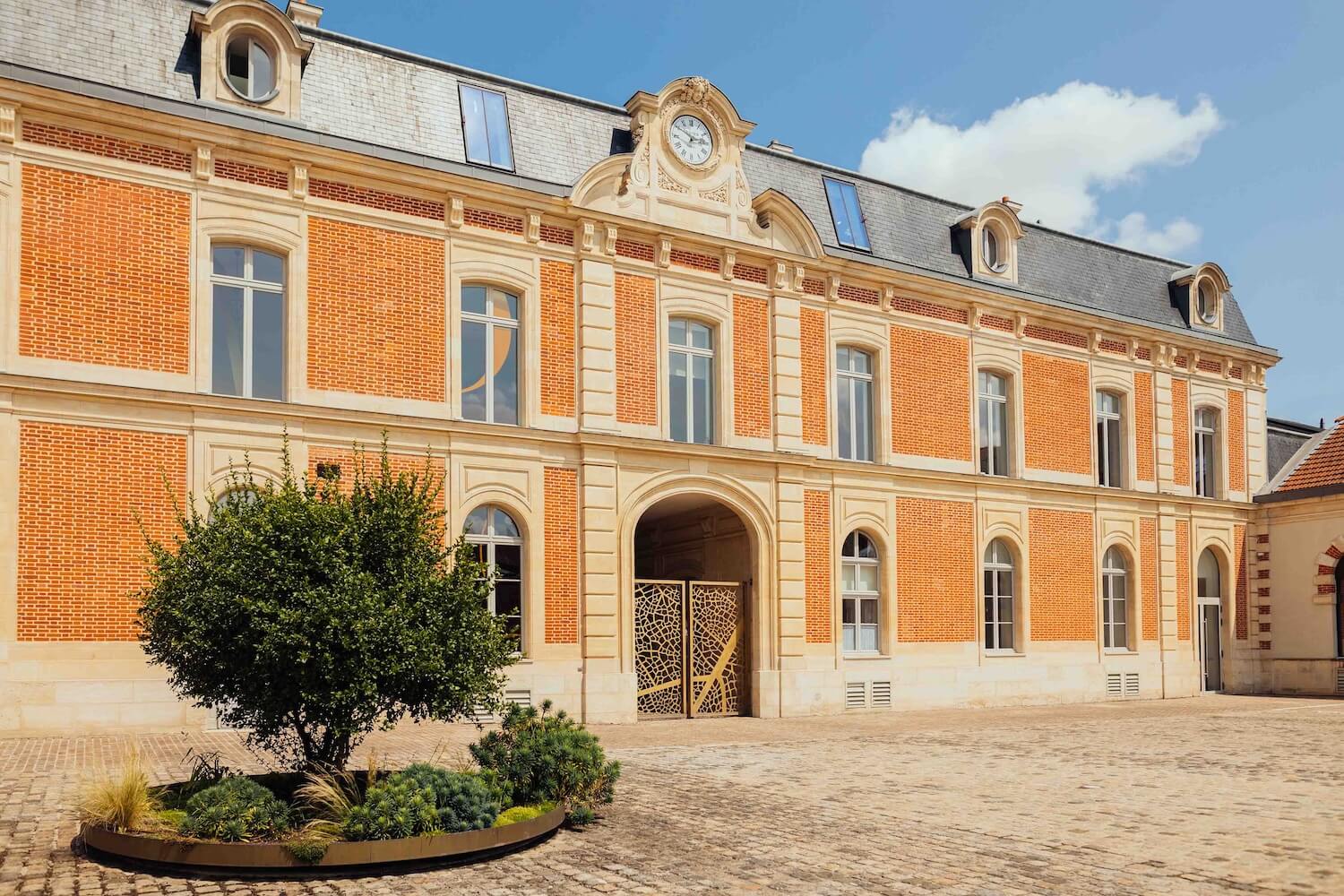
Paris dining in the upper registers has split, over the past decade or so, between two distinct physical registers. The first is the grand-salle tradition: high ceilings, tablecloths that reach the floor, floral arrangements that double as room dividers, and a service choreography designed to remind you of the room’s own history. Venues like L’Ambroisie on the Place des Vosges and Le Cinq at the Four Seasons Hôtel George V occupy this tradition. The second register is the smaller, more architecturally considered room, where the container itself is treated as a design object and the absence of ornament signals intention rather than economy. Le Talon Caché sits in this second category, where the physical space is used to frame the food rather than compete with it.
What the Room Is Doing
The editorial angle on any serious restaurant in this price tier should start with the space, because in Paris, where grandeur is easy and restraint is a studied choice, the physical container announces a kitchen’s priorities before a single plate arrives. Rooms that eliminate decorative noise tend to produce menus that operate on similar principles: fewer elements on the plate, more technical precision required to justify each one. This is the logic that connects, for instance, the architectural clarity of Arpège’s dining room to the vegetable-centred austerity of its menu.
Seating arrangements in rooms like this tend to prioritise sightlines and acoustics over capacity. The ratio of space per cover matters more than the total seat count, and the lighting, almost always warm and directed, functions to isolate the table as a private environment within a shared room. These are decisions about hospitality philosophy expressed through architecture: the room is telling you that the meal is the event, not the scene.
For a venue at 4 Rue Gounod, operating away from the concentrated prestige corridors of the 8th and the Left Bank, the physical space also functions as a positioning signal. A smaller, designed room in the 17th communicates neighbourhood seriousness, a commitment to the local dining public rather than an international clientele that moves venue to venue by reputation alone. This is a different proposition from what you find at Alléno Paris au Pavillon Ledoyen or Kei, both of which operate inside established prestige containers that come with their own gravitational pull.
The Broader Paris Context
The 17th has a quieter fine-dining reputation than the marquee arrondissements, but that has never meant a shortage of serious cooking. The neighbourhood has historically supported a tier of restaurants that draw on classical French technique without the institutional weight of the palace hotel dining rooms. This is closer in spirit to what you find at destination restaurants outside the capital, places like Flocons de Sel in Megève or Bras in Laguiole, where the absence of metropolitan prestige infrastructure forces the kitchen and room to carry the argument themselves.
France’s broader restaurant culture has consistently rewarded this kind of proposition. The country that produced Auberge de l’Ill in Illhaeusern and Auberge du Vieux Puits in Fontjoncouse has long understood that destination dining is about the quality of the experience at the table, not the prestige of the postcode. Mirazur in Menton and Troisgros in Ouches are the regional proof of that logic at the highest level. Within Paris itself, a room in the 17th that operates with comparable seriousness to its peers in more prominent positions represents a considered bet on the quality of the proposition rather than the advantages of location.
For comparison, the international frame applies here too. French-trained kitchens operating in less prominent locations, from AM par Alexandre Mazzia in Marseille to Assiette Champenoise in Reims, have demonstrated that geographic distance from the capital’s prestige concentration is not a ceiling on ambition or recognition. The same principle applies within Paris: a room in the 17th can operate at a tier equivalent to, or exceeding, what the address alone would suggest.
Planning a Visit
Le Talon Caché is at 4 Rue Gounod in the 17th arrondissement, accessible by Metro from Pereire on line 3 or Villiers on lines 2 and 3. For a wider view of where this address fits within Paris’s current dining map, our full Paris restaurants guide covers the city’s key tables across arrondissements and price tiers.
Visitors with a broader appetite for French fine dining beyond the capital should also consider the comparison set: Paul Bocuse’s Auberge du Pont de Collonges near Lyon and Au Crocodile in Strasbourg represent the regional anchors of classical French gastronomy, while at the international level, Le Bernardin in New York and Atomix in New York show how French technique and tasting-menu discipline translate across contexts.
How Le Talon Caché Paris compares with similar nearby venues.
| Venue | Cuisine | Price |
|---|---|---|
| La Table du Caviste Bio | Modern Cuisine | €€ |
| Épisodes | Creative | €€€€ |
| FOGO | Modern Cuisine | €€€ |
Continue exploring
More in Paris
Restaurants in Paris
Browse all →
Bars in Paris
Browse all →
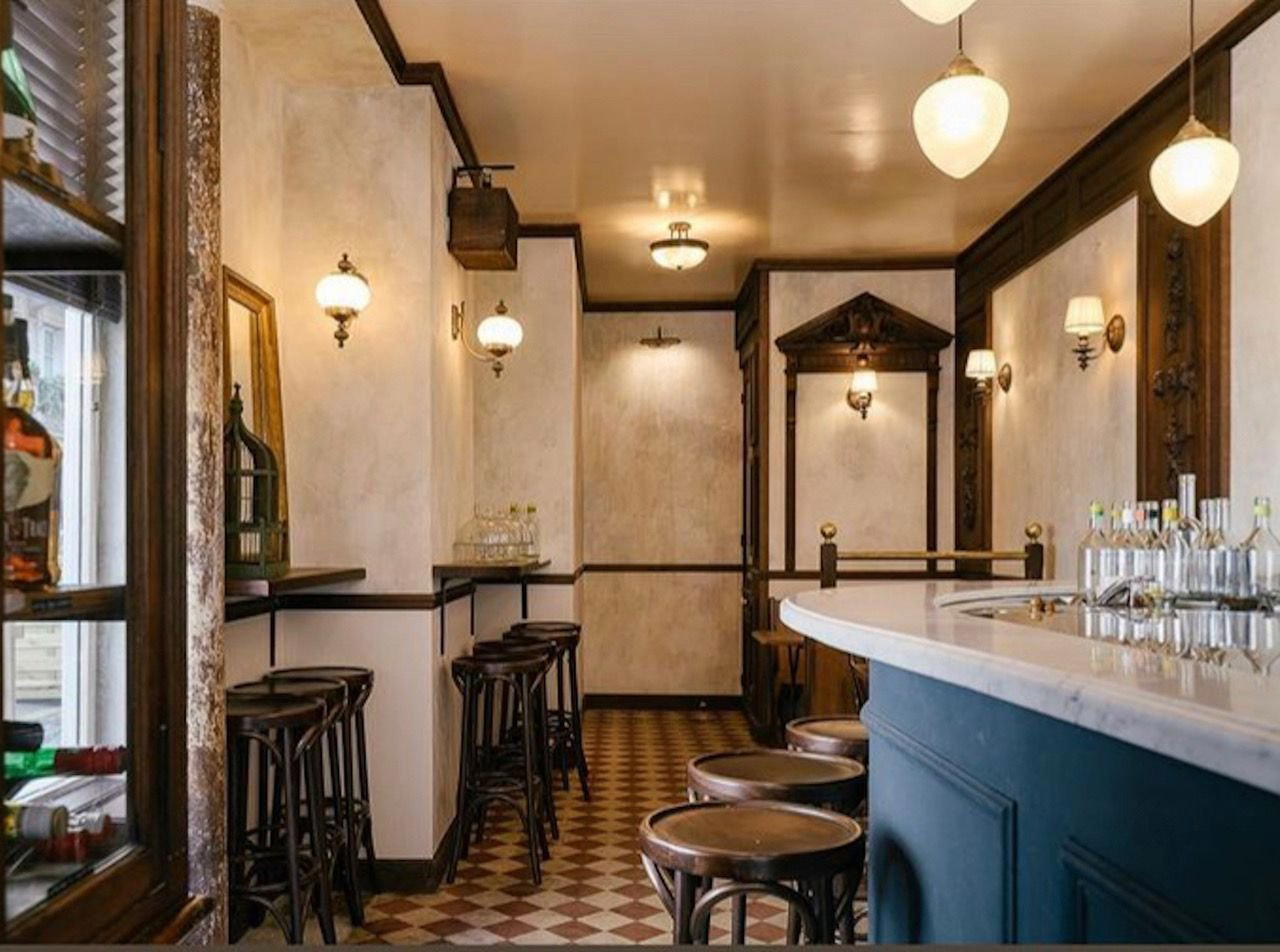
Hotels in Paris
Browse all →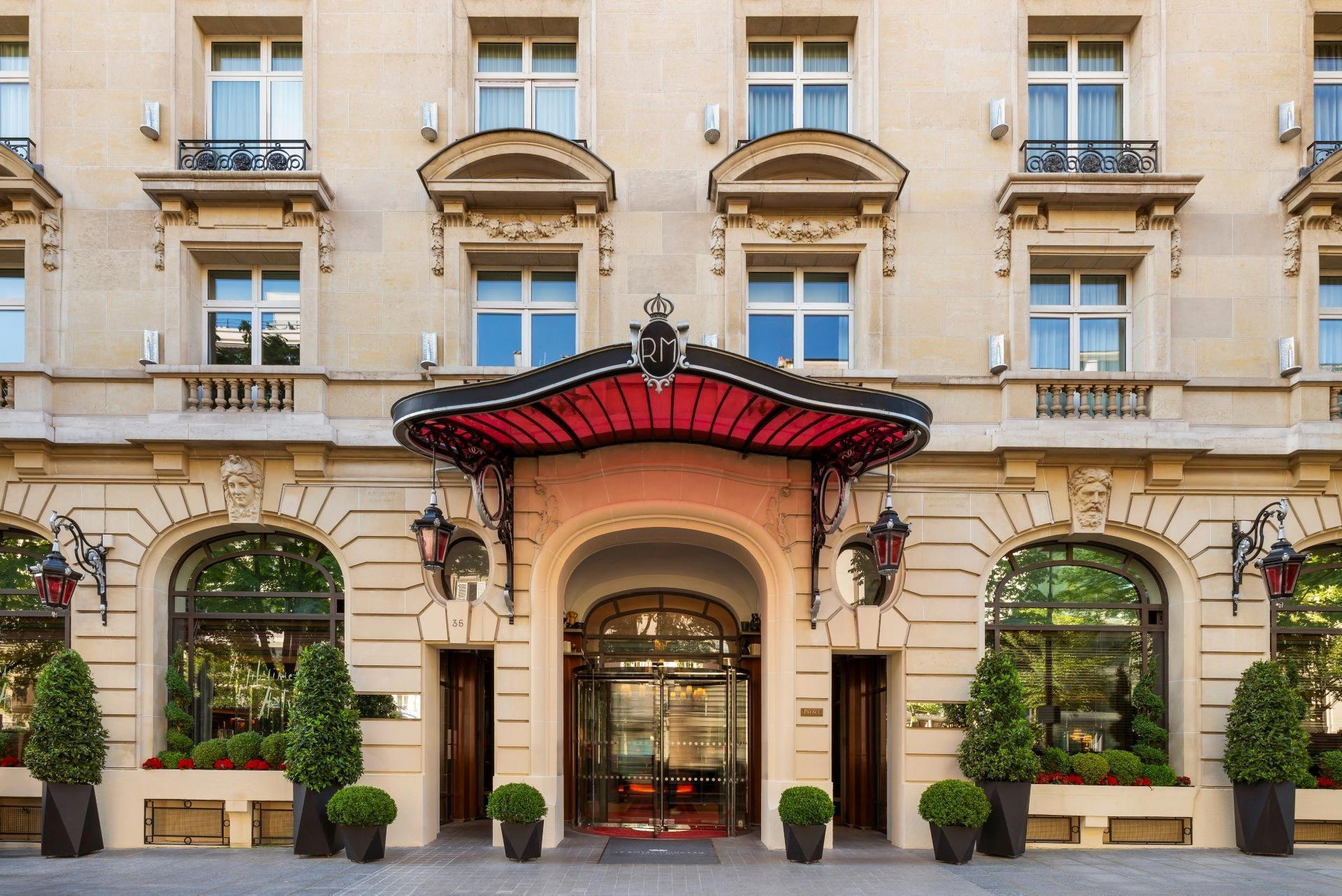
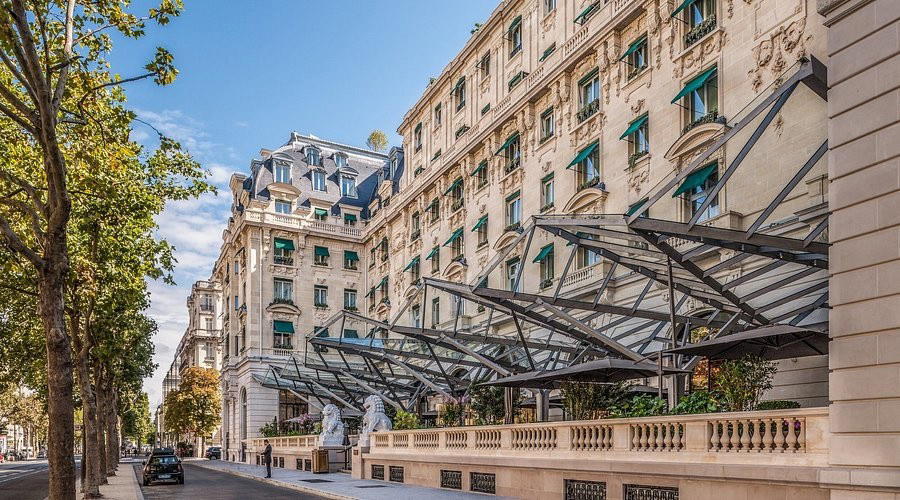
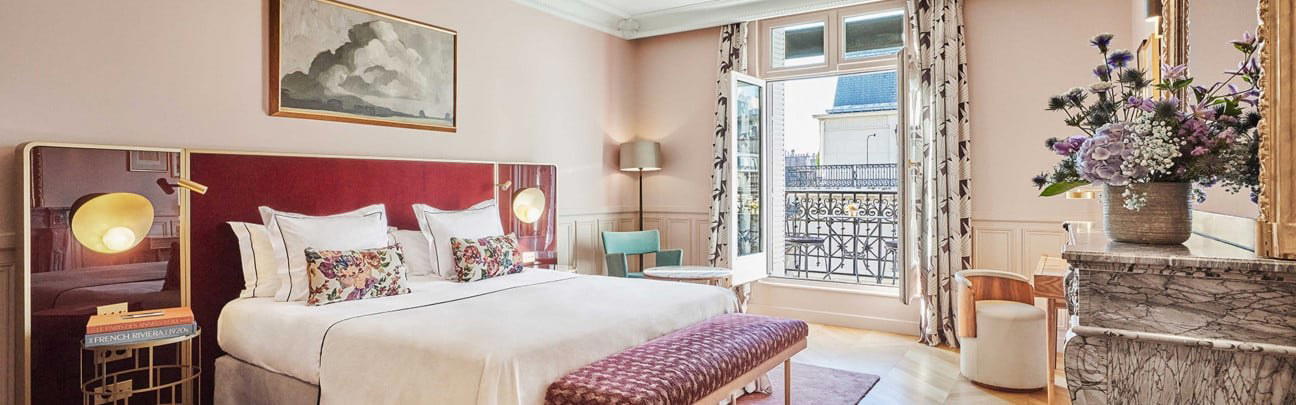

At a Glance
- Cozy
- Rustic
- Lively
- Casual Hangout
- Family
- Group Dining
- Date Night
- Open Kitchen
- Terrace
- Standalone
- Beer Program
- Local Sourcing
- Street Scene
Current opening hours
- Monday
- Closed
- Tuesday
- 12–2:30 PM, 7–10:30 PM
- Wednesday
- 12–2:30 PM, 6:30–10:30 PM
- Thursday
- 12–2:30 PM, 7–10:30 PM
- Friday
- 12–2:30 PM, 7–10:30 PM
- Saturday
- 12–2:30 PM, 7–10:30 PM
- Sunday
- Closed
Hours can change for holidays and private events. Last verified .
Warm and welcoming family atmosphere with an open kitchen concept that creates an engaging, joyful dining environment; intimate and authentic Italian charm.