ro.bo

Michelin Plate
Our verdict
Inside a 17th-century mansion in Périgord Noir, ro.bo holds a Michelin Plate (2025) and draws on the same kitchen intelligence as the Michelin-starred Le Petit Léon nearby. The cooking centres on the Dordogne's larder, with citrus used as a structural element rather than a garnish, and a courtyard setting that makes the stone architecture feel like context rather than costume.

Pearl is the En Primeur Club membership app — saves, bookings, and concierge access live there. Same editors, same standards.
- Address
- 6 Av. Professeur Faurel, 24290 Montignac-Lascaux
- Phone
- +33 7 61 52 73 41
- Website
- restaurantrobo.fr
- Directions
- Get directions
- Booking
- Book on ResDiary
The menu
What to order
- Scallops_with_seasonal_vegetables
- Croaker_with_aromatic_herbs
- Strawberry_dessert
Stone, Courtyard, and a Kitchen That Knows Its Region
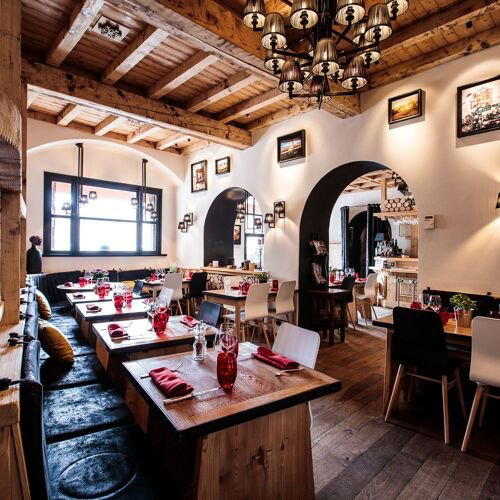
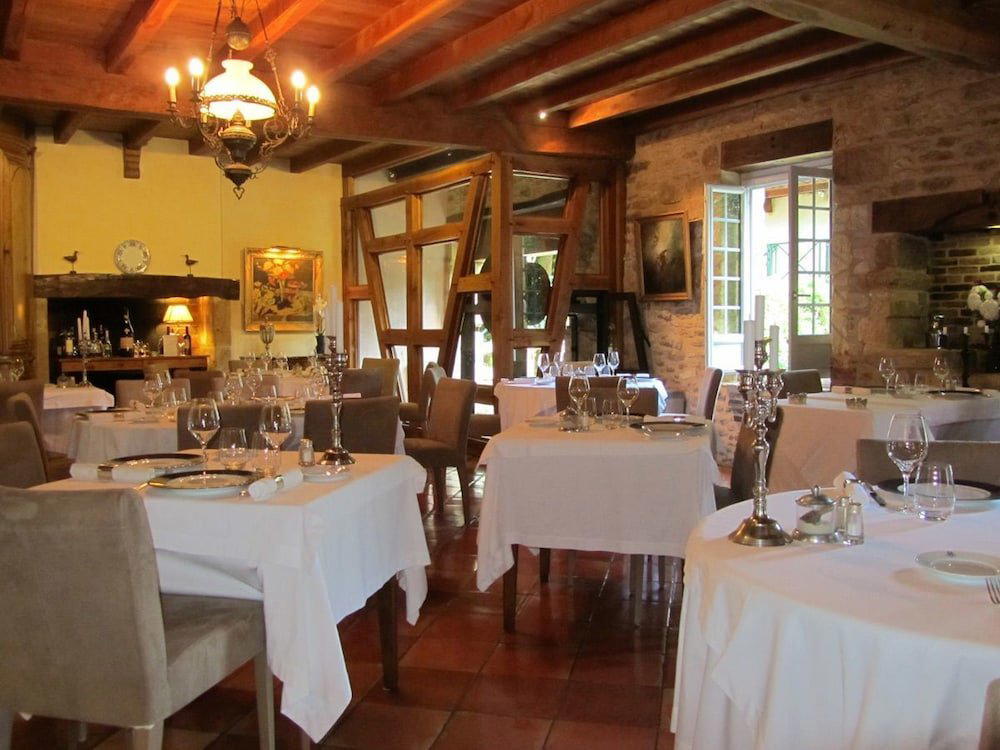
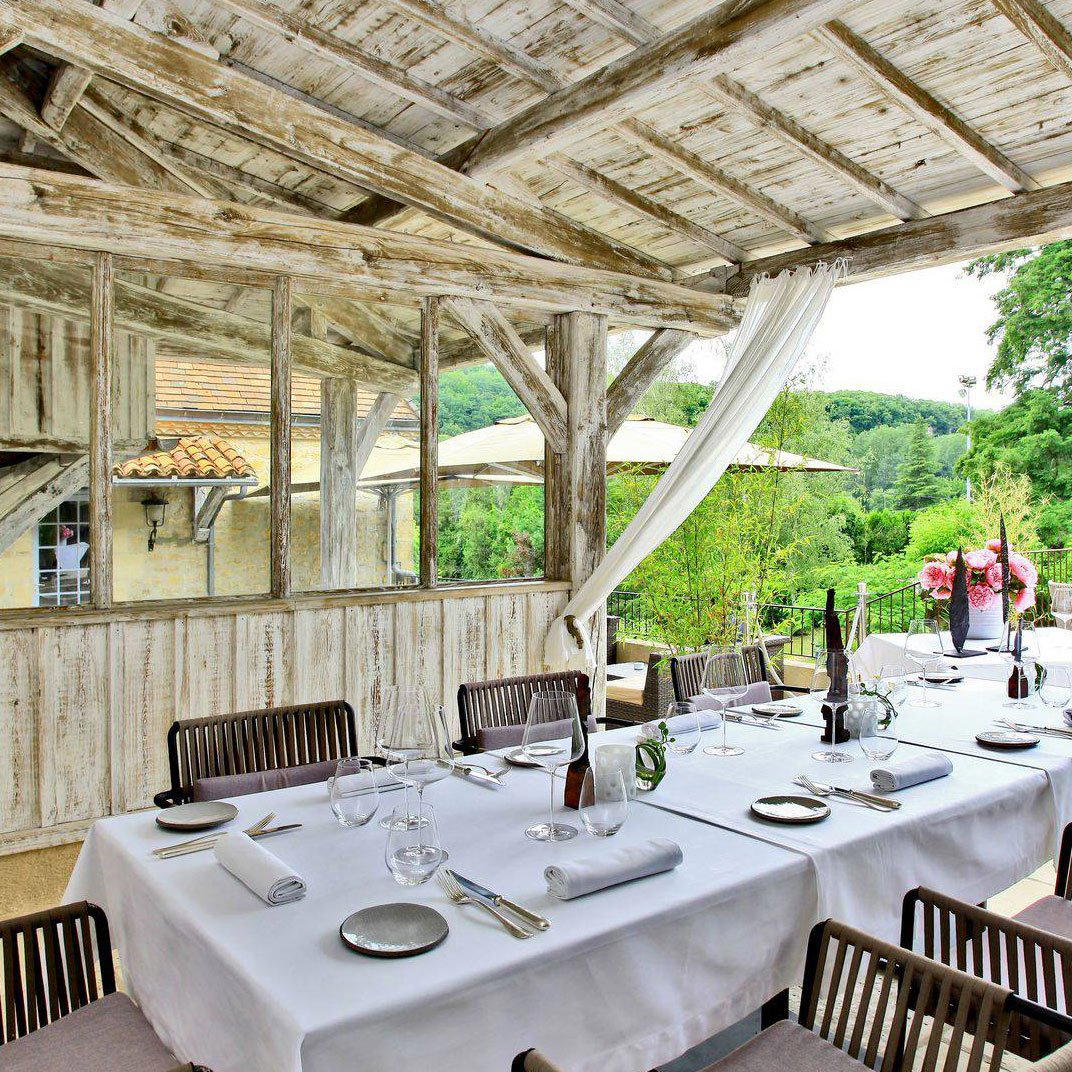
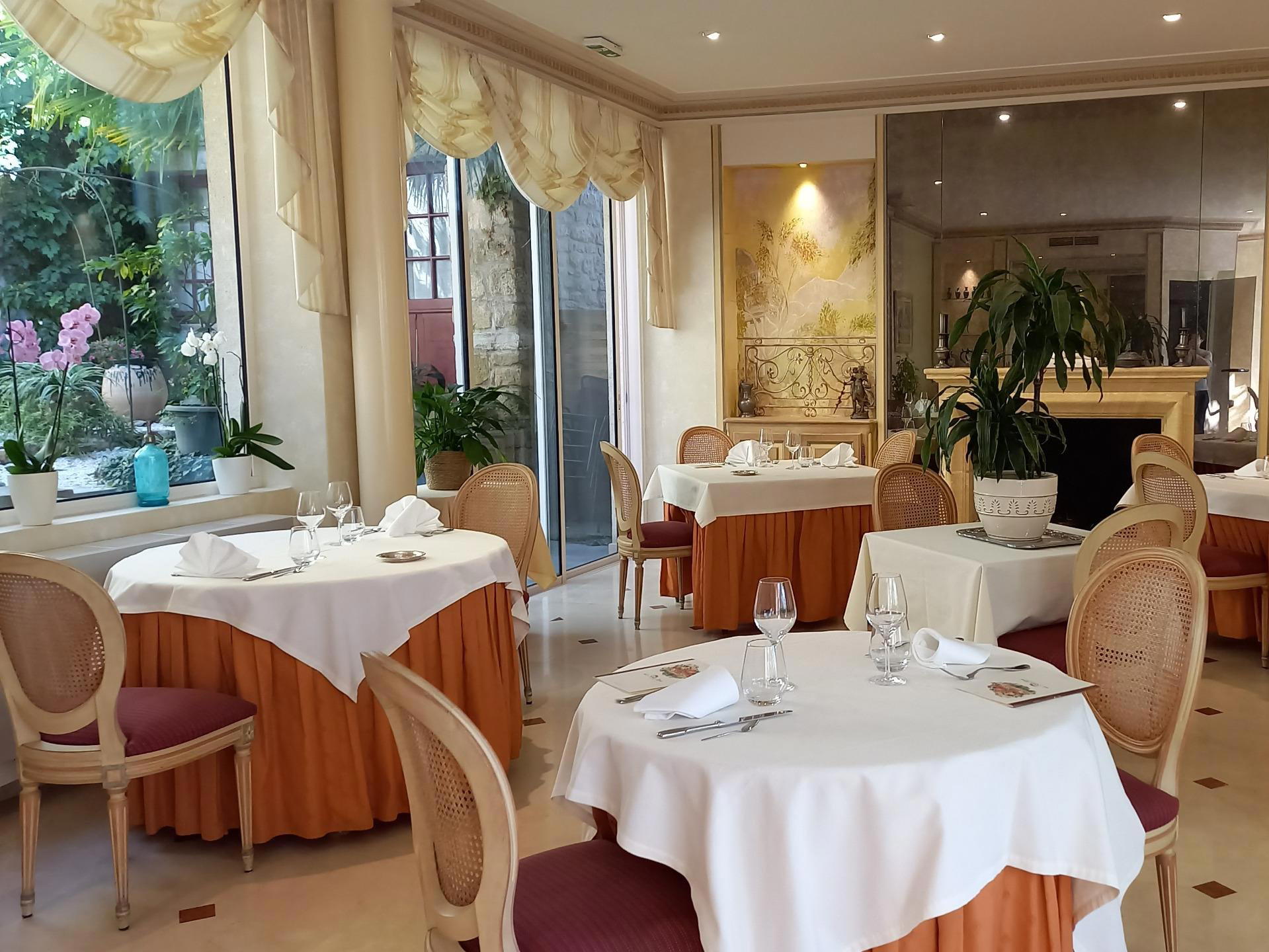
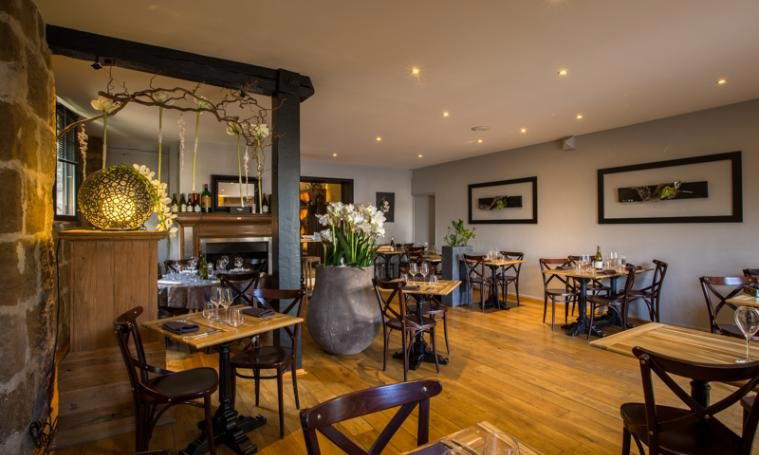
The Hôtel de Bouilhac occupies a 17th-century mansion on Avenue Professeur Faurel in Montignac-Lascaux, the small market town in Périgord Noir that sits at the edge of the Vézère valley and within a few kilometres of the Lascaux cave complex. Dining here means entering a building where the architecture has already done significant work: stone walls carry visible marks of centuries of use, and the two interior salons read less like a decorated restaurant and more like a preserved domestic space repurposed with care. In warmer months, a courtyard opens the meal to the Dordogne air. The physical setting is worth noting not as atmosphere for its own sake, but because it frames what ro.bo is doing culinarily: cooking that draws meaning from where it is.
Périgord Noir's Larder, Taken Seriously
Périgord Noir is one of France's most well-defined regional larders. The Dordogne department has built its food identity around duck confit, foie gras, black truffle, and walnut oil for generations, and those products still anchor the area's markets and menus. Ro.bo operates within that tradition but does not simply reproduce it. The kitchen, holding a Michelin Plate in the 2025 guide, approaches the region's ingredients with a sensibility shaped by precision and a pronounced use of acidity, particularly citrus, as a counterweight to the richness that Périgord cuisine can otherwise lean into.
That balance between the area's fat-forward heritage and a lighter, more acidic hand is where ro.bo carves out a distinct position in a region where many tables default to safe regional formula. Périgord strawberries, for instance, are a real seasonal product with a short window in early summer, and the kitchen's use of them in a dessert context signals attention to what the local growing calendar actually offers rather than a fixed menu with regional names attached. For travellers who track how seriously a kitchen connects to its agricultural surroundings, that specificity matters.
The editorial context for this is broader than one restaurant in one town. France's regional fine-dining circuit has spent the past decade recalibrating: the model of serious cooking that exists only in cities or at destination properties along major routes has been challenged by a wave of skilled chefs choosing smaller towns and rural settings. Properties like Bras in Laguiole or Auberge du Vieux Puits in Fontjoncouse established the template for destination cooking in genuinely remote French territory. Ro.bo operates in that same geographic register, though at an earlier stage of recognition.
The Michelin Signal and What It Means Here
A Michelin Plate indicates food worth stopping for, positioned below a star but above an anonymous listing. In a town the size of Montignac-Lascaux, with a visitor base that arrives primarily for prehistory tourism rather than gastronomy, that recognition carries a different weight than it would in Lyon or Bordeaux. It tells you the kitchen is being watched. It also situates ro.bo within a traceable quality chain: the same chef behind the Michelin-starred Le Petit Léon, located roughly 10 kilometres away, is responsible for the cooking here. That dual presence means the creative standards at ro.bo are not independent of a verified track record; they are an extension of it.
This kind of satellite-restaurant model, where a starred chef oversees a secondary property with a slightly broader brief, is common in French regional hospitality and can go either way. The risk is dilution. The opportunity, when it works, is bringing a more accessible format to a wider audience without abandoning the sourcing rigour or kitchen discipline that earned the original recognition.
For context on how France's most decorated kitchens operate at the top of the price and recognition spectrum, the country's three-star tier includes addresses such as Alléno Paris au Pavillon Ledoyen, Flocons de Sel in Megève, Mirazur in Menton, Troisgros in Ouches, and Paul Bocuse outside Lyon. Ro.bo occupies a different tier and a different geography, but the Michelin framework connects them as part of the same evaluative system. Other high-distinction addresses in France include Auberge de l'Ill in Illhaeusern, AM par Alexandre Mazzia in Marseille, Assiette Champenoise in Reims, and Au Crocodile in Strasbourg. For modern cuisine beyond France's borders, Frantzén in Stockholm and FZN by Björn Frantzén in Dubai show where the international end of that conversation sits.
Planning Your Visit
Ro.bo sits at €€€ pricing, which in Périgord Noir positions it as a considered dinner rather than a casual stop, though it remains accessible relative to the starred tier. The address is 6 Avenue Professeur Faurel, 24290 Montignac-Lascaux, within the Hôtel de Bouilhac. The property's courtyard dining is weather-dependent, so arrival timing matters if that setting is a priority: late spring through early autumn is the reliable window. Booking directly through the hotel is the recommended approach; phone and website details are best confirmed at time of planning. The combination of the Lascaux cave sites and a meal at ro.bo makes for a coherent day in Périgord Noir: cultural weight in the morning, a kitchen with regional conviction in the evening.
For broader planning in the area, see our full Montignac-Lascaux restaurants guide, our Montignac-Lascaux hotels guide, our bars guide, our wineries guide, and our experiences guide for the town and surrounding Vézère valley.
Frequently asked questions
Would ro.bo be comfortable with kids?
Ro.bo occupies a 17th-century mansion with a courtyard and two stone-walled salons, a formal setting that suits adults and older children more naturally than young ones. The €€€ price point and Nick Honeyman's creative tasting-oriented approach suggest the kitchen is calibrated for focused diners rather than flexible family dining. Families visiting Montignac-Lascaux for the Lascaux caves may find a casual lunch elsewhere a more practical fit for younger guests.
How would you describe the vibe at ro.bo?
The setting does most of the work: a 17th-century mansion with a courtyard for warm evenings and two salons whose stone walls carry visible marks of age. It reads as unhurried and quietly serious, the kind of room where the architecture earns its keep without theatrical staging. The 2025 Michelin Plate confirms the kitchen matches the surroundings in ambition, which keeps the tone from tipping into mere heritage tourism.
Is ro.bo award-winning?
ro.bo has received recognition including: Michelin Plate (2025); In the Périgord Noir area of the Dordogne, the Hôtel de Bouilhac is housed in a 17C mansion. Its restaurant welcomes guests in a magnificent courtyard or in one of two salons with stone walls that bear the marks of th….
What should I order at ro.bo?
The Michelin assessors single out chef Nick Honeyman's dessert work as a reference point: his île flottante pairs elderflower-infused blancmange and citrus foam over Périgord strawberries, finished with a peaty whisky cream. That dish illustrates his wider approach, using citrus as a structuring flavour across savoury and sweet courses alike. Given he also runs the Michelin-starred Le Petit Léon 10km away, the creative menu at ro.bo draws on the same technical rigour at a slightly more accessible price tier.
Comparable Spots, Quickly
| Venue | Cuisine | Price | Awards |
|---|---|---|---|
| ro.boThis venue — the venue you are viewing | Modern French Fine Dining | $50–100 | Michelin Plate |
| Alléno Paris au Pavillon Ledoyen | Creative | Not listed | Michelin 3 Star |
| Kei | Contemporary French, Modern Cuisine | Not listed | Michelin 3 Star |
| L'Ambroisie | French, Classic Cuisine | Not listed | Michelin 3 Star |
| Le Cinq - Four Seasons Hôtel George V | French, Modern Cuisine | Not listed | Michelin 3 Star |
| Plénitude | Contemporary French | Not listed | Michelin 3 Star |
Recognition history
Dated appearances from independent guides and award organizations, with the underlying list record or original source where available.
Michelin Plate
Michelin
Full recognition history (3 entries)
Michelin Plate
Michelin
Michelin Plate
Michelin
Continue exploring
More in Montignac-Lascaux
Restaurants in Montignac-Lascaux
Browse all →
Bars in Montignac-Lascaux
Browse all →
Hotels in Montignac-Lascaux
Browse all →
Wineries in Montignac-Lascaux
Browse all →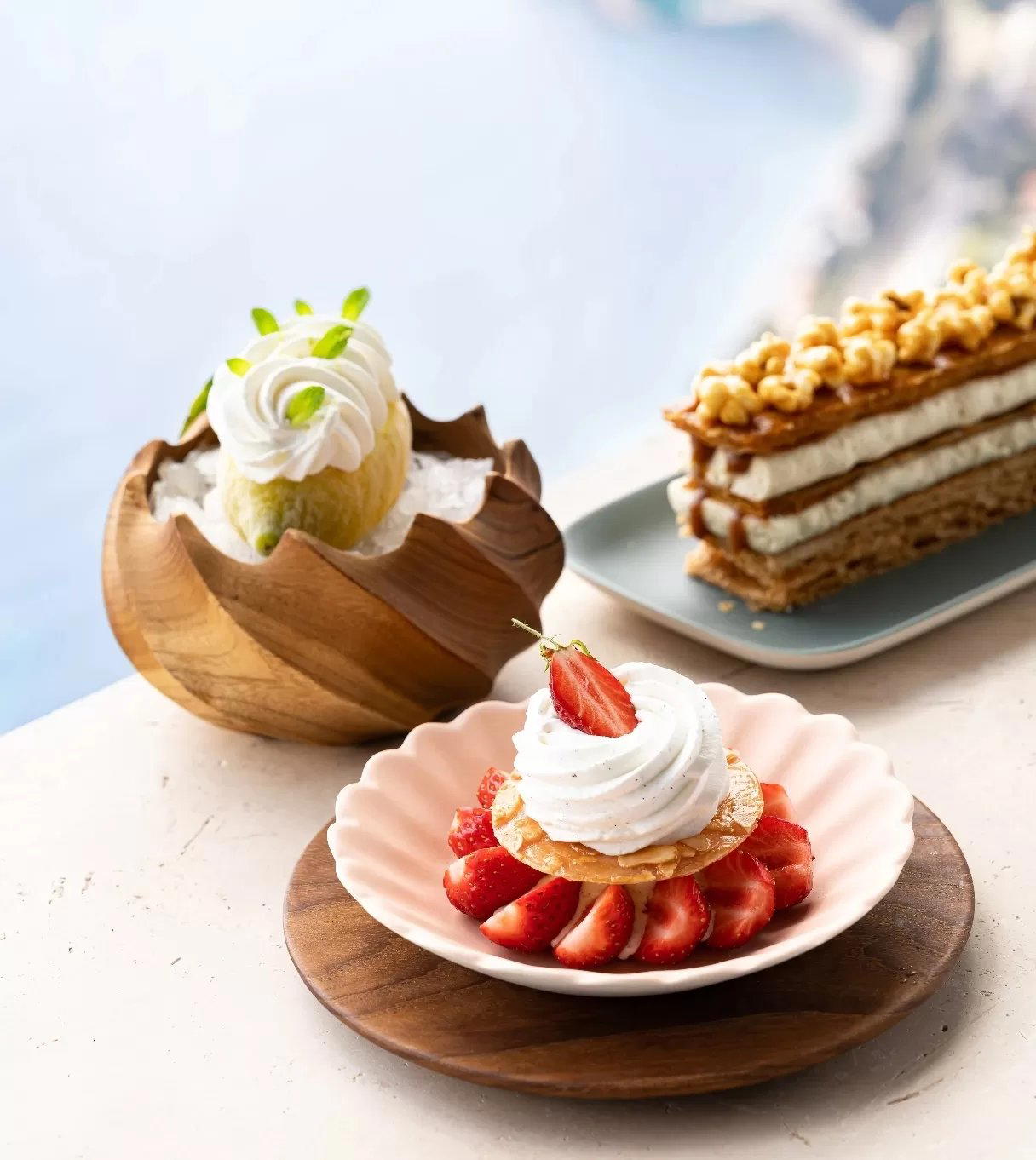
Details
- Elegant
- Romantic
- Cozy
- Sophisticated
- Date Night
- Special Occasion
- Celebration
- Courtyard
- Historic Building
- Extensive Wine List
- Local Sourcing
- Tasting Menu
- Wine Pairing
Cozy and elegant with stone walls, beautiful courtyard for alfresco dining, and a relaxed yet sophisticated atmosphere.