La Table de Monrecour

A Michelin Plate-recognised modern cuisine address in the Dordogne countryside, La Table de Monrecour sits within the agricultural and gastronomic heart of Périgord. The €€ price point places it among the more accessible fine-dining options in the region. For travellers exploring the Dordogne valley, it merits serious consideration alongside the area's broader food and wine offer.
Pearl is the En Primeur Club membership app — saves, bookings, and concierge access live there. Same editors, same standards.
- Address
- 129 Rte de Monrecour, 24510 Saint-Vincent-de-Cosse, France
- Phone
- +33 5 53 28 33 59
- Website
- monrecour.com
- Directions
- Get directions
 Saves & bookings on Pearl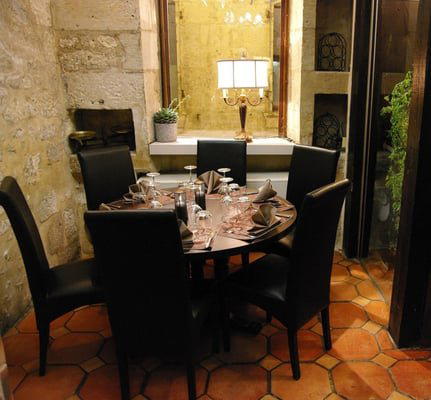
Where the Dordogne's Larder Meets the Dining Table
The road to Saint-Vincent-de-Cosse runs through walnut orchards and limestone outcrops, past farmsteads where ducks are raised for foie gras and fields that have supplied the Périgord table for centuries. This is not incidental scenery. The Dordogne department sits at the intersection of some of France's most consequential agricultural traditions: black truffles from around Périgueux, walnuts with their own AOC designation, duck and goose confits that predate modern refrigeration, and strawberries that arrive in the markets by April. La Table de Monrecour is a restaurant in Saint-Vincent-de-Cosse serving Traditional French Périgord Gastronomic cuisine at about $53 per person. Arriving at a restaurant like La Table de Monrecour along Route de Monrecour in this context, you are not simply reaching a dining address. You are arriving at a point where a specific landscape's produce becomes a specific kitchen's argument.
For travellers who have traced modern French cuisine from Paris outward, the contrast between the capital's cathedral-scale ambition and the Dordogne's quieter register is instructive. Alléno Paris au Pavillon Ledoyen or Mirazur in Menton operates at a different scale of investment and expectation. Rural Michelin-recognised kitchens in southwest France tend to work a narrower brief: shorter supply chains, ingredients drawn from within a tight geographic radius, and menus that shift not because a chef wants to signal creativity, but because the surrounding farms dictate what is ready.
The Michelin Plate and What It Signals Here
La Table de Monrecour received a 2024 Michelin Plate, the Guide's designation for restaurants producing food of consistent quality without yet reaching star level. In a city context, a Plate can mark a confident neighbourhood restaurant. In a rural Dordogne setting, it means something more pointed: this is a kitchen the inspectors considered worth returning to, in a commune with no particular reason to attract Michelin attention other than the food itself.
Across France's regional fine-dining circuit, the Plate tier often hosts ingredient-focused cooking. Star-chasing kitchens invest heavily in technique and presentation as standalone arguments. Plate-level kitchens in agricultural regions, by contrast, tend to let sourcing carry more of the weight. The Bras kitchen in Laguiole made that argument at three-star level for decades, building its reputation on Aubrac terroir before technique. The principle operates at every tier of French regional cooking: proximity to the source is its own form of excellence.
Modern Cuisine in a Périgord Frame
The cuisine classification at the restaurant is modern cuisine, a designation that in a Dordogne context means the kitchen is not locked into the cassoulet-and-confit register of traditional Périgord cooking, but is also not performing the kind of molecular intervention that defines Paris's more experimental counters. Modern cuisine in rural southwest France typically means classical French technique applied to locally sourced ingredients with contemporary plating sensibility: cleaner presentations than the old bistro tradition, lighter sauces, and a willingness to let a single ingredient read without heavy elaboration.
The Périgord's ingredient calendar drives that kind of approach naturally. Black truffles peak through winter into early spring. Strawberries from the Périgord Noir come into season from March or April. Walnuts arrive in autumn and persist into winter in various forms: fresh, dried, pressed into oil. Duck appears year-round but foie gras production follows the fattening cycle. A kitchen committed to local sourcing in this region operates a menu that effectively rotates itself. What arrives on the plate in January and what arrives in July describe almost entirely different agricultural realities, even if the technique and format remain consistent.
This seasonal logic distinguishes the Dordogne's better kitchens from those in urban centres where supply chains are broad enough to flatten the calendar. Visitors planning a trip around the food should note that timing matters here. For the fullest expression of Périgord ingredients, the autumn truffle season and the summer produce window represent opposite poles of what the region can deliver.
Placing La Table de Monrecour in Its Regional Context
Southwest France has a tradition of rural gastronomy that extends well beyond the Dordogne. Auberge du Vieux Puits in Fontjoncouse holds three stars in similarly remote Occitanie terrain. Troisgros in Ouches has anchored Loire-adjacent fine dining for generations. Flocons de Sel in Megève operates at two stars in an Alpine village context. The pattern repeats across France: serious kitchens exist outside cities, and in many cases the distance from urban infrastructure forces a tighter relationship with local producers that urban restaurants cannot replicate regardless of intent.
The restaurant operates within this tradition at the Plate level, which places it in the tier of restaurants that reward the detour without requiring the same level of reservation planning as starred peers. For visitors staying along the Dordogne valley, it belongs in the same conversation as the area's wine producers, market towns, and prehistoric sites. It is not a destination in isolation but an argument for the region's overall food identity. See our full Saint-Vincent-de-Cosse restaurants guide to map it against the broader local offer.
Planning Your Visit
The restaurant sits at 129 Rte de Monrecour, 24510 Saint-Vincent-de-Cosse, France. The price positioning makes it a comparatively accessible Michelin-recognised address in the Dordogne, and the set menu price is about $53 per person. Visitors with access to a car will find Saint-Vincent-de-Cosse direct to reach from Sarlat-la-Canéda, the valley's main hub, with the surrounding countryside rewarding a slower approach. Booking ahead is advisable, particularly during summer and the autumn truffle window when Dordogne visitor numbers peak.
How It Stacks Up
Comparable venues nearby, for context on price, style, and recognition.
| Venue | Cuisine | Price | Awards | Notes |
|---|---|---|---|---|
| La Table de MonrecourThis venue — the venue you are viewing | Traditional French Périgord Gastronomic | $$$ | Michelin Plate | Not listed |
| Chez Suzanne | Modern French Bistro | $$$ | Michelin Plate | near Pont Valentré |
| Delicatessens | Modern French Regional | $$$ | Michelin Plate | Gourdon |
| Du Bruit en Cuisine | Modern French Bistronomique | $$$ | Michelin Plate | centre-ville |
| Monsieur Robert | Modern French Bistro | $$$ | Michelin Plate | Saint-Robert |
| L'Atelier de Damien | Modern French Fine Dining | $$$ | Michelin Plate | Villefranche-de-Rouergue |
Recognition history
Dated appearances from independent guides and award organizations, with the underlying list record or original source where available.
Michelin Plate
Michelin
Continue exploring
More in Saint-Vincent-de-Cosse
Restaurants in Saint-Vincent-de-Cosse
Browse all →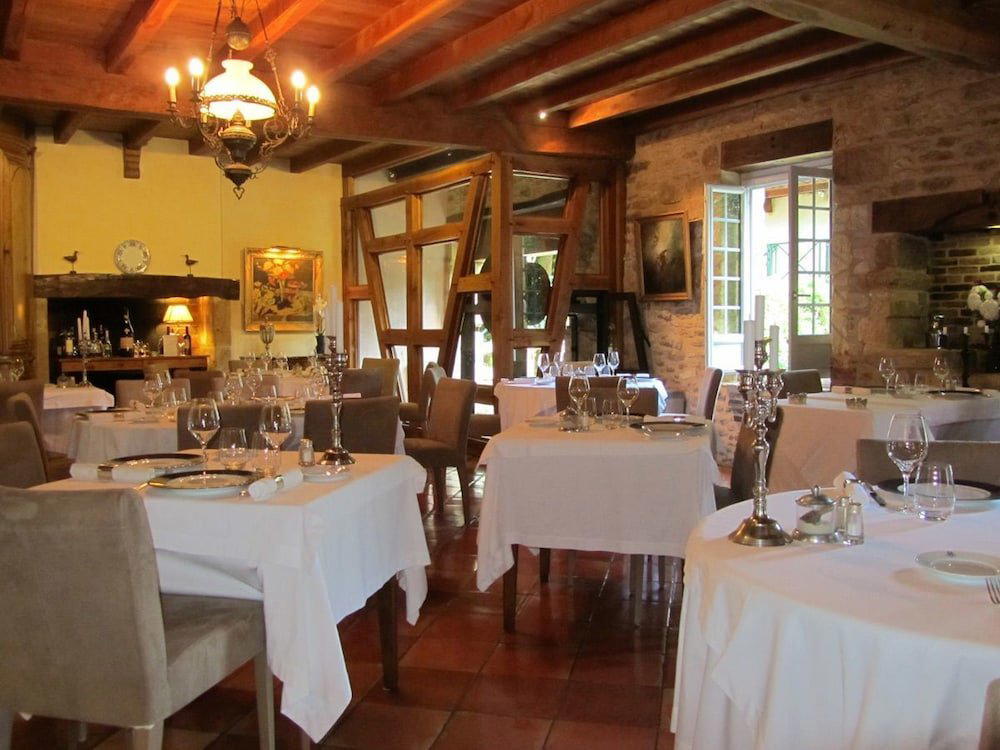
Bars in Saint-Vincent-de-Cosse
Browse all →
Hotels in Saint-Vincent-de-Cosse
Browse all →

At a Glance
- Elegant
- Romantic
- Rustic
- Scenic
- Sophisticated
- Date Night
- Special Occasion
- Celebration
- Terrace
- Historic Building
- Hotel Restaurant
- Extensive Wine List
- Sommelier Led
- Local Sourcing
- Garden
Current opening hours
- Monday
- 12–1:30 PM, 7–8:30 PM
- Tuesday
- 12–1:30 PM, 7–8:30 PM
- Wednesday
- 12–1:30 PM, 7–8:30 PM
- Thursday
- 12–1:30 PM, 7–8:30 PM
- Friday
- 12–1:30 PM, 7–8:30 PM
- Saturday
- 12–1:30 PM, 7–8:30 PM
- Sunday
- 12–1:30 PM, 7–8:30 PM
Hours can change for holidays and private events. Last verified .
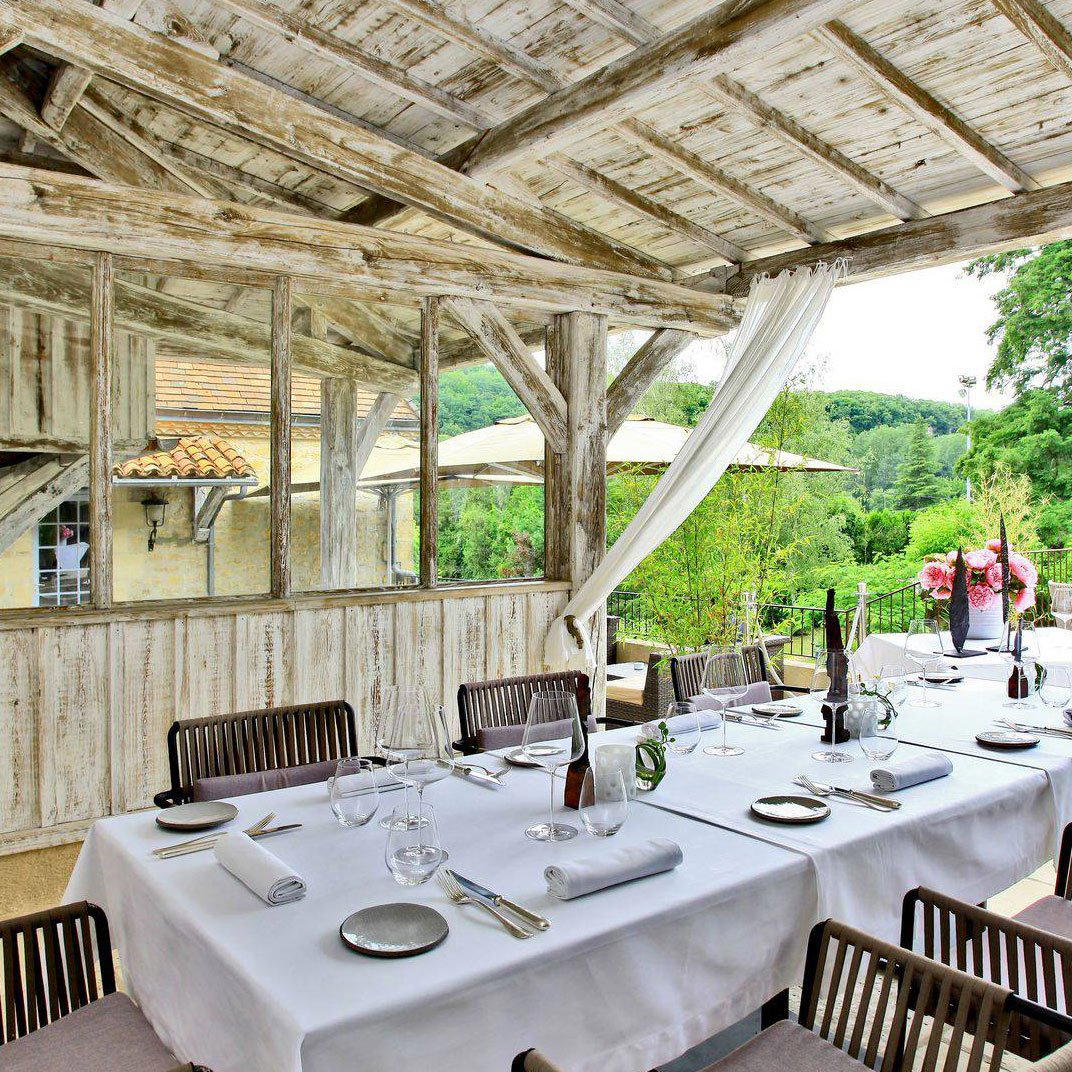
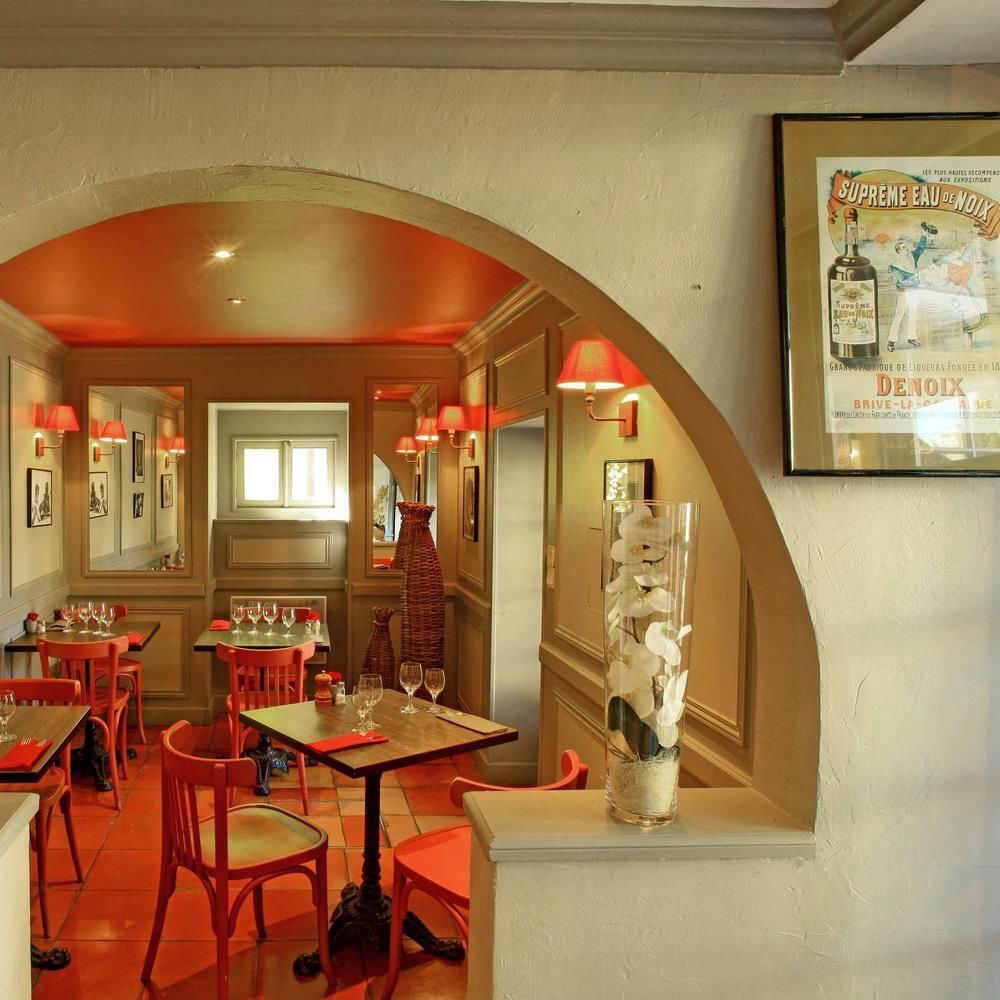
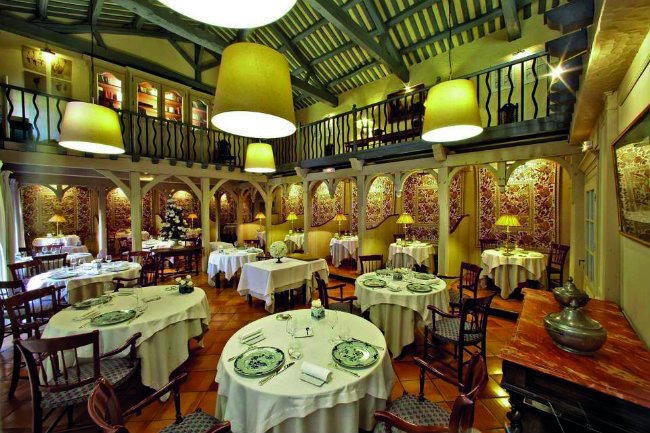
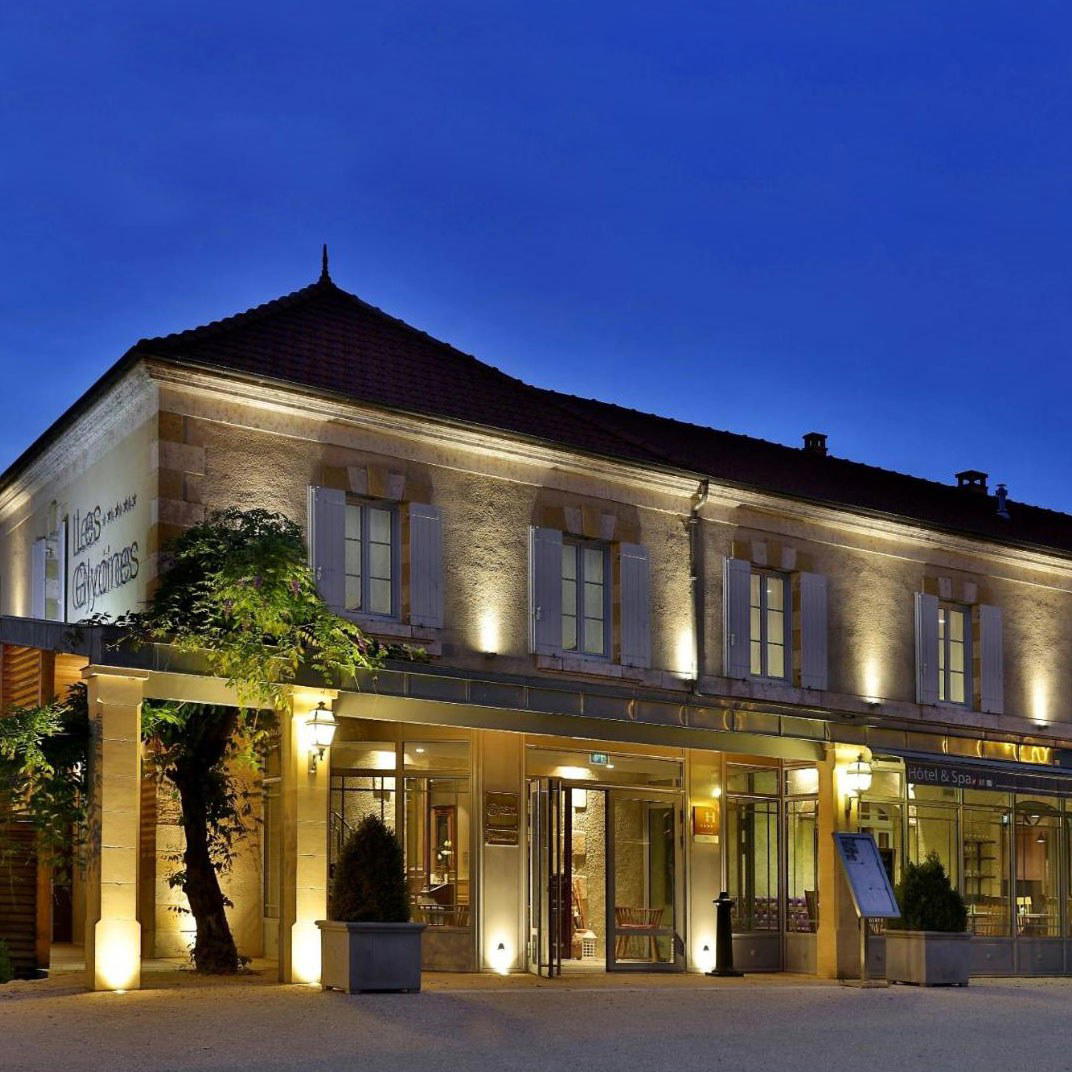
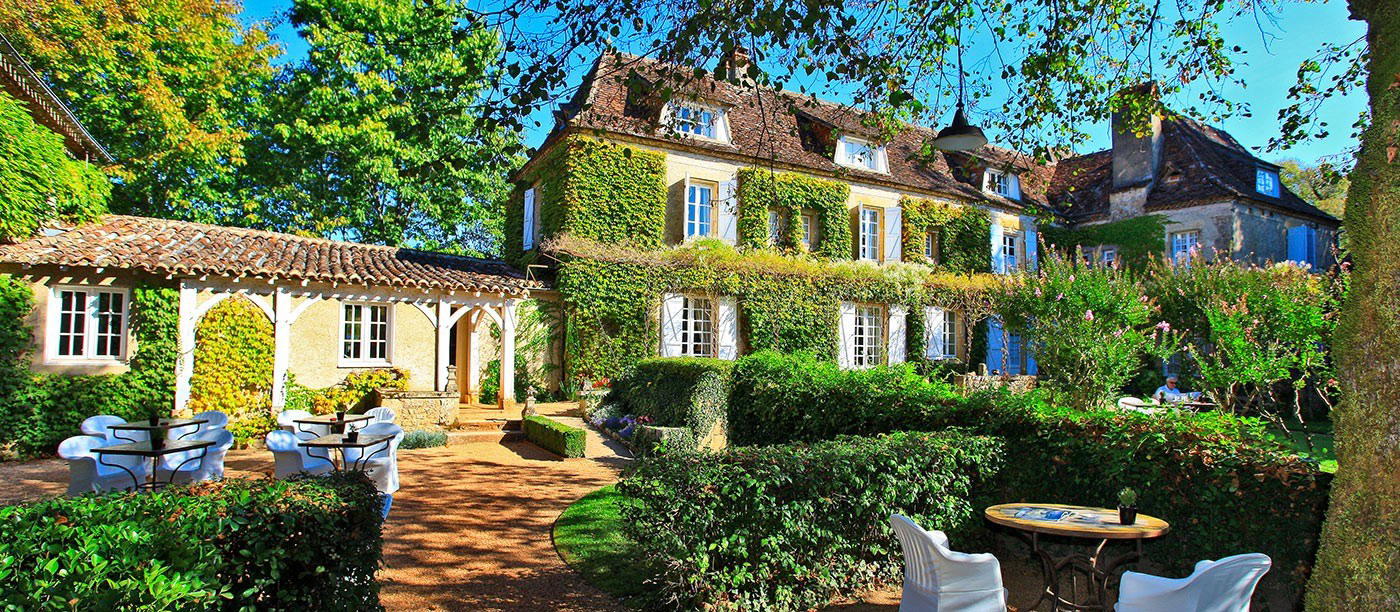
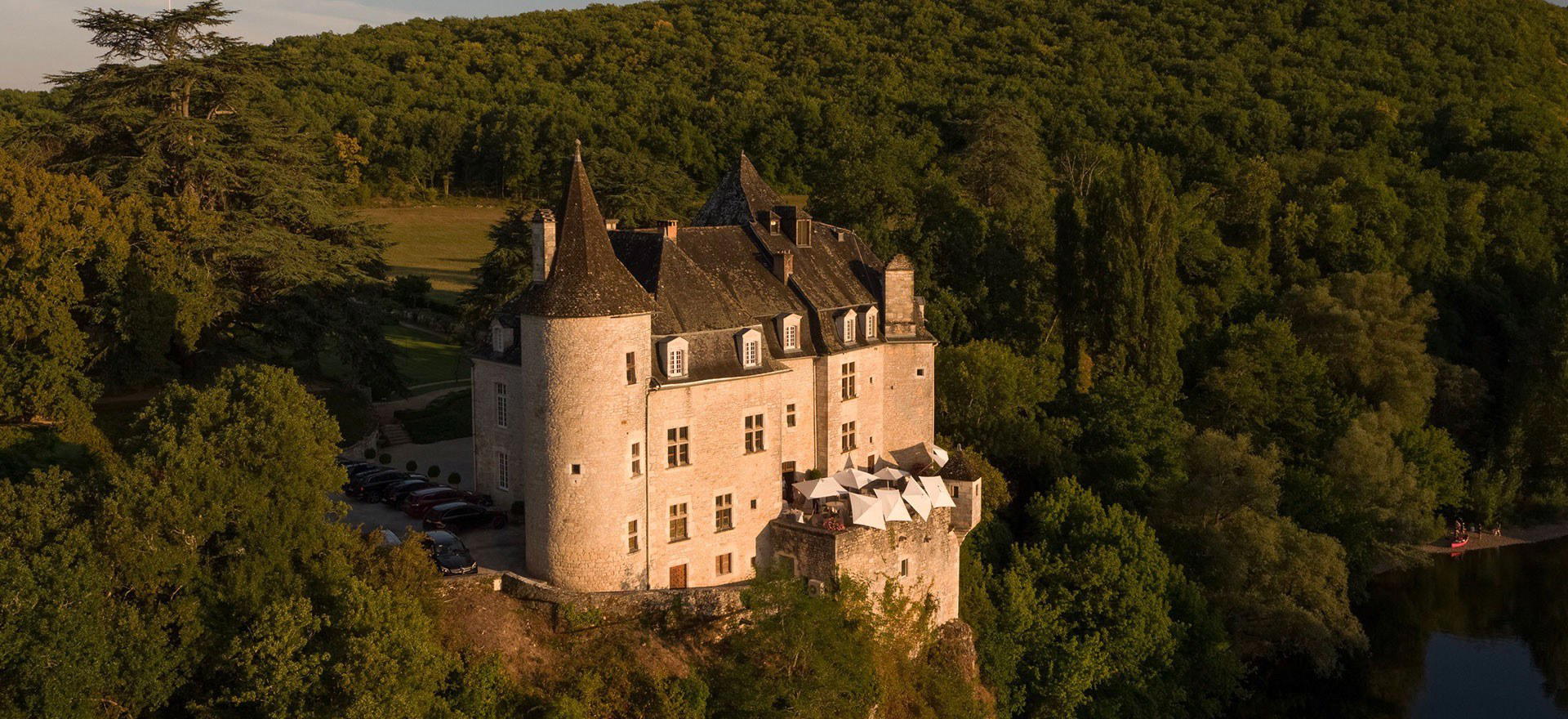
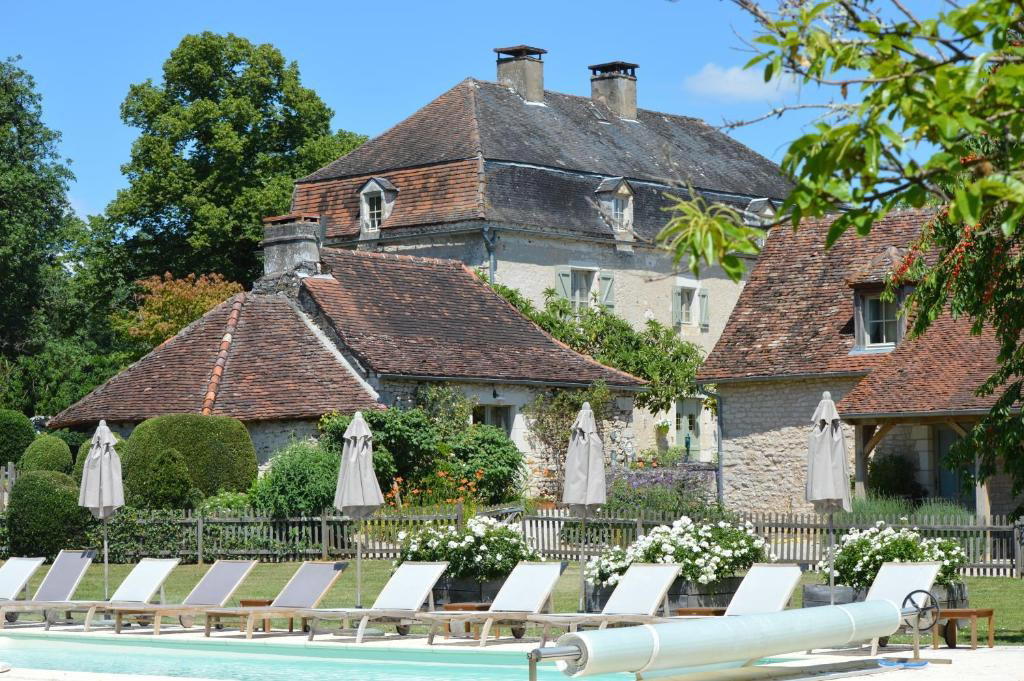
Warm and cozy dining room or terrace overlooking the château park, with elegant furnishings and a peaceful, refined atmosphere.