Chateau De Puy Robert
Our verdict
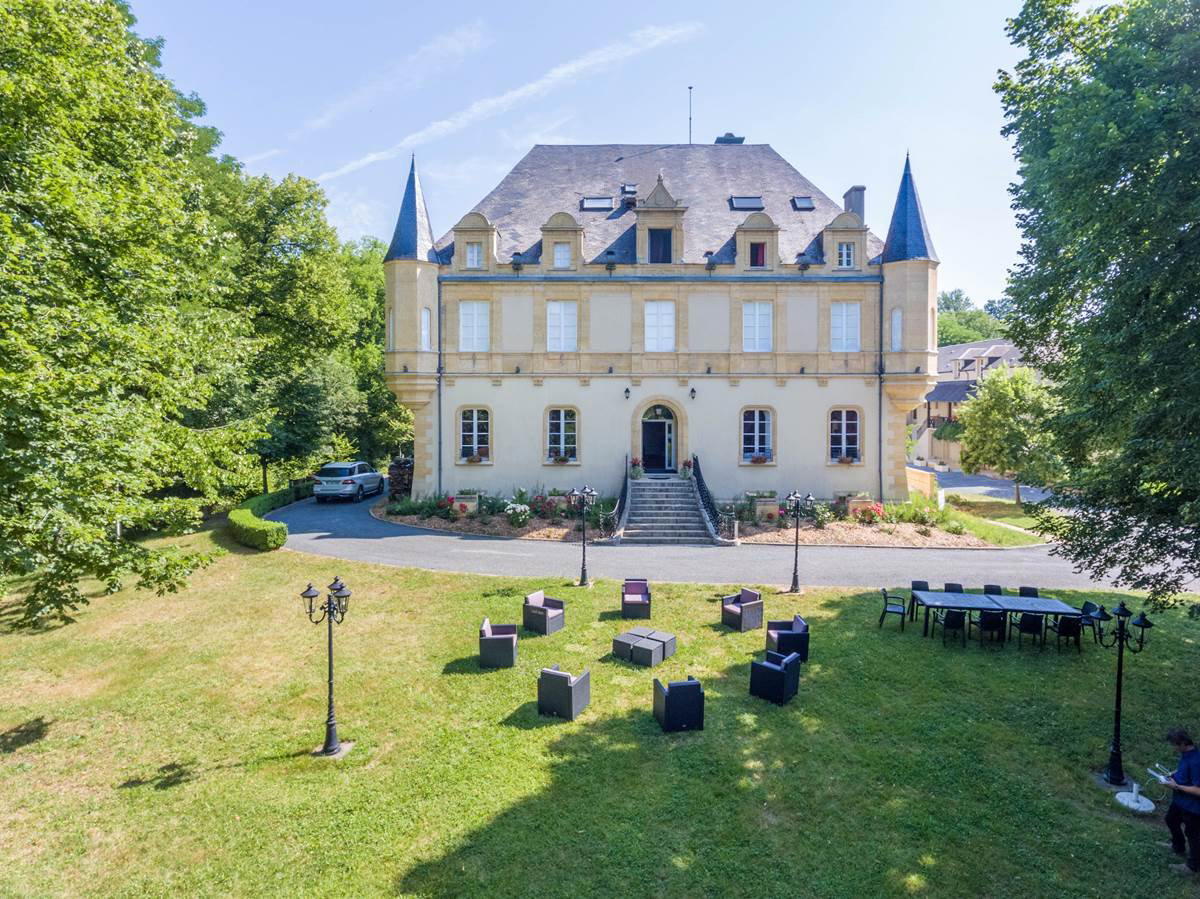
Chateau De Puy Robert sits on the edge of Montignac-Lascaux in the Dordogne, where the Périgord's agricultural traditions shape the table as much as any kitchen decision. The property occupies a former château domain along the Route de Valojoulx, placing guests within reach of one of France's most historically saturated landscapes. For visitors combining the Lascaux cave sites with serious dining, it represents the area's most considered address.

Pearl is the En Primeur Club membership app — saves, bookings, and concierge access live there. Same editors, same standards.
- Address
- Lieu-dit Château Puy Robert Route de Valojoulx, 24290 Montignac-Lascaux, France
- Phone
- +33553511854
- Website
- puyrobert.fr
- Directions
- Get directions
Where the Dordogne Sets the Table
The road from Montignac-Lascaux toward Valojoulx runs through farmland that has fed this corner of the Périgord for centuries. Walnut groves interrupt the sight lines. Duck farms sit close enough to the road that the landscape reads as a larder before it reads as scenery. Arriving at Chateau De Puy Robert along this route, the physical context is not incidental: the Dordogne's agricultural identity is the foundational condition of any serious kitchen operating here, and the château's position on this particular stretch of road reflects that logic directly.
The Périgord is one of the few regions in France where the sourcing story precedes the culinary one. Foie gras, black truffle, walnut oil, cèpes, and confit duck are not ingredients that need to be imported or justified in this context. They are the native grammar of the table. Kitchens in this region that work within that tradition are making a different kind of argument than, say, the creative-cuisine operations at properties like Mirazur in Menton or Alléno Paris au Pavillon Ledoyen in Paris. The argument here is not about innovation. It is about depth of place.
The Sourcing Tradition the Dordogne Demands
Périgord cooking at its most honest reads as a form of applied geography. The black truffle (Tuber melanosporum) harvested in and around the Dordogne between December and February is among the most concentrated in France, and the region's duck-farming density means that foie gras and confit are not luxury additions but structural components of the local diet. For a château property operating in this zone, the sourcing framework is essentially inherited. The question is not whether to use these ingredients but how to handle them with sufficient seriousness.
This is a different operating environment than the starred country houses found elsewhere in France. At Bras in Laguiole, the kitchen built its identity around the Aubrac plateau's herbs and volcanic landscape. At Auberge de l'Ill in Illhaeusern, Alsatian produce defines a decades-long culinary lineage. The Dordogne imposes a similarly specific set of constraints and opportunities: you are working with ingredients that carry strong regional expectations, and the dining public that comes to Montignac-Lascaux arrives with those expectations already formed.
For context, the broader pattern of French destination dining outside Paris has increasingly split between properties with formal recognition (Michelin starred tables at Flocons de Sel in Megève or Maison Lameloise in Chagny) and château-hotel dining rooms that prioritise setting and regional character over technical ambition. Chateau De Puy Robert belongs to the second category, where the surrounding landscape and the production traditions of the Périgord noir carry more weight than any single kitchen signature.
Montignac-Lascaux as a Dining Destination
Montignac-Lascaux is a small town that draws a disproportionately international visitor base, almost entirely because of the Lascaux cave paintings and the Lascaux IV international cave art centre that opened in 2016. The visitor profile skews toward culturally engaged travellers who have made a deliberate detour into the northern Dordogne, often spending two or three nights in the area before moving west toward Sarlat or south toward the Lot Valley. That pattern creates a dining context where the table is part of a longer experience of place, not a destination in itself.
The concentration of serious château properties in the Dordogne is lower than in comparable heritage tourism zones like the Loire Valley or the Luberon, which makes individual properties more visible within their local market. The Route de Valojoulx, where Chateau De Puy Robert sits, is not a high-traffic restaurant corridor. This is agricultural France, and the dining options within a few kilometres of the Lascaux sites are limited enough that a château with a functioning kitchen and serious cellar carries genuine weight for visitors planning the area. See our full Montignac Lascaux restaurants guide for the broader picture.
The comparison set for a property like this is not the starred destination restaurants at the top of the French hierarchy. It sits closer in character to properties like Les Prés d'Eugénie in Eugénie-les-Bains or L'Oustau de Baumanière in Les Baux, château-hotel formats where the dining room's authority derives substantially from the estate's physical presence and local rootedness, even if the kitchen ambition operates at a different scale.
What Draws Visitors to This Address
Appeal of a château property in the Dordogne is partly architectural and partly agricultural. The Périgord noir's limestone buildings, the surrounding countryside's particular light in late afternoon, and the proximity to one of Europe's most significant prehistoric art sites combine to make the stay feel weighted with context. Travellers who have also spent time at starred addresses in France, including the ambitious formats at Troisgros in Ouches or Georges Blanc in Vonnas, often appreciate the contrast of a more grounded, regionally rooted table after sustained exposure to high-technique kitchens.
Dordogne's ingredient culture also makes the region a natural fit for visitors who travel with food as a primary lens. The seasonal rhythm here is pronounced: truffles from December through February, cèpes from September into autumn, strawberries from the Périgord in spring. A visit timed to align with one of these peaks changes what appears on the table in ways that are worth planning around, particularly for the truffle season, which draws specialist visitors from across Europe each winter.
Planning a Visit
Chateau De Puy Robert is located at Lieu-dit Château Puy Robert on the Route de Valojoulx, 24290 Montignac-Lascaux. The address sits between the town centre of Montignac and the Valojoulx commune, accessible by car from the D65. For visitors arriving in the Dordogne by train, the nearest rail connection with regular service is Périgueux, approximately 45 kilometres to the west, with onward access by hire car or taxi. Sarlat-la-Canéda, roughly 25 kilometres to the south, is the region's main town with a broader accommodation market and serves as the standard base for visitors covering more of the Périgord noir. Booking directly through the property is the standard approach for château hotels in this part of France; contact details should be confirmed via current channels before travel, as seasonal closures are common among Dordogne château properties. Visitors coming specifically for Lascaux IV should note that the cave art centre operates on a timed-entry ticket system and advance booking is advisable, particularly in July and August when the Dordogne's tourist season peaks.
For reference on the broader range of destination dining in France at different scales and ambitions, EP Club also covers Paul Bocuse in Collonges-au-Mont-d'Or, Auberge du Vieux Puits in Fontjoncouse, and La Table du Castellet in Le Castellet, all of which illustrate how different French regions build dining identities from their specific geographic and agricultural conditions. For international comparisons in terms of how setting and sourcing interact in destination dining, Lazy Bear in San Francisco and Le Bernardin in New York City offer useful reference points for how ingredient sourcing becomes editorial positioning at the highest levels of the format, and Le 1947 à Cheval Blanc in Courchevel and La Vague d'Or in Saint-Tropez show how château and resort hotel dining operates at the luxury end of the French market.
Frequently asked questions
Is Chateau De Puy Robert suitable for children?
The château sits on a rural estate on the Route de Valojoulx outside Montignac-Lascaux, which gives families space and grounds that suit younger guests better than an urban hotel would. Proximity to Lascaux IV — the full-scale replica of the cave paintings, approximately two kilometres from Montignac — makes it a practical base for families visiting one of France's foremost prehistoric sites. Confirm specific family amenities and room configurations directly with the property before booking.
What's the vibe at Chateau De Puy Robert?
The property occupies a limestone château on agricultural land between Montignac-Lascaux and Valojoulx, which sets the register firmly toward quiet countryside rather than resort activity. The Périgord noir's characteristic walnut groves and fieldstone architecture frame the approach, and the address draws an international visitor base that arrives primarily because of the Lascaux cave paintings. Expect a pace calibrated to the region: unhurried, rural, and oriented around the landscape itself.
Is Chateau De Puy Robert a good base for visiting the Lascaux cave paintings?
The address on the Route de Valojoulx places the château between the town of Montignac-Lascaux and the village of Valojoulx, situating it within a short drive of Lascaux IV, the international cave art centre that houses the definitive replica of the original prehistoric paintings. Montignac-Lascaux is the primary gateway town for the Lascaux site, which means the château functions as a direct-access base rather than a detour from the main attraction. Confirm exact distances and transport options with the property.
What do regulars order at Chateau De Puy Robert?
Périgord cooking is defined by a short list of regional products: black truffle (Tuber melanosporum) harvested across the Dordogne, duck confit, foie gras, and walnut oil. A château kitchen in this part of France typically builds its menu around those ingredients, sourced from producers within the department.
Where exactly is Chateau De Puy Robert?
Chateau De Puy Robert is located at Lieu-dit Château Puy Robert Route de Valojoulx, 24290 Montignac-Lascaux, France, Montignac Lascaux.
How far ahead should I plan for Chateau De Puy Robert?
Montignac-Lascaux draws a volume of international visitors that its size alone would not generate — the Lascaux cave complex is the primary driver, and summer school-holiday periods fill accommodation in the area quickly. For peak July and August dates, three to four months' advance planning is a reasonable baseline for châteaux in this part of the Dordogne. Shoulder season visits in May, June, or September generally allow shorter lead times and more availability.
Side-by-Side Snapshot
| Venue | Cuisine | Price | Awards | Notes |
|---|---|---|---|---|
| Chateau De Puy RobertThis venue — the venue you are viewing | Classic French Bistro | $50–100 | Not listed | Not listed |
| Mirazur | Modern French Fine Dining | $300–500 | 3 Michelin Stars · World's 50 Best #1 | Modern French, Creative |
| Alléno Paris au Pavillon Ledoyen | Modern French Fine Dining | $150–200 | 3 Michelin Stars · World's 50 Best #79 | Creative |
| Kei | Modern French with Japanese Influences | $300–500 | 3 Michelin Stars · World's 50 Best #93 | Contemporary French, Modern Cuisine |
| L'Ambroisie | Classic French Haute Cuisine | $300–500 | 2 Michelin Stars · World's 50 Best #23 | French, Classic Cuisine |
| Le Cinq - Four Seasons Hôtel George V | Modern French Fine Dining | $300–500 | 3 Michelin Stars · World's 50 Best #24 | French, Modern Cuisine |
Continue exploring
More in Montignac-Lascaux
Restaurants in Montignac-Lascaux
Browse all →
Bars in Montignac-Lascaux
Browse all →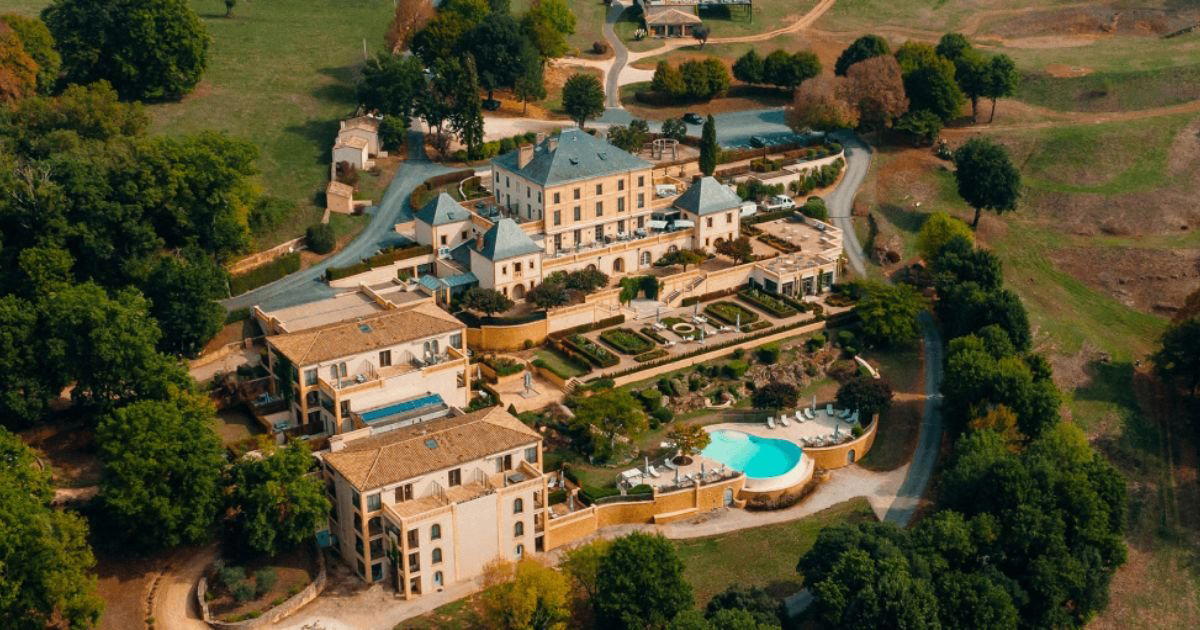
Hotels in Montignac-Lascaux
Browse all →
Wineries in Montignac-Lascaux
Browse all →
Chateau De Puy Robert
The wine
- Wine program
- Curated wine list
Details
- Romantic
- Elegant
- Rustic
- Scenic
- Special Occasion
- Date Night
- Historic Building
- Garden
- Local Sourcing
- Garden
- A La Carte
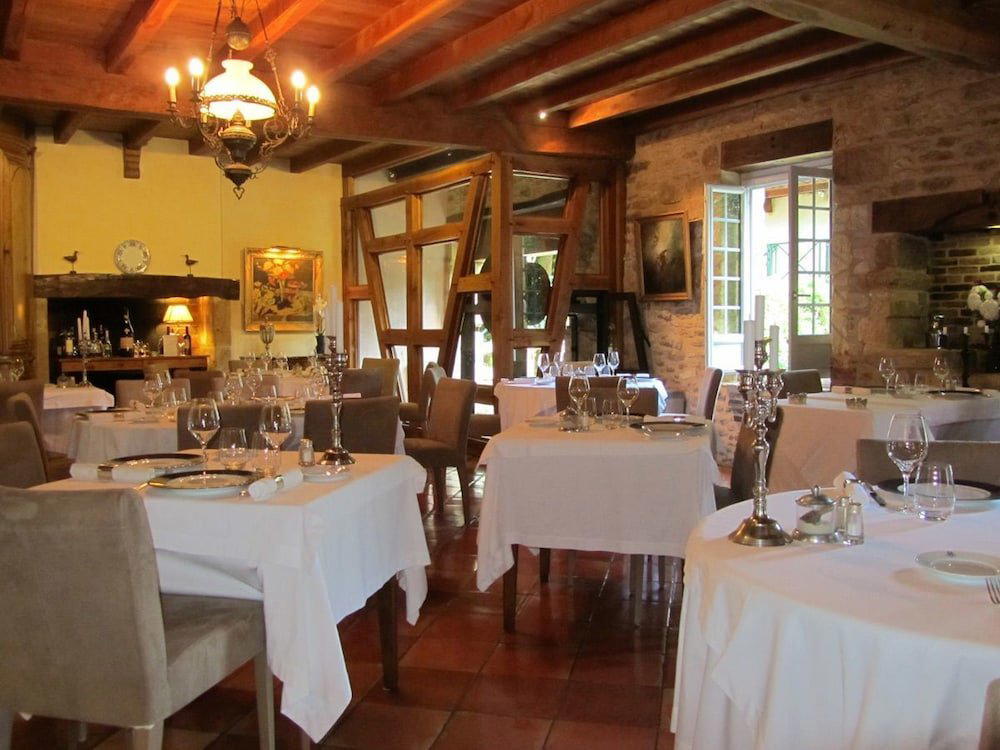
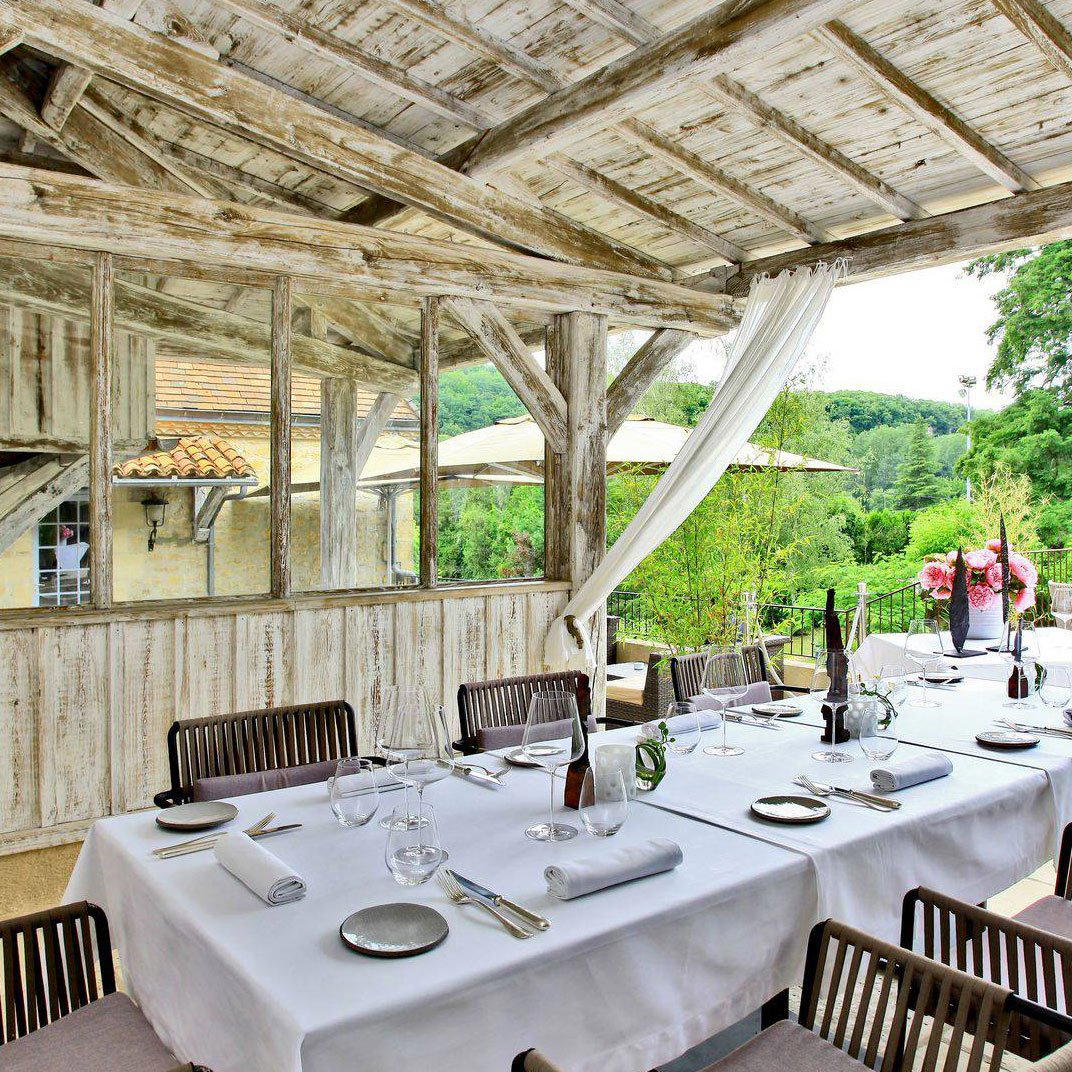
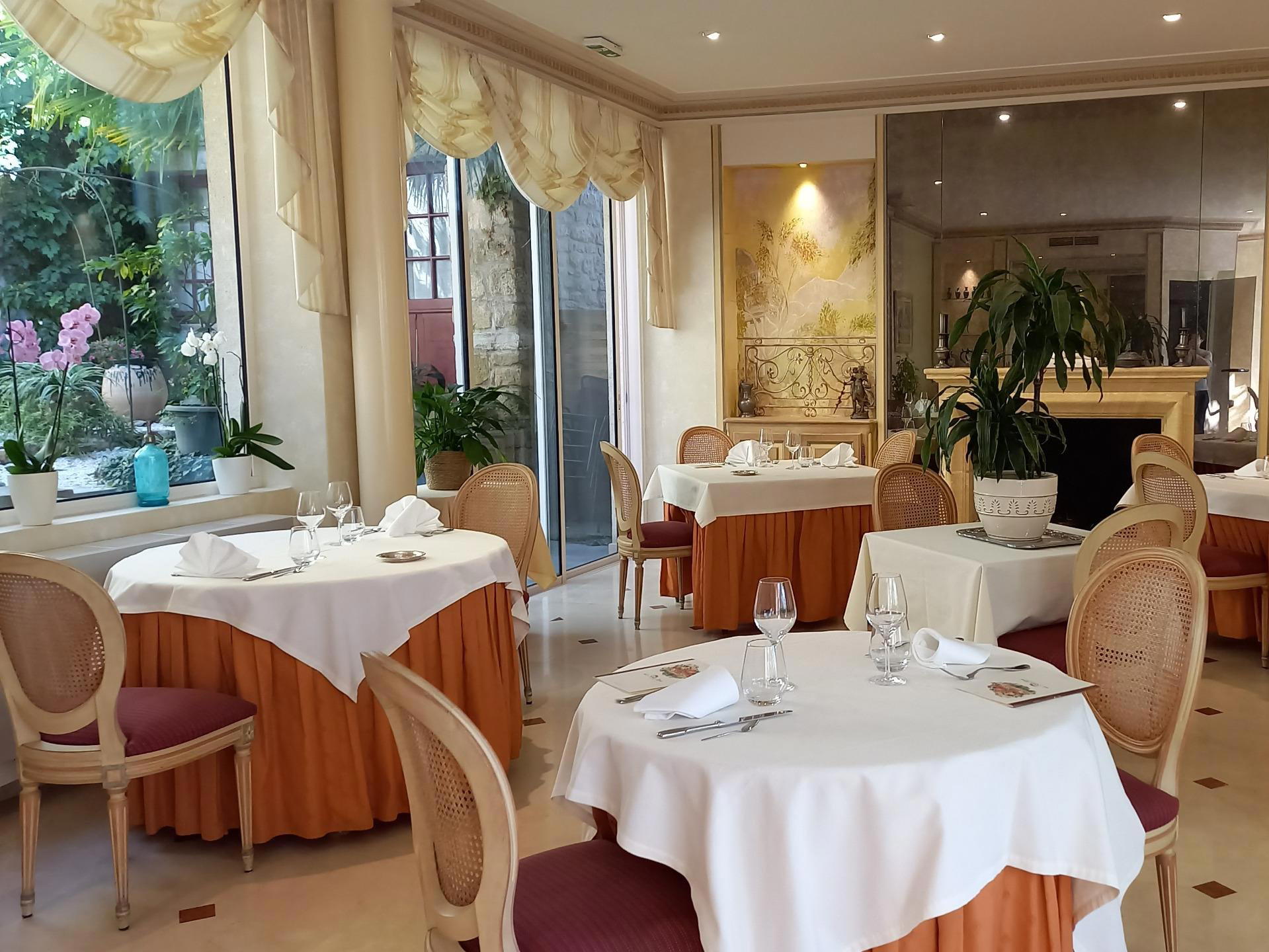
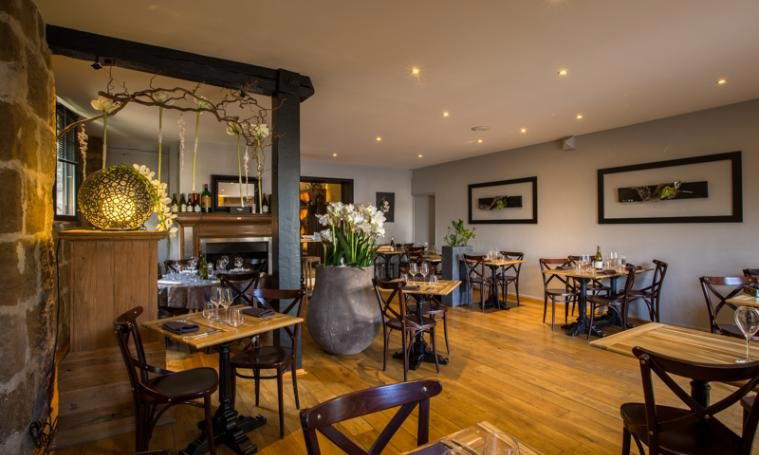
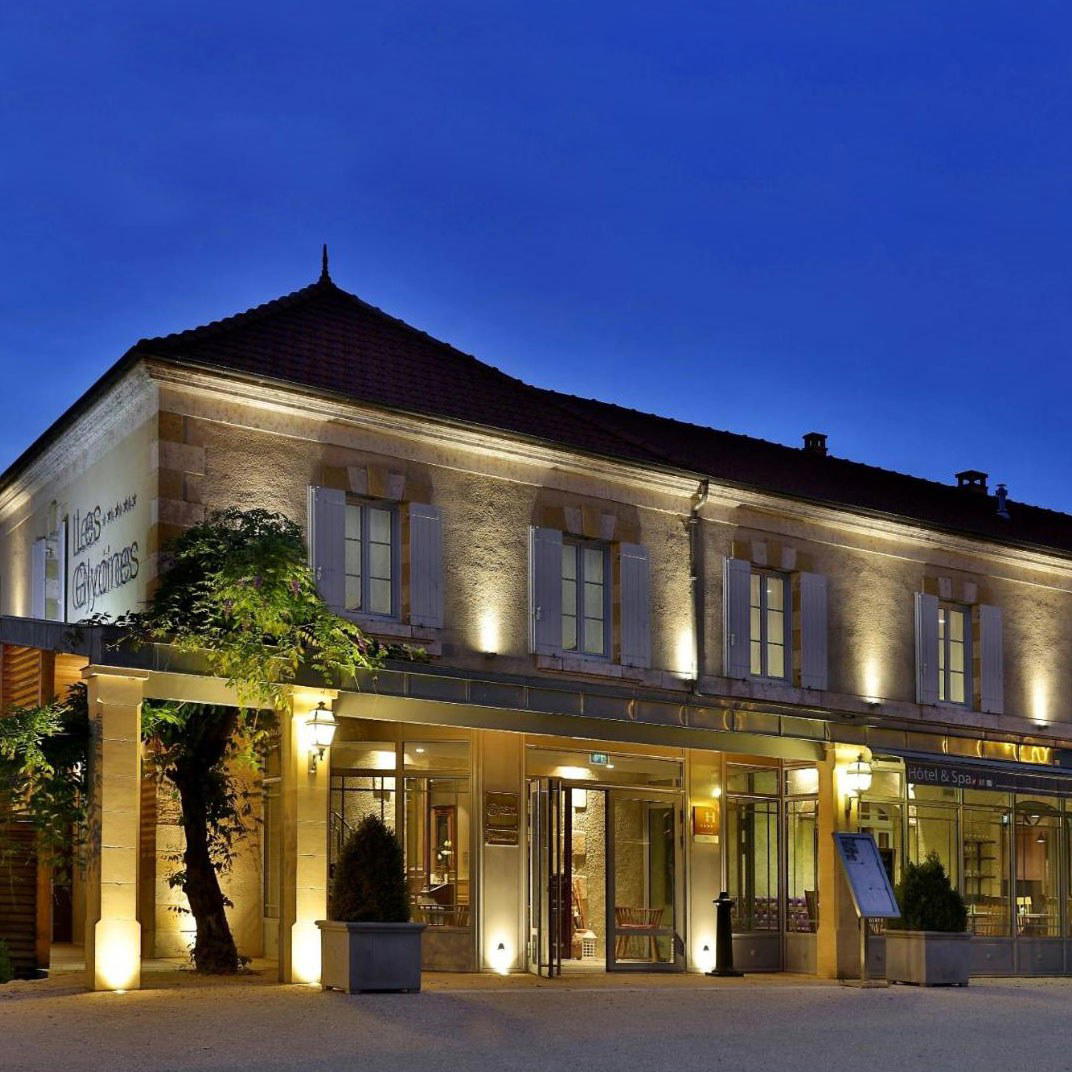
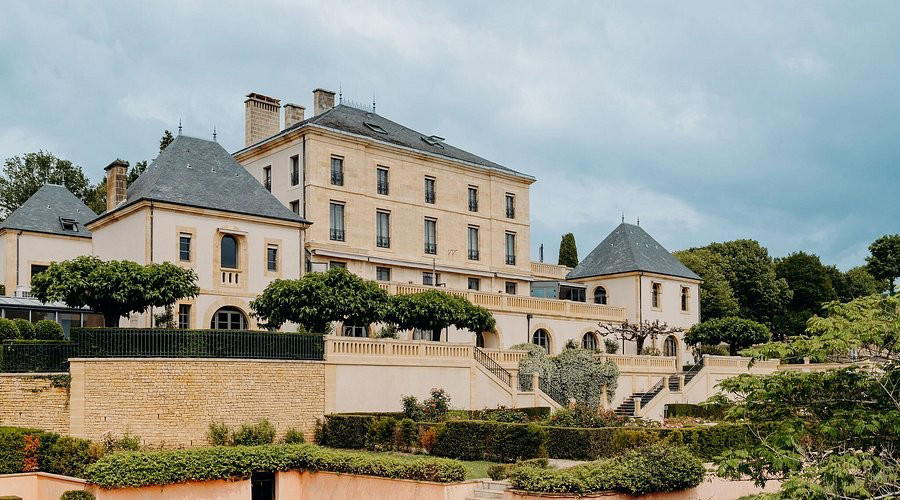
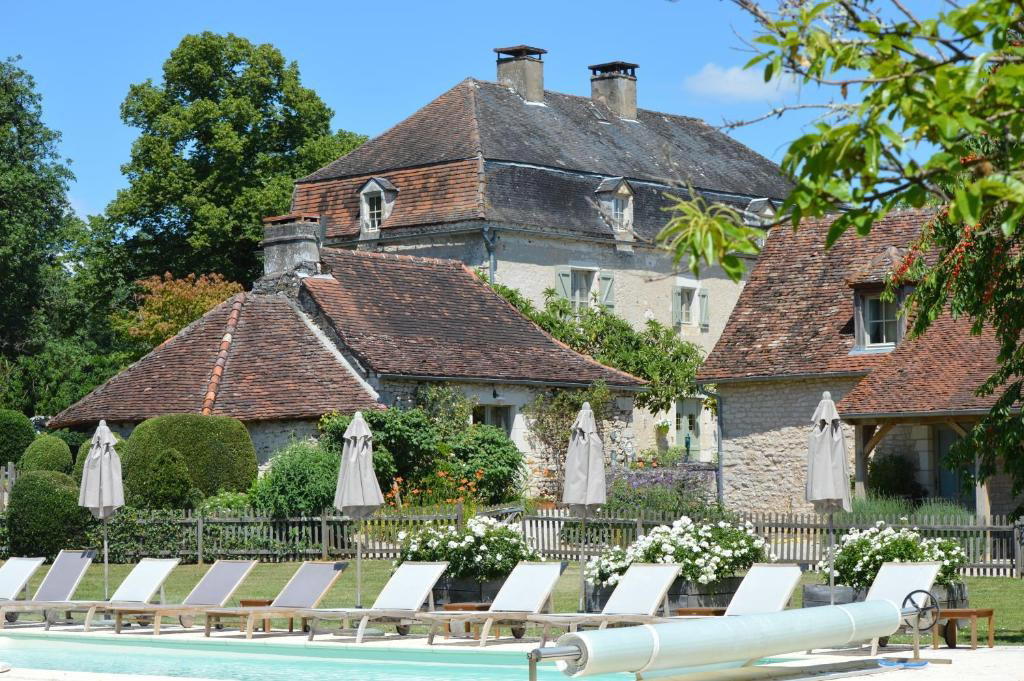
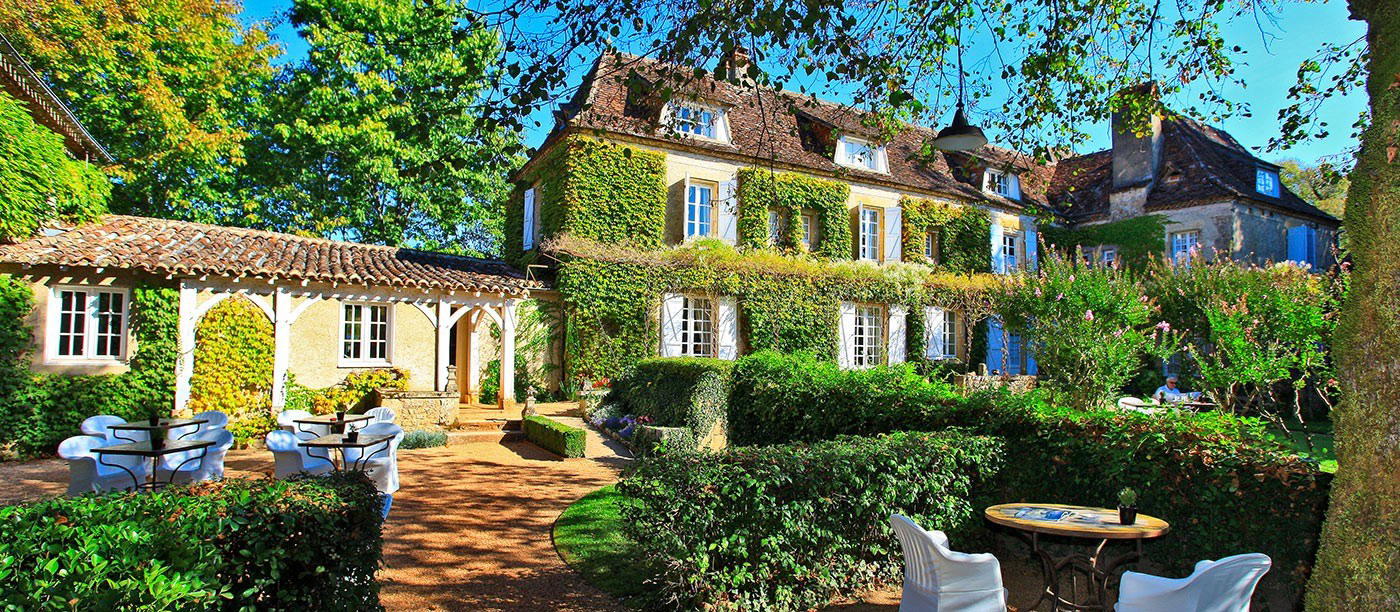
Ornate historic interiors with stone walls and wooden beams, surrounded by shaded gardens overlooking the Vézère river, providing a peaceful and sophisticated retreat.