Le 1862 - Les Glycines

1 Michelin Star
Our verdict
Le 1862 - Les Glycines holds a Michelin star for the second consecutive year (2024 and 2025), placing chef Curtis Maquet's modern cuisine at the top of the dining hierarchy in Les Eyzies-de-Tayac-Sireuil. Priced at €€€€, the restaurant draws on the Périgord's exceptional larder, truffles, walnuts, duck, and river fish, and translates them through a contemporary lens at 4 Av. de Laugerie in the Vézère Valley.

Pearl is the En Primeur Club membership app, where members save venues, book tables and use the concierge.
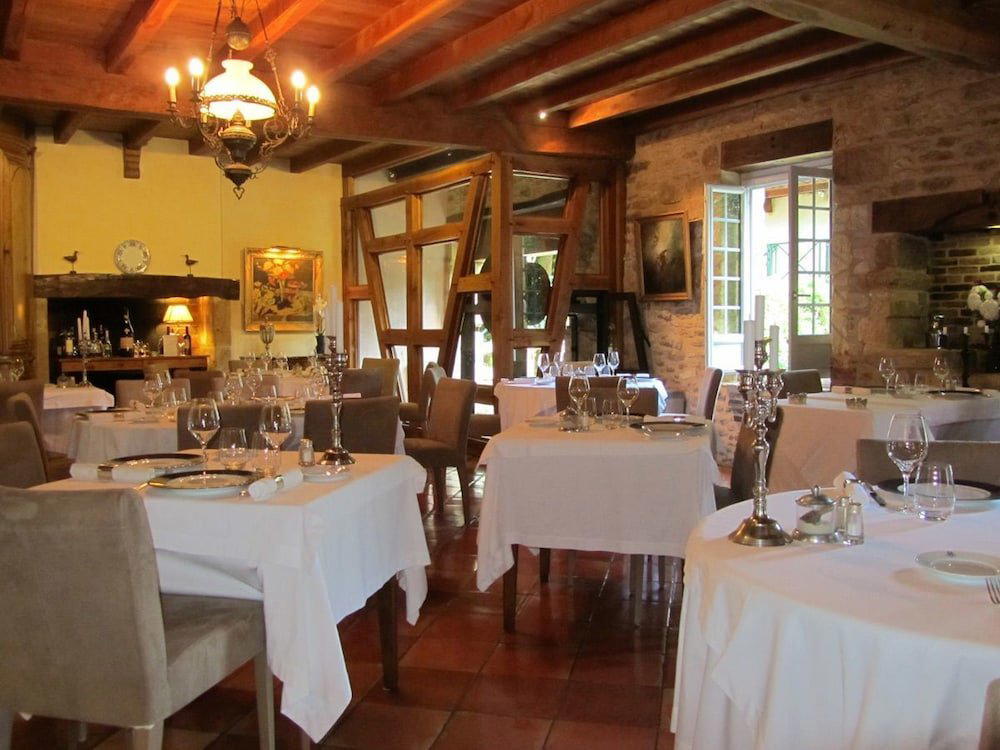
Where the Périgord's Larder Meets a Modern Kitchen
The Vézère Valley is more famous for its prehistoric cave paintings than its restaurants. That imbalance is part of what makes a Michelin-starred address here so editorially interesting: Le 1862 - Les Glycines has earned sustained recognition not in Lyon, Paris, or the Côte d'Azur, but in a limestone village whose population barely reaches a thousand and whose identity is built almost entirely around paleolithic heritage. Michelin awarded the kitchen a star in both 2024 and 2025, consecutive years that signal a stable program rather than a debut novelty, and they place chef Curtis Maquet inside the small cohort of starred modern-cuisine practitioners working outside France's major gastronomic corridors.
That context matters because the story of this kitchen is inseparable from the Périgord's ingredient geography. The Dordogne département sits inside one of France's most productive culinary territories. Black truffle from around Sarlat and Périgueux, walnut oil pressed in the Vallée de la Dordogne, foie gras from farms within an hour's drive, duck confited by regional producers following methods centuries old, cèpes gathered from the oak and chestnut forests covering the surrounding hills, freshwater fish from the Vézère and the Dordogne themselves: the raw material available to a kitchen at this address is structurally different from what a chef in a metropolitan centre commands. The provenance is not a marketing angle, it is a logistics reality that shapes the menu's seasonal rhythm from the ground up.
The Périgord as an Ingredient Argument
Modern French cuisine in the €€€€ tier tends to cluster around a recognisable set of reference points: Paris multi-stars like Alléno Paris au Pavillon Ledoyen, mountain addresses like Flocons de Sel in Megève, or Mediterranean boundary-pushers like Mirazur in Menton. What separates a kitchen in rural Périgord from those peers is not technique or ambition, it is the hyperlocal specificity of the larder. A chef working in central Périgord has access to a density of high-value ingredients within a compact radius that most starred kitchens can only approximate through supply chains. Black truffle, walnut, duck, and cèpe are not imports or gestures here; they define what the season looks like on the plate.
The broader French tradition of terrain-rooted cooking has a long precedent in kitchens anchored to their geography. Bras in Laguiole built a decades-long identity around Aubrac's herbs and volcanic plateaux. Auberge de l'Ill in Illhaeusern has drawn its identity from the Alsatian riverine landscape for generations. The €€€€ modern cuisine tier now rewards this kind of specificity: a kitchen that can point to a named forest, a specific farm, or a river visible from the dining room carries a credibility argument that a city kitchen, however technically accomplished, cannot replicate in the same way.
Curtis Maquet's kitchen at Les Glycines operates in that tradition. The address on Avenue de Laugerie places the restaurant within the historic Les Glycines property, a name that has existed in some form since 1862, hence the restaurant's full title, and the continuity of place contributes to the depth of supplier relationships any long-established Périgord kitchen builds over time. At Google, 67 reviewers have given the restaurant a 4.6 average, a narrow sample but a consistent signal of satisfaction across a dining room that operates at a price point where expectations arrive calibrated.
Seasonal Rhythm and the Logic of the Périgord Calendar
The Périgord's ingredient calendar is among the most defined in France. Winter brings black truffle season to its peak, the weeks around January and February when Tuber melanosporum commands the highest prices and the most direct attention in local kitchens. Autumn delivers cèpes from the forests, walnuts from the valley orchards, and the beginning of duck season in its richest form. Spring and summer push toward river fish and the softer vegetables of the alluvial plains. A kitchen committed to sourcing from its immediate territory shifts its menu in response to these rhythms, which means the experience at different times of year is substantively different, not as a novelty gesture, but as a structural feature of cooking this way.
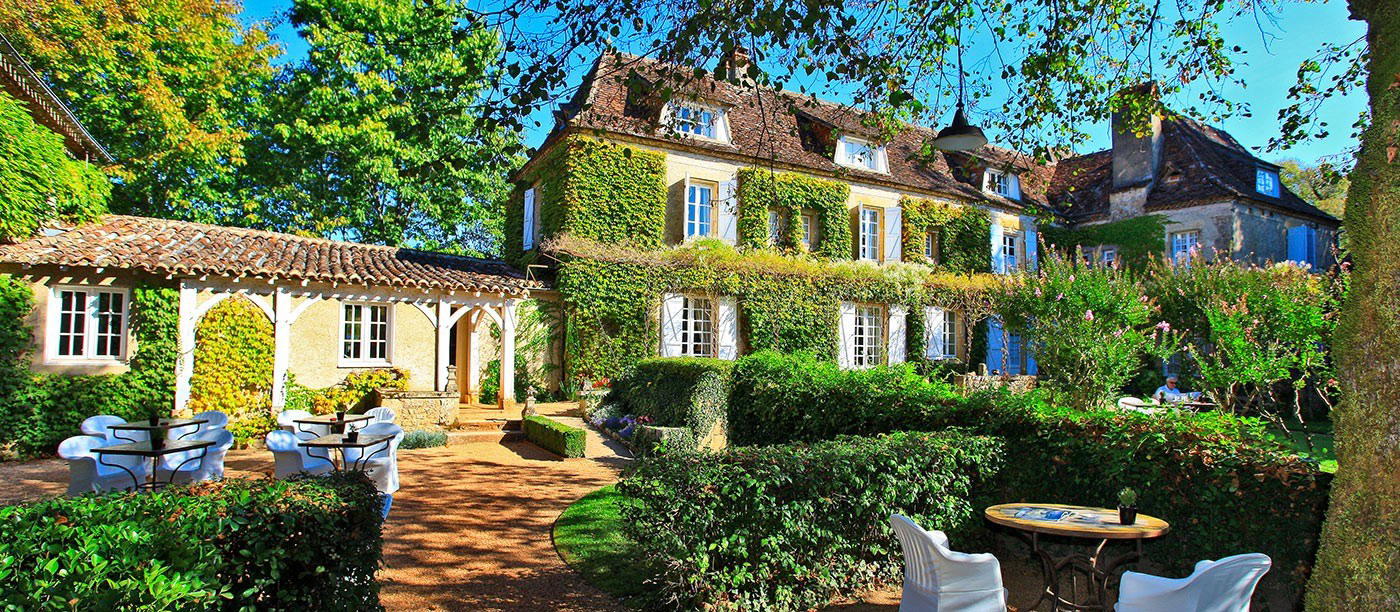
For visitors planning around a specific ingredient, that calendar is worth consulting. A winter visit positions you to encounter black truffle at its seasonal height; autumn puts cèpes and walnut in their prime window. The Vézère Valley's position in southwestern France also means a relatively mild climate that extends growing seasons and keeps the outdoor elements of the property usable across much of the year. The wisteria that gives Les Glycines its name and visual identity flowers in late spring, connecting the property's atmosphere to its agricultural surroundings.
Dining in Les Eyzies: Where This Kitchen Fits
The dining ecosystem of Les Eyzies-de-Tayac-Sireuil is small by any measure. Visitors typically arrive for the Musée National de Préhistoire, the Font-de-Gaume cave paintings, or the broader Vézère Valley UNESCO World Heritage corridor, and the restaurant infrastructure reflects a market that peaks hard in summer and quiets significantly in winter. Within that context, the presence of a two-year consecutive Michelin star at this address makes Le 1862 the clear anchor of the fine dining tier in the village.
The hotel property also houses Le Bistro des Glycines, which sits at a different price point and format, and La Table du Centenaire represents another fine dining option in the village. The result is a compact dining scene where a handful of addresses carry the full weight of visitor expectations across a wide range of budgets and occasions. For the €€€€ experience, Le 1862 holds the only starred position in the immediate area.
For those building a longer southwest France itinerary around serious eating, the Périgord connects naturally to other starred addresses across the region. The broader French fine dining circuit extends to Lyon in the north and into the Languedoc and Basque country to the south and west. Troisgros - Le Bois sans Feuilles in Ouches, Paul Bocuse - L'Auberge du Pont de Collonges in Collonges-au-Mont-d'Or, and AM par Alexandre Mazzia in Marseille each represent different expressions of what the French €€€€ tier looks like in its various regional modes, and placing Le 1862 inside that comparison clarifies its specific proposition: terrain-specific, ingredient-driven, Périgord-rooted.
Planning a Visit
Les Eyzies-de-Tayac-Sireuil sits in the Dordogne, roughly two and a half hours from Bordeaux by car and a similar distance from Toulouse. The village is not easily reached without a vehicle; the train network in this part of the Périgord Noir is limited, and self-driving remains the practical standard for visitors from outside the region. Given the €€€€ price tier and the Michelin recognition, advance booking is advisable, particularly in summer when the cave-visit tourist season overlaps with the peak dining period and available covers tighten. The physical address is 4 Avenue de Laugerie, within the Les Glycines hotel property, which also means accommodation on-site is an option for those who want to treat the meal as part of a longer stay rather than a day excursion.
For a broader view of what the area offers, our full Les Eyzies-de-Tayac-Sireuil restaurants guide covers the complete dining range, while our Les Eyzies-de-Tayac-Sireuil hotels guide, bars guide, wineries guide, and experiences guide map the surrounding options for visitors structuring a longer Périgord stay around the meal.
Frequently asked questions
Where is Le 1862 - Les Glycines located?
Le 1862 - Les Glycines is located at 4 Av. de Laugerie, 24620 Les Eyzies, France, Les Eyzies-de-Tayac-Sireuil.
Who is the chef at Le 1862 - Les Glycines?
The chef associated with Le 1862 - Les Glycines is Curtis Maquet.
A Pricing-First Comparison
| Venue | Cuisine | Price | Awards | Notes |
|---|---|---|---|---|
| Le 1862 - Les GlycinesThis venue (the venue you are viewing) | French Gastronomic Fine Dining | Not listed | 1 Michelin Star | Not listed |
| Alléno Paris au Pavillon Ledoyen | Modern French Fine Dining | $150–200 | 3 Michelin Stars · World's 50 Best #79 | Creative |
| Kei | Contemporary French, Modern Cuisine | Not listed | Michelin 3 Star | Not listed |
| L'Ambroisie | Classic French Haute Cuisine | $300–500 | 2 Michelin Stars · World's 50 Best #23 | French, Classic Cuisine |
| Le Cinq - Four Seasons Hôtel George V | Modern French Fine Dining | $300–500 | 3 Michelin Stars · World's 50 Best #24 | French, Modern Cuisine |
| Plénitude | Modern French Sauce-Led Fine Dining | $300–500 | 3 Michelin Stars · World's 50 Best #14 | Contemporary French |
Recognition history
Dated appearances from independent guides and award organizations, with the underlying list record or original source where available.
Michelin 1 Star
Michelin
Full recognition history (3 entries)
Michelin 1 Star
Michelin
Michelin 1 Star
Michelin
Continue exploring
More in Les Eyzies
More from Chef Pascal Lombard
Browse all →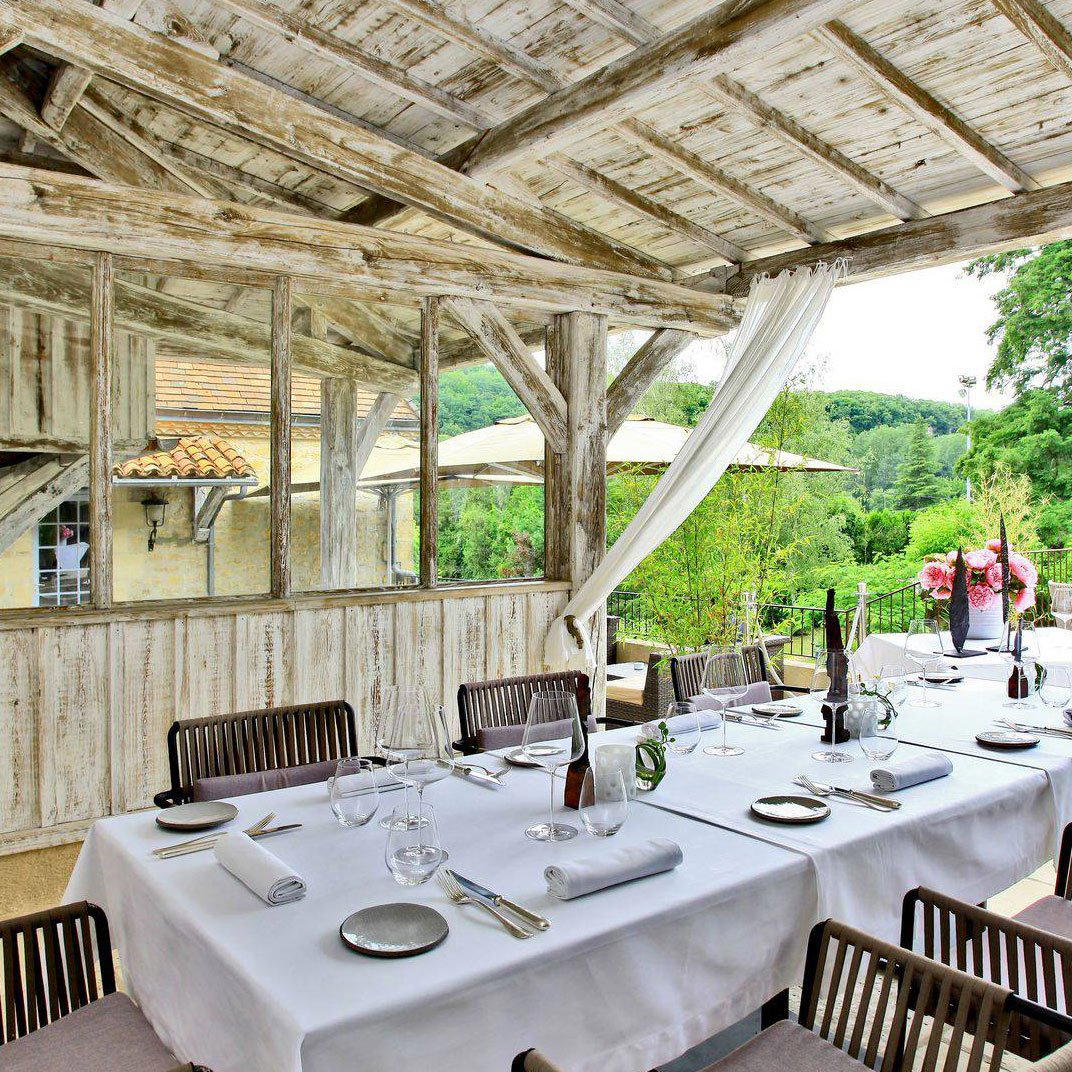
Restaurants in Les Eyzies
Browse all →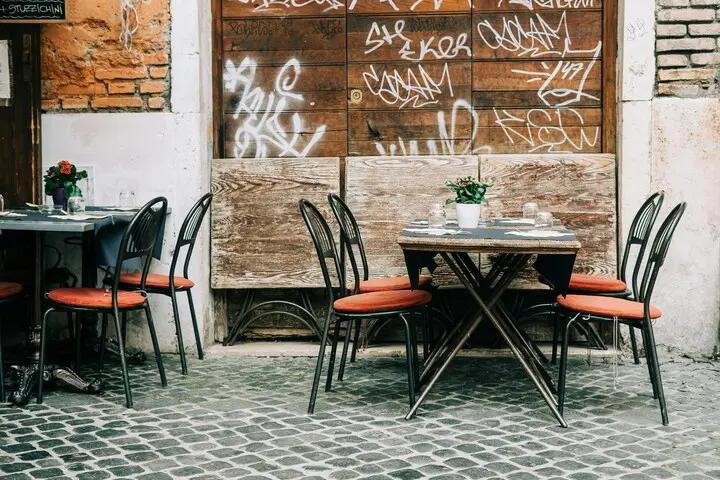
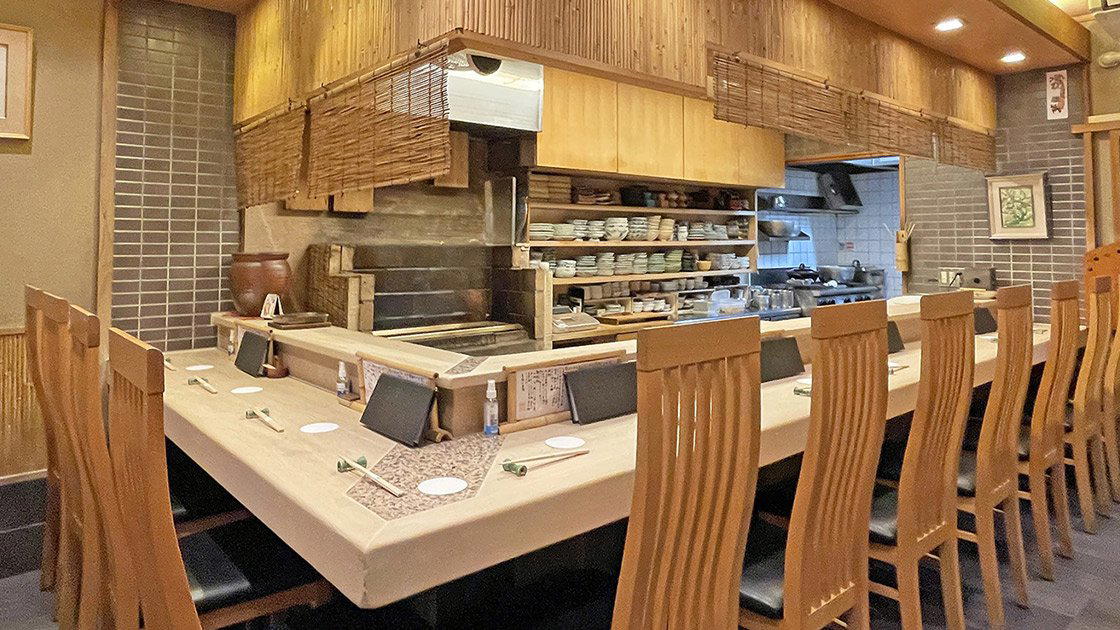
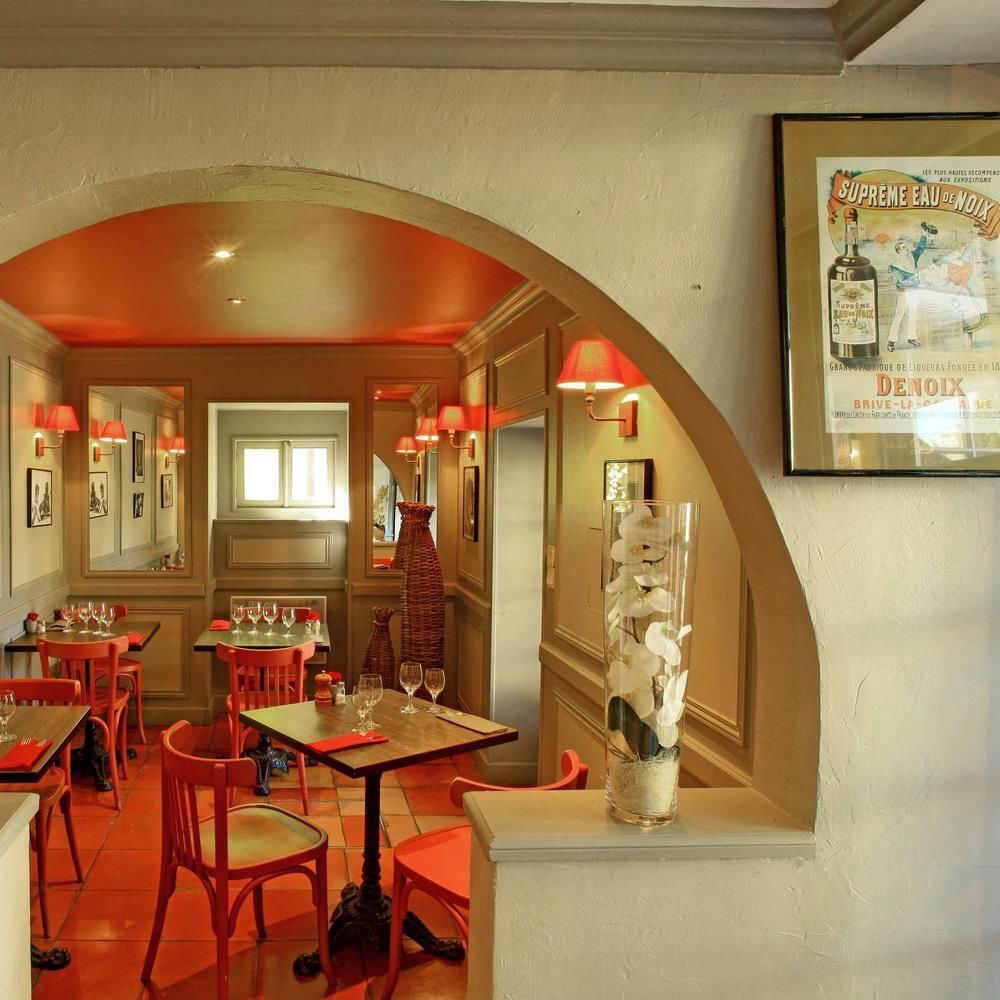
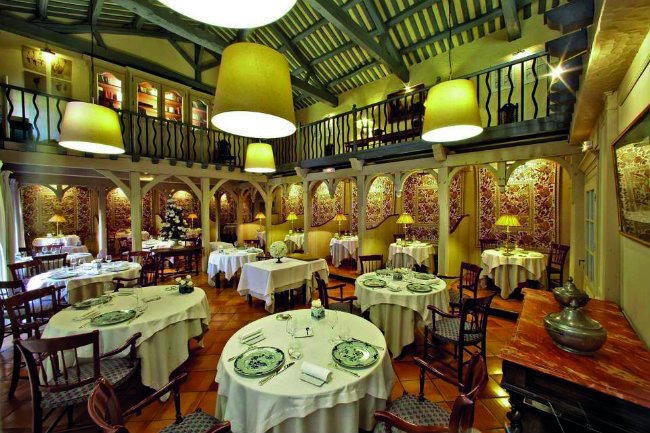
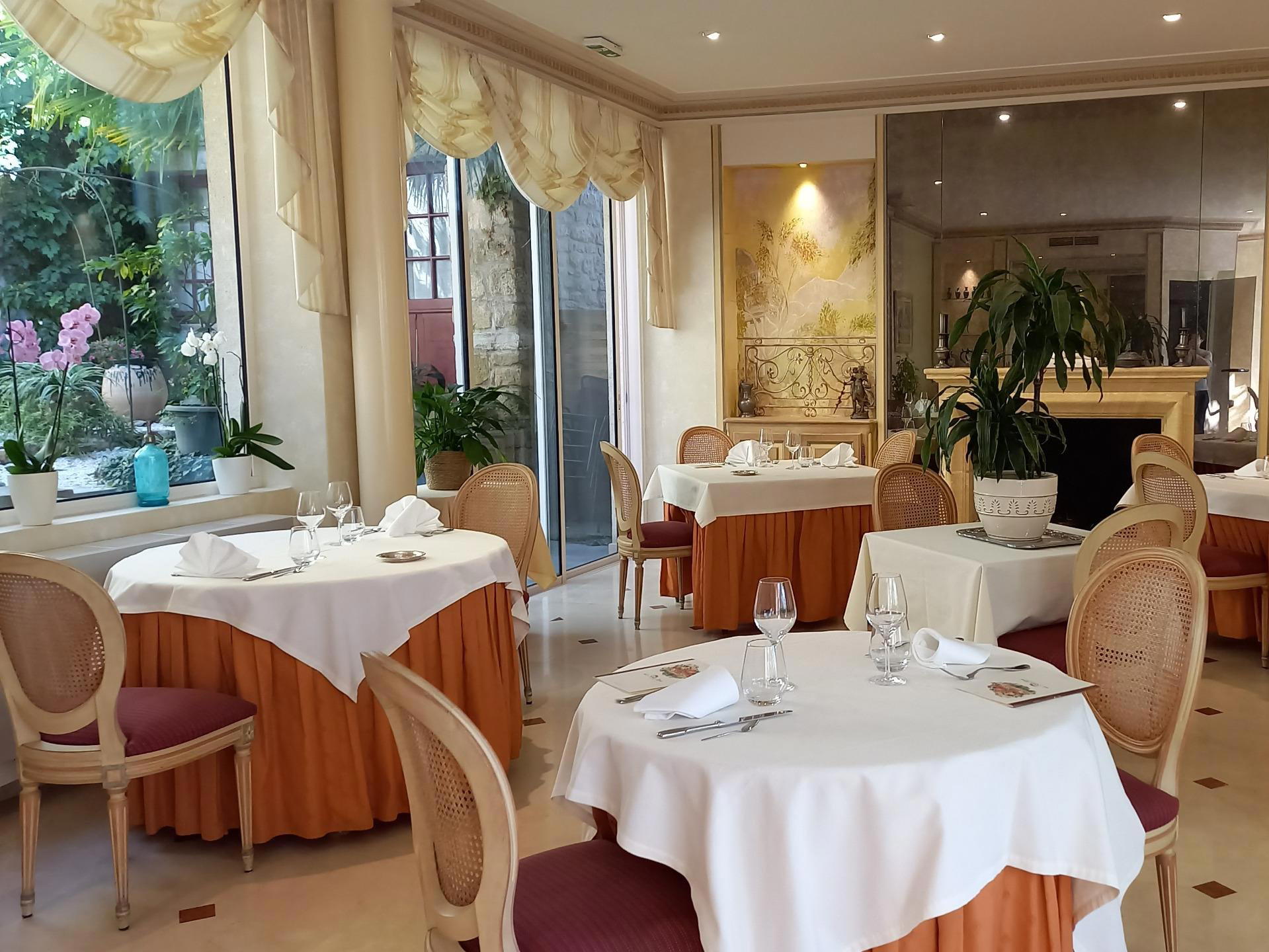
Hotels in Les Eyzies
All hotels in Les Eyzies →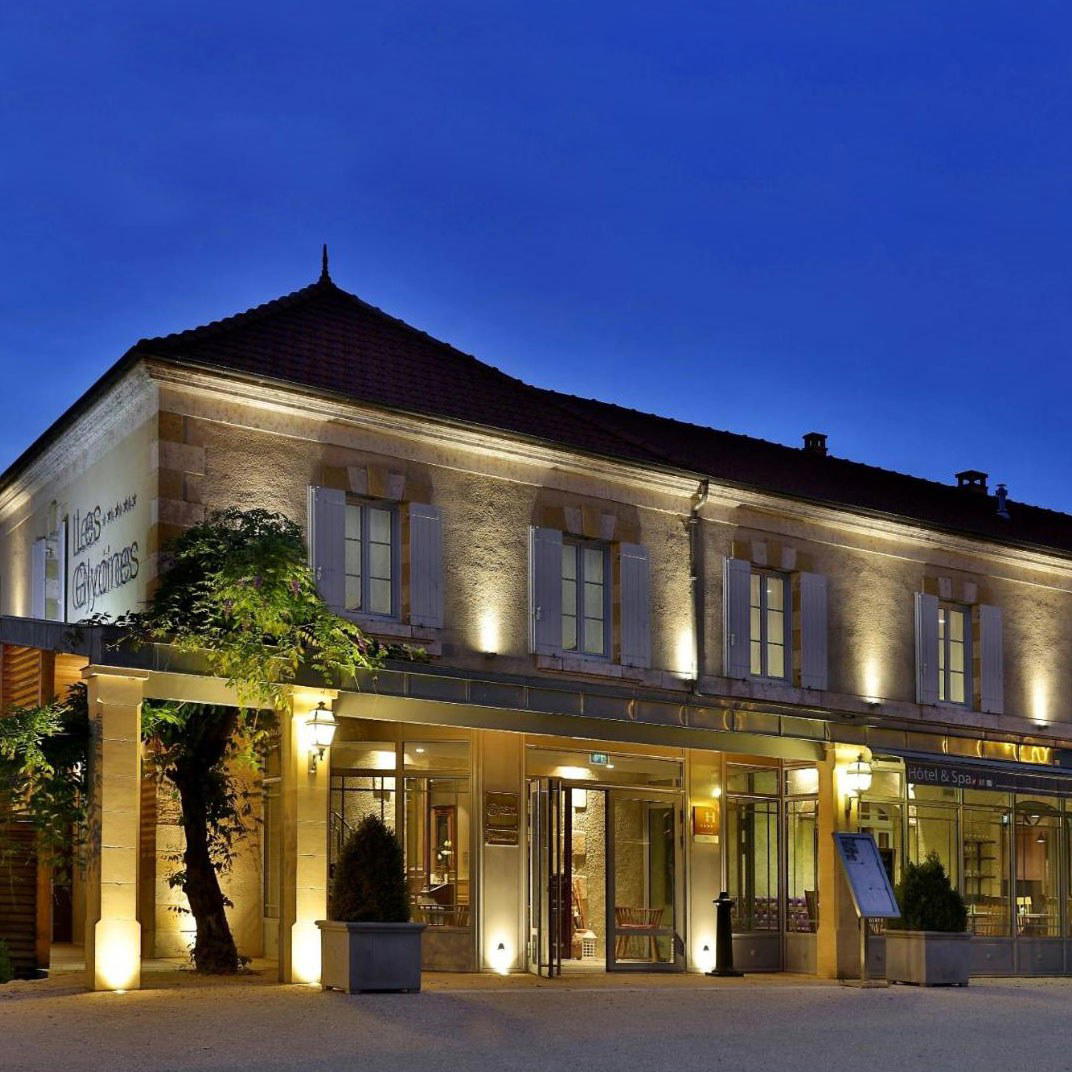

Le 1862 - Les Glycines
The wine
- Wine program
- Deep wine list
- Extensive wine list
Details
- Romantic
- Elegant
- Cozy
- Scenic
- Sophisticated
- Date Night
- Special Occasion
- Celebration
- Garden
- Terrace
- Hotel Restaurant
- Extensive Wine List
- Local Sourcing
- Farm To Table
- Garden
- Tasting Menu
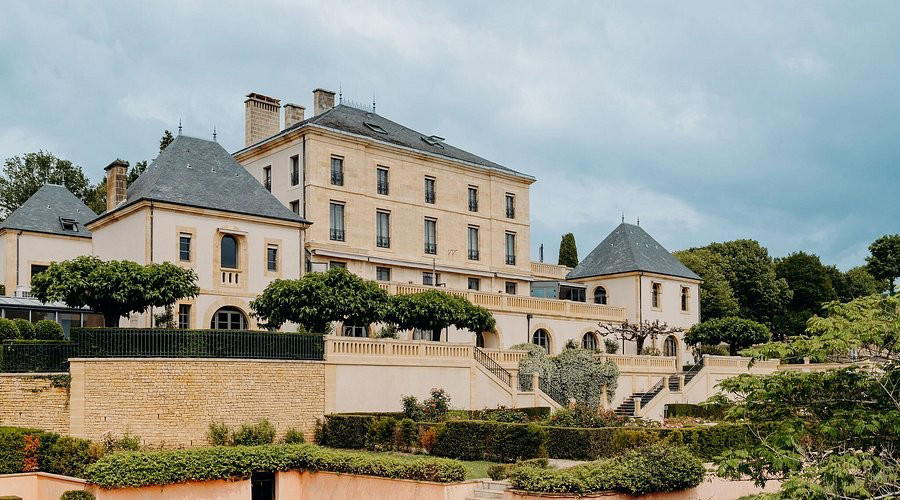
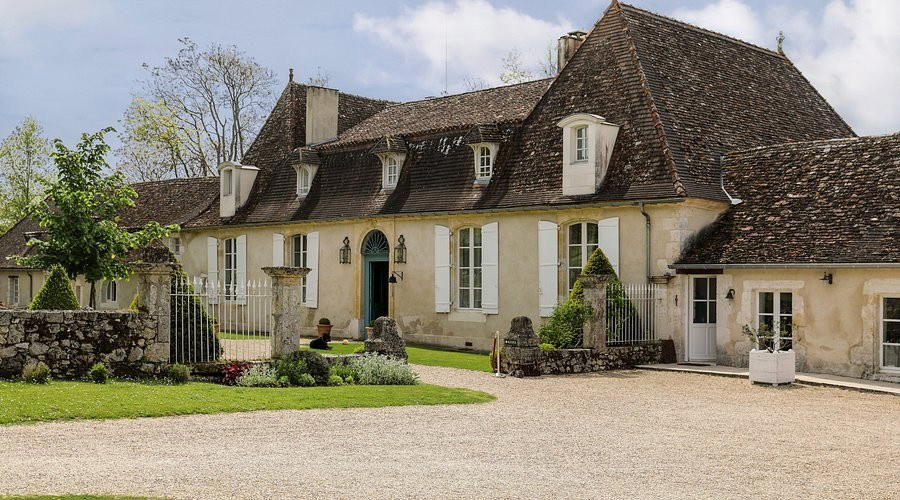
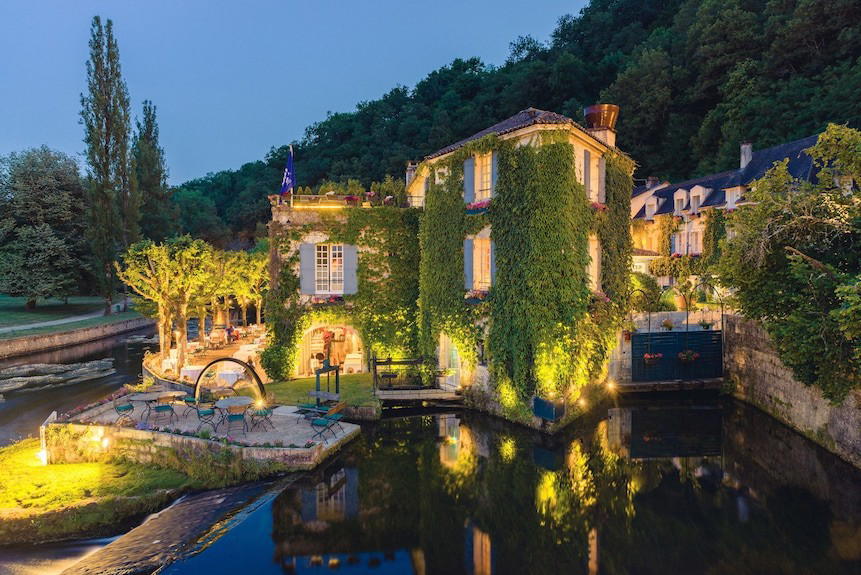
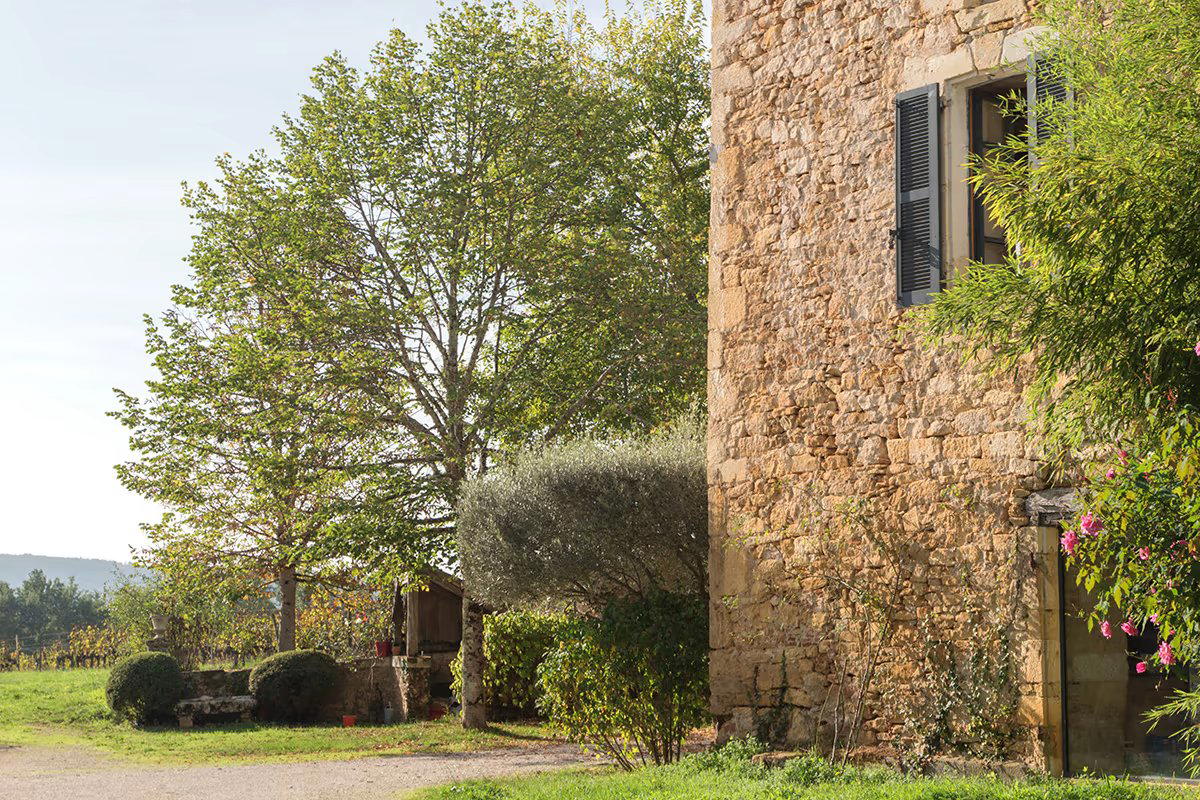
Peaceful and warm atmosphere with beautiful terrace views over well-tended gardens and rocks, elegant and restful setting praised for its romantic and refined charm.