L'Attanum

Set inside a 19th-century sous-préfecture on Saint-Yrieix-la-Perche's central square, L'Attanum applies serious classical technique to the Limousin region's seasonal larder. The kitchen's commitment to local produce drives a menu where venison terrine and duck fillet with spelt and beetroot read as confident, ingredient-led statements..
Pearl is the En Primeur Club membership app — saves, bookings, and concierge access live there. Same editors, same standards.
- Address
- 64 Pl. de la Nation, 87500 Saint-Yrieix-la-Perche, France
- Phone
- +33 5 55 09 52 27
- Website
- attanum.fr
- Directions
- Get directions
 Saves & bookings on Pearl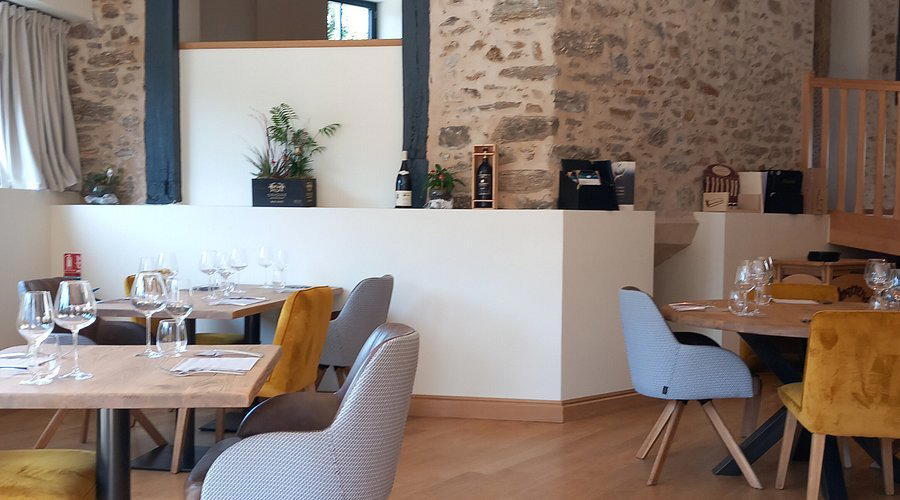
A 19th-Century Hall, a Regional Larder
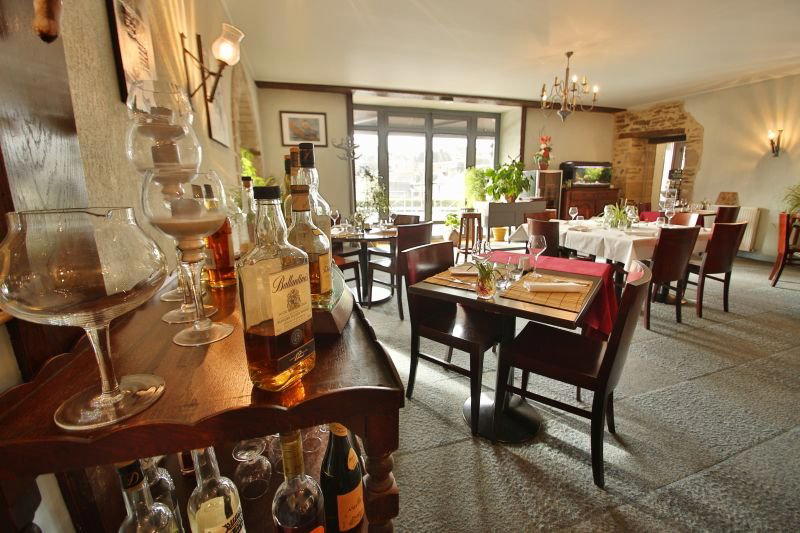
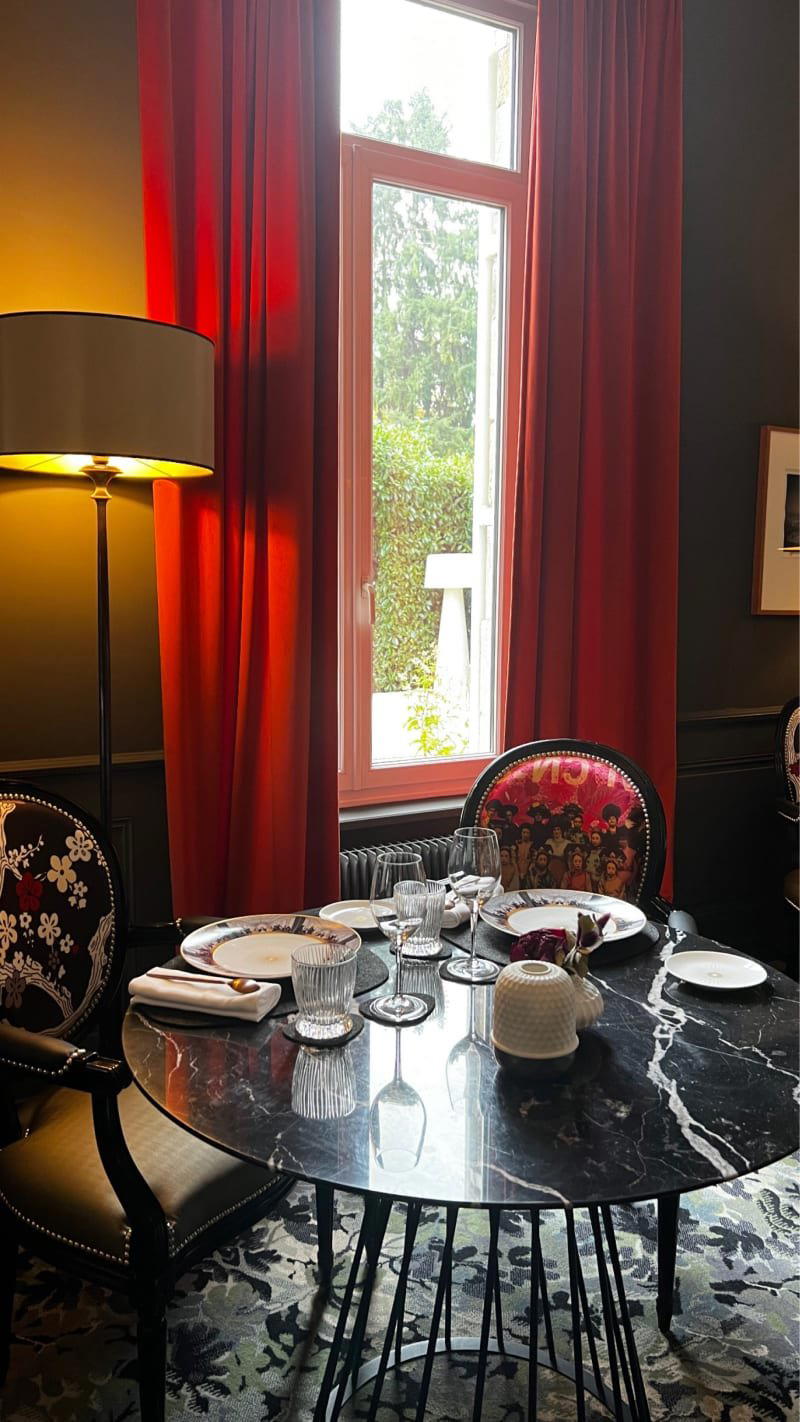
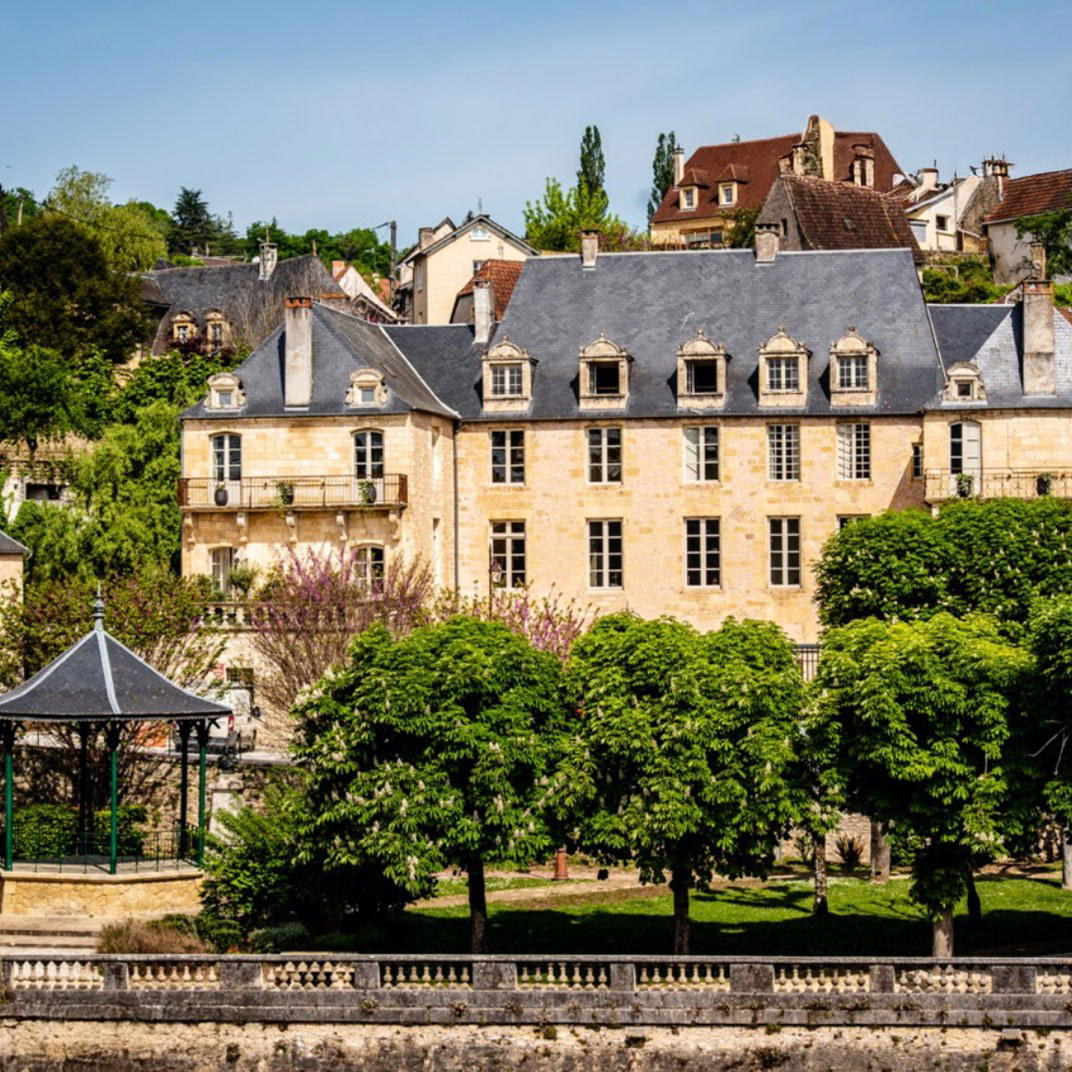
Place de la Nation sits at the commercial heart of Saint-Yrieix-la-Perche, a small Haute-Vienne town that sits roughly equidistant between Limoges and Périgueux in the southern Limousin. The building that houses L'Attanum is a former sous-préfecture, a category of French provincial administrative architecture that tends toward symmetrical stone façades, high ceilings, and a civic solidity that no amount of contemporary interior design fully erases. Here, that tension works in the restaurant's favour. The ground-floor dining room pairs the bones of the 19th-century structure with a lighter, more current fit-out, and the result is a space that signals ambition without the formality that can make smaller-town fine dining feel airless.
Saint-Yrieix-la-Perche is not a city whose name circulates widely in French restaurant conversation, which is partly what makes L'Attanum's proposition interesting. The Michelin-starred circuit that stretches from Auberge du Vieux Puits in Fontjoncouse through Bras in Laguiole to Mirazur in Menton operates in a different register, with higher price tiers (€€€€ is the norm at three-star level) and the gravitational pull of destination dining. L'Attanum sits at €€, pricing against regional bistros rather than Parisian flagships like Alléno Paris au Pavillon Ledoyen. That positioning is a deliberate statement about who this kitchen is cooking for.
What the Limousin Provides
The broader argument behind seasonal, regionally sourced cooking is now well-established across France, from the terroiriste movement of the 1990s through to the contemporary producer-partnership model common at places like Flocons de Sel in Megève or Troisgros - Le Bois sans Feuilles in Ouches. In Limousin specifically, the argument has particular material weight. The region is one of France's most sparsely populated, with significant woodland cover, active cattle farming (Limousin beef carries its own appellation logic), and genuine game hunting seasons that shape what a locally committed kitchen can actually put on the plate.
At L'Attanum, the kitchen's orientation toward local seasonal produce is not decorative language. The venison terrine is a technically demanding preparation: it requires precise seasoning, correct fat-to-lean ratios, controlled setting time, and careful slicing. When a charcuterie preparation like this appears as a showpiece dish, it tells you something about the kitchen's confidence with cured and structured proteins, which in turn reflects the regional tradition of conserves and charcuterie that runs through the Dordogne and Haute-Vienne borderlands. Venison itself arrives primarily through autumn and winter hunting seasons in this part of France, which means the dish is inherently seasonal rather than year-round.
The duck fillet served with spelt and beetroot is equally legible as a regional statement. Duck is a through-line in the cooking of southwest and south-central France, and its preparation here, with a grain (spelt carries both nutritional weight and an earthy depth that rice or potato lacks) and a root vegetable whose sweetness and acidity can cut the fat of the bird, points to a kitchen thinking in combinations rather than components. The cooking and reductions are well-executed, which is a more considered form of praise than it might appear: reduction work is where kitchen discipline becomes audible, in the concentrated flavour, the correct viscosity, the absence of bitterness from overworked stock.
Technique as the Connective Thread
France's regional cooking tradition has always contained a tension between the rusticity of the ingredient and the formality of the preparation. The auberge tradition, exemplified at its most extended form by Auberge de l'Ill in Illhaeusern and Paul Bocuse - L'Auberge du Pont de Collonges in Collonges-au-Mont-d'Or, resolved that tension by making classical technique the frame through which regional ingredients were presented. More recent approaches, visible at AM par Alexandre Mazzia in Marseille or Assiette Champenoise in Reims, push the technique further toward creative reinterpretation. The restaurant appears to occupy the middle ground: classical structure applied to local material, with enough contemporary awareness in the plating and service approach to avoid reading as a period piece.
The chef's background provides the technical foundation that the food requires. The cooking demonstrates strong technique and delicately balanced flavours, consistent with training in high-pressure kitchens where fundamentals are non-negotiable. It is also consistent with what the dishes themselves require: a terrine without polished seasoning is simply a cold protein brick; a duck fillet without correct resting and accurate sauce work is just meat. The technique is not ornamental here. It is load-bearing.
For context on how modern cuisine at this level performs internationally, Frantzén in Stockholm and FZN by Björn Frantzén in Dubai show how the same precision-first ethos can operate across different price points and geographies. The restaurant operates at a fraction of those price tiers and within a fraction of the coverage radius, but the underlying technical logic is recognisably related. Similarly, Au Crocodile in Strasbourg demonstrates how a regional French address can maintain serious kitchen standards without requiring the capital-city pricing structure of a restaurant like Assiette Champenoise in Reims.
Service, Wine, and the Room
The service at the restaurant is described as attentive and marked by smiling staff, which in a room of this character matters more than it might in a larger urban setting. A smaller-town restaurant lives or dies partly on whether the front-of-house staff can carry the room through quieter services without the energy dropping. The wine cellar is described as excellent, which is a meaningful signal in a region with access to both Loire and Bordeaux producers and the lesser-known appellations of the Limousin's periphery. Pairing a serious wine list with mid-range pricing (€€) is one of the more direct ways a kitchen communicates its priorities to the table.
8 across 276 responses, a figure that represents consistent satisfaction over a meaningful sample.
Planning Your Visit
The restaurant is located at 64 Place de la Nation in Saint-Yrieix-la-Perche, a 40-minute drive south of Limoges via the A20. The €€ price positioning makes it accessible for an extended lunch or a relaxed dinner without the commitment of a tasting-menu budget. If you are building a longer stay around this part of Haute-Vienne, see our full Saint-Yrieix-la-Perche hotels guide for accommodation in and around the town, and our Saint-Yrieix-la-Perche bars guide and wineries guide for what to explore before or after the table.
At-a-Glance Comparison
Comparable venues nearby, for context on price, style, and recognition.
| Venue | Cuisine | Price | Awards | Notes |
|---|---|---|---|---|
| L'AttanumThis venue — the venue you are viewing | Modern French Fine Dining | $$$$ | Michelin Plate | Not listed |
| La Maison du Safran à l'Allée des Vignes | Modern French Bistronomie with Saffron Focus | $$$$ | Michelin Plate | Cajarc |
| La Flèche d'Argent | Modern French Gastronomique | $$$$ | Michelin Plate | Royat |
| Le Bellevue | Modern French Bistro | $$$$ | Michelin Plate | Lacroix-Falgarde |
| Holodeck | Modern French Fine Dining | $$$$ | Michelin Plate | Chambert |
| La Suite | Modern French Gastronomy | $$$$ | Michelin Plate | centre historique |
Recognition history
Dated appearances from independent guides and award organizations, with the underlying list record or original source where available.
Michelin Bib Gourmand
Michelin
Michelin Plate
Michelin
Michelin Plate
Michelin
Continue exploring
More in Saint-Yrieix-la-Perche
Restaurants in Saint-Yrieix-la-Perche
Browse all →
Hotels in Saint-Yrieix-la-Perche
Browse all →
Wineries in Saint-Yrieix-la-Perche
Browse all →
At a Glance
- Elegant
- Cozy
- Modern
- Sophisticated
- Date Night
- Special Occasion
- Group Dining
- Terrace
- Historic Building
- Extensive Wine List
- Local Sourcing
- Street Scene
Current opening hours
- Monday
- Closed
- Tuesday
- 12–1:30 PM
- Wednesday
- 12–1:30 PM
- Thursday
- 12–1:30 PM
- Friday
- 12–1:30 PM, 7:15–8:30 PM
- Saturday
- 12–1:30 PM, 7:15–8:30 PM
- Sunday
- 12–1:30 PM
Hours can change for holidays and private events. Last verified .
Contemporary interior design in historic building with cheerful, cozy vibe and terrace seating.