Le Saint-Martial

Michelin Plate
Our verdict
A Michelin Plate-recognised address in the Périgord Noir, Le Saint-Martial brings modern cuisine to a village setting where the surrounding farmland and walnut groves dictate the plate.

Pearl is the En Primeur Club membership app, where members save venues, book tables and use the concierge.
The menu
What to order
- Foie gras poêlé
- Langoustines croustillantes
Where the Périgord Comes to the Plate
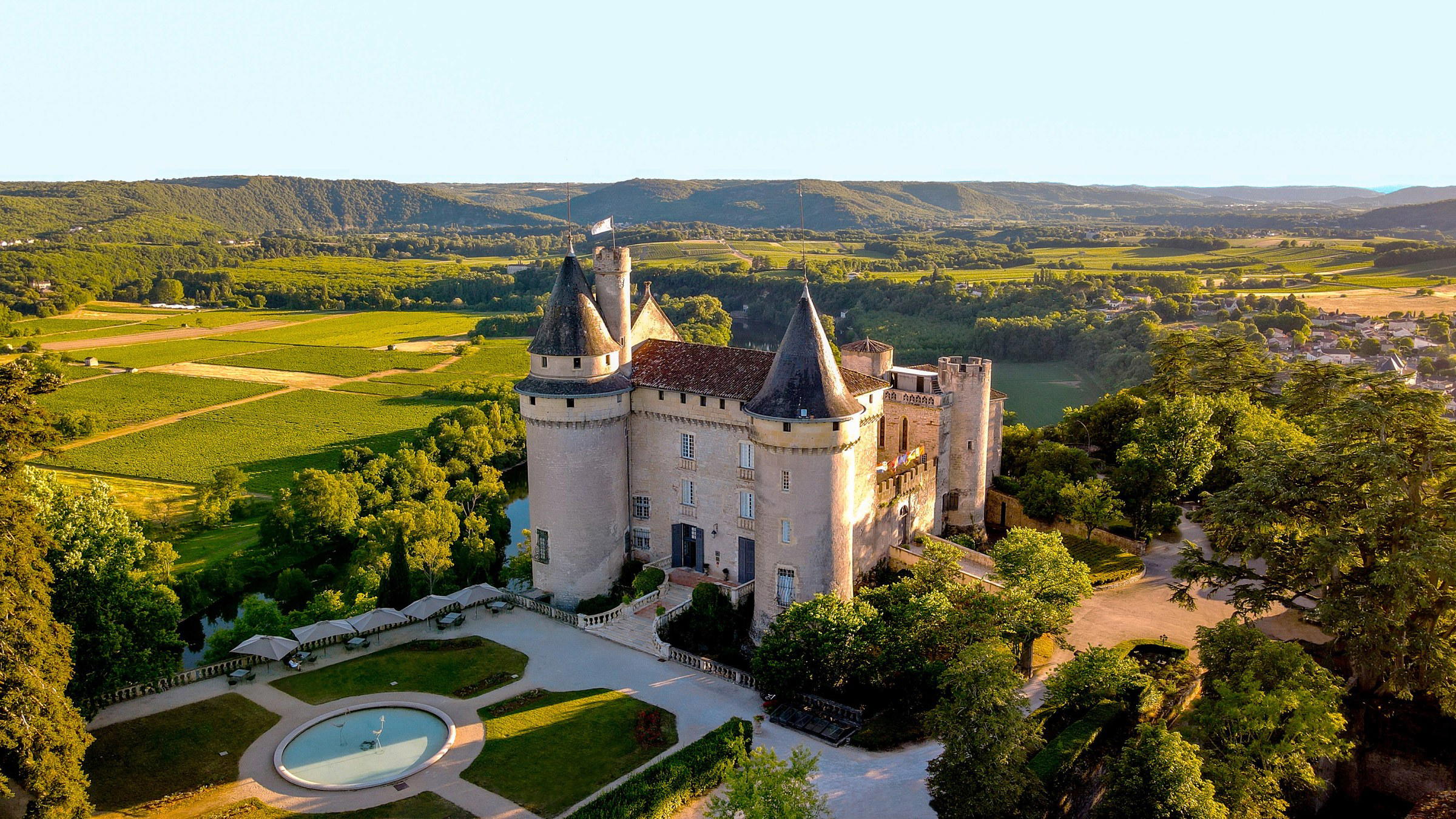
Grand Rue in Saint-Martial-de-Nabirat is not a street that prepares you for serious cooking. The village sits in the Périgord Noir, that part of the Dordogne where the limestone plateaus break into wooded valleys, walnut orchards run along every road, and the nearest major town, Sarlat-la-Canéda, is a short drive south. Arriving at Le Saint-Martial, you are in a France that urban restaurant culture tends to overlook: a working agricultural commune where the distance between the soil and the kitchen is measured in minutes rather than miles. That proximity is not an affectation here. It is the operating logic of the place.
The Michelin Plate recognition, held in both 2024 and 2025, places Le Saint-Martial in a tier of French restaurants that inspectors consider worth a detour even if they have not yet climbed to Bib Gourmand or star level. In the context of France's southwest, that designation carries weight. The region produces some of the country's most ingredient-driven cooking, with black truffles from the Périgord Noir, duck and goose foie gras from the Dordogne's farms, walnuts, cèpes, and chestnuts all entering kitchens with a naturalness that larger cities can only approximate through supply chains. A Michelin Plate in this landscape signals that quality of sourcing is being matched by quality of execution.
Ingredient Country: What the Périgord Noir Puts on the Table
To understand what modern cuisine means in this corner of the Dordogne, it helps to understand the raw materials available within a short radius. The Périgord Noir is one of France's designated truffle territories, with Tuber melanosporum, the black Périgord truffle, harvested from November through March across the oak and hazelnut woodlands that surround villages like Saint-Martial-de-Nabirat. Alongside truffles, the region produces cèpes (porcini) in quantities that justify the local tradition of treating them almost as a staple rather than a luxury. Walnut oil pressed from local orchards replaces olive oil in many preparations, giving salads and sauces a distinctly regional signature.
Duck is the region's signature protein in ways that have no close parallel elsewhere in France. The Périgord's duck-rearing traditions produce birds whose fat is rendered for confit, whose liver becomes foie gras, and whose magret, the breast of a force-fed bird, has a depth of flavour that conventional duck cannot replicate. Any kitchen in this area that is cooking seriously will have a position on how it uses these materials, whether interpreting them through classical Périgordine technique or refining them into something leaner and more contemporary. Le Saint-Martial's classification as modern cuisine suggests the latter orientation, placing it alongside a generation of French regional restaurants that treat heritage ingredients as starting points rather than prescriptions.
That approach has parallels across rural France: Bras in Laguiole redefined Aubrac's pastoral larder through a modernist lens; Auberge du Vieux Puits in Fontjoncouse built a three-star reputation in an obscure Languedoc village by insisting on the same locality-driven logic. In each case, the argument for travelling to a small commune rather than a major city rests on access to materials that urban kitchens cannot reliably source at equivalent quality.
The €€ Tier in Rural France: What It Signals
Mid-range pricing in a French village restaurant carries different meaning than the same bracket in Paris or Lyon. The cost of running a kitchen in Saint-Martial-de-Nabirat does not include Parisian rents, and the supply of local ingredients, when working directly with producers, tends to be more favourable on margin than purchasing through wholesale networks. The result, at the €€ tier, is that a kitchen here can afford to put serious regional produce on the plate without the pricing pressure that would apply in a larger city. That arithmetic explains why rural France continues to produce remarkable cooking at accessible prices, and why Michelin's Plate and Bib Gourmand categories exist partly to surface exactly these addresses.
For comparison, the contemporary fine dining tier in Paris, represented by addresses like Alléno Paris au Pavillon Ledoyen or the city's €€€€ bracket establishments, operates under entirely different economic pressures. The Dordogne's mid-range restaurants occupy a separate competitive set entirely, one where the value proposition is not prestige per se but access to regional ingredients at the moment of their season, prepared by a kitchen that has earned sustained Michelin attention.
Situating Le Saint-Martial in the French Rural Restaurant Tradition
France has a long tradition of the serious village restaurant, the kind of address where cooking quality is entirely decoupled from population size or metropolitan glamour. Auberge de l'Ill in Illhaeusern has held three Michelin stars for decades in an Alsatian village. Troisgros - Le Bois sans Feuilles in Ouches operates in a commune most international travellers would never find on their own. The premise in each case is the same: geography is not a limitation but a source. Le Saint-Martial sits well below those star-level addresses in formal recognition, but the underlying logic connects directly to that tradition.
The Dordogne as a whole has seen growing interest from food travellers who find that the density of serious regional cooking in the southwest, running from Bordeaux through Périgord and into the Lot, justifies routing a trip around restaurant stops rather than monuments. Saint-Martial-de-Nabirat is not on the primary tourist circuit, which means a meal at Le Saint-Martial is likely to be among locals and informed visitors rather than passing crowds. That composition tends to sustain kitchens over time in ways that tourist-dependent traffic does not.
Planning a Visit
Le Saint-Martial sits at 6 Rue Grand Rue, Saint-Martial-de-Nabirat, in the 24250 postcode of the Dordogne department. The village is most practically reached by car, positioned within comfortable driving distance of Sarlat-la-Canéda and the broader cluster of Périgord Noir destinations. Given its size and the region's seasonal rhythms, booking ahead is advisable, particularly during the truffle season from November through March and the summer period when Périgord tourism peaks. With no website or phone number in the public record at the time of writing, booking through local accommodation or via search for the venue by name is the practical route. Visiting the area more broadly, our Saint-Martial-de-Nabirat restaurants guide, hotels guide, bars guide, wineries guide, and experiences guide cover the full picture for the commune and its surroundings.
For those building a larger France itinerary around serious regional cooking, the southwest forms a natural arc alongside Michelin-recognised addresses in the mountain range to the south and the Mediterranean arc to the east. Flocons de Sel in Megève, Mirazur in Menton, and AM par Alexandre Mazzia in Marseille each represent a different regional register of modern French cooking, and all reward the kind of dedicated routing that makes the Dordogne worth including as a destination in its own right rather than a diversion.
Frequently asked questions
Is Le Saint-Martial suitable for children?
How would you describe the vibe at Le Saint-Martial?
What do regulars order at Le Saint-Martial?
Comparison Snapshot
| Venue | Cuisine | Price | Awards | Notes |
|---|---|---|---|---|
| Le Saint-MartialThis venue (the venue you are viewing) | Modern French Fine Dining | $50–100 | Michelin Plate | Not listed |
| Alléno Paris au Pavillon Ledoyen | Modern French Fine Dining | $150–200 | 3 Michelin Stars · World's 50 Best #79 | Creative |
| Kei | Contemporary French, Modern Cuisine | Not listed | Michelin 3 Star | Not listed |
| L'Ambroisie | Classic French Haute Cuisine | $300–500 | 2 Michelin Stars · World's 50 Best #23 | French, Classic Cuisine |
| Le Cinq - Four Seasons Hôtel George V | Modern French Fine Dining | $300–500 | 3 Michelin Stars · World's 50 Best #24 | French, Modern Cuisine |
| Plénitude | Modern French Sauce-Led Fine Dining | $300–500 | 3 Michelin Stars · World's 50 Best #10 | Contemporary French |
Recognition history
Dated appearances from independent guides and award organizations, with the underlying list record or original source where available.
Michelin Plate
Michelin
Full recognition history (3 entries)
Michelin Plate
Michelin
Michelin Plate
Michelin
Continue exploring
More in Saint-Martial-de-Nabirat
Restaurants in Saint-Martial-de-Nabirat
All restaurants in Saint-Martial-de-Nabirat →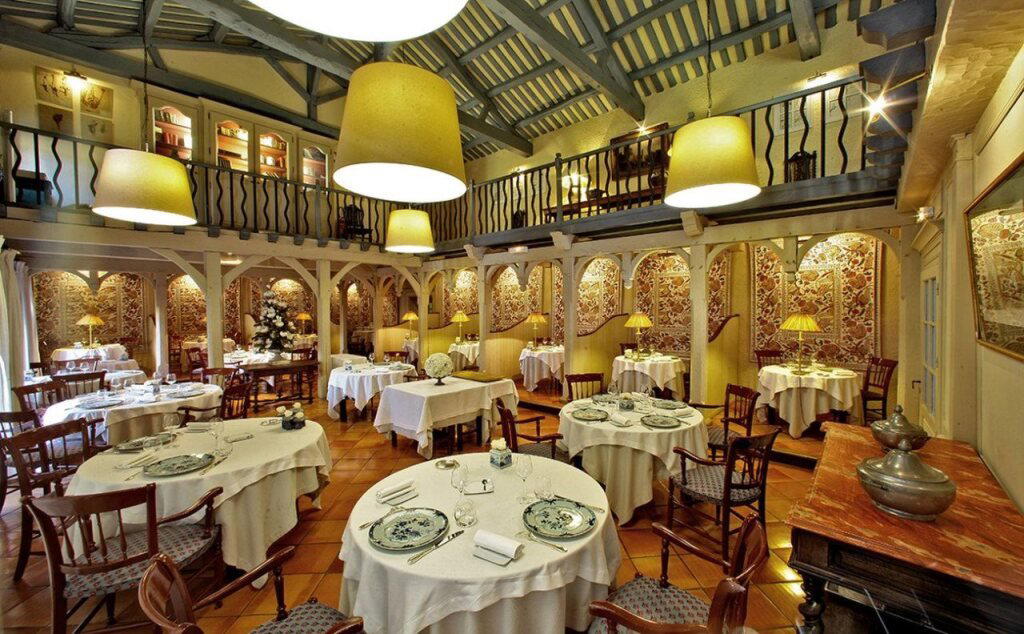

Details
- Romantic
- Elegant
- Intimate
- Rustic
- Cozy
- Date Night
- Special Occasion
- Family
- Historic Building
- Extensive Wine List
- Local Sourcing
- A La Carte
- Vegetarian Friendly
- Gluten Free Options
Current opening hours
- Monday
- Closed
- Tuesday
- Closed
- Wednesday
- 12–1:30 PM, 7:30–8:30 PM
- Thursday
- 12–1:30 PM, 7:30–8:45 PM
- Friday
- 12–1:30 PM, 7:30–8:45 PM
- Saturday
- 12–1:30 PM, 7:30–8:45 PM
- Sunday
- 12–1:30 PM
Hours can change for holidays and private events. Hours as of .
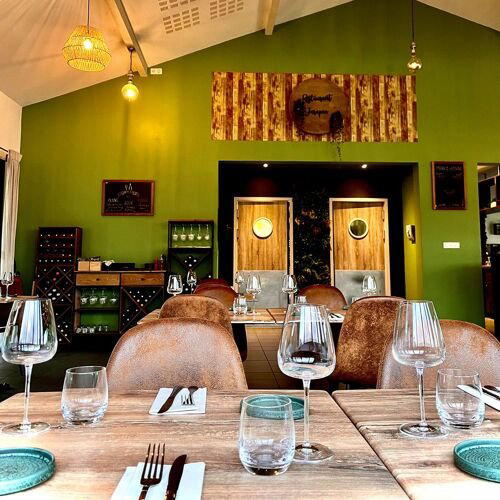
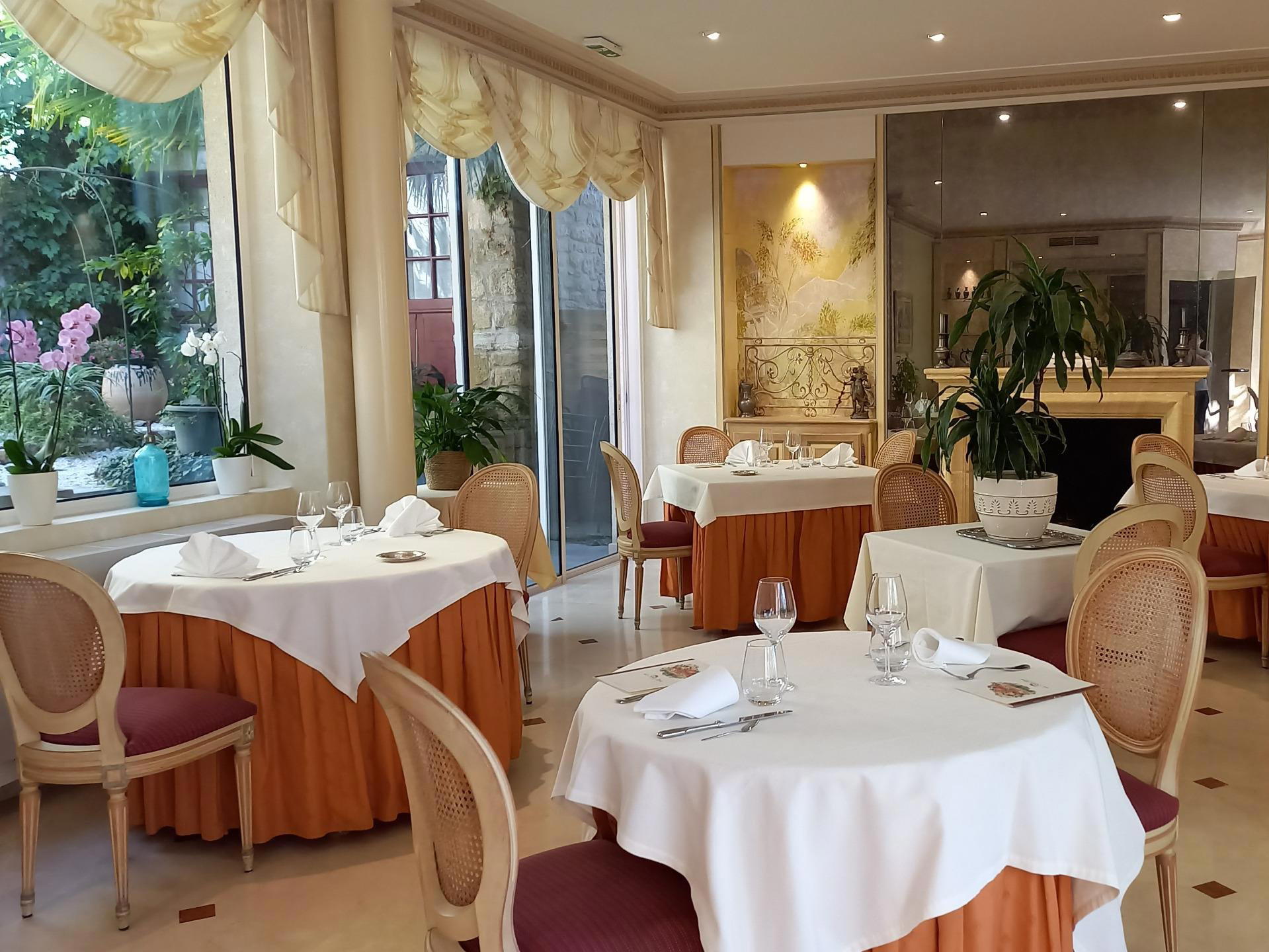
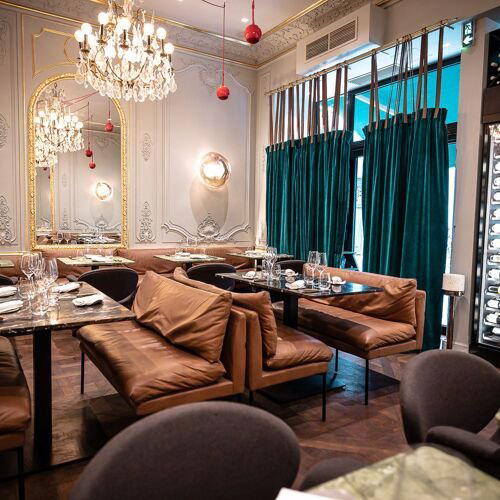
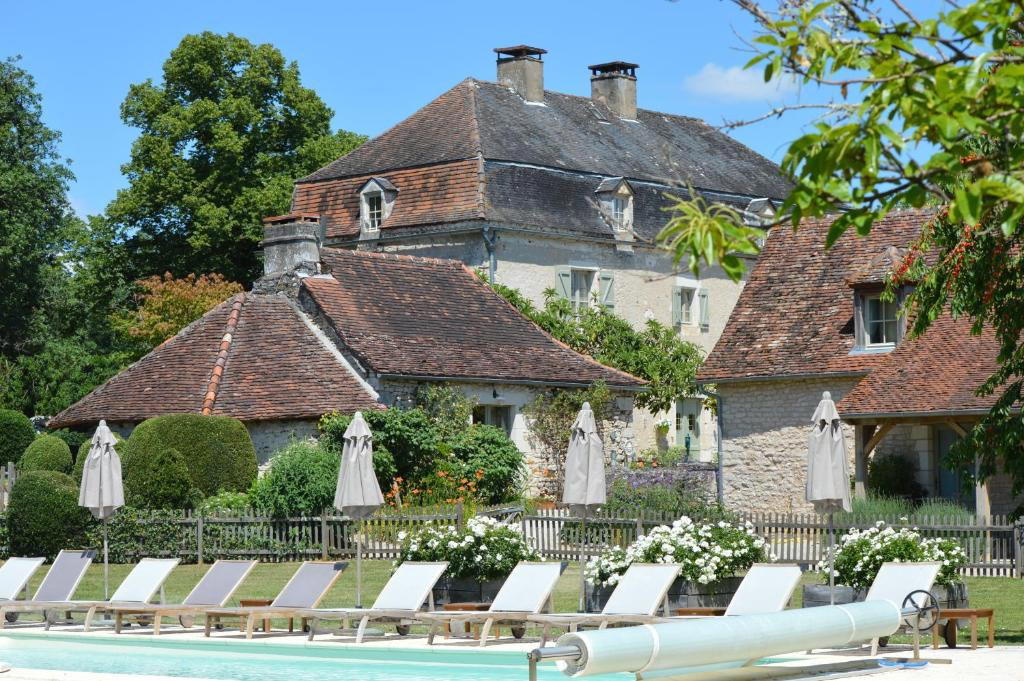
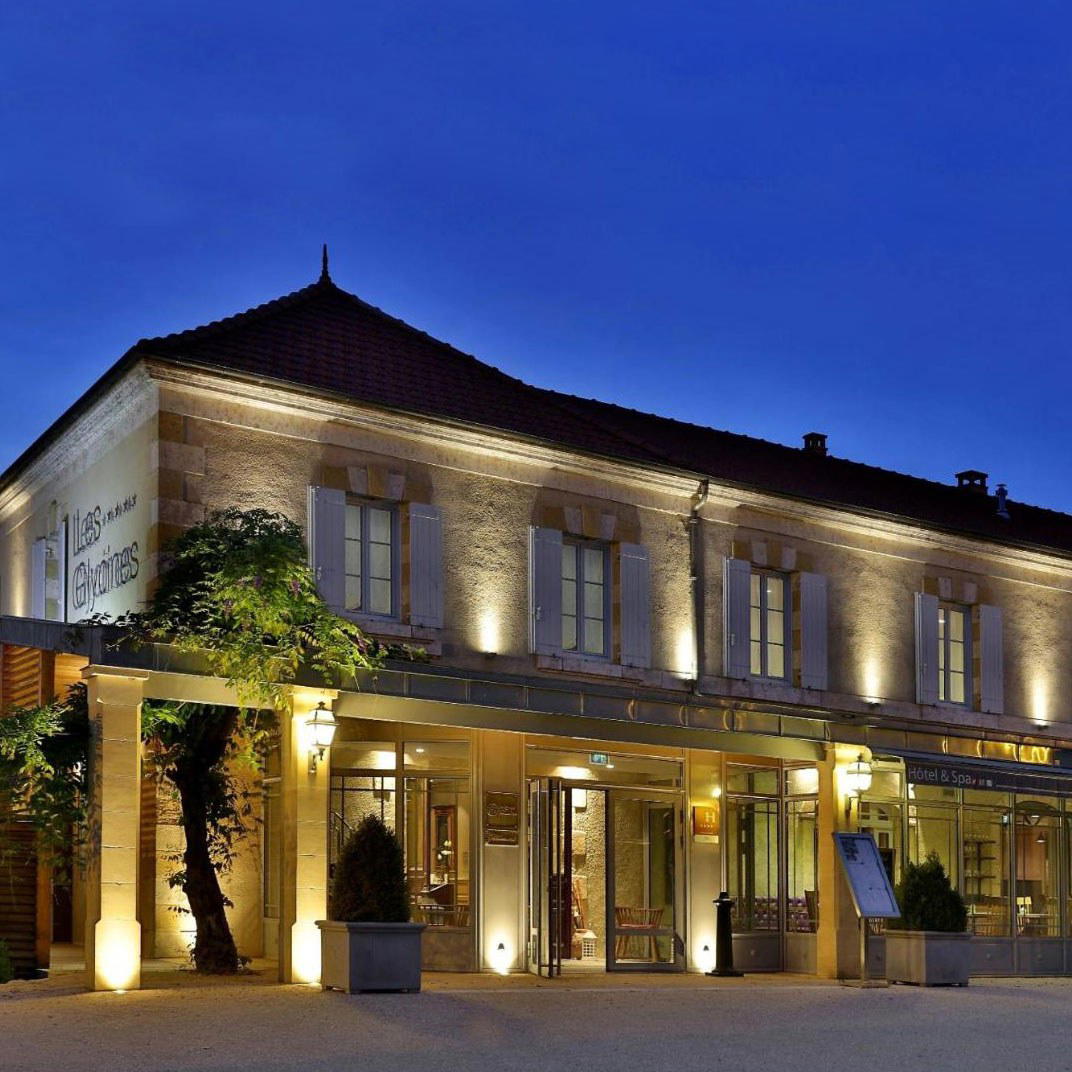
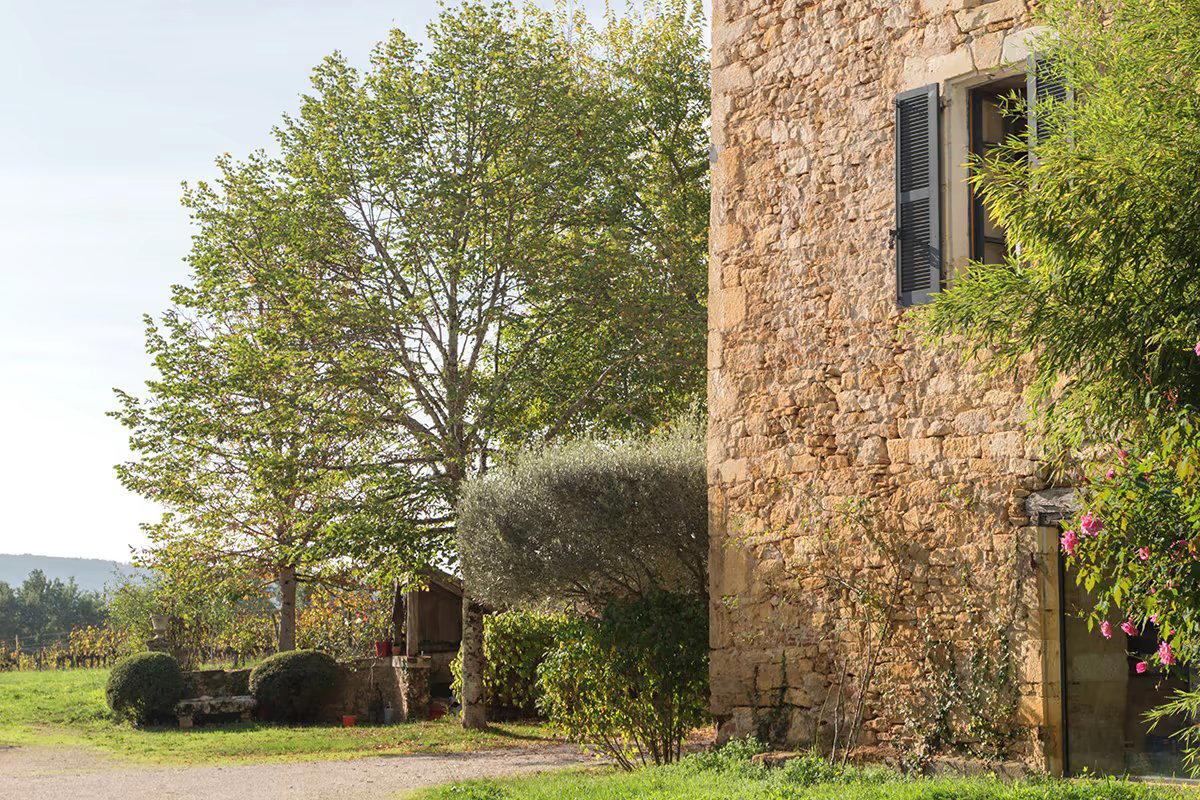
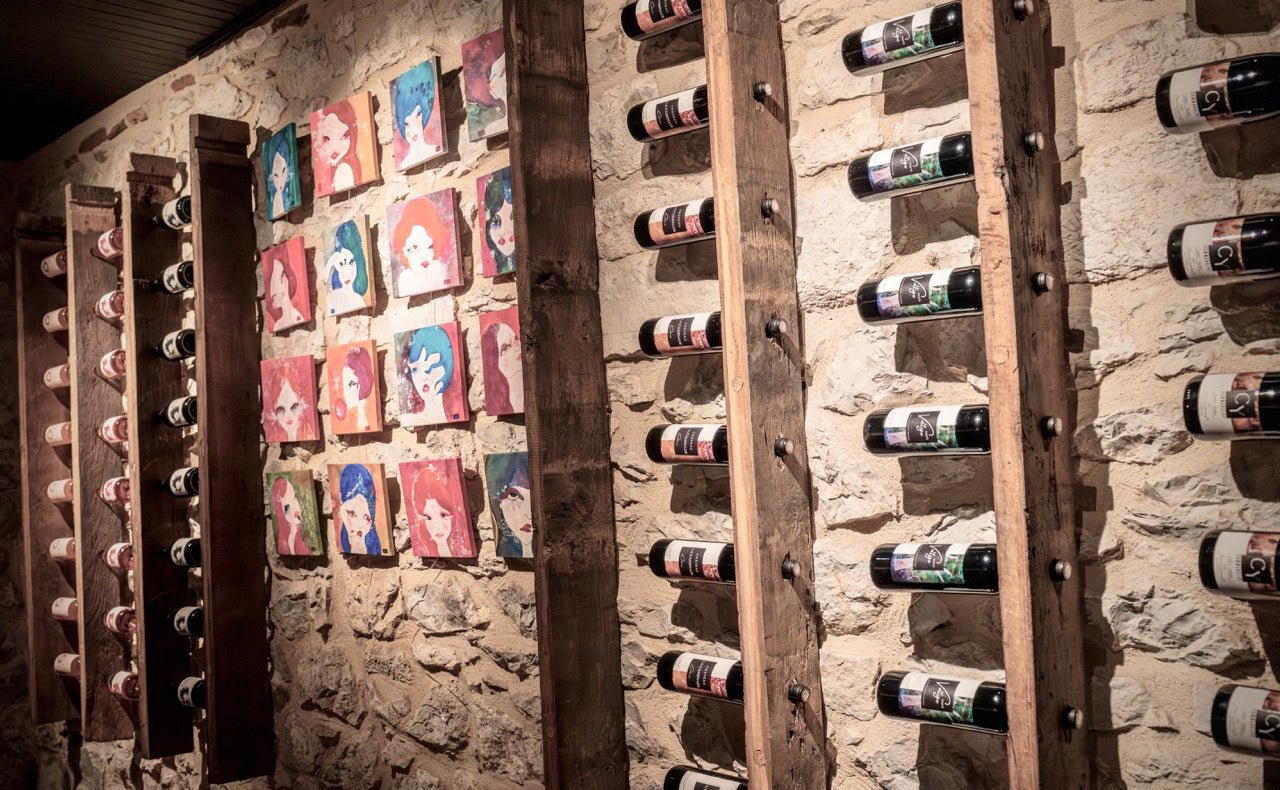
Warm and intimate setting with old stone walls, artwork decor, and a welcoming atmosphere praised for its enchanting cadre.