Our verdict
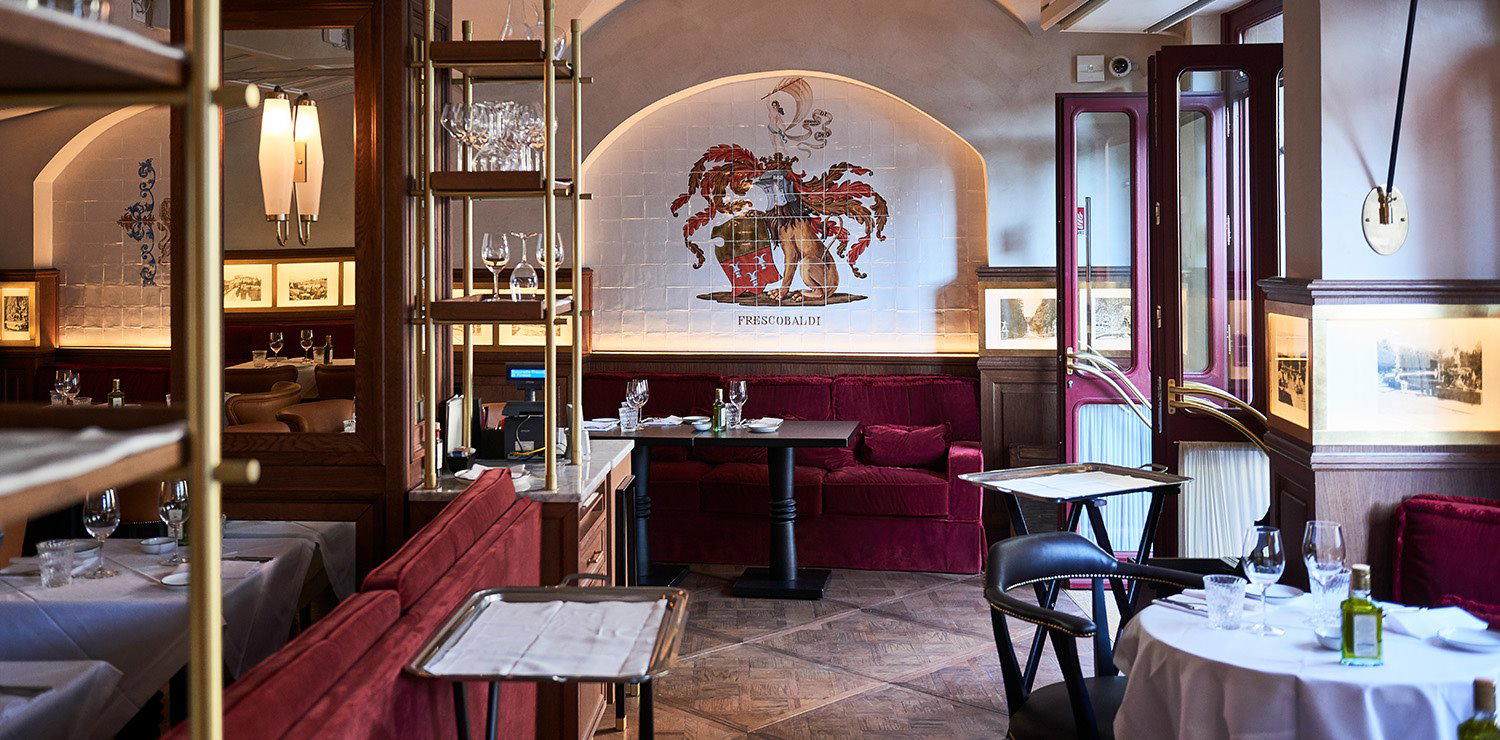
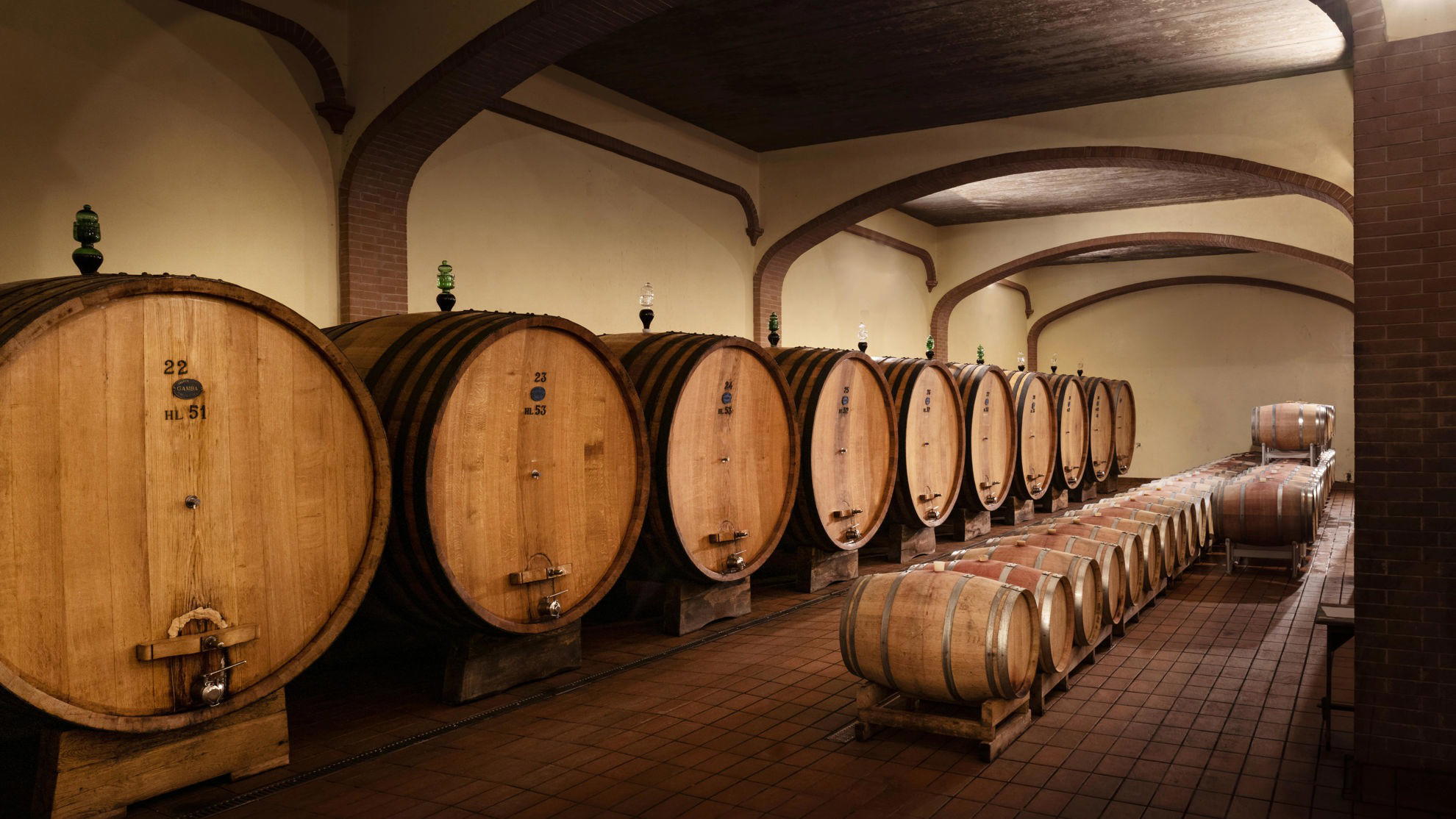
Among Florence's formal restaurant tier, it occupies a middle ground between destination fine dining and accessible Florentine hospitality, with a wine program anchored in the Frescobaldi estate's long viticultural history across some of Tuscany's most respected appellations.

Pearl is the En Primeur Club membership app, where members save venues, book tables and use the concierge.
The menu
What to order
- Bistecca alla fiorentina
- Tagliata di manzo
- Tagliolini with truffles
Florence's premium dining tier has grown more competitive over the past decade. Rooms like Enoteca Pinchiorri, which holds three Michelin stars and occupies a different price bracket entirely, set the ceiling for formal Italian dining in the city. Below that ceiling, a cluster of serious restaurants has emerged, including Santa Elisabetta, Atto di Vito Mollica, and Borgo San Jacopo, each staking a distinct identity. Frescobaldi's position in that set is defined primarily by its wine credentials rather than by avant-garde kitchen technique. For a diner whose decision hinges on what is in the glass rather than what is on the plate, that ordering of priorities matters.
The Frescobaldi Estate as an Ethical Sourcing Framework
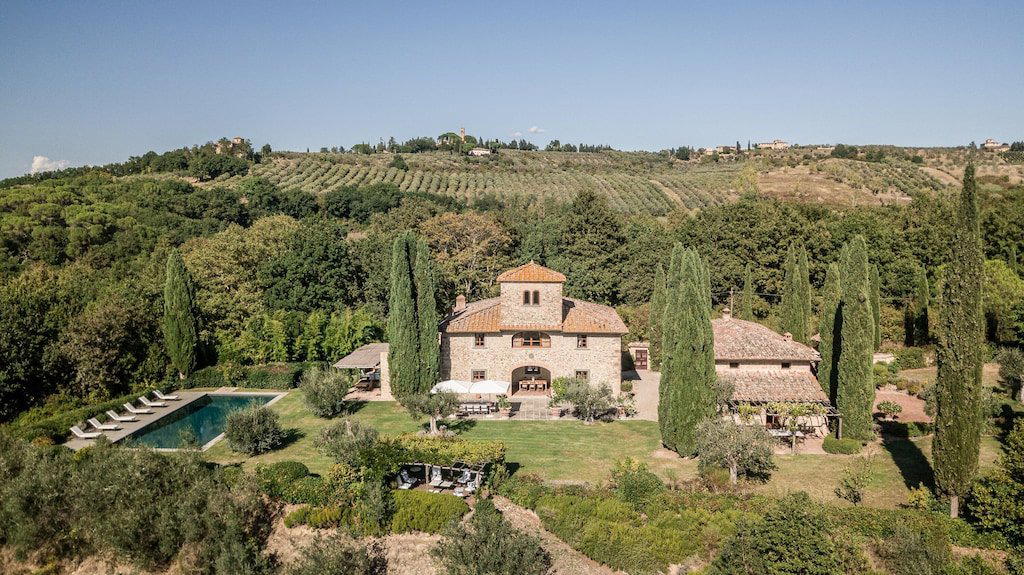
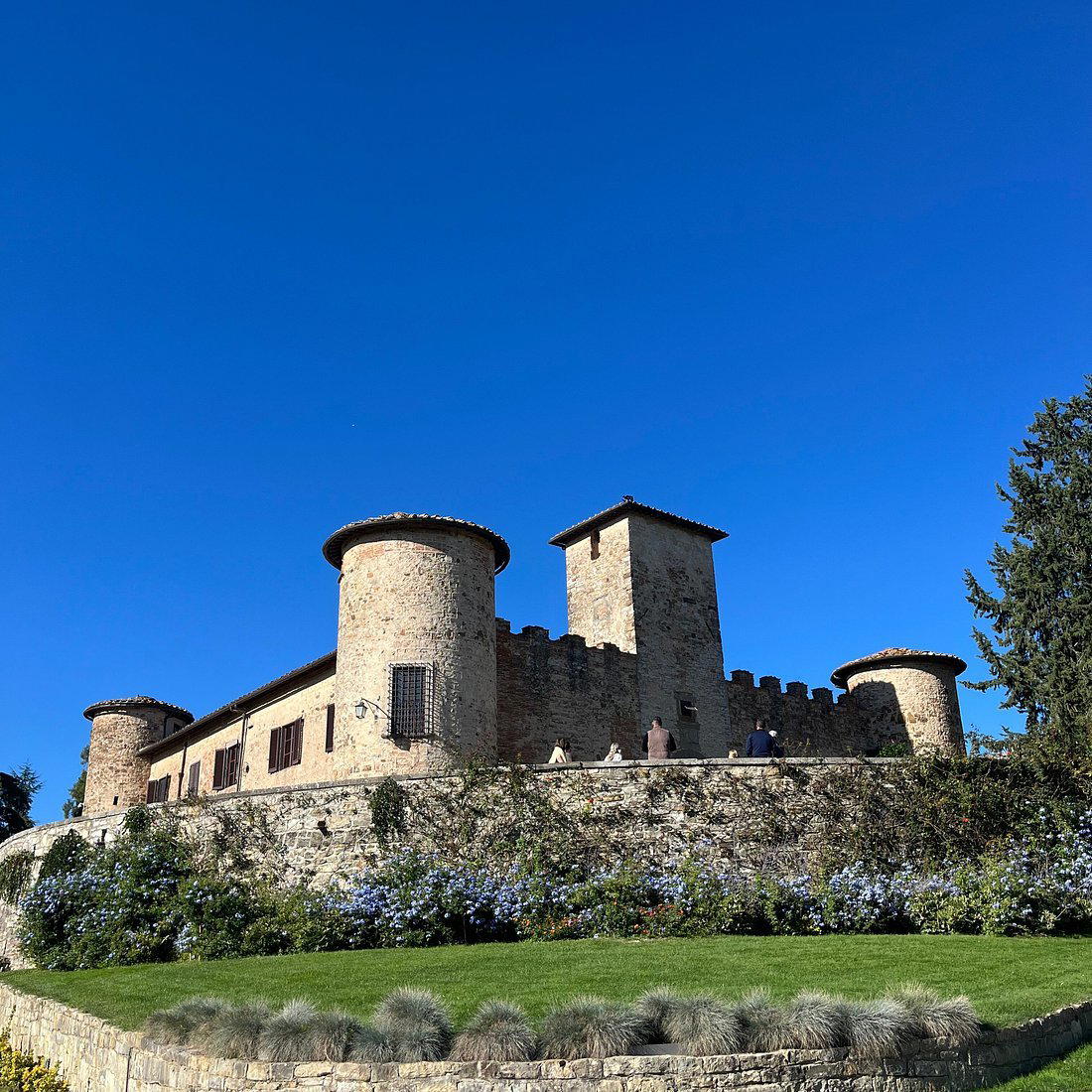
The sustainability argument for estate-driven dining is more coherent than it often gets credit for. When a restaurant draws from a single producer's holdings across multiple Tuscan appellations, the traceability chain is shorter and more legible than a list assembled from dozens of independent suppliers. The Frescobaldi family operates vineyards across some of Tuscany's most carefully managed terroirs, including Pomino, Mormoreto, Castelgiocondo in Montalcino, and Nipozzano in the Rufina hills east of Florence. These are not marketing labels; they represent distinct soil profiles, altitude variations, and yield disciplines that translate directly into the kind of low-intervention viticulture that sustainability-focused diners now scrutinize at the appellation level.
This model has a useful parallel in Italian fine dining more broadly. Restaurants that anchor their wine identity to a single estate with documented land stewardship practices, whether that is a Barolo producer in Piedmont or a coastal winery in Campania, allow sommeliers to narrate provenance with specificity. At the Frescobaldi table, that narrative is unusually long. The family's agricultural relationship with Tuscan land predates the formal appellation system by centuries, which gives the provenance story a depth that younger estate relationships cannot replicate. For context on how Italy's most recognized kitchens approach similar sourcing integrity, the work being done at Atelier Moessmer Norbert Niederkofler in Brunico and Uliassi in Senigallia offers useful reference points, each operating with a clearly articulated ethical sourcing framework that connects kitchen output to specific regional ecosystems.
Florentine Cuisine in Its Civic Setting
The kitchen at Frescobaldi operates within the conventions of Tuscan cooking rather than against them. Florentine dining culture has a long record of resisting the modernist turn that reshaped kitchens in Milan, Modena, and Rome through the 2000s and 2010s. The city's most-visited dining room today may well be Gucci Osteria da Massimo Bottura, which imports a Modena-led sensibility into a Florentine address with considerable brand use behind it. Frescobaldi does not compete on those terms. Its register is more directly connected to the region's product traditions: Chianina beef, Tuscan legumes, seasonal vegetables from the surrounding countryside, and the kind of bistecca-forward menu logic that Florentine dining rooms have sustained across generations.
That positioning is not a failure of ambition. A room with seven centuries of wine history behind it earns more by deepening that story than by chasing kitchen innovation that sits outside its competency. The comparison that matters here is not with Osteria Francescana in Modena or Le Calandre in Rubano, but with what a traveller loses by choosing a square-adjacent trattoria without any of the estate sourcing infrastructure that Frescobaldi can deploy. The square itself is most navigable in early morning or late evening; a dinner reservation takes advantage of the reduced pedestrian density around the Loggia dei Lanzi that the lunch hour rarely allows. For diners building a multi-day Florence program that includes serious meals, this address pairs logically with a visit to Borgo San Jacopo on the Oltrarno side of the Arno, where the Lungarno Hotels kitchen takes a more modern Italian approach in an equally dramatic river-facing setting. Our full Florence restaurants guide maps the city's dining options by neighbourhood and price tier for broader trip planning.
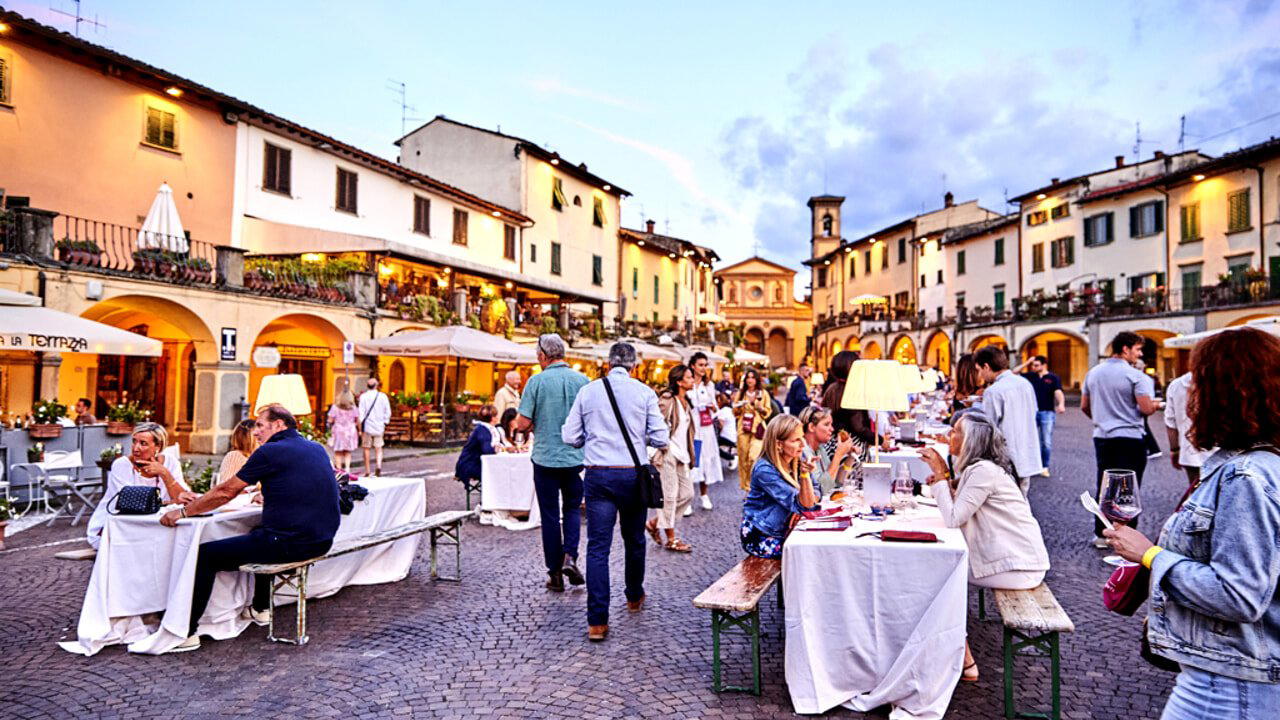
Booking in advance is advisable given the address. Spring and autumn are the natural peak seasons for Tuscan travel, when the city's restaurant capacity is under the most pressure. Those planning visits in July or August will find more flexibility, though the square itself gains a particular late-evening atmosphere in summer that suits a long dinner with Frescobaldi's Tuscan reds.
For those building a broader Italian fine dining itinerary around this visit, the country's top-tier rooms include Dal Pescatore in Runate, Reale in Castel di Sangro, Piazza Duomo in Alba, Quattro Passi in Marina del Cantone, Enrico Bartolini in Milan, and Casa Perbellini 12 Apostoli in Verona. Internationally, rooms with a comparably strong wine-first identity, such as Le Bernardin in New York City or the community-rooted format at Lazy Bear in San Francisco, offer useful reference points for how a defining program identity shapes the full dining experience.
Frequently asked questions
Can I bring kids to Ristorante Frescobaldi Firenze?
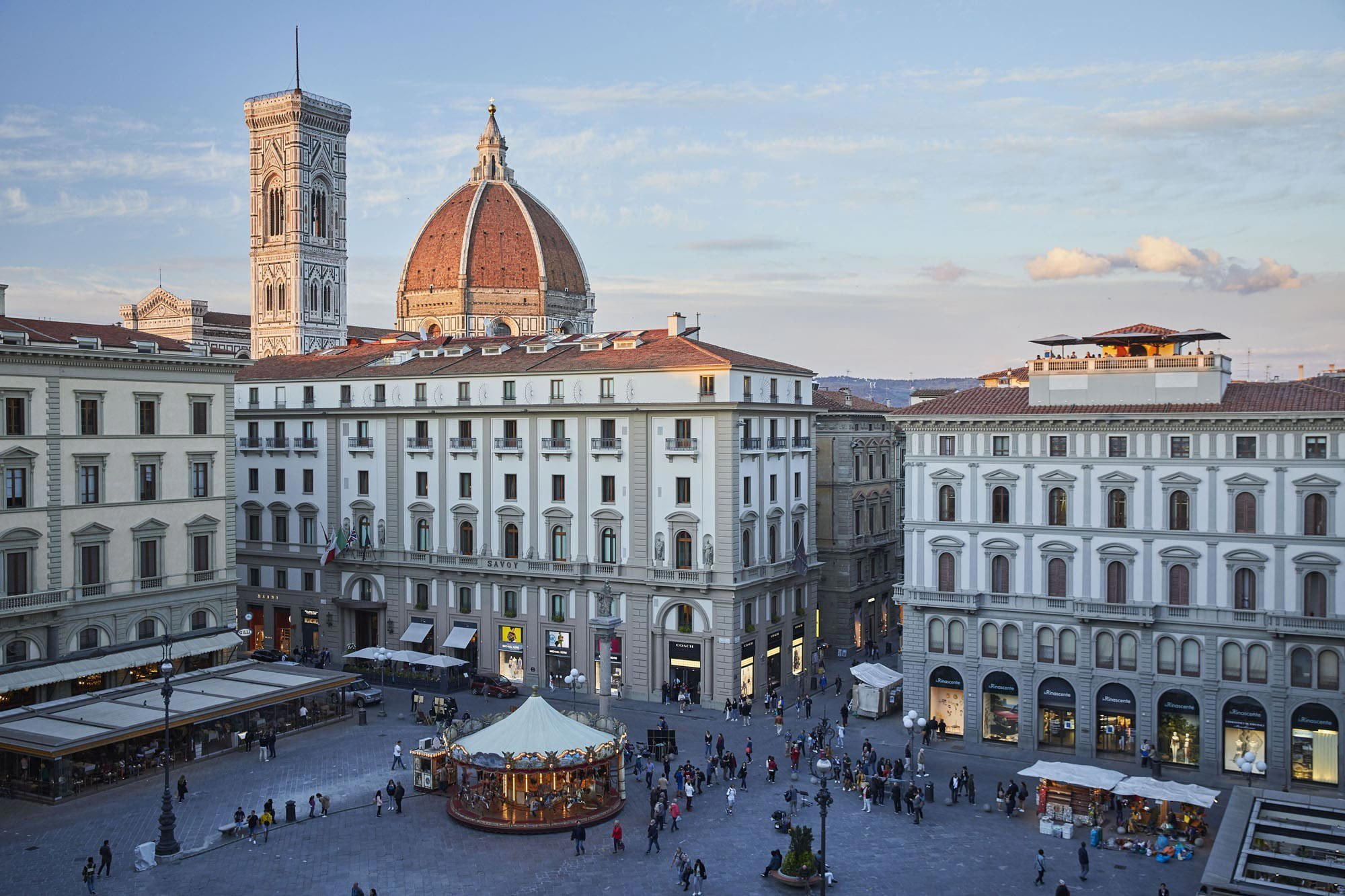
The restaurant occupies a historic address on Piazza della Signoria, one of Florence's most formal civic spaces, which sets a certain tone for the dining room. Families with older children comfortable at a sit-down dinner table should have no difficulty, though the square itself and the restaurant's Florentine cooking tradition both suggest this is not a casual drop-in. Contacting the restaurant directly ahead of your visit is advisable to confirm seating arrangements.
Is Ristorante Frescobaldi Firenze formal or casual?
The address at number 31, Piazza della Signoria places it in a square that has hosted civic ceremony for seven centuries, and the dining room reflects that context. This is not a trattoria-style setting: the Frescobaldi name carries estate prestige rooted in Tuscan wine production, and the room reads accordingly. Expect to dress as you would for a serious Italian dinner rather than a neighbourhood lunch stop.
How does the Frescobaldi wine estate connection influence the dining experience at the Florence restaurant?
The Frescobaldi family has produced wine across Tuscany for over seven centuries, with holdings spanning appellations including Chianti Rufina, Bolgheri, and Montalcino. At the restaurant on Piazza della Signoria, that estate breadth translates into a wine list drawn almost entirely from a single producer's portfolio rather than a conventional multi-supplier selection. This creates a coherent sourcing framework that is relatively rare in city-centre Florence, where most restaurants aggregate from across the region.
What should I eat at Ristorante Frescobaldi Firenze?
The kitchen works within the conventions of Florentine cuisine rather than departing from them, which in practice means Tuscan ingredients prepared with civic straightforwardness. The wine programme draws on the Frescobaldi estate's production across multiple Tuscan appellations, so the pairing element is worth treating as part of the meal rather than an afterthought. For specifics on current menu offerings, check directly with the restaurant before your visit.
How do I find Ristorante Frescobaldi Firenze?
Ristorante Frescobaldi Firenze is located at P.za della Signoria, 31, 50122 Firenze FI, Italy, Florence.
Do I need a reservation for Ristorante Frescobaldi Firenze?
Piazza della Signoria draws more visitor traffic than almost any other civic space in Italy, and restaurants on the square operate under constant walk-in pressure from that foot traffic. Booking ahead is advisable, particularly at lunch and during the high season months when the piazza is at peak density. Securing a table in advance also allows you to plan the wine pairing with the estate selections, which rewards some forethought.
A Lean Comparison
A compact comparison to help you place this venue among nearby peers.
| Venue | Cuisine | Price | Awards | Notes |
|---|---|---|---|---|
| Ristorante Frescobaldi FirenzeThis venue (the venue you are viewing) | Traditional Tuscan Steakhouse | $50–100 | Not listed | Not listed |
| Enoteca Pinchiorri | Contemporary Italian Fine Dining | $200–300 | 3 Michelin Stars · World's 50 Best #32 | Italian - French, Italian Contemporary |
| Santa Elisabetta | Modern Italian Fine Dining with Seafood Focus | $200–300 | 2 Michelin Stars · La Liste Top Restaurants | Italian, Creative |
| Borgo San Jacopo | Michelin-starred Modern Tuscan & Italian Fine Dining | $150–200 | 1 Michelin Star · Falstaff Restaurant - 94 Falstaff Points | Italian, Modern Cuisine |
| Gucci Osteria da Massimo Bottura | Contemporary Italian with Japanese and Mexican Influences | $200–300 | 1 Michelin Star · Wine Spectator Best of Award of Excellence | Modern Italian, Italian Contemporary |
| Il Palagio | Modern Tuscan Fine Dining | $100–150 | 1 Michelin Star · Star Wine List | Italian Contemporary |
Continue exploring
More in Florence
Restaurants in Florence
All restaurants in Florence →
Bars in Florence
All bars in Florence →
Hotels in Florence
All hotels in Florence →

Ristorante Frescobaldi Firenze
The wine
- Wine program
- Deep wine list
- Extensive wine list
- Sommelier-led
Details
- Elegant
- Sophisticated
- Classic
- Scenic
- Date Night
- Special Occasion
- Business Dinner
- Historic Building
- Wine Cellar
- Extensive Wine List
- Sommelier Led
- Street Scene
- A La Carte
- Wine
- Vegetarian Friendly
- Vegan Options
- Gluten Free Options
Current opening hours
- Monday
- 12–11 PM
- Tuesday
- 12–11 PM
- Wednesday
- 12–11 PM
- Thursday
- 12–11 PM
- Friday
- 12–11 PM
- Saturday
- 12–11 PM
- Sunday
- 12–11 PM
Hours can change for holidays and private events. Hours as of .
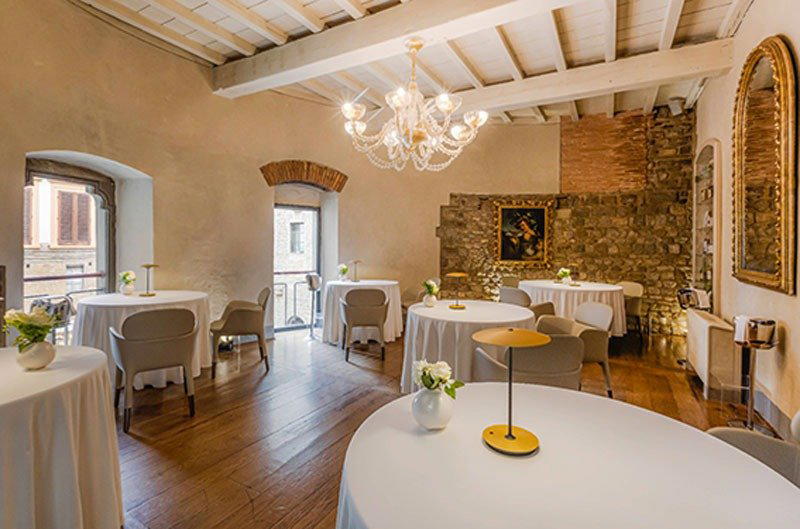
Elegant interior with vaulted ceilings and dramatic fireplace, offering a quiet and refined atmosphere indoors or scenic outdoor seating on the piazza.