Our verdict
Ristorante Acquapazza Cetara sits on Corso Garibaldi in one of the Amalfi Coast's most ingredient-driven fishing villages, where the kitchen draws directly from a centuries-old anchovy and colatura di alici tradition. The restaurant places itself within a small cluster of serious seafood addresses in Cetara, a town whose pantry has shaped southern Italian cooking far beyond its modest size.

Pearl is the En Primeur Club membership app, where members save venues, book tables and use the concierge.
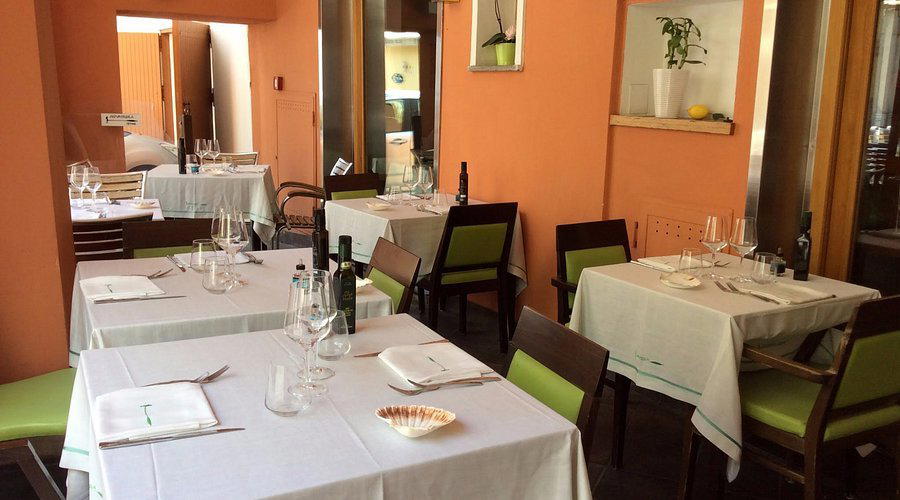
The menu
What to order
- Spaghetti alla colatura di alici
- Paccheri with zucchini and tuna bottarga
Where the Pantry Defines the Plate
Cetara is not a resort town that happens to have good fish. It is a working fishing village, roughly 45 minutes by road east of Amalfi, whose identity is almost entirely built around what comes out of the Tyrrhenian Sea and what the town does to preserve it. The colatura di alici produced here, a fermented anchovy liquid with roots in ancient Roman garum, has a protected designation and a global following among chefs who prize intensity with restraint. Any serious restaurant operating on Corso Garibaldi is cooking within that context whether it chooses to or not, and Ristorante Acquapazza Cetara is no exception. The address places the kitchen inside Cetara's small core of seafood-focused dining rooms, where the sourcing story is not a marketing decision but a geographic fact.
That context matters because it explains what separates a restaurant in Cetara from a coastal seafood restaurant almost anywhere else in Campania. The fishermen operating out of the village's small harbour have maintained seasonal anchovy runs as the economic foundation of the town for generations. Colatura di alici di Cetara received IGP recognition, giving it formal protected status alongside other Italian regional specialities. Restaurants that operate here are drawing from a supply chain with centuries of accumulated technique behind it, not a produce market with day-boat options. The distinction shows on the plate in ways that are difficult to replicate further along the coast.
The Setting on Corso Garibaldi
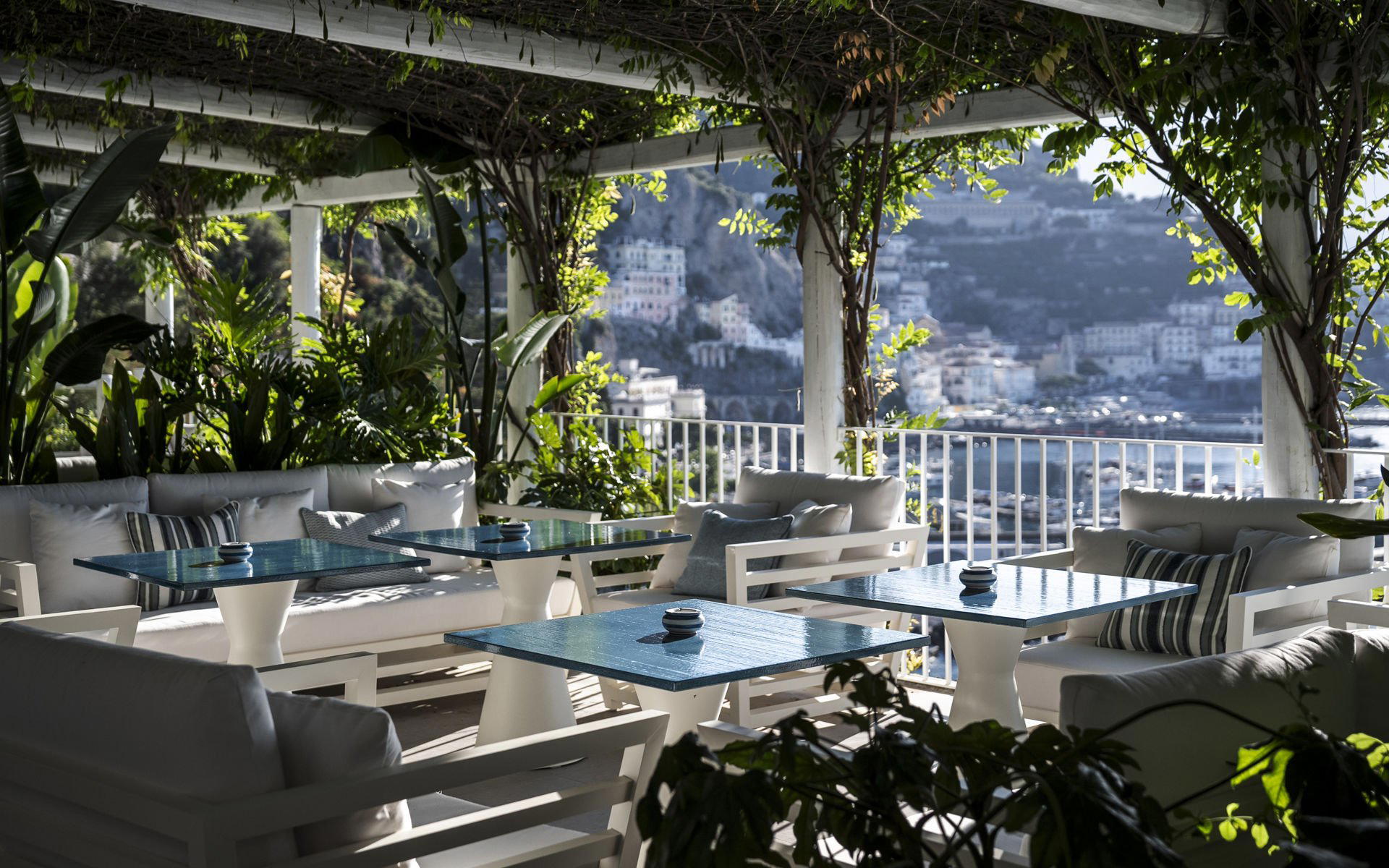
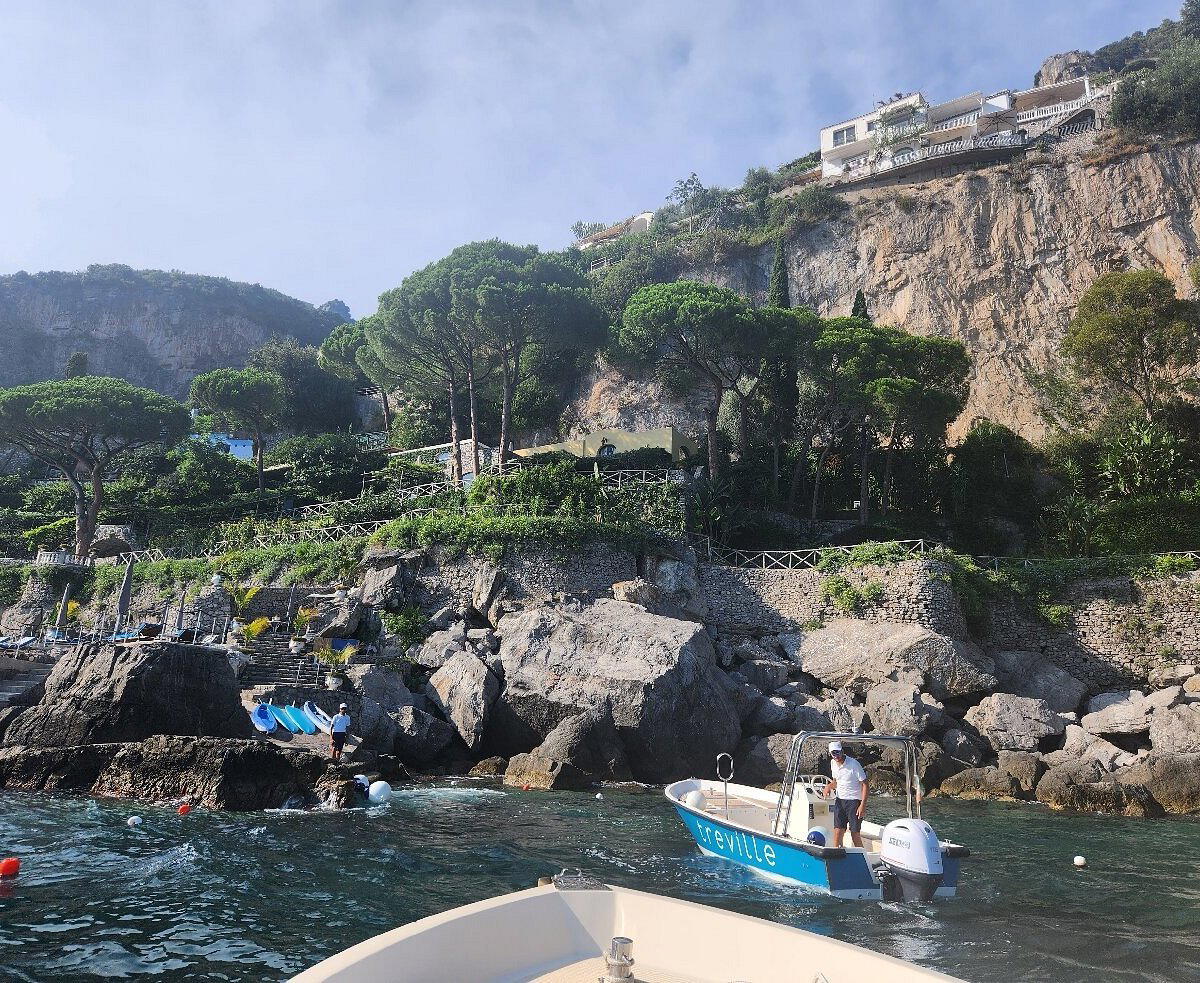
Corso Garibaldi runs through the lower section of the village, close enough to the waterfront that the smell of the sea arrives before the food does. Cetara's footprint is small, its lanes narrow, and the dining options concentrated enough that the town functions almost like a single extended table with a few competing kitchens. Acquapazza occupies a position on this main artery, where the physical environment of a fishing village, terracotta, stone, boats visible at the edge of sight, provides the frame for what arrives from the kitchen. That atmospheric legibility, the sense that the food and its origin are within walking distance of each other, is part of what draws travellers willing to make Cetara a specific destination rather than a passing stop on an Amalfi drive.
For context on the full range of dining options along this stretch, the full Cetara restaurants guide maps the village's small but deliberate dining scene. Two other addresses worth noting on the same circuit are Al Convento - Casa Torrente, which takes a Campanian framework with its own sourcing logic, and La Dispensa di Armatore, which operates as a more retail-forward expression of the colatura tradition.
Ingredient Sourcing as the Kitchen's Organising Principle
The Italian coastal seafood restaurant has a specific internal logic that rewards understanding. At its most rigorous, the menu functions as a record of what was caught and when, with the kitchen's job being to clarify rather than transform. That philosophy has parallels at higher price points across the country: Uliassi in Senigallia, a three-Michelin-star address working the Adriatic, and Quattro Passi in Marina del Cantone, which applies Mediterranean sourcing within a fine-dining format, both demonstrate how the sourcing-first model can operate across different price registers. At Acquapazza, the operating tier is more accessible than either of those benchmarks, which means the translation of local ingredients happens within a trattoria-adjacent format rather than a tasting-menu structure.
Colatura di alici functions here as both ingredient and currency. A few drops of the amber liquid, produced through months of salting and pressing anchovies in chestnut barrels, concentrates the flavour of the sea in a way that no fresh fish alone can replicate. Its presence in a dish signals a kitchen working from Cetara's specific larder rather than a generic coastal pantry. The same applies to the anchovies themselves, which in Cetara are treated as a premium product rather than a supporting actor, appearing in preparations that ask them to carry the dish rather than season it. This is a fundamental difference from how anchovies function in most of Italian cooking, and it is a difference that can only be fully understood by eating in the village where the tradition was built.
How Acquapazza Sits in the Broader Italian Seafood Picture
Italy's serious seafood restaurants now operate across a wide range of formats and price points, from three-star coastal destinations to family-run trattorias where the menu changes with the morning catch. Acquapazza belongs to the latter tradition, where the competitive set is defined by locality and ingredient access rather than technique-heavy menus or formal service structures. That places it in a different conversation from addresses like Atelier Moessmer Norbert Niederkofler in Brunico or Reale in Castel di Sangro, both of which represent the progressive Italian format where sourcing philosophy is expressed through a highly constructed tasting menu. It is also distinct from the grand institution model, as seen at Dal Pescatore in Runate or Enoteca Pinchiorri in Florence, where decades of continuity and cellar depth create a different kind of authority.
For travellers who want to cross-reference the Cetara experience against Italy's most decorated tables, the reference set is broad: Osteria Francescana in Modena, Piazza Duomo in Alba, Le Calandre in Rubano, Enrico Bartolini in Milan, Casa Perbellini 12 Apostoli in Verona, Da Vittorio in Brusaporto, and Villa Crespi in Orta San Giulio all occupy the formal Italian fine-dining register. Internationally, the sourcing-first seafood ethos has a counterpart at Le Bernardin in New York City, where the same principle of letting the ingredient lead applies within a very different price and format context. Lazy Bear in San Francisco represents yet another model, where communal format and local sourcing meet a chef-driven tasting structure. None of these comparisons diminish a trattoria-scale address in a Campanian fishing village; they simply clarify that the sourcing argument, the idea that where food comes from is the central question a restaurant must answer, runs across every price point and format in serious contemporary dining.
Planning a Visit
Cetara sits on the Amalfi Coast road (SS163), most practically reached by car or by ferry from Salerno, which runs seasonally. The village is small enough that Corso Garibaldi is easy to locate on foot from any parking point or ferry landing. Given Cetara's limited size, dining options fill quickly during the summer months, and arriving with a reservation rather than relying on walk-in availability is the practical approach from June through September. The shoulder seasons, April to May and October, offer a quieter read of the village and often better engagement with the daily catch cycle, since high-summer demand can stretch kitchen logistics at any address this scale.
Frequently asked questions
Is Ristorante Acquapazza Cetara child-friendly?
Cetara is a small, unhurried fishing village, and restaurants along Corso Garibaldi generally operate at a pace that suits families. Acquapazza's setting on the main village thoroughfare is informal enough that younger diners are not out of place. That said, the menu is seafood-focused and ingredient-led, so children with narrow tastes may find fewer options than at a broader trattoria.
What is the atmosphere like at Ristorante Acquapazza Cetara?
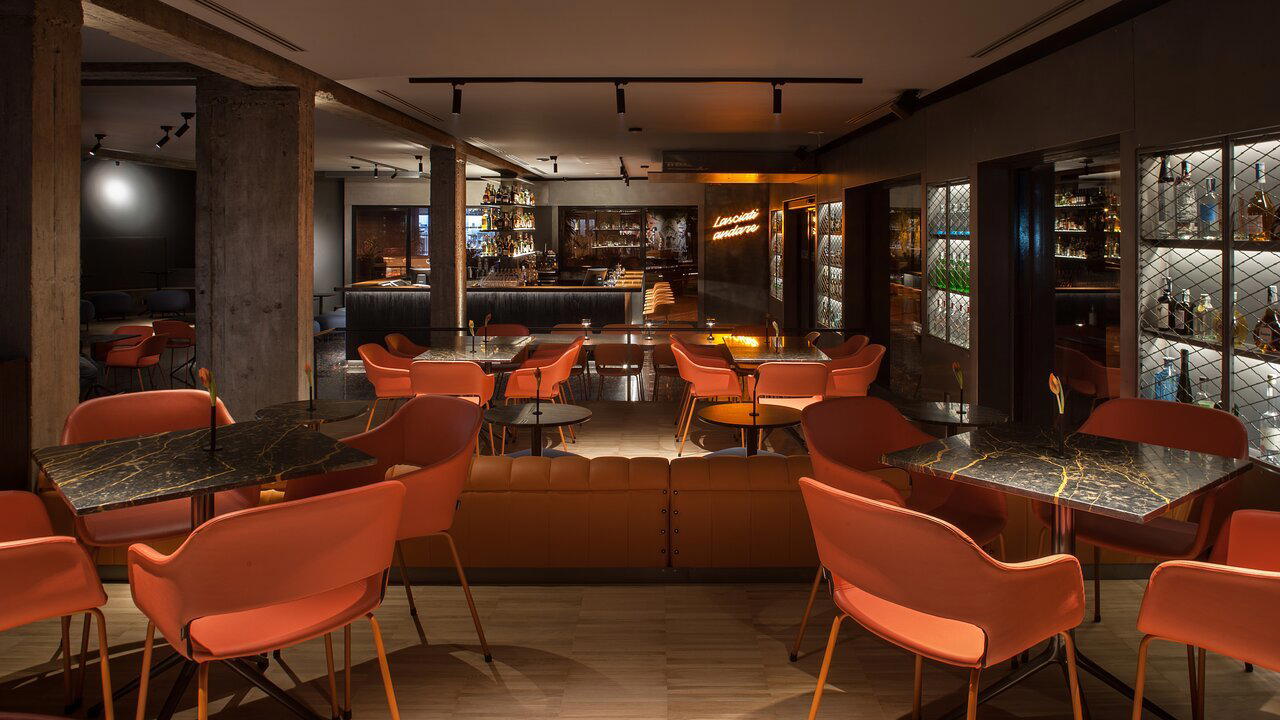
The restaurant sits on Corso Garibaldi in the lower part of the village, close to the waterfront. The setting reflects Cetara's character as a working fishing port rather than a tourist resort: the tone is straightforward and focused on the food rather than on ambient theatrics. Expect a dining room oriented around the catch of the day rather than destination-restaurant ceremony.
Why do visitors travel specifically to Cetara to eat at Acquapazza rather than dining along the more visited Amalfi Coast towns?
Cetara sits roughly 45 minutes east of Amalfi by road and attracts a different type of visitor than Positano or Ravello: one looking for a working fishing village rather than a resort backdrop. Acquapazza on Corso Garibaldi, 36 places diners inside that context rather than adjacent to it. For those focused on the provenance of Campanian seafood, particularly colatura di alici, which originates in Cetara, eating here connects the ingredient directly to its source in a way that restaurants in larger coastal towns cannot replicate.
What do regulars order at Ristorante Acquapazza Cetara?
Cetara is the source of colatura di alici, the fermented anchovy liquid that represents one of southern Italy's most concentrated flavour ingredients, and any kitchen in the village worth taking seriously will use it. Regulars in coastal Campania restaurants of this type tend to anchor their meal around whatever the fleet brought in that morning, typically ordering simply prepared fish over more complex preparations. Specific dishes at Acquapazza are best confirmed directly when booking, as the menu follows the catch.
Where do I go for Ristorante Acquapazza Cetara?
Ristorante Acquapazza Cetara is located at Corso Garibaldi, 36, 84010 Cetara SA, Italy, Cetara.
At-a-Glance Comparison
Comparable venues nearby, for context on price, style, and recognition.
| Venue | Cuisine | Price | Awards | Notes |
|---|---|---|---|---|
| Ristorante Acquapazza CetaraThis venue (the venue you are viewing) | Traditional Italian Seafood with Colatura di Alici | $50–100 | Not listed | Not listed |
| La Dispensa di Armatore | Southern Italian Seafood with Anchovies and Tuna | $30–50 | Michelin Bib Gourmand | Cetara |
| Al Convento - Casa Torrente | Amalfi Coast Seafood Trattoria | $30–50 | Michelin Bib Gourmand | Cetara |
| Essenza | Italian with Local Traditions | $30–50 | Not listed | Massa Lubrense |
| La Palette Ristorante | Modern Italian Seafood | $50–100 | Not listed | Matermania |
| Ristorante Campo Del Drago | Modern Tuscan Fine Dining | $200–300 | La Liste Top Restaurants · Falstaff Restaurant - 95 Falstaff Points | Castiglion del Bosco |
Continue exploring
More in Cetara
Restaurants in Cetara
All restaurants in Cetara →
Bars in Cetara
Browse all →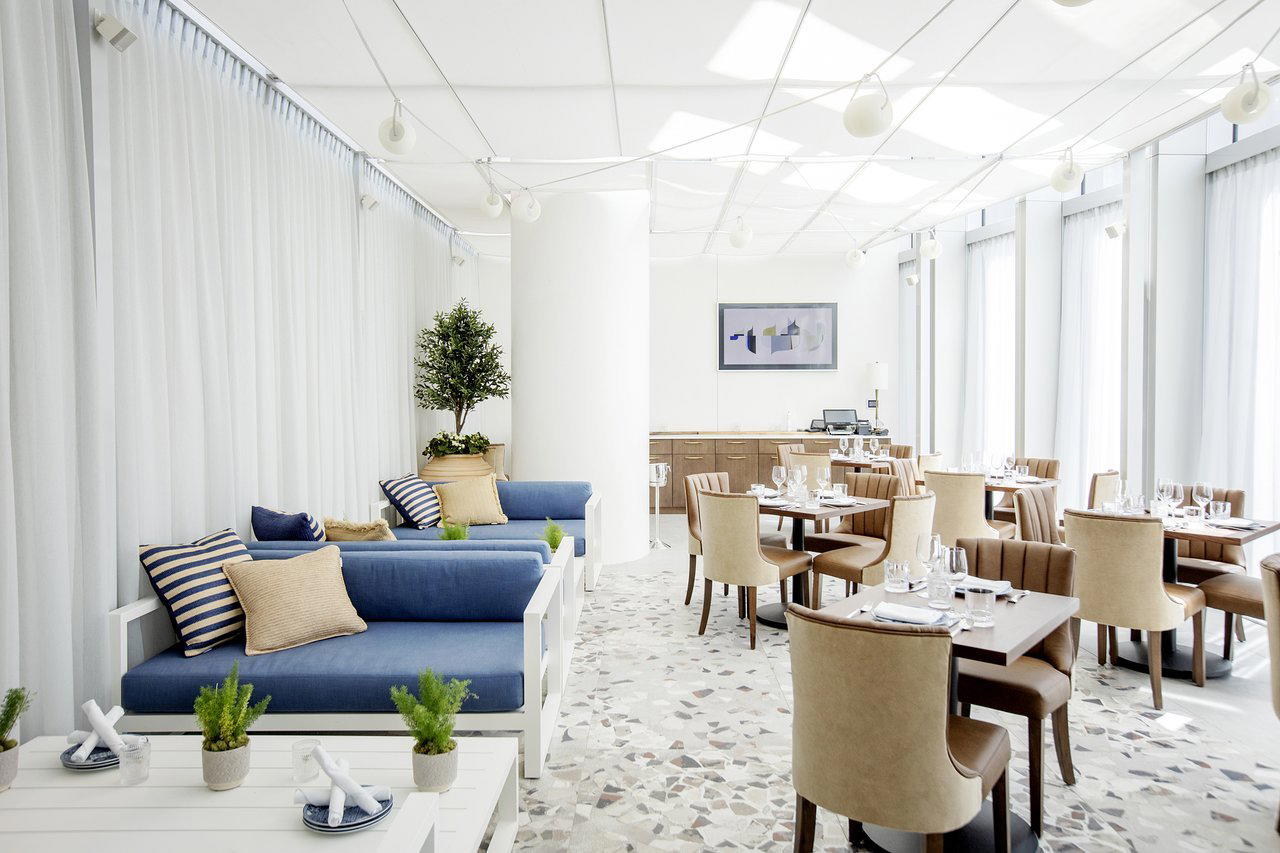

Details
- Rustic
- Cozy
- Scenic
- Date Night
- Special Occasion
- Waterfront
- Extensive Wine List
- Local Sourcing
- Waterfront
- Street Scene
- A La Carte
- Gluten Free Options
Current opening hours
- Monday
- Closed
- Tuesday
- 12:30–4 PM, 7:30–11 PM
- Wednesday
- 12:30–4 PM, 7:30–11 PM
- Thursday
- 12:30–4 PM, 7:30–11 PM
- Friday
- 12:30–4 PM, 7:30–11 PM
- Saturday
- 12:30–4 PM, 7:30–11 PM
- Sunday
- 12:30–4 PM
Hours can change for holidays and private events. Hours as of .
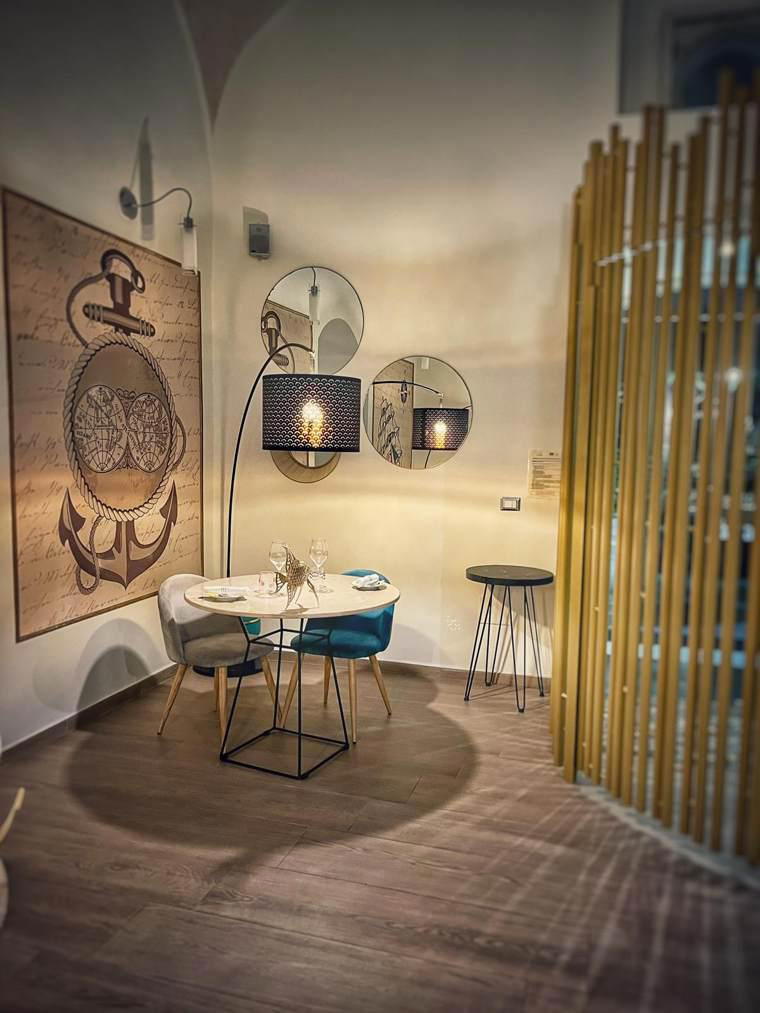
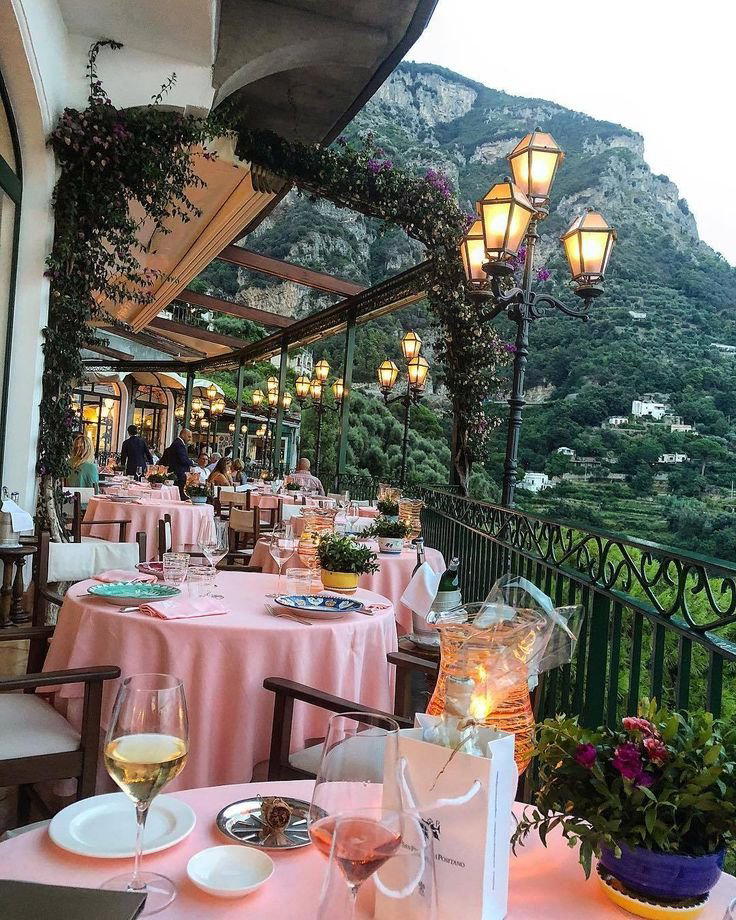
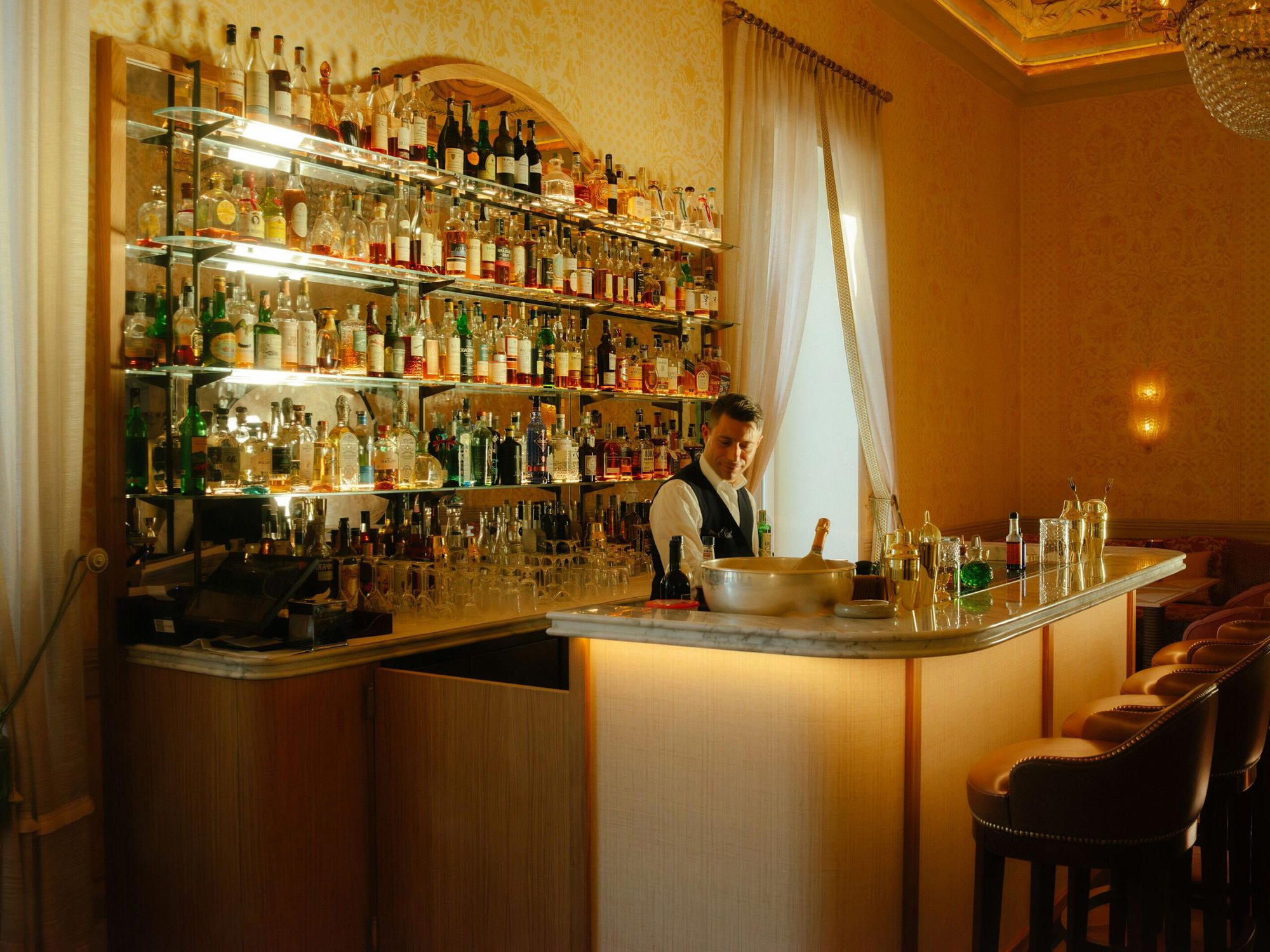
Stylish and simple with Vietri ceramics and wood decor, offering a chill beachy vibe near the sea.