A Samobor address on Ul. Ante Starčevića that draws on the Zagrebačka County countryside rather than the tourist trail. The kitchen works within a regional tradition where locally sourced produce and proximity to farms shape what ends up on the plate. For visitors exploring the town beyond its famous kremšnita pastry shops, it offers a grounded alternative to the busier squares.
Pearl is the En Primeur Club membership app — saves, bookings, and concierge access live there. Same editors, same standards.
- Address
- Ul. Ante Starčevića 17, 10430, Samobor, Croatia
- Phone
- +38513363893
- Directions
- Get directions
 Saves & bookings on Pearl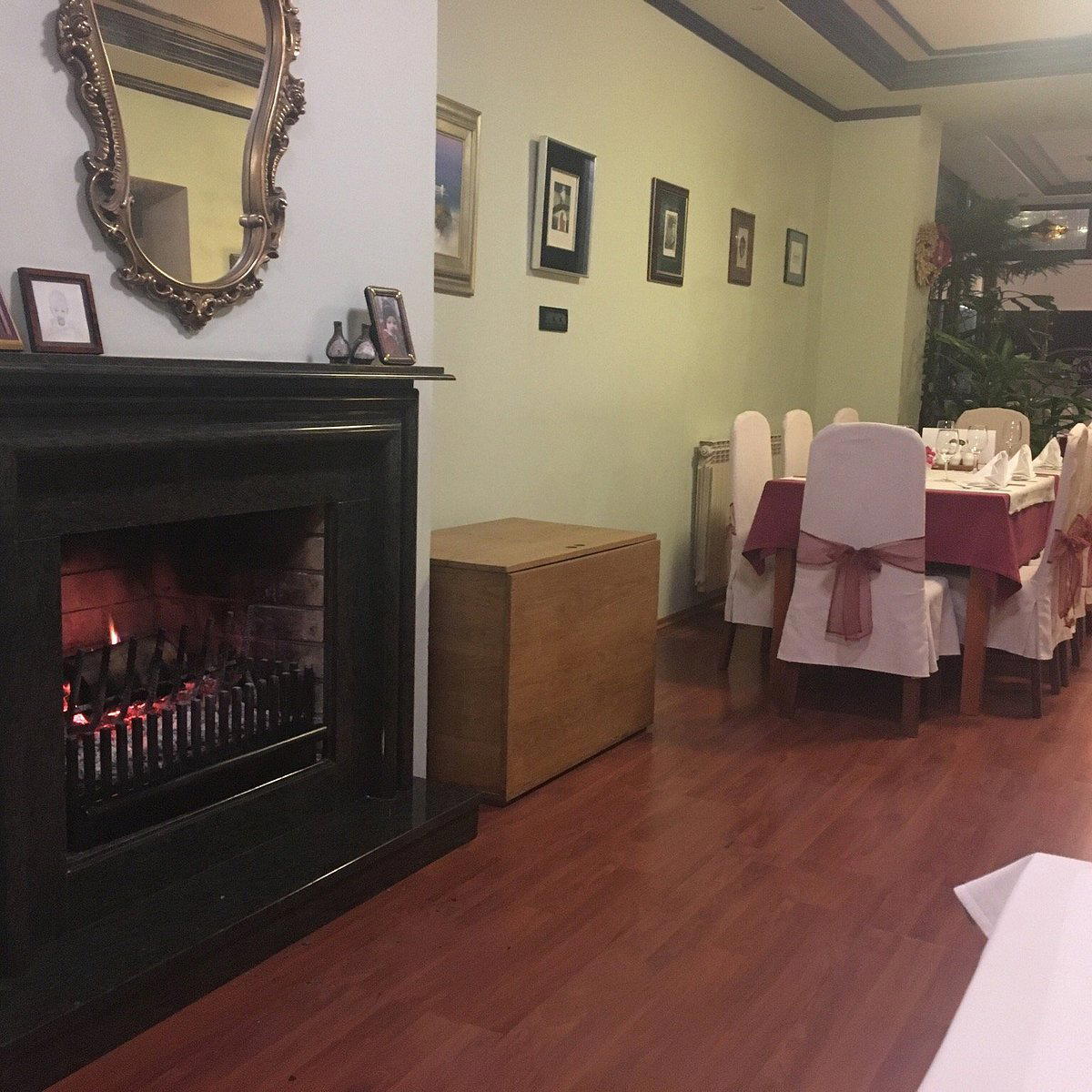
Where Samobor's Countryside Ends Up on the Plate
Samobor sits roughly 20 kilometres west of Zagreb, close enough to the capital to attract weekend visitors but far enough to maintain its own agricultural identity. The town is surrounded by the foothills of Samoborsko gorje, where smallholders, foragers, and weekend farms have long supplied the kitchens of its inns and restaurants with produce that never needed to travel far. Zeleni papar, on Ul. The address is a residential-commercial street rather than the main square, which already signals something about its orientation: this is a place for locals and returning visitors rather than first-time day-trippers following the kremšnita route.
In Croatian gastronomy, the phrase "kontinentalna kuhinja", continental cuisine, covers an enormous range, from the heavy lard-and-cabbage register of Zagorje to the more refined tavern cooking that emerged in towns within the Zagreb orbit. Samobor occupies a specific position in that range. Its proximity to Zagreb created a tradition of excursion restaurants, izletišta, where urban families spent Sundays eating roasted meats, drinking bermet (the local aromatised wine), and picking up handmade mustard from market stalls. The leading of those establishments never tried to be urban fine dining; they earned their reputations by sourcing well and cooking with consistency.
The Sourcing Logic Behind Regional Cooking
In a town where the dining identity is inseparable from its agricultural hinterland, what a kitchen sources is an editorial statement. The Samobor area produces mushrooms from the surrounding hills, freshwater fish from the Gradna and Sava river systems, lamb from the Žumberak plateau, and seasonal vegetables from the Posavina lowlands to the south. A kitchen that connects to those supply lines is working within a specific food geography rather than assembling a generic Central European menu from wholesale suppliers.
This sourcing logic matters more in smaller towns than in cities. Zagreb's restaurant scene has the scale to support specialty suppliers and importers; a Samobor kitchen's advantage is immediacy, shorter supply chains and the ability to adjust the menu when something from a nearby farm or forager is available in quantity. That approach is not fashionable in the performative sense of farm-to-table branding; in the Samobor tradition it is simply how kitchens have always worked when they are paying attention.
For context on what this regional sourcing ethos looks like at different scales, Ethno farm Mirnovec takes a rural immersion approach to the same agricultural territory, while Gabreku 1929 represents the long-established tavern tier where Samobor's excursion dining tradition is most formally codified. Cantilly Garden Restaurant and Izletište Kuzmanović Slavagora occupy the outdoor-setting end of the same spectrum. Zeleni papar's position among these peers is on the more focused, neighbourhood-restaurant end rather than the destination-excursion format.
How Samobor Fits Into Croatia's Wider Dining Map
Croatia's restaurant conversation has largely been driven by the coast: Michelin recognition has clustered in Istria, Dalmatia, and the Kvarner islands, where tourism volume and international visibility have built the conditions for fine dining investment. Agli Amici Rovinj in Rovinj, Pelegrini in Sibenik, LD Restaurant in Korčula, and Restaurant 360 in Dubrovnik represent that coastal tier. Inland, the picture is different. Zagreb has its own serious dining scene, Dubravkin Put in Zagreb being one of the cleaner examples of urban Croatian cooking done with precision, but the wider Zagreb County, including Samobor, operates largely below the awards radar.
That gap between recognition and quality is where smaller regional restaurants often do their most consistent work. Without the overhead pressures and tourist-season volatility of coastal fine dining, a well-run continental tavern in Samobor can maintain supply relationships and kitchen consistency across the full year. Compare that to the seasonal compression that shapes kitchens at places like Boskinac in Novalja or Nebo by Deni Srdoč in Rijeka, where the rhythm of the business is fundamentally different. Continental kitchens near Zagreb trade visibility for stability, and the better ones use that stability to refine rather than just survive.
At the other end of the scale, the precision and ingredient obsession visible at Le Bernardin in New York City or the fermentation-led sourcing philosophy at Atomix in New York City point to what the sourcing-first approach looks like when it reaches its most technically demanding form. Zeleni papar operates nowhere near that register, nor is it trying to. Its frame of reference is Samobor's own food culture, not international fine dining.
Planning a Visit
The restaurant is at Ul. Ante Starčevića 17, Samobor, a short walk from the town's central square, accessible directly from Zagreb by bus (the Samobor–Zagreb route runs frequently and the journey takes around 30 to 40 minutes depending on traffic). For visitors building a fuller day in the area, the town's Saturday market, the bermet wine producers, and the hiking trails into Samoborsko gorje all pair well with a sit-down meal. Nearby, Restoran Kod špilje offers another data point on the town's mid-range dining character. Further afield in the wider Zagreb County, Korak in Jastrebarsko represents a comparable regional cooking tradition working the same agricultural territory from a different town. And for the full range of what Croatian serious cooking looks like along the coast, Krug in Split and Alfred Keller in Mali Lošinj provide useful coastal counterpoints.
Side-by-Side Snapshot
Comparable venues nearby, for context on price, style, and recognition.
| Venue | Cuisine | Price | Notes |
|---|---|---|---|
| Zeleni paparThis venue — the venue you are viewing | Traditional Croatian | $$ | Not listed |
| Salvator | Traditional Croatian | $$ | strict center |
| Restoran "Kod špilje" | Traditional Croatian Continental | $$$ | Otruševec, Samobor |
| Gabreku 1929 | Traditional Croatian | $$ | Samobor |
| Samoborska klet | Traditional Croatian Barbecue | $$ | city centre |
| Ethno farm Mirnovec | Traditional Croatian Rural Cuisine | $$ | Samobor |
Continue exploring
More in Samobor
Restaurants in Samobor
Browse all →
Bars in Samobor
Browse all →
Hotels in Samobor
Browse all →

At a Glance
- Cozy
- Classic
- Rustic
- Quiet
- Family
- Casual Hangout
- Group Dining
- Celebration
- Terrace
- Standalone
- Beer Program
- Local Sourcing
Current opening hours
- Monday
- Closed
- Tuesday
- 12–7 PM
- Wednesday
- 12–7 PM
- Thursday
- 12–7 PM
- Friday
- 12–7 PM
- Saturday
- 12–7 PM
- Sunday
- 12–5 PM
Hours can change for holidays and private events. Last verified .
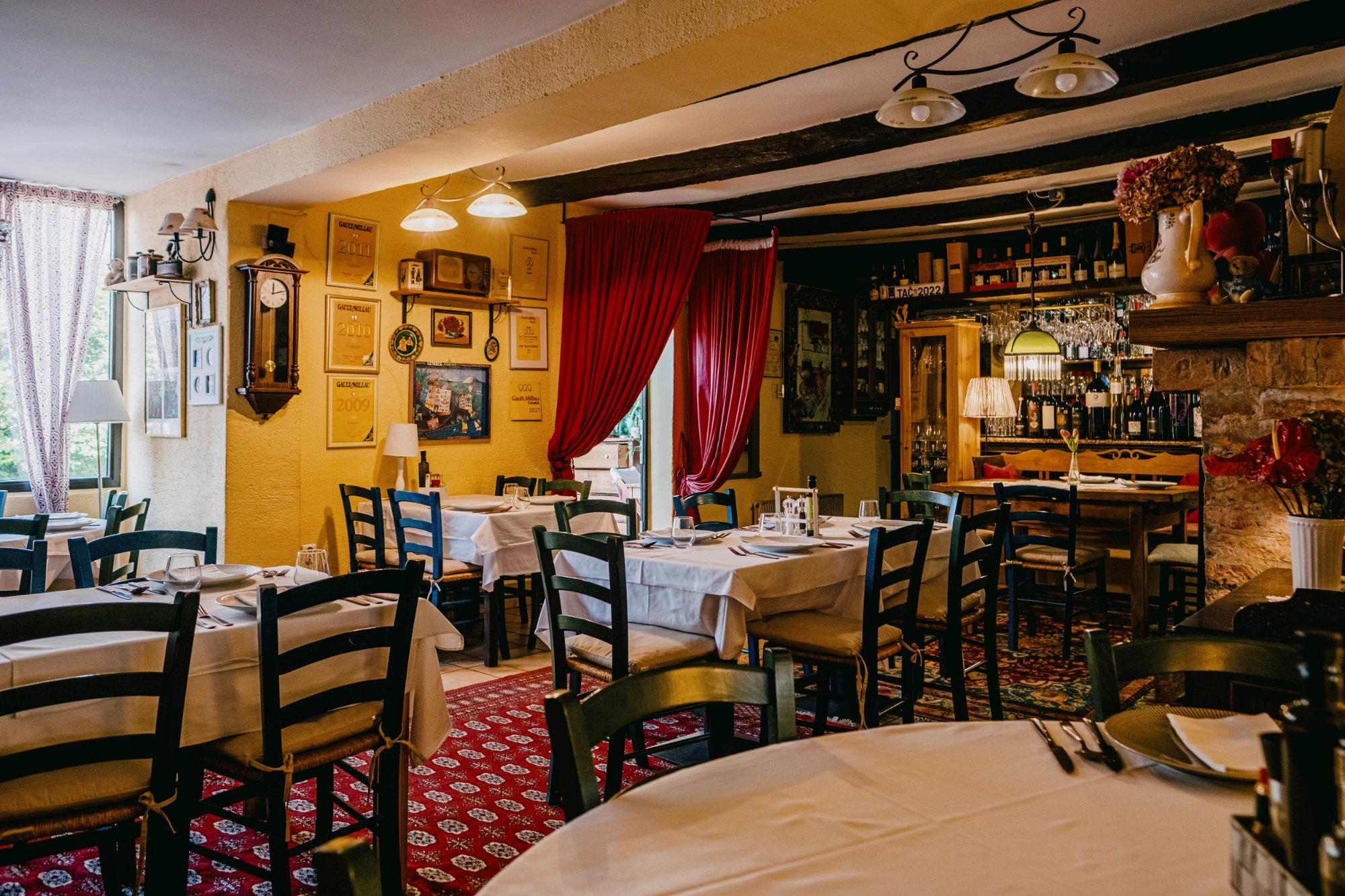
Warm and welcoming with a vintage interior; quiet and relaxed atmosphere ideal for conversation, with a pleasant terrace for outdoor dining.