Restaurante La Fonda el Mirador
Our verdict
In a colonial hill town where Lake Suchitlán defines both the view and the larder, La Fonda el Mirador represents the kind of informal regional table that Salvadoran cooking rarely gets credit for abroad. The setting shapes what arrives on the plate, and the plate reflects what the surrounding landscape provides. For anyone passing through Suchitoto, it is a reliable entry point into Cuscatlán's culinary vernacular.

Pearl is the En Primeur Club membership app, where members save venues, book tables and use the concierge.
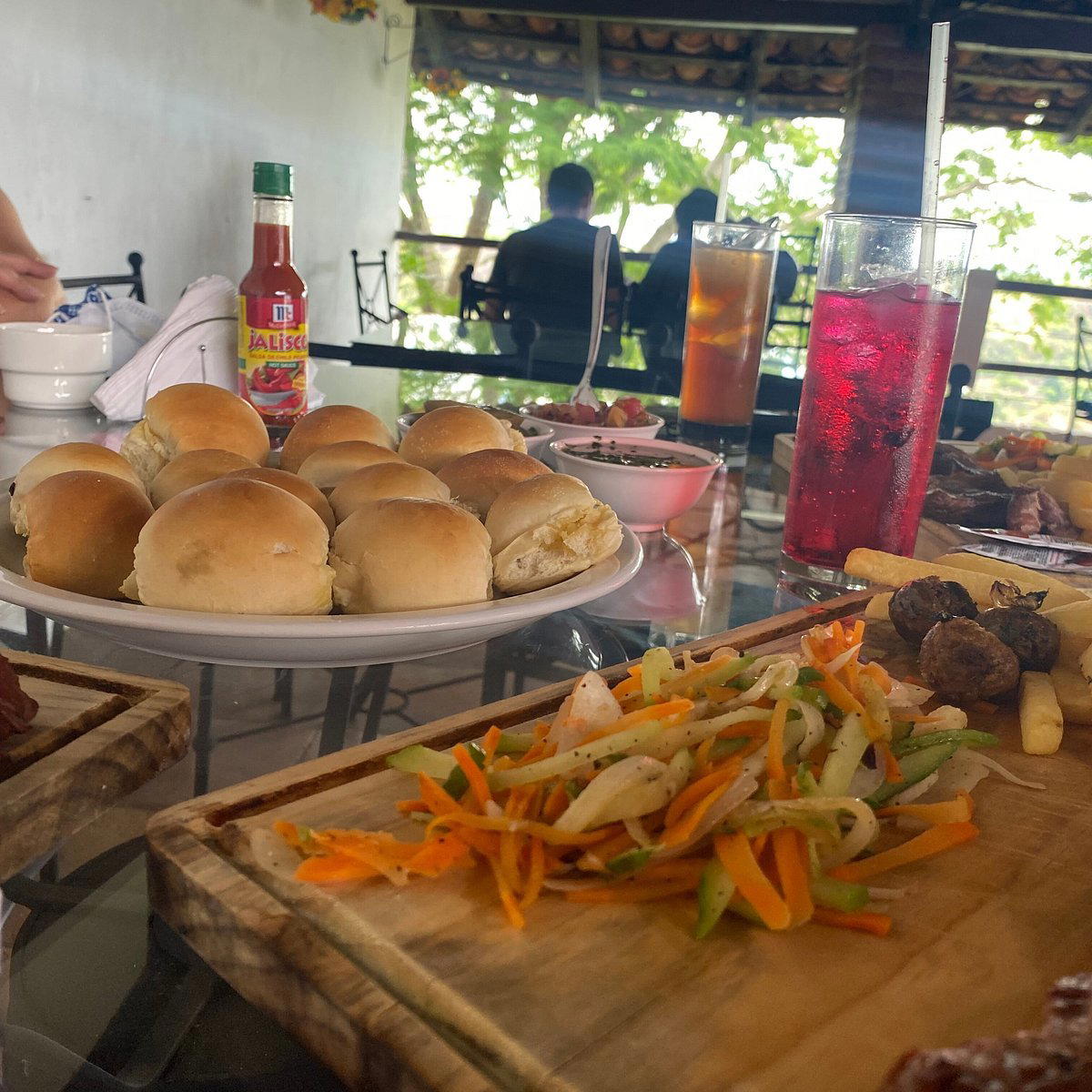
Where the Lake Feeds the Kitchen
Suchitoto sits roughly 47 kilometres northeast of San Salvador, a cobblestone colonial town that climbed its volcanic hillside and largely stayed there. The white-and-indigo church faces the plaza; the plaza faces the street; and the street eventually finds its way to views over Lake Suchitlán, the reservoir formed when the Cerrón Grande hydroelectric dam flooded the old valley floor in the 1970s. That lake is not incidental to dining in this town. It is the source. Freshwater fish, particularly mojarra and guapote, move from the water to local kitchens in a supply chain short enough to cover on foot. Restaurante La Fonda el Mirador operates within that geography, serving a menu rooted in what the immediate region produces rather than what a central distributor ships up from the capital.
This is the defining tension in provincial Salvadoran cooking: a cuisine with genuine depth and clear regional identity that rarely reaches the international conversation held by, say, the tasting counter format of Atomix in New York City or the hyper-local Alpine sourcing that drives Atelier Moessmer Norbert Niederkofler in Brunico. The ambition at La Fonda el Mirador is not of that register, but the underlying logic of sourcing from what surrounds you is the same.
The Physical Setting and What It Signals
The name itself is functional information. Mirador means lookout, and in Suchitoto that word carries weight: the town's elevation gives it sight lines over the lake and the broad valley below, and restaurants that claim the mirador designation are usually trading on a terrace, an open wall, or some architectural concession to the view. Arriving at a place like this, you are reading the setting before you read the menu. The open-air character common to Suchitoto's dining rooms reflects both climate and culture: the town sits at roughly 600 metres above sea level, where afternoon breezes make covered outdoor seating genuinely comfortable for most of the year. The dry season, running from November through April, offers the most reliable conditions for terrace dining; the rainy season brings cooler temperatures and dramatic cloud formations over the lake but occasional disruption to outdoor service.
That physical openness connects to the food's transparency. Salvadoran home cooking in this region is not hidden inside elaborate technique. Pupusas, fried fish, seasonal vegetables cooked simply, salsas built from chiles and tomatoes grown nearby: these are the reference points. A restaurant operating in this tradition is competing on ingredient quality and kitchen discipline rather than conceptual complexity, which puts the sourcing question at the centre of any honest assessment.
Ingredient Sourcing in the Cuscatlán Context
Cuscatlán is one of El Salvador's smallest departments but sits within a broader agricultural corridor that includes subsistence farming, fishing on the lake, and smallholder production of staples like corn, beans, and tropical fruit. The market economy that feeds Suchitoto's restaurants operates differently from the urban supply chains servicing San Salvador's more formal dining rooms. At La Gastroteca in San Salvador, for example, the creative direction leans toward a modern Salvadoran idiom that requires sourcing from multiple regions and often working with specialty producers. In Suchitoto, the shorter supply chain is a structural feature, not a marketing choice.
The practical consequence is that menus in restaurants like La Fonda el Mirador tend to reflect what is available rather than what is consistent across all seasons. This is not a limitation in any meaningful sense; it is how most of the world cooked before refrigeration and highway logistics standardised availability. The same logic drives the ingredient philosophy at celebrated European tables like Dal Pescatore in Runate or Uliassi in Senigallia, where proximity to a specific water source or agricultural tradition shapes the plate. The scale is different, but the principle of eating what is near and fresh connects these traditions across considerable distance.
For travellers who have come to Suchitoto specifically for the colonial town experience, this kind of table is the logical pairing: local ingredients, regional preparation, and a setting that reflects the geography. It sits alongside La Posada de Suchitlán as part of a small cluster of established names in town, with each offering a slightly different register of the same regional identity. See our full Suchitoto restaurants guide for a broader account of where the town's dining scene currently sits.
The Broader Salvadoran Dining Scene for Reference
El Salvador's restaurant culture has developed unevenly. The capital has seen genuine investment in technique-driven cooking, particularly around the Rosa neighbourhood and the upscale clusters in Santa Elena and San Benito. Outside San Salvador, the picture is more varied. Santa Tecla has developed its own food corridor, anchored by places like Las Brumas Grill and Cafe. The western highlands, particularly the Ruta de las Flores, support a different kind of dining, including the European-inflected formats visible at La Raclette in Concepción de Ataco. And in Coatepeque, the grill tradition shows up at Los Asaditos de Coatepeque.
What Suchitoto offers that most of these locations do not is the lake. Fresh-water fishing gives the town's kitchens a distinct larder, and that specificity is what separates a lunch here from a lunch in San Salvador's more polished dining rooms. The fish arrives from a source you can see from the terrace. That directness is worth something, even if it does not generate the kind of awards documentation that trails kitchens like Le Bernardin in New York City or Reale in Castel di Sangro. Recognition infrastructure of that kind has not reached provincial El Salvador, which means the honest indicators here are longevity, local reputation, and repeat custom from Suchitoto's established visitor base.
Planning Your Visit
Suchitoto is most accessible as a day trip or short overnight from San Salvador, and the majority of visitors arrive on weekends when the town's colonial centre draws domestic tourism as well as international travellers. Arriving mid-week, if your schedule allows, means quieter streets and kitchens less pressured by volume. The dry season months, from November through April, are the most comfortable for the terrace setting that a mirador restaurant depends on. Specific hours, booking requirements, and current pricing for La Fonda el Mirador are best confirmed directly on arrival or through local accommodation, as published details are limited. Given the scale and informality typical of Suchitoto dining, walk-in seating is likely the operating model, but arriving early for lunch positions you ahead of weekend crowds and ensures the kitchen is working with the morning's freshest supply.
Frequently asked questions
Would Restaurante La Fonda el Mirador be comfortable with kids?
Suchitoto is a colonial town that draws families as day-trippers and weekend visitors from San Salvador, and restaurants along its cobblestone centre generally accommodate that crowd. La Fonda el Mirador's name suggests an open, view-oriented setting, which tends to suit an informal family meal better than a tasting-menu counter.
What should I expect atmosphere-wise at Restaurante La Fonda el Mirador?
The name signals the experience plainly: fonda suggests a traditional, unpretentious dining room, while mirador points to a lookout position, Suchitoto's elevation delivers sight lines over Lake Suchitlán and the surrounding valley. Expect a setting rooted in the town's colonial character rather than a polished urban dining room. Weekend afternoons bring the bulk of visitor traffic to Suchitoto, so the atmosphere shifts noticeably between a quiet weekday and a full Saturday lunch service.
What makes La Fonda el Mirador worth the trip from San Salvador compared to dining in the capital?
The 47-kilometre drive from San Salvador to Suchitoto delivers something the capital's emerging technique-driven dining scene cannot replicate: a meal taken at elevation, above Lake Suchitlán, in a colonial town whose food culture draws directly from Cuscatlán's agricultural corridor rather than imported culinary frameworks. La Fonda el Mirador sits within that context, offering a regional Salvadoran table shaped by local sourcing and the town's own character. For visitors whose San Salvador itinerary already covers the capital's contemporary restaurants, Suchitoto provides the provincial counterpoint.
What's the must-try dish at Restaurante La Fonda el Mirador?
What the Cuscatlán context reliably points toward is regional staples built around lake fishing, local corn, and subsistence-farmed ingredients, the kind of cooking that defines Salvadoran provincial tables rather than capital-city technique. Checking with the restaurant directly before your visit will give you the most accurate picture of what's currently on offer.
What's the address for Restaurante La Fonda el Mirador?
Restaurante La Fonda el Mirador is located at Suchitoto, El Salvador, Suchitoto.
Is Restaurante La Fonda el Mirador reservation-only?
No booking policy is documented for La Fonda el Mirador. Suchitoto sees a concentrated surge of visitors on weekends when the colonial town's market and cultural calendar pull day-trippers from San Salvador, roughly 47 kilometres away. Arriving without a reservation on a Saturday or public holiday carries more risk than a weekday visit; calling ahead is advisable even if the restaurant does not formally require bookings.
At-a-Glance Comparison
| Venue | Cuisine | Price | Awards |
|---|---|---|---|
| Restaurante La Fonda el MiradorThis venue (the venue you are viewing) | Traditional Salvadoran | Not listed | Not listed |
| El Xolo | Modern Salvadoran | $30–50 | World's 50 Best #87 · The Best Chef One Knife |
| La Clásica | Artisanal Italian-Style Pizza | $10–20 | 50 Top Pizza Latin America #5 |
| La Posada de Suchitlán | Authentic Salvadoran | Not listed | Not listed |
| La Gastroteca | Modern European Fine Dining | Not listed | Not listed |
| La Hola Beto's | Salvadoran Seafood | $10–20 | Not listed |
Continue exploring
More in Suchitoto
Restaurants in Suchitoto
All restaurants in Suchitoto →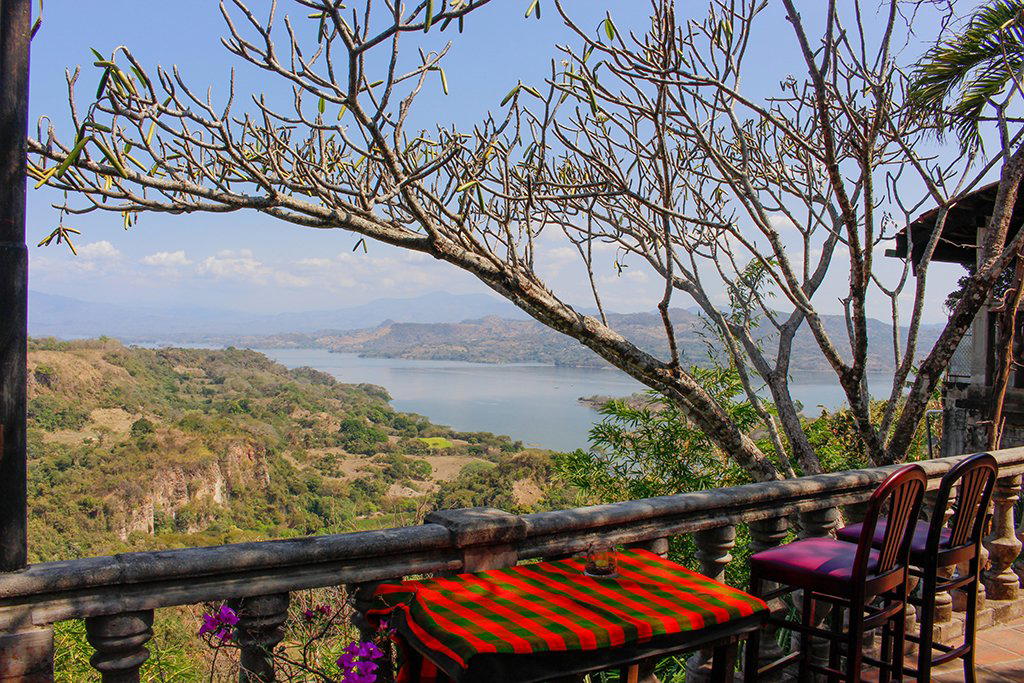
Hotels in Suchitoto
Browse all →
Details
- Scenic
- Cozy
- Rustic
- Family
- Casual Hangout
- Panoramic View
- Terrace
- Local Sourcing
- Waterfront
- A La Carte
Current opening hours
- Monday
- Closed
- Tuesday
- Closed
- Wednesday
- Closed
- Thursday
- 8 AM–5 PM
- Friday
- 8 AM–5 PM
- Saturday
- 9 AM–6 PM
- Sunday
- 9 AM–6 PM
Hours can change for holidays and private events. Hours as of .
Cozy atmosphere with dramatic lake views and natural surroundings.