La Posada de Suchitlán
Our verdict
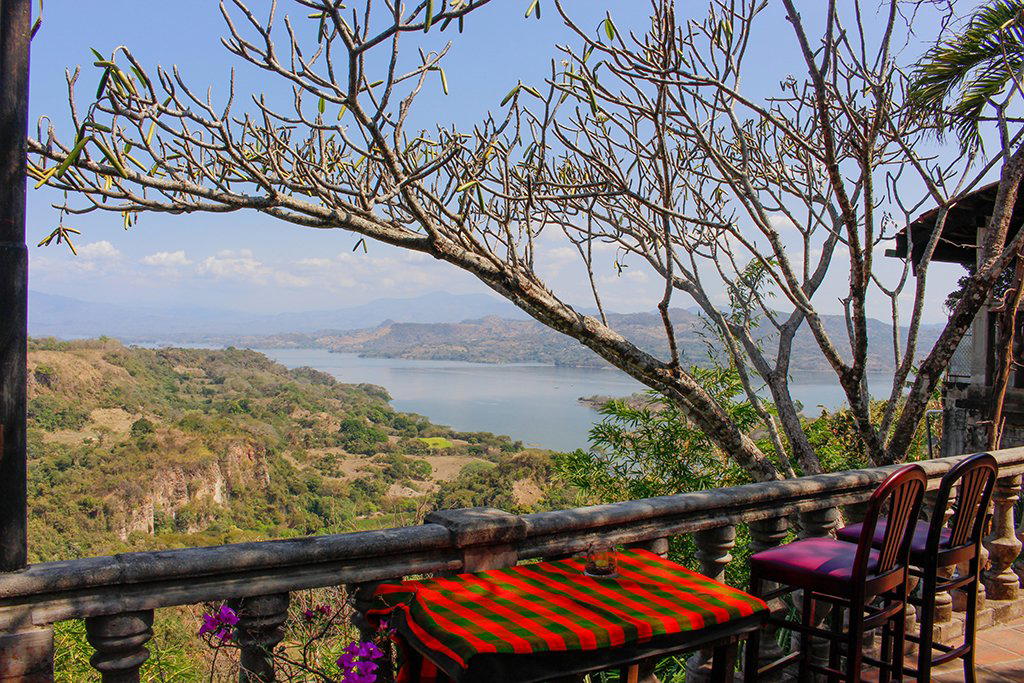
La Posada de Suchitlán sits on the edge of Barrio San José in one of El Salvador's most preserved colonial towns, where the cooking draws from the agricultural land surrounding Lago de Suchitlán and the Cuscatlán region's traditional kitchen. For travellers reaching Suchitoto by road from San Salvador, the posada offers a grounded, regionally anchored dining experience that reflects the town's slow, deliberate pace rather than chasing outside trends.

Pearl is the En Primeur Club membership app, where members save venues, book tables and use the concierge.
Where Suchitoto's Colonial Quietness Meets the Plate
Approach the far end of 4ª Calle Poniente in Barrio San José and the architecture tells you where you are before the food does. Suchitoto is one of the few towns in El Salvador where Spanish colonial structure survived both time and conflict largely intact, and the streets here carry a weight that the capital does not. Cobblestones, whitewashed walls, and the particular stillness that descends when a town is built around a lake rather than a highway: this is the physical context in which La Posada de Suchitlán operates. The setting is not incidental. It shapes what visitors expect from a meal here and what the kitchen, working within that tradition, is positioned to deliver.
El Salvador's dining culture outside San Salvador divides fairly cleanly between two modes: roadside comedores serving unchanged daily plates, and properties that use their location as an editorial statement about Salvadoran regionalism. La Posada de Suchitlán belongs to the latter category, occupying a position in Suchitoto similar to what Restaurante La Fonda el Mirador holds on the other side of town: a property where place and plate are meant to be read together. For a broader picture of how Suchitoto's dining options compare, our full Suchitoto restaurants guide maps the options across the town.
The Sourcing Logic Behind Cuscatlán Cooking
Central Salvadoran cooking, particularly in the Cuscatlán department that surrounds Suchitoto, is built on agricultural rhythms that predate the republic. The lake, Lago de Suchitlán, was formed when the Cerron Grande dam was completed in 1976, but the farming traditions on its banks are older. Maize, black beans, fresh cheese, loroco (the flower bud used across Salvadoran kitchens), and freshwater fish pulled from the lake itself form the backbone of regional cooking here. What distinguishes this from San Salvador's restaurant scene is proximity: ingredients in a town like Suchitoto move from producer to kitchen along a short, legible chain rather than through the logistics of a capital city's wholesale markets.
This sourcing geography matters when considering what regional cooking at La Posada de Suchitlán is likely to represent. Properties in Suchitoto that engage with local producers typically have access to handmade tortillas from nearby milpas, fresh lake catch, and seasonal garden vegetables that San Salvador restaurants would import or substitute. That access, when a kitchen chooses to use it rather than default to standardised supply chains, is what separates ingredient-honest regional cooking from generic Salvadoran hotel fare. The distinction is observable across Central America: in Guatemala's Antigua, in Nicaragua's Granada, and in El Salvador's own colonial circuit, properties that commit to local sourcing read differently on the plate from those that don't.
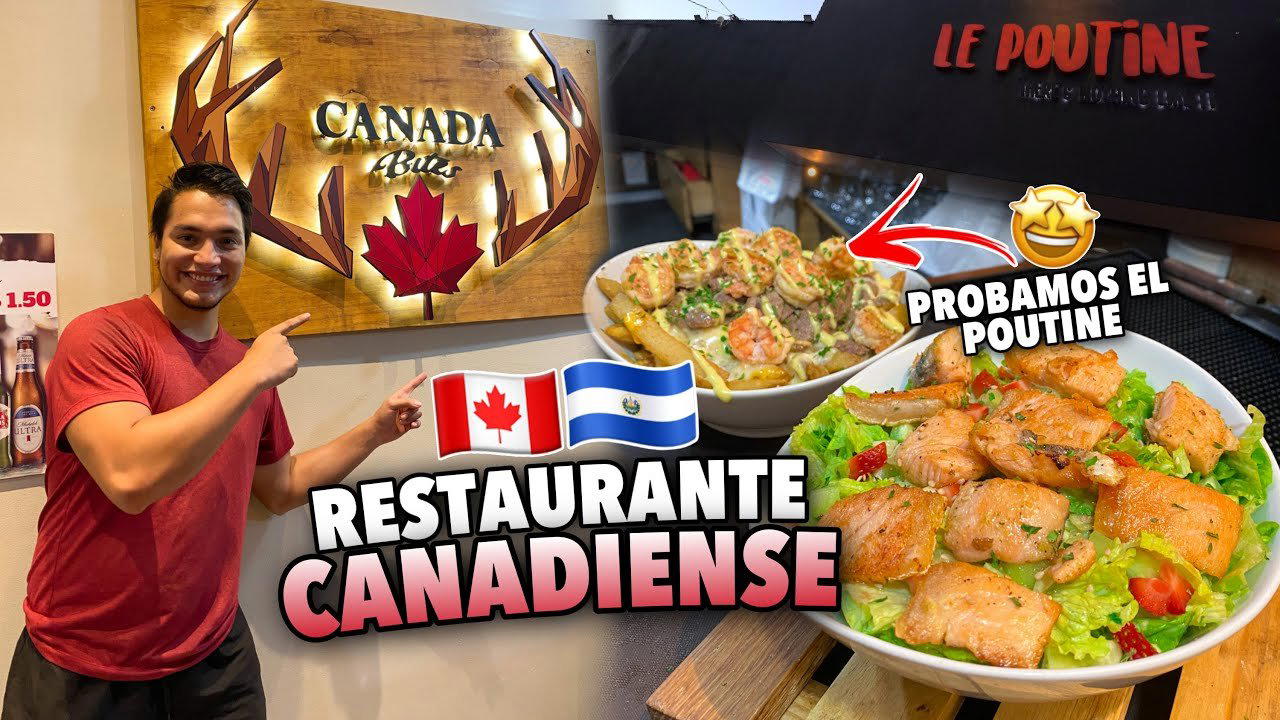
For a comparison point further along El Salvador's restaurant spectrum, Las Brumas Grill & Cafe in Santa Tecla and Canada Bites in San Salvador represent the capital's approach to ingredient-driven cooking, where supply chains are longer but technique is more variable. The contrast helps locate Suchitoto's posadas in a different tier of the regional argument: less about technical ambition, more about raw material quality and cultural continuity.
Regionalism on a Plate: What This Tradition Produces
El Salvador's national kitchen does not attract the international attention that Peruvian or Mexican regional cooking does, but the traditions are particular and, in towns like Suchitoto, largely unmediated by outside influence. Pupusas made from freshly ground masa, yuca frita served with curtido (fermented cabbage slaw), sopa de pata (a slow-cooked tripe and corn broth), and grilled freshwater fish are the reference points for a kitchen rooted in this geography. These are not dishes that reward the kind of technical intervention that defines the work at, say, Aponiente in El Puerto de Santa María or Arpège in Paris. They reward fidelity to process and ingredient quality, which is precisely where local sourcing becomes the distinguishing variable.
The posada format, common across Latin America's colonial towns, places food within a hospitality context rather than a standalone restaurant context. Guests staying overnight eat where they sleep, and the kitchen serves both as a practical amenity and as a statement about the property's relationship to its place. This tends to produce cooking that is more consistent than ambitious, more representative than innovative, which is not a criticism. At a property like this, in a town like Suchitoto, consistency with local tradition is the editorial point.
Planning a Visit to Suchitoto
Suchitoto sits roughly 47 kilometres north of San Salvador, a drive that takes between 60 and 90 minutes depending on the road conditions along the CA-4 and connecting routes through Cuscatlán. The town receives most of its visitors as day-trippers from the capital, but staying overnight changes the experience substantially: the main square quiets after dark, the lake is more accessible at dawn, and the colonial architecture reads differently without tour group foot traffic. La Posada de Suchitlán's location at the western edge of Barrio San José places it within walking distance of the town's central church, the market, and the lakeside viewpoints that define Suchitoto's appeal as a destination.
The dry season between November and April is the more comfortable period for visiting, with clearer skies and lower humidity. The wet season, May through October, brings afternoon rains that can affect road conditions on the approach from the capital but also produce the greener, more atmospheric version of the lake and surrounding hillsides that some travellers prefer. Booking in advance for weekend stays is advisable, particularly during Semana Santa and the town's cultural festivals, when Suchitoto draws visitors from across El Salvador and from the Salvadoran diaspora abroad.
For travellers building a wider El Salvador itinerary, the western coffee-growing corridor offers a different character: La Raclette in Concepción de Ataco and Los Asaditos de Coatepeque in Coatepeque represent the Ruta de las Flores region's approach to regional dining, which is distinct from the central highlands tradition that Suchitoto represents.
Frequently asked questions
Is La Posada de Suchitlán good for families?
Suchitoto is a colonial town built around community life, and La Posada de Suchitlán sits within Barrio San José at the far end of 4ª Calle Poniente, a residential quarter that runs at a pace suited to unhurried meals. Central Salvadoran cooking is approachable by nature, drawing on staple ingredients familiar across generations. Nothing about the address or local context suggests an environment calibrated only for adults.
What is the atmosphere like at La Posada de Suchitlán?
The setting follows Suchitoto's broader character: a Cuscatlán colonial town that has retained its architectural fabric and slower rhythms. The address at the end of 4ª Calle Poniente in Barrio San José places the posada away from whatever commercial noise the town's main square generates. Expect the quietness the neighbourhood signals from the street before you arrive at the door.
How far is La Posada de Suchitlán from San Salvador, and is it worth the trip on its own?
Suchitoto sits roughly 47 kilometres north of San Salvador along the CA-4, a drive of 60 to 90 minutes depending on road conditions. La Posada de Suchitlán occupies a position in Barrio San José that makes it a natural anchor for anyone spending time in the town rather than a detour built around a single meal. Suchitoto's colonial streets and proximity to Lake Suchitlán give the trip independent weight beyond the table.
What do regulars order at La Posada de Suchitlán?
The kitchen works within the Cuscatlán department's agricultural tradition, which historically means corn-based preparations, fresh-water ingredients from the region, and dishes tied to central Salvadoran cooking cycles rather than a printed international menu.
What part of town is La Posada de Suchitlán in?
La Posada de Suchitlán is located at Final 4ª Calle Poniente, (Barrio San José), 503-Suchitoto, Cuscatlán, Suchitoto.
| Venue | Cuisine | Price | Awards |
|---|---|---|---|
| La Posada de SuchitlánThis venue (the venue you are viewing) | Authentic Salvadoran | Not listed | Not listed |
| El Xolo | Modern Salvadoran | $30–50 | World's 50 Best #87 · The Best Chef One Knife |
| La Clásica | Artisanal Italian-Style Pizza | $10–20 | 50 Top Pizza Latin America #5 |
| Restaurante La Fonda el Mirador | Traditional Salvadoran | Not listed | Not listed |
| Las Brumas Grill & Cafe | Salvadoran Grill with Local Specialties | $10–20 | Not listed |
| Canada Bites | Canadian Burgers | $10–20 | Not listed |
Continue exploring
More in Suchitoto
Restaurants in Suchitoto
All restaurants in Suchitoto →
Hotels in Suchitoto
Browse all →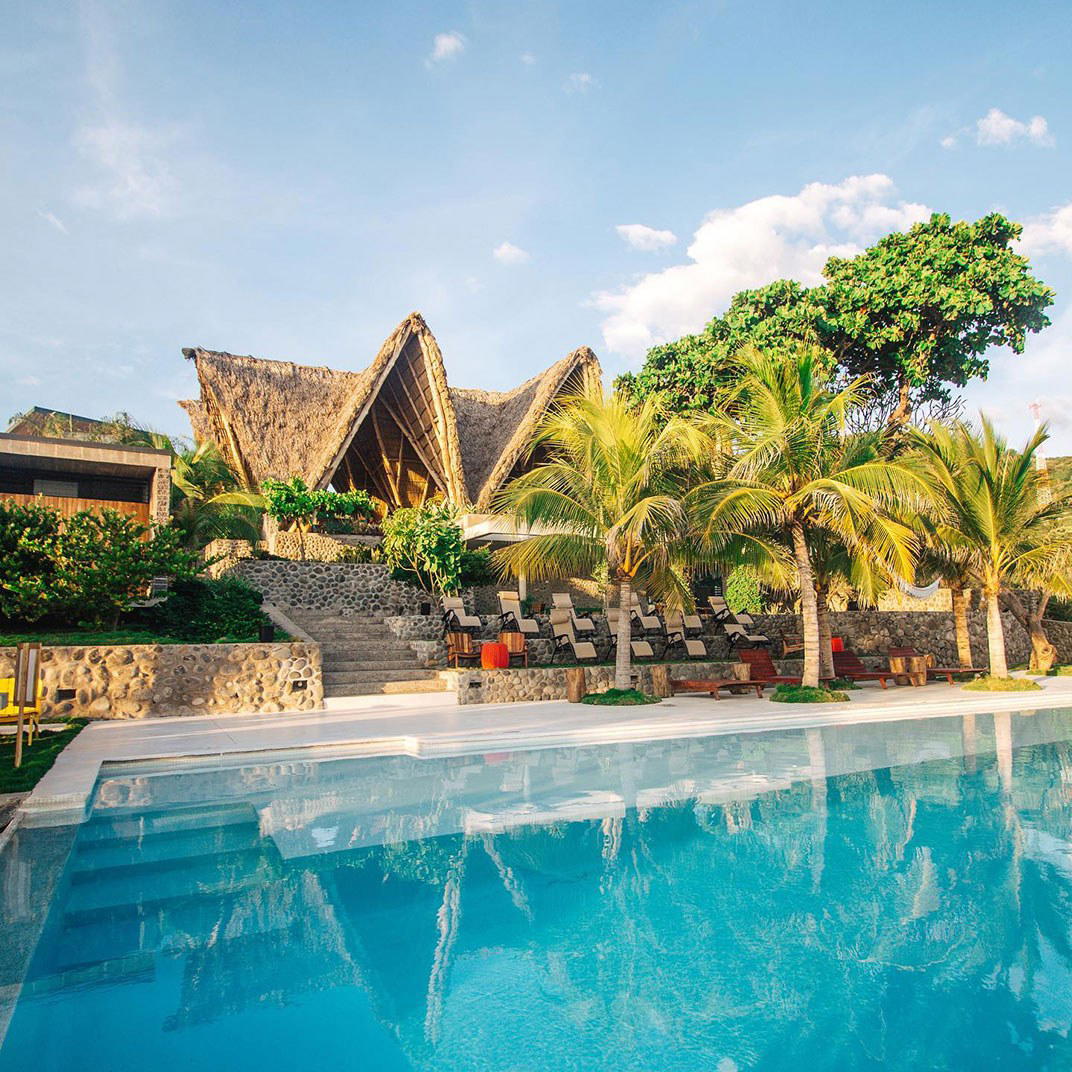
Details
- Scenic
- Rustic
- Cozy
- Casual Hangout
- Family
- Garden
- Historic Building
- Hotel Restaurant
- Local Sourcing
- Waterfront
- A La Carte
Serene and inviting atmosphere with lush gardens and dramatic lake vistas, ideal for relaxed dining.