Los Asaditos de Coatepeque
Our verdict
Positioned along the Carretera al Lago de Coatepeque at kilometer 55, Los Asaditos de Coatepeque draws on the volcanic lake corridor's grilling tradition, where proximity to local producers shapes what arrives at the table. The setting and the smoke are inseparable from the experience. For anyone moving through Santa Ana department toward the lake, this is the kind of roadside stop that defines the route rather than interrupts it.

Pearl is the En Primeur Club membership app, where members save venues, book tables and use the concierge.
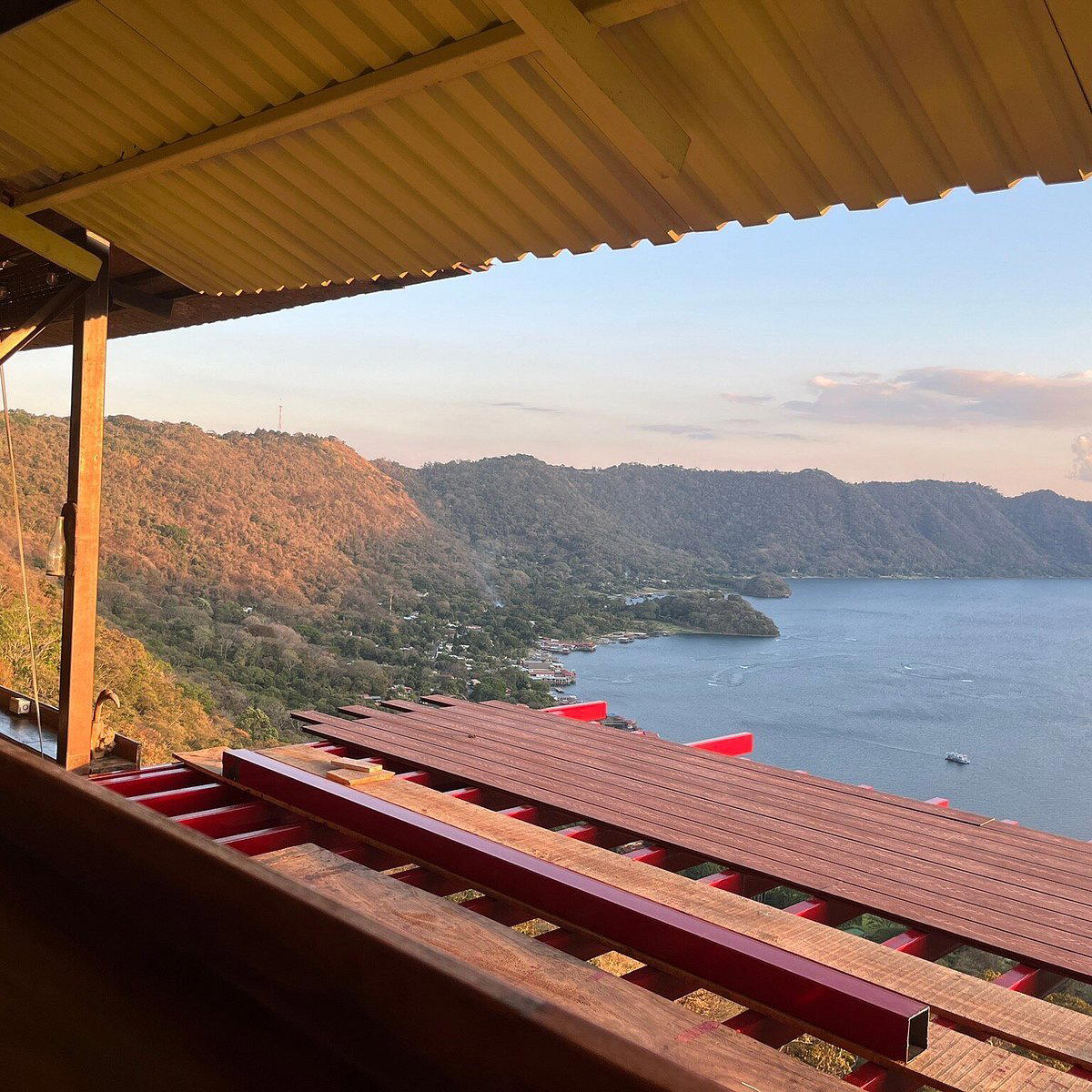
Where the Road Meets the Lake, and the Grill Does the Talking
The stretch of highway between El Congo and Lago de Coatepeque has its own culinary logic. At kilometer 55, the air changes before you see the kitchen: wood smoke, charcoal, and the particular smell of meat resting over open flame in the late afternoon heat of Santa Ana department. Los Asaditos de Coatepeque sits on this corridor not as a destination you plan months ahead, but as an institution that earns its place through the oldest possible credential, the quality of what it cooks and where that food comes from. This is a region where the volcanic lake sets the microclimate, and the surrounding agricultural zones supply the kind of raw material that roadside grilling in El Salvador has historically depended on.
Asadito culture in the Salvadoran highlands operates differently from the formatted steakhouse model you find in San Salvador or the tourist-facing dining rooms of Suchitoto. Here, the tradition is tied to geography: ranching land in the Santa Ana department has long supplied local cuts, and the lake itself draws both fishermen and weekend travelers who expect food that reflects the place they've arrived in. Our full Coatepeque restaurants guide maps how the wider area has developed around this logic of proximity, where sourcing from the immediate region is less a marketing decision than a structural reality of how these kitchens have always operated.
The Sourcing Argument: Why Roadside Grilling Here Is Not Interchangeable
El Salvador's western highlands produce some of the country's most consistent beef and pork supply, and the Coatepeque lake corridor captures that advantage in concentrated form. The Lago de Coatepeque sits in a caldera at roughly 740 meters elevation, which moderates temperatures and supports the cattle and agricultural activity in the surrounding municipalities. For a grilling-focused kitchen on this road, that translates into shorter supply chains and a product that hasn't traveled far before it meets the fire.
This is the distinction that separates the roadside asadito tradition from urban equivalents. When Emeril's in New Orleans or Lazy Bear in San Francisco foreground sourcing credentials, they're building a narrative around a supply chain that has to be actively engineered. On the Coatepeque highway, the sourcing is ambient, it exists because the farms are nearby and the infrastructure for long-distance refrigerated transport was never built into the model. The food is local because that's the only practical option, and that constraint produces a specific kind of quality that more elaborate restaurant supply chains often spend considerable effort trying to replicate.
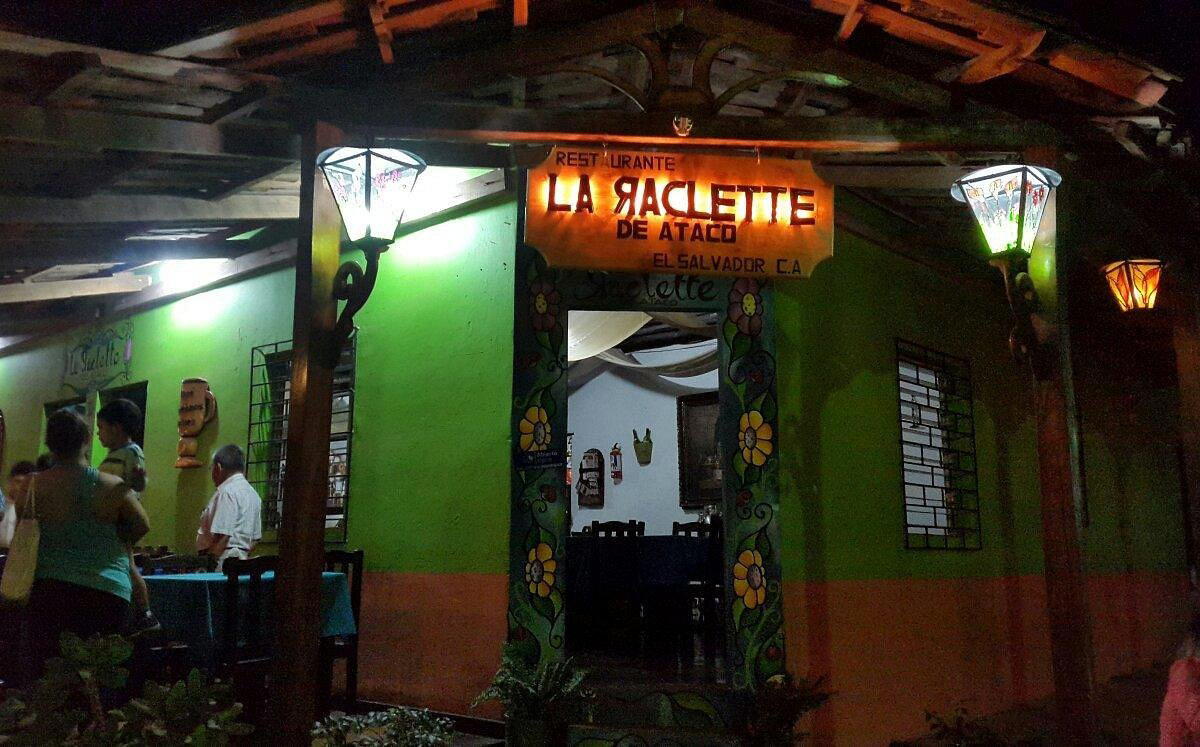
Regional comparisons within El Salvador reinforce this. Las Brumas Grill & Cafe in Santa Tecla operates in a more suburban register, serving a commuter and residential crowd whose expectations are shaped by proximity to the capital. Canada Bites in San Salvador and La Raclette in Concepción de Ataco each serve distinct regional niches. Los Asaditos de Coatepeque sits in a different category entirely: the highway-adjacent lakeside stop where the food is inseparable from the journey and the landscape that produced it.
The Grilling Tradition in Context
Asadito as a format sits close to the center of Salvadoran communal eating. It is not fine dining, and it doesn't aim to be. The format involves direct-heat grilling of marinated or simply seasoned cuts, typically served with rice, beans, curtido, and tortillas made on-site. What varies between kitchens is the quality of the meat, the control of the fire, and the accumulated knowledge of how long each cut needs. These are skills that develop over years and don't transfer easily between operators.
The lakeside setting amplifies the format's logic. Lago de Coatepeque draws Salvadoran families and visitors from Santa Ana city on weekends, and the corridor fills with traffic heading toward the water. A kitchen at kilometer 55 on this road is positioned at the moment when travelers are ready to stop, hungry from the drive, and in the right frame of mind for food that is immediate and unpretentious. That timing and location are structural advantages that a restaurant in a city center cannot replicate.
For context on what refined sourcing and setting can produce at the opposite end of the formality spectrum, the progression from kitchens like this one to places like Arpège in Paris or Aponiente in El Puerto de Santa María is ultimately a story about the same argument, that where food comes from determines what it can taste like, applied at different price points and with different degrees of elaboration. La Posada de Suchitlán in Suchitoto navigates a similar middle ground in El Salvador, where setting and regional character do more work than any tasting menu format could.
Planning Your Visit
Los Asaditos de Coatepeque is located on the Carretera al Lago de Coatepeque at kilometer 55, in the El Congo municipality of Santa Ana department. The address places it on the primary access route to the lake, making it a natural stop for anyone driving from Santa Ana city or from the Pan-American Highway interchange toward the crater lake. Given the roadside format and the surrounding weekend traffic patterns typical of lakeside destinations in El Salvador, midday and early afternoon arrivals tend to align with peak kitchen activity. Arriving during the week offers a quieter version of the same experience. No phone or website is listed in the public record, so confirming hours in advance directly is advisable, particularly outside peak season. Pricing reflects the informal roadside register of this format in rural Santa Ana, expect it to sit comfortably below urban restaurant pricing in the capital.
Frequently asked questions
Is Los Asaditos de Coatepeque suitable for children?
The asadito format is fundamentally communal, built around shared grilled meat at open-air roadside settings, which makes it a practical fit for families. The km 55 location on the Carretera al Lago de Coatepeque places it along a well-traveled lake corridor where mixed groups, including families, are the norm rather than the exception. There is no dress code or formal service structure that would create awkwardness for younger diners.
What should I expect atmosphere-wise at Los Asaditos de Coatepeque?
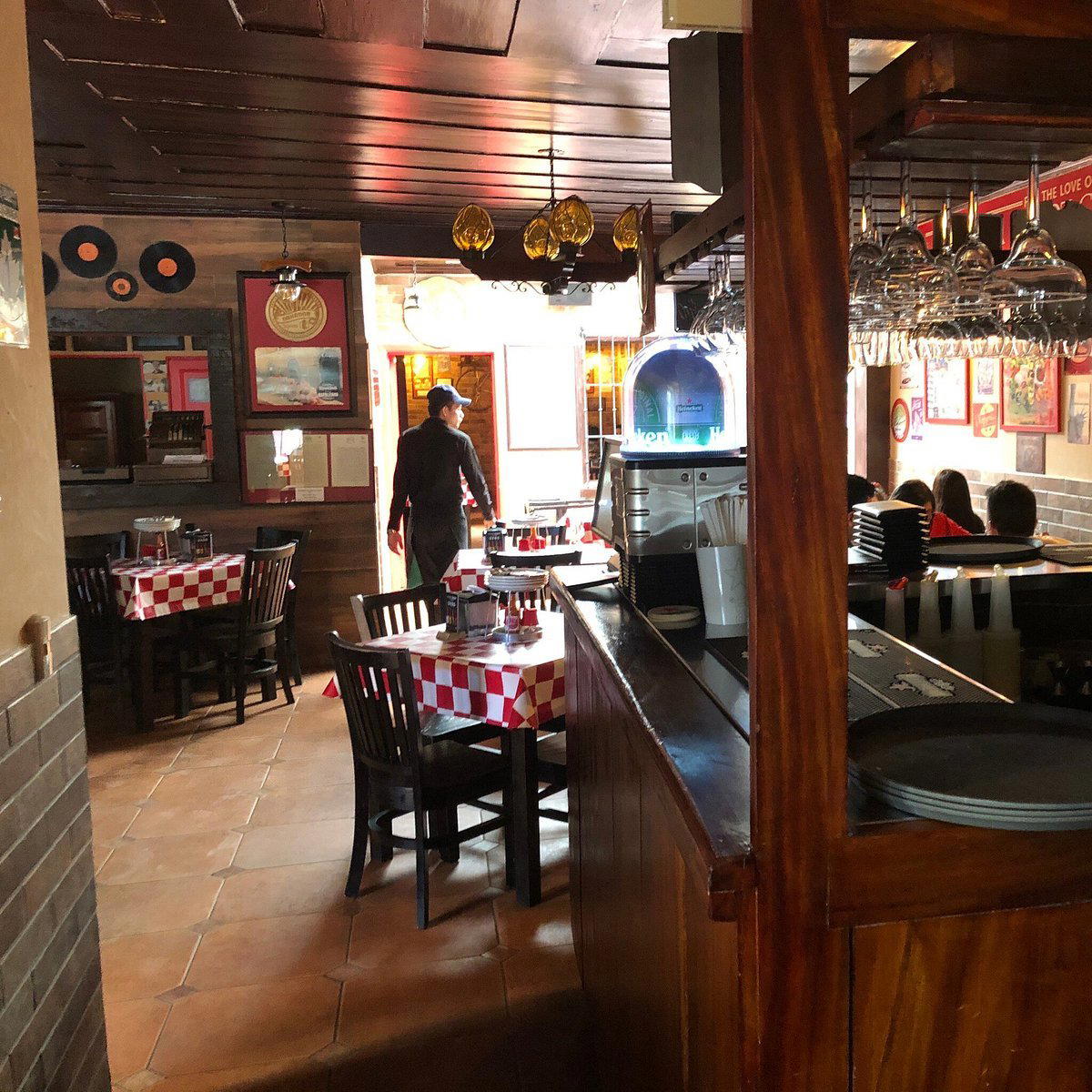
The setting is roadside and open-air, positioned at kilometer 55 on the highway to Lago de Coatepeque in the El Congo municipality of Santa Ana. The air carries smoke from active grills before the kitchen comes into view, which sets the tone: this is a working grill station, not a designed dining room. Expect the rhythms of passing highway traffic alongside a local crowd stopping on their way to or from the lake.
How does Los Asaditos de Coatepeque compare to other grills along the Lago de Coatepeque highway corridor?
Its km 55 position on the Carretera al Lago de Coatepeque places it squarely within a stretch known for roadside food stops serving the lake-bound traffic between El Congo and Santa Ana. What distinguishes it within this corridor is its specific address in El Congo municipality, which sits at the junction of western highlands sourcing routes and the lake road. The asadito tradition here reflects the same communal format found across Salvadoran roadside grilling, but the western highlands supply chain gives the beef and pork a geographic consistency that corridor stops closer to urban Santa Ana do not always share.
What should I order at Los Asaditos de Coatepeque?
The format centers on asaditos, meaning direct-fire grilled portions of beef and pork sourced from El Salvador's western highlands. The Coatepeque lake corridor sits within a region recognized for consistent beef and pork supply, so the grilled proteins are the main event here rather than supporting dishes. Arrive with a clear appetite for meat; the format does not aim for course-by-course structure.
Where exactly is Los Asaditos de Coatepeque?
Los Asaditos de Coatepeque is located at Carretera al lago de coatepeque km.55 el congo santa ana El Congo, Santa Ana, El Salvador, Coatepeque, Santa Ana, Coatepeque.
Fast Comparison
| Venue | Cuisine | Price | Awards |
|---|---|---|---|
| Los Asaditos de CoatepequeThis venue (the venue you are viewing) | Salvadoran Asados & Seafood | $10–20 | Not listed |
| El Xolo | Modern Salvadoran | $30–50 | World's 50 Best #87 · The Best Chef One Knife |
| La Clásica | Artisanal Italian-Style Pizza | $10–20 | 50 Top Pizza Latin America #5 |
| Las Brumas Grill & Cafe | Salvadoran Grill with Local Specialties | $10–20 | Not listed |
| Canada Bites | Canadian Burgers | $10–20 | Not listed |
| La Raclette | Central American Raclette & Fondue | $10–20 | Not listed |
Continue exploring
More in Coatepeque
Restaurants in Coatepeque
All restaurants in Coatepeque →
Hotels in Coatepeque
Browse all →
Details
- Rustic
- Scenic
- Casual Hangout
- Brunch
- Group Dining
- Waterfront
- Waterfront
- A La Carte
Casual rustic atmosphere with beautiful lake views and charming setting.