La Hola Beto's
Our verdict
Positioned in San Salvador's Zona Rosa district along Boulevard Sergio Viera de Mello, La Hola Beto's is a neighbourhood fixture that draws locals and visitors alike to one of the capital's more recognisable dining addresses. The Zona Rosa setting places it among a cluster of restaurants that define how the city eats out, from casual gatherings to longer evenings at the table.

Pearl is the En Primeur Club membership app, where members save venues, book tables and use the concierge.
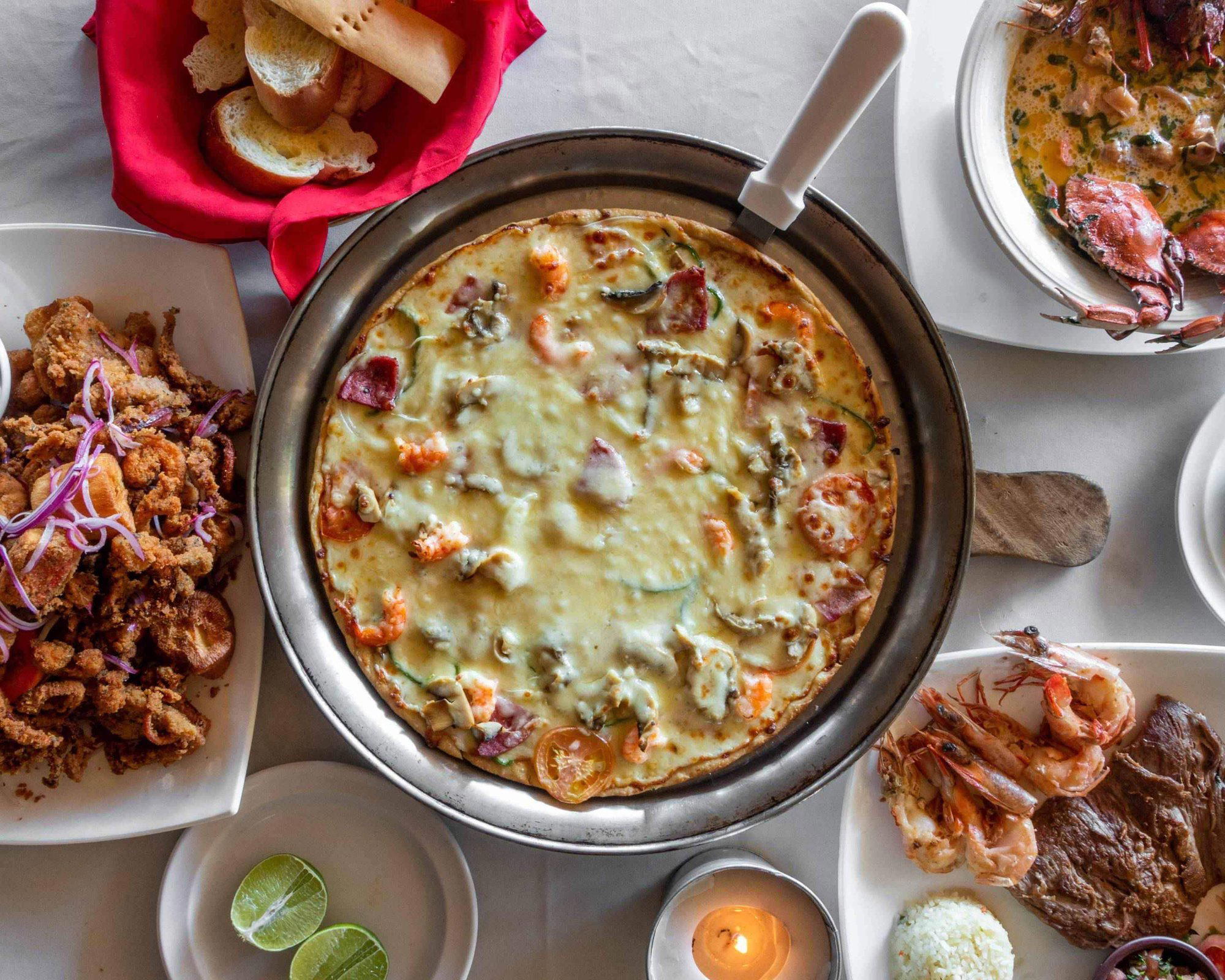
The menu
What to order
- Ceviche
- Guashimi
- Shrimp Enchiladas
- Pescado Ajo
- Paella
Zona Rosa and the Shape of San Salvador's Dining Scene
San Salvador's restaurant culture has always been stratified by neighbourhood before it is stratified by cuisine. Zona Rosa, the district running along Boulevard Sergio Viera de Mello where La Hola Beto's sits, functions as the city's most consistent address for sitting-down dining rather than market eating or street-side pupuserías. The boulevard draws a mix of Salvadoran professionals, expat residents, and travellers who have moved past the standard hotel-restaurant circuit. Within that context, a venue on Avenida Las Magnolias occupies a physical position that already signals a certain intention: this is dining as a considered social act, not a hurried one.
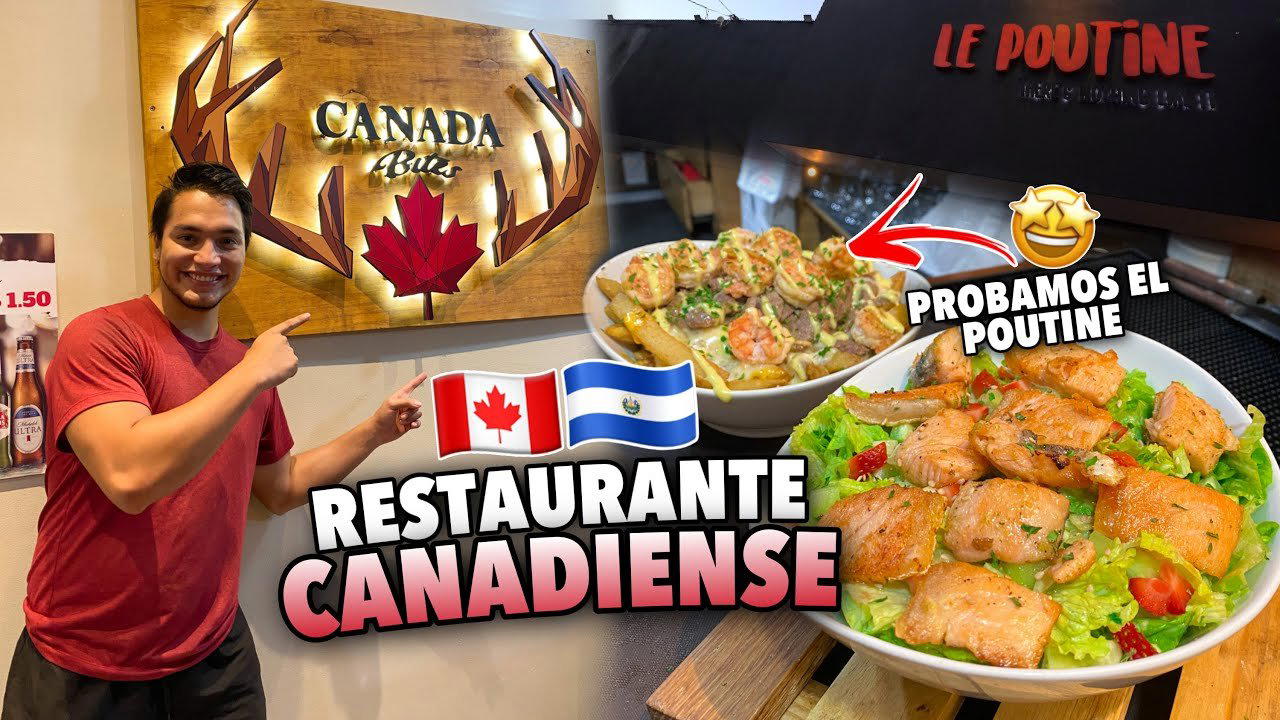
That neighbourhood positioning matters more in San Salvador than in cities with denser, more dispersed food cultures. Where a Mexico City or Bogotá diner might move fluidly between a dozen distinct barrios in a week, San Salvador's mid-to-upper dining tier consolidates around a handful of zones, and Zona Rosa is the one that has held its ground most durably. For comparison, venues like Canada Bites, El Xolo, La Clásica, and La Gastroteca each represent different registers of the city's dining conversation, and situating La Hola Beto's among them is a useful exercise in understanding where the capital's food culture currently sits.
Central American Dining Traditions and What They Ask of a Venue
Salvadoran food culture carries a particular tension: it is simultaneously deeply rooted in indigenous and mestizo traditions and increasingly open to the kind of regional-Latin and international cooking that has reshaped dining in Guatemala City, San José, and Panama. That tension plays out in every mid-range and above restaurant in San Salvador. Venues either lean into the local canon, building menus around corn, beans, loroco, and seafood from the Pacific coast, or they position themselves as part of a broader regional conversation that references Mesoamerican ingredients while reaching toward more cosmopolitan formats.
The name La Hola Beto's carries the kind of casual, affectionate familiarity common in Latin American restaurant naming, the sort of diminutive and personal address that signals approachability rather than formality. In Salvadoran Spanish, that register of naming tends to indicate a place that prioritises the warmth of the table over the architecture of the menu, where the social function of the meal takes precedence over technical display. Whether the kitchen leans toward traditional Salvadoran preparations or a broader Latin approach, that naming logic alone places La Hola Beto's in a different register than the more architecturally serious dining formats emerging in the city's higher-end tier.
For context on what that higher-end tier looks like internationally, consider the kind of format discipline and technical depth found at venues like Atomix in New York City or HAJIME in Osaka. San Salvador is not operating in that register, nor does it need to. The city's dining identity is still being written, and the more interesting venues are the ones that understand what Salvadoran hospitality actually means rather than importing formats that don't fit the social context.
The Zona Rosa Address: What the Location Signals
The specific address on Avenida Las Magnolias within Zona Rosa places La Hola Beto's in a corridor that functions as San Salvador's most legible dining and social district for those arriving from outside the city. The area's restaurant density means that visitors tend to self-select toward it, which in turn gives venues there a customer profile that blends local regulars with first-time visitors who are orientating themselves to the capital. That dynamic shapes how a restaurant like this operates: it needs to work for someone who already knows San Salvador's food culture and for someone who is encountering it for the first time.
Zona Rosa also sits within reach of several of the city's better-known hotels, which means that for travellers building an itinerary from a central base, the walk or short taxi ride to Avenida Las Magnolias is the most practical route into the city's sitting-down restaurant culture. Those who want to extend their reading of El Salvador's food and hospitality geography should also consider making the short drive to Las Brumas Grill and Cafe in Santa Tecla, or heading further afield to Restaurante La Fonda el Mirador in Suchitoto, La Raclette in Concepción de Ataco, or Los Asaditos de Coatepeque. Together, these addresses map a country whose food culture extends well beyond the capital's boulevard dining.
Planning a Visit: What to Know
In practical terms, this means that arriving earlier in an evening service, or during weekday lunch rather than weekend dinner, tends to give the most reliable access at venues in this district. The Zona Rosa address suggests evening trade is the primary pull, with the boulevard's social energy peaking after 7pm most nights of the week.
Those planning a broader stay in El Salvador will find that the country rewards sequential dining across cities rather than concentrating all meals in the capital. The full San Salvador restaurants guide provides the most current mapping of where the city's dining energy is concentrated, and serves as a practical companion for building an itinerary that uses Zona Rosa as a base while reaching into other districts and towns.
For travellers calibrating San Salvador against other international dining destinations, it is worth noting that the ambition of venues in cities like New Orleans, San Francisco, or at European addresses like Dal Pescatore in Runate, Quattro Passi in Marina del Cantone, or Reale in Castel di Sangro and Atelier Moessmer Norbert Niederkofler in Brunico represents a different set of ambitions and resources. San Salvador's Zona Rosa operates at a different scale, but the social intelligence of its leading tables is not diminished by that difference. The measure of a good meal in El Salvador is often less about what arrives on the plate and more about the room's sense of ease, and that is something the city's established Zona Rosa venues tend to deliver consistently. Le Bernardin in New York sets a reference point for technical seafood excellence that is instructive precisely because it illustrates what San Salvador is not trying to be.
Frequently asked questions
Is La Hola Beto's formal or casual?
The Zona Rosa address on Avenida Las Magnolias places La Hola Beto's in a corridor where dress codes run from neat casual to business-casual depending on the establishment.
What kind of dining experience does La Hola Beto's represent within San Salvador's food scene?
La Hola Beto's occupies the Zona Rosa corridor in San Salvador, a district that functions as the city's most legible benchmark for neighbourhood dining rather than destination fine dining. EP Club's database does not yet confirm cuisine type or chef, meaning the venue's specific positioning within that scene remains to be verified on the ground.
What's the best thing to order at La Hola Beto's?
Checking directly with the restaurant or visiting in person will give the clearest picture of what is being served.
How do I find La Hola Beto's?
La Hola Beto's is located at MQR6+FM2, Boulevard Sergio Viera de Mello y, Zona Rosa, Av. Las Magnolias, San Salvador, El Salvador, San Salvador.
How hard is it to get a table at La Hola Beto's?
Venues on Avenida Las Magnolias in Zona Rosa, the city's most active dining strip, can see compressed demand on weekend evenings, so reaching out ahead of time is advisable regardless of the venue's specific policy.
Booking and Cost Snapshot
| Venue | Cuisine | Price | Awards |
|---|---|---|---|
| La Hola Beto'sThis venue (the venue you are viewing) | Salvadoran Seafood | $10–20 | Not listed |
| El Xolo | Modern Salvadoran | $30–50 | World's 50 Best #87 · The Best Chef One Knife |
| La Clásica | Artisanal Italian-Style Pizza | $10–20 | 50 Top Pizza Latin America #5 |
| La Gastroteca | Modern European Fine Dining | Not listed | Not listed |
| Canada Bites | Canadian Burgers | $10–20 | Not listed |
Continue exploring
More in San Salvador
Restaurants in San Salvador
All restaurants in San Salvador →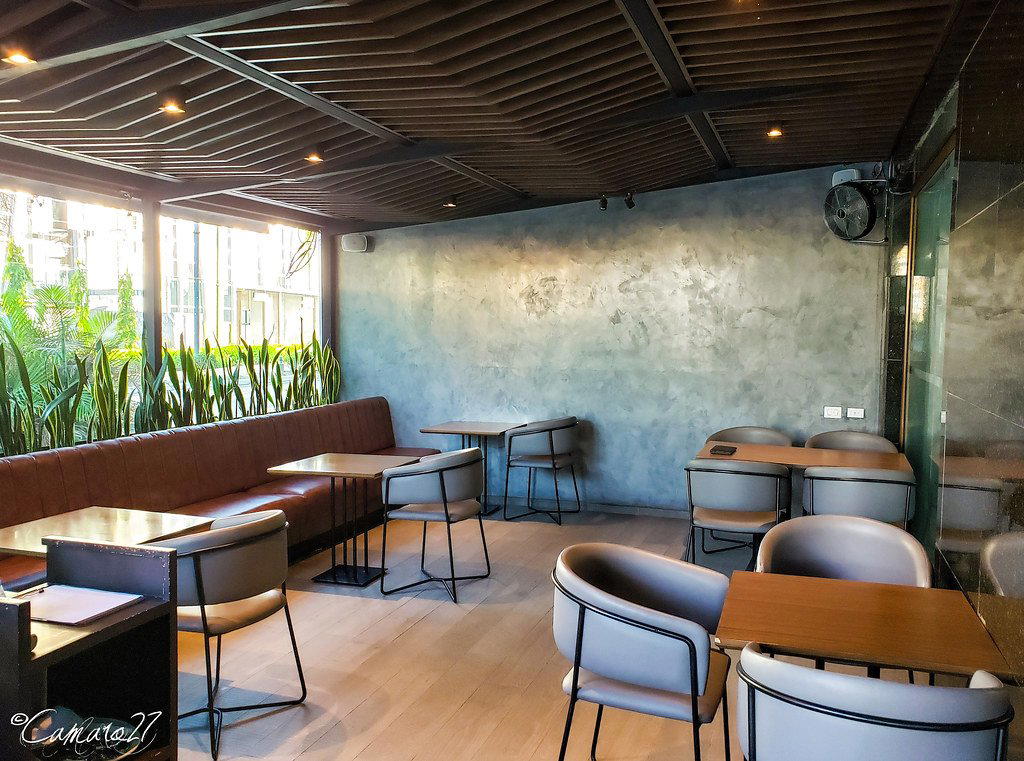
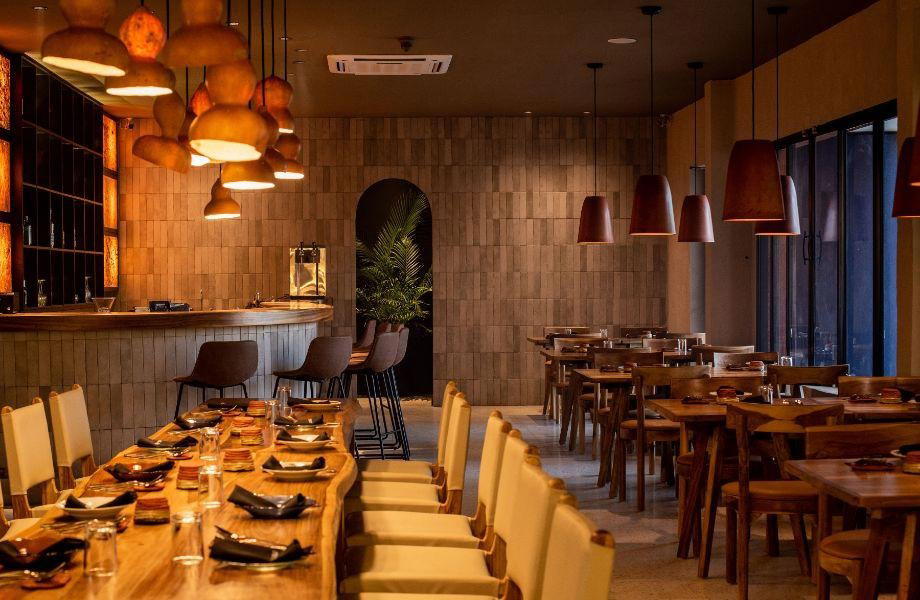
Hotels in San Salvador
Browse all →
Details
- Well Known
- Casual
- Lively
- Casual Hangout
- Family
- Group Dining
- Standalone
- Beer Program
- Sustainable Seafood
- A La Carte
- Family Style
- Beer
- Cocktails
- Pescatarian Friendly
Current opening hours
- Monday
- 12–10 PM
- Tuesday
- 12–10 PM
- Wednesday
- 12–10 PM
- Thursday
- 12–10 PM
- Friday
- 12–10 PM
- Saturday
- 12–10 PM
- Sunday
- 12–10 PM
Hours can change for holidays and private events. Hours as of .
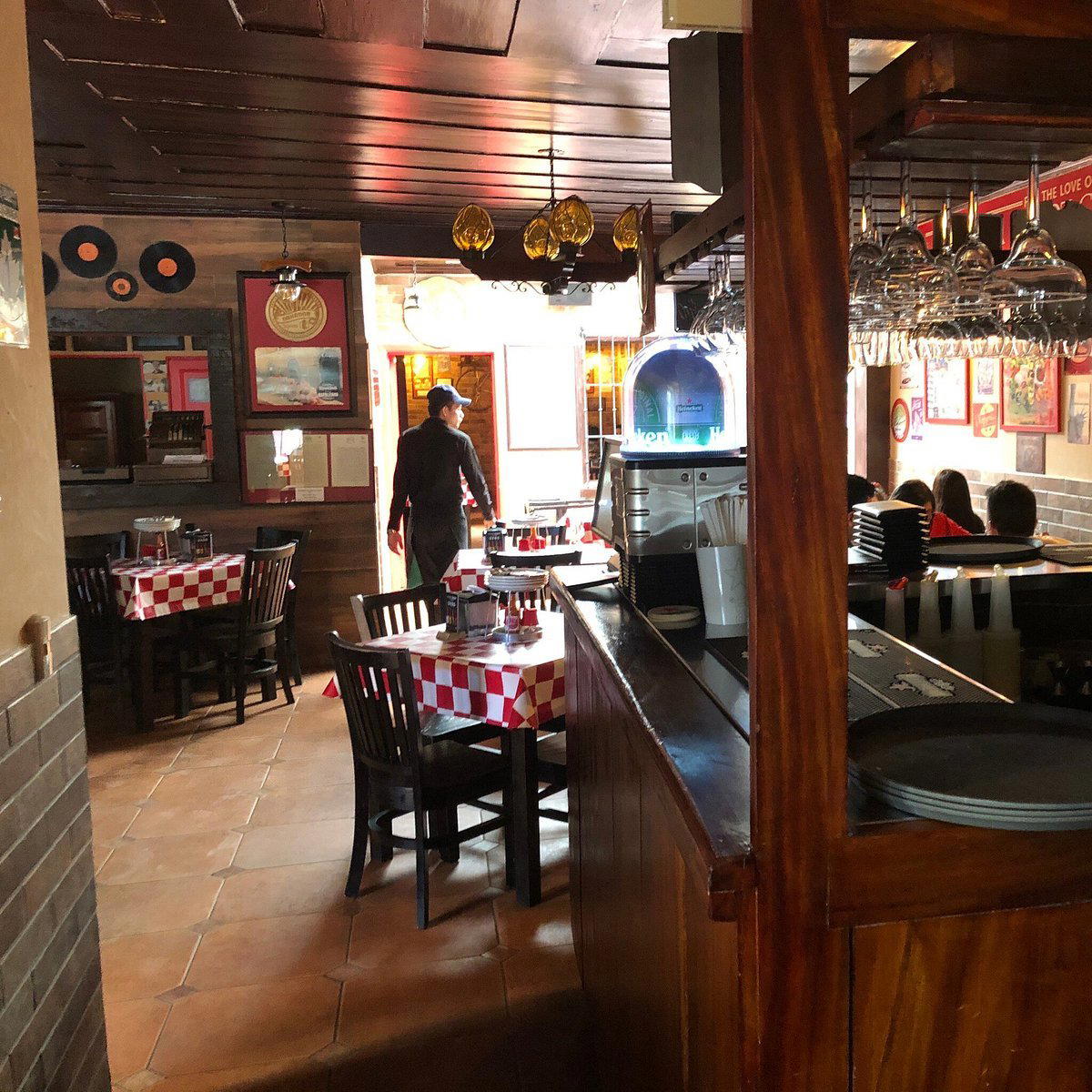
Casual and lively with a family-friendly atmosphere; food is served fresh and ready, creating an energetic dining environment.