Restaurante El Bajío
Restaurante El Bajío occupies a place in Mexico City's Centro Histórico where traditional regional cooking takes precedence over trend-chasing. The kitchen draws from the ingredient traditions of central and Gulf-coast Mexico, making it a reference point for anyone tracing the supply chain behind the capital's more celebrated dining rooms. For visitors who want to understand where Mexico City's food culture is rooted, El Bajío is a useful anchor.
Pearl is the En Primeur Club membership app — saves, bookings, and concierge access live there. Same editors, same standards.
- Address
- Simón Bolívar 14, Centro Histórico de la Cdad. de México, Centro, Cuauhtémoc, 06080 Ciudad de México, CDMX, Mexico
- Phone
- +52 55 5521 4376
- Website
- restauranteelbajio.com.mx
- Directions
- Get directions
 Saves & bookings on Pearl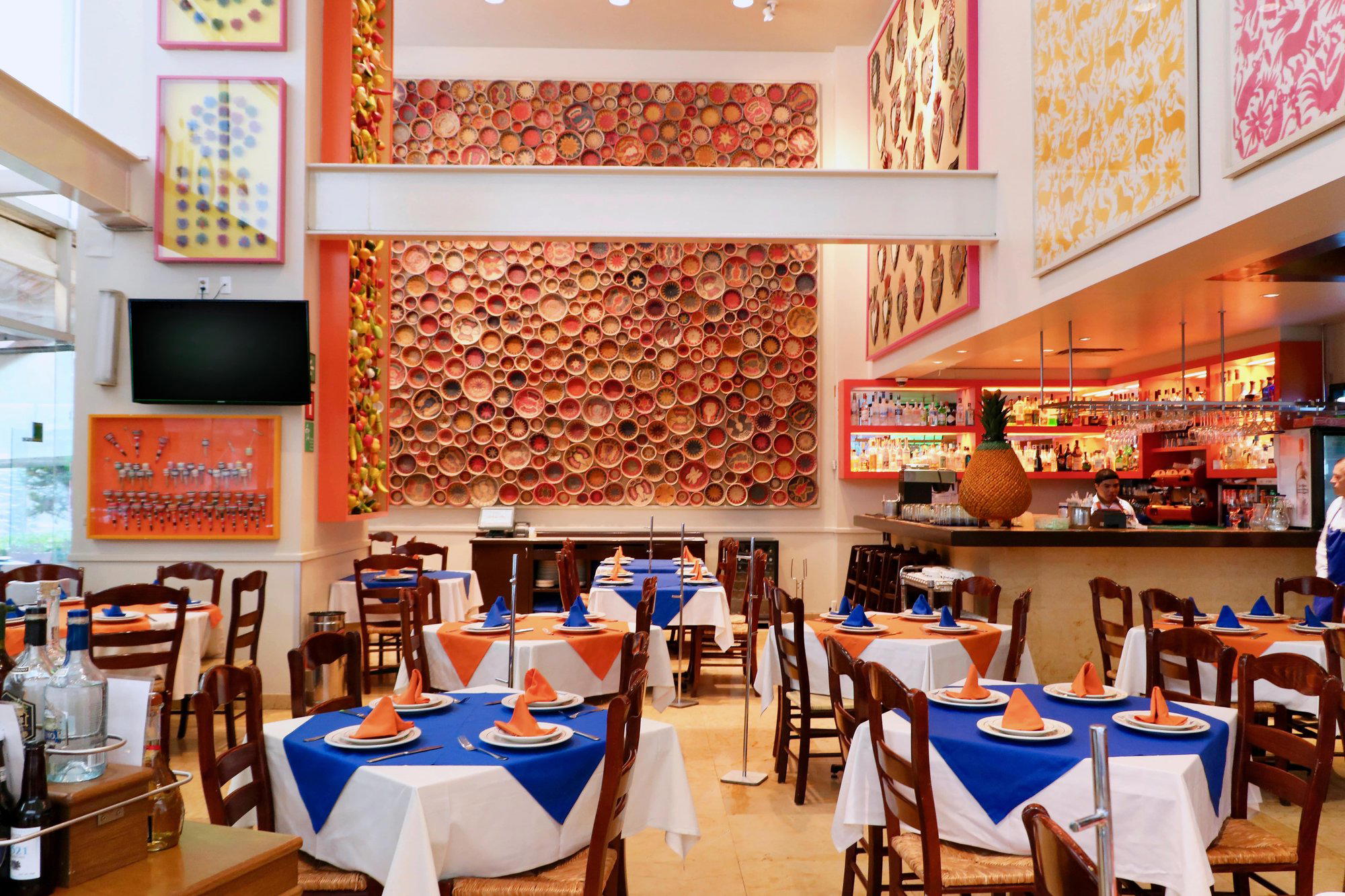
A Street Address in the Centro, a Curriculum in Mexican Ingredients
The Centro Histórico is one of the few neighbourhoods in Mexico City where the built environment still insists on a certain seriousness. Baroque facades, colonial courtyards, and the slow churn of street vendors selling tlayudas and tamales create a context in which a restaurant cannot simply coast on design. What sits on the plate carries the weight. Restaurante El Bajío, at Simón Bolívar 14, operates in that context, and the address tells you something before you sit down: this is not Polanco, not Roma Norte, not the Condesa. The Centro rewards restaurants that understand the neighbourhood's appetite for substance over spectacle.
The name itself is geographical: El Bajío is the agricultural heartland of central Mexico, a high plateau corridor stretching through Guanajuato, Querétaro, Aguascalientes, and Michoacán. That region is responsible for an outsized share of Mexico's grain, vegetable, and protein production, and its culinary traditions run through the cooking of chiles en nogada, carnitas, birria, and a dozen regional mole variants. A restaurant that takes this region as its identity is making a statement about ingredient provenance before a single dish arrives.
Why Provenance Matters More Here Than in Polanco
Mexico City's most-discussed restaurants in recent years have occupied a particular tier: Pujol and Quintonil operate at the $$$$ level with tasting menus that reinterpret Mexican ingredients through a contemporary lens. Em sits at the $$$ tier and occupies a similar interpretive mode. Rosetta and Sud 777 approach Mexican produce from creative and international angles respectively.
El Bajío's positioning is different. The kitchen's frame of reference is not the international tasting menu format but the regional Mexican table: the kind of cooking that begins with a specific chile variety from a specific growing area, a particular cut of pork from a specific rearing tradition, a corn masa whose character depends on the cultivar and the nixtamalization process. This places it in a different competitive conversation than Pujol or Quintonil, and closer in spirit to the tradition-first approach you see at places like Levadura de Olla in Oaxaca or Huniik in Merida, both of which root their menus in the ingredient and technique traditions of their respective regions rather than in global fine-dining grammar.
Across Mexico, a subset of serious kitchens has moved toward what might be called supply-chain cooking: restaurants whose menus are essentially arguments about where ingredients come from and why that geography matters. Animalón in Valle de Guadalupe does this through Baja California's wine-country agriculture. Olivea Farm to Table in Ensenada takes the argument to its logical conclusion with on-site production. KOLI Cocina de Origen in Monterrey and Alcalde in Guadalajara both structure their identity around regional northern and western ingredient traditions. El Bajío belongs to this current, applied to the central Mexican plateau.
The Centro Histórico as Dining Context
Understanding where El Bajío sits physically matters for managing expectations about the surrounding area. The Centro Histórico is a working district: government offices, markets, churches, and street food stalls coexist at a density that can feel overwhelming on a first visit. Weekday lunch is the neighbourhood's primary dining tempo, driven by office workers and market traders rather than tourist circuits. This shapes the kind of restaurant that survives here: places that deliver consistent, ingredient-led cooking at a pace that accommodates the midday meal rather than the long tasting-menu evening.
For comparison, the high-end tasting-menu scene clusters in Polanco and the Roma-Condesa corridor. Visitors coming to El Bajío from those neighbourhoods will notice the shift in register immediately: the Centro operates at a different frequency, and a restaurant that fits this neighbourhood is serving a different purpose in Mexico City's dining ecosystem. This is not a criticism; it is a structural observation about how the city organises its food culture by geography.
What the Ingredient Tradition Tells You About the Menu
The Bajío region's agricultural identity is built on a few key pillars: maíz criollo (heirloom corn varieties that predate industrial agriculture), a diversity of dried chiles with regionally specific flavour profiles, and pork-rearing traditions that produce the raw material for carnitas and chicharrón in their most technically demanding forms. A kitchen that takes this region seriously will show those ingredients in dishes that don't dilute or recontextualise them beyond recognition.
This approach contrasts with the creative-Mexican format seen at restaurants like Le Chique in Puerto Morelos or, internationally, at Korean-American tasting counters like Atomix in New York, where ingredient identity is one variable among many in a technically complex dish. At El Bajío, the ingredient is the argument. The technique exists to serve the source material, not to transform it into something that signals kitchen ambition.
For visitors interested in tracing these supply chains further, Lunario in El Porvenir and Pangea in San Pedro Garza García offer northern Mexican interpretations of the same provenance-first logic. HA' in Playa del Carmen extends it to the Yucatecan and coastal context. The pattern across all of these is a turn away from international technique as status signal and toward the specificity of Mexican regional agriculture as the primary source of culinary authority. See our full Mexico City restaurants guide for a broader map of where this argument plays out across the capital.
Planning Your Visit
The available venue data for El Bajío does not include hours, pricing, or booking method, so the table below contextualises it against known peers to help calibrate expectations.
| Venue | Neighbourhood | Price Tier | Format | Booking |
|---|---|---|---|---|
| Restaurante El Bajío | Centro Histórico | Not confirmed | Regional Mexican | |
| Pujol | Polanco | $$$$ | Tasting menu / à la carte | Online reservation required |
| Quintonil | Polanco | $$$$ | Tasting menu | Online reservation required |
| Em | Roma Norte | $$$ | Tasting menu | Online reservation |
| Comedor Jacinta | Mexico City | $$ | Mexican | Walk-in friendly |
Lunch hours are the standard operating window for Centro Histórico restaurants of this type; an early arrival on a weekday typically offers the leading chance of a table without a wait.
How Restaurante El Bajío Mexico City compares with similar nearby venues.
| Venue | Cuisine | Price |
|---|---|---|
| Limosneros | Mexican | $$ |
| Azul Histórico | Mexican | Not listed |
Continue exploring
More in Mexico City
Restaurants in Mexico City
Browse all →
Bars in Mexico City
Browse all →




At a Glance
- Classic
- Rustic
- Well Known
- Family
- Casual Hangout
- Group Dining
- Historic Building
Current opening hours
- Monday
- 8 AM–10 PM
- Tuesday
- 8 AM–10 PM
- Wednesday
- 8 AM–10 PM
- Thursday
- 8 AM–10 PM
- Friday
- 8 AM–10 PM
- Saturday
- 8 AM–10 PM
- Sunday
- 8 AM–10 PM
Hours can change for holidays and private events. Last verified .
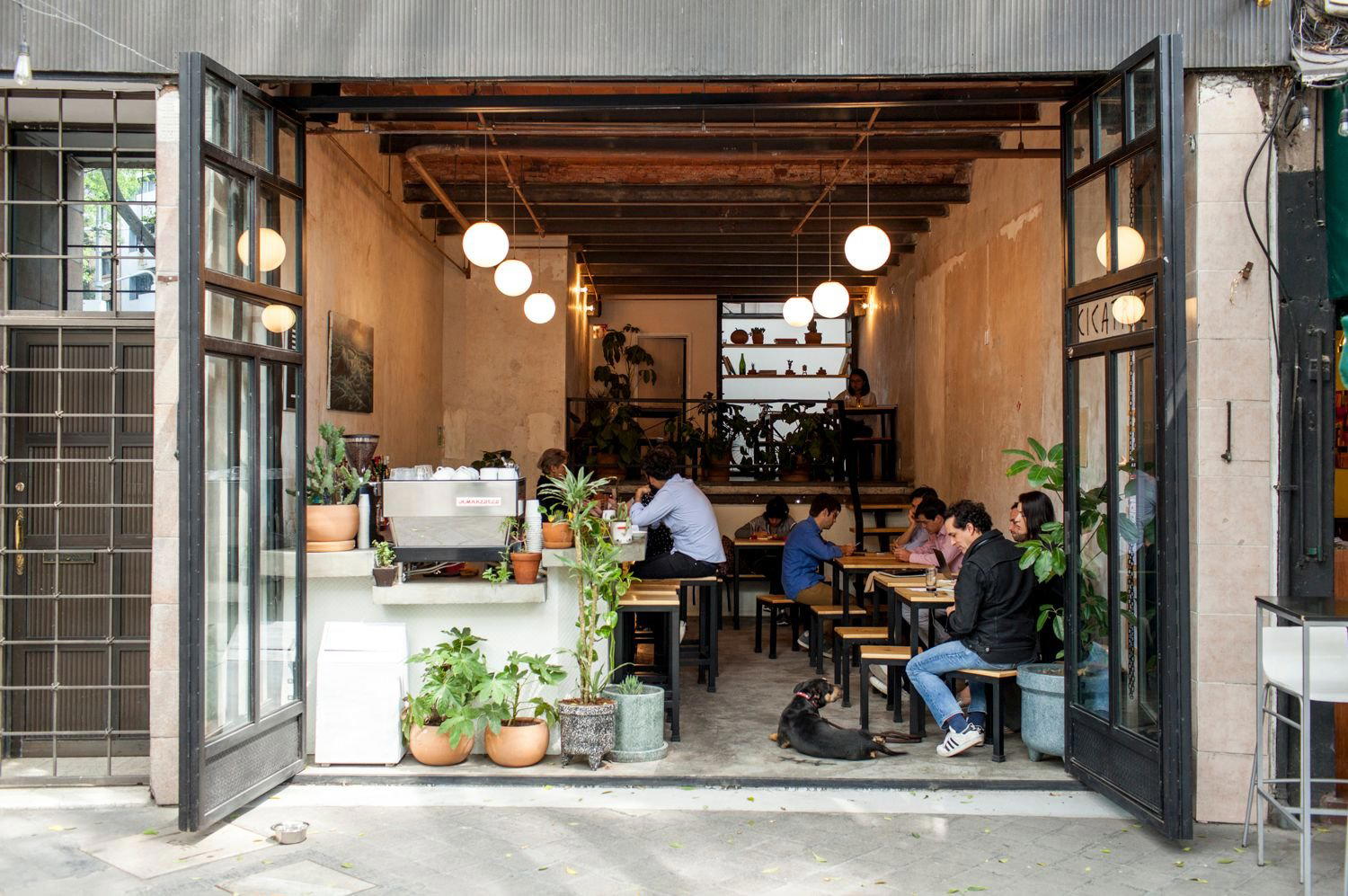
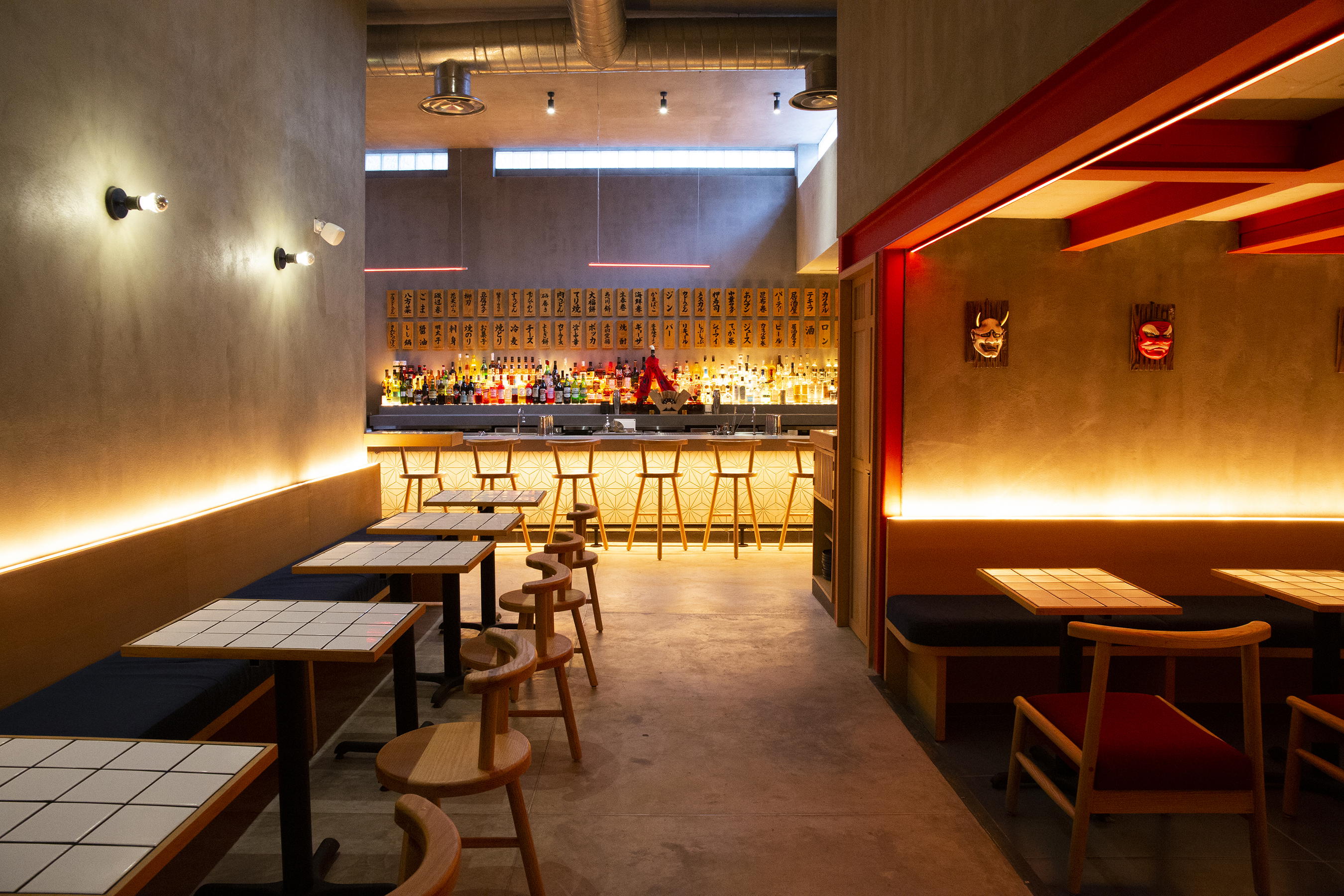
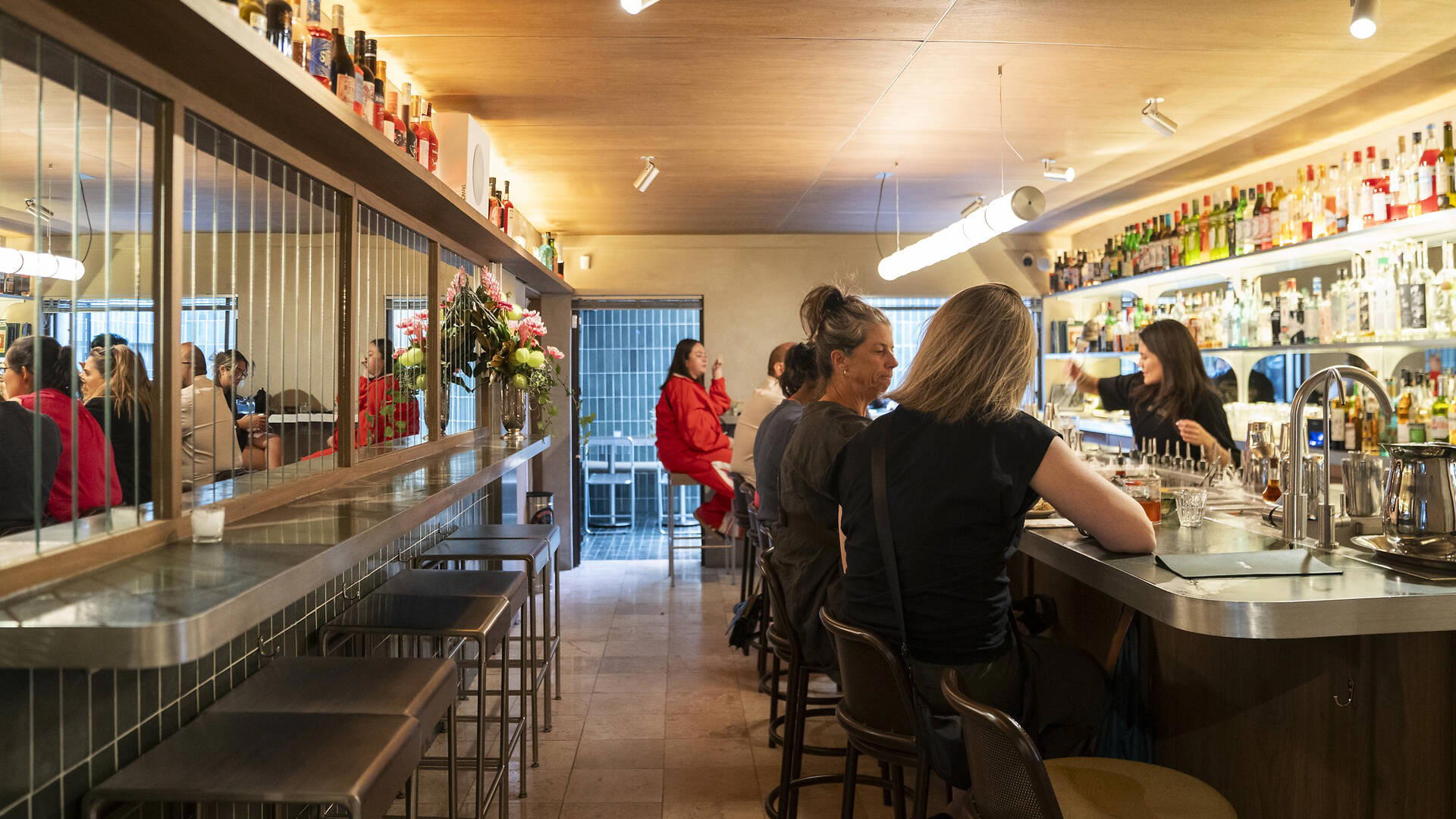
Colorful and traditional Mexican decor creating a lively yet comfortable atmosphere for enjoying authentic cuisine.
Know Before You Go
- Getting there
- Simón Bolívar 14, Centro Histórico de la Cdad. de México, Centro, Cuauhtémoc, 06080 Ciudad de México, CDMX, Mexico