Restaurante Cantinho da Roça Artêmia Pires
Our verdict
In the Sim neighbourhood of Feira de Santana, Cantinho da Roça Artêmia Pires operates within a dining tradition that prizes Bahian pantry ingredients over imported refinement. The address on Rua Cores places it inside a city that has long served as a distribution hub for the sertão's agricultural output, and that geography shapes what ends up on the plate. For travellers moving through the interior of Bahia, it represents the kind of neighbourhood table that coastal restaurant circuits rarely replicate.

Pearl is the En Primeur Club membership app — saves, bookings, and concierge access live there. Same editors, same standards.

Feira de Santana's Table: Where the Sertão Feeds the City
Feira de Santana is not a city that positions itself on Brazil's fine-dining circuit, and that is precisely what makes it instructive. Sitting roughly 100 kilometres inland from Salvador along the BR-116, it functions as the commercial crossroads of the Bahian interior, drawing produce, livestock, and dry-goods trade from across the sertão. That supply chain has, over generations, built a local food culture that is less aspirational than it is direct: ingredients arrive fresh because the distances are short, and the cooking reflects what the land actually produces rather than what coastal import markets supply.
Cantinho da Roça Artêmia Pires, addressed at Rua Cores 61 in the Sim district, operates inside that tradition. The name itself signals the register: roça in Brazilian Portuguese refers to smallholder farmland, the kind of worked ground that produces feijão, mandioca, milho, and the cuts of pork and beef that have anchored Bahian interior cooking for centuries. A restaurant that places roça in its name is making a sourcing declaration before a single dish arrives.
The Sourcing Logic of Interior Bahian Cooking
To understand what a restaurant like Cantinho da Roça Artêmia Pires is doing, it helps to understand the ingredient geography of the Bahian interior. The sertão's cuisine is built around storage, preservation, and seasonality in a climate that alternates between drought and rain. Carne-de-sol, the sun-cured beef that appears across the northeast, requires the dry heat of the interior to cure correctly; the versions produced in coastal cities are approximations. Farinha de mandioca, milled from cassava grown in the agreste zone between the coast and the sertão proper, carries textural and flavour distinctions that differ across micro-regions. Queijo coalho, the fresh curd cheese that appears grilled alongside most meals, is produced by small dairies that supply markets within a radius that coastal buyers rarely access.
Feira de Santana's position as a wholesale market city means those ingredients flow through it in volume. A neighbourhood restaurant in the Sim district is closer to that supply chain than most urban establishments in Brazil's wealthier southern states. This is the structural advantage that interior Bahian cooking holds over the modernist Brazilian restaurants operating in São Paulo and Rio, where sourcing from the northeast requires deliberate supply-chain investment. At venues like D.O.M. in São Paulo or Lasai in Rio de Janeiro, Brazilian regional ingredients arrive as the result of intentional chef-driven procurement programs. In Feira de Santana, that proximity is simply the condition of the market.
What the Sim Neighbourhood Tells You About the Venue
The Sim district is a working residential neighbourhood rather than a tourism-facing dining corridor. Restaurants that anchor themselves in areas like this tend to serve a local clientele with consistent expectations: portions that reflect the caloric demands of a working day, pricing that scales to local household budgets, and cooking that does not require explanation. That context shapes the experience before you sit down. The physical approach along Rua Cores is residential in character, without the commercial signage density of a city-centre strip.
This positioning places Cantinho da Roça Artêmia Pires in a category that Brazil's interior cities produce quietly and that larger restaurant guides rarely document. It is not competing with the experiential ambition of a place like Bistro Fitz Carraldo in Manaus or the Italian-heritage cooking found at Cantina Pozzobon in Santa Maria. Its competitive set is entirely local: the other neighbourhood tables in Feira de Santana that serve the same roça-sourced ingredients to the same returning customers. Restaurante Casa de Moá represents another point in that same local field.
Reading Interior Bahian Menus
Across the Bahian interior, restaurant menus tend to follow a logic of abundance over curation. The buffet-style prato feito format, where a fixed or near-fixed price covers rice, beans, protein, farofa, and salad, remains the dominant service model at neighbourhood restaurants. Proteins rotate by day and by market availability rather than by a fixed printed menu, which means what is on offer on a Tuesday after feira day will differ from what is available mid-week. This is not inconsistency; it is the cooking responding to what arrived that morning.
Vegetable and grain components in this tradition are rarely decorative. Feijão carioca or feijão fradinho cooked with carne-de-sol, mandioca prepared as mashed puree or fried, and couve refogada dressed with garlic and oil are structural elements of the plate, not sides. For travellers accustomed to the architecture of a tasting menu, the register of interior Bahian cooking can initially read as plain. The intelligence is in the ingredient quality and the consistency of execution, not in compositional complexity. Compare the approach to the high-intervention creative menus at Le Bernardin in New York City or Atomix in New York City, and the distance in intent becomes clear: those kitchens build meaning through technique; this tradition builds meaning through proximity to source.
Planning a Visit
Cantinho da Roça Artêmia Pires is located at Rua Cores 61, Sim, Feira de Santana, Bahia. Feira de Santana is accessible by road from Salvador in approximately 90 minutes, and the city's bus terminal connects to destinations across the Bahian interior. The Sim district sits away from the centre, so a taxi or rideshare from the bus terminal or central accommodation is the practical approach. Lunch service is the primary meal format at most neighbourhood restaurants in this category across the Bahian interior, and midday visits align with when roça-style cooking is typically at its fullest. For a broader view of where this restaurant sits within the city's dining options, our full Feira de Santana restaurants guide maps the range.
Travellers building itineraries around Brazilian regional food can usefully cross-reference venues in adjacent culinary traditions: Casa da Dika Restô e Eventos in Bragança, Casa da Flor Restaurante in Dourados, and Madê in Santos each occupy different regional registers that illustrate how far Brazil's interior and coastal cooking traditions diverge. Further afield, Arte e Café Imperial in Angra dos Reis, Aero Burguer e Grill in Santa Cruz do Sul, Casa da Picanha Penedo in Itatiaia, Famosa Pizza in Ribeirão Preto, Fornazzo Pizzaria in Passo Fundo, Kampeki Sushi in Canoas, and Bistrô Vila Graziella in Bauru offer comparison points across Brazil's diverse restaurant categories.
Frequently asked questions
What's the address for Restaurante Cantinho da Roça Artêmia Pires?
Restaurante Cantinho da Roça Artêmia Pires is located at R. Cores, 61 - Sim, Feira de Santana - BA, 40301-110, Brazil, Feira De Santana.
Is Cantinho da Roça Artêmia Pires a good option for experiencing traditional Bahian interior food in Feira de Santana?
Feira de Santana is one of the largest cities in Bahia's interior and a long-established centre for the region's agricultural trade, which shapes the cooking found in its neighbourhood restaurants. Cantinho da Roça Artêmia Pires is located in the Sim district, a residential area with no particular tourism infrastructure, meaning the kitchen is oriented toward local diners rather than visitors. That positioning is itself a signal of authenticity within the sertão-rooted Bahian tradition.
What should I eat at Restaurante Cantinho da Roça Artêmia Pires?
The restaurant sits within the interior Bahian tradition of abundance-forward cooking rooted in sertão ingredients — expect preparations built around sun-dried beef, slow-cooked legumes, and the staple grains of the Bahian interior. Feira de Santana's position as a major distribution hub for regional produce means kitchens in this tradition draw from a wide base of local suppliers. The menu likely follows the prato feito format standard across this part of Bahia, where a set or low-fixed price covers protein, sides, and rice-and-bean combinations.
Do I need a reservation for Restaurante Cantinho da Roça Artêmia Pires?
No reservation contact details are publicly documented for this address at Rua Cores 61, Sim, Feira de Santana. Restaurants operating in the neighbourhood prato feito format across working residential districts like Sim typically seat walk-in guests on a first-come basis, with peak demand concentrated around the midday lunch service. Arriving before noon on weekdays is the practical approach in venues of this type.
Comparison Snapshot
Comparable venues nearby, for context on price, style, and recognition.
| Venue | Cuisine | Price | Notes |
|---|---|---|---|
| Restaurante Cantinho da Roça Artêmia PiresThis venue — the venue you are viewing | Brazilian Casual | $10–20 | Not listed |
| Restaurante Casa de Moá | Regional Brazilian Contemporary | $20–30 | Capuchinhos |
| Lobby Café | Brazilian Café | $10–20 | Belem |
| Roberta Sudbrack | Modern Brazilian | Not listed | Jardim Botânico |
| Casa Castanho | Brazilian Cafe Brunch | Not listed | Rio Vermelho |
| Alfredo'Ro | Classic Italian Seafood | Not listed | Ondina |
Continue exploring
More in Feira De Santana
Restaurants in Feira De Santana
All restaurants in Feira De Santana →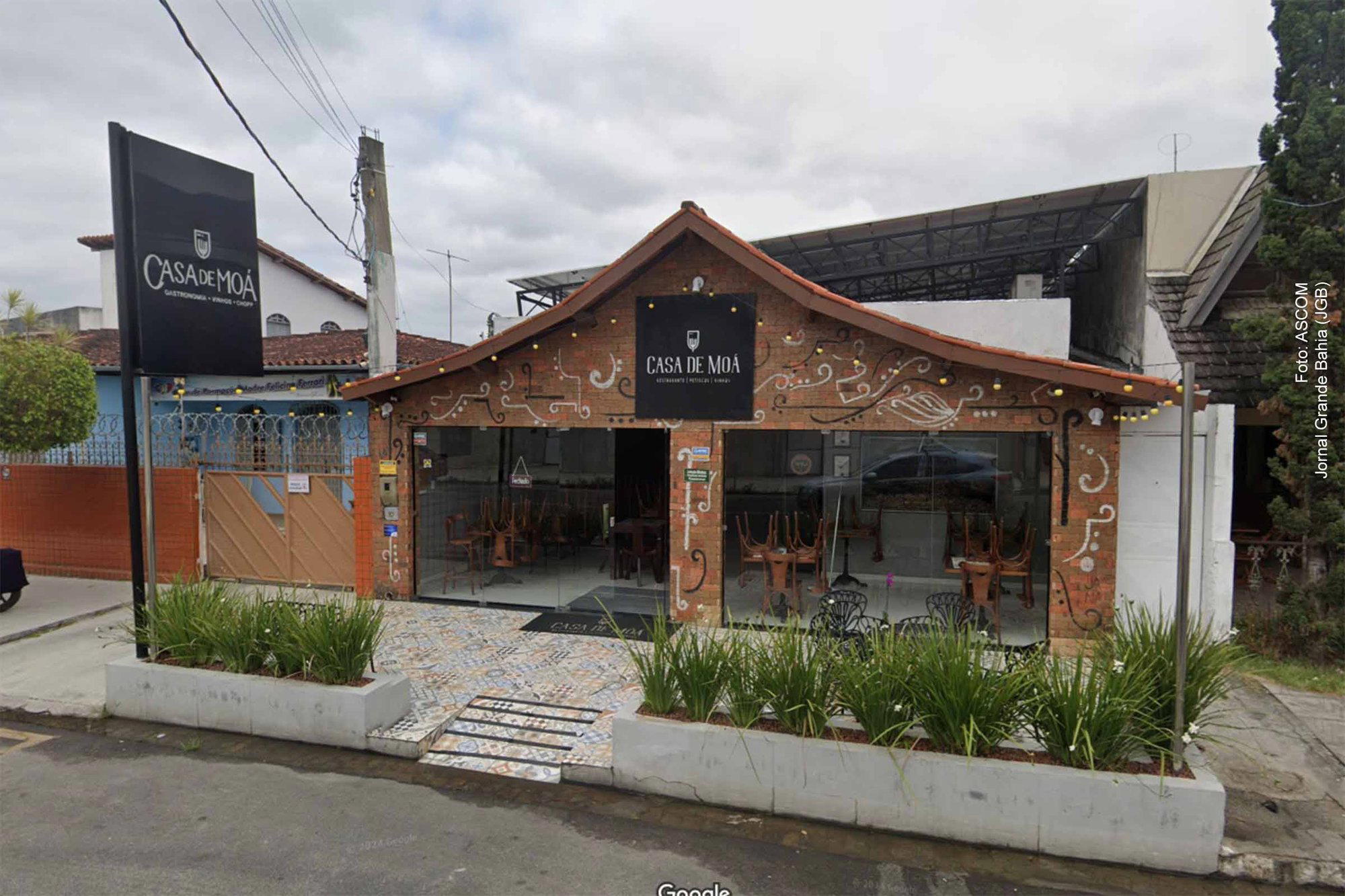
Details
- Rustic
- Lively
- Family
- Casual Hangout
- A La Carte
Current opening hours
- Monday
- 11 AM–11 PM
- Tuesday
- 11 AM–11 PM
- Wednesday
- 11 AM–11 PM
- Thursday
- 11 AM–11 PM
- Friday
- 11 AM–2 AM
- Saturday
- 11 AM–2 AM
- Sunday
- 11 AM–11 PM
Hours can change for holidays and private events. Last verified .
Movimentado and family-friendly atmosphere with parks for children.