Sitting in the shadow of Tarragona's cathedral, La Braseria La Catedral draws on the city's role as a gateway between inland Catalan agriculture and the Mediterranean coast. The braseria format, open-fire cooking, local product, minimal mediation, places it in a mid-tier price bracket that suits the neighbourhood's working character. For visitors moving through the old Roman city, it offers an entry point into Tarragona's grilled-meat and seafood traditions.
Pearl is the En Primeur Club membership app — saves, bookings, and concierge access live there. Same editors, same standards.
- Address
- Braseria La catedral 18, Carrer de les Coques, 9, 43003 Tarragona, Spain
- Phone
- +34679502682
- Website
- braserialacatedral.com
- Directions
- Get directions
 Saves & bookings on Pearl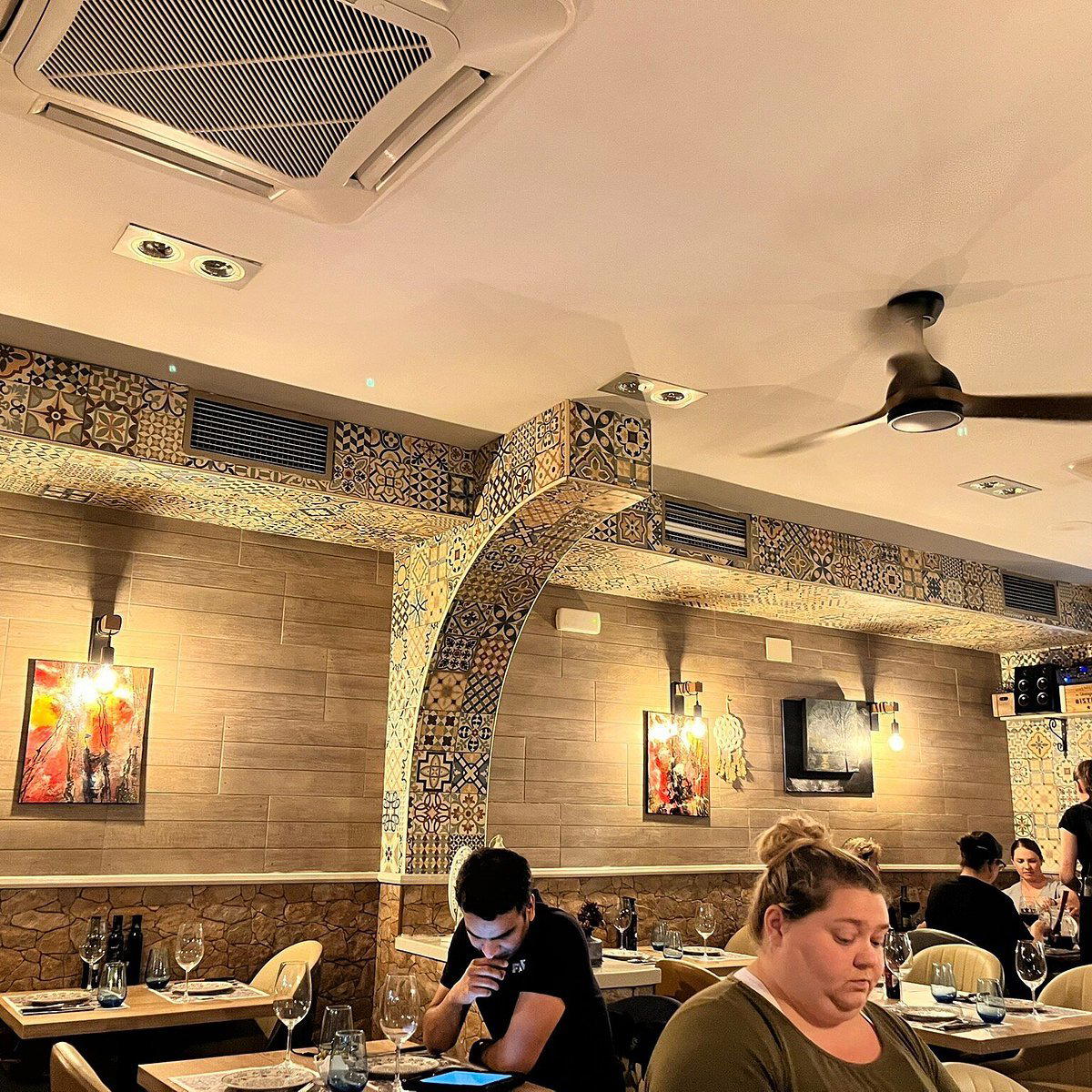
Cooking Over Fire in the Shadow of Roman Tarragona
Tarragona's old city operates on a different register from Barcelona, 100 kilometres up the coast. The Roman walls, the cathedral quarter, the narrow streets of the Parte Alta, these are not backdrops for a self-consciously modern dining scene. They are a working neighbourhood, and the restaurants that have survived here longest tend to cook in formats that predate the tasting-menu era: rice, grilled fish, braseria. Restaurante Braseria La Catedral, at Carrer de les Coques 9, sits inside that tradition. The address itself tells you something about its orientation: a side street in the medieval quarter, close enough to the cathedral that the stone architecture defines the approach on foot.
The braseria format is worth understanding as a category before treating it as a venue. In Catalan cooking, the braseria describes a specific relationship between fire, animal protein, and the cook. It is not a barbecue restaurant in the North American sense, nor a parrilla in the Argentine tradition. The heat source is charcoal or wood, the cuts tend toward whole portions rather than processed preparations, and the role of the kitchen is largely to select and apply heat rather than to transform. This restraint places real pressure on sourcing: when there is no sauce to compensate and no technique to distract, the quality of the raw material is the dish.
Where the Ingredients Come From, and Why That Matters Here
Tarragona's geographical position makes ingredient sourcing a genuinely interesting editorial subject. The city sits at the edge of two productive zones that rarely intersect this cleanly on a single menu. To the south and east, the Costa Daurada coastline delivers fish and shellfish from the Mediterranean, including the fishing port at Tarragona itself and the more commercially significant port at nearby communities covered in our full Tarragona restaurants guide. To the west and inland, the Conca de Barberà and the plains of Camp de Tarragona produce lamb, pork, and game that have supplied the city's markets for centuries. A braseria that takes its format seriously can draw from both pools within a short supply radius.
This dual sourcing dynamic distinguishes Tarragona's braseria tradition from, say, the fish-forward grilling culture of a coastal-only town, or the meat-centric parrilla culture of the Aragonese interior. The city's position means the grill can move between surf and land without either feeling imported. That flexibility, exercised well, is what makes the format coherent rather than confused.
Across Spain's broader restaurant culture, the sourcing argument has become more codified at the high end. Restaurants like Aponiente in El Puerto de Santa María have built entire creative identities around hyper-local marine sourcing, while El Celler de Can Roca in Girona and Azurmendi in Larrabetzu treat regional ingredient provenance as both an ethical and a creative position. At the braseria tier, the conversation is less theorised but the dependency is just as real, more so, because there is nowhere else to hide.
Where La Catedral Sits in Tarragona's Eating Options
Tarragona's restaurant tier structure is not complicated. The city has a small number of destination-level addresses and a larger mid-range sector where price and format suit a population that eats out regularly rather than occasionally. La Braseria La Catedral operates in the mid-range bracket, which in the Parte Alta means it competes primarily on consistency, product quality, and the authenticity of its format rather than on prestige or creative ambition.
Comparison with nearby addresses clarifies the positioning. Barquet Tarragona takes a regional cuisine approach at a similar price point, leaning more heavily into traditional Catalan preparations. El Terrat operates at a higher price tier with modern cuisine that addresses a different appetite. Aromatic and El Cup Vell represent further options in the city's mid-range. AQ, which holds Michelin recognition, operates in a different tier entirely. La Catedral's braseria identity gives it a distinct position among these: it is the format that most directly connects the diner to Tarragona's cooking traditions without requiring the formal context of a white-tablecloth room or the creative framing of a tasting menu.
For comparison at the upper end of the Spanish dining spectrum, the contrast with venues like DiverXO in Madrid, Arzak in San Sebastián, Martin Berasategui in Lasarte-Oria, Mugaritz in Errenteria, Quique Dacosta in Dénia, Ricard Camarena in València, or Cocina Hermanos Torres in Barcelona is instructive. Those venues use the same Iberian and Mediterranean raw materials but apply creative frameworks that transform the sourcing argument into a tasting experience. The braseria strips that framework back. This is not a lesser option, it is a different proposition about what dining is for. Internationally, the parallel might be drawn with the product-first philosophy visible at venues like Le Bernardin in New York City or Atomix in New York City, where sourcing quality does the primary work, even if the price tier and format are entirely different.
Planning a Visit to the Parte Alta
Carrer de les Coques runs through the oldest residential section of Tarragona's upper city, a short walk from the cathedral and from the Roman forum ruins that define the neighbourhood's character. The area is walkable from the train station in around fifteen minutes, and Tarragona is well connected by regional and high-speed rail services from Barcelona, making a day trip from the Catalan capital a practical option. The Parte Alta is a working quarter rather than a tourist zone, which affects the dining rhythm: locals eat later, and the lunch service on weekdays can be a more informative window into how the restaurant operates at its intended pace.
- Chuletón
- Entrecôte
- Lamb Skewers
- Sirloin Skewers
- Stuffed Mushrooms
- Grilled Meat Platter
In Context: Similar Options
Comparable venues nearby, for context on price, style, and recognition.
| Venue | Cuisine | Price | Awards | Notes |
|---|---|---|---|---|
| Restaurante Braseria la catedralThis venue — the venue you are viewing | Spanish Charcoal Grill & Steakhouse | $$ | Not listed | Not listed |
| Aromatic | Flexiteriana Mediterranean | $$ | Not listed | Altafulla |
| Barquet Tarragona | Traditional Catalan Seafood & Rice Dishes | $$ | Michelin Plate | Centre |
| Vergel Veggie | 100% Vegan Mediterranean | $$ | Not listed | old town |
| La Xarxa | Modern Catalan Seafood | $$ | Bib Gourmand | El Serrallo |
| AQ | Contemporary Catalan Fine Dining with Asian Fusion | $$$$ | Not listed | Old Town (near Cathedral) |
Continue exploring
More in Tarragona
Restaurants in Tarragona
Browse all →
Hotels in Tarragona
Browse all →
At a Glance
- Cozy
- Classic
- Group Dining
- Family
- Celebration
- Date Night
- Open Kitchen
- Standalone
- Historic Building
- Beer Program
- Local Sourcing
Current opening hours
- Monday
- 11:30 AM–4 PM, 7–11:30 PM
- Tuesday
- 11:30 AM–4 PM, 7–11:30 PM
- Wednesday
- 11:30 AM–4 PM, 7–11:30 PM
- Thursday
- 11:30 AM–4 PM, 7–11:30 PM
- Friday
- 11:30 AM–4 PM, 7–11:30 PM
- Saturday
- 11:30 AM–4 PM, 7–11:30 PM
- Sunday
- 11:30 AM–4 PM, 7–11:30 PM
Hours can change for holidays and private events. Last verified .
Warm and welcoming family atmosphere with cozy interior seating; lively during peak hours with attentive staff creating a memorable dining experience.