
A vegetable-forward restaurant in Altafulla on the Tarragona coast, Aromatic works with fresh local produce to build a menu that appeals to flexitarians without leaning on compromise. The cooking is described as a little cheeky, confident in its plant-led approach, honest about its ingredients, and grounded in the agricultural character of the Camp de Tarragona region.
Pearl is the En Primeur Club membership app — saves, bookings, and concierge access live there. Same editors, same standards.
- Address
- Via Augusta, 21, 43893 Altafulla, Tarragona, Spain
- Website
- aromaticrestaurant.com
- Directions
- Get directions
 Saves & bookings on Pearl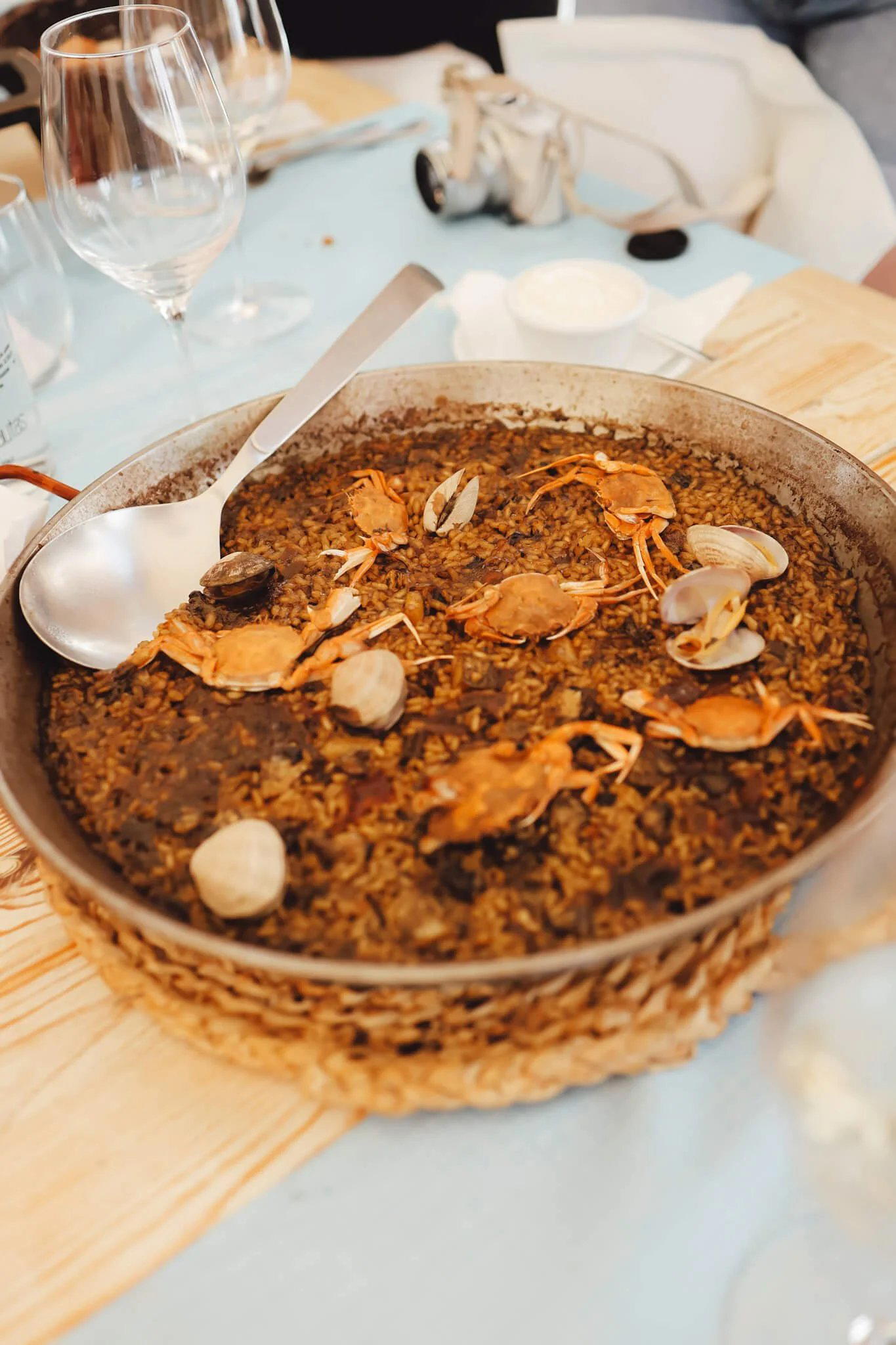
Aromatic is a restaurant in Altafulla, Tarragona, serving flexitarian Mediterranean cooking rooted in local Catalan produce. Via Augusta 21 places Aromatic on a street that carries the name of the Roman road once connecting the entire Iberian peninsula, appropriate context for a restaurant that finds its identity in what grows locally rather than what travels well. The air along this stretch of coast carries salt and pine in roughly equal measure, and the building itself offers little theatrical preamble. What you get inside is a room that sets expectations squarely on the plate.
Why Produce-Led Cooking Matters Here
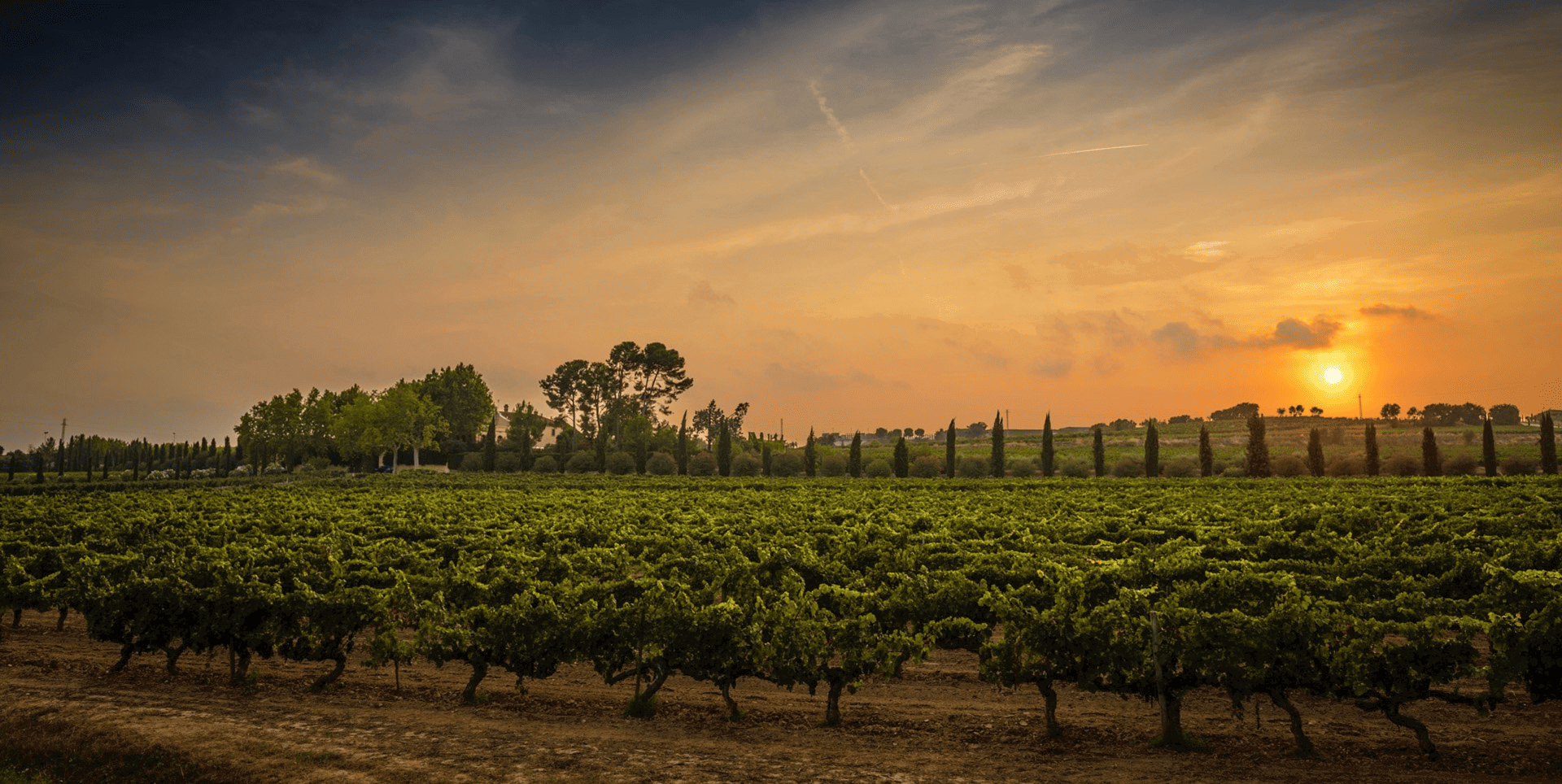
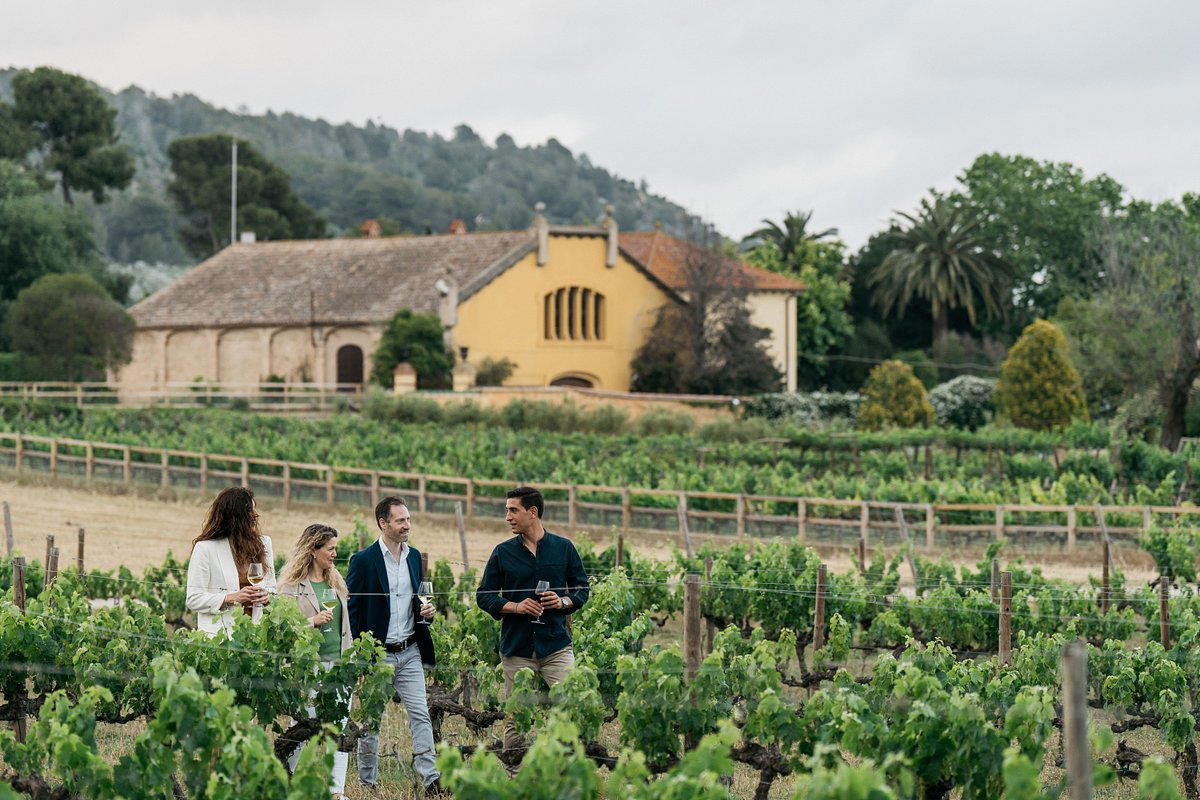
The Camp de Tarragona is one of the more quietly productive agricultural zones in Catalonia. Hazelnuts from the Prades mountains, artichokes from the coastal plain, tomatoes that benefit from warm days and cooler coastal nights, this is a region that has fed itself well for centuries and is only now drawing wider attention for the quality of what it grows. Restaurants that commit to sourcing within this radius are working with a genuine advantage: the gap between field and kitchen is measurable in kilometres rather than logistics chains.
Aromatic has been noted specifically for a vegetable feast format, a commitment to produce-led cooking that positions it differently from the rice-heavy coastal menus at places like La Xarxa (Rice Dishes) or the regional meat-and-seafood anchored approach at Barquet Tarragona (Regional Cuisine). In the wider Tarragona dining picture, that specificity is worth something. The city and its surrounding towns have a functional, unpretentious food culture, this is not a market chasing Michelin attention the way El Celler de Can Roca in Girona or Arzak in San Sebastián does, but it rewards restaurants that understand what the land around them actually produces.
Across Spain more broadly, the conversation about vegetable-first cooking has shifted from dietary accommodation to culinary position. Kitchens at Azurmendi in Larrabetzu and Cocina Hermanos Torres in Barcelona have demonstrated at the leading end that vegetables can anchor tasting menus without apology. Aromatic operates at a more accessible register, but the underlying argument is the same: when sourcing is tight and seasonal, produce does not need protein to justify itself.
The Flexitarian Position, and What It Actually Means
The word flexitarian has been stretched to cover everything from people who occasionally skip meat to restaurants that simply offer a salad. At Aromatic, the framing is more considered. The menu is described as authentic and rooted in fresh local produce, with the cheeky self-awareness that comes from a kitchen confident enough in its vegetables not to treat non-meat eaters as a separate problem to solve. The food is designed for the table as a whole, not segmented into a main menu and an afterthought vegetarian column.
This positions the restaurant well for the current trajectory of European travel dining, where multi-generational tables and mixed dietary preferences are the norm rather than the exception. A kitchen that sources well from a productive local region and builds menus around what is actually growing rarely needs to accommodate, it simply feeds people.
Where Aromatic Sits in Tarragona's Dining Picture
Tarragona's restaurant scene divides roughly along two lines: the historic centre near the Roman amphitheatre, where tourism volume drives most decisions, and the smaller towns along the coast and into the interior, where locals and returning visitors eat without much ceremony. Altafulla belongs firmly to the second category. It draws a quieter clientele, people who know the coastline rather than people discovering it, and restaurants here tend to have a durability that tourist-facing places in the city centre do not always manage.
Within Tarragona's broader options, El Terrat (Modern Cuisine) operates at a higher price point with a more formal modern approach, and El Cup Vell serves a different niche. Aromatic's produce-forward, relaxed format makes it a complementary choice rather than a competing one, the kind of meal that fits a midweek lunch or a Sunday table that wants good food without the occasion of a special-dinner booking. For anyone spending time along the Costa Daurada who wants to understand what the region actually grows and tastes like, it is a more direct answer than most of the coastal seafood menus that dominate at this latitude.
Spain's plant-forward cooking conversation has also been shaped internationally by kitchens like Aponiente in El Puerto de Santa María, which reframed what coastal Andalusian cooking could look like by working rigorously with overlooked marine ingredients. The principle, that tight, committed sourcing changes the quality ceiling, translates directly to what a vegetable-led kitchen in a productive agricultural zone can achieve.
Planning a Visit
Altafulla is accessible from Tarragona by local train in under twenty minutes, with the station a short walk from the town centre. A car makes the coastal drive more flexible and opens up the surrounding countryside if you are combining the meal with a broader day along the Costa Daurada. Given the relaxed, local-facing character of Altafulla's dining scene, midweek visits tend to be quieter than weekends, when coastal day-trippers from Tarragona and Reus arrive in volume.
In Context: Similar Options
Comparable venues nearby, for context on price, style, and recognition.
| Venue | Cuisine | Price | Awards | Notes |
|---|---|---|---|---|
| AromaticThis venue — the venue you are viewing | Flexiteriana Mediterranean | $$ | Not listed | Not listed |
| Vergel Veggie | 100% Vegan Mediterranean | $$ | Not listed | old town |
| Restaurante Braseria la catedral | Spanish Charcoal Grill & Steakhouse | $$ | Not listed | Tarragona Old Town |
| El Cup Vell | Contemporary Mediterranean Tasting | $$$ | Not listed | old town |
| La Xarxa | Modern Catalan Seafood | $$ | Bib Gourmand | El Serrallo |
| El Terrat | Modern Spanish with Mediterranean and Moroccan Influences | $$$$ | Michelin Plate | Casc Antic |
Recognition history
Dated appearances from independent guides and award organizations, with the underlying list record or original source where available.
We're Smart World 2 Radishes
We're Smart World
Continue exploring
More in Tarragona
Restaurants in Tarragona
Browse all →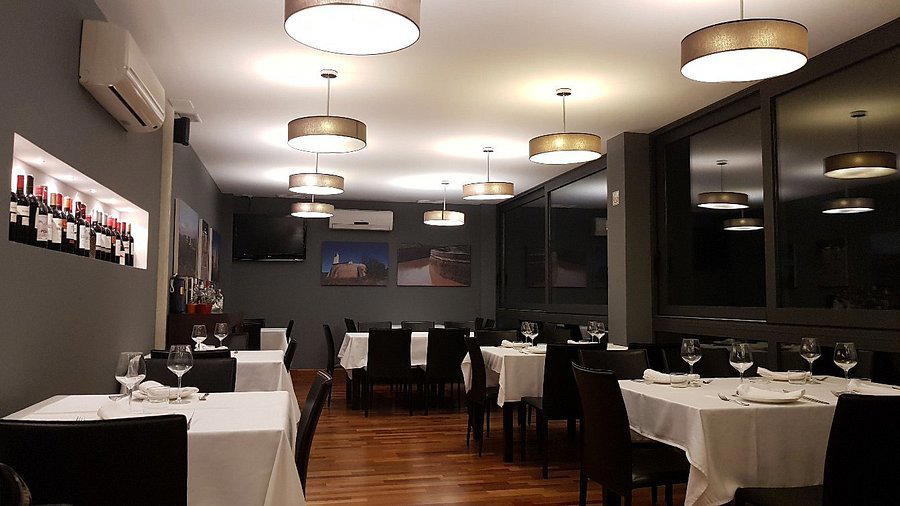
Bars in Tarragona
Browse all →
Hotels in Tarragona
Browse all →
At a Glance
- Cozy
- Intimate
- Elegant
- Date Night
- Special Occasion
- Family
- Terrace
Current opening hours
- Monday
- 11 AM–11 PM
- Tuesday
- 11 AM–11 PM
- Wednesday
- 11 AM–11 PM
- Thursday
- 11 AM–11 PM
- Friday
- 11 AM–11 PM
- Saturday
- 11 AM–11 PM
- Sunday
- 11 AM–11 PM
Hours can change for holidays and private events. Last verified .
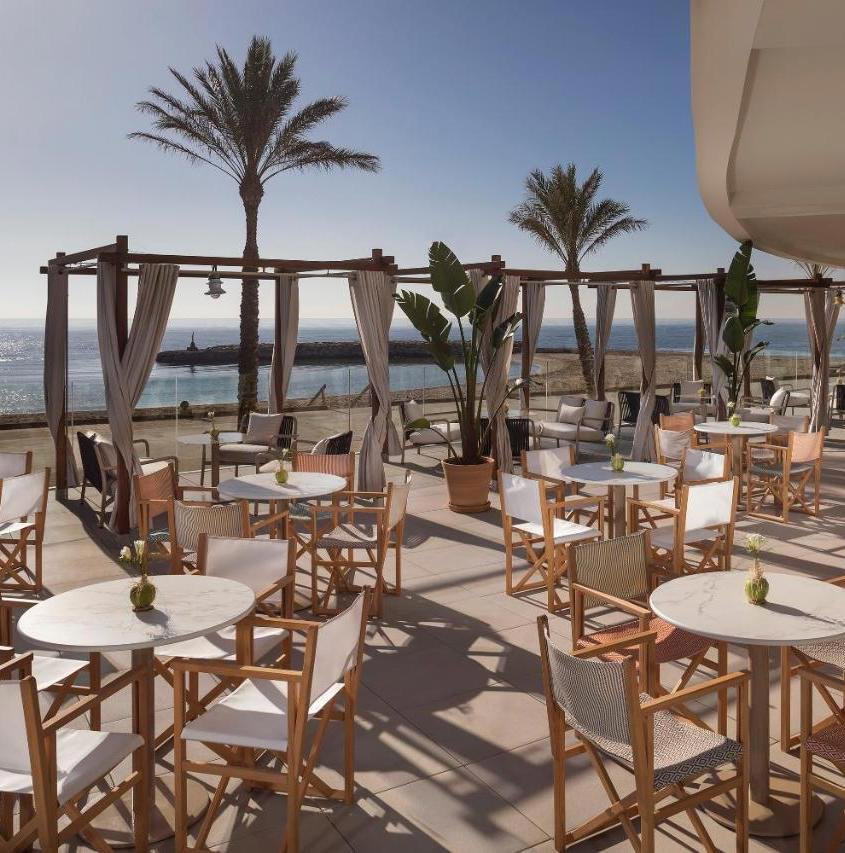
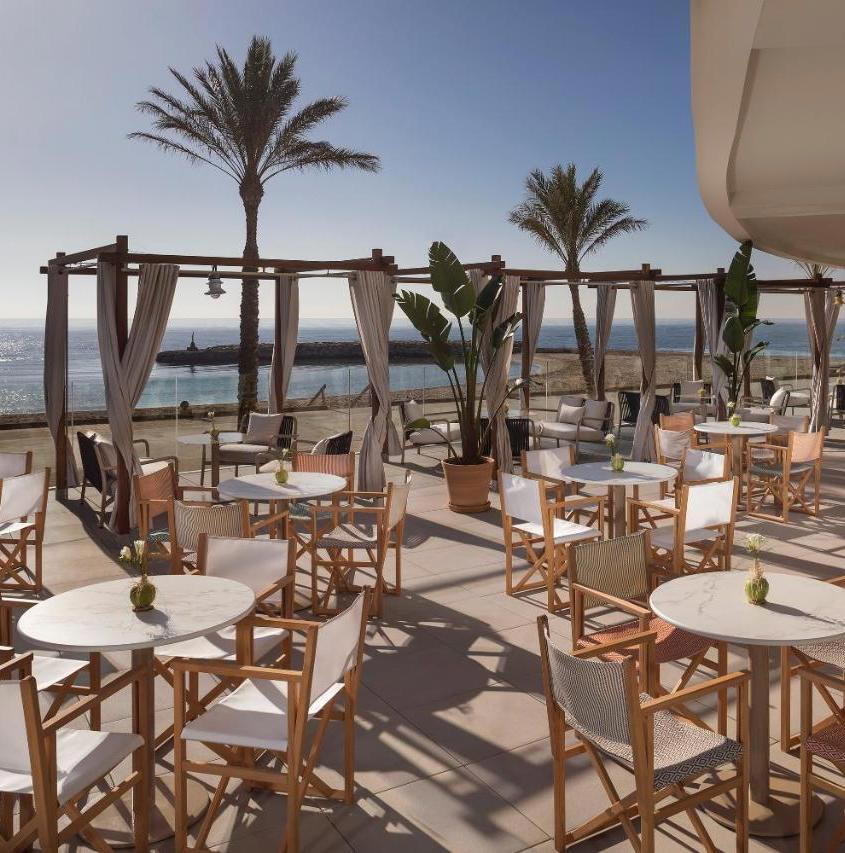
Cozy and welcoming with decorative plants creating a calm, pleasant atmosphere indoors and on the terrace, featuring careful acoustics and intimate terrace setting.