

Macarfi 7.6 Food Rating · Guía Repsol 1 Sol
Our verdict
AQ operates from a compact address in Tarragona's old city, placing the produce of the Costa Daurada and Camp de Tarragona at the centre of its cooking. The restaurant sits within the broader push by Tarragona's serious kitchens to articulate a Mediterranean identity grounded in local sourcing rather than imported trends. Expect focused, ingredient-led plates in a city whose Roman bones give it weight well beyond its modest tourist profile.

Pearl is the En Primeur Club membership app, where members save venues, book tables and use the concierge.
The menu
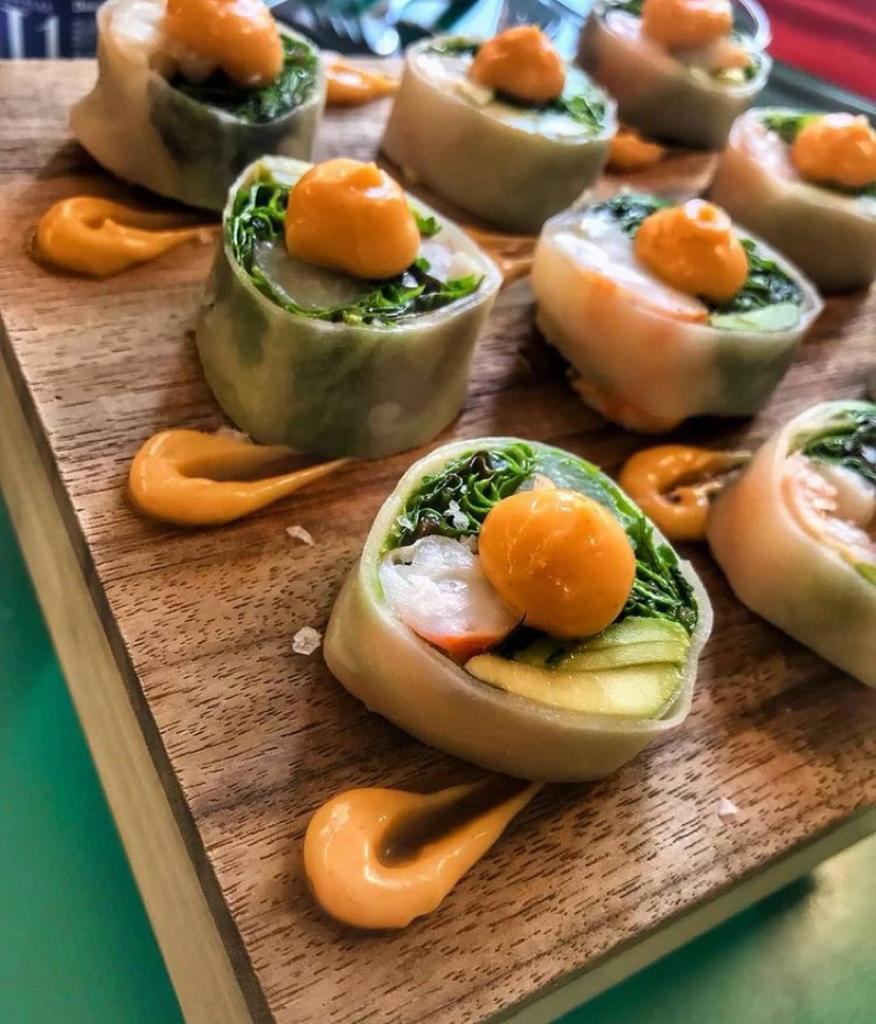
What to order
- Ceviche
- Eel and cabbage nigiri
- Falafel bomb with lamb
- Cannelloni squid with artichoke
- Macerated tuna loin
Where the Costa Daurada Ends Up on a Plate
Tarragona's old city carries a physical density unusual even by Catalan standards. The Roman amphitheatre pushes against the sea wall, the medieval lanes compress into something almost claustrophobic before opening onto the cathedral square, and the restaurants that occupy these streets operate, at their better end, with a consciousness of place that the architecture demands. Carrer de les Coques is one such lane, and AQ sits within it at number 7, a short walk from the city's most recognisable monument cluster. The approach matters: you arrive through a neighbourhood that is working, residential, and Roman all at once, and that context shapes expectations before you reach the table.
Tarragona's Sourcing Advantage
The Camp de Tarragona, the agricultural hinterland immediately behind the coast, produces at a density that most Spanish cities cannot match within easy reach of their restaurant supply chains. Hazelnuts from Reus, carob from the inland municipalities, seafood landed at the Tarragona and Cambrils fish auctions, lamb and kid from the Priorat edge, and vegetables from the Baix Camp all sit within roughly forty kilometres of AQ's kitchen. This is the structural ingredient advantage that the better Tarragona restaurants hold over, say, an equivalent-ambition kitchen in a larger inland city: the raw material is diverse, local, and, in season, difficult to improve on through sourcing elsewhere.
That proximity argument is not unique to Tarragona but it is particularly acute here. The Costa Daurada has fewer high-profile restaurant names competing for the same local supply than, for instance, the area around El Celler de Can Roca in Girona or the Basque coast, where starred kitchens absorb premium product at volume. That relative quiet in the premium segment means a focused Tarragona kitchen can source well without competing against a dozen peers for the same fisherman's allocation or the same smallholder's haul. For the diner, this translates into a closer relationship between what's in season and what appears on the menu.
Where AQ Sits in the Tarragona Dining Tier
Tarragona's restaurant scene organises loosely into three registers. At the accessible end, rice-specialist houses like La Xarxa and regional kitchens such as Barquet Tarragona serve the coastal Catalan canon: fideuà, arròs negre, suquet, grilled fish. These are competent, often excellent, and priced to reflect a market that remains largely local. Above that sits a middle tier, represented by kitchens like El Terrat, which applies modern technique to regional produce without abandoning the underlying flavour logic of Catalan cooking. AQ occupies a position within this more considered bracket, where ingredient provenance and kitchen intention are stated rather than assumed.
Other Tarragona addresses worth tracking include Aromatic and El Cup Vell, both of which contribute to what is, across the city, a more sophisticated dining offer than Tarragona's tourist-facing reputation would suggest. The city remains substantially under-covered in the international food press relative to its actual kitchen quality, and that gap is closing slowly rather than quickly.
The Broader Spanish Context
Spain's highest-profile modern restaurants have established a template, technically demanding, produce-obsessed, narratively explicit about their sourcing, that has filtered down through the country's regional kitchens over the past two decades. Kitchens like Quique Dacosta in Dénia, Ricard Camarena in València, and Aponiente in El Puerto de Santa María have each built their identity around a specific coastal or regional ecosystem. Further north, Arzak in San Sebastián, Azurmendi in Larrabetzu, Mugaritz in Errenteria, and Martin Berasategui in Lasarte-Oria have made the Basque Country the reference point for Spanish ingredient-led fine dining. In Catalonia, Cocina Hermanos Torres in Barcelona represents the metropolitan end of that same tradition.
What these restaurants share is a refusal to treat local sourcing as a marketing point rather than a cooking philosophy: the ingredient defines the dish rather than decorating it. The leading Tarragona kitchens are working within this same logic, applying it at a scale and price point that makes the city a reasonable proposition for a food-focused trip without requiring the itinerary commitments that a Basque or Girona circuit demands. For international comparison, kitchens like Le Bernardin in New York City and Lazy Bear in San Francisco demonstrate how ingredient specificity and sourcing transparency translate into competitive positioning in high-stakes markets; Tarragona's version of the argument is quieter but structurally similar. And DiverXO in Madrid shows the opposite pole: maximalist invention rather than produce-led restraint. AQ sits closer to the restraint end of that spectrum.
Planning a Visit
AQ is located at Carrer de les Coques, 7, in the heart of Tarragona's old city, accessible on foot from the main monument cluster. The address sits in a compact neighbourhood where parking is limited and the logical approach is pedestrian from the lower town or from the Rambla Nova. For visitors combining Tarragona with a wider Catalan itinerary, the city is forty minutes from Barcelona by high-speed train, making it practical as a day or overnight stop. Given the restaurant's position within Tarragona's more deliberate dining tier, booking ahead is advisable rather than optional, particularly at weekends when the city draws visitors from the Camp de Tarragona hinterland as well as Barcelona day-trippers. For a full picture of the city's dining options across all registers, see our full Tarragona restaurants guide.
Frequently asked questions
Is AQ good for families?
AQ sits in the old city at Carrer de les Coques 7, close to Tarragona's main monument cluster, which makes it convenient if you're combining a meal with a day of sightseeing. The setting skews toward a focused dining experience rather than a casual family restaurant, so it suits families with older children who are comfortable at a table with some formality. Younger children may find the pace and format less suited to their needs.
What's the vibe at AQ?
AQ occupies the historic core of Tarragona, where Roman walls and medieval architecture set a particular tone before you even sit down. Inside, the restaurant positions itself in the upper tier of Tarragona's dining scene, where the emphasis is on ingredient sourcing from the Camp de Tarragona hinterland rather than theatrical production. It reads as a serious kitchen with a regional point of view, not a casual neighbourhood spot.
How does AQ relate to the broader Catalan fine dining scene?
Tarragona sits within a Catalan culinary corridor that includes some of Spain's most produce-driven restaurants, and AQ draws on the Camp de Tarragona, a agricultural zone that supplies hazelnuts, olive oil, and seafood from the Delta de l'Ebre at close range. That geographic advantage places AQ in a conversation with the produce-obsessed kitchens that define contemporary Catalan cooking, even outside the higher-profile Barcelona circuit. For a city of Tarragona's size, the restaurant represents a serious engagement with regional sourcing at a level more commonly associated with larger Spanish culinary centres.
What's the signature dish at AQ?
What the restaurant is known for is a commitment to the produce of the Camp de Tarragona, the agricultural zone behind the Costa Daurada coast, which supplies ingredients at a density few Spanish cities can access so locally. For current menu specifics, contacting the restaurant directly or checking recent editorial coverage is the most reliable route.
How do I find AQ?
AQ is located at Carrer de les Coques, 7, 43003 Tarragona, Spain, Tarragona.
Should I book AQ in advance?
AQ operates in the upper tier of Tarragona's relatively compact restaurant scene, where the best tables move quickly, particularly in summer when the Costa Daurada draws significant visitor traffic. Booking ahead is advisable, especially for weekend dinners or if you're visiting during the peak July-to-August period. The restaurant is located at Carrer de les Coques 7, and reservation details are best confirmed through current booking channels.
At-a-Glance Comparison
| Venue | Cuisine | Price | Awards | Notes |
|---|---|---|---|---|
| AQThis venue (the venue you are viewing) | Contemporary Catalan Fine Dining with Asian Fusion | $50–100 | Macarfi 7.6 Food Rating · Guía Repsol 1 Sol | Not listed |
| La Xarxa | Modern Catalan Seafood | $30–50 | Michelin Bib Gourmand · Macarfi 7.4 Food Rating | Rice Dishes |
| Barquet Tarragona | Traditional Catalan Seafood & Rice Dishes | $30–50 | Michelin Plate · Macarfi 7 Food Rating | Regional Cuisine |
| El Terrat | Modern Spanish with Mediterranean and Moroccan Influences | $100–150 | Michelin Plate · Guía Repsol 1 Sol | Modern Cuisine |
| Vergel Veggie | 100% Vegan Mediterranean | $20–30 | We're Smart World 3 Radishes | Not listed |
| Aromatic | Flexiteriana Mediterranean | Not listed | We're Smart World 2 Radishes | Not listed |
Recognition history
Dated appearances from independent guides and award organizations, with the underlying list record or original source where available.
Guía Repsol 1 Sol
Guía Repsol
Macarfi 7.6 Food Rating
Macarfi
Continue exploring
More in Tarragona
Restaurants in Tarragona
All restaurants in Tarragona →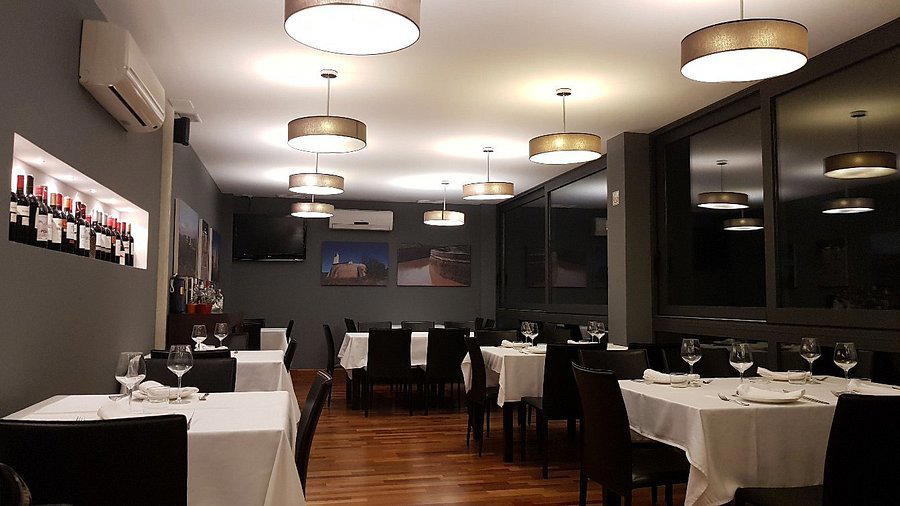
Hotels in Tarragona
All hotels in Tarragona →

Details
- Elegant
- Modern
- Intimate
- Trendy
- Sophisticated
- Date Night
- Special Occasion
- Celebration
- Open Kitchen
- Standalone
- Historic Building
- Local Sourcing
- Farm To Table
- Tasting Menu
- A La Carte
- Wine
- Sherry
- Vegetarian Friendly
- Vegan Options
- Gluten Free Options
Current opening hours
- Monday
- 1:15–5 PM, 8:30 PM–12 AM
- Tuesday
- 1:15–5 PM, 8:30 PM–12 AM
- Wednesday
- 1:15–5 PM, 8:30 PM–12 AM
- Thursday
- 1:15–5 PM, 8:30 PM–12 AM
- Friday
- 1:15–5 PM, 8:30 PM–12 AM
- Saturday
- Closed
- Sunday
- Closed
Hours can change for holidays and private events. Hours as of .
Modern, contemporary decor with bright, inviting atmosphere; open kitchen allows diners to watch chefs prepare dishes; intimate and cozy despite being trendy.