Restaurant Vannu


Michelin Plate · We're Smart World 5 Radishes
Our verdict
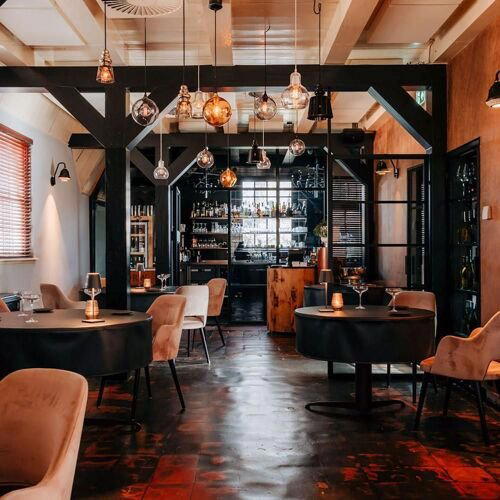
In a converted old inn along Gilzeweg in Bavel, Restaurant Vannu has earned consecutive Michelin Plates (2024 and 2025) by grounding its kitchen in seasonal produce and regional sourcing. The cooking is technical but accessible, built around sauces, nourishment, and the kind of vegetable-forward flavours that appeal beyond fine-dining circles..

Pearl is the En Primeur Club membership app — saves, bookings, and concierge access live there. Same editors, same standards.
The menu
What to order
- Knollenkaas
- Potato onion mille-feuille
- Pear vanilla dessert
An Old Inn, a New Argument for Seasonal Cooking
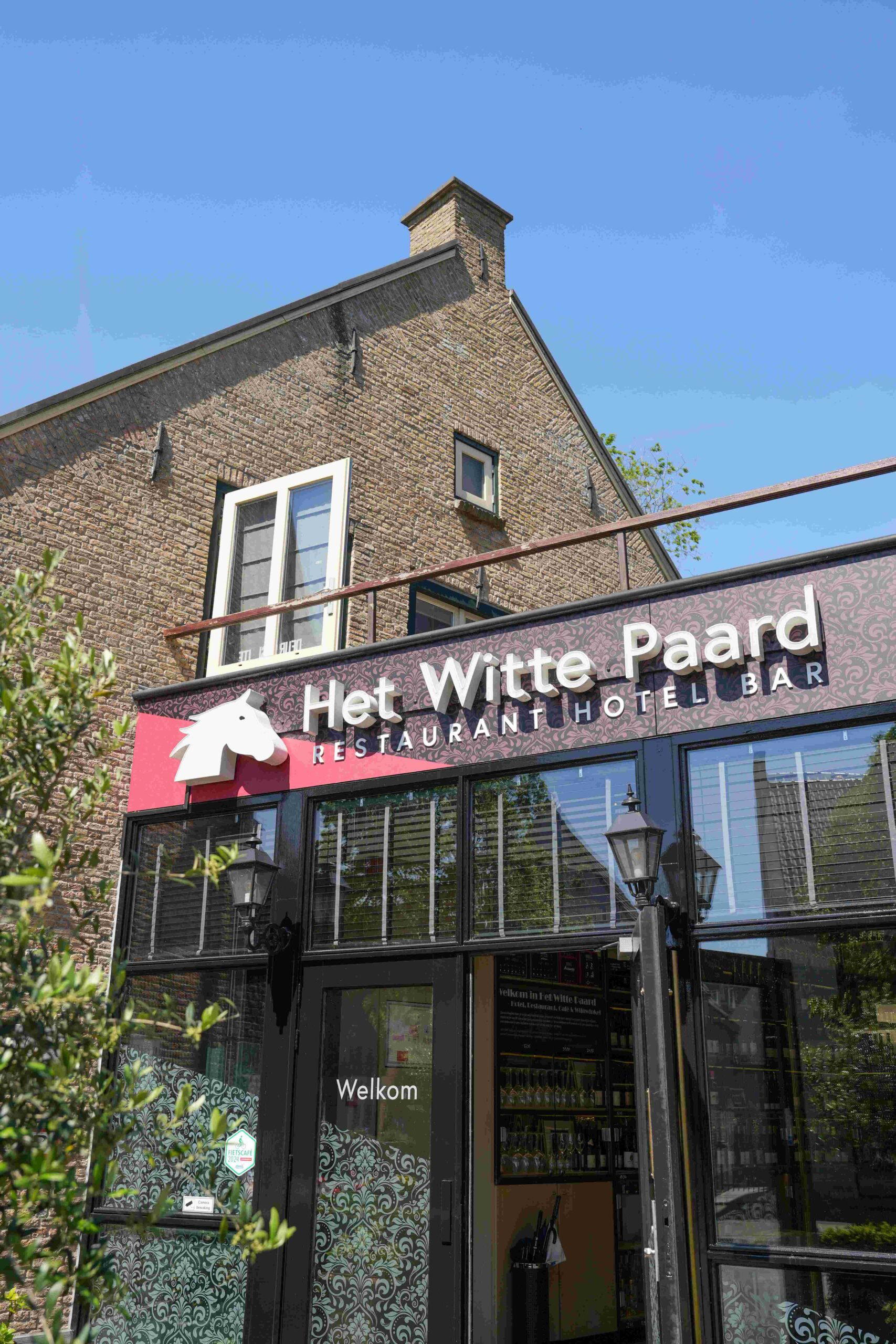
The village of Bavel sits in the North Brabant countryside, a stretch of the Netherlands where agriculture remains visible rather than abstracted. Arriving at Gilzeweg 24, you find a building that reads as what it was: an old inn, converted without erasing the bones of its original character. The physical setting matters here because it is not incidental to the food. The surrounding region supplies the logic of the menu, and the menu supplies the reason to make the trip from Breda, Tilburg, or further afield.
Farm-to-table cooking in the Netherlands has evolved considerably over the past decade. What began as a trend imported from Scandinavian and French models has matured into something more locally rooted, with a generation of Dutch chefs working relationships with regional producers rather than simply listing provenance as a marketing note. Vannu sits in that more considered tier. For an overview of where this restaurant fits within the wider local picture, see our full Bavel restaurants guide.
Where the Food Comes From, and Why That Shapes the Plate
The farm-to-table designation at this price point, €€€, is not decorative. The kitchen's emphasis on vegetables and seasons is structural: it determines what gets made, when it gets made, and how it gets made. This is the kind of cooking that requires strong supplier relationships and genuine flexibility, because what grows in the North Brabant fields in April is not what grows in October, and the menu has to follow that honestly rather than imposing a fixed template on seasonal reality.
Gijs Kemmeren runs the kitchen with a technical foundation that extends beyond presentation. His contribution to Dutch food culture is, by this point, verifiable: before opening Vannu, he developed the technique of dry-aged beetroot, a preparation that has since appeared on menus across the Netherlands. That single detail says something important about the culinary tradition being practised here. Dry-aging is a preservation and intensification method more commonly associated with meat, and applying it to root vegetables to concentrate flavour and develop deeper savoury notes reflects a genuinely investigative approach to plant-based ingredients.
The broader Dutch farm-to-table scene includes restaurants operating at the €€€€ tier, such as De Nieuwe Winkel in Nijmegen, which takes a more austere, research-led approach to organic produce. Vannu occupies a different position: technically serious, but explicitly accessible. The flavours are described as ones any eater will recognise, and the menu is built around comfort, nourishment, and savoury depth rather than conceptual distance. That accessibility is a deliberate calibration, not a compromise.
For comparable farm-to-table cooking at the same price tier in other Dutch regions, De Woage in Gramsbergen and Spetters in Breskens offer useful reference points for how regional sourcing gets interpreted across different terroirs.
Technical Skill in Service of Pleasure
The cooking at Vannu does not hide its craft behind minimalism, nor does it turn technique into spectacle. The kitchen has a documented affinity for sauces, and sauce-making is one of the more demanding disciplines in a professional kitchen: it requires timing, reduction control, fat management, and an understanding of how liquid components interact with the texture and temperature of everything else on the plate. A restaurant that genuinely executes sauces well is making a specific kind of argument about what pleasure at the table should feel like.
Plating is described as attractive rather than architectural, which is worth noting as a stylistic signal. At the €€€ tier across the Netherlands, there is a spectrum running from the produce-reverence of more austere kitchens to the sculptural precision of multi-starred operations like De Librije in Zwolle or Ciel Bleu in Amsterdam. Vannu sits closer to the former in spirit, but with enough visual care to signal that the kitchen takes presentation seriously.
The front of house is managed by Iris Saaman, who moved from kitchen to service, which tends to produce a particular kind of floor operation: one where the person running the room understands what the kitchen is trying to do and can explain it without detaching from the guest experience. In a smaller restaurant setting, that continuity between kitchen knowledge and table communication is one of the more reliable indicators of a coherent dining experience.
Recognition and Where Vannu Sits in the Dutch Dining Picture
Consecutive Michelin Plates in 2024 and 2025 confirm consistent quality at a recognised standard. The Michelin Plate sits below the star tier but above generic recommendations, signalling food that the guide considers worth seeking out. For context, restaurants that hold or have held Michelin recognition in the Dutch fine-dining circuit include Aan de Poel in Amstelveen, De Bokkedoorns in Overveen, Inter Scaldes in Kruiningen, and Fred in Rotterdam. Vannu operates in a different register from the starred houses in that list, but the Michelin recognition places it in a credible tier for the level of ambition the kitchen is pursuing.
Across platforms, high-volume positive scoring for a restaurant of this scale tends to indicate that the kitchen is consistent across services, not just on exceptional nights.
For diners travelling specifically to explore regional Dutch cooking outside the major city circuits, it is worth noting that North Brabant has a growing reputation as a food-producing region. The agricultural character of the area around Bavel is not incidental background; it is the supply chain that makes a restaurant like this possible. Other noteworthy Dutch restaurants that have built similar regional arguments include De Lindehof in Nuenen, also in North Brabant, and De Groene Lantaarn in Staphorst, further north.
Planning a Visit
Restaurant Vannu is located at Gilzeweg 24, 4854 SG Bavel, in the Netherlands. Bavel is a short drive from Breda, making it accessible as a destination meal from the city or as a stop on a wider North Brabant itinerary. At the €€€ price point, the experience sits above casual dining but below the full multi-course commitment of the starred houses. Booking in advance is advisable given the restaurant's 4.9 rating and the limited scale typical of converted inn premises. For accommodation in the area, our Bavel hotels guide covers nearby options. If you are building a fuller picture of what the region offers, our Bavel bars guide, our Bavel wineries guide, and our Bavel experiences guide cover the surrounding offer. For comparable restaurant cooking at the same tier, De Lindenhof in Giethoorn and Brut172 in Reijmerstok round out a useful reference set for Dutch regional dining.
Frequently asked questions
What's the price range at Restaurant Vannu?
Pricing at Restaurant Vannu is listed as €€€.
Side-by-Side Snapshot
| Venue | Cuisine | Price | Awards |
|---|---|---|---|
| Restaurant VannuThis venue — the venue you are viewing | Modern Vegan Fine Dining | $150–200 | Michelin Plate · We're Smart World 5 Radishes |
| De Librije | Modern Cuisine | Not listed | Michelin 3 Star |
| Aan de Poel | Creative | Not listed | Michelin 2 Star |
| De Lindehof | Contemporary Dutch, Creative | Not listed | Michelin 2 Star |
| Fred | Creative French | Not listed | Michelin 2 Star |
| De Nieuwe Winkel | Organic | Not listed | Michelin 2 Star |
Recognition history
Dated appearances from independent guides and award organizations, with the underlying list record or original source where available.
Michelin Plate
Michelin
We're Smart World 5 Radishes
We're Smart World
Full recognition history (3 entries)
Michelin Plate
Michelin
Continue exploring
More in Bavel
Restaurants in Bavel
All restaurants in Bavel →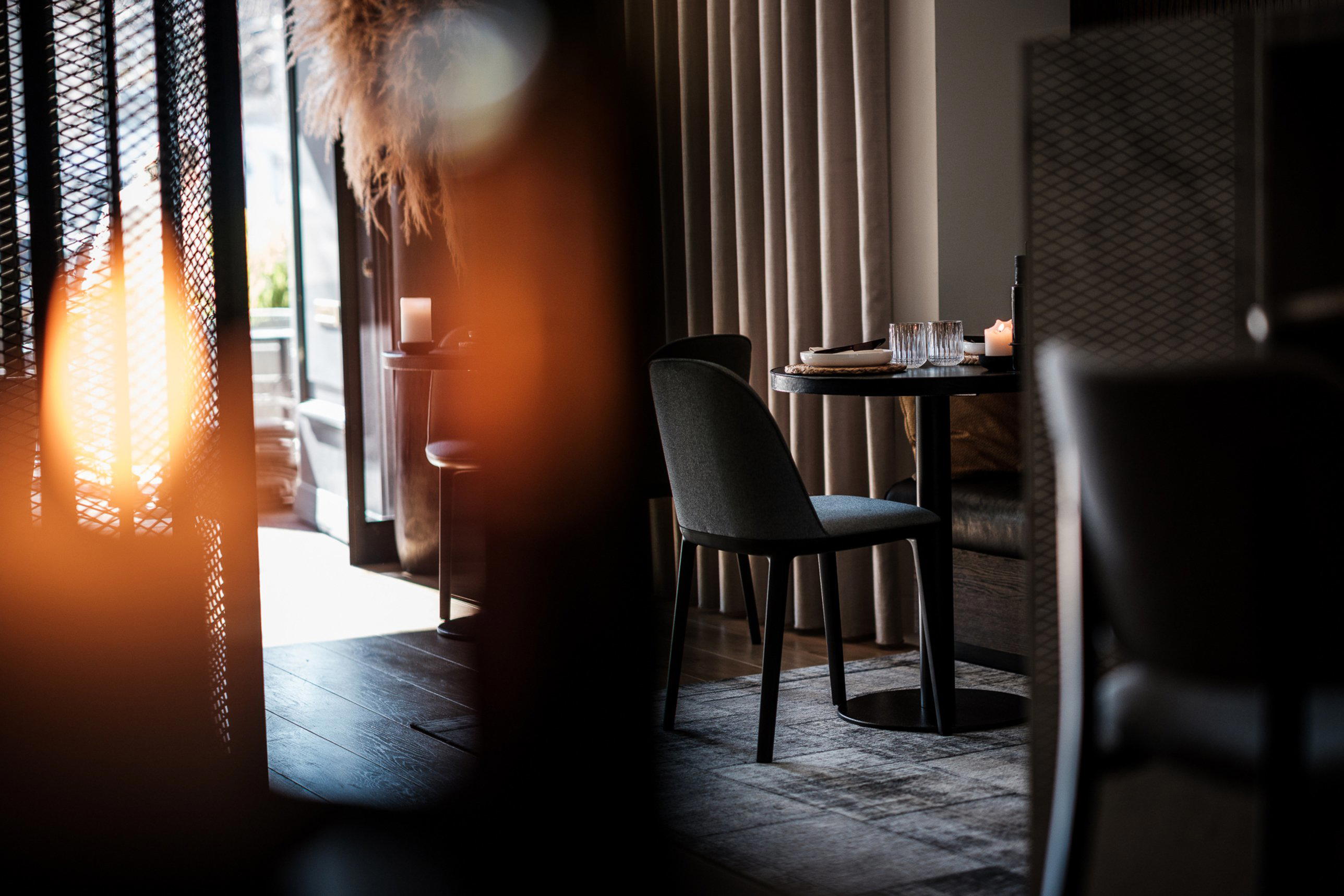
Restaurant Vannu
The wine
- Wine program
- Curated wine list
- Extensive wine list
Details
- Cozy
- Elegant
- Intimate
- Modern
- Date Night
- Special Occasion
- Business Dinner
- Garden
- Extensive Wine List
- Local Sourcing
- Farm To Table
- Garden
- Tasting Menu
- Set Menu
- Vegan Options
- Vegetarian Friendly
- Gluten Free Options
- Allergy Accommodating
Current opening hours
- Monday
- Closed
- Tuesday
- Closed
- Wednesday
- 6 PM–12 AM
- Thursday
- 6 PM–12 AM
- Friday
- 6 PM–12 AM
- Saturday
- 6:30 PM–12 AM
- Sunday
- Closed
Hours can change for holidays and private events. Last verified .
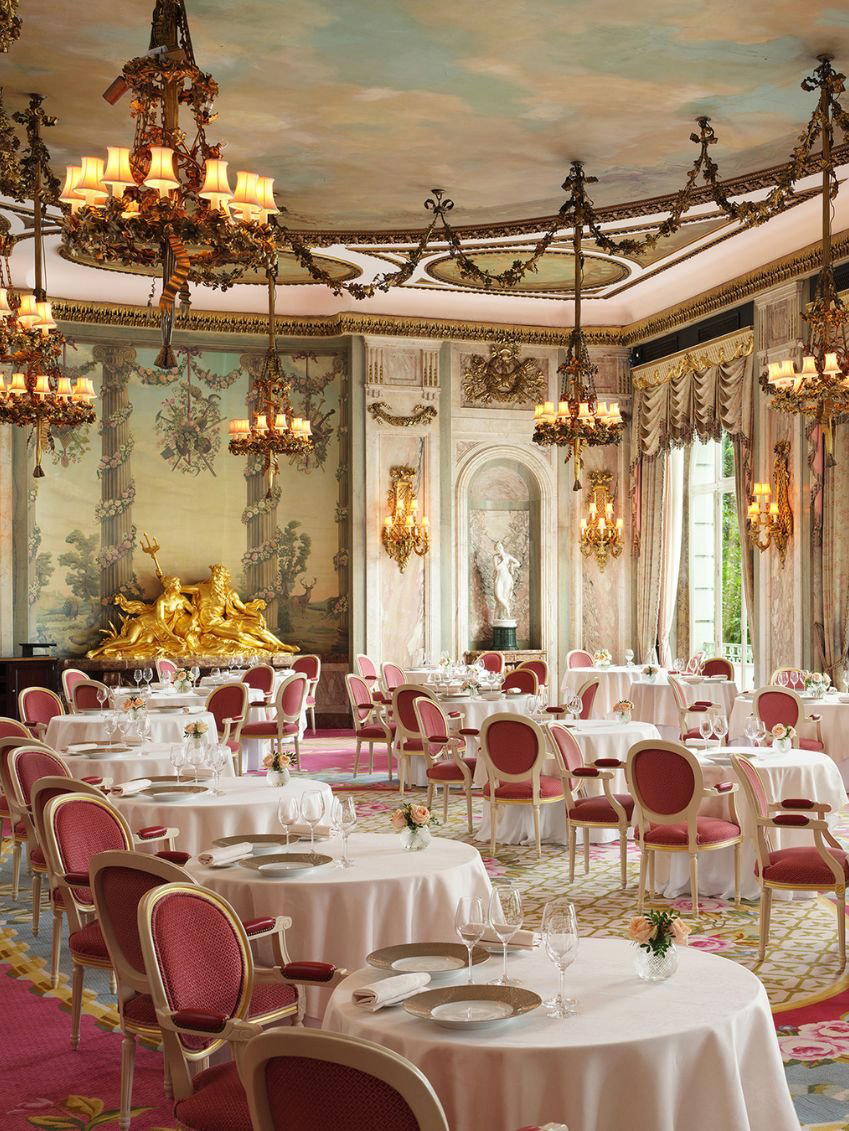
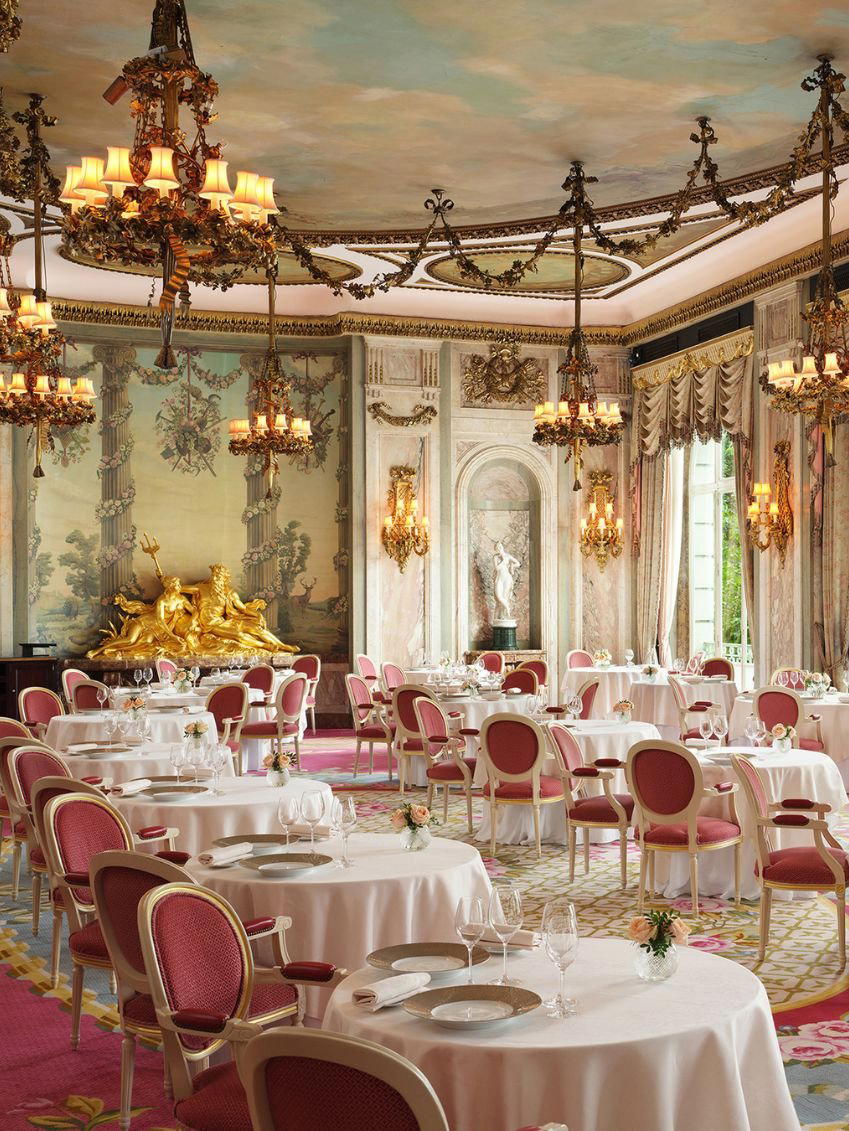
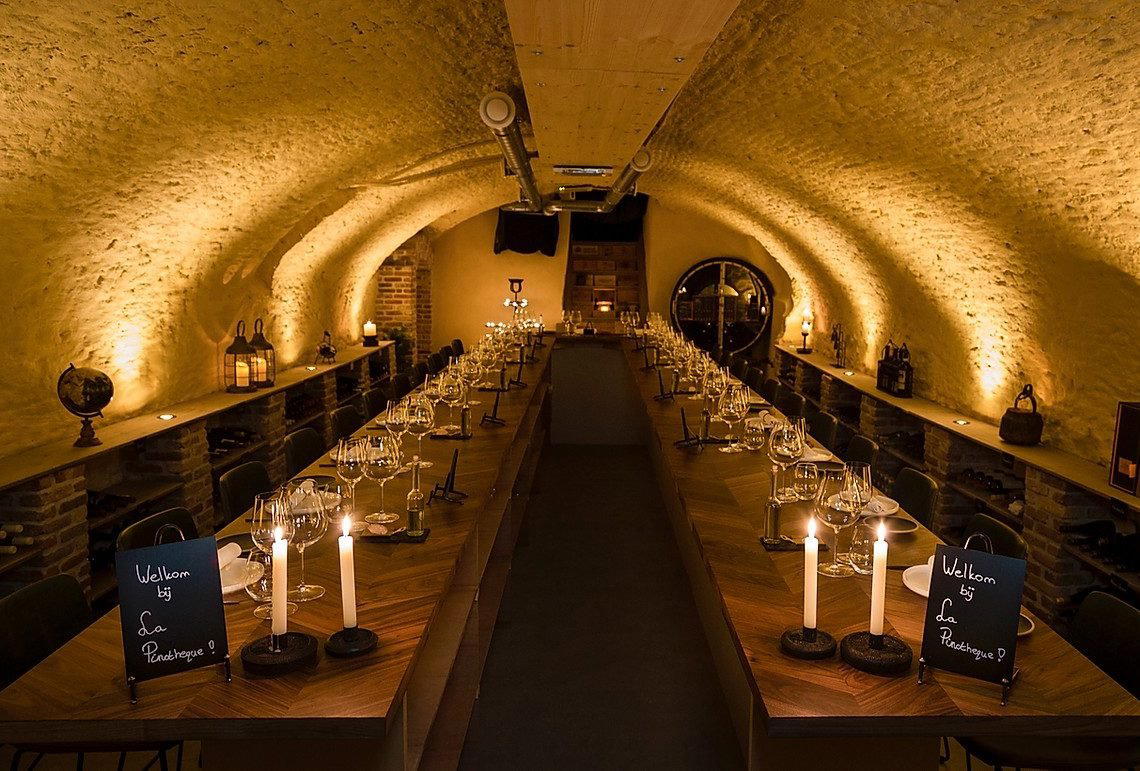
Beautiful and cozy atmosphere in a lush garden setting with warm, relaxed lighting and a welcoming vibe praised for its refinement and hospitality.