Our verdict
Restaurant Ulo sits in Ilulissat, the Arctic town overlooking the UNESCO-listed Ilulissat Icefjord, where Greenlandic dining traditions rooted in sea ice, musk ox, and subsistence fishing shape what appears on the plate.

Pearl is the En Primeur Club membership app — saves, bookings, and concierge access live there. Same editors, same standards.
The menu
What to order
- Narwhal Mattak
- Greenlandic Shrimp Plate
- Arctic Burger
- Halibut
- Snow Crab
- Scallops Bisque
Dining at the Edge of the Ice Sheet
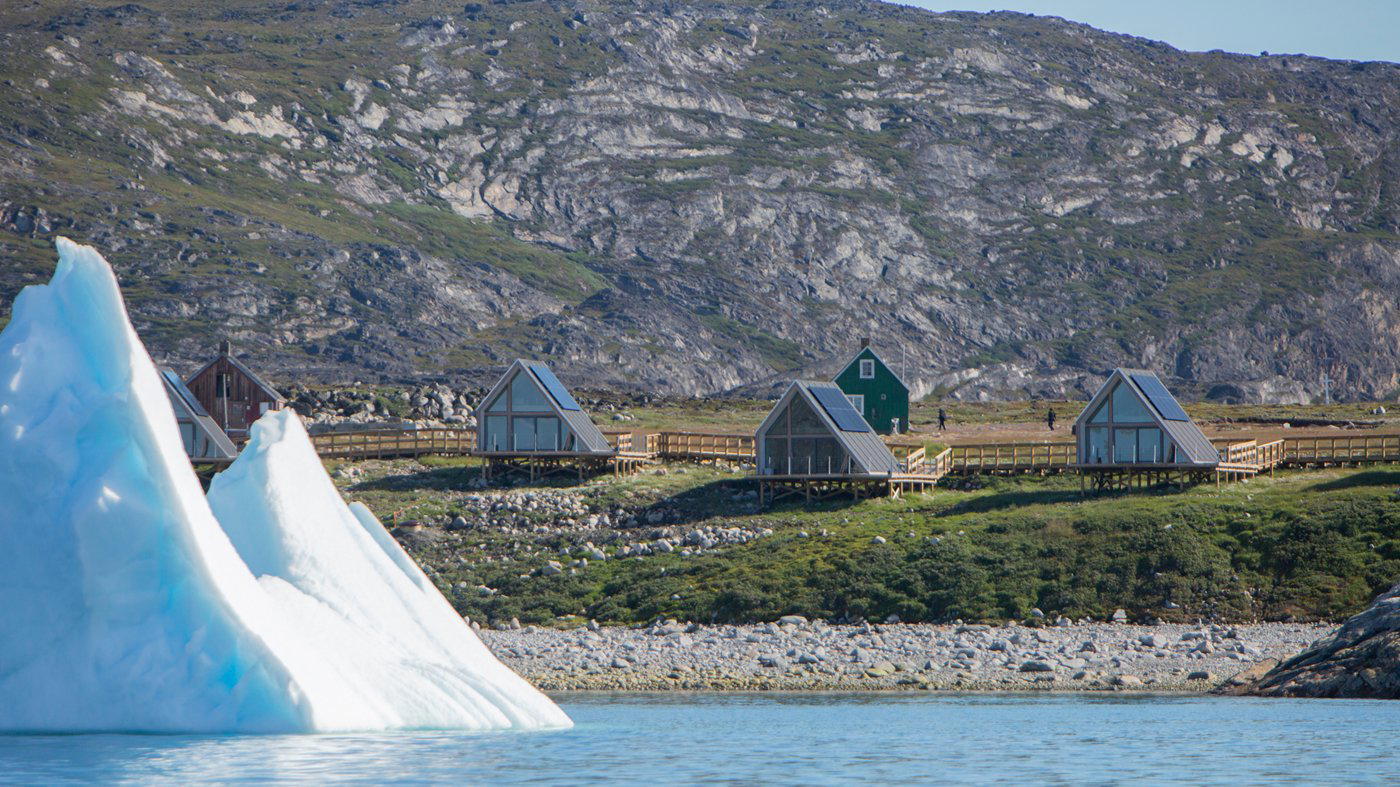
There are very few places on earth where the physical environment outside the window is as much a part of the meal as what arrives at the table. Ilulissat is one of them. The town sits above the Ilulissat Icefjord, a UNESCO World Heritage Site where the Sermeq Kujalleq glacier calves icebergs the size of city blocks into a fjord that has been feeding Arctic communities for thousands of years. Restaurant Ulo occupies an address on Mittarfimmut Aqq. B-1128, in a town of roughly 4,500 people that receives more visitors than any other destination in Greenland, largely because of that view. The dining context here is not urban fine dining adapted to a remote location; it is something shaped by geography and subsistence tradition in ways that most restaurant categories do not account for.
What Arctic Cuisine Actually Means in Greenland
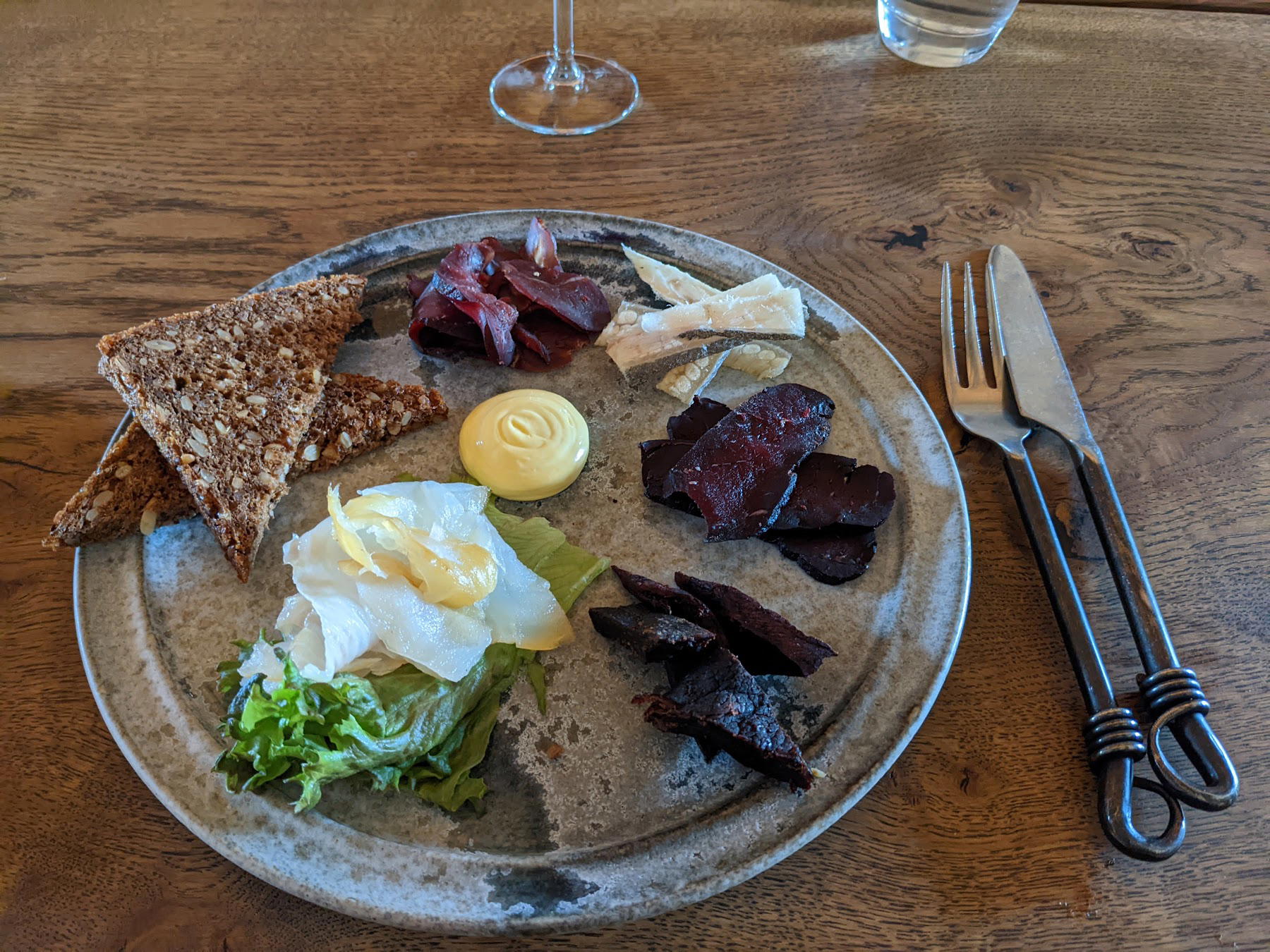
The phrase "Arctic cuisine" gets applied loosely across Scandinavia and the North Atlantic, but in Greenland it has a more specific cultural grounding. Kalaallit cuisine, the cooking tradition of the indigenous Greenlandic people, is built around what the sea ice and the tundra produce: ringed seal, narwhal, musk ox, reindeer, arctic char, Greenlandic shrimp, and the dried, fermented preparations that extended food stores through the polar night. These are not heritage gestures or revival projects. They are living ingredients still gathered through subsistence hunting and fishing communities that predate European contact by centuries.
The significance of this context is that a restaurant like Restaurant Ulo is operating within a food culture that did not arrive via a European classical tradition or a New Nordic movement filtering down from Copenhagen. The reference points are different. Where restaurants in the Nordic fine dining tier, such as Koks at Ilimanaq Lodge, explicitly frame Faroese and Greenlandic ingredients through a tasting menu format with international recognition, a local Ilulissat restaurant sits closer to the daily lived relationship between community and landscape. Both positions have value; they are simply answering different questions.
Ilulissat's Restaurant Tier
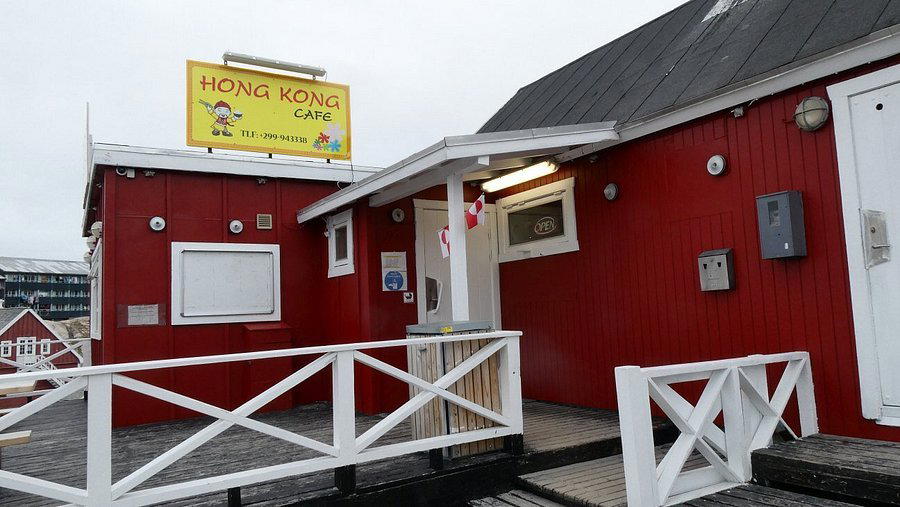
Ilulissat is not a dining destination in the way that Nuuk is beginning to be, with Qooqqut Nuan in Nuuk representing the capital's growing appetite for serious local seafood in an architecturally intentional setting. Ilulissat's restaurants, including the Hong Kong Café, reflect a town that feeds a mix of year-round residents, seasonal workers, and an increasing flow of adventure and wildlife tourism. The infrastructure for dining is practical rather than elaborate, and that shapes what any restaurant here can be.
Within that context, Restaurant Ulo serves a visitor base that has often just returned from dog sledding on the sea ice, hiking trails above the icefjord, or boat tours through the berg field. The appetite is physical; the interest in local ingredients tends to be genuine rather than aspirational. This is a meaningful distinction from urban tasting menu culture, where the ingredient origin is largely a story told at the table. In Ilulissat, the origin is visible from the window.
The Greenlandic Ingredient Set
Understanding what makes Arctic dining in Greenland distinct requires understanding the ingredient set at its base. Musk ox, hunted on the inland plateau, produces a lean, mineral-forward red meat with no equivalent in temperate livestock. Arctic char, closely related to salmon and trout but adapted to glacial freshwater systems, has a fat content and colour that shifts with season and water temperature. Greenlandic shrimp, fished from some of the coldest productive waters in the Atlantic, are smaller and denser than warm-water equivalents. These are not imported luxury ingredients re-contextualised at a high price point, as one might see at restaurants like Le Bernardin in New York City or Aponiente in El Puerto de Santa María, where wild-caught or unusual marine species are placed within a highly technical culinary framework. In Greenland, the ingredient is primary and the technique tends to follow from cultural practice rather than kitchen invention.
Restaurants in Ilulissat working with these ingredients are operating in a supply environment where logistics matter enormously. The town is accessible by air or sea only; there are no road connections to the rest of Greenland. What arrives fresh, what is preserved, and what is locally hunted or caught shapes the menu in ways that have no parallel in a continental restaurant.
Planning a Visit to Restaurant Ulo
Ilulissat's dining options are limited enough that planning ahead carries real weight. The town's restaurants serve a relatively small resident population alongside a tourism peak that concentrates in summer (June through August) for midnight sun and iceberg viewing, and again in late winter (February through April) for northern lights and dog sled season. Visitors arriving in peak periods should expect restaurants to be fuller than their size suggests, with the town's accommodation and dining infrastructure running at or near capacity during these windows.
Restaurant Ulo's address at Mittarfimmut Aqq. B-1128 places it in central Ilulissat. This is common for small-scale restaurants in remote Arctic locations, where operational flexibility reflects seasonal and weather conditions rather than a fixed schedule.
For visitors building a broader sense of serious Arctic and Nordic dining, our full Ilulissat restaurants guide covers the town's dining options in fuller comparative context. Those interested in how the same raw materials translate into a structured fine dining format can look to Koks at Ilimanaq Lodge, which operates at a different price tier and booking requirement than the town's local restaurants.
The broader reference class for what serious engagement with wild, local, and culturally specific ingredients can produce at the highest level includes restaurants like Lazy Bear in San Francisco, Atelier Crenn in San Francisco, and Atomix in New York City, all of which use ingredient provenance and cultural framing as central to the dining proposition, though in entirely different geographic and culinary traditions. In terms of European precedents for place-rooted cooking at the highest critical tier, Arzak in San Sebastián, Arpège in Paris, and Alain Ducasse at Louis XV in Monte Carlo each demonstrate how deeply a restaurant can anchor itself to a specific territory. Alinea in Chicago, Alléno Paris au Pavillon Ledoyen, Amber in Hong Kong, 8½ Otto e Mezzo Bombana, Aqua in Wolfsburg, and Emeril's in New Orleans each represent versions of that ambition in their own contexts, which makes the contrast with a small Arctic town restaurant all the more instructive about how geography determines what "serious dining" can mean.
Frequently asked questions
Would Restaurant Ulo be comfortable with kids?
Ilulissat is a small town of roughly 4,500 residents, and its restaurants generally reflect a community-oriented, unpretentious character rather than the kind of formal tasting-menu environment that can feel unwelcoming to younger guests. That said, the town's remoteness means dining options are limited, so a call ahead to confirm suitability for children is advisable before making it part of a family itinerary.
Is Restaurant Ulo formal or casual?
Ilulissat sits above the Arctic Circle, reachable only by air or sea, and its dining rooms reflect that geography: practical, considered, but without the ceremony of a metropolitan fine-dining address. Restaurant Ulo's setting at Mittarfimmut Aqq. B-1128 places it in a town where the physical environment outside the window does much of the atmospheric work, suggesting the tone is more focused and quiet than formally dressed.
Is Restaurant Ulo worth visiting as a standalone reason to travel to Ilulissat?
Ilulissat is not a dining destination in the way Nuuk is developing to be, so most travellers arrive primarily for the UNESCO-listed Icefjord and the surrounding landscape. Restaurant Ulo operates in that context: a serious dining address within a town of limited restaurant options, where the quality of Arctic ingredients and the physical setting together justify the meal as a meaningful part of the trip rather than an afterthought.
What do regulars order at Restaurant Ulo?
The Greenlandic ingredient base in Ilulissat centres on what the land and sea supply locally: musk ox from the inland plateau, sea mammals, and fish drawn from waters around Disko Bay. Regulars at Arctic-focused restaurants in this region tend to gravitate toward whatever reflects that seasonal harvest, as the menu is shaped more by availability than by a fixed rotation.
Where is Restaurant Ulo in Ilulissat?
Restaurant Ulo is located at Mittarfimmut Aqq. B-1128, Ilulissat 3952, Greenland, Ilulissat.
Budget Reality Check
Comparable venues nearby, for context on price, style, and recognition.
| Venue | Cuisine | Price | Awards | Notes |
|---|---|---|---|---|
| Restaurant UloThis venue — the venue you are viewing | Modern Nordic Arctic | $200–300 | Not listed | Not listed |
| Koks - Ilimanaq Lodge | Modern Greenlandic Locavore Fine Dining | $500+ | La Liste Top Restaurants | Ilimanaq, Modern Greenlandic Locavore Fine Dining |
| Hong Kong Café | Chinese, Asian & Thai | $10–20 | Not listed | Ilulissat, Chinese, Asian & Thai |
| Restaurant Egede | Modern Greenlandic Fine Dining | $200–300 | Not listed | Iliminaq, Modern Greenlandic Fine Dining |
| Qooqqut Nuan | Greenlandic Seafood Fusion | $50–100 | Not listed | Qooqqut, Greenlandic Seafood Fusion |
Continue exploring
More in Ilulissat
Restaurant Ulo
The wine
- Wine program
- Curated wine list
- Sommelier-led
- Beer program
Details
- Elegant
- Scenic
- Sophisticated
- Intimate
- Date Night
- Special Occasion
- Celebration
- Hotel Restaurant
- Waterfront
- Panoramic View
- Open Kitchen
- Private Dining
- Beer Program
- Sommelier Led
- Local Sourcing
- Farm To Table
- Sustainable Seafood
- Waterfront
- Tasting Menu
- A La Carte
- Set Menu
- Wine
- Craft Beer
- Vegetarian Friendly
- Allergy Accommodating
Current opening hours
- Monday
- 6–9 PM
- Tuesday
- 6–9 PM
- Wednesday
- 6–9 PM
- Thursday
- 6–9 PM
- Friday
- 6–9 PM
- Saturday
- 6 PM–12 AM
- Sunday
- Closed
Hours can change for holidays and private events. Last verified .
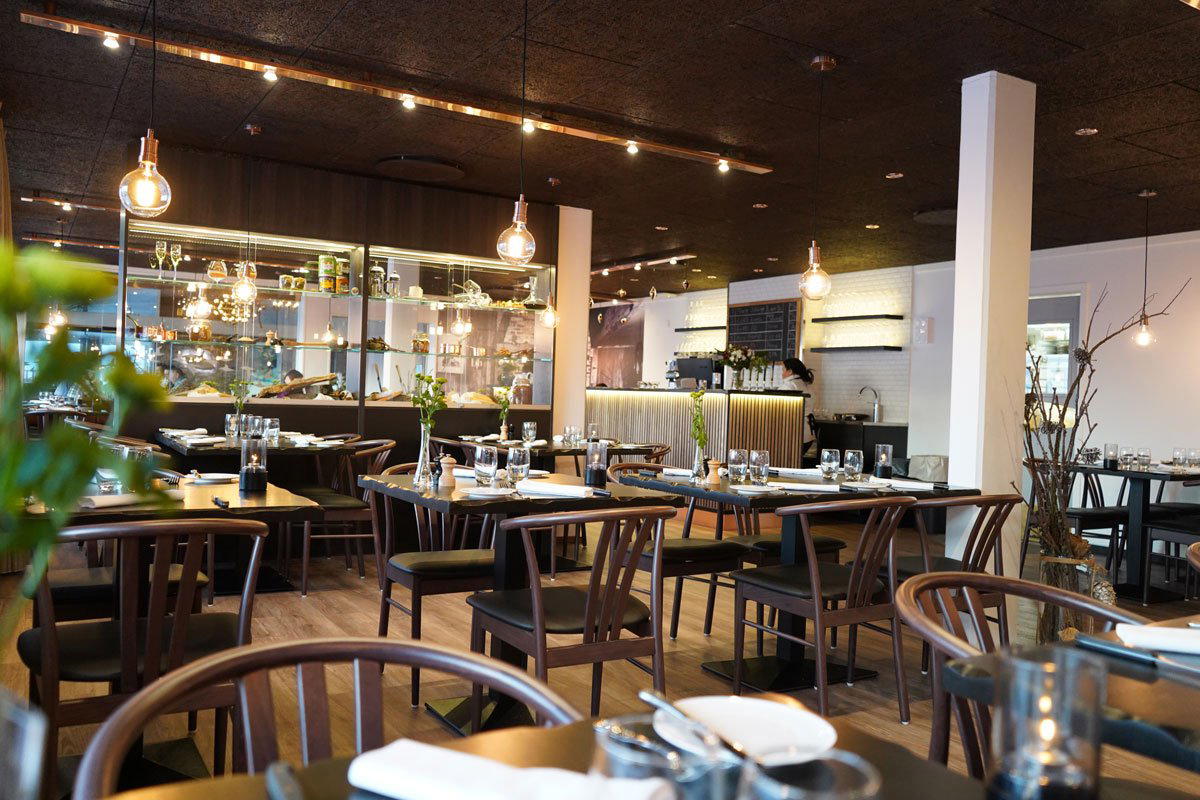
Elegant and refined with far-reaching views of Ilulissat harbour and icebergs; casual yet sophisticated atmosphere enhanced by artistic plating and soft lighting.