Qooqqut Nuan sits at the intersection of Arctic geography and Greenlandic culinary tradition, drawing ingredients directly from the fjord and tundra surrounding Nuuk. It represents a category of dining that is as much about place as about plate, operating in one of the world's most remote capital cities where supply chains are short by necessity and provenance is embedded in the cuisine itself.

Pearl is the En Primeur Club membership app — saves, bookings, and concierge access live there. Same editors, same standards.
Where the Fjord Writes the Menu
Nuuk occupies a strip of southwestern Greenland where the Davis Strait meets a fractured coastline of fjords, islands, and open water. Arriving at Qooqqut Nuan, the surrounding environment is not backdrop, it is the operating premise. The fjord visible from the site is the same body of water that supplies the kitchen. That relationship between geography and plate is not a marketing conceit in this part of the world; it is a practical fact shaped by logistics, seasonality, and the realities of supplying a city of roughly 20,000 people at the edge of the Arctic.
Greenland's dining scene has developed slowly by global standards, with Nuuk only recently attracting international attention as a food destination. For a broader map of where to eat across the city, Qooqqut Nuan sits within that local field, where the sourcing story and the experience of reaching the restaurant are inseparable from the meal itself.
Ingredient Provenance as the Central Argument
The concept of hyper-local sourcing, now common shorthand at fine-dining restaurants across Europe and North America, carries different weight in the Arctic. At restaurants such as Arpège in Paris or Azurmendi in Larrabetzu, local sourcing is a deliberate ethical and aesthetic choice made against a backdrop of abundant alternatives. In Nuuk, it is structural.
Greenlandic cuisine is built around a core of marine protein: Arctic char, Greenlandic halibut, and various species of sea mammal hunted under traditional rights. Alongside these, tundra plants, crowberries, Arctic thyme, angelica, provide the herbaceous register that chefs elsewhere would source from farms or specialty suppliers. At Qooqqut Nuan, these ingredients are not curated additions to a menu conceived elsewhere; they constitute the primary vocabulary. That positions the kitchen in a tradition closer to pre-modern subsistence cooking than to the consciously regionalist fine dining of, say, the Nordic movement in Copenhagen, even as it shares surface characteristics with that movement.
For comparison, Atelier Moessmer Norbert Niederkofler in Brunico has articulated a similar philosophy of Alpine provenance within a high-altitude, limited-supply environment. The restaurant operates in a context that is geographically more extreme and institutionally less connected to the international awards circuit,
The Scene This Restaurant Belongs To
Greenland's restaurant culture has historically been oriented around necessity rather than experience. The emergence of destination restaurants in Nuuk and elsewhere, including the internationally recognised Koks, which relocated operations to the Ilimanaq Lodge, represents a significant shift. That shift maps onto broader Arctic tourism growth, with Nuuk's airport handling more international connections than at any previous point in the island's history.
The restaurant sits within this evolving tier of Greenlandic hospitality: restaurants that understand their audience as international travellers willing to travel specifically to eat, and that price and present themselves accordingly. It occupies a different position from the more casual Hong Kong Café in Ilulissat, which reflects the pragmatic, multi-cuisine approach common in Greenlandic towns, and from Restaurant Ulo, which takes a more hotel-anchored approach within Nuuk itself.
The restaurant's positioning is not primarily local. Internationally, the closest analogues are restaurants that use genuine geographic remoteness as part of their identity while maintaining serious culinary ambition: think Lazy Bear in San Francisco for its communal, experience-forward format, or Aponiente in El Puerto de Santa María for its commitment to marine ingredients that most kitchens overlook. What the restaurant shares with both is an insistence that the ingredient itself carries the argument.
At-a-Glance Comparison
Comparable venues nearby, for context on price, style, and recognition.
| Venue | Cuisine | Price | Notes |
|---|---|---|---|
| Qooqqut NuanThis venue — the venue you are viewing | Greenlandic Seafood Fusion | $$$ | Not listed |
| Restaurant Ulo | Modern Nordic Arctic | $$$$ | Ilulissat |
| Restaurant Egede | Modern Greenlandic Fine Dining | $$$$ | Iliminaq |
| Koks - Ilimanaq Lodge | Modern Greenlandic Locavore Fine Dining | $$$$ | Ilimanaq |
| Hong Kong Café | Chinese, Asian & Thai | $ | Ilulissat |
At a Glance
- Scenic
- Cozy
- Rustic
- Special Occasion
- Waterfront
- Local Sourcing
- Waterfront
- Mountain
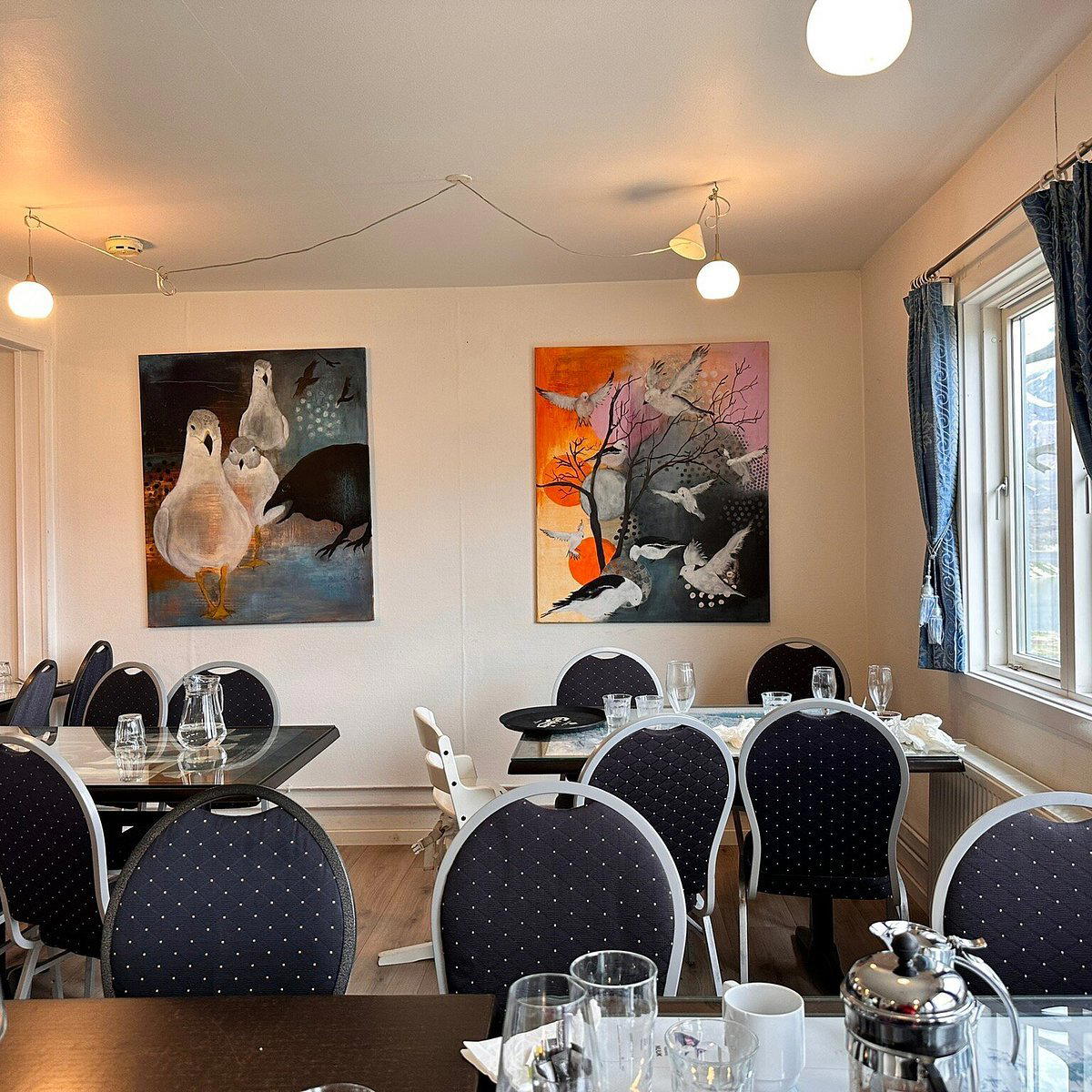
Warm and welcoming with unbeatable fjord and mountain views from the small green house restaurant.