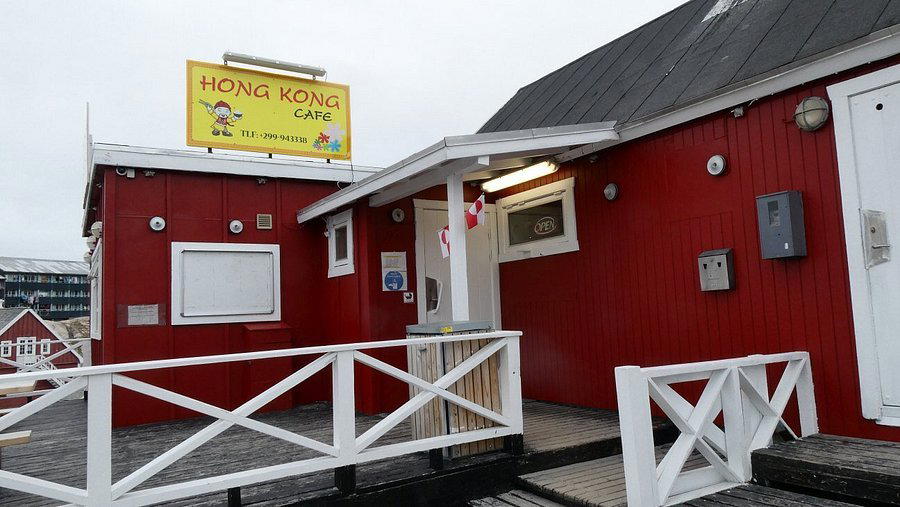
In a town defined by ice and Atlantic light, Hong Kong Café occupies a specific niche in Ilulissat's small dining scene: a café whose name alone signals the cross-cultural currents that remote Arctic settlements develop over generations of trade and migration. With almost no comparable venue in the region, it draws visitors seeking something other than Nordic tasting menus, sitting well outside the fine-dining tier occupied by Koks and Restaurant Ulo.

Pearl is the En Primeur Club membership app — saves, bookings, and concierge access live there. Same editors, same standards.
Where Arctic Supply Chains Shape Every Plate
Ilulissat is not a city with abundant culinary infrastructure. Roughly 4,500 people live here, on the west coast of Greenland, serviced by air and the occasional supply vessel. What arrives in this town arrives by design and by necessity, and that constraint is the defining condition of every kitchen operating within it. Hong Kong Café is a casual Chinese, Asian & Thai restaurant in Ilulissat. Understanding the café means understanding first what it takes to run any food operation at this latitude, where the sourcing question is not one of preference but of logistics and seasonal availability.
The name itself is the first editorial signal worth reading. Cafés bearing Asian place names in remote Arctic settlements typically trace back to Chinese-Greenlandic migration patterns from the mid-twentieth century, when a small number of Hong Kong Chinese families relocated to Greenlandic towns and opened informal restaurants that became fixtures of local life. That phenomenon produced a category of establishment found in places like Nuuk, Sisimiut, and Ilulissat: the Chinese-Greenlandic café, serving a hybrid menu shaped by both the family's culinary background and whatever the local supply chain could deliver.
Ingredient Reality at the Edge of the Ice Sheet
The ingredient sourcing question in Ilulissat breaks into two distinct streams. The first is local: Greenland waters produce some of the North Atlantic's most notable seafood, including Greenlandic halibut (the prized Greenland turbot), Arctic char, snow crab, and shrimp from Disko Bay, which sits directly in front of the town. These ingredients are genuinely regional and, in any kitchen willing to use them, give even an informal café access to raw materials that more celebrated addresses, such as Le Bernardin in New York City, would have to import at considerable cost. The second stream is imported staples, vegetables, grains, and proteins that cannot be grown or raised locally and must travel by plane or ship, arriving less frequently than in any continental European or North American city.
This is the sourcing tension that shapes Ilulissat dining across all price points, from the Nordic fine-dining register of Koks at Ilimanaq Lodge to the accessible daily-use tier that a café occupies. At the higher end, venues like Restaurant Ulo tend to foreground the Arctic pantry as a deliberate curatorial choice. Cafés, by contrast, work with whatever is available, which often means the freshest ingredients on the plate are the local ones and the familiar to an international traveller are the imported ones showing the travel wear.
The Café Tier in an Arctic Town
In towns of Ilulissat's size and remoteness, the café is not a secondary option for those who missed a reservation elsewhere. It is frequently the primary daily eating option for residents, local workers, and budget-conscious travellers, and it operates on different rhythms than a destination restaurant. Opening hours tend toward the practical rather than the theatrical: covering lunch and early dinner rather than late sittings. Menus in this tier are typically short, printed or handwritten, and change with availability rather than by seasonal design. For a visitor arriving from a city with the density of Hong Kong, the reference point for 8 1/2 Otto e Mezzo Bombana or Amber, the café format here requires a recalibration of expectations that is not a disappointment but an education in how food culture actually functions in remote communities.
The comparable set for Hong Kong Café is not the tasting-menu rooms of Alinea in Chicago or Alléno Paris au Pavillon Ledoyen. It is not even the ambitious coastal cooking of Aponiente in El Puerto de Santa María. It sits in the category of essential local infrastructure, closer in function to a canteen than a destination, valued for reliability, familiarity, and the particular cross-cultural character that Arctic Chinese-Greenlandic cafés developed over decades of community life. In Nuuk, Qooqqut Nuan represents the higher-concept end of Greenlandic dining; Hong Kong Café in Ilulissat represents something more grounded in daily necessity.
Cross-Cultural Cooking in an Isolated Context
The hybrid menu format common to these establishments tends to sit loosely across Cantonese staples, fried rice and noodle dishes adapted to available proteins, and more straightforwardly Greenlandic offerings like fish soup and open-faced sandwiches. The culinary logic is not fusion by ideology, in the way that a kitchen like Atomix in New York City constructs a deliberate Korean-inflected tasting menu, but fusion by circumstance: two culinary traditions living alongside each other in a small building in the Arctic, each adjusted by what can actually be sourced. That is a more interesting story, editorially, than most tasting-menu narratives because the constraints are real and legible on the plate.
Broader regional comparisons reinforce the point. The farm-to-table emphasis that drives celebrated addresses like Lazy Bear in San Francisco or the vegetable-forward philosophy at Arpège in Paris is a choice made possible by proximity and abundance. In Ilulissat, the relationship between kitchen and ingredient is not philosophical but physical. You cook what arrives. The editorial interest lies in what arrives when the fjord is the pantry: Disko Bay shrimp and Greenlandic halibut are among the least-processed, shortest-supply-chain proteins available to any restaurant operating in the Northern Hemisphere.
Planning a Visit
Ilulissat is reached primarily by Air Greenland, with connections through Nuuk or direct seasonal routes from Copenhagen. The town's restaurants and cafés are concentrated enough that pre-arrival research matters less than in a larger city; most options are within walking distance of the main accommodation strip. For a café at this tier, reservations are typically not required, and visiting during the midday service window gives a stronger chance of a full menu. The restaurant offers a casual menu shaped by what can be sourced in Ilulissat.
Comparison Snapshot
Comparable venues nearby, for context on price, style, and recognition.
| Venue | Cuisine | Price | Notes |
|---|---|---|---|
| Hong Kong CaféThis venue — the venue you are viewing | Chinese, Asian & Thai | $ | Not listed |
| Koks - Ilimanaq Lodge | Modern Greenlandic Locavore Fine Dining | $$$$ | Ilimanaq |
| Restaurant Ulo | Modern Nordic Arctic | $$$$ | Ilulissat |
| Qooqqut Nuan | Greenlandic Seafood Fusion | $$$ | Qooqqut |
| Restaurant Egede | Modern Greenlandic Fine Dining | $$$$ | Iliminaq |
Continue exploring
More in Ilulissat
Restaurants in Ilulissat
Browse all →
At a Glance
- Cozy
- Casual Hangout
- Terrace
- Waterfront
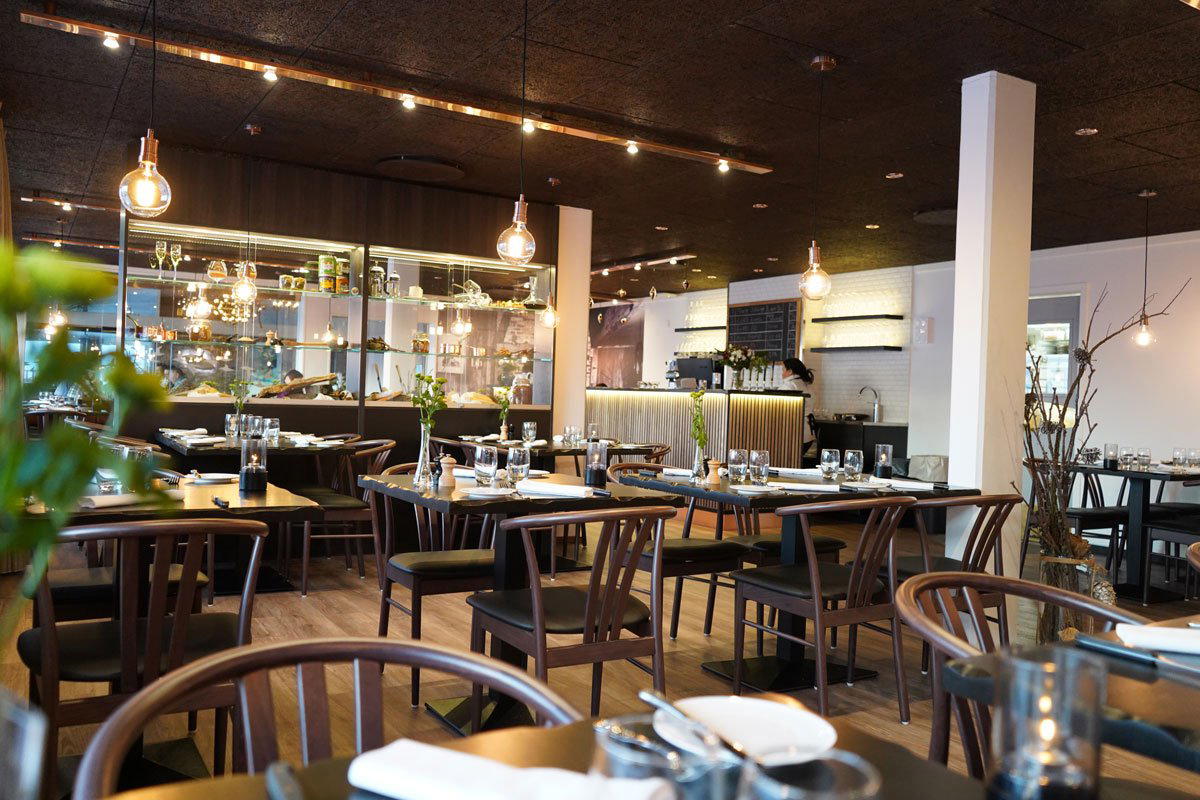
Homey, basic space with a nice south-facing terrace offering iceberg views; humble and clean interior.