
Open since 1989 and still run by its two founders, Restaurant Nil has held its place at Neuer Pferdemarkt in Hamburg's St. Pauli district through decades of neighbourhood change. The longevity itself signals something: in a city where restaurants open and fold with regularity, owner-operated continuity at this address carries weight. A Hamburg reference point, not a novelty.
Pearl is the En Primeur Club membership app — saves, bookings, and concierge access live there. Same editors, same standards.
- Address
- Neuer Pferdemarkt 5, 20359 Hamburg, Germany
- Phone
- +49 40 4397823
- Website
- restaurant-nil.de
- Directions
- Get directions
 Saves & bookings on Pearl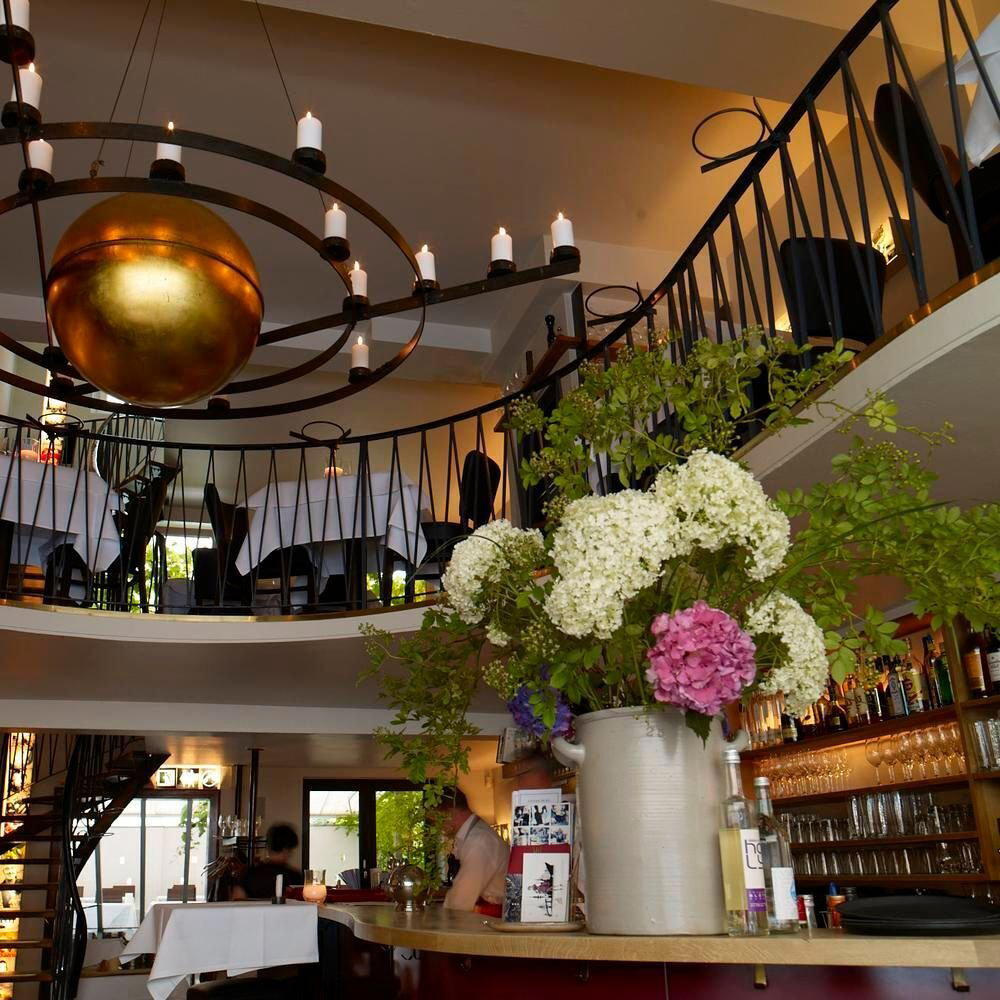
St. Pauli's Long Game
The Neuer Pferdemarkt sits at the edge of St. Pauli where the neighbourhood shifts from late-night entertainment strip to something quieter and more residential. Arriving at number 5, you are not walking into a recently renovated concept restaurant or a venture-backed dining room. The building carries the particular weight of a place that has been in continuous operation since 1989, and that history is legible before you even step inside. Restaurant Nil is a seasonal international fine-dining restaurant in Hamburg, Germany, with a smart casual dress code and recommended reservations.
Across Germany, this category of restaurant faces persistent pressure. The economics of owner-operated dining have tightened considerably since the 1980s, and the restaurants that survive three-plus decades under original ownership do so through a combination of loyal local following, consistent execution, and a clear sense of place. Restaurant Nil, opened and still operated by Elisabeth Füngers and Steffen Hellmann, sits in that cohort. The founders' continued involvement is not a marketing point; it is the operational reality that defines how such places maintain character across long timelines.
Hamburg's Dining Tiers and Where Nil Fits
To understand Restaurant Nil's position, it helps to map Hamburg's restaurant spectrum briefly. At one end, the city's fine-dining tier is represented by addresses like Restaurant Haerlin, The Table Kevin Fehling, and 100/200 Kitchen, all operating in the €€€€ bracket with tasting-menu formats, significant critical recognition, and booking windows that run months out. Further along, places like bianc and Lakeside anchor a modern Mediterranean and contemporary German tier at comparable price points. These are venues where the dining format, the critical apparatus, and the price signal are all aligned and visible.
The restaurant operates outside that framework. Its reputation is not built on annual award cycles or tasting-menu innovation. Instead, the establishment's three-and-a-half decades of continuous operation in St. Pauli tell a different kind of critical story: longevity as validation. In the broader German restaurant context, this mirrors patterns seen at long-running neighbourhood institutions in Munich, Berlin, and Cologne, where the absence of Michelin attention is not a measure of quality so much as a measure of category. For comparison, look at the critical reception of long-running regional institutions like Schwarzwaldstube in Baiersbronn or Vendôme in Bergisch Gladbach: their Michelin credentials place them in an entirely different competitive set, one that restaurant does not compete within and was never designed to.
The Reputation of Continuity
What constitutes reputation for a restaurant that has been operating since 1989 without a publicised awards profile? In the neighbourhood-institution category, the critical signals are structural rather than prize-based. Owner-operated continuity at one address for over 35 years is evidence of sustained local demand. That kind of retention does not happen through novelty; it requires consistent delivery of something guests return to. In Hamburg's St. Pauli, where the demographic mix of the neighbourhood has shifted substantially since the late 1980s, maintaining relevance across that timeline adds another layer of weight to the longevity argument.
This pattern appears in other long-running owner-operated rooms across the world. At Emeril's in New Orleans, decades of operation have given the restaurant a civic-institution quality distinct from its award history. The same dynamic, at a different scale and without the celebrity-chef element, applies to places like Restaurant Nil, where the founders themselves remain the continuity thread. The institutional knowledge held by long-tenured owner-operators is qualitatively different from what a newer venue can offer, and that difference shapes the experience of dining there in ways that are difficult to replicate through design or concept alone.
St. Pauli as Context
The restaurant's address at the Pferdemarkt puts it in one of Hamburg's most layered neighbourhoods. St. Pauli's reputation rests heavily on the Reeperbahn and its surrounding entertainment infrastructure, but the district extends well beyond that strip. The Pferdemarkt area has historically functioned as a transition zone between the denser residential fabric of the neighbourhood and the commercial core, and it has supported independent hospitality operations for decades. For visitors approaching from Hamburg's central hotel district, the area is accessible without being immediately adjacent to the main tourist routes, which gives neighbourhood restaurants here a slightly different character than those located in more heavily trafficked parts of the city.
Planning a Visit
The restaurant is located at Neuer Pferdemarkt 5, 20359 Hamburg. The restaurant is open Monday, Wednesday through Sunday from 5 to 11 PM and is closed on Tuesday. Given that owner-operated neighbourhood institutions of this tenure tend to attract a local following that books ahead, particularly on weekend evenings, checking availability before arriving is sensible. Reservations are recommended.
Aqua in Wolfsburg, JAN in Munich, ES:SENZ in Grassau, and CODA Dessert Dining in Berlin.
Comparable Spots, Quickly
Comparable venues nearby, for context on price, style, and recognition.
| Venue | Cuisine | Price | Notes |
|---|---|---|---|
| Restaurant NilThis venue — the venue you are viewing | Seasonal International Fine Dining | $$ | Not listed |
| Authentikka | Modern Indian | $$ | Neu Lokstedt |
| Cantinetta | Modern Italian | $$ | Hamburg-Altstadt |
| WilliamsBurger | American Burgers with Balkan Influences | $$ | Rotehaus |
| Pizza Bande | Creative Contemporary Pizza | $$ | St. Pauli |
| Café Klatsch | German Café with Breakfast and Turkish Accents | $$ | St. Pauli |
Recognition history
Dated appearances from independent guides and award organizations, with the underlying list record or original source where available.
Star Wine List
Star Wine List
Continue exploring
More in Hamburg
Restaurants in Hamburg
Browse all →
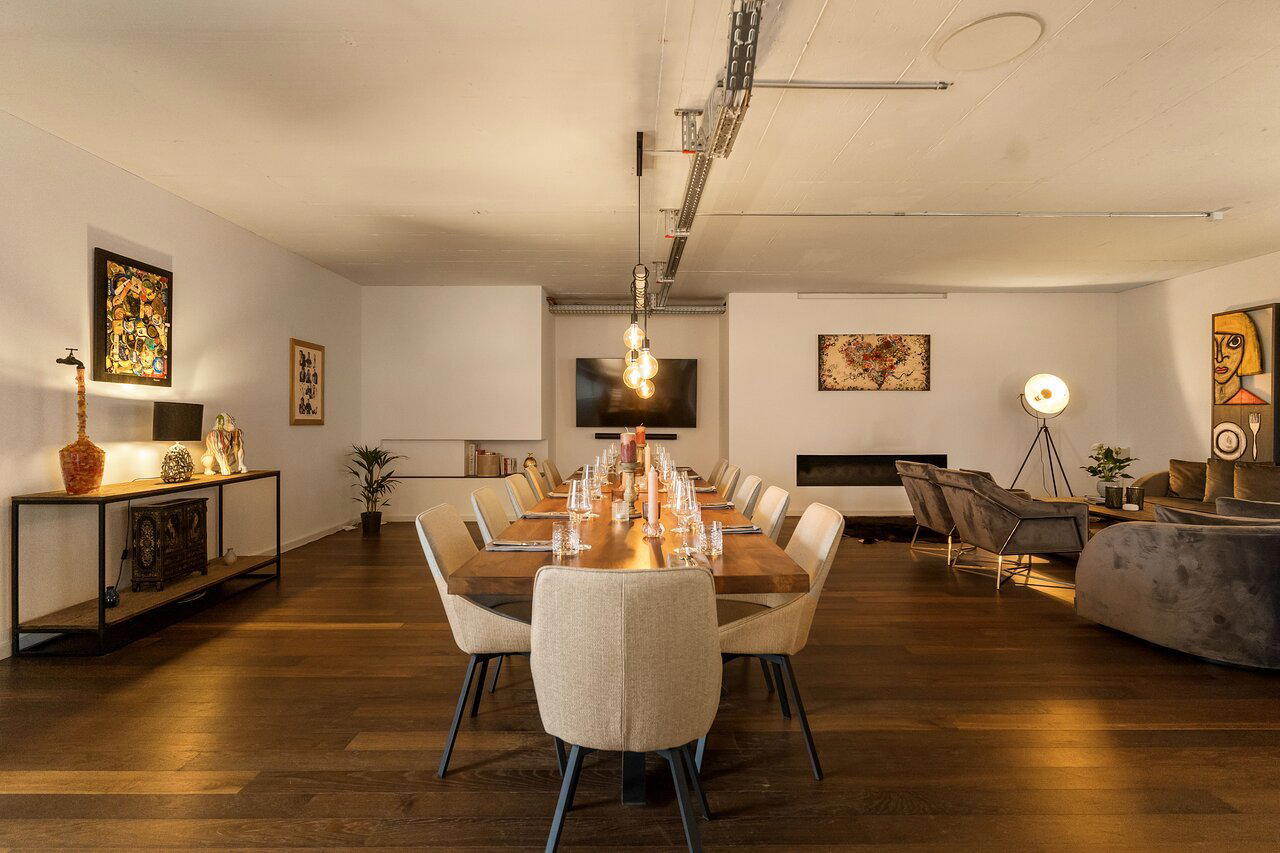
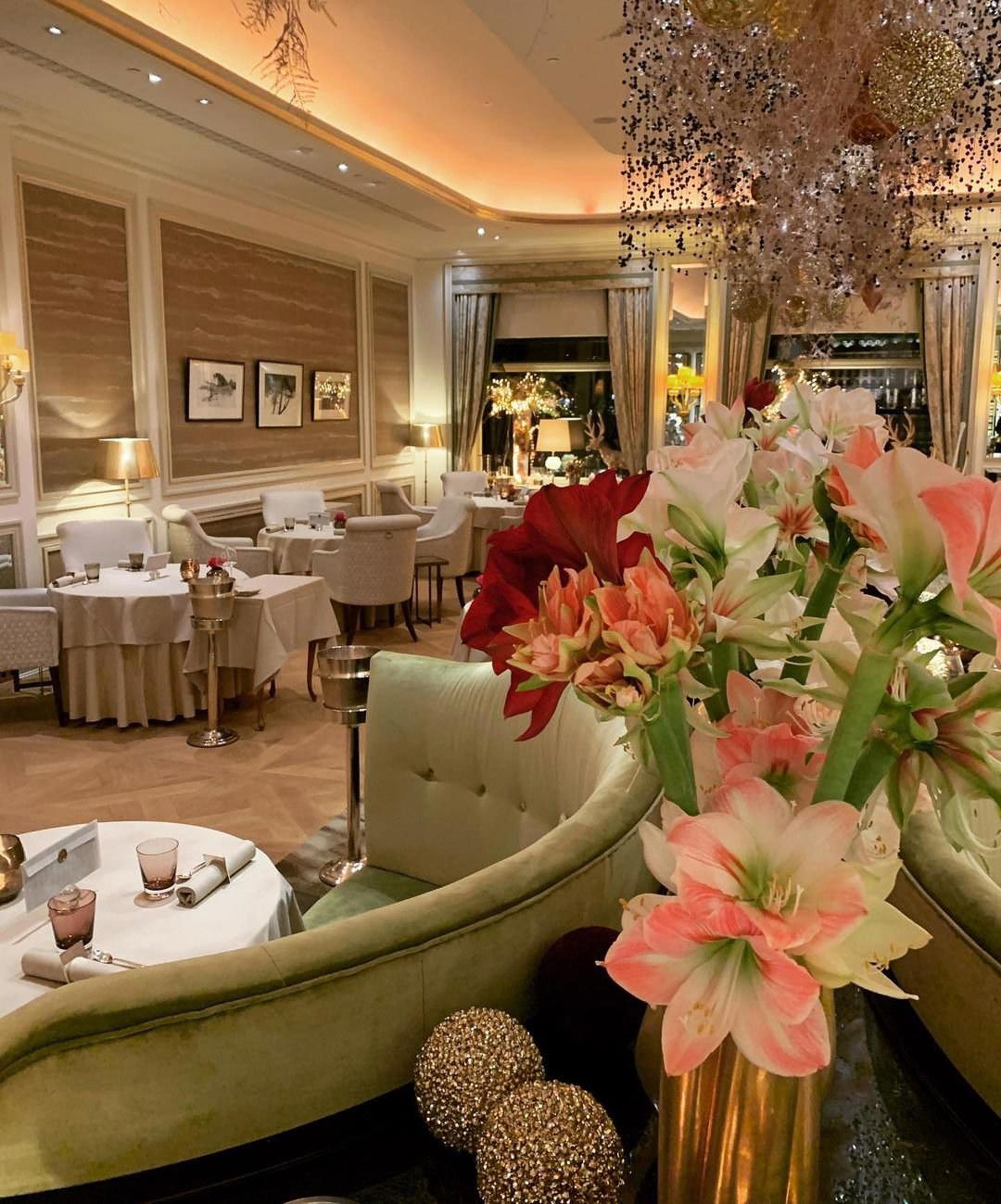
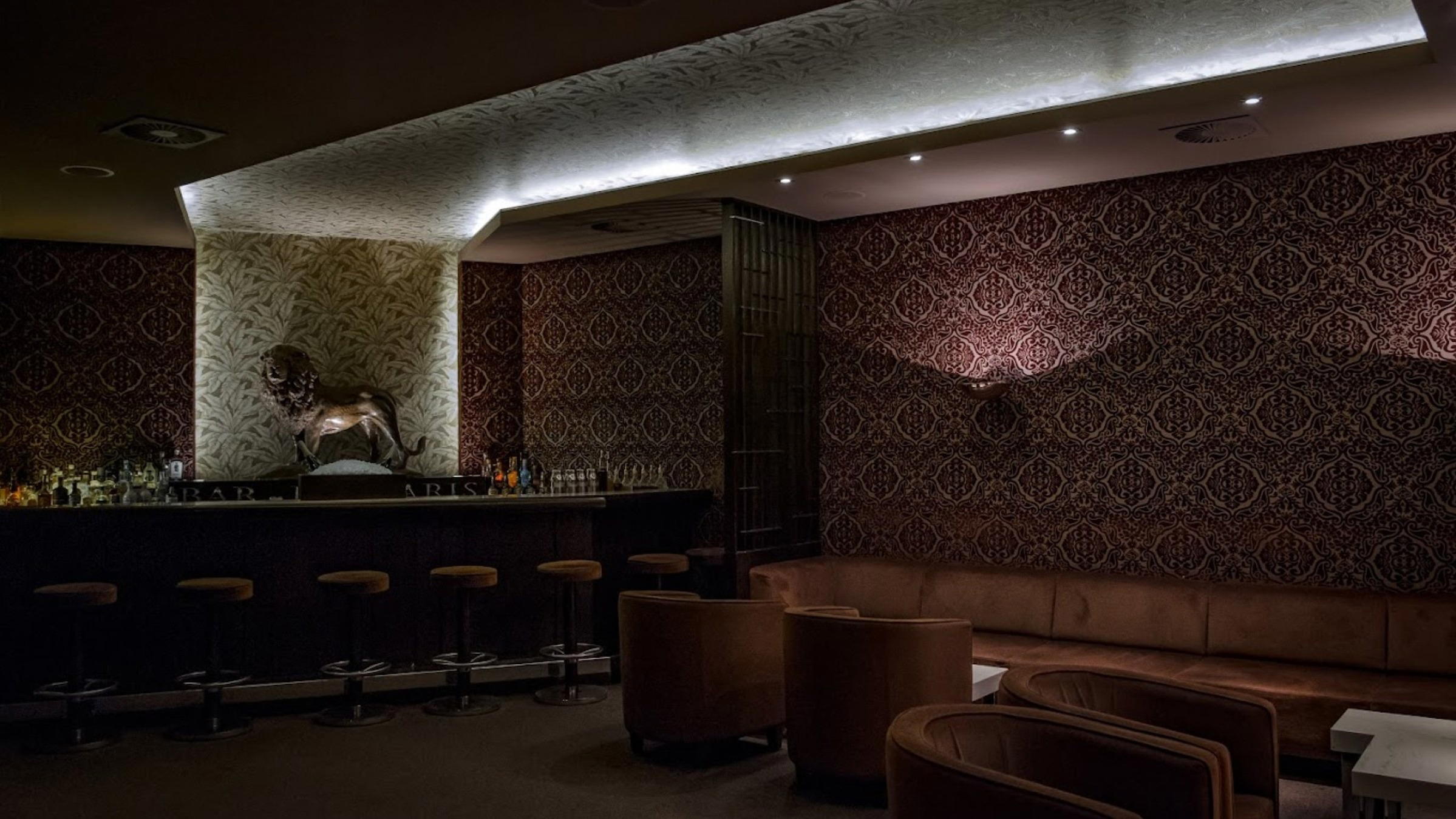
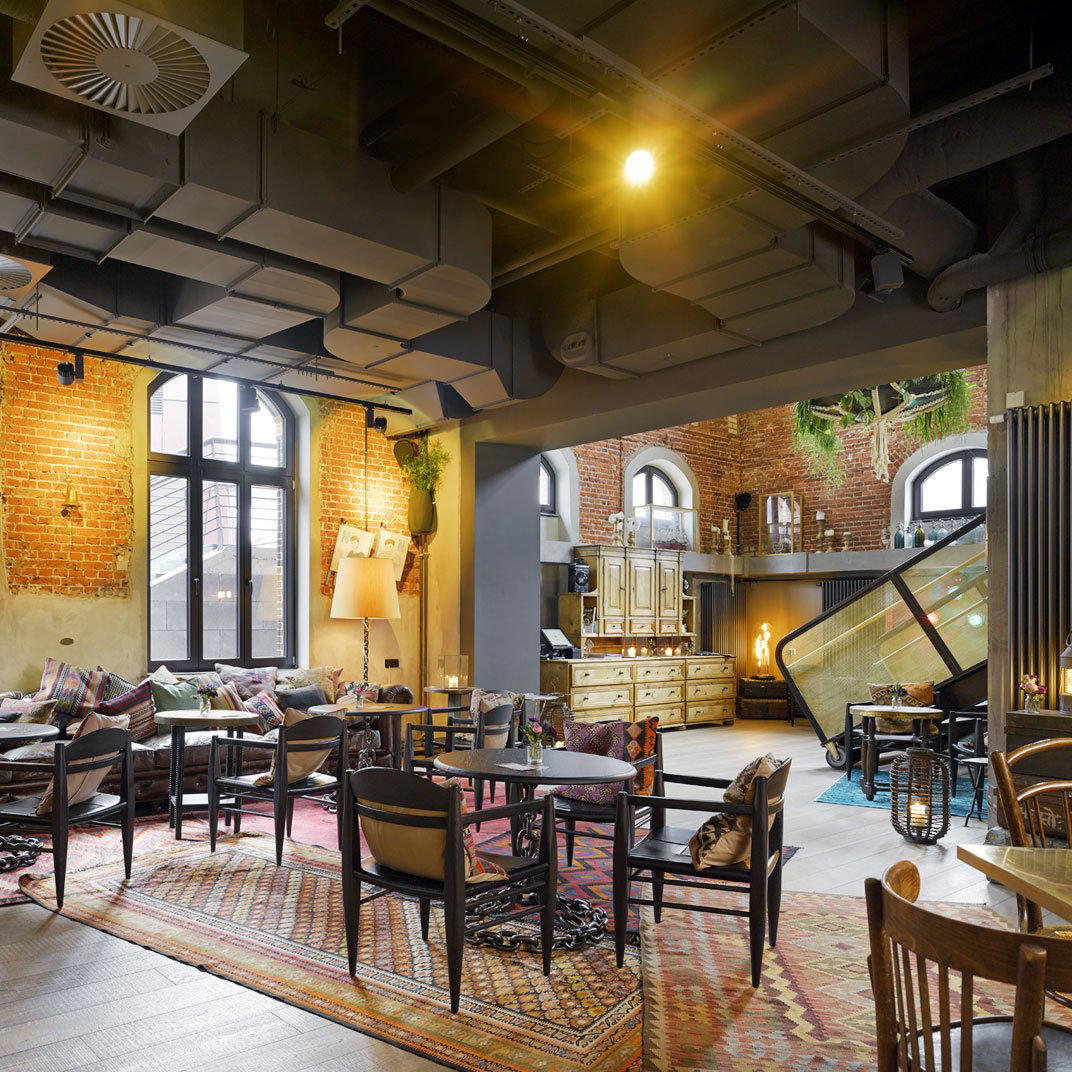
At a Glance
- Cozy
- Elegant
- Intimate
- Trendy
- Date Night
- Special Occasion
- Open Kitchen
- Extensive Wine List
- Local Sourcing
Current opening hours
- Monday
- 5–11 PM
- Tuesday
- Closed
- Wednesday
- 5–11 PM
- Thursday
- 5–11 PM
- Friday
- 5–11 PM
- Saturday
- 5–11 PM
- Sunday
- 5–11 PM
Hours can change for holidays and private events. Last verified .
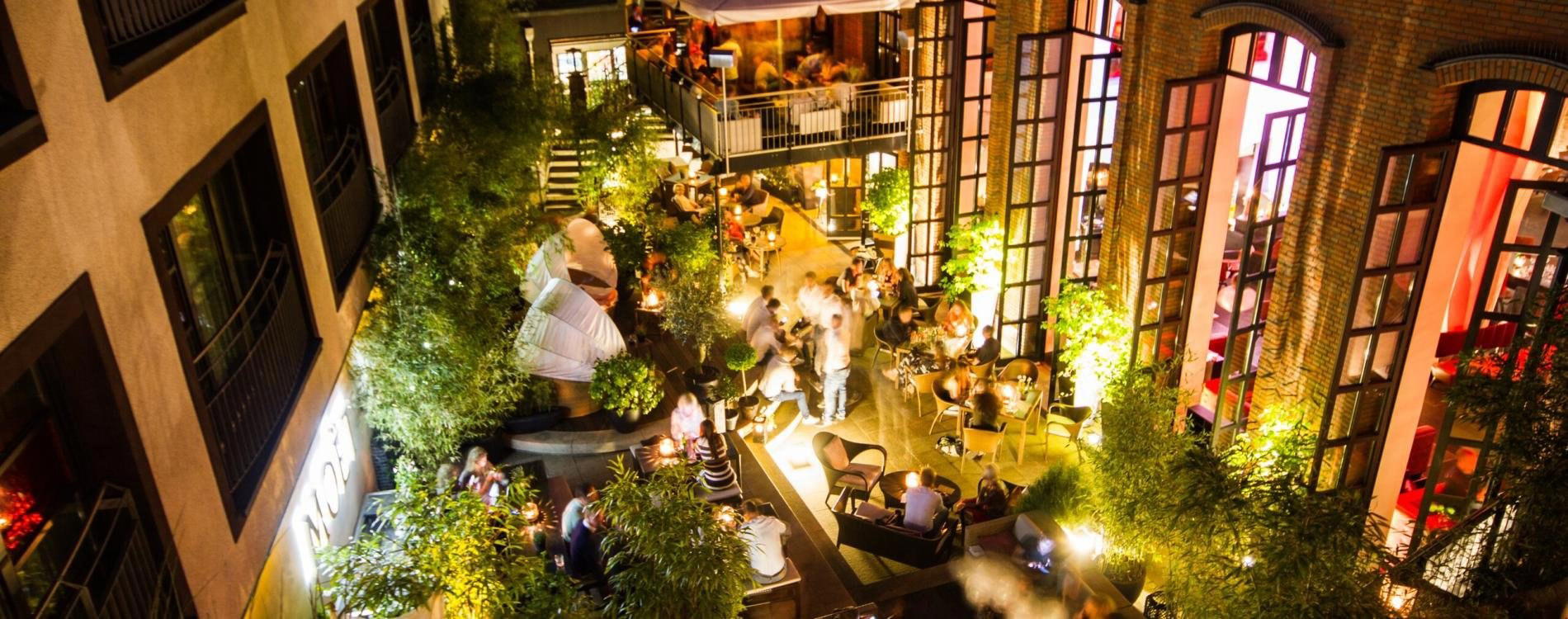
Delightful, harmonious ambience with relaxed feel-good atmosphere, warm lighting, and multi-level seating including a gallery.