La Factory
La Factory occupies an address on the Avenue de la Mer corridor in Montpellier, positioning it within the city's evolving dining scene where industrial-influenced spaces and technique-driven cooking increasingly define the mid-to-upper tier. Set against the broader Languedoc tradition of produce-led French cooking, it draws on the region's Mediterranean agricultural base while engaging with contemporary methods. Visitors to Montpellier with an interest in modern French cooking will find it worth tracking alongside the city's other serious tables.
Pearl is the En Primeur Club membership app — saves, bookings, and concierge access live there. Same editors, same standards.
- Address
- 598 Av. de la Mer-Raymond Dugrand, 34000 Montpellier, France
- Phone
- +33467202060
- Website
- lafactory-restaurant.fr
- Directions
- Get directions
 Saves & bookings on Pearl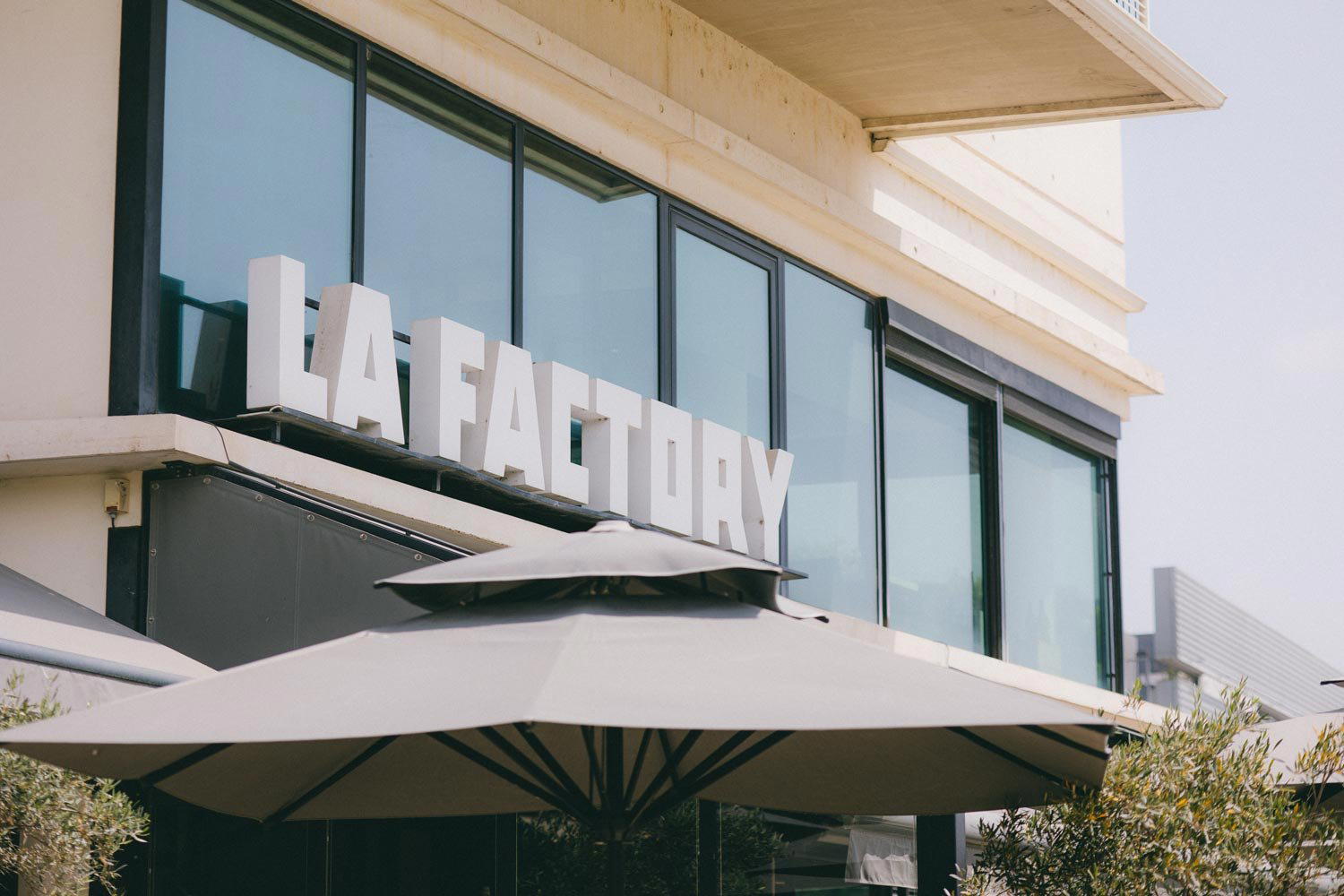
Where the Avenue de la Mer Meets the Table
Montpellier's dining geography has shifted meaningfully over the past decade. The historic centre still holds the city's more established names, but the Avenue de la Mer corridor, running toward the sea through redeveloped urban fabric, has accumulated a different kind of restaurant: spaces that trade the intimate scale of old-town dining rooms for broader formats, often with an industrial or warehouse aesthetic that signals a younger, more internationally informed sensibility. La Factory, at 598 Avenue de la Mer-Raymond Dugrand, sits in that zone, and the address itself tells part of the story before you step inside.
The broader shift this represents is worth understanding. Across southern French cities, a category of restaurant has emerged that doesn't fit neatly into the traditional brasserie-bistro-gastronomique hierarchy. These are places shaped by international culinary education, proximity to serious Mediterranean produce, and an audience that has eaten widely enough to recognise the reference points. Montpellier, with its large student population, strong medical and research institutions, and relative proximity to Barcelona, has been a particularly receptive environment for this format. La Factory is a modern French bistro in Montpellier, priced at about $55 per person, and it belongs to that wider pattern.
Languedoc Produce Through a Global Lens
The editorial angle that makes Montpellier interesting as a dining city is precisely the one that La Factory's positioning reflects: the intersection of indigenous Languedoc ingredients with techniques drawn from broader European and global cooking traditions. This is not a new tension in French gastronomy. The question of how much to mediate between terroir and technique has defined debates at the highest levels of French cooking for generations, from the classicism of houses like Paul Bocuse's Auberge du Pont de Collonges and Auberge de l'Ill in Illhaeusern to the hyper-territorial approach of Bras in Laguiole and the technical sophistication of Mirazur in Menton.
In the Languedoc context, that tension plays out through a specific pantry. The region produces thyme and garrigue herbs that carry a different aromatic weight than their northern French counterparts, sea bream and rouget from the Mediterranean, lamb from the Causses plateau, and wines from appellations including Pic Saint-Loup and Faugères that have grown considerably in critical standing over the past fifteen years. A kitchen operating in this territory that chooses to import techniques from, say, Japanese precision cooking, Nordic fermentation traditions, or the kind of sauce reduction approach that characterises places like Flocons de Sel in Megève or Alléno Paris au Pavillon Ledoyen, is making a deliberate statement about where it positions itself within French cooking's internal argument.
One compelling version of that argument, when it works, produces dishes where the technique recedes and the ingredient becomes more legible, not less. The less successful version produces a kind of restless eclecticism where the imported method dominates and the local produce becomes a prop. Which side of that line any given kitchen falls on is the question a serious diner brings to a first visit.
La Factory in Montpellier's Competitive Set
Montpellier's serious restaurant tier is smaller than its size and gastronomic reputation might suggest. At the leading end, Jardin des Sens has historically anchored the city's French Gastronomic category at the €€€€ price point, with the Pourcel brothers' twin-chef format becoming one of the more distinctive signatures in southern French cooking. Below that, a cluster of Modern Cuisine operators at €€€, including Leclère, La Réserve Rimbaud, Pastis Restaurant, and Reflet d'Obione, have established a credible mid-to-upper tier that rewards the visitor who moves beyond the old town's tourist-facing offers.
The restaurant sits somewhere in this broader contemporary dining pattern, on an address that places it outside the traditional restaurant cluster but within reach of the city's newer commercial and cultural zones.
The comparison extends beyond France. At the technical ambition level, the global conversation about how to apply precision cooking to Mediterranean produce has been led by places as far apart as AM par Alexandre Mazzia in Marseille, where Mazzia's three-star work reads as among the more distinctive southern French approaches to exactly this question, and internationally at venues like Atomix in New York City, where Korean technique applied to global ingredients has become a reference point for what rigorous cross-cultural cooking can achieve. Le Bernardin in New York City remains the clearest model for how a single-product focus, executed with extreme technical precision, can produce a dining identity strong enough to define a restaurant across decades. Troisgros in Ouches and Assiette Champenoise in Reims anchor the French end of that technical seriousness. Au Crocodile in Strasbourg sits in a different French regional tradition entirely, but demonstrates how a restaurant can hold its identity across changing culinary fashions.
Planning a Visit: What to Know
The Avenue de la Mer address places the restaurant in a part of Montpellier that is more accessible by tram or car than on foot from the city centre. The tram network, which is Montpellier's most efficient way to move between neighbourhoods, connects the city centre to the coastal axis.
This is particularly relevant for visitors arriving in summer, when Montpellier's restaurant scene operates under different pressures than the academic-year calendar that otherwise shapes the city's rhythms. High season, roughly July through August, compresses availability at serious tables across the city and rewards advance planning.
Peers You’d Cross-Shop
Comparable venues nearby, for context on price, style, and recognition.
| Venue | Cuisine | Price | Notes |
|---|---|---|---|
| La FactoryThis venue — the venue you are viewing | Modern French Bistro | $$$ | Not listed |
| La Closerie | Modern French Bistro | $$$ | Comédie |
| La Table Des Poètes | Modern French Mediterranean | $$$ | Gambetta |
| Braise | French Wood Fire Grill & Wine Cave | $$$ | Nazareth |
| MENJIA | Modern French Bistro | $$$$ | Préfecture |
| Trinquefougasse O'Sud | French Tapas & Wine Bar | $$ | Port Marianne |
Continue exploring
More in Montpellier
Restaurants in Montpellier
Browse all →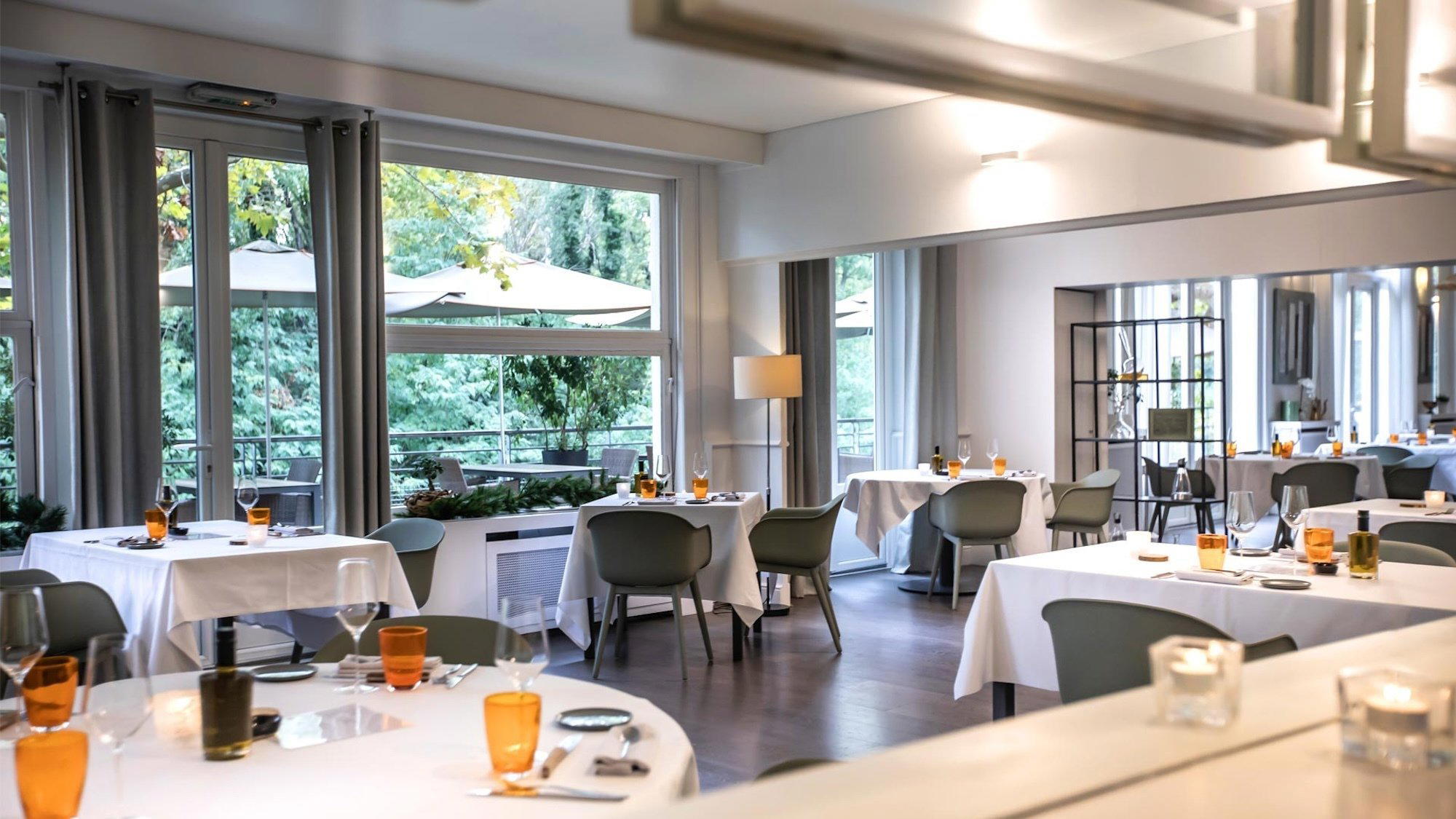
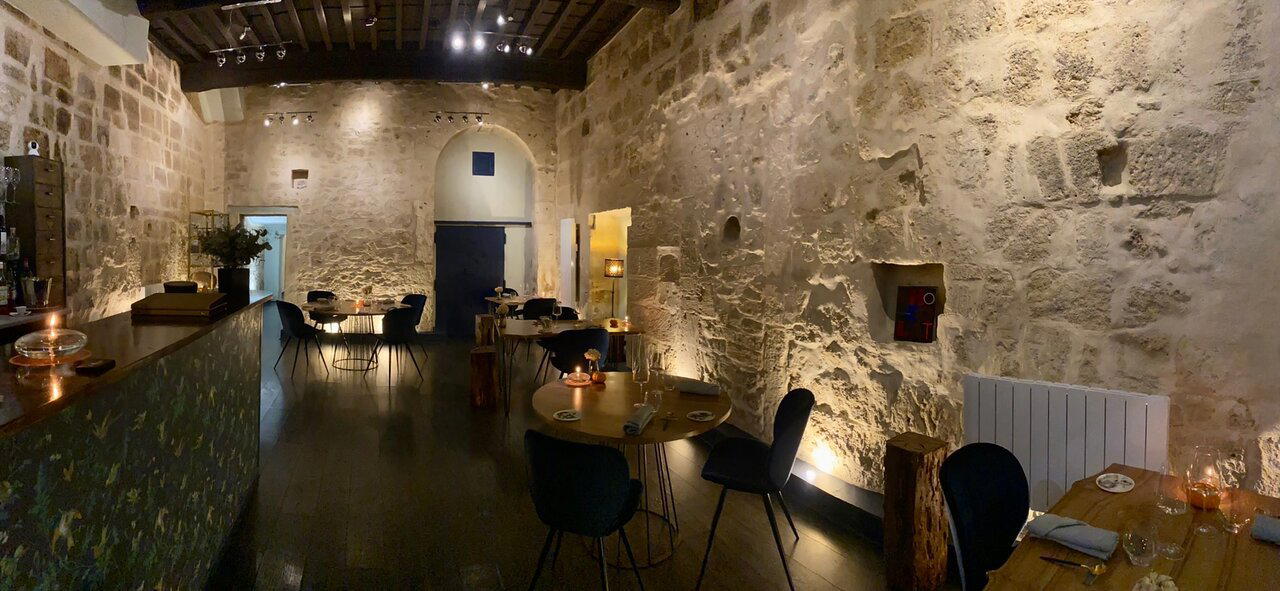
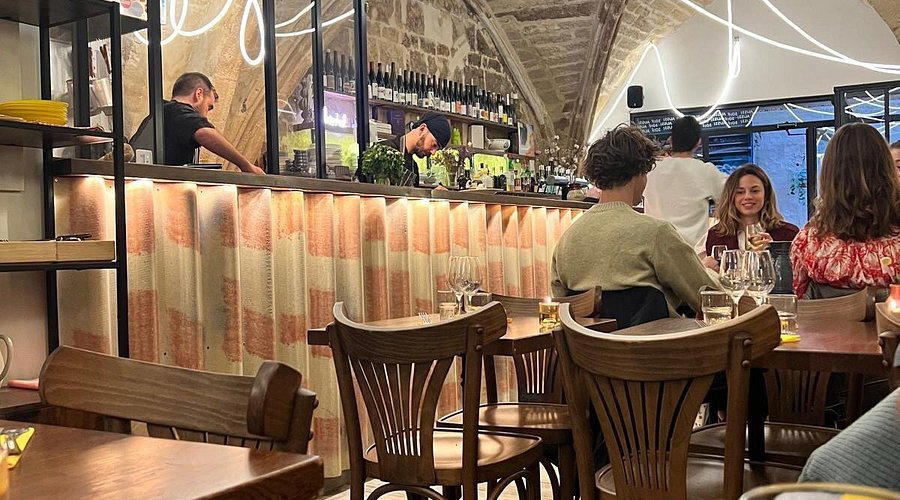
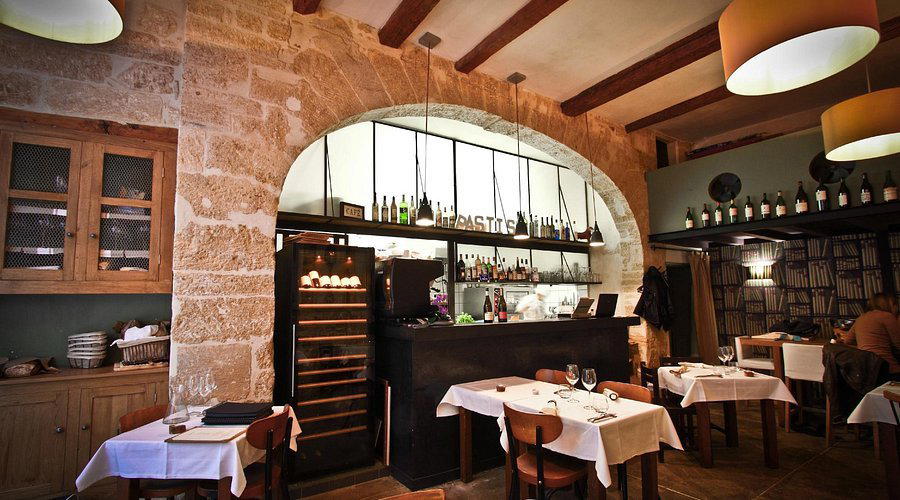
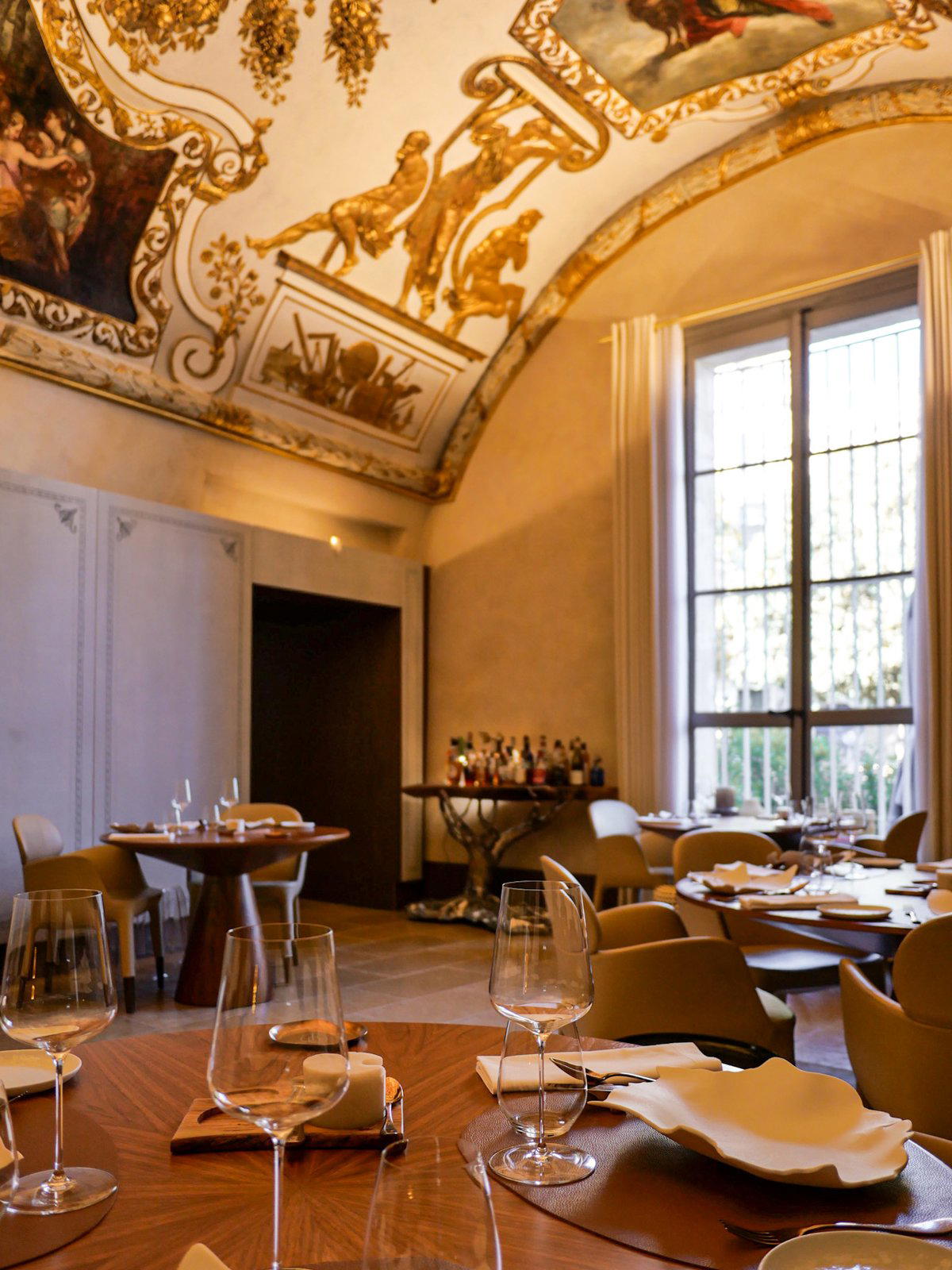
Bars in Montpellier
Browse all →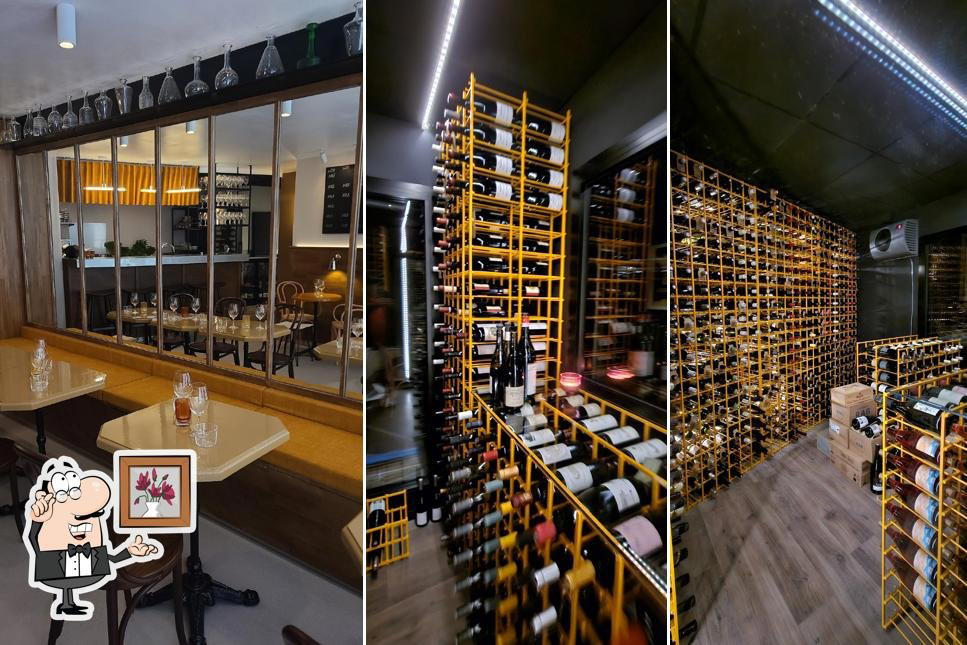
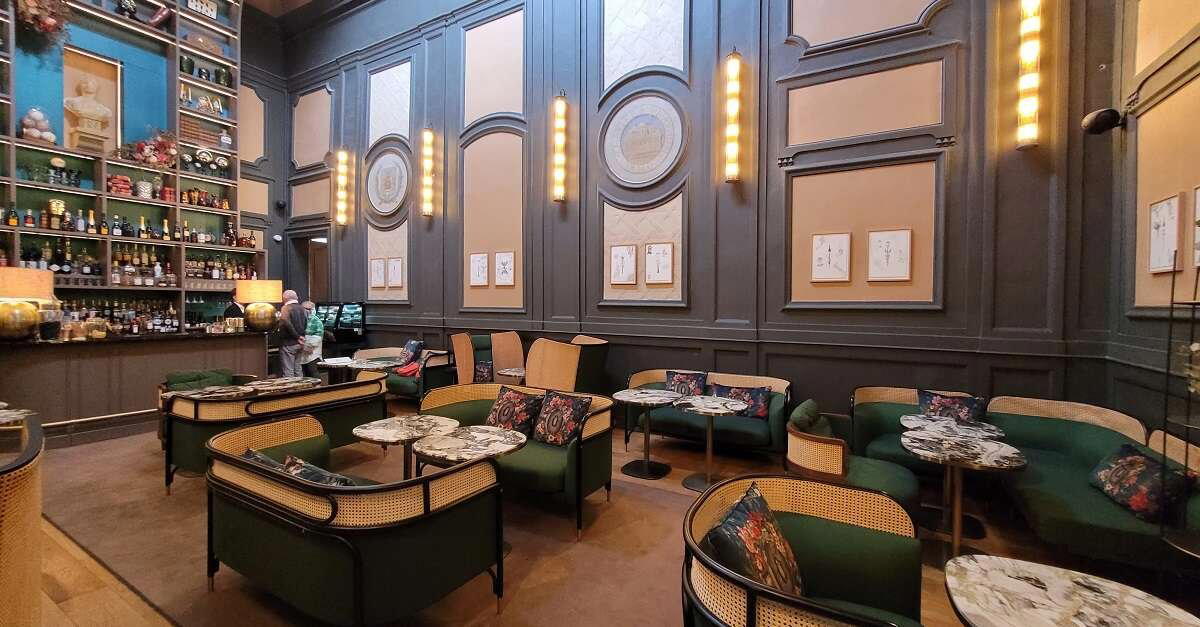
Hotels in Montpellier
Browse all →

At a Glance
- Industrial
- Elegant
- Trendy
- Date Night
- Business Dinner
- Open Kitchen
- Terrace
- Extensive Wine List
- Local Sourcing
- Street Scene
Current opening hours
- Monday
- 9 AM–2 PM, 6–10 PM
- Tuesday
- 9 AM–2 PM, 6–10 PM
- Wednesday
- 9 AM–2 PM, 6–10 PM
- Thursday
- 9 AM–2 PM, 6–10 PM
- Friday
- 9 AM–2 PM, 6–10 PM
- Saturday
- 9 AM–2 PM, 6–10 PM
- Sunday
- Closed
Hours can change for holidays and private events. Last verified .
Stylish blend of industrial and Art Deco with elegant, romantic atmosphere.