Our verdict
Chez Lanchois sits on the edge of Sète's Parc Aqua-technique district, a quieter address than the canal-front tables that dominate the city's dining conversation. With Sète's fishing tradition and Mediterranean produce at its doorstep, the restaurant operates in a local idiom that rewards visitors who look beyond the harbour-front obvious. A practical choice for those who want to eat within the rhythms of the town rather than above them.

Pearl is the En Primeur Club membership app, where members save venues, book tables and use the concierge.
Eating at the Edge of the Water: Sète's Neighbourhood Restaurant Scene
Sète earns its reputation as one of the Languedoc coast's more serious eating towns not through grand dining rooms or tasting menus, but through a dense network of neighbourhood addresses that cook close to source. The city sits on a narrow strip of land between the Étang de Thau and the Mediterranean, and that geography does real work on local menus: the lagoon supplies oysters and mussels from the Bouzigues beds, the fishing port delivers rouget, daurade, and loup de mer, and the weekly markets move produce from the Hérault interior into kitchens across town. Chez Lanchois, at Parc Aqua-technique on Rue d'Amsterdam, belongs to this ecosystem rather than standing apart from it.
The Parc Aqua-technique address places the restaurant away from the tourist-heavy canal frontage that defines Sète's most-photographed dining strip. In French coastal towns, that kind of separation from the postcard zone often signals a kitchen cooking for locals rather than visitors passing through for a single meal. It is a different compact than what you find at ami - la table conviviale or La Méditerranéenne, both of which occupy positions more directly in the city's central dining conversation. Chez Lanchois operates a step removed, which in practice means a clientele that tends toward regulars and a pace that reflects local eating habits rather than visitor scheduling.
Where the Ingredients Begin: The Thau Lagoon and Its Supply Chain
The sourcing logic behind Sète's better neighbourhood tables is worth understanding before you sit down anywhere in the city. The Étang de Thau is one of France's most productive shellfish zones: Bouzigues oysters have been cultivated here for decades and carry enough regional recognition to appear on menus across the Languedoc. The same lagoon system supports mussel farming at a scale that keeps prices relatively accessible compared to Atlantic equivalents. For a kitchen working in this district, proximity to those beds is a genuine operational advantage, not a marketing claim.
Beyond shellfish, Sète's position as a working fishing port means access to Mediterranean species that rarely travel far before reaching a plate. Rouget de roche, the small red mullet pulled from rocky inshore ground, is the kind of fish that degrades quickly and therefore rewards proximity. The same applies to tellines, the tiny clams gathered along the sandy stretches of the Languedoc coast that appear in local pasta and rice dishes. Restaurants in Sète's residential districts, cooking for a clientele that eats here year-round, tend to track seasonal availability more closely than venues built around summer tourism. This is the sourcing environment in which chez Lanchois operates, and it matters for understanding what you are likely to find on the menu in any given week.
For comparison, the ingredient-to-plate logic that defines Sète's neighbourhood kitchens plays out at a very different scale and price tier in the haute cuisine addresses of the French south, such as Auberge du Vieux Puits in Fontjoncouse or La Table du Castellet in Le Castellet, both of which have built formal tasting structures around similar regional produce. Chez Lanchois works within the same coastal larder at the other end of the format spectrum.
Atmosphere and Physical Setting
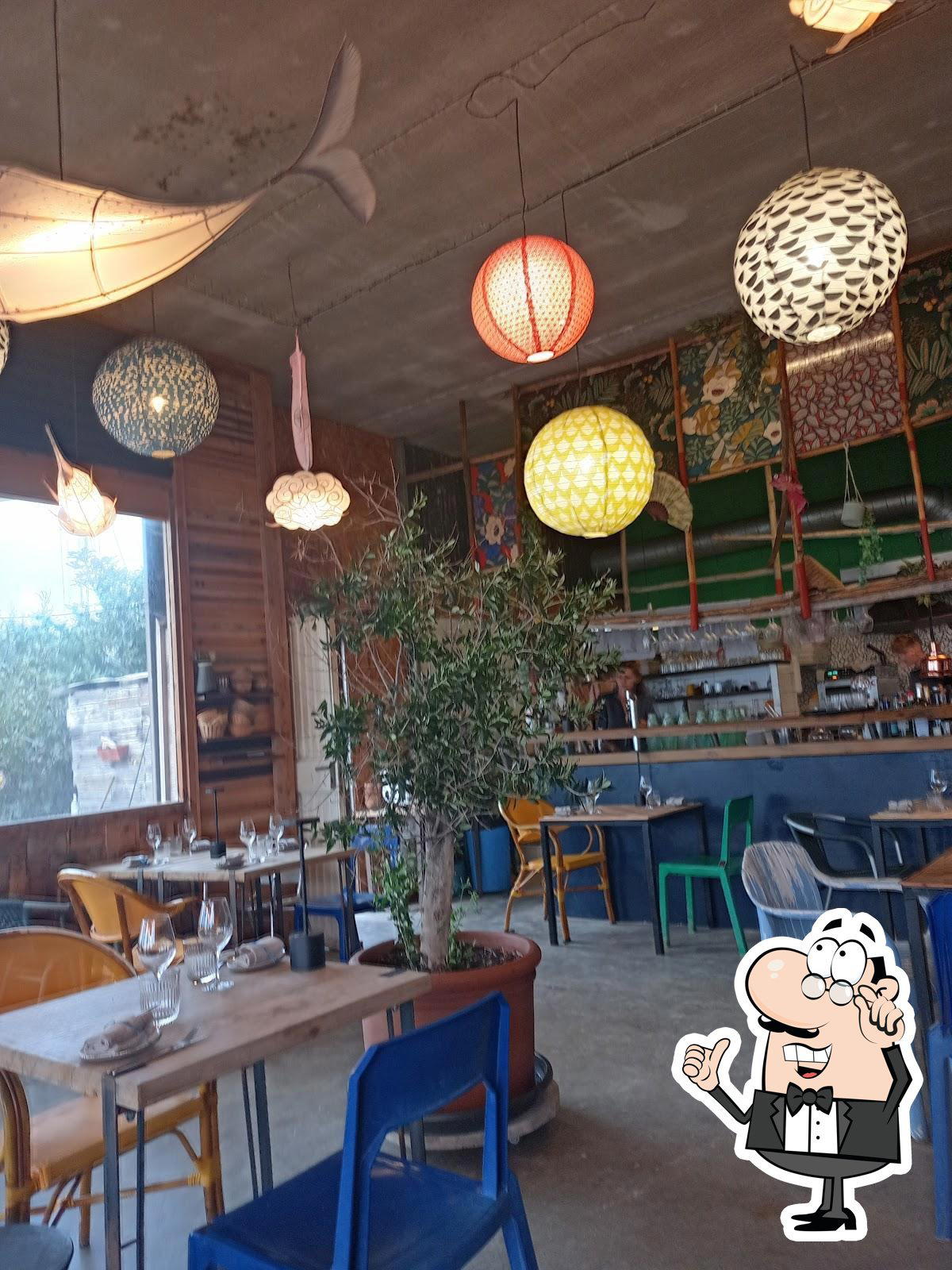
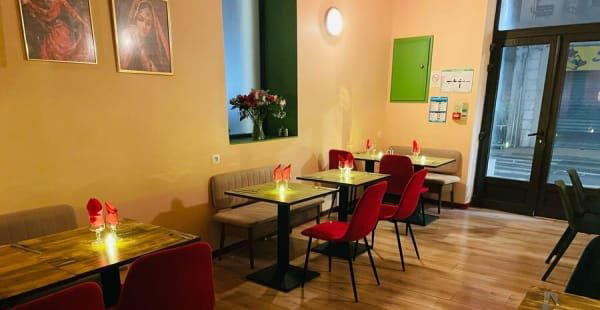
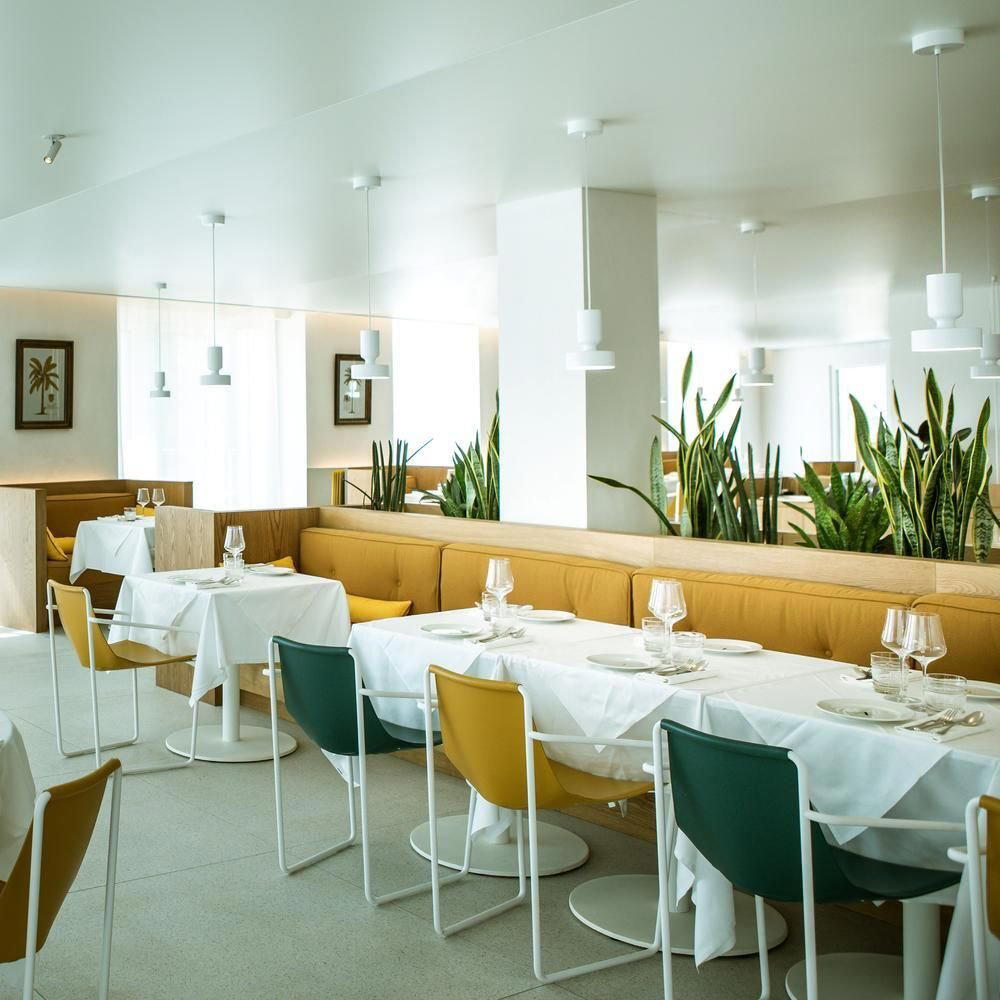
The Parc Aqua-technique zone is not a scenic address in the postcard sense. It sits in a functional part of the city, away from the pleasure-boat moorings and the painted houses that photograph well. That context shapes the atmosphere inside: this is a room that reads as working restaurant rather than destination dining room. French neighbourhood bistros in port cities often carry a particular quality of light and background noise that is hard to manufacture, arriving through years of regular custom rather than design intention. Whether chez Lanchois has that particular register is something a visit will answer more reliably than a description.
Sète's dining character more broadly runs toward convivial, unhurried meals rather than the precise service choreography you find at Michelin-level addresses elsewhere in France. Institutions like Flocons de Sel in Megève, Alléno Paris au Pavillon Ledoyen in Paris, or Troisgros - Le Bois sans Feuilles in Ouches represent one register of French dining. Chez Lanchois, like most of Sète's neighbourhood tables, represents another: less ceremony, more directness, a tempo set by the kitchen rather than the room.
Planning a Visit: What to Know Before You Go
Chez Lanchois is located at Parc Aqua-technique, 9 Rue d'Amsterdam, 34200 Sète. The address is away from the main tourist circulation, so arriving by car or with a local map reference is sensible. For a broader orientation to the city's restaurant options, the full Sète restaurants guide covers the competitive set across price points and neighbourhoods, including Quai d'en Face, which sits in a different part of the waterfront dining mix.
The Languedoc coast runs warm from May through October, with August bringing the highest visitor numbers and the shortest windows for walk-in availability across the city. The shoulder months of May, June, and September tend to give a more accurate read of a neighbourhood kitchen's normal rhythm, with local custom more evident and menus less adjusted for tourist preference.
Sète in a Wider French Context
Sète does not appear in the same conversations as France's marquee restaurant cities. It is not Lyon, with its institutional bouchon culture and addresses like Georges Blanc in Vonnas or the storied legacy of Paul Bocuse. It is not the Basque coast, with Les Prés d'Eugénie or the alpine precision of Le 1947 à Cheval Blanc in Courchevel. What Sète offers is a different proposition: a working port with a genuine fishing economy, a shellfish supply that arrives from one of France's most productive lagoons, and a neighbourhood dining culture built around that supply rather than around culinary tourism. Chez Lanchois sits inside that identity. Readers looking for a reference point at the other end of the formal-dining register might consider what Le Bernardin in New York City or Mirazur in Menton represent for Mediterranean coastal sourcing at the highest formal level; chez Lanchois is the Sète neighbourhood version of the same underlying logic, operating without the structure or price point of those rooms. Bras in Laguiole and Auberge de l'Ill in Illhaeusern similarly reflect regional sourcing commitments at a more formal register than what Sète's neighbourhood tables represent. The Lazy Bear in San Francisco model of destination dining built around a defined local larder is another international frame of reference; chez Lanchois occupies a much more modest position in the same broad argument about proximity between source and plate.
Frequently asked questions
Does chez Lanchois work for a family meal?
The address in the Parc Aqua-technique zone of Sète puts it in a functional, unpretentious part of the city rather than a tourist-facing strip, which tends to suit relaxed, unhurried meals. Nothing in the available information suggests a format that would exclude families.
What is the atmosphere like at chez Lanchois?
Chez Lanchois sits within the Parc Aqua-technique district at 9 Rue d'Amsterdam, a working, non-scenic corner of Sète rather than the postcard waterfront. That placement signals a local-facing operation more interested in the regulars than the passing tourist trade. Sète's neighbourhood restaurant culture broadly runs to low-key rooms where the cooking does the talking.
Is chez Lanchois a good option for lunch near the Parc Aqua-technique in Sète?
Chez Lanchois is located at 9 Rue d'Amsterdam within the Parc Aqua-technique zone, making it one of the more accessible sit-down options in that part of Sète. Sète's eating culture skews heavily toward midday service, with the city's neighbourhood tables often running their most active sessions at lunch rather than dinner.
What dish is chez Lanchois famous for?
What is worth knowing is that Sète's serious neighbourhood tables draw directly from the Étang de Thau, one of France's principal oyster and shellfish producing lagoons, which shapes the ingredient logic of most kitchens in the city. Visiting without a fixed expectation and asking what came in that morning is how Sète is best eaten.
Where is chez Lanchois in Sete?
chez Lanchois is located at Parc Aqua-technique, 9 Rue d'Amsterdam, 34200 Sète, France, Sete.
How hard is it to get a table at chez Lanchois?
Neighbourhood restaurants in Sète that rely on local trade rather than tourist footfall often fill quickly at lunch, which is the dominant dining rhythm on the Languedoc coast. Contacting the venue directly ahead of any visit is the practical approach.
What's the defining dish or idea at chez Lanchois?
In a town where sourcing proximity is the baseline expectation rather than a selling point, a neighbourhood address like this one earns its place through consistency with locals rather than critical fanfare.
In Context: Similar Options
| Venue | Cuisine | Price |
|---|---|---|
| chez LanchoisThis venue (the venue you are viewing) | Modern French-Mediterranean with Asian influences | $30–50 |
| La Méditerranéenne | Traditional Mediterranean Seafood | $20–30 |
| Quai d'en Face | Gastronomic Mediterranean Seafood | Not listed |
| ami - la table conviviale | French Bistro and Tapas | $20–30 |
Continue exploring
More in Sète
Restaurants in Sète
All restaurants in Sète →

Details
- Rustic
- Cozy
- Scenic
- Date Night
- Special Occasion
- Waterfront
- Open Kitchen
- Terrace
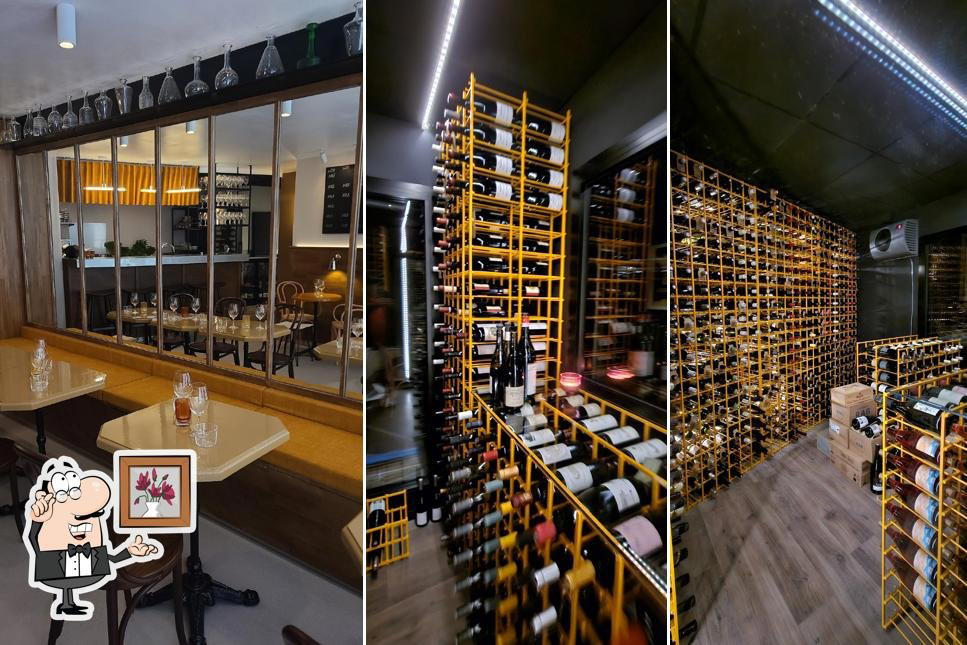
- Extensive Wine List
- Local Sourcing
- Waterfront
- A La Carte
- Vegetarian Friendly
Current opening hours
- Monday
- Closed
- Tuesday
- Closed
- Wednesday
- Closed
- Thursday
- 7–9:30 PM
- Friday
- 7–9:30 PM
- Saturday
- 12–2:30 PM, 7–9:30 PM
- Sunday
- 12–2:30 PM, 7–9:30 PM
Hours can change for holidays and private events. Hours as of .
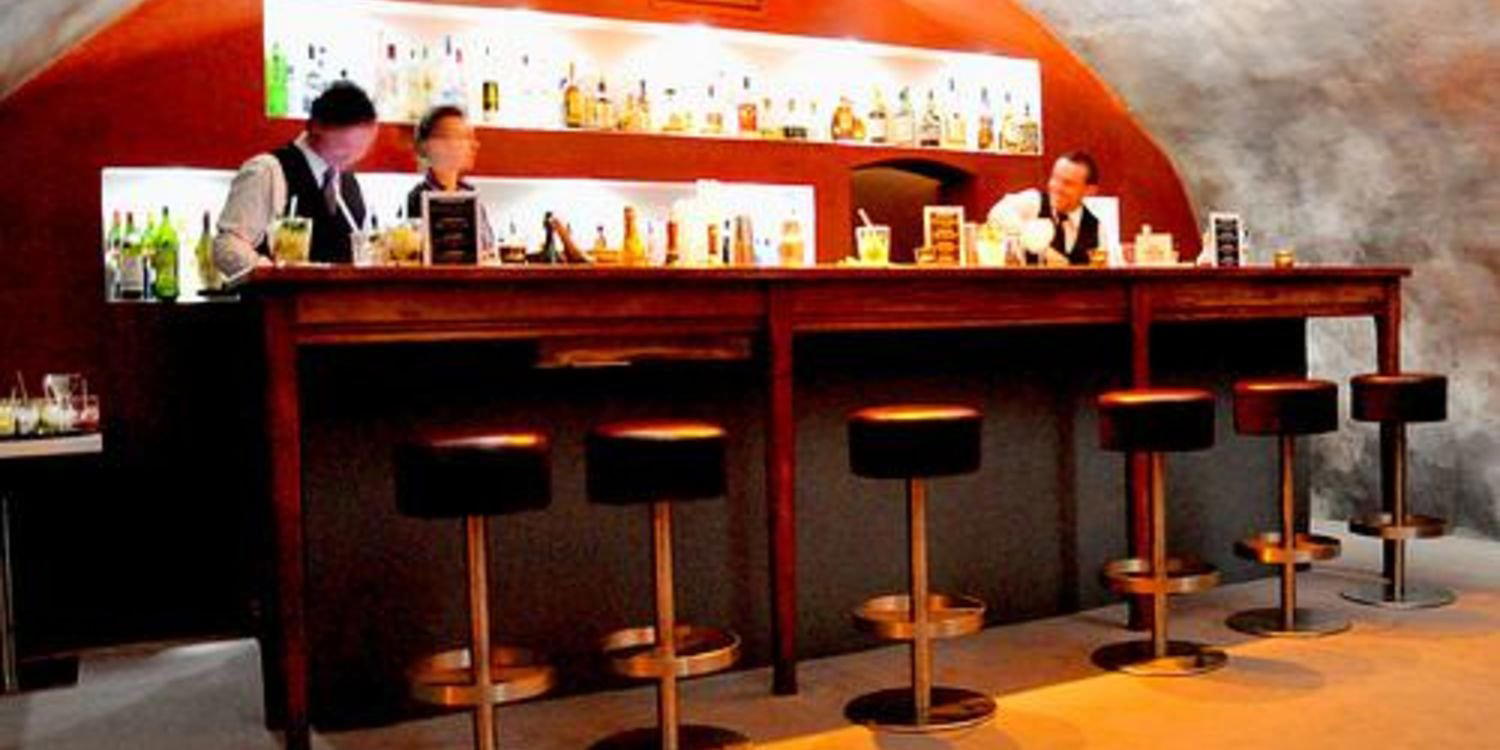
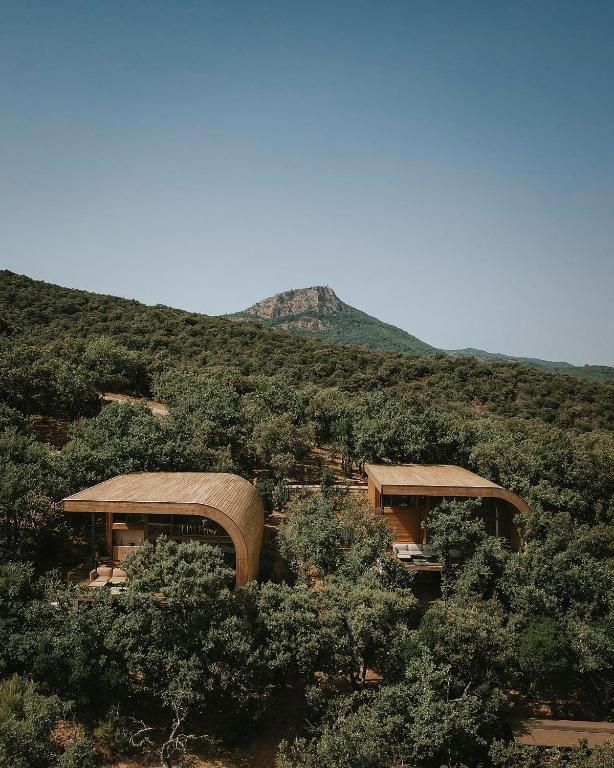
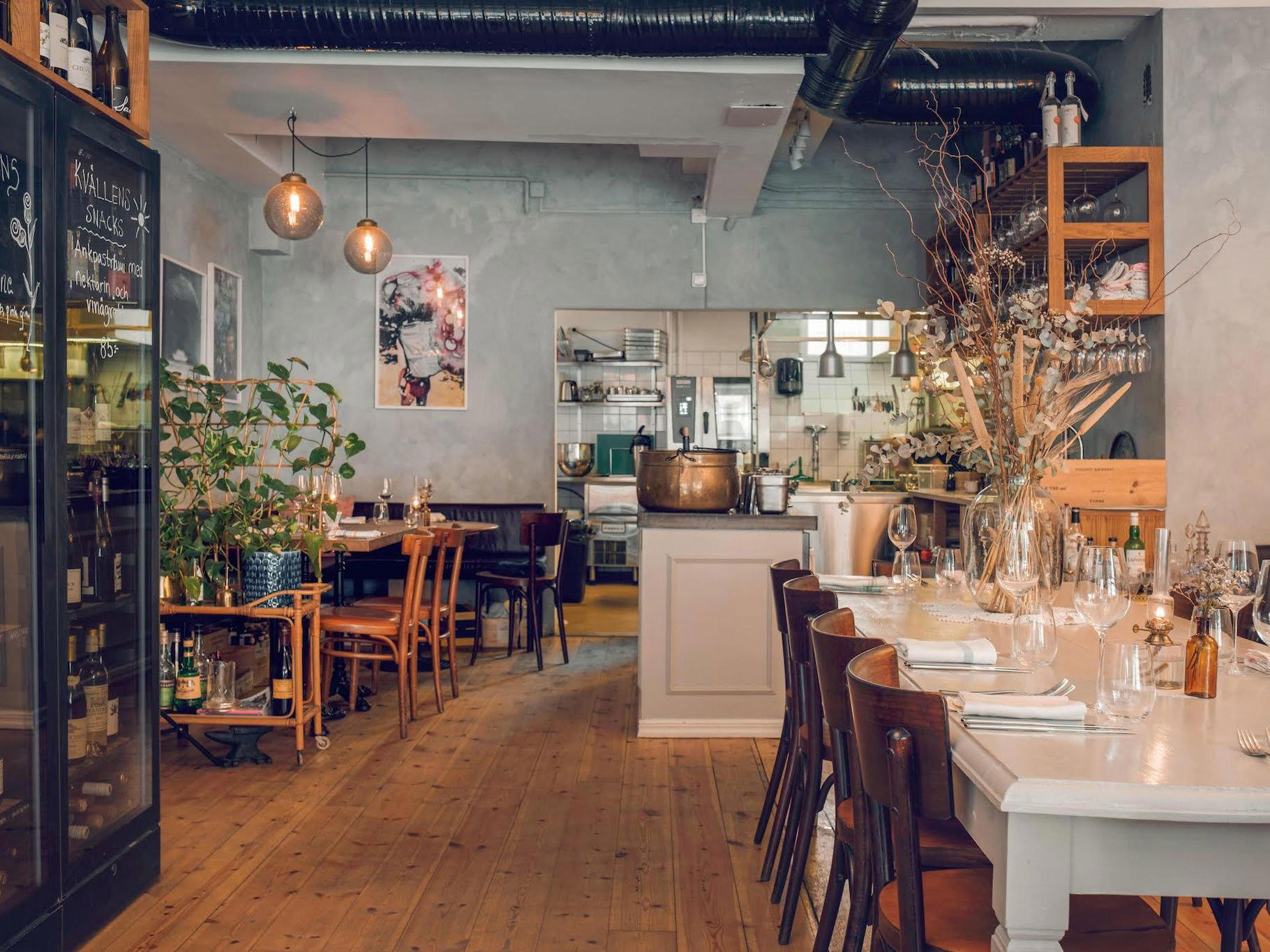
Pleasant mix of recycled wood, green plants, cheerful lamps in a rustic fisherman's cabin setting, relaxed and scenic by the water.